
Best General Synthesizers for Ambient 2026
So, you're chasing those glacial soundscapes, the shimmering pads, the evolving textures - the whole ambient vibe. It's a genre that demands a certain kind of synth, something that breathes and drifts, not just blasts out presets. Forget about aggressive leads and screaming oscillators; we're after depth, sustain, and a palette of tones that can melt into the background or subtly shift the mood. Let's talk about synths that'll actually get you there.
Last updated: July 22, 2026 • Next update: July 29, 2026
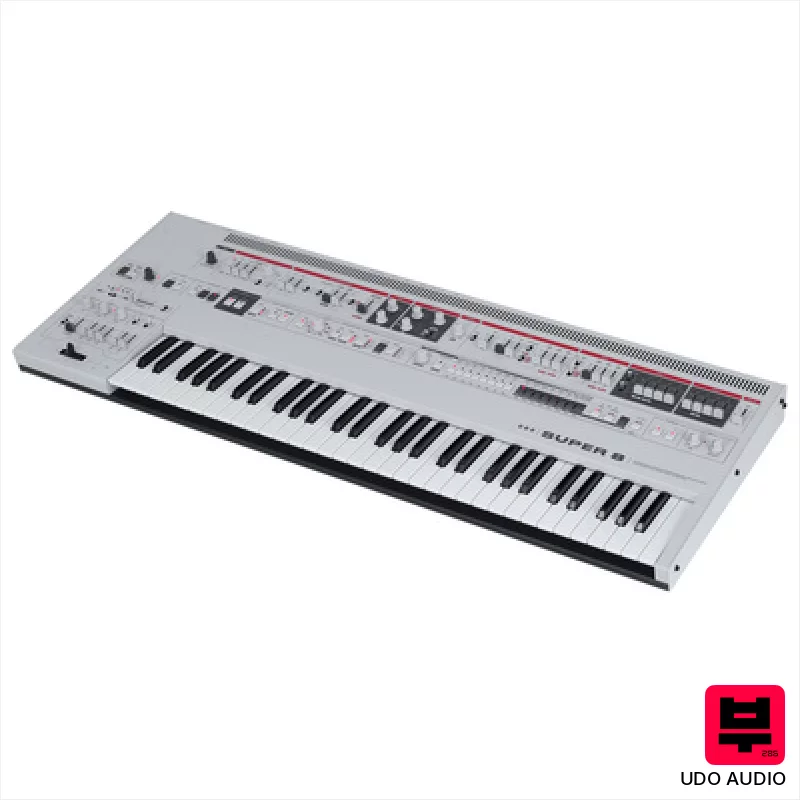
UDO Audio Super 8 White
- • Dual-layer architecture unlocks incredibly complex and evolving soundscapes.
- • FPGA-based oscillators provide a surprising amount of wavetable flexibility.
- • Semi-weighted keybed with polyphonic aftertouch offers expressive, nuanced control.
- • Analog filter and overdrive deliver a warm, characterful and responsive tone.
- • The 61-key layout might feel limiting for players accustomed to full 88-key ranges.
- • The complexity of the dual-layer architecture has a steeper learning curve.
- • Premium-priced, making it a significant investment for many musicians.

Arturia MicroFreak Thomann Ed. Mic Set
- • Thomann Edition Chorus JUN-6 software adds classic warmth.
- • Velocity-sensitive keys with polyphonic aftertouch are surprisingly expressive.
- • Compact size makes it ideal for travel and smaller studios.
- • The step sequencer with automation tracks unlocks complex patterns.
- • Limited key range (25 keys) restricts playing complex chords.
- • Paraphonic nature limits true polyphony for layered sounds.
- • The OLED display, while functional, can be a bit small.

Mellotron M4000D Mini Black
- • Solid metal housing feels robust and roadworthy for frequent transport.
- • Fatar semi-weighted keys offer surprisingly expressive velocity response.
- • The mix potentiometer allows for nuanced layering of sounds.
- • Compact size makes it manageable for smaller studios or live rigs.
- • Limited polyphony can be restrictive for complex arrangements.
- • The M4000D's sound palette, while iconic, lacks modern synthesis flexibility.
- • The Fatar action, while decent, isn't a top-tier professional keyboard.
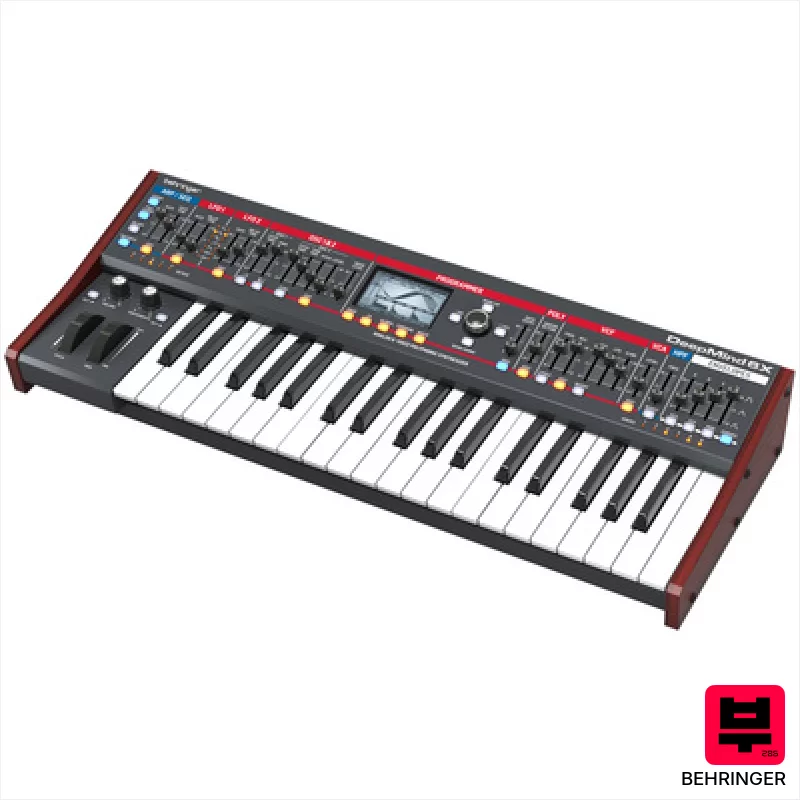
Behringer DeepMind 6X
- • Rich, warm analog sound thanks to the discrete circuitry design.
- • Velocity-sensitive keys with aftertouch offer expressive performance.
- • Comprehensive unison modes create massive, evolving textures.
- • Flexible filter section delivers classic analog warmth and character.
- • Plastic keybed feels noticeably less premium than higher-end alternatives.
- • Limited modulation options compared to more sophisticated synths.
- • The menu diving can be a bit overwhelming initially.
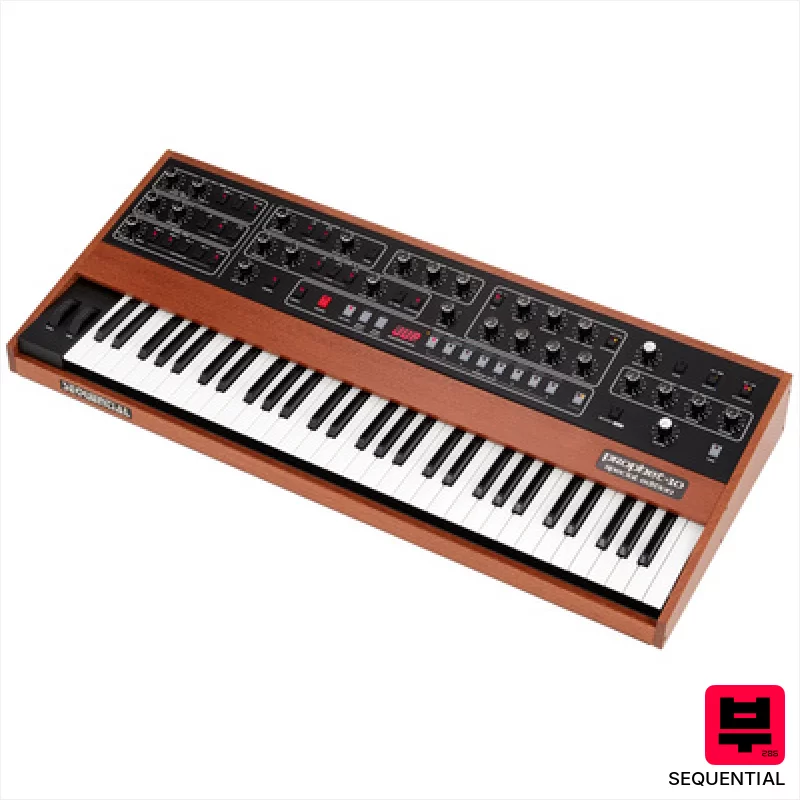
Sequential Prophet 10 Special Edition
- • Lacewood finish elevates aesthetics and feel, truly a statement piece.
- • Prophet-5 Rev1/2/3 filter switch offers incredible tonal flexibility.
- • Velocity-sensitive Fatar keybed with aftertouch provides nuanced expression.
- • Dual CEM 3340 oscillators deliver that classic, rich Prophet sound.
- • Premium-priced, a significant investment for most musicians.
- • Limited modulation options compared to modern, more complex synths.
- • The larger size and weight make it less portable for gigging.
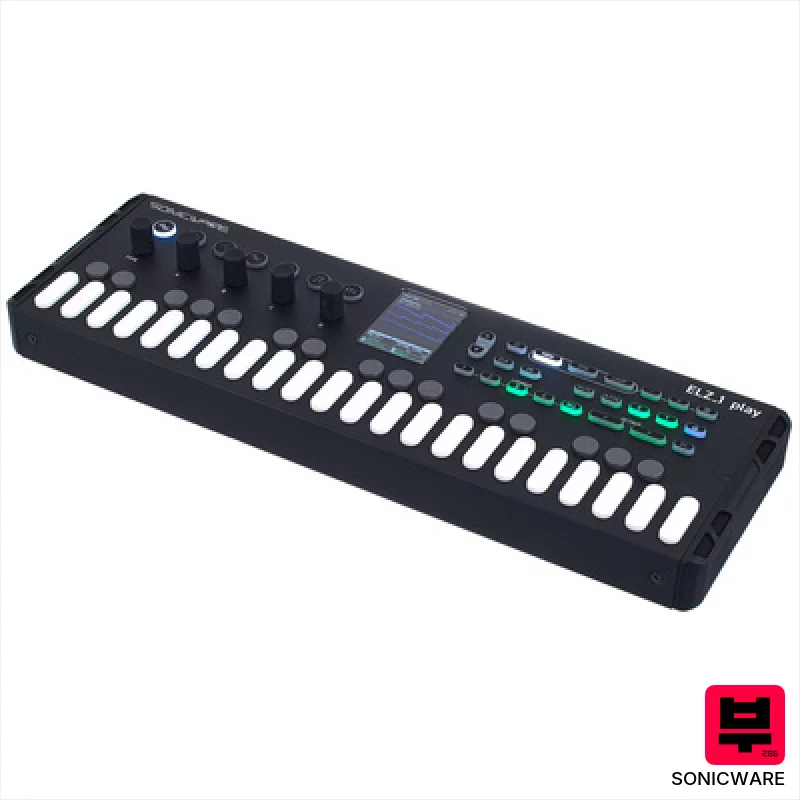
Sonicware ELZ_1 play
- • Diverse synth engines offer surprising sonic textures, from gritty bit sounds to FM.
- • The STK Drummer provides surprisingly usable and creative rhythmic foundations.
- • DNA Explorer allows for genuinely unique sound design from audio samples.
- • Compact size and built-in speakers make it a portable, self-contained performance unit.
- • 37 velocity-sensitive keys feel cramped; better suited for sketching than serious playing.
- • Sequencer, while powerful, has a less intuitive workflow than dedicated hardware.
- • Limited polyphony in unison mode can feel restrictive with complex patches.

Moog Muse
- • Exceptional Moog filter character delivers rich, creamy analog warmth.
- • Bi-timbral design unlocks complex, layered sonic textures easily.
- • Macro controls offer intuitive sound design and performance flexibility.
- • Velocity/aftertouch keyboard enhances expressiveness and nuanced playing.
- • The 61-key layout feels a bit cramped for extensive multi-layered patches.
- • High-end price point places it beyond many hobbyist or beginner budgets.
- • Sequencer, while functional, lacks advanced editing capabilities found elsewhere.

SOMA Lyra-8 Rust Edition
- • Oxidized metal housing offers unique aesthetic and tactile feel.
- • Eight voices provide genuinely massive, evolving drone textures.
- • Free voice tuning unlocks a vast spectrum of harmonic possibilities.
- • Mod Delay with LFO modulation creates hypnotic, complex rhythmic patterns.
- • Limited waveform selection restricts broader sonic palette beyond drones.
- • The metal contact playing method has a steep learning curve.
- • Its highly specialized nature limits appeal to experimental musicians.
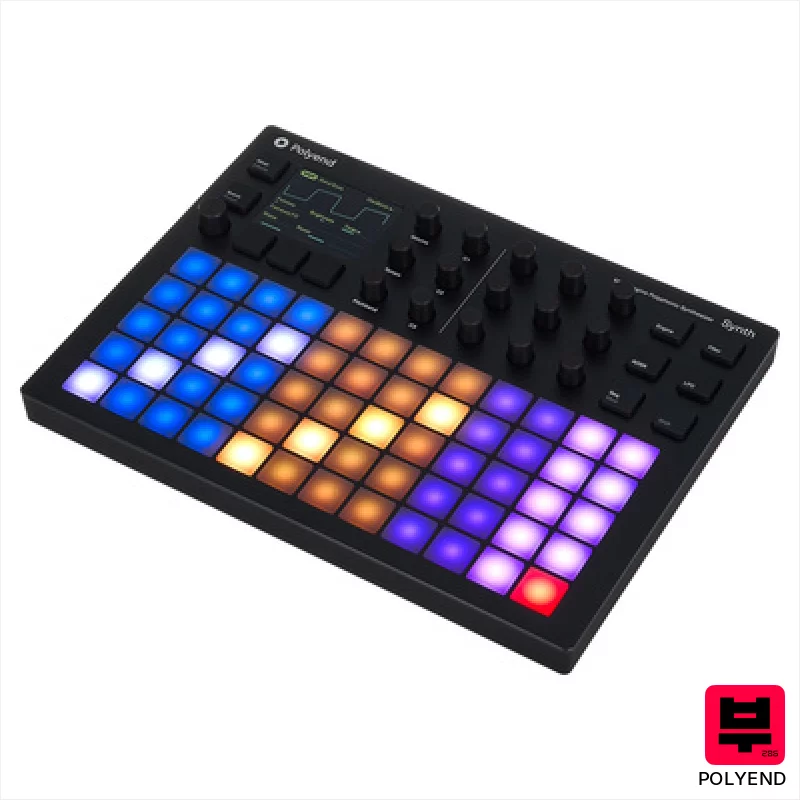
Polyend Synth
- • Versatile engine selection offers a surprising range of sonic textures.
- • Intuitive sequencer simplifies complex polyphonic arrangement workflows.
- • Compact size and lightweight design enhance portability for gigging.
- • Customizable effects add depth and polish to synthesized sounds.
- • Limited key travel might feel shallow for experienced keyboardists.
- • Learning curve exists mastering the multiple engine interactions.
- • Physical modeling engine's sound quality could be more refined.
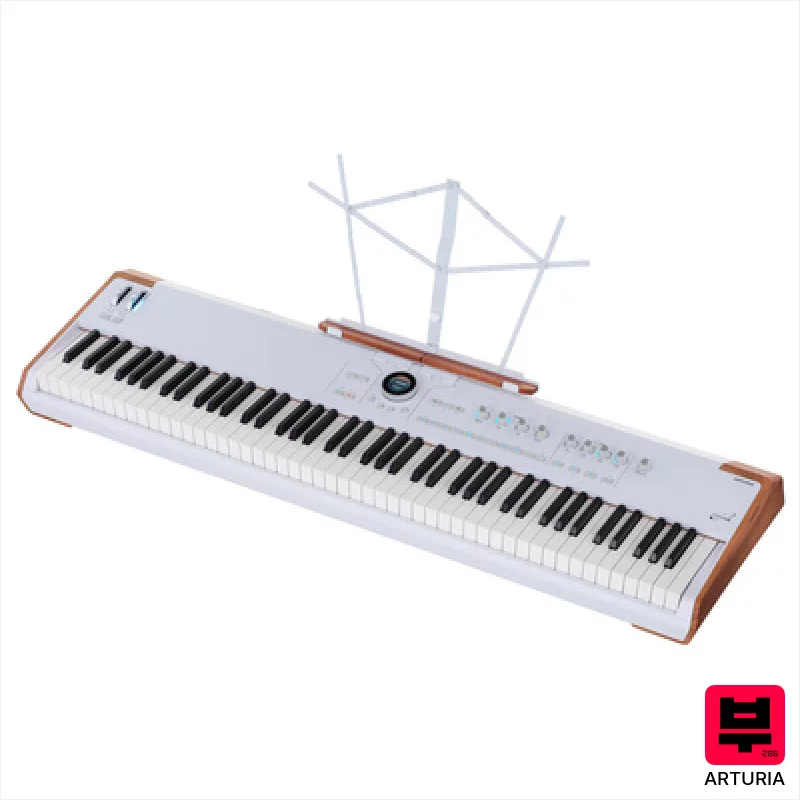
Arturia AstroLab 88
- • Excellent Fatar TP-40 keybed offers superb action and aftertouch.
- • Diverse synthesis engines provide incredible sonic versatility and depth.
- • Intuitive navigation wheel and screen streamline sound exploration and editing.
- • Artist Tribute presets deliver instantly inspiring and professional-sounding patches.
- • The sheer number of engines can feel overwhelming for less experienced users.
- • Physical size and weight make it less portable for frequent gigging.
- • While capable, the built-in effects are not as flexible as dedicated plugins.
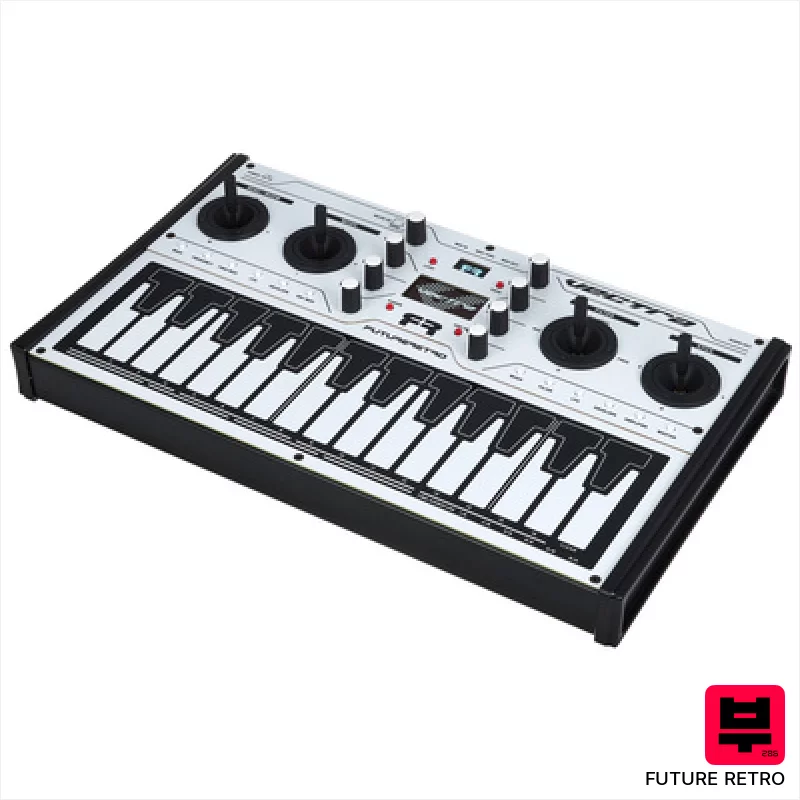
Future Retro Vectra
- • Unique vector synthesis offers unparalleled sound sculpting possibilities.
- • The joystick modulation provides immediate, expressive control over parameters.
- • Compact size belies a powerful, feature-rich synthesis engine.
- • Assignable scales simplify composition and experimentation for various skill levels.
- • 29 keys limits playing versatility, particularly for complex pieces.
- • The learning curve is steep; mastering vector synthesis takes dedication.
- • Limited connectivity compared to larger, more modern synthesizers.
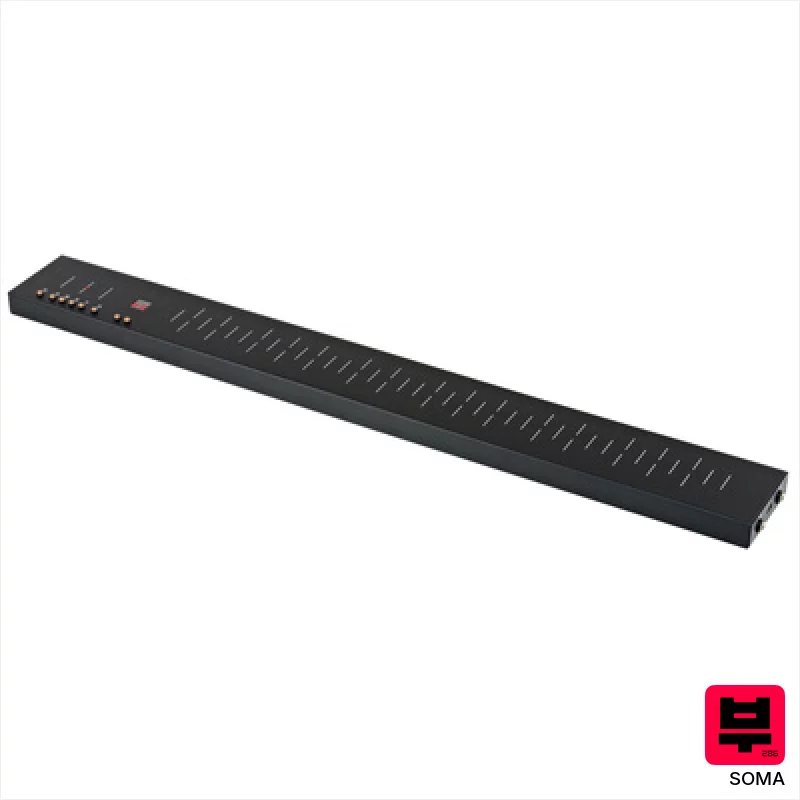
SOMA Flux
- • Unique magnetic keyboard offers expressive, touch-free control.
- • 37 synthesis algorithms provide diverse and interesting soundscapes.
- • Compact size and lightweight design allow for portability and ease of setup.
- • Dot matrix display and sensor buttons offer tactile and intuitive programming.
- • Limited polyphony may restrict complex, layered arrangements.
- • Magnetic controllers require a learning curve for precise manipulation.
- • The minimalist aesthetic might not appeal to all users.
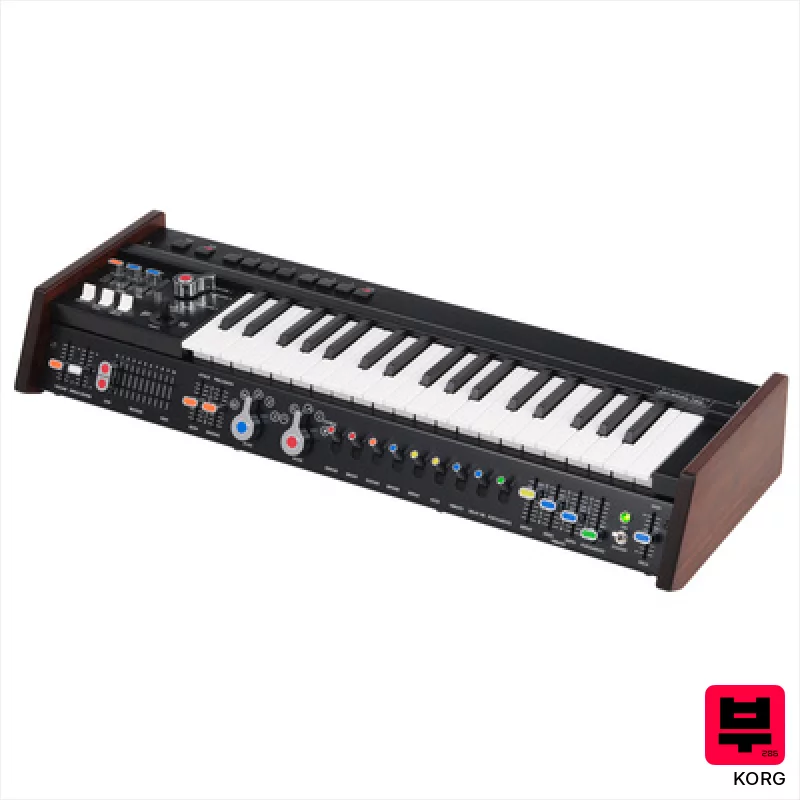
Korg miniKORG 700Sm
- • Faithful recreation of a classic Korg sound, instantly recognizable and warm.
- • The joystick offers unique, expressive control over pitch and filter sweeps.
- • Compact size and relatively light weight make it surprisingly portable for an analog synth.
- • The spring reverb adds a lovely, vintage character absent in many modern synths.
- • The 37-key slim keyboard lacks velocity sensitivity, limiting dynamic expression.
- • Monophonic nature restricts it to single-note melodies and basslines only.
- • Limited program memory (14 slots) can feel restrictive for extensive sound design.
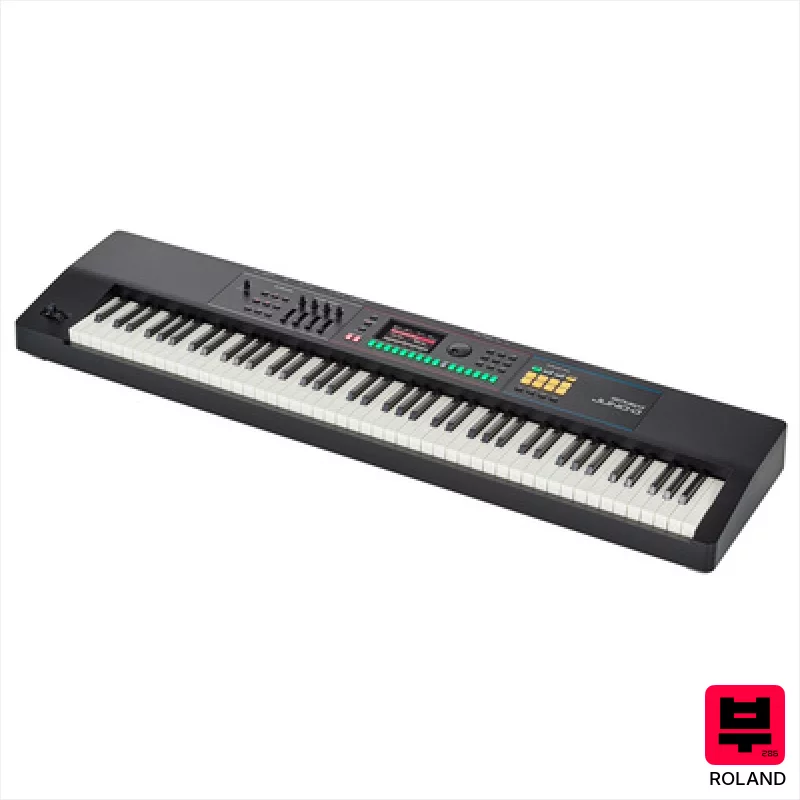
Roland Juno-D8
- • PHA-4 action provides excellent responsiveness and dynamic control.
- • ZEN-Core engine delivers a vast, diverse palette of sounds.
- • Integrated vocoder is surprisingly functional and creatively inspiring.
- • Step sequencer offers robust rhythmic possibilities beyond basic patterns.
- • PHA-4 action, while good, lacks the nuance of higher-end Roland actions.
- • ZEN-Core engine's interface can feel overwhelming initially.
- • The built-in speakers are adequate, but external monitors are recommended.

ESI XSynth
- • Velocity-sensitive keys with polyphonic aftertouch offer expressive playing.
- • Comprehensive modulation matrix unlocks deep sound design possibilities.
- • Bundled software (Bitwig, Cubasis, Xsynth Editor) provides immediate creative utility.
- • Compact size and lightweight design (654kg) makes it highly portable.
- • 3.5mm connections feel flimsy and limit professional audio integration.
- • 25-key layout restricts playing complex chords or basslines.
- • Virtual analogue engine, while capable, lacks the depth of dedicated hardware.
How to Choose the Best General Synthesizers
Oscillator Stability & Detuning
Ambient relies on evolving textures, and that means oscillators that stay locked in tune, or, even better, subtle detuning capabilities to create that swirling, chorus-like effect without needing a ton of external effects. Cheap synths often have oscillator drift that becomes very obvious in long, sustained notes.
Filter Character
A warm, resonant low-pass filter is your bread and butter. We're not talking about a surgical, clean filter; we want something with a bit of character - a slight bump in the midrange, maybe a hint of saturation when pushed. This is what adds that 'analog warmth' even on digital synths.
Modulation Options
LFOs, envelopes, and modulation matrixes are crucial. The more options you have to subtly modulate filter cutoff, oscillator pitch, or even amp volume, the more organic and evolving your sounds will be. Simple, slow modulation is key; no need for rapid LFO rates.
Polyphony & Keyboard Action
Ambient thrives on layered sounds and long, sustained chords. A minimum of 4 voices is essential, but 8 or more is ideal. Also, the keyboard action matters - a synth with a clunky, unresponsive keybed will make it hard to create those subtle nuances.
Aftertouch & Expression
Aftertouch, even basic channel aftertouch, lets you subtly shape the sound's dynamics as you hold a note, adding a layer of expressiveness that's hard to replicate otherwise. Expression pedals are also a game-changer for real-time control over parameters like filter cutoff or reverb.
Buying Guide
Don't get caught up in the hype. A ton of synths claim to be ambient-friendly, but many are geared towards more aggressive sounds. Focus on the core features - oscillator stability, filter character, and modulation options. Cheaper synths often cut corners on oscillator accuracy and filter quality, which becomes glaringly obvious when you're holding a long, sustained note. Paying a bit more for a synth with a decent keyboard action and aftertouch is absolutely worth it.
Our Methodology
We're not looking at spec sheets here. We've spent years playing gigs, tracking in studios, and just generally abusing gear to see what holds up and what falls flat. Our evaluations involve hands-on playing, A/B comparisons against other synths in similar price ranges, and real-world testing - can it cut through a mix? Is it easy to use on stage? Does it inspire creativity?

