
Best General Synthesizers for Pop 2026
So, you're diving into synths for pop? Smart move. It's not about chasing massive, screaming leads-it's about crafting those ear-catching pads, shimmering textures, and subtle basslines that glue a pop track together. Finding the right general synth is crucial for nailing that modern, polished sound, and it's more than just picking the prettiest interface.
Last updated: July 22, 2026 • Next update: July 29, 2026
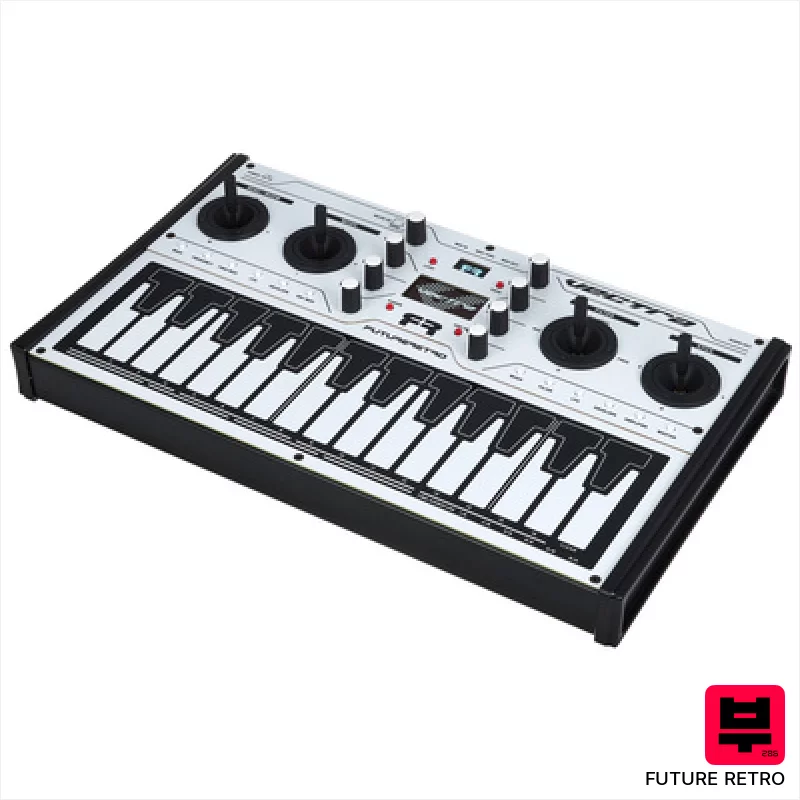
Future Retro Vectra
- • Unique vector synthesis offers unparalleled sound sculpting possibilities.
- • The joystick modulation provides immediate, expressive control over parameters.
- • Compact size belies a powerful, feature-rich synthesis engine.
- • Assignable scales simplify composition and experimentation for various skill levels.
- • 29 keys limits playing versatility, particularly for complex pieces.
- • The learning curve is steep; mastering vector synthesis takes dedication.
- • Limited connectivity compared to larger, more modern synthesizers.
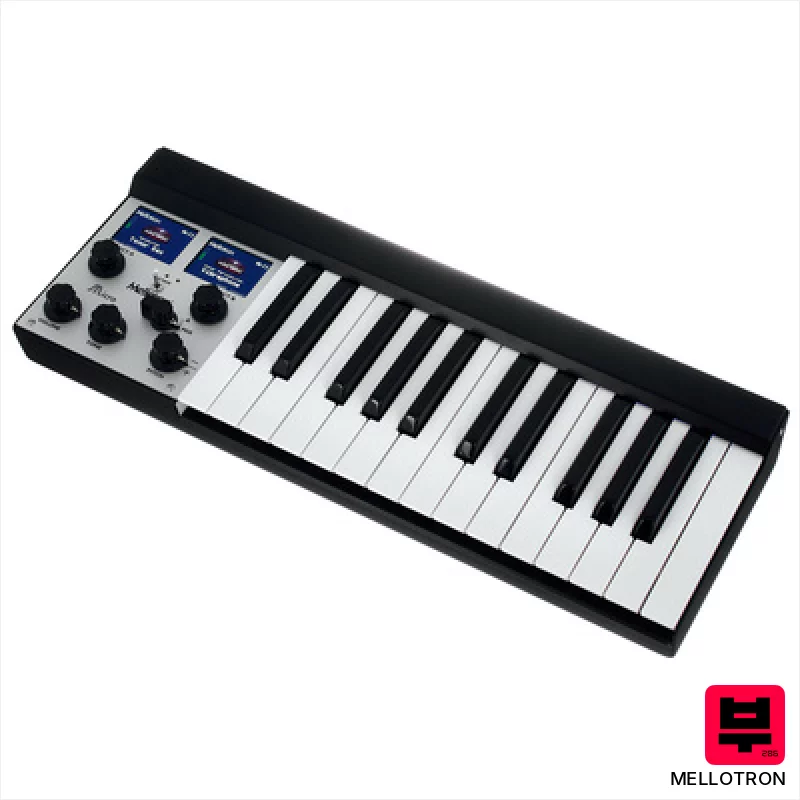
Mellotron Micro Black
- • Authentic Mellotron sounds, meticulously sampled from vintage machines.
- • Compact size and lightweight design make it very portable for gigging.
- • Intuitive controls offer immediate access to crucial sound shaping parameters.
- • Semi-weighted keys provide a playable feel, better than a purely synth action.
- • 25 keys limit complex chord voicings and advanced playing techniques.
- • Semi-weighted action isn’t a substitute for a full-sized, piano-style keyboard.
- • Sample playback engine, while accurate, lacks the organic unpredictability of a true Mellotron.
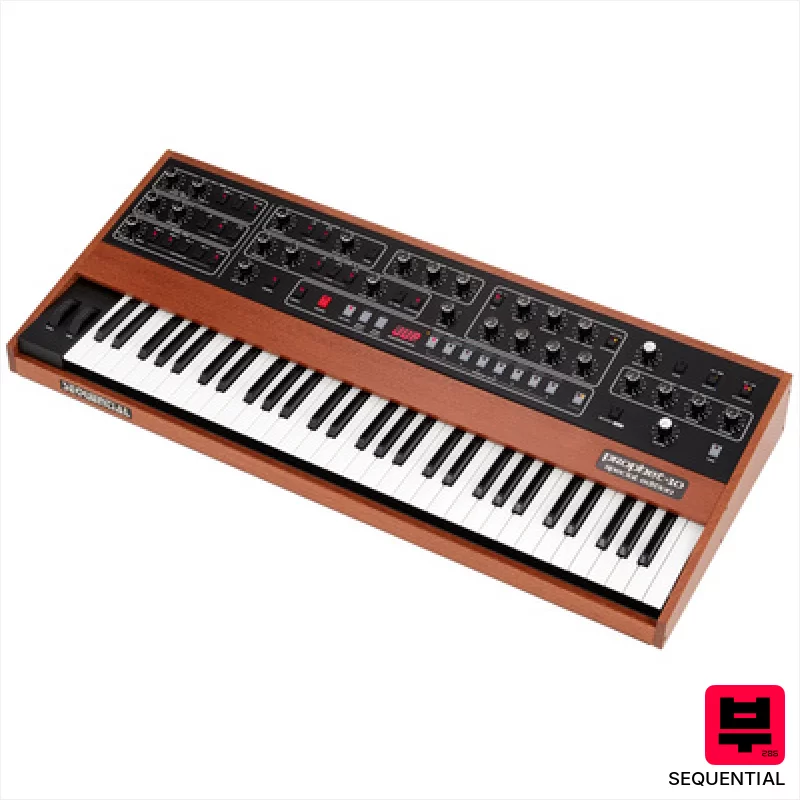
Sequential Prophet 10 Special Edition
- • Lacewood finish elevates aesthetics and feel, truly a statement piece.
- • Prophet-5 Rev1/2/3 filter switch offers incredible tonal flexibility.
- • Velocity-sensitive Fatar keybed with aftertouch provides nuanced expression.
- • Dual CEM 3340 oscillators deliver that classic, rich Prophet sound.
- • Premium-priced, a significant investment for most musicians.
- • Limited modulation options compared to modern, more complex synths.
- • The larger size and weight make it less portable for gigging.
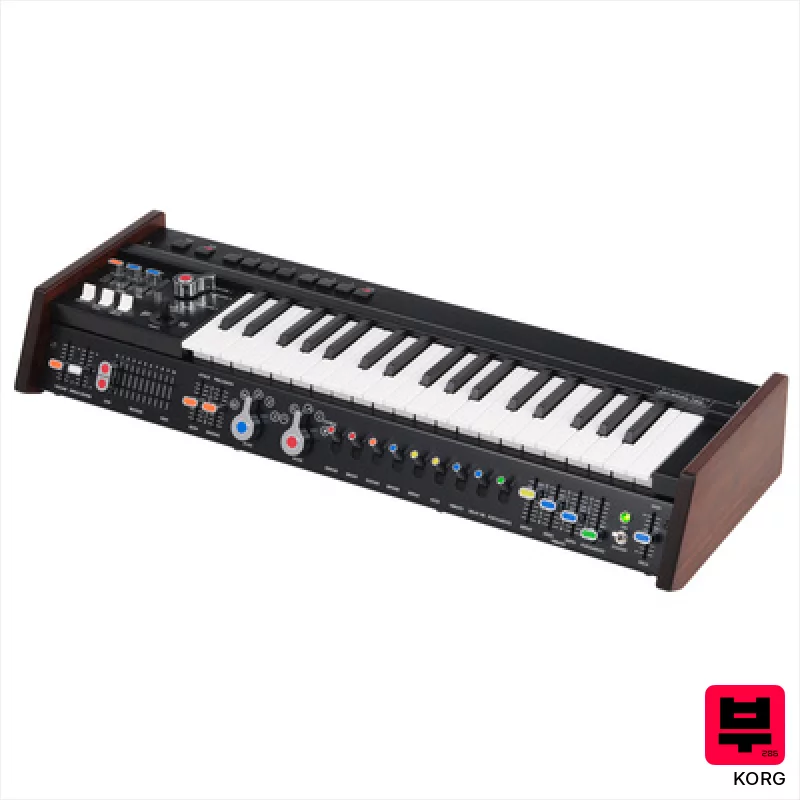
Korg miniKORG 700Sm
- • Faithful recreation of a classic Korg sound, instantly recognizable and warm.
- • The joystick offers unique, expressive control over pitch and filter sweeps.
- • Compact size and relatively light weight make it surprisingly portable for an analog synth.
- • The spring reverb adds a lovely, vintage character absent in many modern synths.
- • The 37-key slim keyboard lacks velocity sensitivity, limiting dynamic expression.
- • Monophonic nature restricts it to single-note melodies and basslines only.
- • Limited program memory (14 slots) can feel restrictive for extensive sound design.
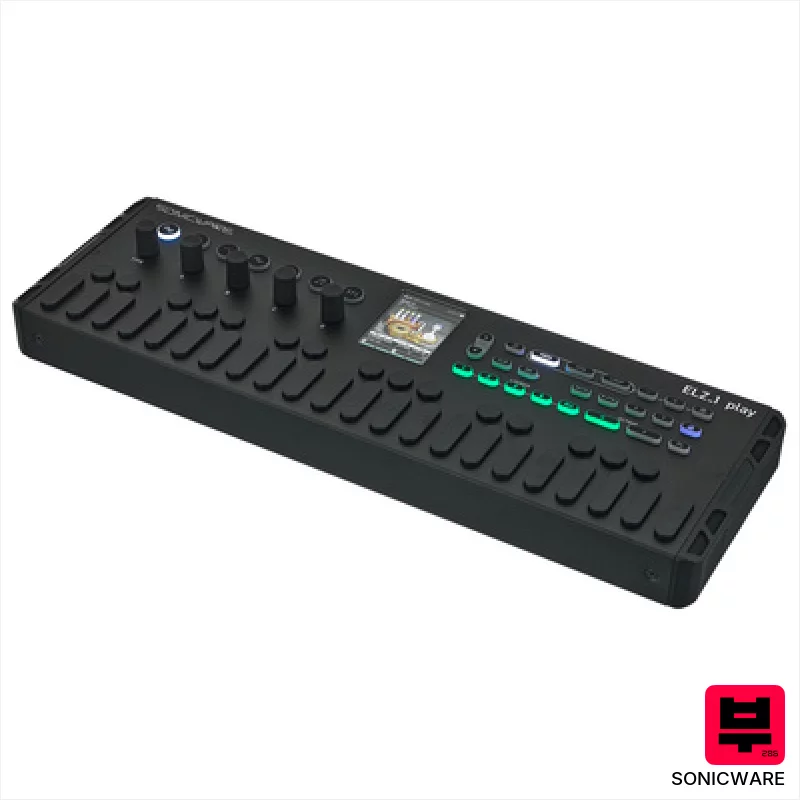
Sonicware ELZ_1 play Black
- • Unique DNA Explorer engine unlocks creative sonic sculpting possibilities.
- • Excellent built-in speakers deliver surprising power and clarity for its size.
- • Versatile synthesis engines cover a wide range of sonic palettes.
- • Intuitive 128-step sequencer facilitates complex pattern creation.
- • 37 keys offer limited range for experienced keyboardists.
- • The plastic enclosure feels somewhat budget-oriented despite the feature set.
- • Looper resolution is somewhat basic compared to dedicated loop stations.
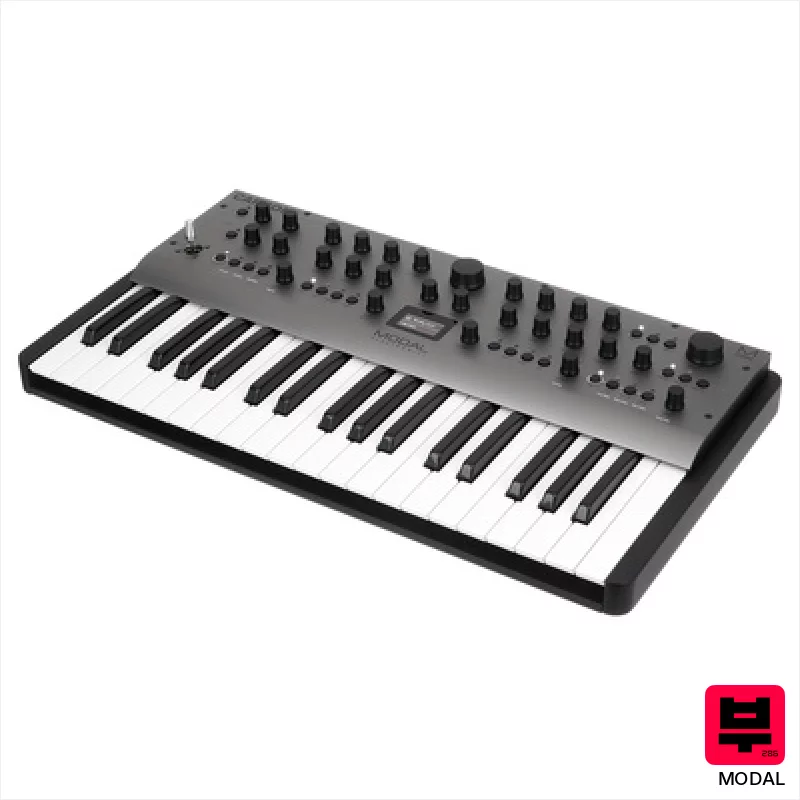
Modal Carbon8
- • Excellent FATAR keybed delivers expressive touch sensitivity.
- • Unique digital core waveforms create truly novel sounds.
- • Flexible modulation matrix unlocks complex, evolving textures.
- • Resonant filters offer a wide palette of tonal possibilities.
- • 37 keys limit performance for complex, layered pieces.
- • Workflow can be initially daunting due to extensive modulation options.
- • Limited immediate preset recall compared to some competitors.

Mellotron M4000D Mini Black
- • Solid metal housing feels robust and roadworthy for frequent transport.
- • Fatar semi-weighted keys offer surprisingly expressive velocity response.
- • The mix potentiometer allows for nuanced layering of sounds.
- • Compact size makes it manageable for smaller studios or live rigs.
- • Limited polyphony can be restrictive for complex arrangements.
- • The M4000D's sound palette, while iconic, lacks modern synthesis flexibility.
- • The Fatar action, while decent, isn't a top-tier professional keyboard.
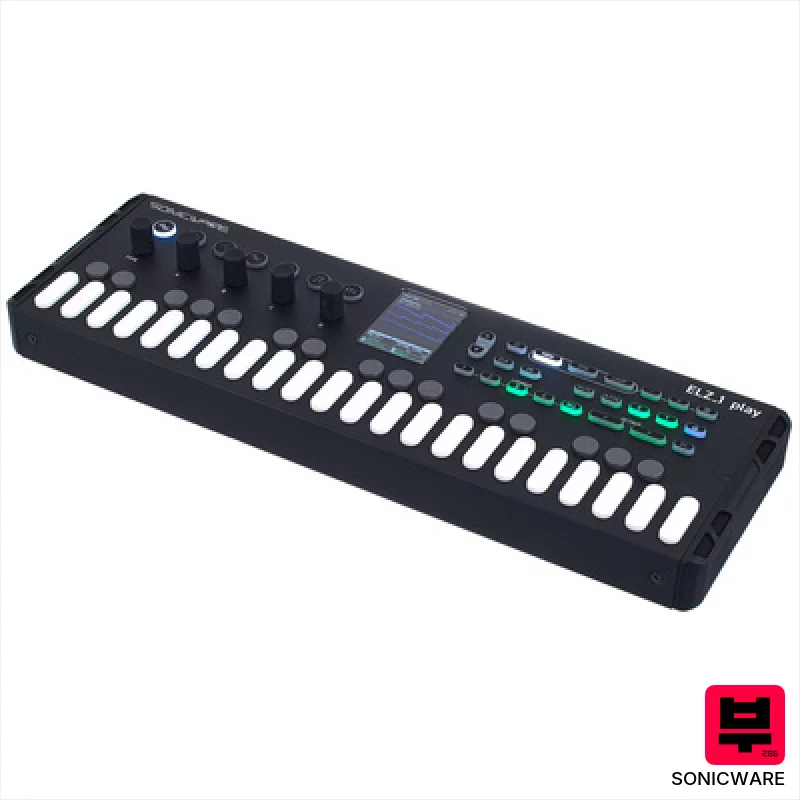
Sonicware ELZ_1 play
- • Diverse synth engines offer surprising sonic textures, from gritty bit sounds to FM.
- • The STK Drummer provides surprisingly usable and creative rhythmic foundations.
- • DNA Explorer allows for genuinely unique sound design from audio samples.
- • Compact size and built-in speakers make it a portable, self-contained performance unit.
- • 37 velocity-sensitive keys feel cramped; better suited for sketching than serious playing.
- • Sequencer, while powerful, has a less intuitive workflow than dedicated hardware.
- • Limited polyphony in unison mode can feel restrictive with complex patches.
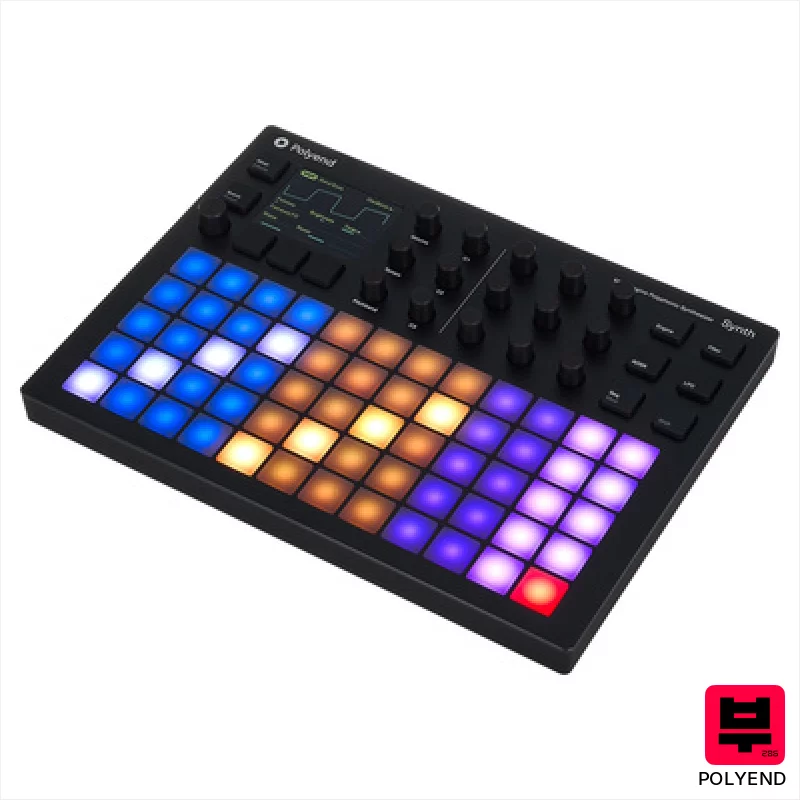
Polyend Synth
- • Versatile engine selection offers a surprising range of sonic textures.
- • Intuitive sequencer simplifies complex polyphonic arrangement workflows.
- • Compact size and lightweight design enhance portability for gigging.
- • Customizable effects add depth and polish to synthesized sounds.
- • Limited key travel might feel shallow for experienced keyboardists.
- • Learning curve exists mastering the multiple engine interactions.
- • Physical modeling engine's sound quality could be more refined.
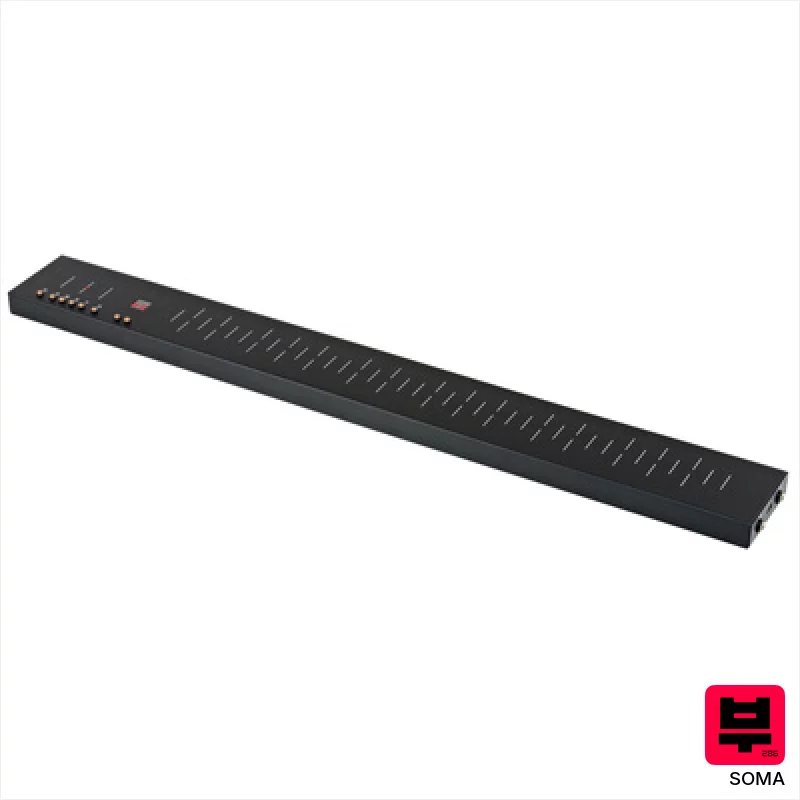
SOMA Flux
- • Unique magnetic keyboard offers expressive, touch-free control.
- • 37 synthesis algorithms provide diverse and interesting soundscapes.
- • Compact size and lightweight design allow for portability and ease of setup.
- • Dot matrix display and sensor buttons offer tactile and intuitive programming.
- • Limited polyphony may restrict complex, layered arrangements.
- • Magnetic controllers require a learning curve for precise manipulation.
- • The minimalist aesthetic might not appeal to all users.
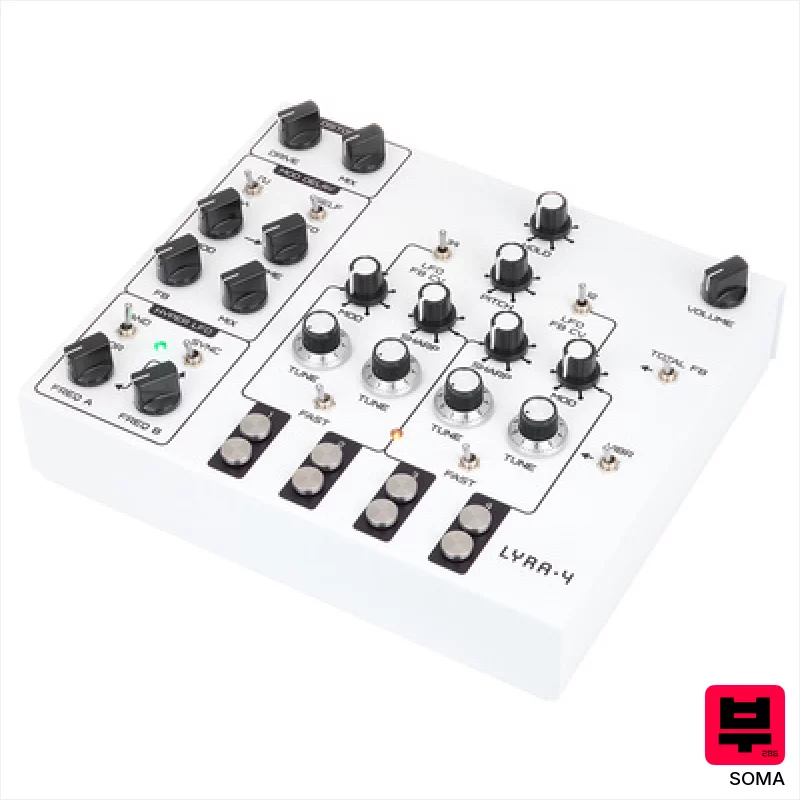
SOMA Lyra-4 White
- • Unique, evolving drone textures are genuinely captivating and hypnotic.
- • The metal contact play adds a wonderfully tactile and experimental element.
- • FM modulation per voice pair allows for surprisingly complex timbral shifts.
- • Compact size and robust build quality make it surprisingly portable.
- • Limited waveform selection restricts broader sound design possibilities.
- • Lack of a traditional keyboard makes it less accessible for some players.
- • The single drive stage, while effective, offers limited shaping options.
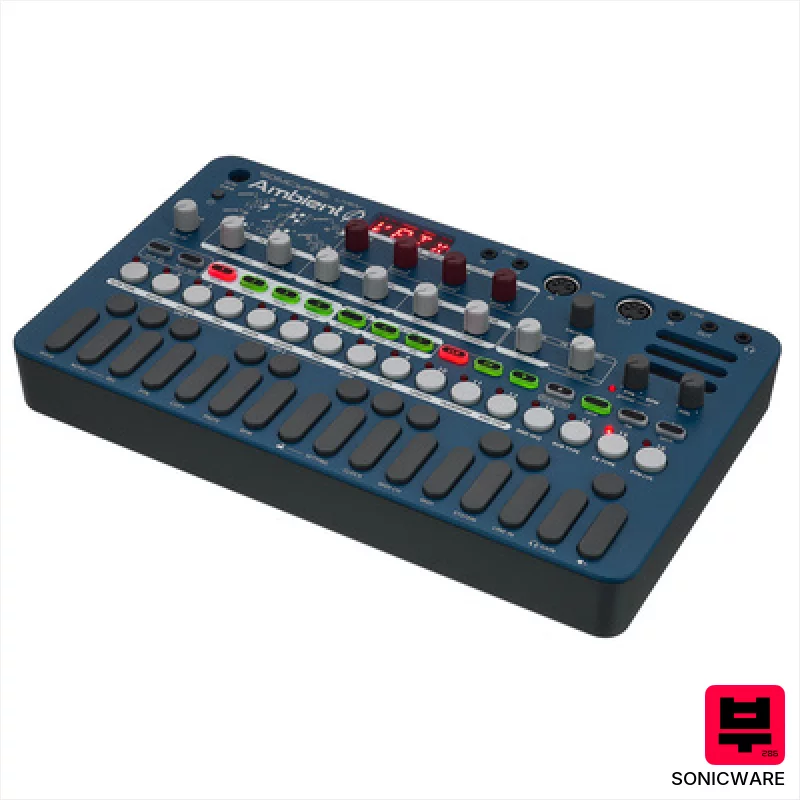
Sonicware LIVEN Ambient Ø
- • Unique Blendwave synthesis offers evolving, textured soundscapes.
- • Compact design and built-in speaker enable true mobile performance.
- • Step sequencer with real-time recording fosters creative experimentation.
- • Abundant control knobs provide immediate, hands-on sound shaping.
- • 27-key mini keyboard limits playing comfort for experienced musicians.
- • Limited polyphony (10 voices) can create noticeable aliasing with complex layers.
- • 3.5mm connections feel somewhat flimsy for a serious studio setup.

SOMA Lyra-8 Rust Edition
- • Oxidized metal housing offers unique aesthetic and tactile feel.
- • Eight voices provide genuinely massive, evolving drone textures.
- • Free voice tuning unlocks a vast spectrum of harmonic possibilities.
- • Mod Delay with LFO modulation creates hypnotic, complex rhythmic patterns.
- • Limited waveform selection restricts broader sonic palette beyond drones.
- • The metal contact playing method has a steep learning curve.
- • Its highly specialized nature limits appeal to experimental musicians.
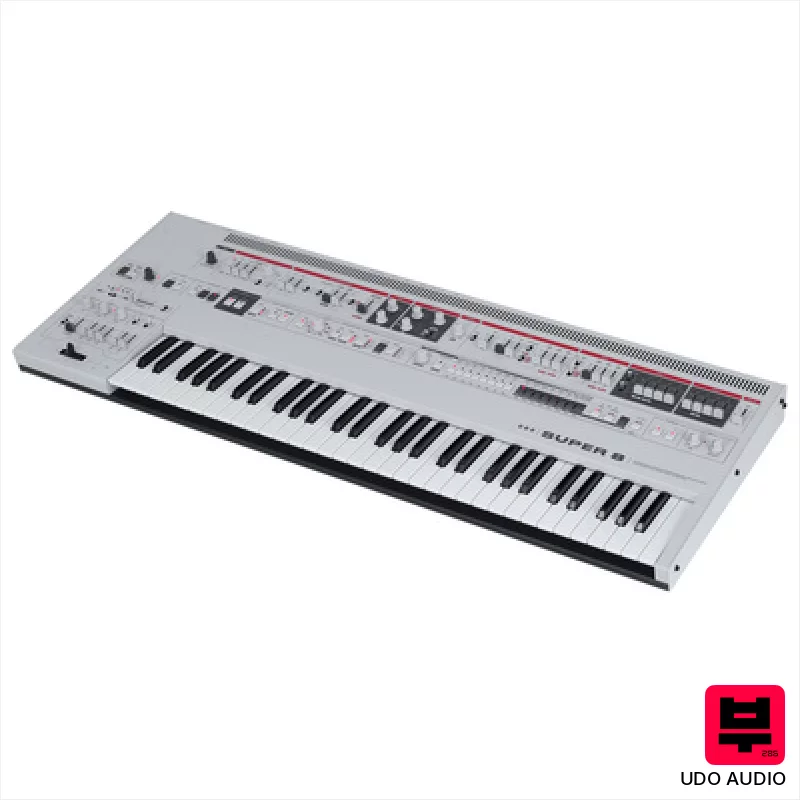
UDO Audio Super 8 White
- • Dual-layer architecture unlocks incredibly complex and evolving soundscapes.
- • FPGA-based oscillators provide a surprising amount of wavetable flexibility.
- • Semi-weighted keybed with polyphonic aftertouch offers expressive, nuanced control.
- • Analog filter and overdrive deliver a warm, characterful and responsive tone.
- • The 61-key layout might feel limiting for players accustomed to full 88-key ranges.
- • The complexity of the dual-layer architecture has a steeper learning curve.
- • Premium-priced, making it a significant investment for many musicians.
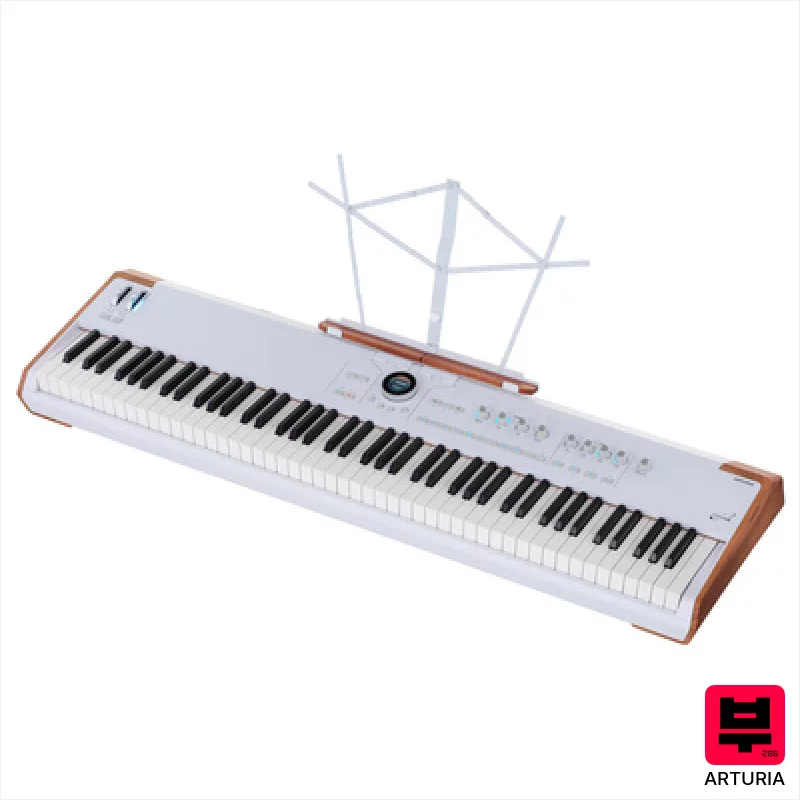
Arturia AstroLab 88
- • Excellent Fatar TP-40 keybed offers superb action and aftertouch.
- • Diverse synthesis engines provide incredible sonic versatility and depth.
- • Intuitive navigation wheel and screen streamline sound exploration and editing.
- • Artist Tribute presets deliver instantly inspiring and professional-sounding patches.
- • The sheer number of engines can feel overwhelming for less experienced users.
- • Physical size and weight make it less portable for frequent gigging.
- • While capable, the built-in effects are not as flexible as dedicated plugins.
How to Choose the Best General Synthesizers
Tonal Palette
Pop demands versatility. We're looking for synths that can cover warm, analog pads, glassy digital textures, and punchy, FM-esque sounds without sounding sterile. That 'fat midrange honk' is often key for cutting through a busy mix.
Modulation Options
Subtle movement is everything. LFOs, envelopes, and modulation matrices are vital for adding that organic feel and avoiding static, predictable sounds. The ability to modulate filter cutoff, amp envelope, and even oscillator pitch is a big deal.
Ease of Use
Let's be honest, you don't want to spend hours deciphering a cryptic interface. Pop production often requires quick sound design and tweaking on the fly, so an intuitive layout and clear visual feedback are essential.
Polyphony & Voice Architecture
Modern pop often layers multiple synth sounds. A synth with at least 32 voices is preferable, and understanding the voice architecture (e.g., unison, detuning) helps create lush, wide sounds.
Sound Engine Flexibility
While presets are nice, the ability to sculpt your own sounds is what separates a good synth from a great one. We're looking for synths that offer a variety of synthesis methods - subtractive, FM, wavetable - or the ability to combine them.
Buying Guide
Don't get caught up in the hype. Cheaper synths often compensate for lower component costs by limiting modulation options or using overly simplistic filters, which can make sounds feel thin. Consider your workflow - if you're primarily producing in a bedroom studio, a software synth might be a better value than a hefty hardware unit. Ultimately, the best synth is the one that inspires you to create, so try before you buy if possible.
Our Methodology
We're not just looking at specs here. We've spent countless hours putting these synths through their paces - recording demos, gigging with them in loud band settings, and A/B testing against industry standards. The goal isn't to list features; it's to give you the real-world scoop on how these synths actually sound and perform.

