
Best Dynamic Allround Microphones for Vocals 2026
So, you're looking for a workhorse dynamic mic for vocals? Forget the hype - you need something that can handle a screaming lead, a quiet folk whisper, and the general chaos of a band rehearsal without sounding thin or muddy. A good dynamic can be the backbone of your vocal chain, especially when you're gigging regularly and don't want to baby-sit a delicate condenser. Let's cut through the noise and find you a mic that actually delivers.
Last updated: July 8, 2026 • Next update: July 15, 2026
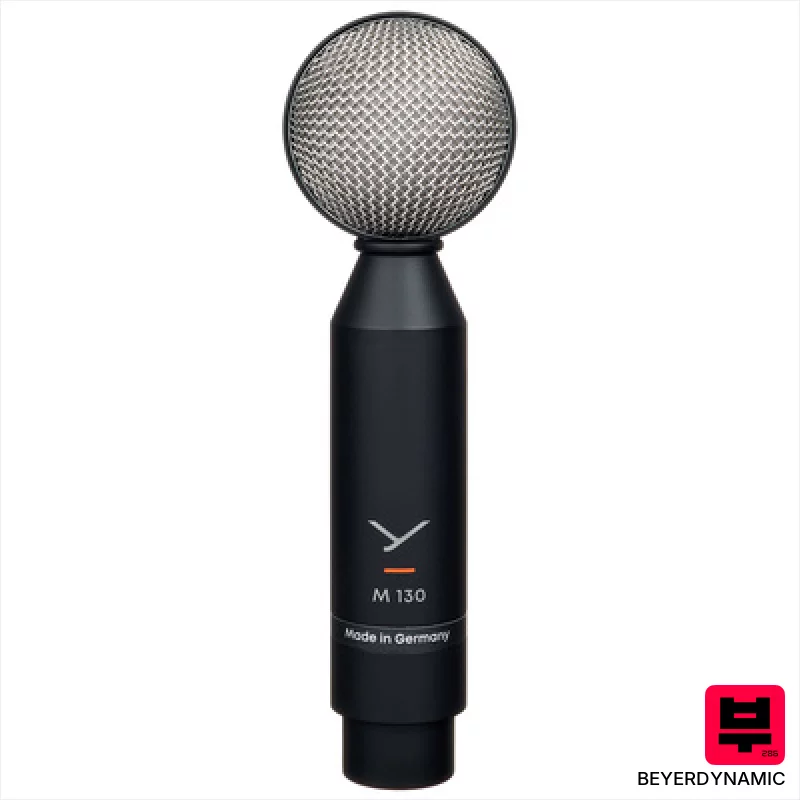
beyerdynamic M 130 (2023)
- • Double ribbon design delivers exceptional detail and transient response.
- • Robust brass housing provides durability and a pleasing heft.
- • Figure-8 pattern excels in stereo and M/S recording techniques.
- • Smooth, natural sound minimizes harshness across a wide frequency range.
- • Relatively high impedance requires a high-quality preamp for optimal performance.
- • Figure-8 pattern limits its suitability for solo vocal recording in untreated rooms.
- • The weight can be fatiguing during extended handheld use.
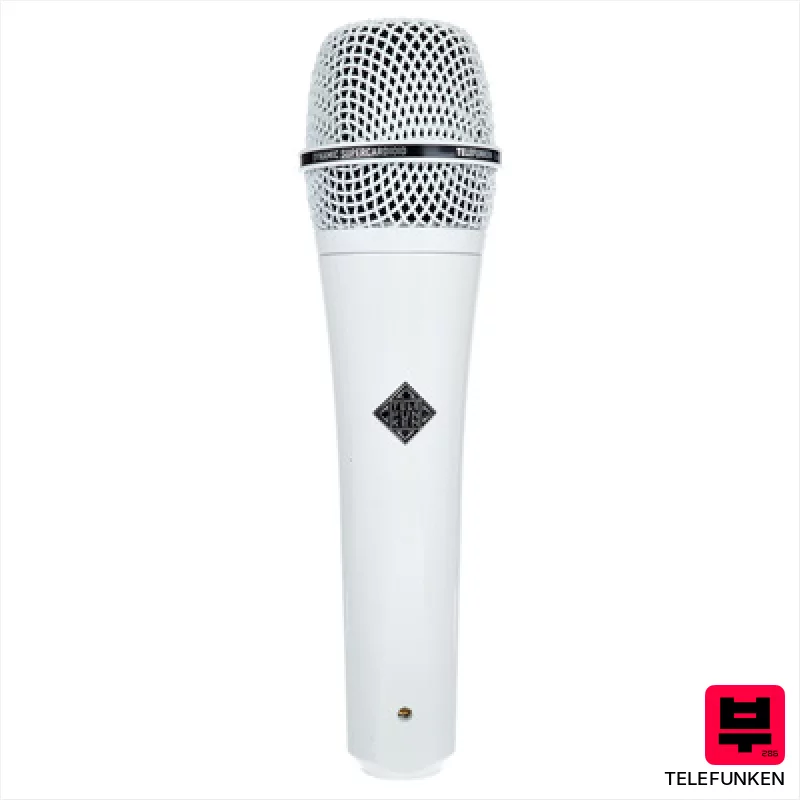
Telefunken M80 White
- • Robust zinc die-cast body feels exceptionally solid and durable.
- • Supercardioid pattern offers excellent isolation in live settings.
- • Extended frequency response captures detail beyond typical dynamic mics.
- • Smooth, natural sound with a slight mid-range presence for clarity.
- • Supercardioid pattern can be tricky to manage without careful mic placement.
- • Heavier than many other dynamic microphones, impacting stand stability.
- • Limited versatility compared to multi-pattern condenser microphones.

Shure MV7 Plus White
- • Excellent USB/XLR hybrid versatility for studio and streaming setups.
- • Integrated touch panel simplifies gain, monitor mix adjustments on-mic.
- • ShurePlus MOTIV software unlocks powerful DSP for polished audio.
- • Robust build quality with a substantial, dampened metal chassis.
- • Limited frequency response compared to higher-end studio condensers.
- • Cardioid pattern restricts stereo recording possibilities; less versatile.
- • USB performance, while decent, isn’t a substitute for dedicated audio interface.
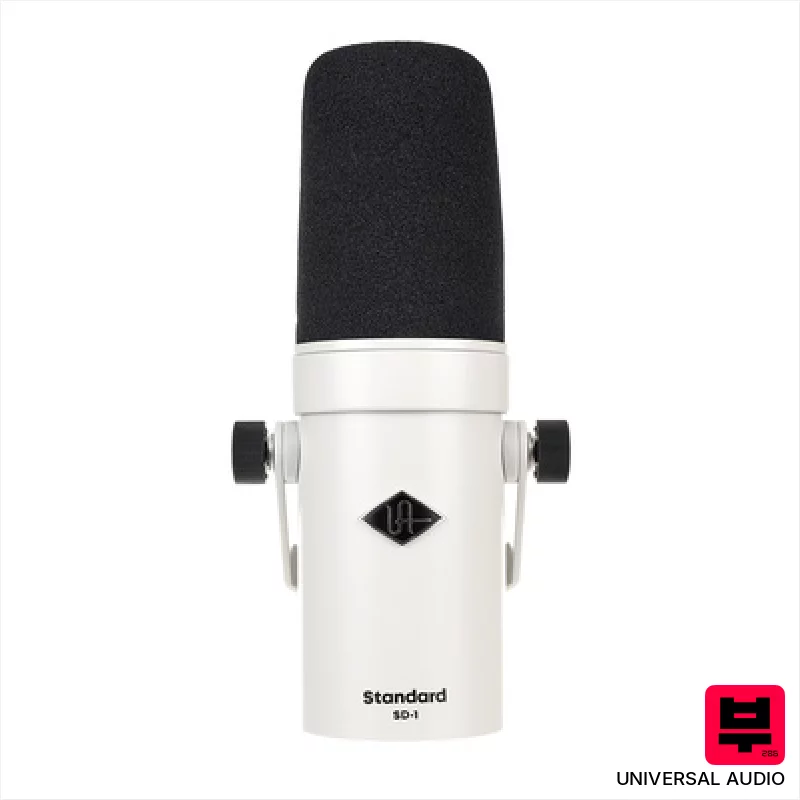
Universal Audio SD-1
- • Robust zinc alloy body provides excellent durability for stage use.
- • Cardioid pattern effectively isolates sources, minimizing bleed.
- • Articulated 3-5kHz boost adds clarity and presence for vocals.
- • Included adapter provides flexibility for various mic stand setups.
- • Sensitivity is relatively low, requiring a preamp with good gain.
- • Limited frequency response compared to condenser microphones, lacks high-end detail.
- • Heavier than many other dynamic microphones, can be fatiguing on stands.
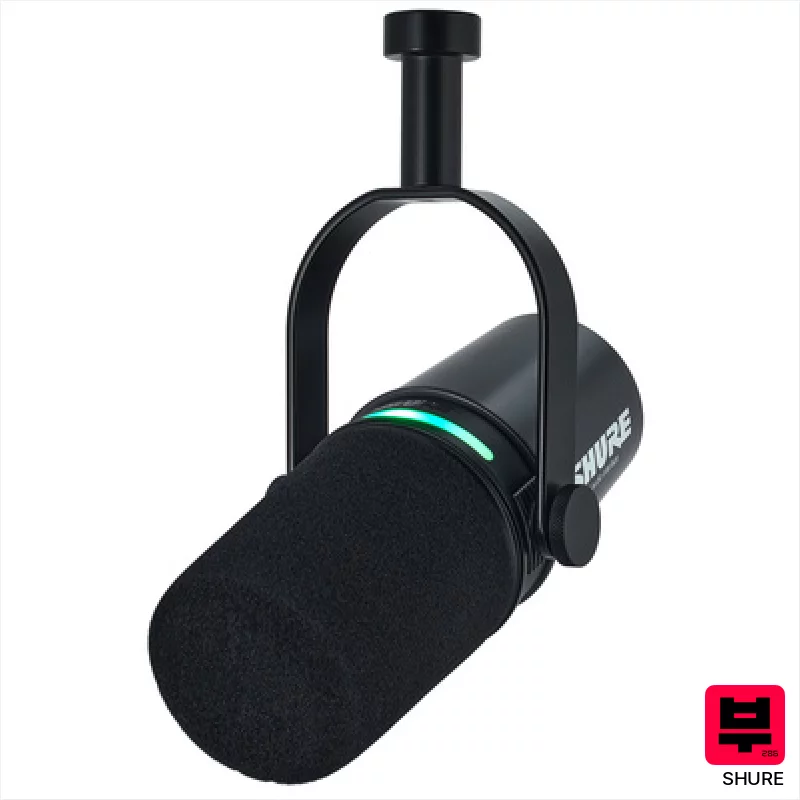
Shure MV7i
- • Integrated interface eliminates external gear, simplifying recording setups significantly.
- • The touch panel provides intuitive, on-mic control over essential parameters.
- • SmartGate auto-noise reduction is surprisingly effective, a boon for less-than-ideal rooms.
- • Solid build quality; the metal construction feels robust and durable for desk use.
- • Limited XLR input gain; may struggle with very quiet sources or low-output mics.
- • The 'auto-level' mode can sometimes sound overly processed and unnatural.
- • The all-in-one design restricts flexibility compared to separate mic and interface.
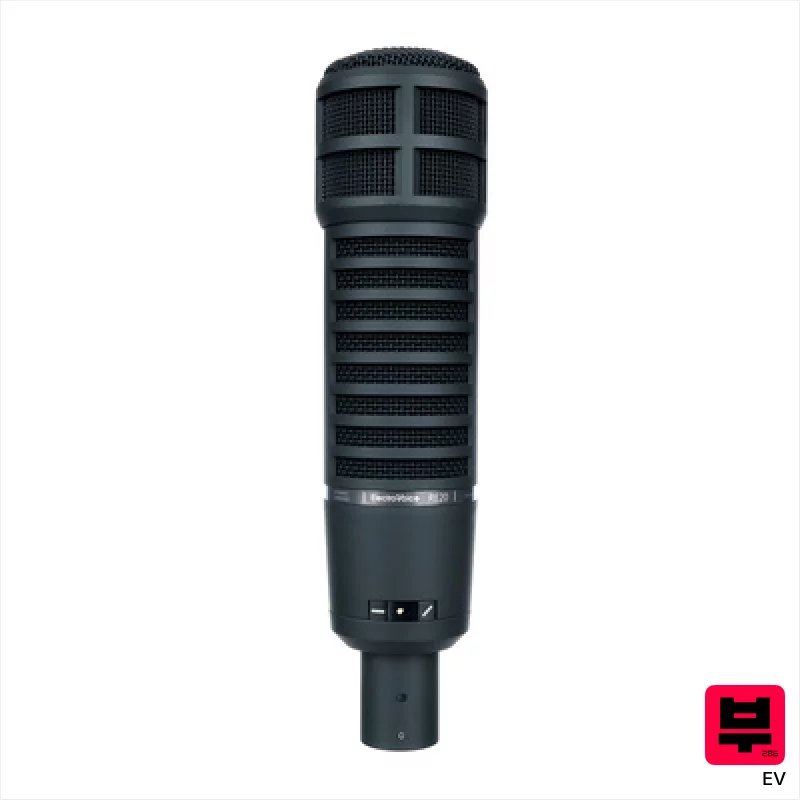
EV RE20-Black
- • Variable-D minimizes proximity effect, delivering consistent tone
- • Rugged all-metal build feels incredibly solid and durable
- • Cardioid pattern excels at isolating instruments on stage
- • Extended frequency response captures detailed, natural sound
- • Its size and weight can be cumbersome for some mic stands
- • Limited polar pattern options restrict versatility in complex recording scenarios
- • Premium-priced, a significant investment for budget-conscious users

Telefunken M80 Red
- • Robust zinc die-cast body ensures durability on stage and in the studio.
- • Supercardioid pattern effectively rejects bleed from unwanted sources.
- • Clear, articulate midrange presence excels on vocals and instruments.
- • The neodymium magnet delivers a strong signal, reducing noise floor.
- • Supercardioid pattern demands precise mic placement for optimal results.
- • The 325 Ohm impedance may require a preamp with sufficient gain.
- • Lacks the warmth and detail of a premium condenser microphone.

Telefunken M80 Black
- • Robust zinc die-cast body provides excellent durability for stage use
- • Supercardioid pattern excels at isolating sources in loud environments
- • Clear, articulate midrange presence for vocals and instruments
- • Telefunken's proven dynamic element delivers a natural, uncolored sound
- • Supercardioid pattern requires careful mic placement to avoid feedback
- • Somewhat heavy, potentially fatiguing for extended handheld use
- • Limited frequency response compared to condenser microphones
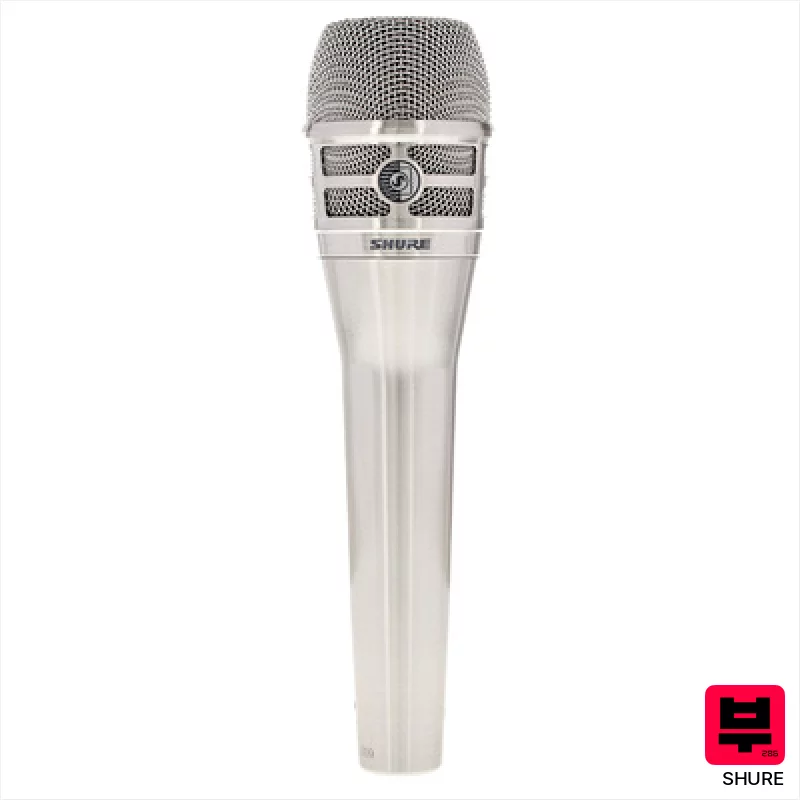
Shure KSM8 N
- • Dualdyne capsule delivers exceptionally tight and consistent off-axis rejection.
- • Brushed aluminum body and hardened steel mesh provide robust stage durability.
- • Natural, uncolored sound reproduction minimizes processing needs in the mix.
- • Low proximity effect minimizes bass boost when close to the mic.
- • Higher sensitivity means it picks up more stage rumble and background noise.
- • Nickel finish can be a fingerprint magnet requiring frequent cleaning.
- • While versatile, it's not ideal for highly nuanced studio vocal work.
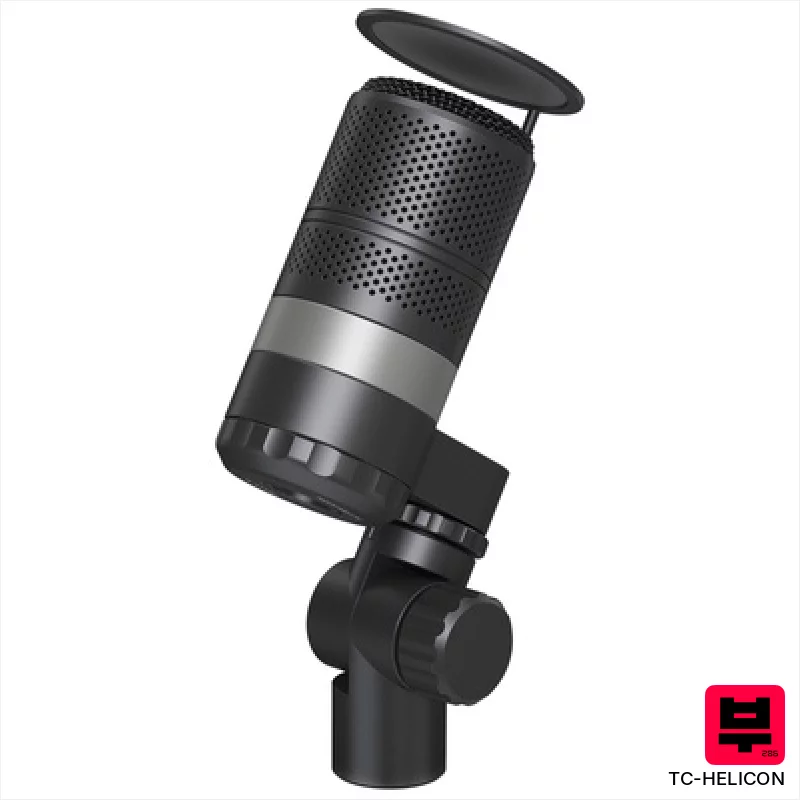
TC-Helicon Go XLR Mic
- • Supercardioid pattern excels at isolating vocals in noisy environments.
- • Solid build quality; the metal holder feels surprisingly robust.
- • The included pop filter noticeably reduces plosives and breath noise.
- • Versatile dynamic response handles both spoken word and singing well.
- • 300 Ohm impedance requires a decent preamp for optimal gain and signal.
- • Supercardioid pattern demands careful mic placement to avoid off-axis coloration.
- • Weight (485g) can be fatiguing for extended handheld use.
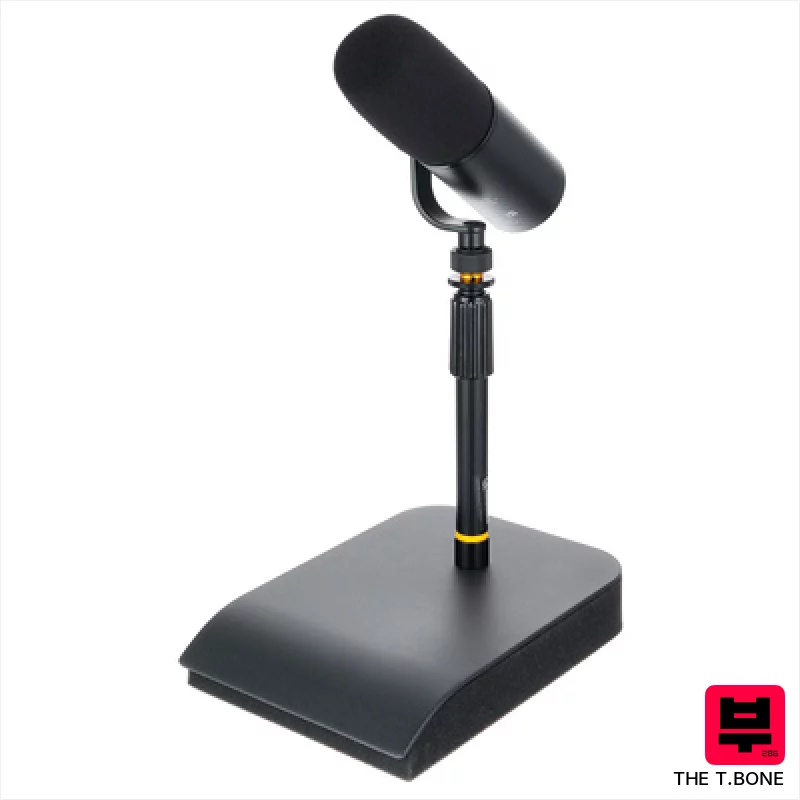
the t.bone BC 500 Desk Stand Bundle
- • Surprisingly decent broadcast clarity for the price point; voice sounds natural.
- • The included desk stand is functional and padded, preventing mic vibrations.
- • Cardioid pattern effectively isolates vocals, minimizing room noise.
- • Low-cut filter helps tame boomy low frequencies common in close-mic'd vocals.
- • Build quality feels somewhat plasticky; not a studio-grade robust feel.
- • Sensitivity is quite low, necessitating a preamp with ample gain.
- • Frequency response, while adequate, lacks the finesse of more expensive mics.

Shure MV7 Plus
- • Excellent vocal clarity with a controlled, broadcast-ready sound.
- • Intuitive touch panel simplifies gain and monitoring adjustments on-mic.
- • ShurePlus MOTIV software unlocks powerful, customizable DSP effects.
- • Robust build quality; feels solid and professional in the hand.
- • Limited polar pattern selection restricts versatility for certain recording scenarios.
- • Frequency response leans slightly dull; may require EQ for brighter sources.
- • USB connectivity prioritizes convenience over absolute audio fidelity for critical recordings.
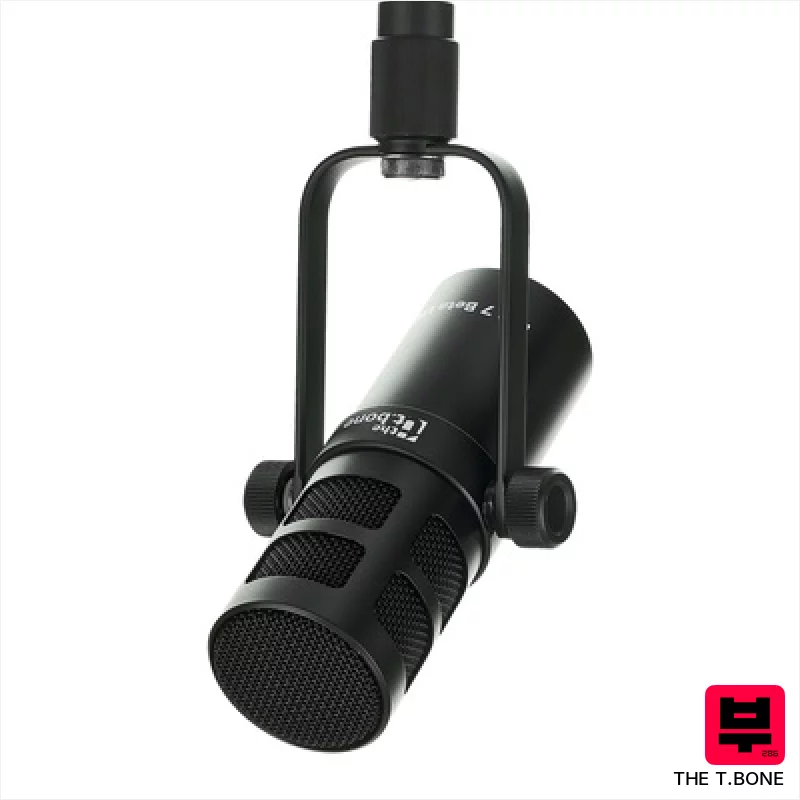
the t.bone MB 7 Beta USB
- • Solid build quality for the price, feels surprisingly robust.
- • USB-C connectivity offers modern convenience and clean signal.
- • Cardioid pattern effectively minimizes room noise and bleed.
- • Integrated pop filter and shockmount simplify recording setup.
- • Sensitivity is quite low, requiring preamp gain or a boosted signal.
- • The frequency response leans slightly dull, lacking high-end sparkle.
- • XLR output lacks true phantom power compatibility, limiting some use cases.
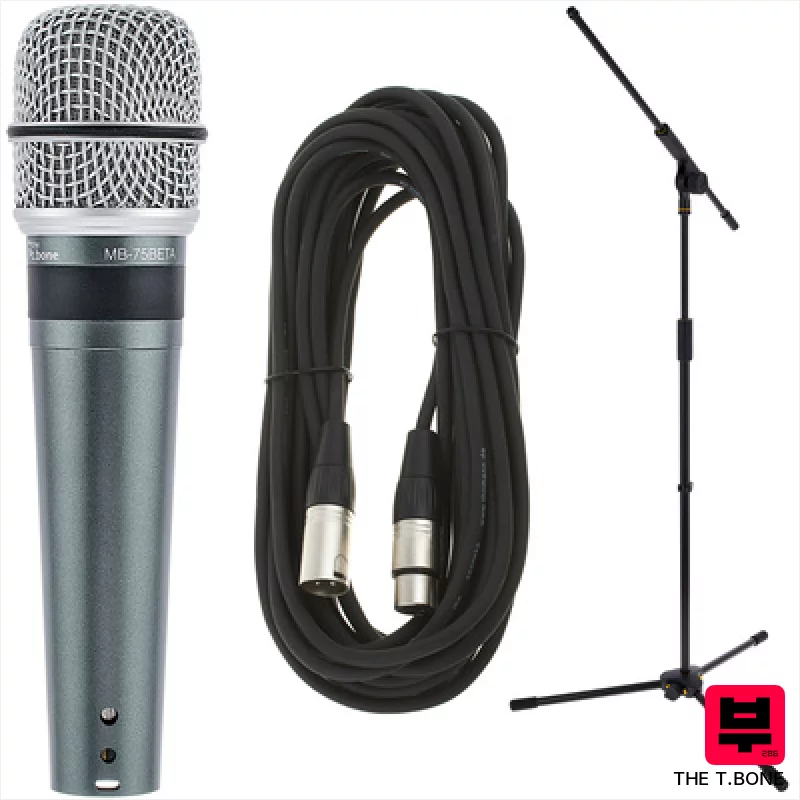
the t.bone MB75 Beta Bundle
- • Surprisingly robust build for the price point; feels solid in hand.
- • Supercardioid pattern offers excellent isolation on stage.
- • Included stand is functional and saves on initial investment.
- • Versatile enough for drums, guitar amps, and even vocals in a pinch.
- • The cable is a basic, thin XLR – upgrade recommended for serious use.
- • Sensitivity is low, requiring more preamp gain, potential for noise.
- • Supercardioid pattern can be tricky to manage; prone to feedback.
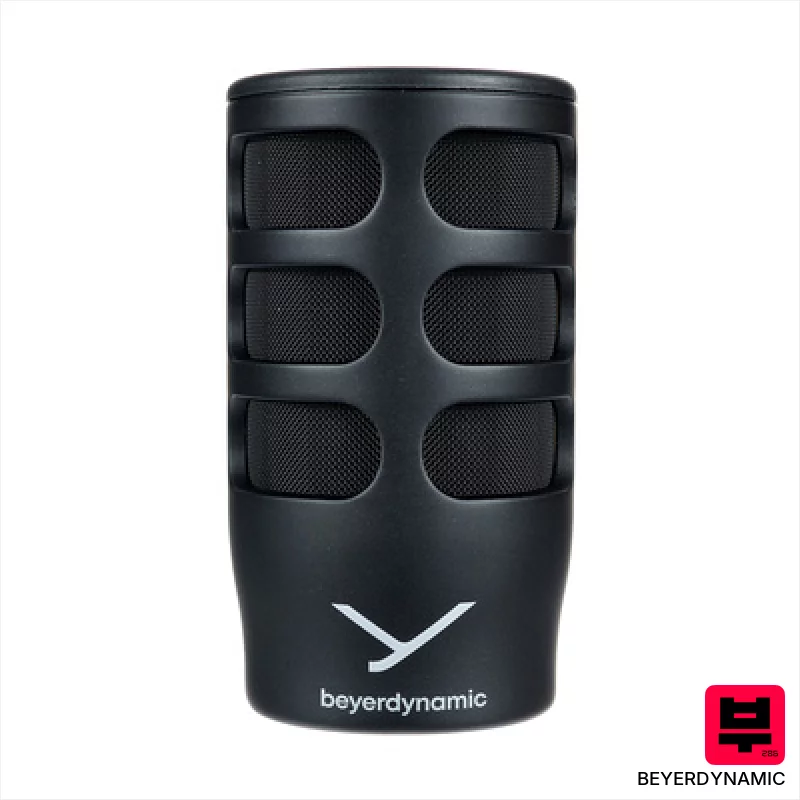
beyerdynamic TG I51
- • Robust, all-steel construction ensures gig-ready durability.
- • Cardioid pattern provides excellent isolation from stage bleed.
- • Handles high SPLs exceptionally well, ideal for loud amps.
- • Delivers a clear, articulate sound with surprising warmth.
- • High impedance requires a preamp or impedance matching transformer.
- • Somewhat heavy, can be fatiguing on long gigs.
- • Lacks the finesse for extremely detailed acoustic instrument capture.
How to Choose the Best Dynamic Allround Microphones
Frequency Response
It's not just about flat - it's about character. A slight mid-hump can help a vocal cut through a dense mix, while a scooped low-end prevents muddiness. We're looking for mics that offer a usable and pleasing tonal response without needing excessive EQ.
Sensitivity & Handling Noise
A mic that needs a ton of gain to be heard is going to amplify any noise - your preamp's hiss, stage rumble, even your own breath. Lower sensitivity isn't always bad (less feedback!), but it needs to be balanced with decent output.
Proximity Effect
This is how the bass response changes when you get close to the mic. Too much, and your vocals will sound boomy and indistinct. Too little, and you'll lose warmth and body. A controlled proximity effect is essential for vocal dynamics.
Rejection
Onstage, you need a mic that picks up your voice and ignores the drummer's snare and the guitarist's amp. Directionality (cardioid, hypercardioid) is key here, but the mic's off-axis response is what really matters.
Durability
Let's be honest, you're going to be throwing this mic around. It needs to survive a few bumps and bruises and still sound decent. Cheap plastic parts and flimsy clips are a big red flag.
Buying Guide
Don't chase the 'legend' - a vintage mic is often overpriced and fragile. A solid modern dynamic will get you 90% of the way there. Be wary of super-cheap mics; they almost always cut corners on build quality and the capsule itself, resulting in a thin, brittle sound. Spend a little more for something that can handle the abuse of gigging and still deliver a usable vocal tone - you'll save money in the long run.
Our Methodology
We're not basing this list on marketing brochures or spec sheets. We've spent years in studios, on stages, and in rehearsal rooms, A/B testing these mics against each other and, crucially, against our ears. We're judging them on how they sound in real-world situations, not in an anechoic chamber - and we're calling out the trade-offs, because everything has them.

