AudioFu Chart · October 2026
Best Dynamic Allround Microphones for Professional 2026
The top pick is EV RE20-Black ($745). Shure MV6 USB-C Digital Dynamic Microphone gives you the most for the money at $207. Ranked by the AudioFu Index from 32 models across 17 brands, prices checked every night.
Last updated: October 26, 2026
Top 10
Full detail for the 10 highest AudioFu Index scores. Every other model is listed below.
-
The RE20-Black is a workhorse mic – instantly recognizable for its warm, balanced sound. It's fantastic for drums, brass, and vocals, really capturing the grit and detail. If you're a serious engineer or gigging musician looking for a reliable, industry-standard mic, this is a solid choice.
Pros
- Variable-D minimizes proximity effect, delivering consistent tone
- Rugged all-metal build feels incredibly solid and durable
- Cardioid pattern excels at isolating instruments on stage
Cons
- Its size and weight can be cumbersome for some mic stands
- Limited polar pattern options restrict versatility in complex recording scenarios
-
- Size8"
- Weight1.6 kg
This RE20 bundle is a fantastic entry point to Electro-Voice’s legendary mic. The RE20’s unique design gives you a smooth, natural sound that’s great for everything from vocals and bass drums to podcasting. The included stand and cable make it a complete, ready-to-go solution.
Pros
- RE20’s Variable-D design delivers incredibly consistent off-axis response
- Millennium stand offers robust stability and a wide reach for recording
- Included pro snake cable ensures clean signal transmission and durability
Cons
- The RE20's weight can be fatiguing for extended handheld use
- Bundle’s stand is functional but lacks premium features of higher-end stands
40AudioFu
Index↓ 0.6%since Aug 17 · lowest so far$715 · Aug 17$711 now$711€635 at Thomann · in stockCheck price ↗ -
Shure MV7X Cardioid Dynamic Podcast Microphone
MV7i · Shure
42 for sale on Reverb3 finishes at Thomann
- Size8"
The MV7i is a clever piece of kit, essentially a high-quality dynamic mic and interface rolled into one. It’s fantastic for podcasters, streamers, and singer-songwriters who want a simple, high-quality recording solution without the usual interface hassle – especially those in smaller spaces where noise reduction is key.
Pros
- Integrated interface eliminates external gear, simplifying recording setups significantly.
- The touch panel provides intuitive, on-mic control over essential parameters.
- SmartGate auto-noise reduction is surprisingly effective, a boon for less-than-ideal rooms.
Cons
- Limited XLR input gain; may struggle with very quiet sources or low-output mics.
- The 'auto-level' mode can sometimes sound overly processed and unnatural.
70AudioFu
IndexStableno change since Aug 17Aug 17$413 now$413€369 at Thomann · in stockCheck price ↗ -
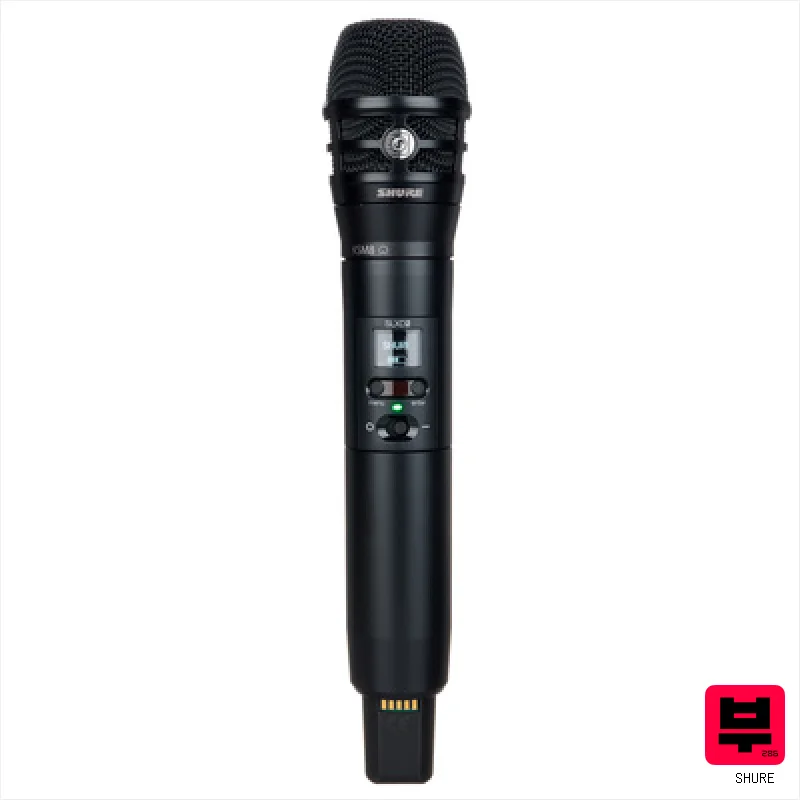
Shure KSM8 Dualdyne Handheld Cardioid Dynamic Microphone
KSM8 N · Shure
55 for sale on Reverb1 finish at Thomann
The KSM8 N is a fantastic workhorse vocal mic – it’s built like a tank and sounds remarkably clean and clear. It handles high SPLs with ease, making it perfect for lead singers and drummers in loud live settings. This mic really shines when you need reliable performance and a natural sound without a lot of fuss.
Pros
- Dualdyne capsule delivers exceptionally tight and consistent off-axis rejection.
- Brushed aluminum body and hardened steel mesh provide robust stage durability.
- Natural, uncolored sound reproduction minimizes processing needs in the mix.
Cons
- Higher sensitivity means it picks up more stage rumble and background noise.
- Nickel finish can be a fingerprint magnet requiring frequent cleaning.
57AudioFu
Index↓ 2.4%since Aug 17 · lowest so far$465 · Aug 17$453 now$453€405 at Thomann · in stockCheck price ↗ -
The M80 Red is a workhorse dynamic mic – built like a tank and surprisingly articulate. It's a great grab-and-go option for gigging musicians needing reliable performance and decent sound without the fuss of a condenser. Really shines on vocals and louder instruments where isolation is key.
Pros
- Robust zinc die-cast body ensures durability on stage and in the studio.
- Supercardioid pattern effectively rejects bleed from unwanted sources.
- Clear, articulate midrange presence excels on vocals and instruments.
Cons
- Supercardioid pattern demands precise mic placement for optimal results.
- The 325 Ohm impedance may require a preamp with sufficient gain.
47AudioFu
IndexStableno change since Aug 17Aug 17$391 now$391€349 at Thomann · in stockCheck price ↗ -
The PR40 is a seriously versatile workhorse mic. It’s got a really pleasing, natural sound that works great on vocals, instruments, and even for broadcast. If you need a dependable, high-quality dynamic that won't break the bank, and you're looking for that Heil Sound character, this is a solid choice.
Pros
- Exceptional clarity for a dynamic, captures detail surprisingly well
- Robust construction with a zinc die-cast body, feels built to last
- Cardioid pattern minimizes bleed, ideal for tracking and live use
Cons
- High impedance requires a suitable preamp or transformer for optimal performance
- Can be slightly sensitive to plosives, a pop filter is recommended
34AudioFu
IndexStableno change since Aug 17Aug 17$424 now$424€379 at Thomann · in stockCheck price ↗ -
- Size8"
- Weight1.287 kg
This mic packs a big punch for podcasting and streaming without needing extra power bricks. The zinc body feels sturdy, and the built-in pop filter works great for clear vocals. It is perfect for beginners who want a simple USB solution that just works. However, the weight is heavy to carry around, and you cannot adjust the preamp gain manually.
Pros
- Solid die-cast zinc alloy body feels durable
- Built-in popper stopper cleans up vocals
- Auto Level mode handles loud rooms well
Cons
- Heavy at nearly 2.5 pounds for one mic
- Only three presets available for smart modes
-
Sennheiser e835 Handheld Cardioid Dynamic Vocal Microphone
E835 3Pack · Sennheiser
72 for sale on Reverb3 finishes at Thomann
The E835 3Pack is a solid, reliable choice for gigging musicians needing workhorse microphones. They offer a clean, modern sound that cuts through a mix, making them perfect for vocalists, acoustic guitarists, and percussionists who need consistent performance night after night. It’s a great value for a trio of dependable microphones.
Pros
- Robust zinc die-cast body offers exceptional durability for stage use
- Cardioid polar pattern effectively isolates vocals from background noise
- Smooth, clear midrange response excels on vocals and amplified instruments
Cons
- Higher impedance requires a good preamp for optimal signal strength
- Can sound slightly clinical compared to more vintage-voiced mics
-
Universal Audio Standard SD-1 Cardioid Dynamic Microphone
SD-1 · Universal Audio
41 for sale on Reverb1 finish at Thomann
- Size8"
The SD-1 is a solid, dependable workhorse mic—think Shure SM58’s reliable grit, but with a slightly more modern, focused character. It's fantastic for rock, pop, and spoken word where you need rejection and can handle a bit of volume. A great option for gigging musicians and home studios needing a versatile, budget-friendly dynamic.
Pros
- Robust zinc alloy body provides excellent durability for stage use.
- Cardioid pattern effectively isolates sources, minimizing bleed.
- Articulated 3-5kHz boost adds clarity and presence for vocals.
Cons
- Sensitivity is relatively low, requiring a preamp with good gain.
- Limited frequency response compared to condenser microphones, lacks high-end detail.
-
Lewitt DTP-640-REX Dual Capsule Kick Drum Microphone
DTP 640 REX · Lewitt
17 for sale on Reverb1 finish at Thomann
- Weight0.75 kg
The DTP 640 REX is a clever mic—a dynamic and condenser in one. It’s ideal for kick drums, toms, or even guitar cabs where you want both a focused low-end thump and some sparkling detail. The dual outputs give you a lot of creative control in the mix.
Pros
- Robust build with solid metal housing inspires confidence.
- Dual-capsule design offers unique blending/routing flexibility.
- Cardioid pattern minimizes room noise, great for tracking.
Cons
- The weight (0.75 kg) can be cumbersome for extended handheld use.
- Higher impedance dynamic capsule may require a preamp with sufficient gain.
50AudioFu
IndexStableno change since Aug 17Aug 17$368 now$368€329 at Thomann · in stockCheck price ↗
All 32 dynamic allround microphones
Same index, same nightly prices — compact. Colour options of one model share a row. Tap a photo to zoom.
- 11
sE Electronics V7 Handheld Supercardioid Dynamic MicrophoneV7 X Black · sE Electronics · 2 finishes64Stable$133€119$133€119Check ↗
- 12
AKG D-7SAKG · 4 finishes47Stable$200€179$200€179Check ↗
- 13
Sontronics Halo Supercardioid Dynamic MicrophoneHalo · Sontronics38Stable$248€222$248€222Check ↗
- 14
MXL CR77 Dynamic MicrophoneCR77 · MXL41Stable$189€169$189€169Check ↗
- 15
Heil Sound PR30 Black MatteHeil Sound34Stable$330€295$330€295Check ↗
- 16
Heil Sound PR37Heil Sound34Stable$335€299$335€299Check ↗
- 17
Shure PGA58-XLRPGA58 · Shure58Stable$95€85$95€85Check ↗
- 18
Shure SM57 Cardioid Dynamic MicrophoneSM57LC Bundle III · Shure44Stable$137€122$137€122Check ↗
- 19
the t.bone BC 500 Swivel Mic Arm Bundlethe t.bone · 3 finishes37Stable$156€139$156€139Check ↗
- 20
Beyerdynamic TG I51 Cardioid Dynamic Instrument MicrophoneTG I51 · beyerdynamic39Stable$144€129$144€129Check ↗
- 21
the t.bone MB 7 Beta USBthe t.bone · 2 finishes50Stable$100€89$100€89Check ↗
- 22
Lewitt MTP-440 DM Premium Dynamic Instrument MicMTP 440 DM · Lewitt48Stable$100€89$100€89Check ↗
- 23
Superlux WH5Superlux37Stable$88€79$88€79Check ↗
- 24
Superlux TM58Superlux44Stable$21€19$21€19Check ↗
- 25
the t.bone MB75 Betathe t.bone · 2 finishes43Stable$49€44$49€44Check ↗
- 26
Focusrite Vocaster DM1Focusrite39↓ 16.7%$28€25$28€25Check ↗
- 27
Audix F50 Handheld Cardioid Dynamic MicrophoneF50 · Audix39Stable$60€54$60€54Check ↗
- 28
Superlux Pra 218ASuperlux37Stable$25€22$25€22Check ↗
- 29
Superlux D10BSuperlux37Stable$39€35$39€35Check ↗
- 30
Superlux Top 258Superlux37Stable$50€45$50€45Check ↗
- 31
Behringer B 906Behringer31Stable$32€29$32€29Check ↗
- 32
Superlux Eco 88 6pcs PackSuperlux22Stable$59€53$59€53Check ↗
Dynamic Allround Microphones by the numbers
Measured across all 48 models we track, not a sample.
Median $167 — half of all dynamic allround microphones here cost less.
median of 17 models · 8"–8"
median of 10 models · 0.28 kg–2.2 kg
How to choose the best dynamic allround microphones
Off-Axis Rejection
A pro needs a mic that can handle stage bleed without turning into a muddy mess. Poor off-axis response means you're picking up the keyboard player's wobbly Leslie, the bassist's amp hum, and generally just a wash of unwanted noise.
Transient Response
Dynamic mics are inherently slower than condensers, but a sluggish transient response will make drums sound lifeless and guitars sound muffled. We're looking for mics that capture the attack and detail, even with a thicker sonic signature.
Proximity Effect
This is your friend, but it needs to be controllable. Too little proximity effect and your bass drum sounds anemic. Too much and you're wrestling with a boomy, undefined low-end. A predictable and usable proximity effect is vital for shaping your tone.
Durability & Handling Noise
Gigs are rough. Mics get dropped, bumped, and generally abused. A flimsy mic or one prone to handling noise isn't going to last through a tour. We're prioritizing mics built to withstand the rigors of professional use.
Frequency Response Consistency
A mic's published frequency response is just a starting point. We're evaluating how consistent that response is across different sound pressure levels - does it still sound like itself when you're hitting a snare drum hard versus a quiet vocal?
Buying guide
Alright, so you're a pro looking for a workhorse dynamic mic - something that'll handle snare, toms, guitar cabs, vocals in a loud club, and maybe even some brass if you're in a pinch. Forget the hype about "studio magic" - we need a mic that delivers consistent, reliable performance across a wide range of sources and situations. This isn't about chasing a specific color; it's about having a tool that doesn't get in your way and can handle the heat.
Don't fall for the 'budget' hype. A cheap dynamic mic often cuts corners on internal components, resulting in a brittle high-end or a muddy low-end. Spend a little more for a mic with a robust capsule and solid construction - it'll pay off in the long run.
Consider your primary use case: a mic that excels on vocals might not be the best choice for guitar amps, and vice versa. And remember, even the best mic needs a decent shock mount to minimize rumble.
How the AudioFu Index works
Five measured signals and nothing else — no stars from strangers, no “tested by experts” we didn’t do. The weights are fixed and public. We don’t play these instruments; we measure the market around them.
This chart covers 48 dynamic allround microphones from the Thomann catalogue. Before you buy, read hands-on reviews and, where you can, play it. Full methodology.
AudioFu earns a commission when you buy through our Thomann links. It never changes the order — the index does.
- Demand40%
How many of this exact model are for sale on Reverb right now — what musicians actually buy and resell.
- Lineup20%
How many finishes Thomann stocks — makers expand the models that sell.
- Price15%
Where the price has moved since we started tracking in August.
- Specs15%
How completely the maker documents it.
- Maker10%
How deep the brand’s range is in this category.
Questions
Are dynamic mics always inferior to condenser mics?
Not always. Condensers offer more detail and sensitivity, but dynamics are more robust, handle higher SPLs, and are less prone to feedback - crucial for live sound. It's about the right tool for the job.
What's the deal with 'cardioid' vs. 'hypercardioid'?
Cardioid rejects sound from the rear, hypercardioid rejects more but has a lobe of sensitivity at the back - can pick up unwanted sounds if not positioned carefully. For a pro, cardioid is often the safer, more versatile choice on stage.
Can I use a dynamic mic for vocals in a studio?
Absolutely, but be aware you'll be missing out on some of that airy, detailed top-end a condenser provides. A dynamic mic can deliver a gritty, intimate vocal tone, but it requires more careful EQ and processing.
What's a good starting point for mic placement?
Experiment! Start close, then move further out to capture more room tone. Pay attention to how the mic reacts to changes in distance - that's where the proximity effect comes into play.
My dynamic mic sounds muddy - what's going on?
Likely a combination of factors: poor mic placement, excessive room reflections, or a low-cut filter missing from your signal chain. Try adjusting the mic angle, adding acoustic treatment, or rolling off some low frequencies.