
Best beyerdynamic Dynamic Allround Microphones 2026
Alright, let's talk Beyerdynamic dynamics. When you need a workhorse mic that'll handle a screaming amp, a thumping kick drum, or a raw vocal, Beyerdynamic consistently delivers. They've been around since the 60s, and their reputation isn't based on hype - it's built on reliable performance and a distinct sonic character that cuts through the noise. Forget the flashy marketing; these are mics that actually work in real-world situations.
Last updated: April 11, 2026
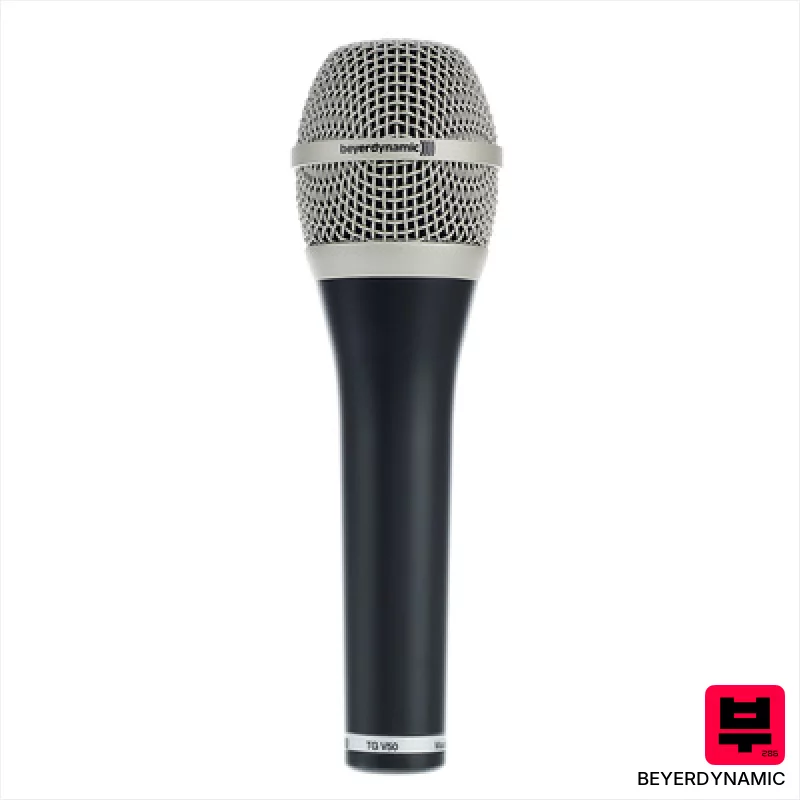
beyerdynamic TG V50
- • Robust construction handles demanding live performance environments.
- • Cardioid pattern effectively isolates vocals, minimizing bleed.
- • Treble resonator provides surprisingly clean high-end response.
- • Excellent feedback rejection, crucial for loud stages.
- • Lacks the warmth of some higher-end vocal mics for studio use.
- • Can sound slightly clinical with certain vocal styles.
- • Heavier than many stage microphones, may fatigue some performers.
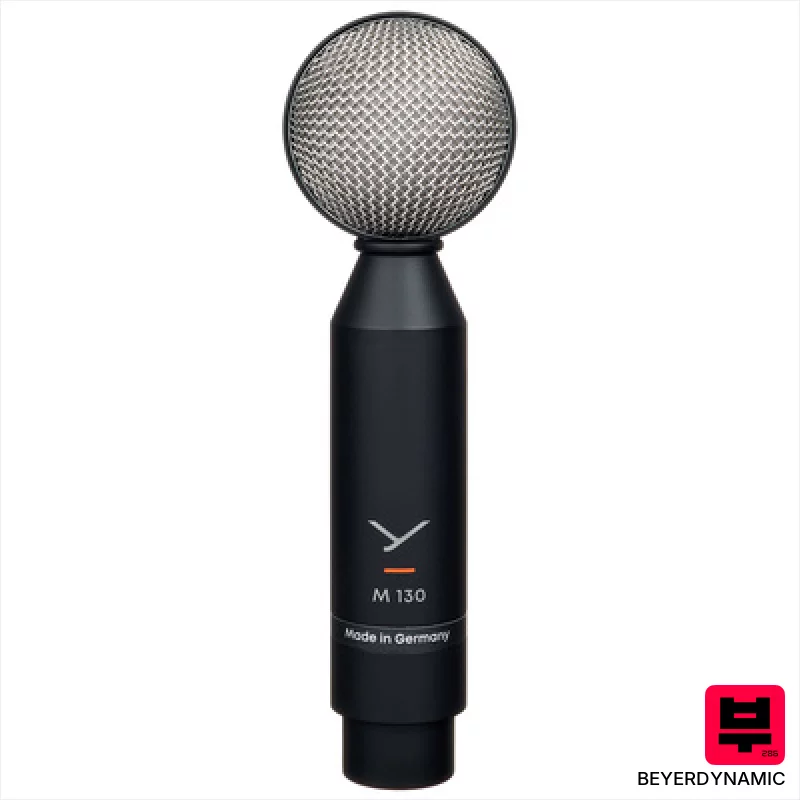
beyerdynamic M 130 (2023)
- • Double ribbon design delivers exceptional detail and transient response.
- • Robust brass housing provides durability and a pleasing heft.
- • Figure-8 pattern excels in stereo and M/S recording techniques.
- • Smooth, natural sound minimizes harshness across a wide frequency range.
- • Relatively high impedance requires a high-quality preamp for optimal performance.
- • Figure-8 pattern limits its suitability for solo vocal recording in untreated rooms.
- • The weight can be fatiguing during extended handheld use.

beyerdynamic TG V70 s
- • Exceptional off-axis rejection minimizes room noise, a real stage saver.
- • The 2-step treble resonator delivers clear, articulate high-frequency response.
- • Robust, all-steel construction feels incredibly durable for live use.
- • Hypercardioid pattern provides focused pickup, ideal for loud stages.
- • The hypercardioid pattern demands precise mic placement for optimal results.
- • Weight can be fatiguing for some performers during extended use.
- • Limited versatility; excels in vocal applications, less so for instruments.
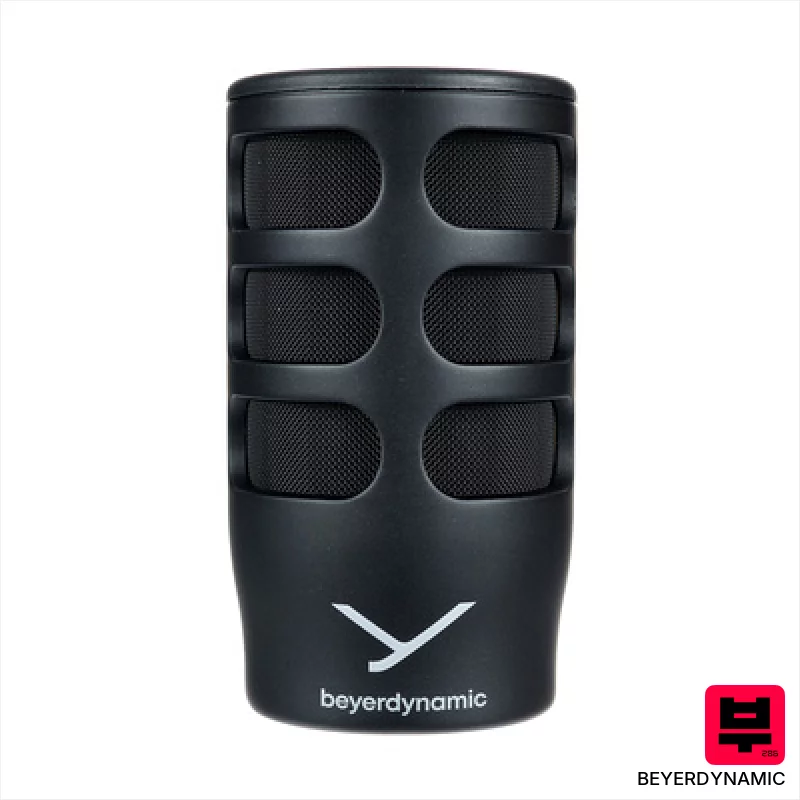
beyerdynamic TG I51
- • Robust, all-steel construction ensures gig-ready durability.
- • Cardioid pattern provides excellent isolation from stage bleed.
- • Handles high SPLs exceptionally well, ideal for loud amps.
- • Delivers a clear, articulate sound with surprising warmth.
- • High impedance requires a preamp or impedance matching transformer.
- • Somewhat heavy, can be fatiguing on long gigs.
- • Lacks the finesse for extremely detailed acoustic instrument capture.

beyerdynamic TG V35 s
- • Supercardioid pickup isolates sources exceptionally well for live stages.
- • Robust, all-metal construction feels durable and roadworthy.
- • Treble resonator provides clarity without harshness in the high frequencies.
- • Special sound holes significantly reduce feedback potential in loud environments.
- • High impedance requires a suitable preamp or impedance matching transformer.
- • Supercardioid pattern demands precise mic placement for optimal results.
- • The heft (305g) can be fatiguing for extended handheld use.

beyerdynamic TG V70
- • Exceptional off-axis rejection minimizes bleed and feedback.
- • The 2-stage treble resonator delivers clear, detailed high-frequency response.
- • Robust construction with high-tech acoustic fabric ensures durability on stage.
- • Hypercardioid pattern offers focused pickup, ideal for loud environments.
- • Weight (345g) can be fatiguing during extended use for some performers.
- • Hypercardioid pattern demands precise mic technique; less forgiving.
- • Sound signature leans towards brighter, which may not suit all vocal styles.
How to Choose the Best Dynamic Allround Microphones
Transient Response
Beyerdynamic mics often have a slightly slower transient response than some competitors, which can soften aggressive peaks but also contributes to their characteristic warmth - great for taming harsh guitars or vocals, but might not be ideal for super-detailed snare work.
Midrange Presence
That's where Beyerdynamic's signature 'honk' lives. It's not a harsh, nasal midrange, but a focused presence that helps instruments and vocals cut through a dense mix without getting brittle. Think classic rock rhythm guitars or a lead vocal needing to be heard over a wall of sound.
Rugged Build Quality
These aren't mics you baby. The housings are tough, the capsules are generally robust, and they're built to withstand the rigors of gigging. They've seen better days in my kit, and they still perform.
Off-Axis Rejection
Beyerdynamic's polar patterns, particularly the cardioid, offer respectable off-axis rejection. This minimizes bleed from other instruments during recording, which is a huge time saver when tracking a band live or in a less-than-perfect acoustic space.
Frequency Response Tail-off
While they generally have a smooth response, Beyerdynamic mics sometimes roll off the high-end a bit earlier than some brighter mics. This can be a benefit for taming sibilance in vocals, but might require a bit of high-end boost when recording instruments needing that extra sparkle.
Buying Guide
Don't expect a hyper-detailed, pristine sound from a Beyerdynamic. They're built for grit and reliability. The M88 is a classic for a reason - it's a serious workhorse. Watch out for older models; capsule wear can affect the high-end response. Spending a bit more on a newer model usually guarantees a more consistent performance and a longer lifespan, especially if you're putting it through the wringer on stage.
How This List Is Built
We don't play these instruments — we're a catalog, not a review desk, and we'd rather say so than pretend otherwise. This page ranks 6 dynamic allround microphones from the Thomann catalogue, which is the largest single source of specification data in this category.
Position is computed, not curated. Four signals, in order of weight: how completely the manufacturer documents the instrument (number of published specifications), where it sits in the price range, how specific the model designation is — which filters out generic accessories — and whether a product image exists. The same inputs always produce the same order, so nothing here is shuffled to look fresh.
What this list is good for: narrowing a category down to a shortlist by spec and budget. What it isn't: a substitute for hearing an instrument. Before you buy, read hands-on reviews and, where you can, play it. Full methodology.

