
Best Dynamic Allround Microphones for Content Creation 2026
So, you're diving into content creation - podcasts, streaming, voiceovers, maybe even recording some acoustic instruments? Forget those pristine, hyper-detailed condensers for now. We're talking dynamic mics here; the workhorses that can handle a screaming vocalist, a clanky acoustic, and a sudden thump from your dog without sounding like a bowl of ice cubes. Let's break down the best all-around dynamics for your content creation rig, because 'good enough' just doesn't cut it when you're putting yourself out there.
Last updated: July 8, 2026 • Next update: July 15, 2026
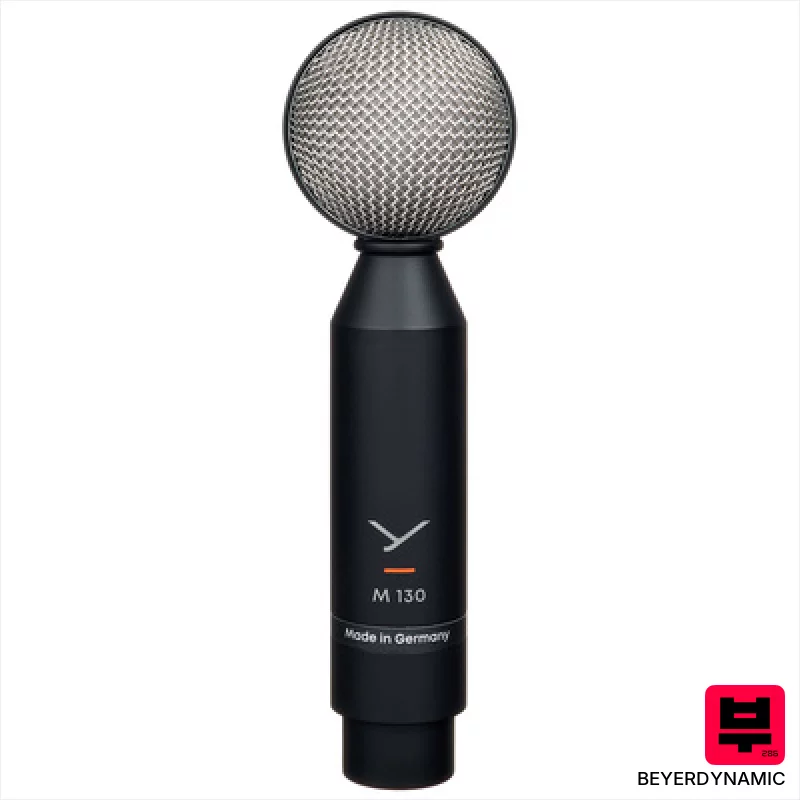
beyerdynamic M 130 (2023)
- • Double ribbon design delivers exceptional detail and transient response.
- • Robust brass housing provides durability and a pleasing heft.
- • Figure-8 pattern excels in stereo and M/S recording techniques.
- • Smooth, natural sound minimizes harshness across a wide frequency range.
- • Relatively high impedance requires a high-quality preamp for optimal performance.
- • Figure-8 pattern limits its suitability for solo vocal recording in untreated rooms.
- • The weight can be fatiguing during extended handheld use.
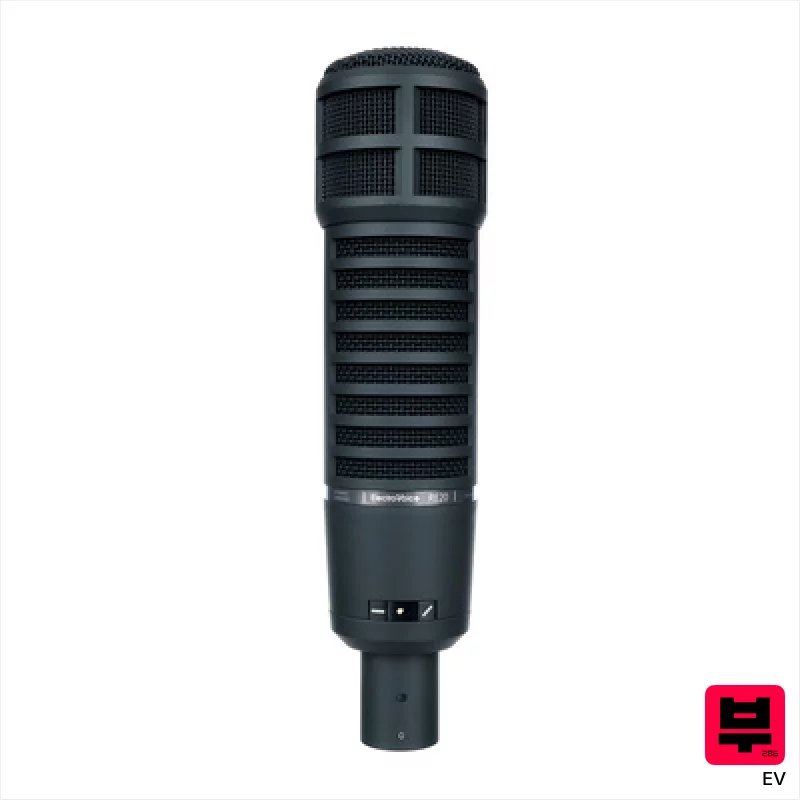
EV RE20-Black
- • Variable-D minimizes proximity effect, delivering consistent tone
- • Rugged all-metal build feels incredibly solid and durable
- • Cardioid pattern excels at isolating instruments on stage
- • Extended frequency response captures detailed, natural sound
- • Its size and weight can be cumbersome for some mic stands
- • Limited polar pattern options restrict versatility in complex recording scenarios
- • Premium-priced, a significant investment for budget-conscious users

Telefunken M80 Red
- • Robust zinc die-cast body ensures durability on stage and in the studio.
- • Supercardioid pattern effectively rejects bleed from unwanted sources.
- • Clear, articulate midrange presence excels on vocals and instruments.
- • The neodymium magnet delivers a strong signal, reducing noise floor.
- • Supercardioid pattern demands precise mic placement for optimal results.
- • The 325 Ohm impedance may require a preamp with sufficient gain.
- • Lacks the warmth and detail of a premium condenser microphone.
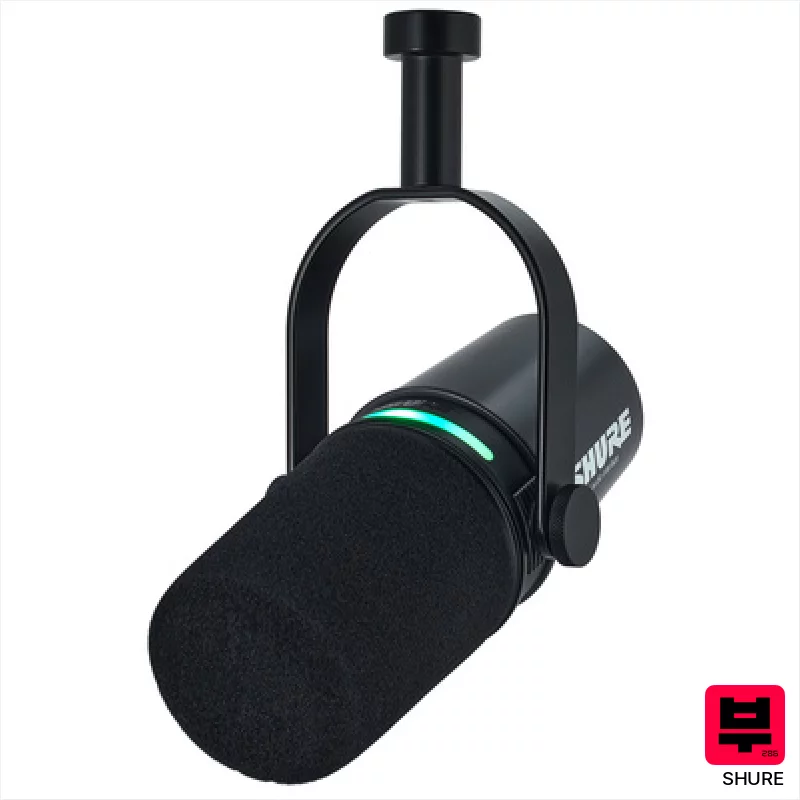
Shure MV7i
- • Integrated interface eliminates external gear, simplifying recording setups significantly.
- • The touch panel provides intuitive, on-mic control over essential parameters.
- • SmartGate auto-noise reduction is surprisingly effective, a boon for less-than-ideal rooms.
- • Solid build quality; the metal construction feels robust and durable for desk use.
- • Limited XLR input gain; may struggle with very quiet sources or low-output mics.
- • The 'auto-level' mode can sometimes sound overly processed and unnatural.
- • The all-in-one design restricts flexibility compared to separate mic and interface.
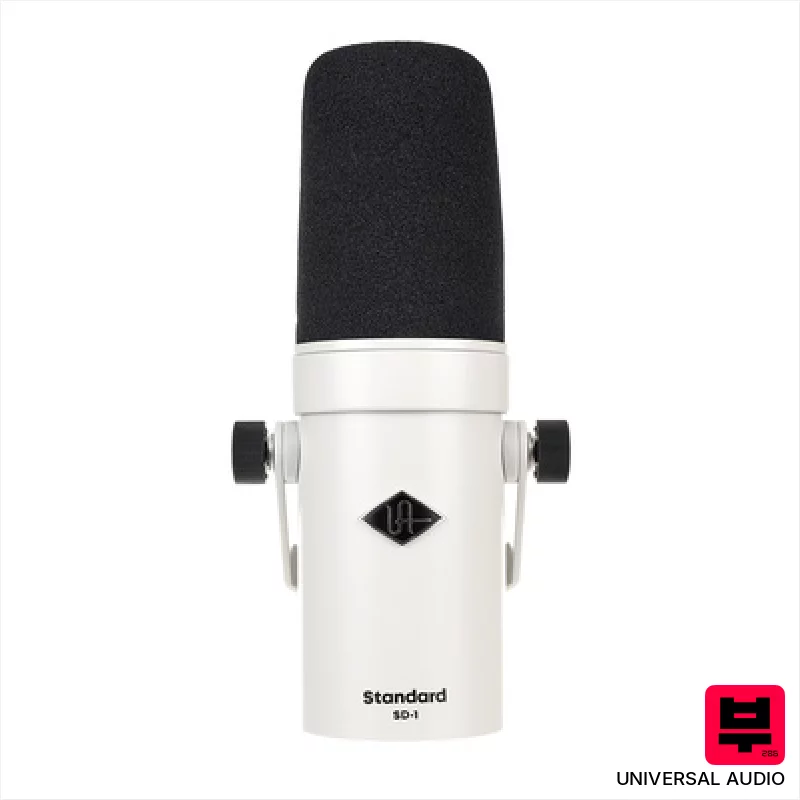
Universal Audio SD-1
- • Robust zinc alloy body provides excellent durability for stage use.
- • Cardioid pattern effectively isolates sources, minimizing bleed.
- • Articulated 3-5kHz boost adds clarity and presence for vocals.
- • Included adapter provides flexibility for various mic stand setups.
- • Sensitivity is relatively low, requiring a preamp with good gain.
- • Limited frequency response compared to condenser microphones, lacks high-end detail.
- • Heavier than many other dynamic microphones, can be fatiguing on stands.
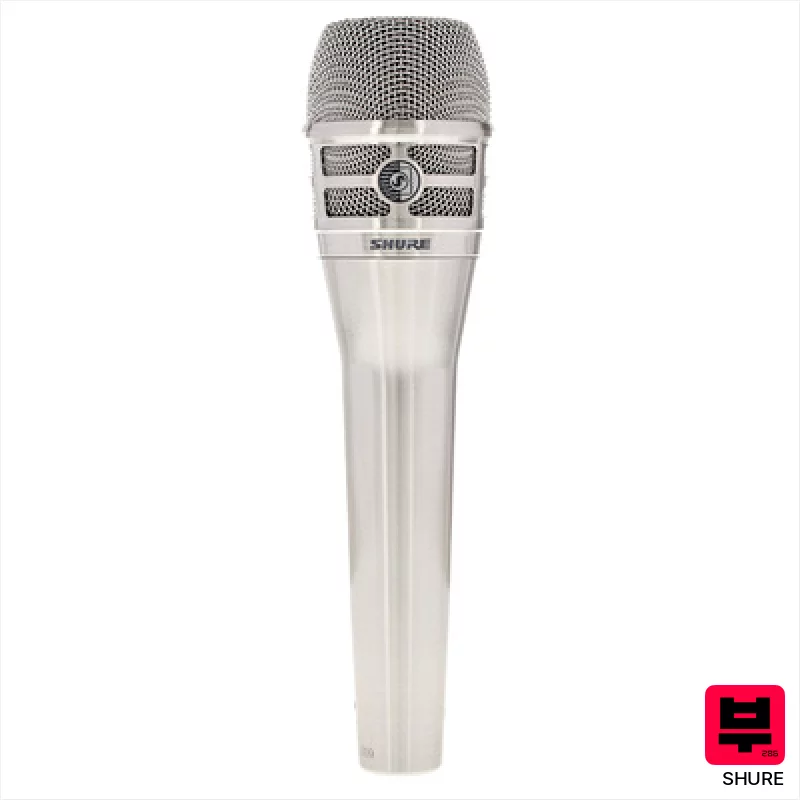
Shure KSM8 N
- • Dualdyne capsule delivers exceptionally tight and consistent off-axis rejection.
- • Brushed aluminum body and hardened steel mesh provide robust stage durability.
- • Natural, uncolored sound reproduction minimizes processing needs in the mix.
- • Low proximity effect minimizes bass boost when close to the mic.
- • Higher sensitivity means it picks up more stage rumble and background noise.
- • Nickel finish can be a fingerprint magnet requiring frequent cleaning.
- • While versatile, it's not ideal for highly nuanced studio vocal work.

Shure MV7 Plus
- • Excellent vocal clarity with a controlled, broadcast-ready sound.
- • Intuitive touch panel simplifies gain and monitoring adjustments on-mic.
- • ShurePlus MOTIV software unlocks powerful, customizable DSP effects.
- • Robust build quality; feels solid and professional in the hand.
- • Limited polar pattern selection restricts versatility for certain recording scenarios.
- • Frequency response leans slightly dull; may require EQ for brighter sources.
- • USB connectivity prioritizes convenience over absolute audio fidelity for critical recordings.
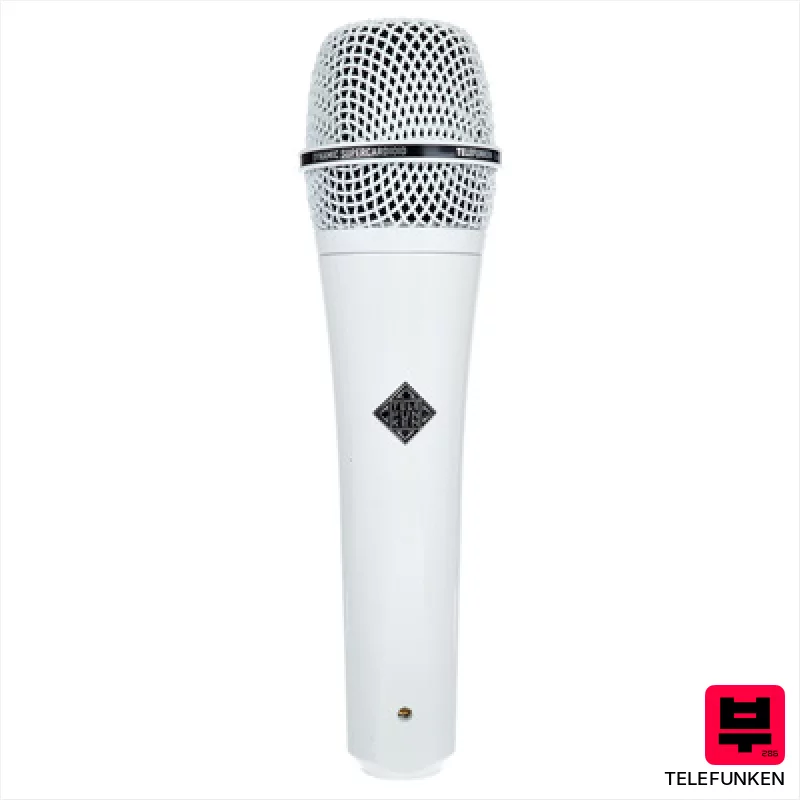
Telefunken M80 White
- • Robust zinc die-cast body feels exceptionally solid and durable.
- • Supercardioid pattern offers excellent isolation in live settings.
- • Extended frequency response captures detail beyond typical dynamic mics.
- • Smooth, natural sound with a slight mid-range presence for clarity.
- • Supercardioid pattern can be tricky to manage without careful mic placement.
- • Heavier than many other dynamic microphones, impacting stand stability.
- • Limited versatility compared to multi-pattern condenser microphones.
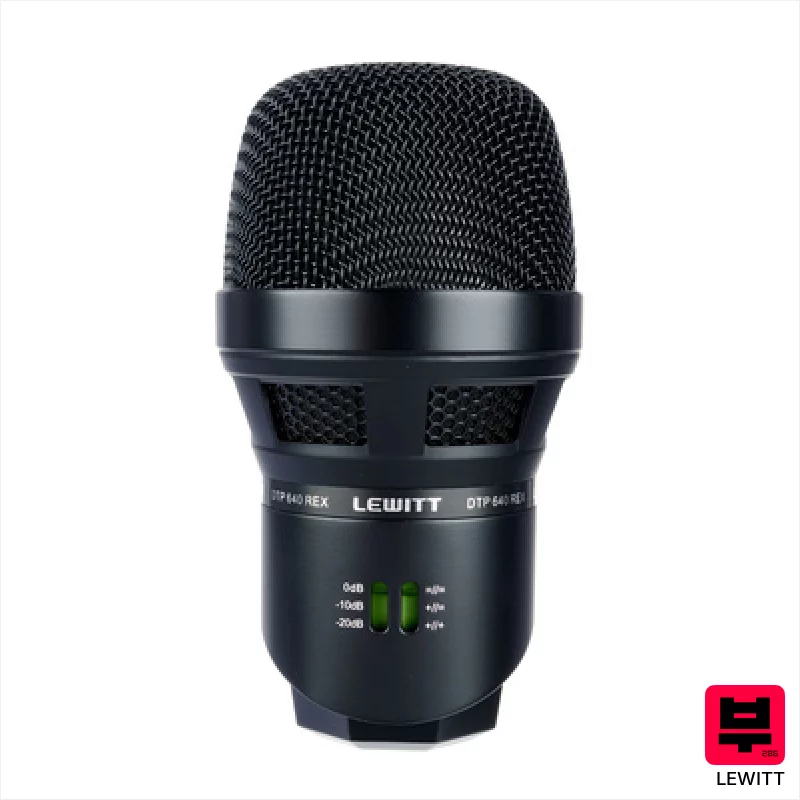
Lewitt DTP 640 REX
- • Robust build with solid metal housing inspires confidence.
- • Dual-capsule design offers unique blending/routing flexibility.
- • Cardioid pattern minimizes room noise, great for tracking.
- • Extended frequency response captures detail across a wide spectrum.
- • The weight (0.75 kg) can be cumbersome for extended handheld use.
- • Higher impedance dynamic capsule may require a preamp with sufficient gain.
- • Condenser capsule necessitates phantom power, limiting some interface options.

Telefunken M80 Black
- • Robust zinc die-cast body provides excellent durability for stage use
- • Supercardioid pattern excels at isolating sources in loud environments
- • Clear, articulate midrange presence for vocals and instruments
- • Telefunken's proven dynamic element delivers a natural, uncolored sound
- • Supercardioid pattern requires careful mic placement to avoid feedback
- • Somewhat heavy, potentially fatiguing for extended handheld use
- • Limited frequency response compared to condenser microphones

Shure MV7 Plus White
- • Excellent USB/XLR hybrid versatility for studio and streaming setups.
- • Integrated touch panel simplifies gain, monitor mix adjustments on-mic.
- • ShurePlus MOTIV software unlocks powerful DSP for polished audio.
- • Robust build quality with a substantial, dampened metal chassis.
- • Limited frequency response compared to higher-end studio condensers.
- • Cardioid pattern restricts stereo recording possibilities; less versatile.
- • USB performance, while decent, isn’t a substitute for dedicated audio interface.
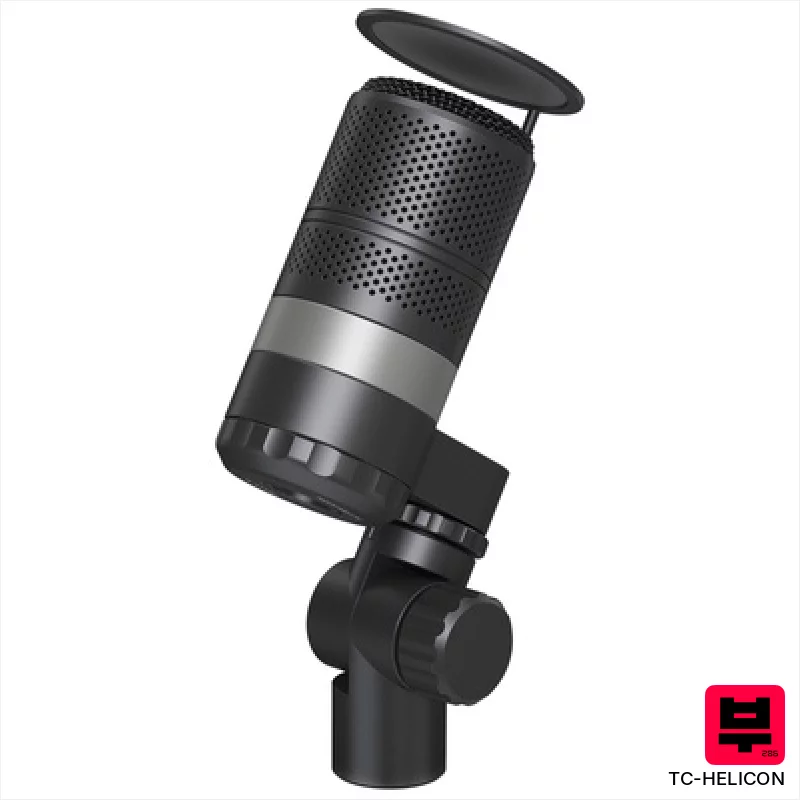
TC-Helicon Go XLR Mic
- • Supercardioid pattern excels at isolating vocals in noisy environments.
- • Solid build quality; the metal holder feels surprisingly robust.
- • The included pop filter noticeably reduces plosives and breath noise.
- • Versatile dynamic response handles both spoken word and singing well.
- • 300 Ohm impedance requires a decent preamp for optimal gain and signal.
- • Supercardioid pattern demands careful mic placement to avoid off-axis coloration.
- • Weight (485g) can be fatiguing for extended handheld use.
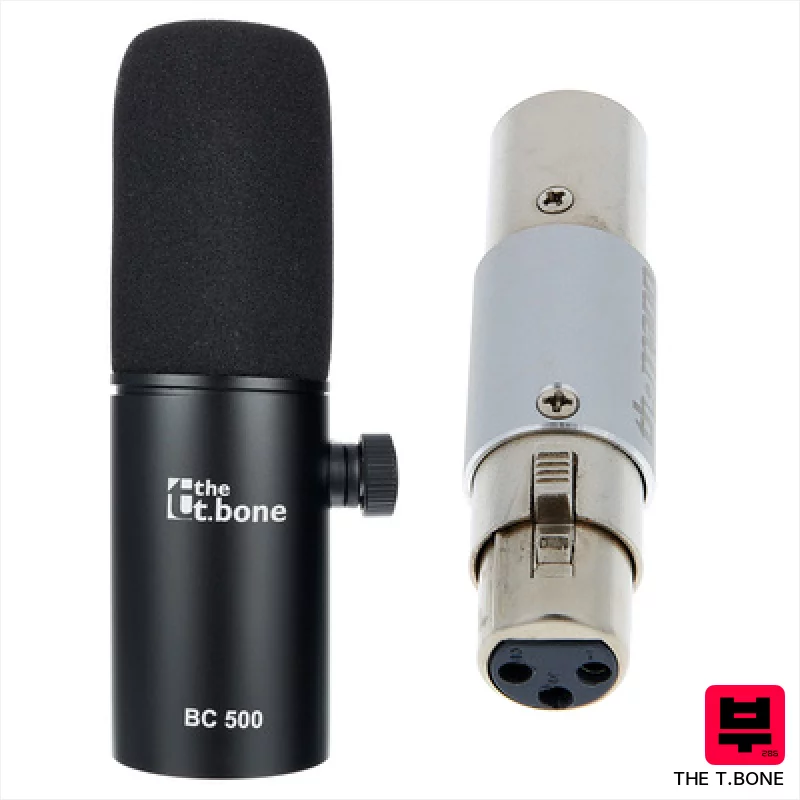
the t.bone BC 500 Bundle
- • Solid broadcast quality for vocals and instruments at a budget price.
- • The included FetAmp noticeably boosts the mic's signal and clarity.
- • Cardioid pattern effectively minimizes room noise for cleaner recordings.
- • Durable metal construction feels surprisingly robust for its price point.
- • The low-cut filter can be a little aggressive, requiring careful EQ adjustments.
- • The frequency response, while broad, lacks a truly premium, refined character.
- • The bundled FetAmp, while useful, is a basic model limiting advanced gain control.
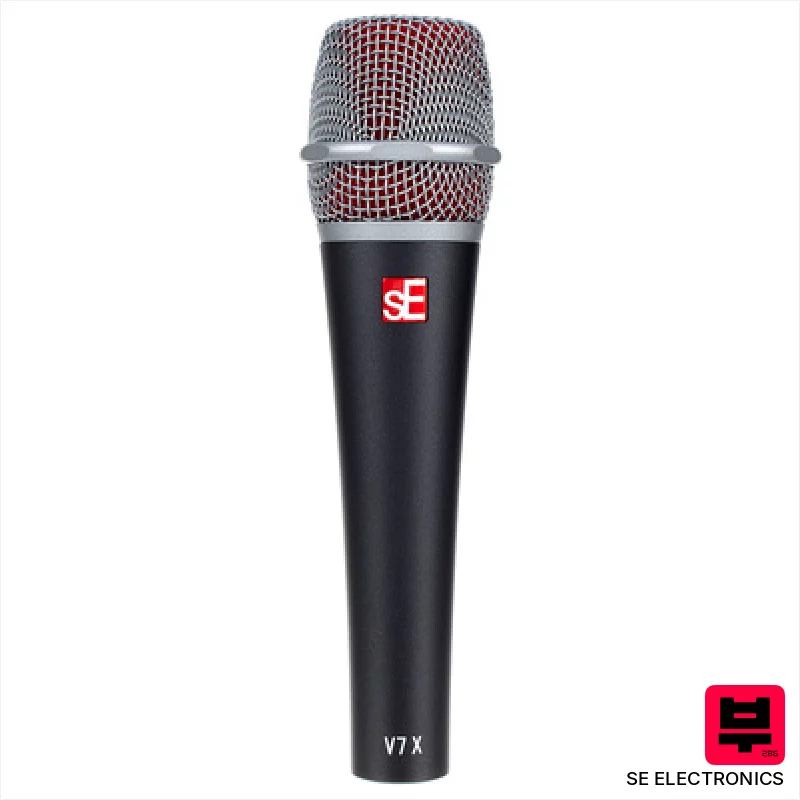
SE Electronics V7 X
- • Solid metal housing offers surprising durability for the price.
- • Supercardioid pattern rejects bleed well in less-than-ideal recording spaces.
- • Handles high SPLs without distortion, great for loud amps.
- • Surprisingly clear high-end response for a dynamic mic.
- • Lower sensitivity requires a preamp with decent gain.
- • Supercardioid pattern can be tricky to position consistently.
- • Lacks the warmth and detail of a condenser mic.

the t.bone BC 500 Swivel Mic Arm Bundle
- • Solid build quality for the price point; feels surprisingly robust.
- • Swivel arm offers excellent positioning flexibility for streaming/recording.
- • Cardioid pattern effectively minimizes room noise for cleaner recordings.
- • 200Hz low-cut helps tame boomy vocals or instruments nicely.
- • Mic's sensitivity (-58dB) might require a preamp for quieter sources.
- • Plastic cable management on the arm isn't the most premium solution.
- • While versatile, it’s not a studio-grade mic for critical vocal work.
How to Choose the Best Dynamic Allround Microphones
Off-Axis Rejection
Content creation isn't always about a perfectly controlled recording environment. Good off-axis rejection means less bleed from your computer fans, street noise, or a chatty roommate. You want that focused sound, not a chaotic wash.
Proximity Effect
A healthy dose of proximity effect - that low-end boost you get when you're close to the mic - is crucial for vocals to have some weight and presence, especially when recording in less-than-ideal acoustic spaces. Too much, though, and you'll sound muddy.
Transient Response
Dynamics aren't known for their detail, but a decent transient response is still vital. You want to capture the snap of a snare drum or the pluck of a guitar string, not just a smeared blob of sound. Poor transient response will make everything sound sluggish.
Durability & Build Quality
Let's be honest, these mics are going to get tossed in cases, bumped on stands, and generally abused. A robust build is essential for gigging or even just moving it around your studio frequently.
Versatility
Content creation is rarely limited to one thing. A mic that can handle vocals, acoustic instruments, and even some amp miking is far more valuable than a specialist mic you'll only use occasionally.
Buying Guide
Don't get fooled by hype. Many cheap dynamics are just that - cheap. They'll often have a hyped, artificial high-end that sounds brittle, or a muddy low-end that masks detail. Spending a bit more on a reputable brand will usually net you a more balanced, usable sound. Also, consider a shock mount - it really does tame those low-frequency vibrations and resonances, especially when you're close-miking.
Our Methodology
We're not just looking at spec sheets, folks. We've spent countless hours tracking vocals, miking acoustic guitars, and running these mics through PA systems. Our evaluations involve A/B comparisons against industry standards and, crucially, how they perform in real-world scenarios - a noisy bedroom, a band rehearsal, a live stream - because that's where the rubber meets the road.

