
Best Dynamic Allround Microphones for Podcasting 2026
So, you're diving into podcasting? Awesome. Ditching the built-in laptop mic is the first smart move. Dynamic microphones are the workhorses of the recording world - they're robust, handle high SPLs (that's loud sounds), and generally offer a more forgiving sound than condensers, which is crucial when you're dealing with a less-than-perfect recording environment. Let's break down some solid dynamic options that won't leave you sounding like you're talking through a tin can.
Last updated: July 15, 2026 • Next update: July 22, 2026
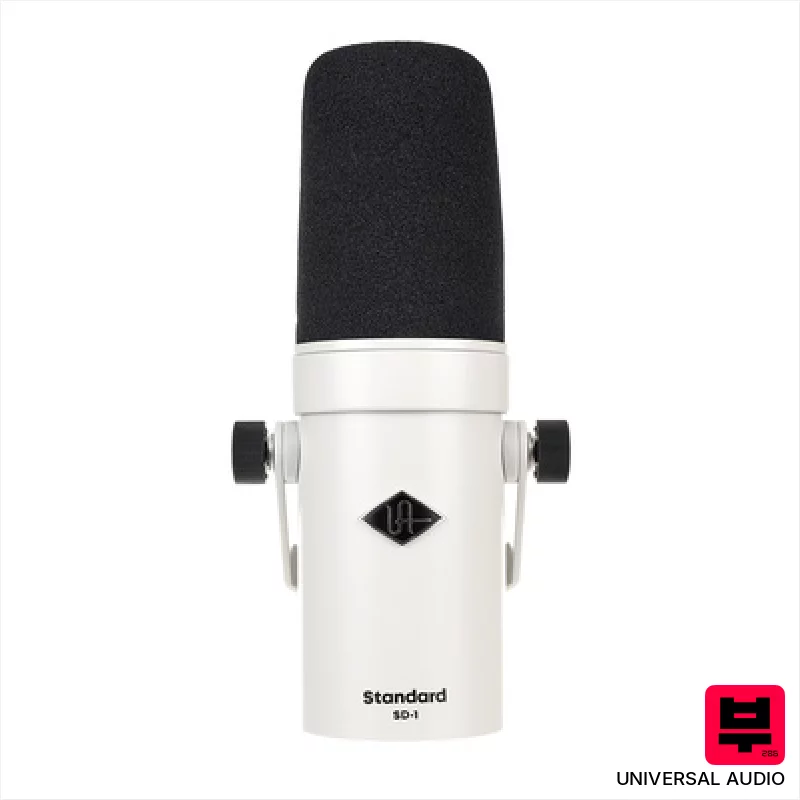
Universal Audio SD-1
- • Robust zinc alloy body provides excellent durability for stage use.
- • Cardioid pattern effectively isolates sources, minimizing bleed.
- • Articulated 3-5kHz boost adds clarity and presence for vocals.
- • Included adapter provides flexibility for various mic stand setups.
- • Sensitivity is relatively low, requiring a preamp with good gain.
- • Limited frequency response compared to condenser microphones, lacks high-end detail.
- • Heavier than many other dynamic microphones, can be fatiguing on stands.
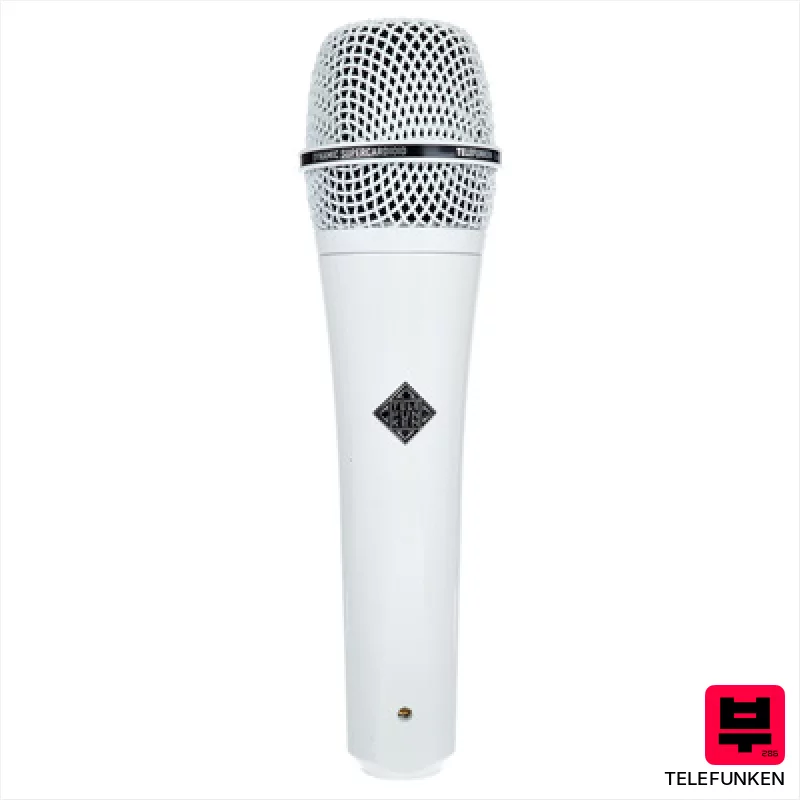
Telefunken M80 White
- • Robust zinc die-cast body feels exceptionally solid and durable.
- • Supercardioid pattern offers excellent isolation in live settings.
- • Extended frequency response captures detail beyond typical dynamic mics.
- • Smooth, natural sound with a slight mid-range presence for clarity.
- • Supercardioid pattern can be tricky to manage without careful mic placement.
- • Heavier than many other dynamic microphones, impacting stand stability.
- • Limited versatility compared to multi-pattern condenser microphones.
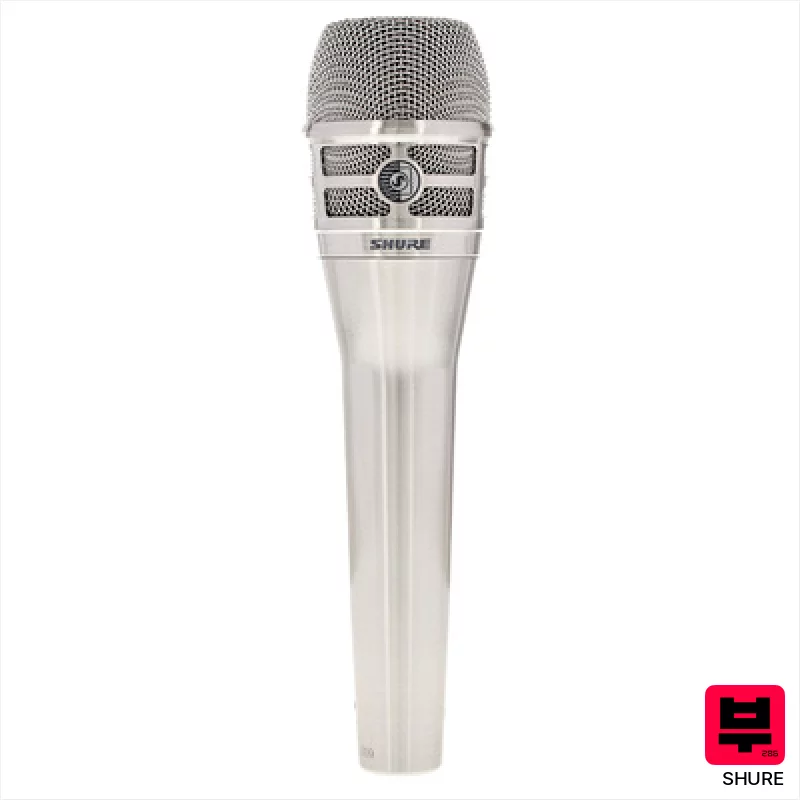
Shure KSM8 N
- • Dualdyne capsule delivers exceptionally tight and consistent off-axis rejection.
- • Brushed aluminum body and hardened steel mesh provide robust stage durability.
- • Natural, uncolored sound reproduction minimizes processing needs in the mix.
- • Low proximity effect minimizes bass boost when close to the mic.
- • Higher sensitivity means it picks up more stage rumble and background noise.
- • Nickel finish can be a fingerprint magnet requiring frequent cleaning.
- • While versatile, it's not ideal for highly nuanced studio vocal work.
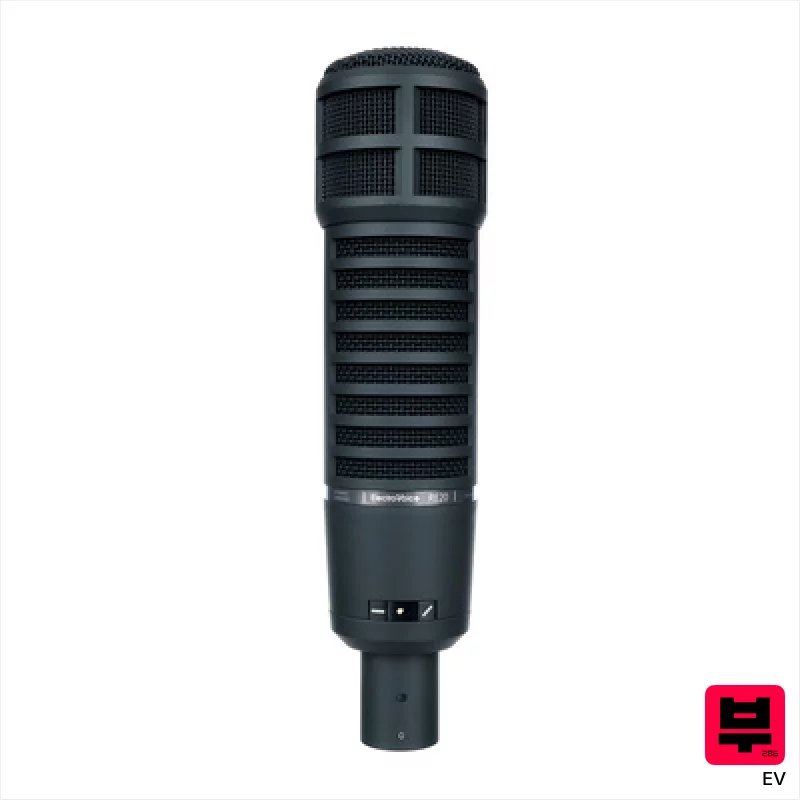
EV RE20-Black
- • Variable-D minimizes proximity effect, delivering consistent tone
- • Rugged all-metal build feels incredibly solid and durable
- • Cardioid pattern excels at isolating instruments on stage
- • Extended frequency response captures detailed, natural sound
- • Its size and weight can be cumbersome for some mic stands
- • Limited polar pattern options restrict versatility in complex recording scenarios
- • Premium-priced, a significant investment for budget-conscious users
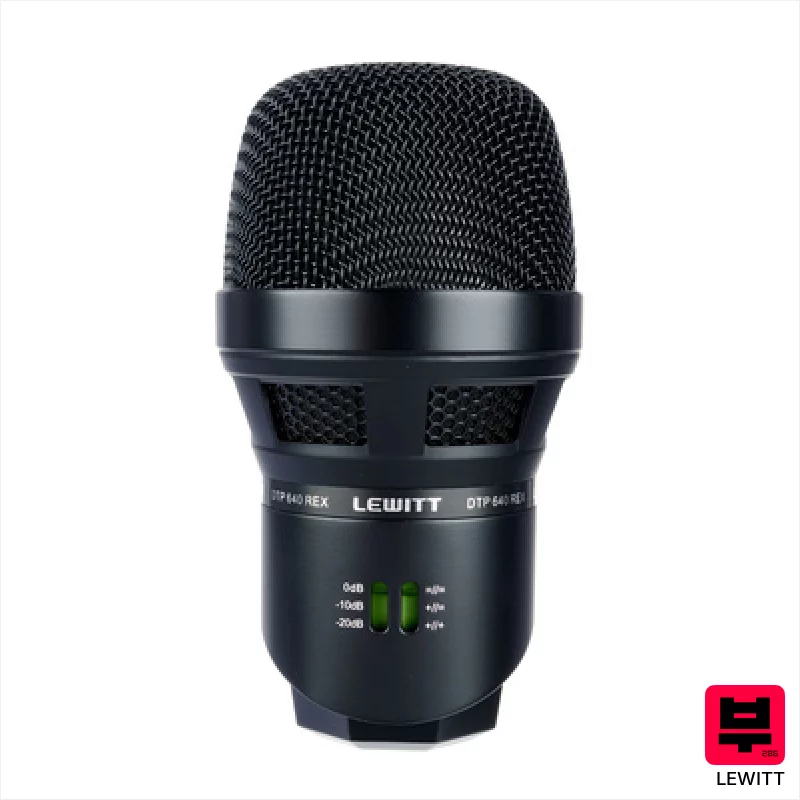
Lewitt DTP 640 REX
- • Robust build with solid metal housing inspires confidence.
- • Dual-capsule design offers unique blending/routing flexibility.
- • Cardioid pattern minimizes room noise, great for tracking.
- • Extended frequency response captures detail across a wide spectrum.
- • The weight (0.75 kg) can be cumbersome for extended handheld use.
- • Higher impedance dynamic capsule may require a preamp with sufficient gain.
- • Condenser capsule necessitates phantom power, limiting some interface options.

Telefunken M80 Red
- • Robust zinc die-cast body ensures durability on stage and in the studio.
- • Supercardioid pattern effectively rejects bleed from unwanted sources.
- • Clear, articulate midrange presence excels on vocals and instruments.
- • The neodymium magnet delivers a strong signal, reducing noise floor.
- • Supercardioid pattern demands precise mic placement for optimal results.
- • The 325 Ohm impedance may require a preamp with sufficient gain.
- • Lacks the warmth and detail of a premium condenser microphone.
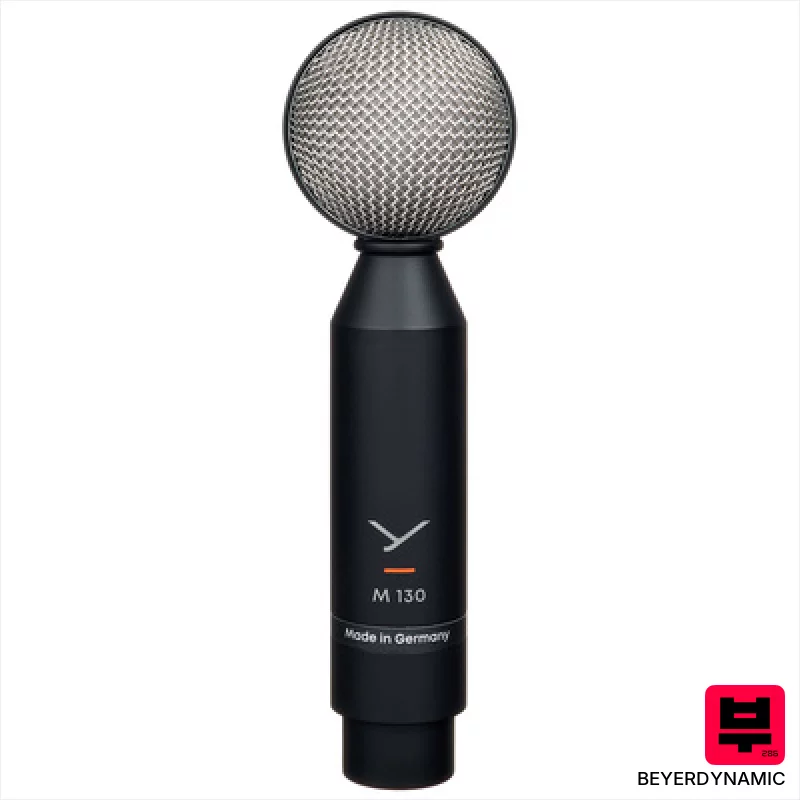
beyerdynamic M 130 (2023)
- • Double ribbon design delivers exceptional detail and transient response.
- • Robust brass housing provides durability and a pleasing heft.
- • Figure-8 pattern excels in stereo and M/S recording techniques.
- • Smooth, natural sound minimizes harshness across a wide frequency range.
- • Relatively high impedance requires a high-quality preamp for optimal performance.
- • Figure-8 pattern limits its suitability for solo vocal recording in untreated rooms.
- • The weight can be fatiguing during extended handheld use.

Shure MV7 Plus
- • Excellent vocal clarity with a controlled, broadcast-ready sound.
- • Intuitive touch panel simplifies gain and monitoring adjustments on-mic.
- • ShurePlus MOTIV software unlocks powerful, customizable DSP effects.
- • Robust build quality; feels solid and professional in the hand.
- • Limited polar pattern selection restricts versatility for certain recording scenarios.
- • Frequency response leans slightly dull; may require EQ for brighter sources.
- • USB connectivity prioritizes convenience over absolute audio fidelity for critical recordings.

Shure MV7 Plus White
- • Excellent USB/XLR hybrid versatility for studio and streaming setups.
- • Integrated touch panel simplifies gain, monitor mix adjustments on-mic.
- • ShurePlus MOTIV software unlocks powerful DSP for polished audio.
- • Robust build quality with a substantial, dampened metal chassis.
- • Limited frequency response compared to higher-end studio condensers.
- • Cardioid pattern restricts stereo recording possibilities; less versatile.
- • USB performance, while decent, isn’t a substitute for dedicated audio interface.

Telefunken M80 Black
- • Robust zinc die-cast body provides excellent durability for stage use
- • Supercardioid pattern excels at isolating sources in loud environments
- • Clear, articulate midrange presence for vocals and instruments
- • Telefunken's proven dynamic element delivers a natural, uncolored sound
- • Supercardioid pattern requires careful mic placement to avoid feedback
- • Somewhat heavy, potentially fatiguing for extended handheld use
- • Limited frequency response compared to condenser microphones
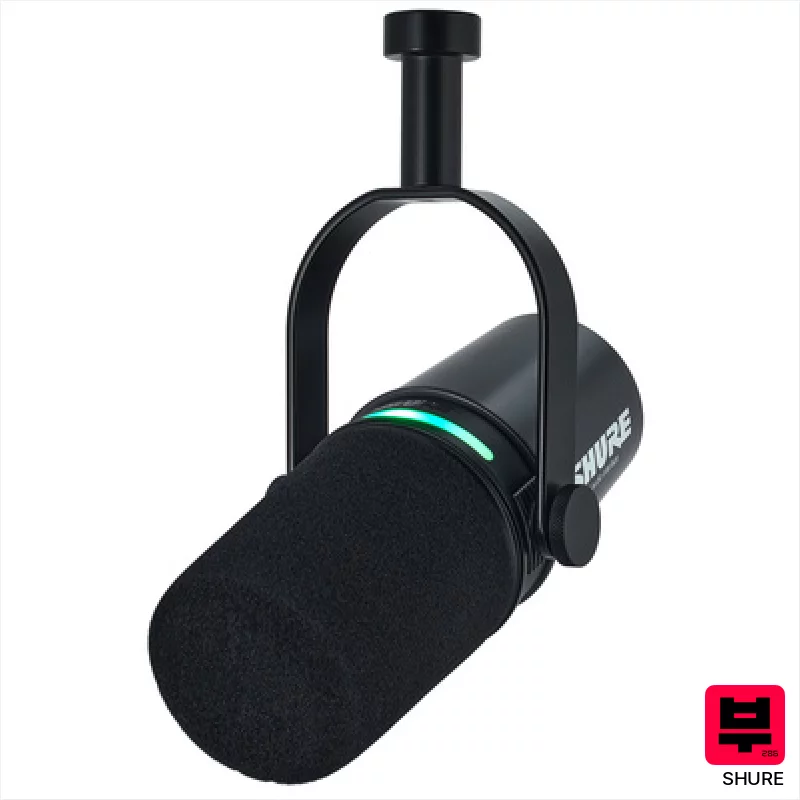
Shure MV7i
- • Integrated interface eliminates external gear, simplifying recording setups significantly.
- • The touch panel provides intuitive, on-mic control over essential parameters.
- • SmartGate auto-noise reduction is surprisingly effective, a boon for less-than-ideal rooms.
- • Solid build quality; the metal construction feels robust and durable for desk use.
- • Limited XLR input gain; may struggle with very quiet sources or low-output mics.
- • The 'auto-level' mode can sometimes sound overly processed and unnatural.
- • The all-in-one design restricts flexibility compared to separate mic and interface.
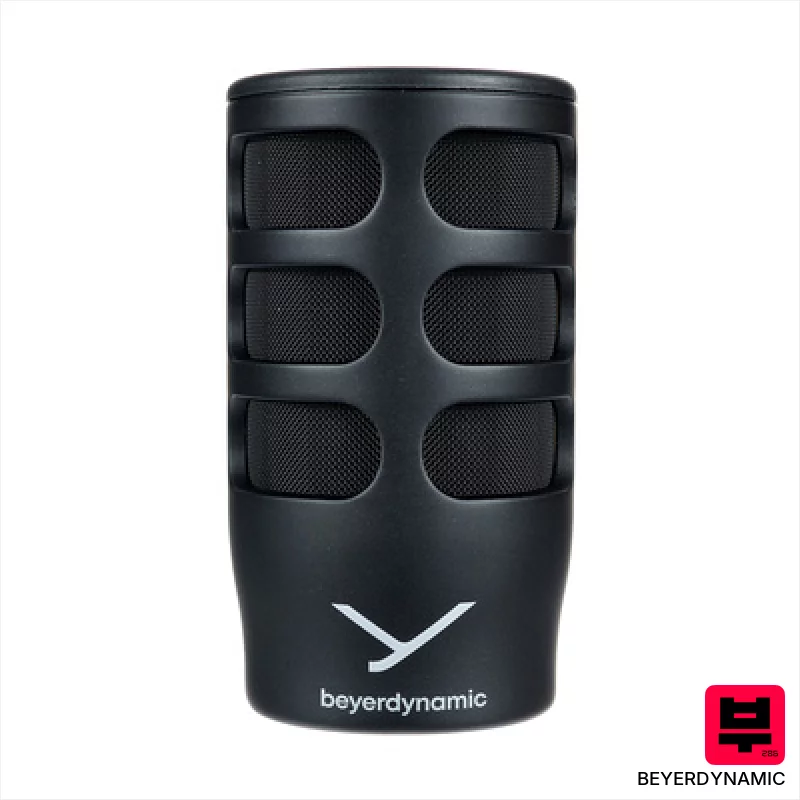
beyerdynamic TG I51
- • Robust, all-steel construction ensures gig-ready durability.
- • Cardioid pattern provides excellent isolation from stage bleed.
- • Handles high SPLs exceptionally well, ideal for loud amps.
- • Delivers a clear, articulate sound with surprising warmth.
- • High impedance requires a preamp or impedance matching transformer.
- • Somewhat heavy, can be fatiguing on long gigs.
- • Lacks the finesse for extremely detailed acoustic instrument capture.
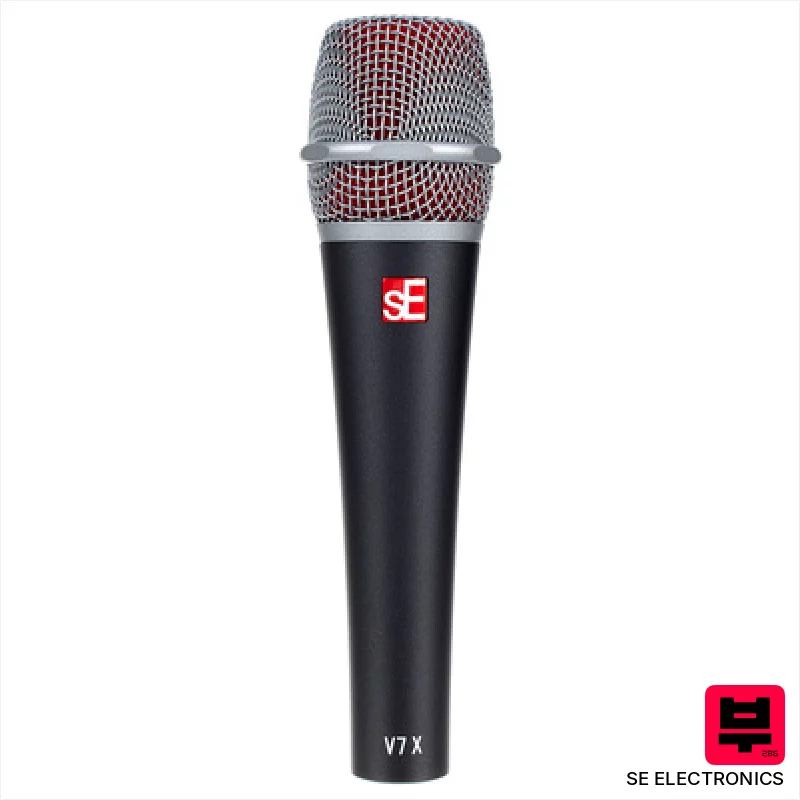
SE Electronics V7 X
- • Solid metal housing offers surprising durability for the price.
- • Supercardioid pattern rejects bleed well in less-than-ideal recording spaces.
- • Handles high SPLs without distortion, great for loud amps.
- • Surprisingly clear high-end response for a dynamic mic.
- • Lower sensitivity requires a preamp with decent gain.
- • Supercardioid pattern can be tricky to position consistently.
- • Lacks the warmth and detail of a condenser mic.
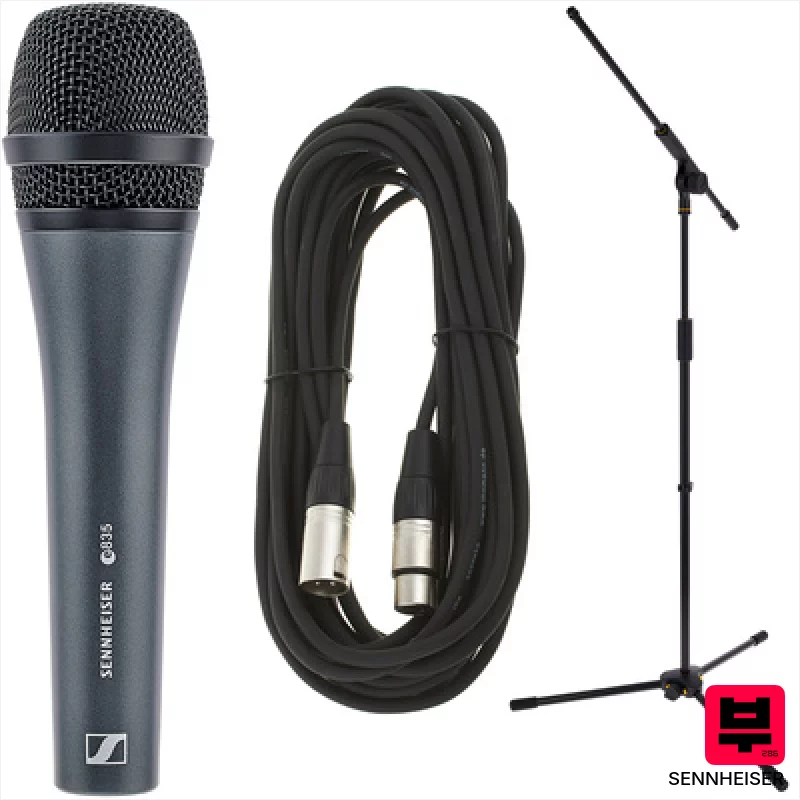
Sennheiser E835 Bundle
- • Robust build quality, feels solid and reliable on stage
- • Cardioid pattern effectively isolates vocals from stage noise
- • Included mic stand and cable offer immediate usability
- • Versatile enough for vocals, percussion, and amplified instruments
- • The stand is basic, not ideal for complex stage setups
- • Sound profile leans towards a slightly mid-focused character
- • Cable length might be restrictive for some stage configurations
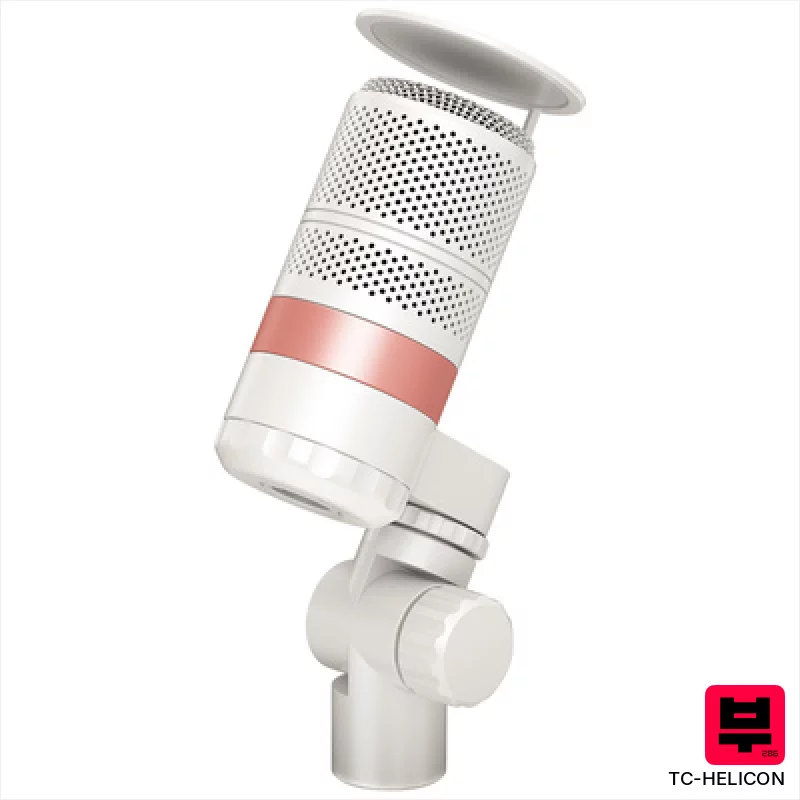
TC-Helicon Go XLR Mic WH
- • Supercardioid pattern isolates vocals exceptionally well, reducing room noise.
- • Robust metal construction feels solid and durable for stage use.
- • Included pop filter minimizes plosives effectively for cleaner recordings.
- • The 3D adjustable mount provides flexible positioning options.
- • 300 Ohm impedance requires a preamp or interface for optimal gain.
- • Supercardioid pattern demands precise mic technique to avoid off-axis coloration.
- • Weight (485g) can be fatiguing during extended handheld use.
How to Choose the Best Dynamic Allround Microphones
Off-Axis Rejection
This is HUGE for podcasting. You don't want background noise - keyboard clicks, street sounds, your dog barking - bleeding into the recording. Good off-axis rejection means the mic primarily picks up what's directly in front of it, rejecting sounds from the sides and rear.
Low-Frequency Response
A little low-end thump can add warmth and presence to your voice, but too much can make you sound muddy. The sweet spot is a controlled low-end that doesn't boom or rumble.
Proximity Effect
Dynamics get 'closer' sounding as you get closer to the mic. This can be used creatively to add warmth and intimacy, but it can also exaggerate plosives (those 'p' and 'b' sounds). Controlling this is key to a clean recording.
Transient Response
How quickly the mic reacts to changes in sound. A sluggish transient response will make your voice sound dull and lifeless. You want something that captures the nuances of your delivery.
Durability & Build Quality
Let's be real, you're going to be using this mic a lot. A flimsy mic will fail you when you need it most. Solid construction and reliable components are worth the investment, especially if you plan on gigging or traveling with it.
Buying Guide
Don't chase the 'cheapest' option. Seriously. Microphones under $50 are almost always cutting corners somewhere - often in the capsule itself, resulting in a thin, lifeless sound. Spend a little more for something with a decent reputation; you'll hear the difference. Look for a mic with a clean, uncolored sound - you can always add EQ later, but you can't add back what a cheap mic lacks. A good shock mount is also a worthwhile investment to minimize vibrations.
Our Methodology
We're not just looking at spec sheets here. We've spent years in studios and on stages, mic'ing everything from screaming amps to quiet acoustic guitars. Our evaluations are based on real-world use - A/B comparisons against industry standards, testing in various acoustic spaces, and listening for that elusive combination of clarity, warmth, and a lack of unwanted harshness. We're listening for the character, not just the numbers.

