AudioFu
AudioFu Chart · October 2026
Best Dynamic Allround Microphones 2026
The top pick is Shure MV7X Cardioid Dynamic Podcast Microphone ($332). Sennheiser e835 Handheld Cardioid Dynamic Vocal Microphone gives you the most for the money at $99. Shure KSM8 Dualdyne Handheld Cardioid Dynamic Microphone leads the high end. Ranked by the AudioFu Index from 32 models across 17 brands, prices checked every night.
Last updated: October 17, 2026
Narrow the chart
All Dynamic Allround MicrophonesTop 10
Full detail for the 10 highest AudioFu Index scores. Every other model is listed below.
-
Shure MV7X Cardioid Dynamic Podcast Microphone
MV7 Plus · Shure
44 for sale on Reverb3 finishes at Thomann
- Size8"
The MV7 Plus is a really smart mic for podcasters, streamers, and vocalists who want professional sound without a complex setup. The on-mic controls and software DSP are game-changers for quick adjustments and a polished final product – just be mindful that it's not a substitute for a high-end studio mic if you're chasing absolute sonic purity.
Pros
- Excellent vocal clarity with a controlled, broadcast-ready sound.
- Intuitive touch panel simplifies gain and monitoring adjustments on-mic.
- ShurePlus MOTIV software unlocks powerful, customizable DSP effects.
Cons
- Limited polar pattern selection restricts versatility for certain recording scenarios.
- Frequency response leans slightly dull; may require EQ for brighter sources.
-
sE Electronics V7 Handheld Supercardioid Dynamic Microphone
V7 X · SE Electronics
157 for sale on Reverb2 finishes at Thomann
The V7 X is a surprisingly capable workhorse mic for guitar and amp cabs. It’s a great budget option for gigging musicians or home recordists needing a reliable, focused mic that can handle loud sources without flinching. It's not going to replace your boutique condensers, but it's a fantastic value for what you get.
Pros
- Solid metal housing offers surprising durability for the price.
- Supercardioid pattern rejects bleed well in less-than-ideal recording spaces.
- Handles high SPLs without distortion, great for loud amps.
Cons
- Lower sensitivity requires a preamp with decent gain.
- Supercardioid pattern can be tricky to position consistently.
-
Sennheiser e835 Handheld Cardioid Dynamic Vocal Microphone
E835 · Sennheiser
78 for sale on Reverb3 finishes at Thomann
The Sennheiser E835 is a workhorse vocal mic – seriously tough and sounds good doing it. It's a fantastic budget-friendly option for gigging musicians, singer-songwriters, and anyone needing a reliable mic for live performance. Its focused sound is a real winner for rock, pop, and even some acoustic work.
Pros
- Robust zinc die-cast body handles stage abuse exceptionally well
- Cardioid pattern provides excellent isolation from stage noise
- Clear, focused midrange presence cuts through dense mixes
Cons
- Lacks a pad, making it unsuitable for very loud sources like snare drums
- Can be slightly sibilant with brighter vocalists; EQ may be needed
-
- Size8"
- Weight1.287 kg
This mic packs a big punch for podcasting and streaming without needing extra power bricks. The zinc body feels sturdy, and the built-in pop filter works great for clear vocals. It is perfect for beginners who want a simple USB solution that just works. However, the weight is heavy to carry around, and you cannot adjust the preamp gain manually.
Pros
- Solid die-cast zinc alloy body feels durable
- Built-in popper stopper cleans up vocals
- Auto Level mode handles loud rooms well
Cons
- Heavy at nearly 2.5 pounds for one mic
- Only three presets available for smart modes
-
Universal Audio Standard SD-1 Cardioid Dynamic Microphone
SD-1 · Universal Audio
40 for sale on Reverb1 finish at Thomann
- Size8"
The SD-1 is a solid, dependable workhorse mic—think Shure SM58’s reliable grit, but with a slightly more modern, focused character. It's fantastic for rock, pop, and spoken word where you need rejection and can handle a bit of volume. A great option for gigging musicians and home studios needing a versatile, budget-friendly dynamic.
Pros
- Robust zinc alloy body provides excellent durability for stage use.
- Cardioid pattern effectively isolates sources, minimizing bleed.
- Articulated 3-5kHz boost adds clarity and presence for vocals.
Cons
- Sensitivity is relatively low, requiring a preamp with good gain.
- Limited frequency response compared to condenser microphones, lacks high-end detail.
58AudioFu
Index↓ 7.4%since Aug 14 · lowest so far$303 · Aug 14$280 now$280€249 at Thomann · in stockCheck price ↗ -
The PGA58 is a solid, budget-friendly workhorse mic. It's fantastic for beginner vocalists, karaoke, or anywhere you need a reliable, durable mic that cuts through a mix without costing a fortune. It’s a no-nonsense option that gets the job done.
Pros
- Robust zinc die-cast body handles serious stage abuse.
- Cardioid pattern effectively rejects stage bleed and feedback.
- Clear vocal reproduction, surprisingly detailed for its price point.
Cons
- Lacks the nuanced detail of higher-end Shure mics like the SM58.
- Lower sensitivity requires more preamp gain, potentially introducing noise.
-
Shure KSM8 Dualdyne Handheld Cardioid Dynamic Microphone
KSM8 N · Shure
51 for sale on Reverb1 finish at Thomann
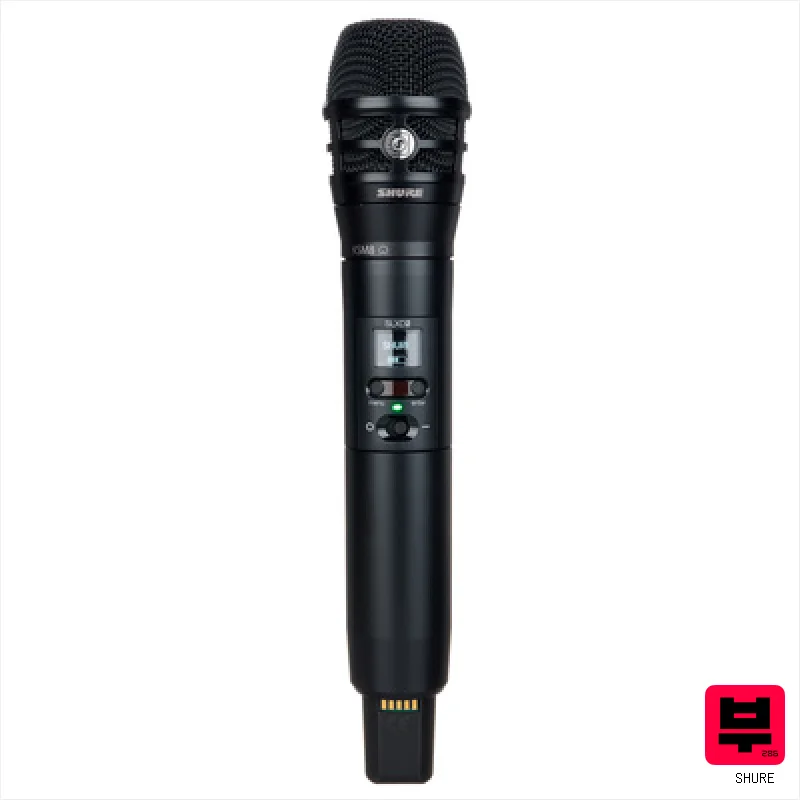
The KSM8 N is a fantastic workhorse vocal mic – it’s built like a tank and sounds remarkably clean and clear. It handles high SPLs with ease, making it perfect for lead singers and drummers in loud live settings. This mic really shines when you need reliable performance and a natural sound without a lot of fuss.
Pros
- Dualdyne capsule delivers exceptionally tight and consistent off-axis rejection.
- Brushed aluminum body and hardened steel mesh provide robust stage durability.
- Natural, uncolored sound reproduction minimizes processing needs in the mix.
Cons
- Higher sensitivity means it picks up more stage rumble and background noise.
- Nickel finish can be a fingerprint magnet requiring frequent cleaning.
57AudioFu
Index↓ 2.4%since Aug 14 · lowest so far$467 · Aug 14$456 now$456€405 at Thomann · in stockCheck price ↗ -
The M80 Black is a seriously well-built dynamic mic, a real step above the budget options. It's fantastic for live vocals, toms, or even guitar amps where you need that focused, punchy sound and excellent rejection of stage rumble. If you're a gigging musician needing a reliable, high-quality workhorse, this is a solid choice.
Pros
- Robust zinc die-cast body provides excellent durability for stage use
- Supercardioid pattern excels at isolating sources in loud environments
- Clear, articulate midrange presence for vocals and instruments
Cons
- Supercardioid pattern requires careful mic placement to avoid feedback
- Somewhat heavy, potentially fatiguing for extended handheld use
53AudioFu
Index↓ 14.0%since Aug 14 · lowest so far$354 · Aug 14$305 now$305€271 at Thomann · in stockCheck price ↗ -
Lewitt MTP-440 DM Premium Dynamic Instrument Mic
MTP 440 DM · Lewitt
10 for sale on Reverb1 finish at Thomann
- Weight0.28 kg
The Lewitt MTP 440 DM is a solid, affordable workhorse for snare drums and guitar amps. It delivers a focused sound with decent detail, making it a great entry point for gigging musicians or home recordists needing a reliable instrument mic. It's particularly good for rock, punk, and heavier styles where you need a mic that can handle the volume.
Pros
- Robust zinc die-cast body offers excellent durability for stage use
- Cardioid pattern effectively rejects bleed, great for loud environments
- Gold-plated XLR provides reliable signal transfer and resists corrosion
Cons
- Lacks the extended frequency response of higher-end condensers
- Can be a bit brittle sounding on lower-tuned instruments without EQ
51AudioFu
Index↓ 10.1%since Aug 14 · lowest so far$111 · Aug 14$100 now$100€89 at Thomann · in stockCheck price ↗ -
- Size8"
The t.bone MB 7 Beta is a surprisingly capable broadcast mic, especially considering the affordable price. It's a great option for podcasters, streamers, or anyone needing a decent vocal mic on a tight budget—just be mindful of needing a preamp to get enough signal. Don't expect high-end studio quality, but it's a solid performer for the money.
Pros
- Solid build quality for the price point, feels surprisingly robust.
- Cardioid pattern offers good isolation in less-than-ideal recording spaces.
- Built-in pop filter and shockmount are genuinely effective at reducing noise.
Cons
- High output impedance requires a preamp or mic pre with sufficient gain.
- Somewhat limited frequency extension; lacks sparkle in the high end.
All 32 dynamic allround microphones
Same index, same nightly prices — compact. Colour options of one model share a row. Tap a photo to zoom.
- 11
AKG D-7AKG · 4 finishes50↓ 6.2%$189€168$189€168Check ↗
- 12
Lewitt DTP-640-REX Dual Capsule Kick Drum MicrophoneDTP 640 REX · Lewitt45↑ 10.4%$370€329$370€329Check ↗
- 13
Superlux TM58Superlux44Stable$21€19$21€19Check ↗
- 14
Shure SM57 Cardioid Dynamic MicrophoneSM57LC Bundle III · Shure44Stable$137€122$137€122Check ↗
- 15
the t.bone MB75 Betathe t.bone · 2 finishes43Stable$50€44$50€44Check ↗
- 16
MXL CR77 Dynamic MicrophoneCR77 · MXL42Stable$190€169$190€169Check ↗
- 17
Heil Sound PR30 Black MatteHeil Sound42↓ 20.1%$332€295$332€295Check ↗
- 18
Heil Sound PR37Heil Sound42↓ 23.1%$336€299$336€299Check ↗
- 19
Heil Sound PR40Heil Sound42↓ 17.4%$426€379$426€379Check ↗
- 20
Audix F50 Handheld Cardioid Dynamic MicrophoneF50 · Audix40↓ 1.8%$61€54$61€54Check ↗
- 21
Focusrite Vocaster DM1Focusrite39↓ 16.7%$28€25$28€25Check ↗
- 22
Superlux Pra 218ASuperlux37Stable$25€22$25€22Check ↗
- 23
Superlux D10BSuperlux37Stable$39€35$39€35Check ↗
- 24
Superlux Top 258Superlux37Stable$51€45$51€45Check ↗
- 25
Superlux WH5Superlux37Stable$89€79$89€79Check ↗
- 26
the t.bone BC 500 Swivel Mic Arm Bundlethe t.bone · 3 finishes37Stable$156€139$156€139Check ↗
- 27
Beyerdynamic TG I51 Cardioid Dynamic Instrument MicrophoneTG I51 · beyerdynamic36Stable$145€129$145€129Check ↗
- 28
EV RE20-BlackEV33↑ 1.1%$749€666$749€666Check ↗
- 29
Behringer B 906Behringer31Stable$33€29$33€29Check ↗
- 30
Sontronics Halo Supercardioid Dynamic MicrophoneHalo · Sontronics31↑ 17.5%$250€222$250€222Check ↗
- 31
EV RE20 RE-Series BundleEV29↓ 1.7%$715€635$715€635Check ↗
- 32
Superlux Eco 88 6pcs PackSuperlux22Stable$60€53$60€53Check ↗
Dynamic Allround Microphones by the numbers
Measured across all 48 models we track, not a sample.
Median $168 — half of all dynamic allround microphones here cost less.
median of 17 models · 8"–8"
median of 10 models · 0.28 kg–2.2 kg
How to choose the best dynamic allround microphones
Frequency Response
A wide, relatively flat response is what you want for versatility. Too scooped in the mids, and your vocals will sound thin. Too hyped in the highs, and you'll get brittle, harsh tones. It's about finding something that doesn't aggressively color the sound.
Polar Pattern
Usually Cardioid is the sweet spot - good rejection of stage noise, decent pickup of room ambience. Supercardioid offers even better isolation, but can sound a bit unnatural if you're not careful about mic placement. Figure-8 is niche for this application.
Sensitivity & SPL Handling
This is critical for loud sources. A mic with poor SPL handling will distort horribly when pointed at a cranked guitar amp or a snare drum hit. Look for something that can handle at least 130dB SPL, preferably more.
Durability & Build Quality
Let's be real, these mics are going to get abused. Roadie life isn't kind. A solid metal body, a robust clip, and a reliable capsule are essential. A flimsy plastic body won't last a year of gigging.
Off-Axis Response
How does the mic sound when someone's singing or playing slightly to the side? A good mic will maintain clarity and avoid a sudden drop in level or a weird phase shift, which can muddy a live mix.
Buying guide
So, you need a workhorse mic. Not for a hyper-specific snare drum sound, but something that can handle vocals, amps, toms - the whole band. Dynamic all-around mics are the unsung heroes of countless stages and studios, and choosing the right one can save you a ton of headaches (and money). Let's break down what to look for, because 'dynamic' doesn't mean they all sound the same.
Don't chase the hype. A $300 mic isn't magically going to make your band sound like a professional studio recording. You can get a genuinely great, reliable dynamic mic for under $150.
The biggest corners cut on cheaper mics are usually in the capsule - that's where the tonal character lives - and the build quality. Pay attention to the overall heft and feel - a cheap plastic body screams 'throwaway'.
How the AudioFu Index works
Five measured signals and nothing else — no stars from strangers, no “tested by experts” we didn’t do. The weights are fixed and public. We don’t play these instruments; we measure the market around them.
This chart covers 48 dynamic allround microphones from the Thomann catalogue. Before you buy, read hands-on reviews and, where you can, play it. Full methodology.
AudioFu earns a commission when you buy through our Thomann links. It never changes the order — the index does.
- Demand40%
How many of this exact model are for sale on Reverb right now — what musicians actually buy and resell.
- Lineup20%
How many finishes Thomann stocks — makers expand the models that sell.
- Price15%
Where the price has moved since we started tracking in August.
- Specs15%
How completely the maker documents it.
- Maker10%
How deep the brand’s range is in this category.
Questions
What's the difference between a dynamic and a condenser mic?
Dynamic mics are tougher, handle louder sounds, and don't need phantom power. Condensers are generally more sensitive and detailed, but are more fragile and require phantom power. For all-around use, dynamic is the safer bet.
Can I use this mic for vocals and guitar amps?
Absolutely, that's the point! But be prepared to adjust your EQ and mic placement to get the best results from each source. A mic that shines on a snare might not be ideal for a female vocal.
What does 'proximity effect' mean?
It's that bass boost you hear when you get close to the mic. It can be useful for adding warmth to vocals, but can also muddy up a guitar amp if you're not careful.
Are vintage dynamic mics better?
Sometimes, but often you're paying for nostalgia. Modern mics have caught up, and sometimes surpassed, the classics. Condition and history are more important than the brand name.
I'm on a tight budget, what's the best bang for my buck?
The Shure SM58 is the industry standard for a reason. It's not the most exciting mic, but it's reliable, durable, and sounds decent on almost anything. You can always upgrade later.