
Best DJ Mixers Under $5,000 2026
So, you're looking at DJ mixers under $5000. That's a sweet spot - enough to get serious features without needing a second mortgage. Let's be real, at this level, you're not chasing boutique, hand-wired perfection, but you can find a mixer that'll handle a demanding set, record cleanly, and actually sound good without fighting you every step of the way. Forget the marketing hype; we're going to cut through the noise and find you some bang-for-your-buck options.
Last updated: April 11, 2026
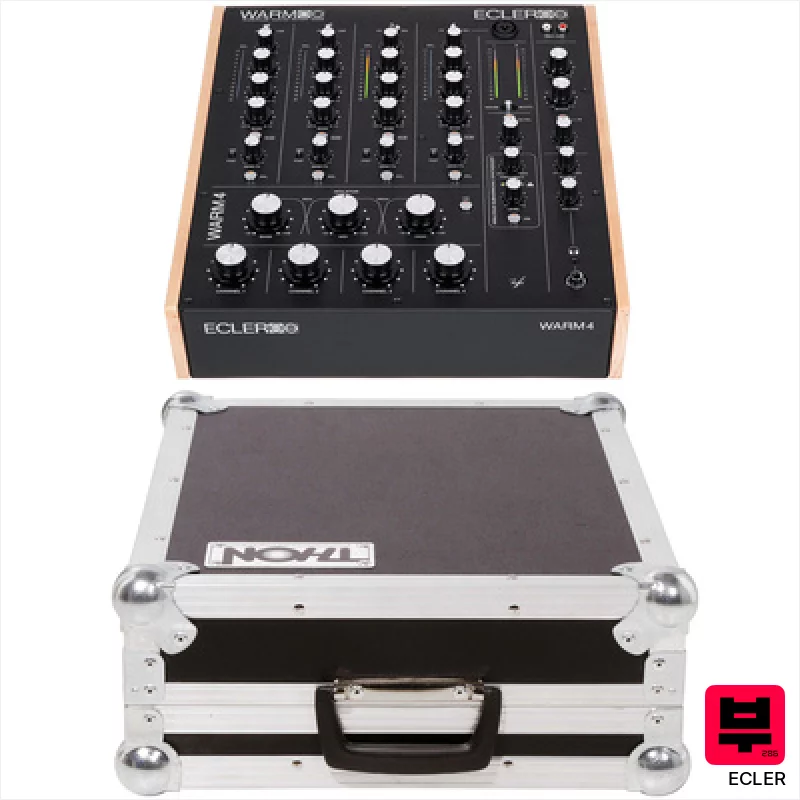
Ecler Warm 4 Case Bundle
- • Solid wooden side panels enhance build quality and reduce unwanted vibrations.
- • Alps potentiometers offer smooth, reliable control and a premium feel.
- • Integrated subharmonic synthesizer adds creative low-end possibilities.
- • Mixercase provides excellent protection and portability for the Warm 4.
- • Limited USB connectivity compared to modern, software-integrated mixers.
- • The isolator's fixed frequencies may restrict mixing flexibility for some.
- • The Warm 4’s analog-only design lacks modern digital routing options.
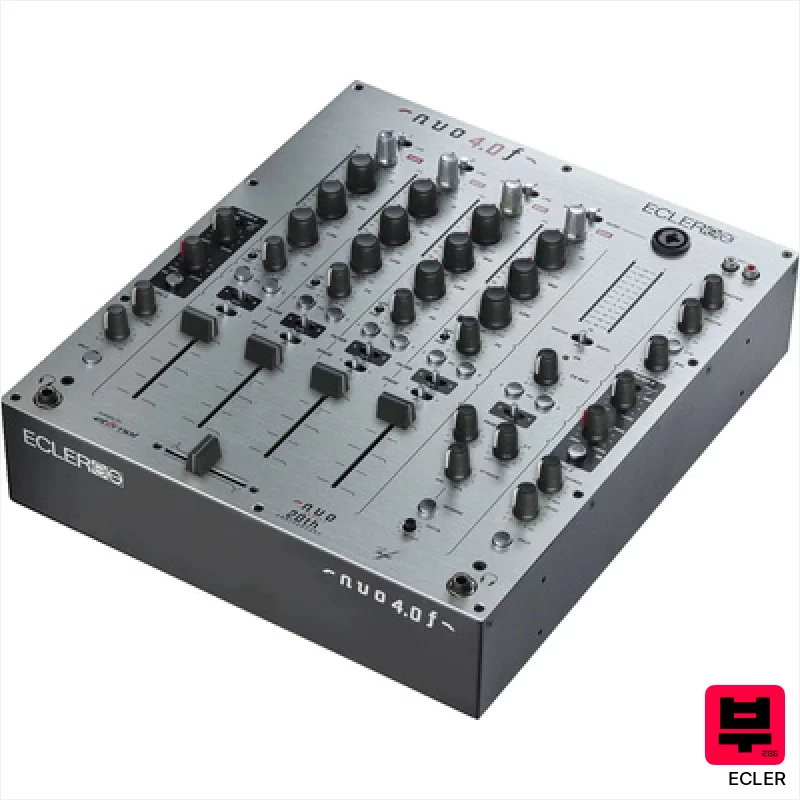
Ecler NUO 4.0 F Silver
- • Solid build quality with premium metal chassis feels very robust.
- • Excellent analogue filters provide a warm, musical sound shaping.
- • Dual PFL outputs are a real boon for B2B DJing workflows.
- • Ecler’s fader offers precise control and adjustable curve.
- • The EQ range, while serviceable, isn’t as extensive as some competitors.
- • Lacks modern USB connectivity for direct recording or streaming.
- • The aesthetic, while clean, might feel a bit understated for some.
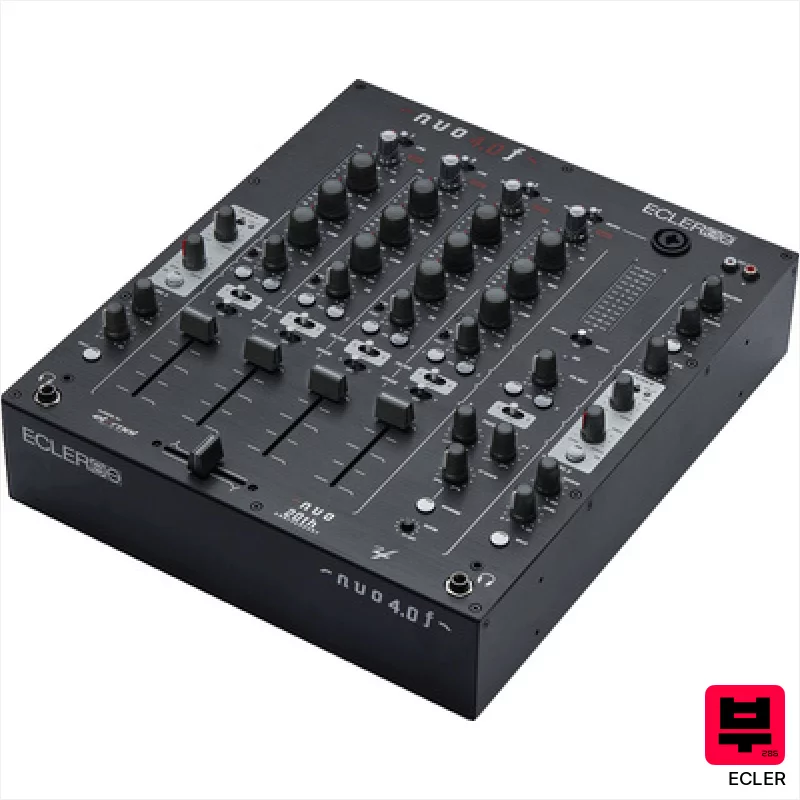
Ecler NUO 4.0 F Black
- • Solid build quality with robust metal chassis, feels reassuringly premium
- • Excellent dual PFL system simplifies B2B transitions
- • The ETERNAL crossfader compatibility opens up serious customization
- • Analog filters provide a distinct warmth and character to the sound
- • The EQ range, while functional, lacks extreme sculpting ability
- • The overall footprint is relatively large, demanding considerable space
- • Limited USB functionality – primarily for basic audio routing only
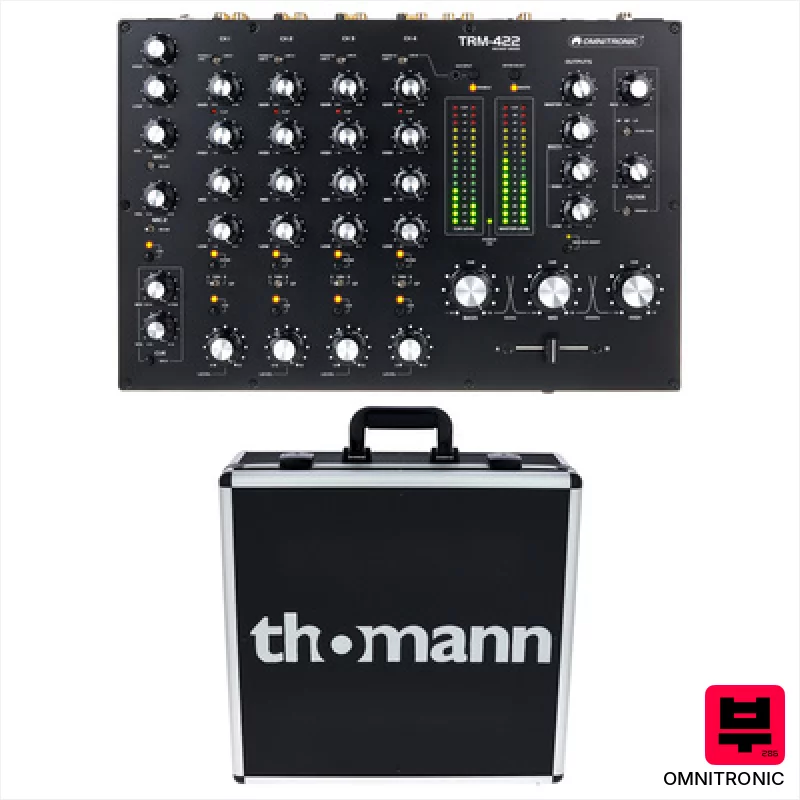
Omnitronic TRM-422 Case Bundle
- • ALPS pots offer smooth, reliable control and longevity.
- • Rotary design excels for seamless transitions and dynamic mixes.
- • Comprehensive EQ and filter options provide sonic sculpting power.
- • Rack mount kit enables easy integration into a professional setup.
- • Limited USB functionality compared to modern, feature-rich mixers.
- • The 3.5mm front aux input feels a bit budget-oriented.
- • Weight (5.8 kg) might be a consideration for mobile DJs.
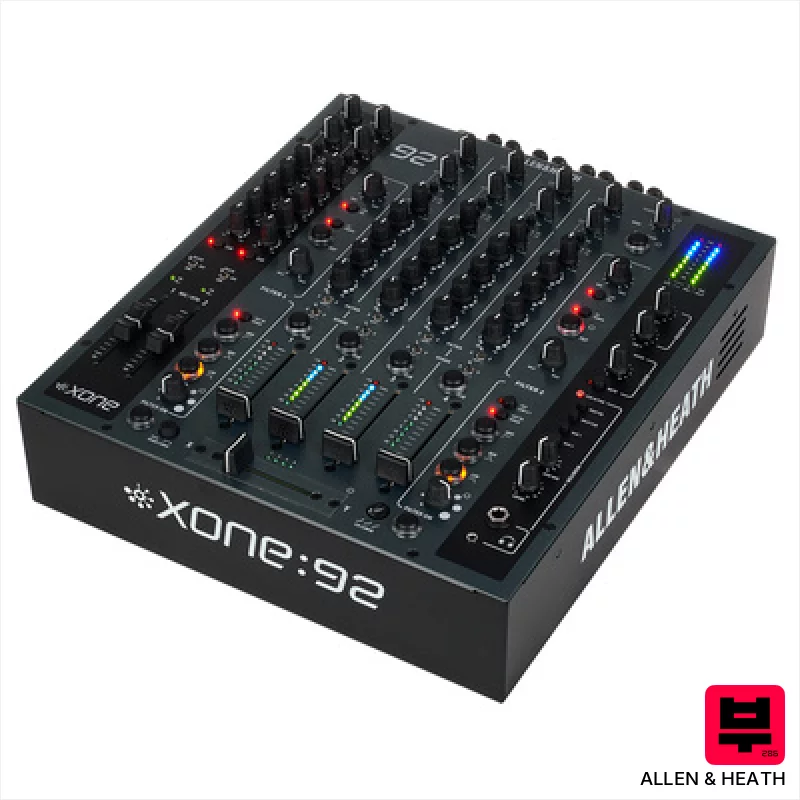
Allen & Heath Xone:92 MK2
- • The innoFader Pro crossfader offers exceptional feel and precise, adjustable curves.
- • 4-band EQ delivers a classic, warm sonic character ideal for house and techno.
- • Robust anthracite finish and 'bulletproof' build quality inspire confidence.
- • Revised phono preamps provide cleaner, lower-noise signal from vinyl sources.
- • The weight makes it less ideal for mobile DJs or frequent transport.
- • Limited USB functionality compared to some newer, more feature-rich mixers.
- • The EQ, while characterful, might be too colored for some modern genres.
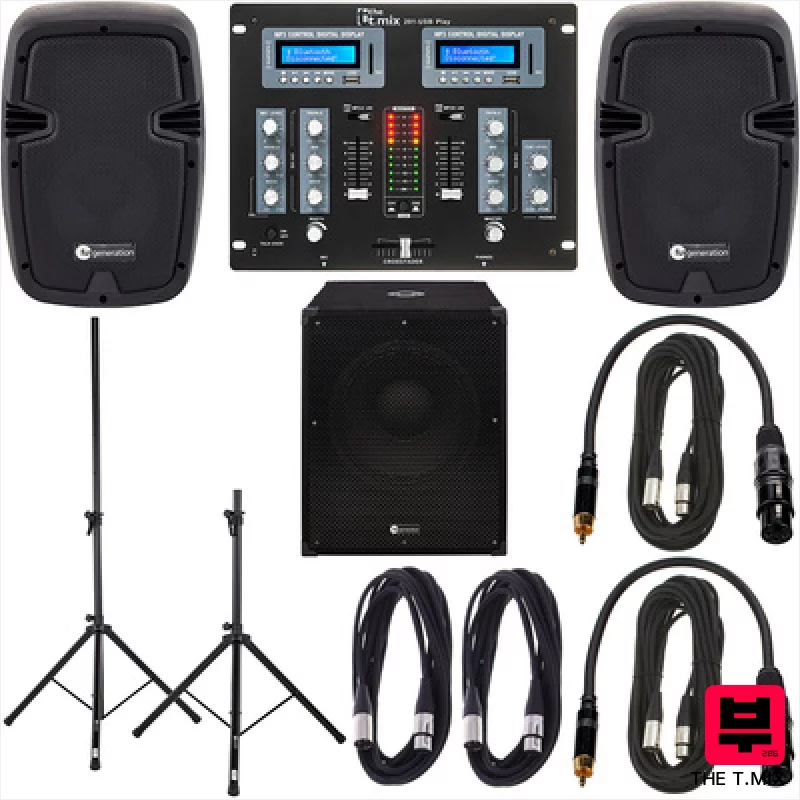
the t.mix 201-USB Play Bundle
- • Subwoofer delivers impactful low-end with 250W RMS power
- • Built-in Bluetooth and SD card player offer convenient music playback
- • Microphone input with talkover function simplifies MCing duties
- • Compact mixer design with essential connectivity for mobile DJs
- • Limited channel count restricts complex mixing scenarios
- • Crossfader quality likely reflects budget component selection
- • Subwoofer's size and weight (30kg) hinders portability
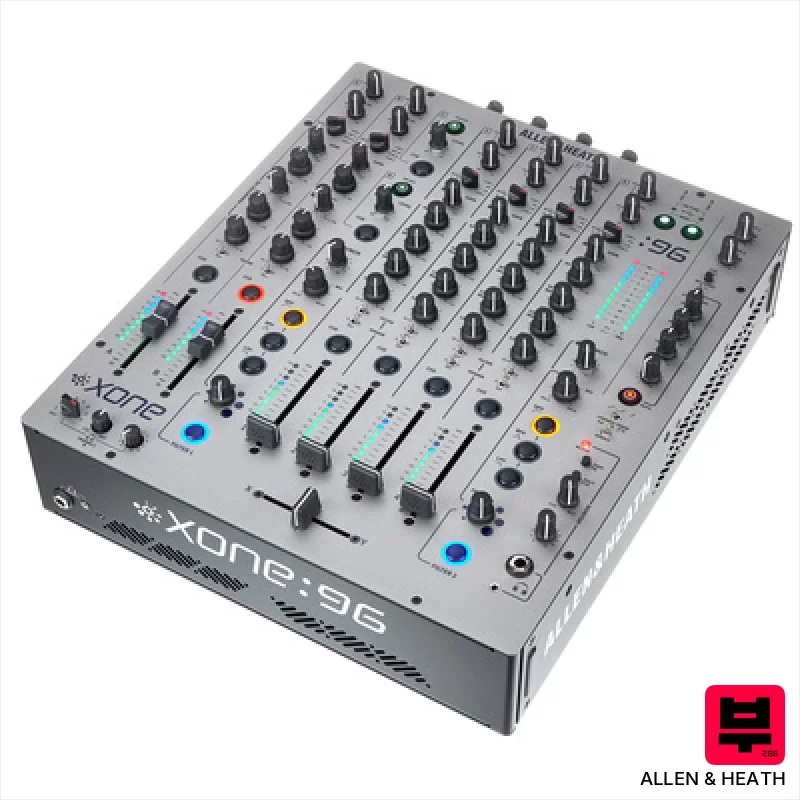
Allen & Heath Xone 96
- • Robust build quality with a solid, weighty chassis.
- • Exceptional sound clarity thanks to the 32-bit converters.
- • The InnoFader crossfader offers precise, customizable performance.
- • Dual Xone VCF filters deliver a wide range of sonic textures.
- • The substantial weight makes transport a real consideration.
- • Limited routing options compared to more modern mixers.
- • The 4-band EQ, while excellent, lacks per-channel kill switches.

Ecler Warm2 HP Bundle
- • Warm2's rotary design offers unique mixing possibilities.
- • Alps Blue Velvet potentiometers provide a premium, smooth feel.
- • Wooden side panels add a touch of class and dampen vibrations.
- • Included AKG K-92 headphones are surprisingly competent for the bundle.
- • Limited to two channels; unsuitable for complex multi-track setups.
- • The isolator, while present, feels a little basic in functionality.
- • The bundled headphones are entry-level; serious DJs will want upgrades.
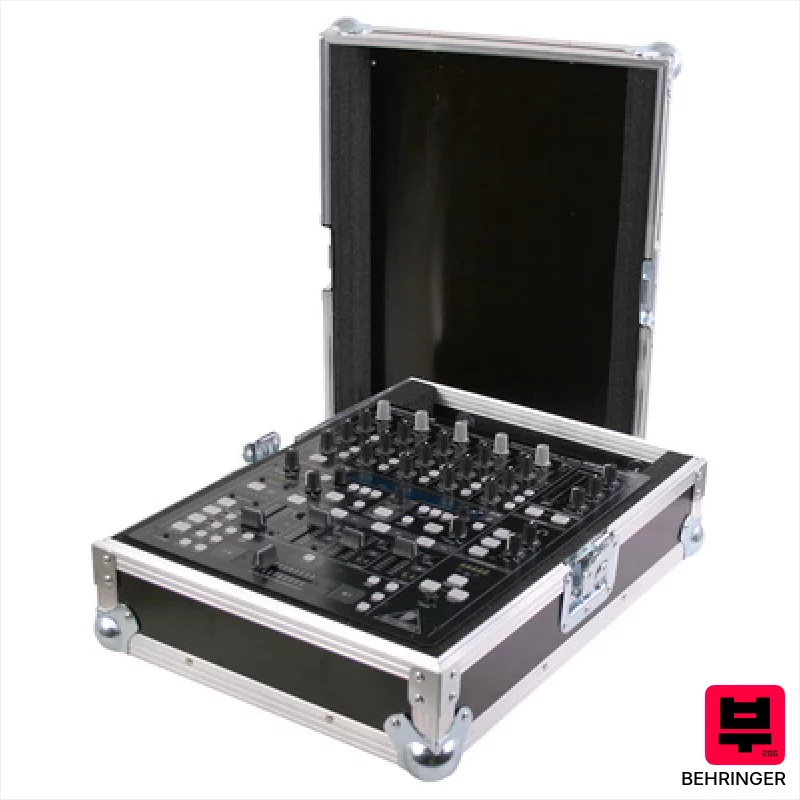
Behringer DDM 4000 Bundle II
- • Extensive control options offer deep customization for effects and routing.
- • Integrated sampler with 32-second loops provides creative flexibility.
- • MIDI output unlocks integration with DAWs like Ableton Live and Traktor.
- • Four phono/line channels support up to eight signal sources for complex setups.
- • Build quality feels plasticky; not as robust as higher-end mixers.
- • Digital crossfader may not satisfy purists preferring analog feel.
- • Effect processing, while versatile, can sound a bit sterile without tweaking.
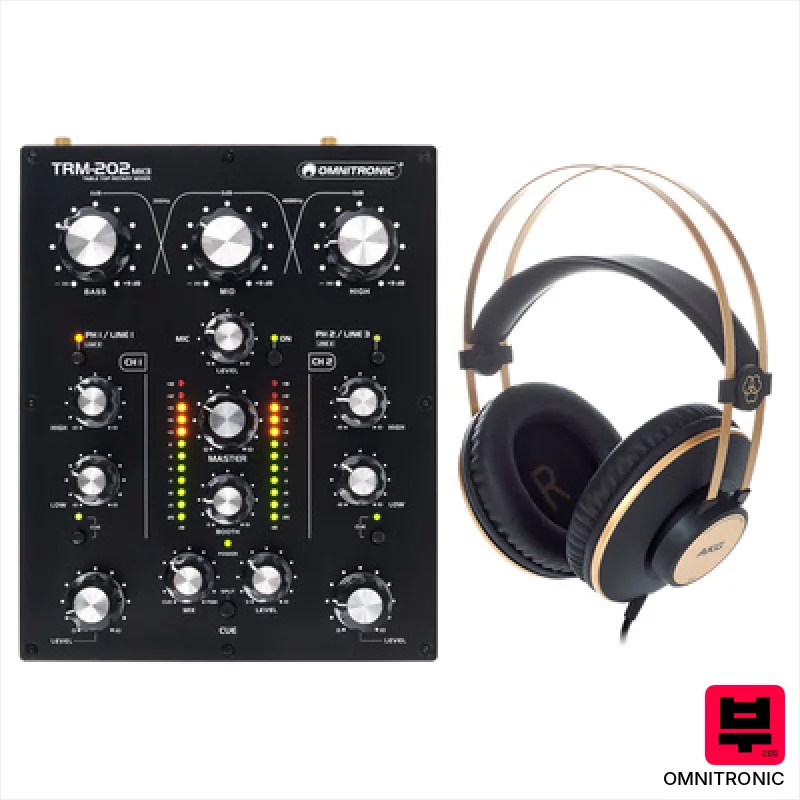
Omnitronic TRM-202 MK3 HP Bundle
- • ALPS Blue Velvet potentiometers offer smooth, reliable rotary control and feel.
- • The isolator's kill function provides distinct, creative mixing possibilities.
- • Dedicated booth output caters to dynamic DJ performances and monitoring.
- • Built-in microphone input expands versatility for MCs or live vocals.
- • Limited channel count restricts complex multi-source mixing scenarios.
- • Lack of digital connectivity restricts integration with modern DJ software.
- • The EQ is basic, lacking the precision of more advanced mixer designs.

Allen & Heath Xone:PX5
- • Robust bulletproof build inspires confidence and longevity
- • Xone VCF filter offers unique, characterful sonic sculpting
- • Penny & Giles crossfader provides precise, reliable performance
- • Integrated soundcard simplifies recording and digital workflow
- • Premium-priced, a significant investment for many DJs
- • Relatively heavy, not ideal for frequent travel
- • Limited routing options compared to higher-end mixers
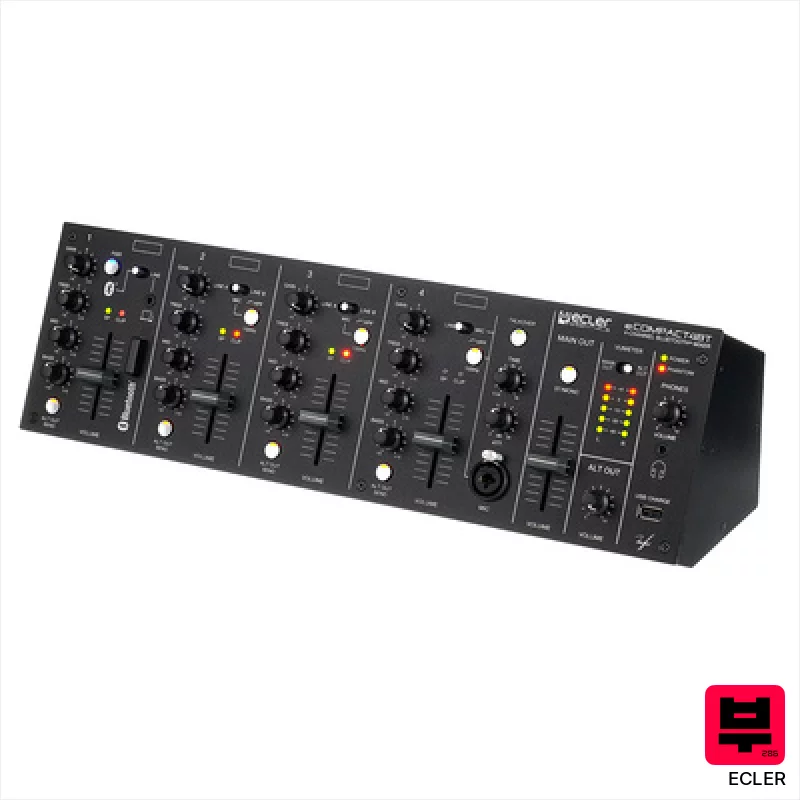
Ecler eCompact 4 BT
- • Solid build quality with robust 45mm faders for reliable mixing.
- • Flexible microphone inputs with phantom power and high-pass filters.
- • Bluetooth connectivity provides convenient wireless source options.
- • Compact design allows for tabletop or rack mounting versatility.
- • Limited effects capabilities compared to more feature-rich mixers.
- • The Bluetooth range, while stated, is heavily dependent on environmental factors.
- • The 3-band EQ is fairly standard; lacks more advanced tonal shaping.

Reloop RMX-60 Digital
- • Excellent digital clarity minimizes noise and artifacts during complex transitions
- • Innofader compatibility opens up a world of advanced scratching techniques
- • Flexible EQ options, including a 'kill' setting, offer precise tonal sculpting
- • Multiple input/output options accommodate diverse setups and routing needs
- • Build quality, while decent, feels a step below premium club mixers
- • The effects, while numerous, lack the depth of dedicated studio processors
- • Digital architecture can introduce subtle latency for extremely precise beatmatching.
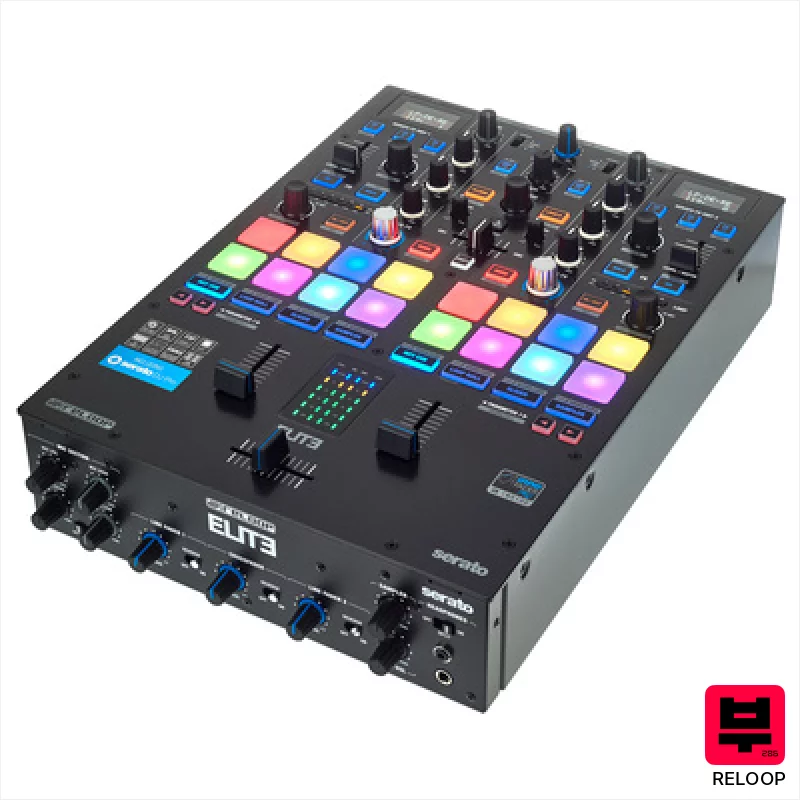
Reloop ELITE
- • Exceptional DVS performance with Serato integration and intuitive workflow
- • The OLED displays offer genuinely useful, at-a-glance information clarity
- • Flexible performance pad modes provide creative mixing options and customization
- • Assignable effect slots and mini-fader offer precise, hands-on FX control
- • The substantial weight makes portability a challenge for mobile DJs
- • The extensive feature set can feel overwhelming for less experienced users
- • Limited compatibility beyond Serato DJ Pro is a significant drawback
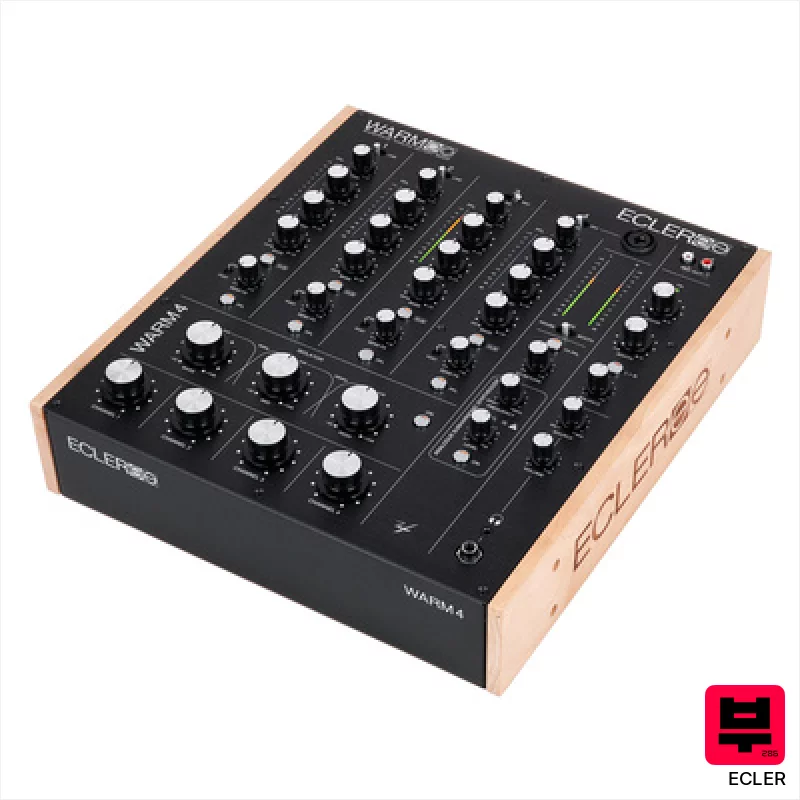
Ecler Warm4
- • Solid build quality with Alps potentiometers and metal shafts.
- • Unique subharmonic synthesizer adds a distinct low-end texture.
- • Isolator EQ provides precise frequency sculpting capabilities.
- • Wooden side panels enhance aesthetic appeal and dampen vibrations.
- • Limited USB connectivity; lacks advanced digital routing options.
- • Price places it in the premium-priced mixer category.
- • Microphone preamps are adequate, but not studio-grade.
How to Choose the Best DJ Mixers
EQ Flexibility
A decent mixer needs more than just bass, mid, and treble. Look for isolators, semi-parametric options, or at least a decent amount of control to shape your sounds and carve out space in a crowded mix.
Effects Suite
Built-in effects are a bonus, but quality matters. A cheesy reverb or a flanger that sounds like a broken toy will just bog down your tracks. Prioritize versatility and clean, usable sounds.
Build Quality & Faders
Let's be honest, cheap faders feel cheap and break. Solid faders are crucial for smooth transitions and reliable performance, especially when you're gigging regularly. The overall chassis rigidity matters too - a flimsy mixer will rattle and feel unstable.
Connectivity & Routing
Consider your setup. Do you need multiple phono inputs? Booth outputs? Serato/Traktor integration? Plan ahead to avoid frustration later.
Noise Floor & Headroom
A quiet mixer lets your music shine. Low noise and ample headroom (before distortion) are vital for clean recordings and a powerful, dynamic sound. A muddy, noisy mix is a deal-breaker.
Buying Guide
At this price point, you're balancing features and build. Don't expect a fully motorized platters experience - that's a higher tier thing. Look closely at fader travel and smoothness - that's a major indicator of longevity. Also, consider the software integration; some mixers make working with Serato or Traktor a breeze, while others feel clunky. Read reviews, watch demo videos, and try before you buy if possible.
How This List Is Built
We don't play these instruments — we're a catalog, not a review desk, and we'd rather say so than pretend otherwise. This page ranks 15 dj mixers from the Thomann catalogue, which is the largest single source of specification data in this category.
Position is computed, not curated. Four signals, in order of weight: how completely the manufacturer documents the instrument (number of published specifications), where it sits in the price range, how specific the model designation is — which filters out generic accessories — and whether a product image exists. The same inputs always produce the same order, so nothing here is shuffled to look fresh.
What this list is good for: narrowing a category down to a shortlist by spec and budget. What it isn't: a substitute for hearing an instrument. Before you buy, read hands-on reviews and, where you can, play it. Full methodology.

