
Best DJ Mixers Under $200 2026
Alright, so you're looking at DJ mixers under $200? That's a tough spot, but not impossible. You're not gonna get boutique build quality or a super-flexible feature set, but you can find something that'll let you throw down a decent set for bedroom practice, a low-budget gig, or even band rehearsals. Let's be realistic - this isn't about chasing pristine audio, it's about finding something reliable that won't bankrupt you.
Last updated: September 29, 2026
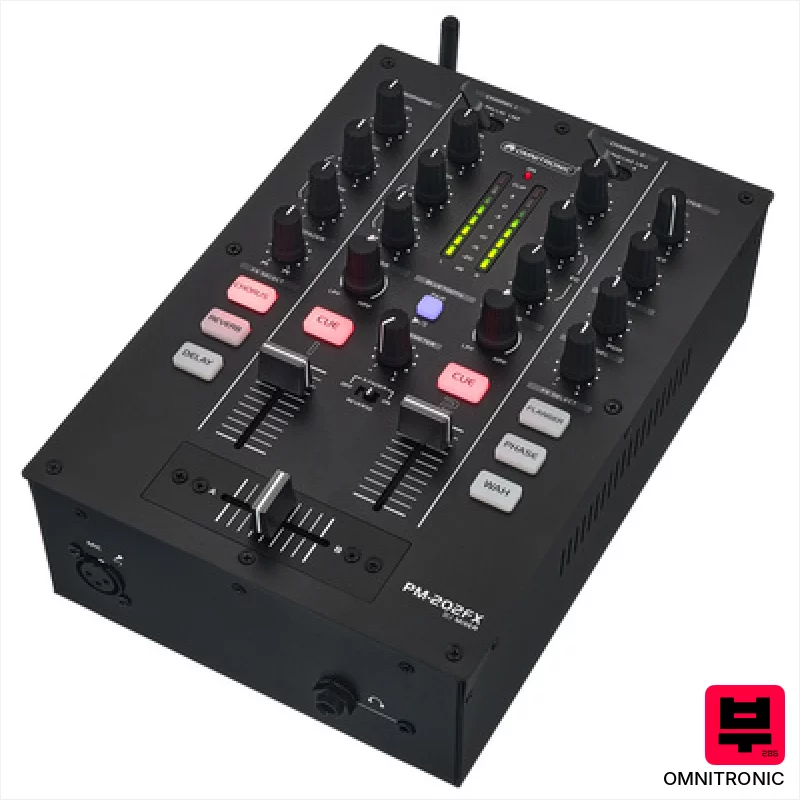
Omnitronic PM-202FX
- • Metal housing provides surprisingly robust build quality for the price point.
- • Bluetooth connectivity with a decent 15m range is genuinely useful for mobile gigs.
- • Adjustable crossfader curve offers some flexibility for different mixing styles.
- • Dedicated microphone channel with volume control expands versatility for vocal performances.
- • EQ is basic 2-band; limited tonal shaping capabilities for experienced DJs.
- • Effect quality is typical of budget-friendly mixers - more novelty than pro-grade.
- • Compact size means limited space for larger components or advanced features.
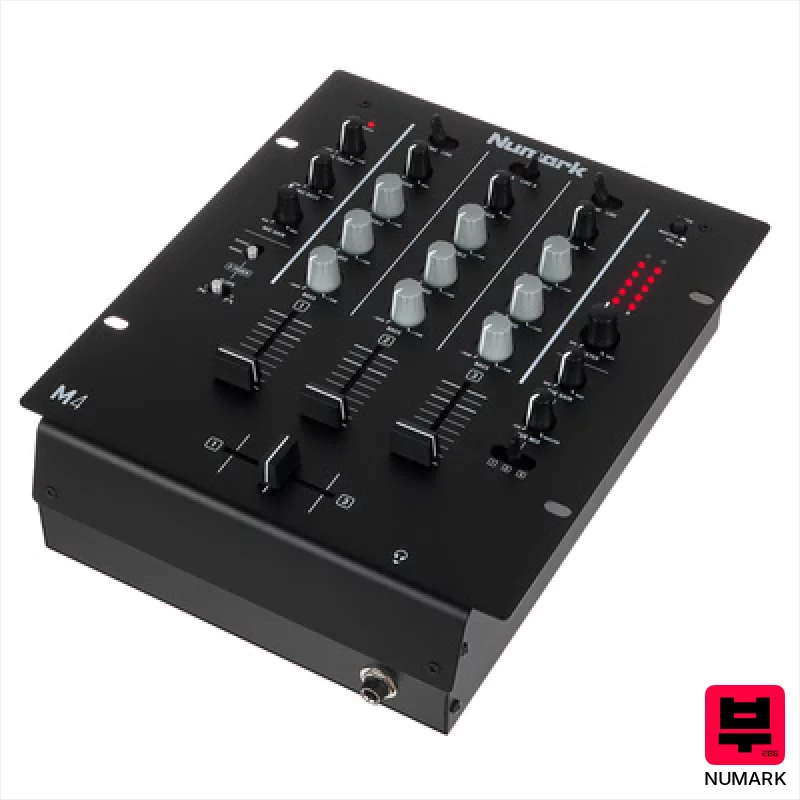
Numark M 4 Black
- • Solid build for the price; feels surprisingly robust for a budget mixer.
- • Functional 3-band EQ offers decent tonal shaping per channel.
- • Replaceable crossfader is a nice touch for longevity and customization.
- • Multiple line/phono switching provides versatility for different setups.
- • Plastic enclosure feels somewhat cheap; lacks premium feel of higher-end models.
- • Microphone preamps are noisy; not ideal for professional vocal applications.
- • Limited effects; no digital processing or creative options available.

Omnitronic PM-202F
- • Metal housing provides decent durability for mobile DJing scenarios.
- • Bluetooth connectivity offers convenient audio streaming for solo entertainers.
- • Adjustable crossfader curve allows for customization of mixing style.
- • Microphone input with volume control caters to vocal performances and announcements.
- • Limited EQ controls (2-band) restrict tonal shaping flexibility.
- • Frequency response suggests a slightly rolled-off high end, lacking sparkle.
- • Build quality, while adequate, feels budget-oriented; expect some plastic components.

Reloop RMX-10BT
- • Solid 21.5mm pots offer precise control and feel.
- • Bluetooth routing provides surprising versatility for mobile setups.
- • The included crossfader is surprisingly decent for the price point.
- • Compact size makes it ideal for smaller spaces and transport.
- • EQ is basic – lacks the finesse of higher-end mixers.
- • Microphone input is adequate, but lacks headroom for dynamic vocals.
- • Build quality feels plasticky; not a road-ready mixer.

Omnitronic PM-222P
- • Solid build for the price point, feels surprisingly robust.
- • Bluetooth connectivity adds convenient flexibility for streaming.
- • Functional MP3 player integrated, avoids carrying extra devices.
- • Microphone input with tone controls expands usage beyond just DJing.
- • EQ is basic 3-band, lacks the finesse of higher-end mixers.
- • Crossfader curve adjustment will be limited; likely a simple potentiometer.
- • RCA outputs are standard, limiting connection options for professional setups.
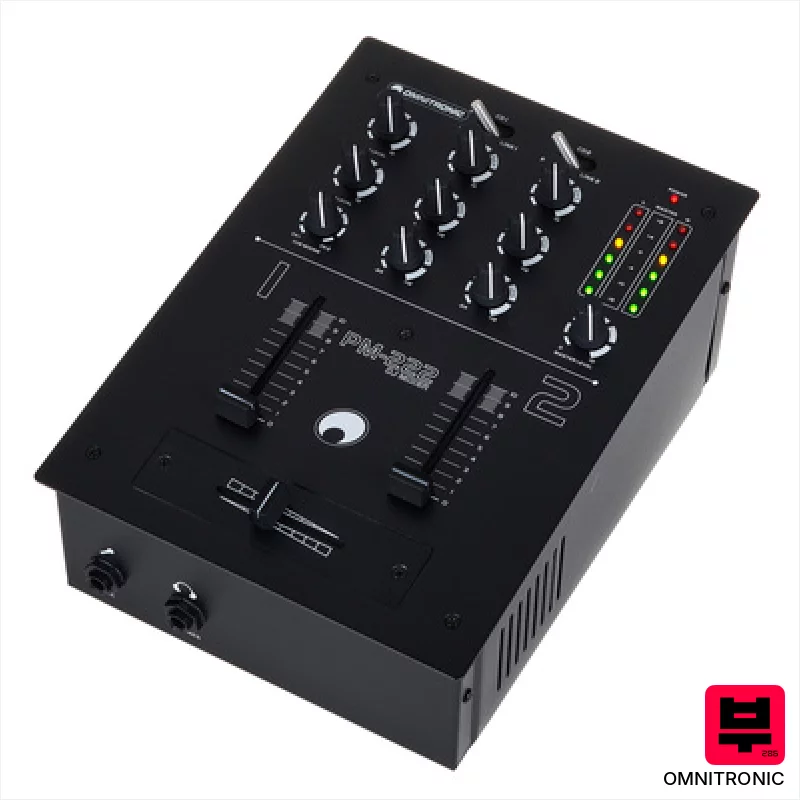
Omnitronic PM-222
- • Solid build for the price point; feels surprisingly robust.
- • Decent EQ provides some flexibility in shaping sounds.
- • Microphone input allows for MCing or vocal integration.
- • Compact size makes it suitable for smaller setups and transport.
- • EQ is basic, lacking a mid-sweep or more precise control.
- • Crossfader likely a budget-grade unit; expect limited lifespan.
- • Limited features; lacks advanced routing or effects processing.
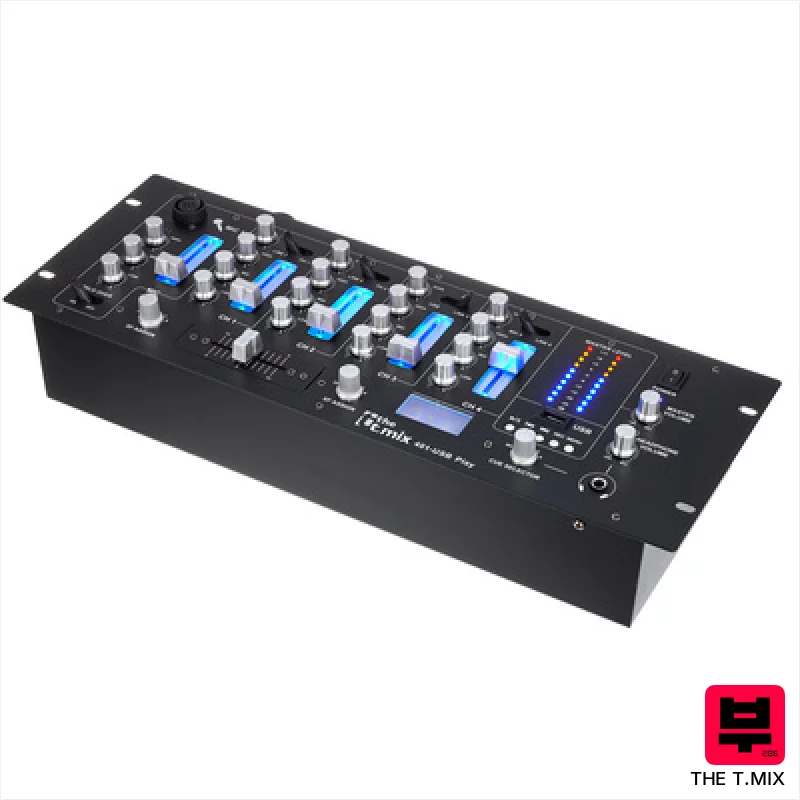
the t.mix 401-USB Play
- • Solid build quality for the price point; feels surprisingly robust.
- • The integrated USB player is genuinely useful for mobile DJs.
- • Microphone input with talk-over is a nice touch for MCs.
- • Compact size makes it ideal for smaller spaces and portable setups.
- • Crossfader feels a bit plasticky and will likely need upgrading for serious scratching.
- • EQ controls are basic, lacking the finesse of higher-end mixers.
- • Limited effects options; primarily designed for straightforward mixing.
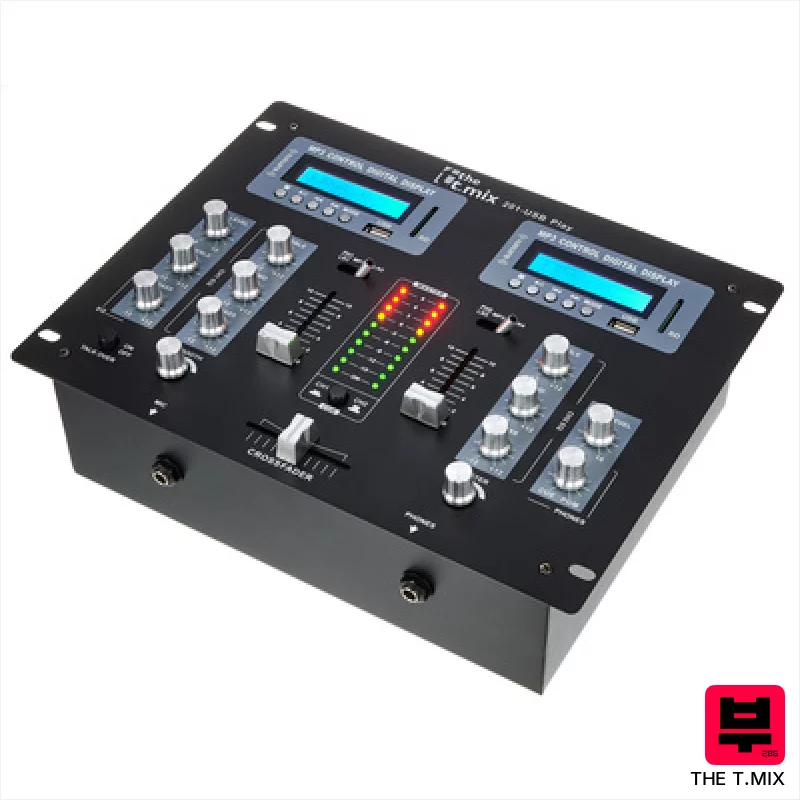
the t.mix 201-USB Play
- • Compact design ideal for mobile DJs and smaller setups
- • Integrated media players offer convenient playback of MP3 and WAV files
- • Microphone input with talkover function is useful for MCs and announcements
- • Solid build quality for a budget-friendly mixer; feels surprisingly robust
- • Limited effects options restrict creative mixing possibilities
- • Crossfader quality is basic; likely won’t withstand heavy scratching
- • Sound quality, while adequate, lacks the clarity of higher-end mixers
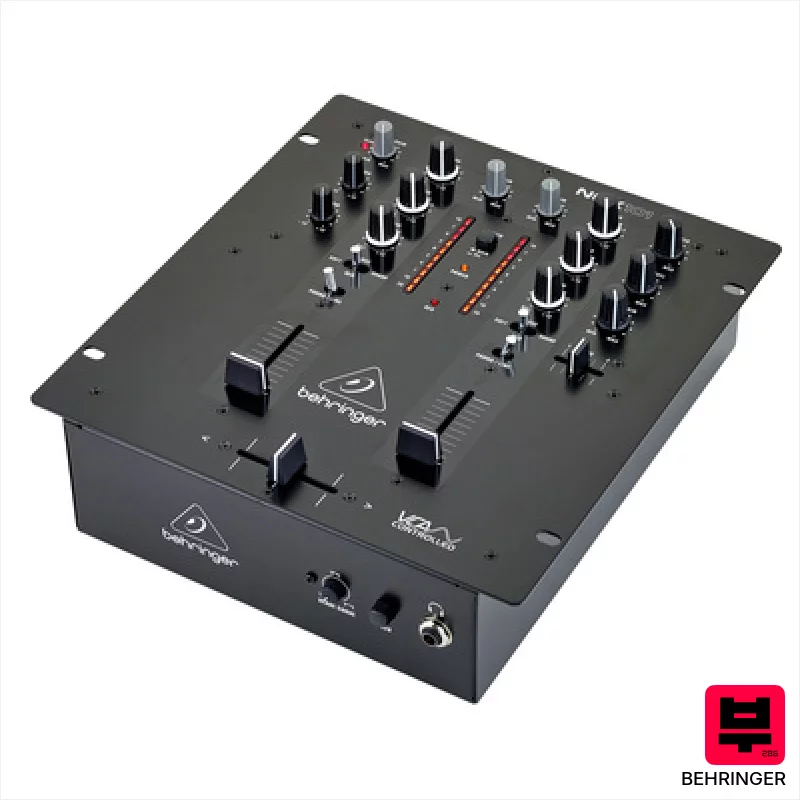
Behringer NOX101 DJ-Mixer
- • Solid build for the price point; feels surprisingly robust.
- • Ultraglide crossfader offers smooth, reliable cuts.
- • Functional 3-band EQ with kill filters for basic shaping.
- • Decent headphone cueing section for monitoring mixes.
- • Plastic faders feel a bit cheap and may develop scratchiness over time.
- • Limited connectivity compared to higher-end mixers.
- • Microphone input is basic, lacks preamp quality for professional vocal use.
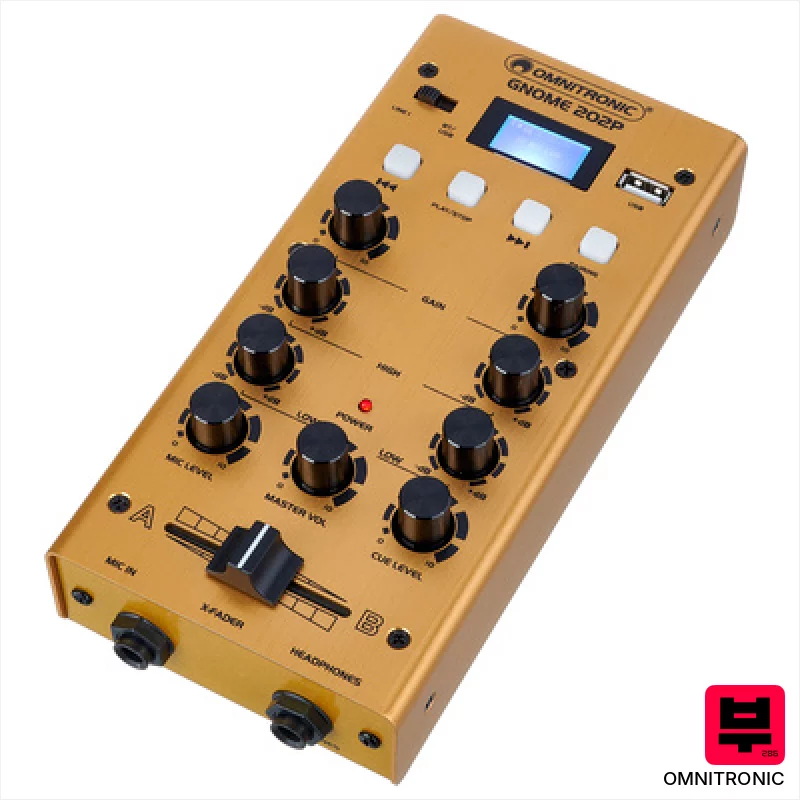
Omnitronic GNOME 202P Gold
- • Extremely portable and lightweight for mobile DJing.
- • Gold finish adds a touch of visual flair.
- • Built-in Bluetooth simplifies music playback from devices.
- • Microphone input allows for basic announcements or MC duties.
- • EQ is basic – only two bands limit tonal shaping.
- • Plastic construction feels budget-oriented, lacking robustness.
- • Limited channel count restricts mixing complexity.
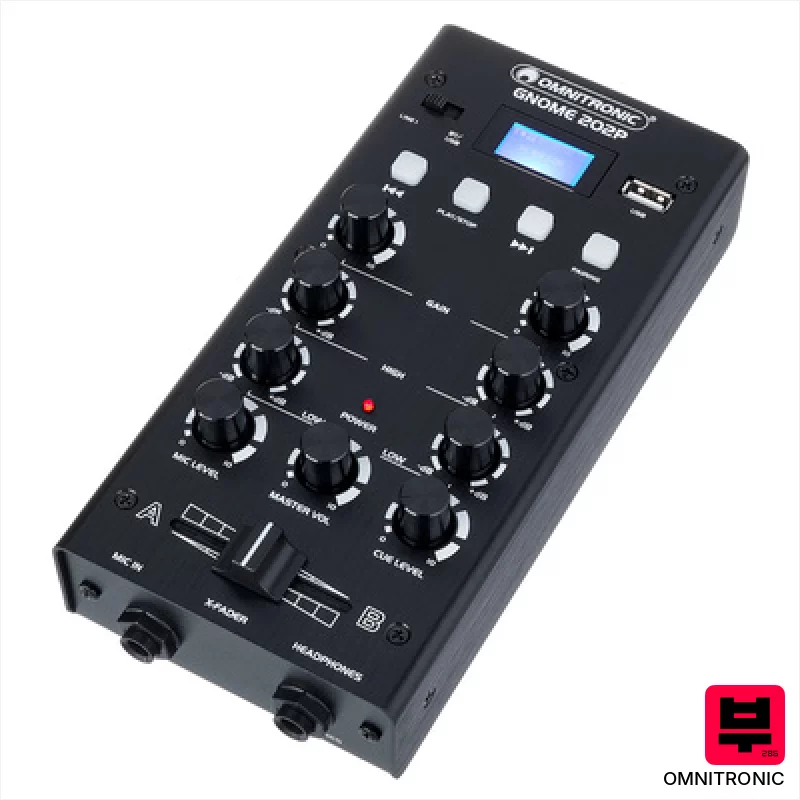
Omnitronic GNOME 202P Black
- • Extremely compact and lightweight for portability.
- • Integrated Bluetooth offers convenient music streaming.
- • Basic EQ provides some tonal shaping ability.
- • Microphone input allows for live vocal integration.
- • Limited channel count restricts mixing complexity.
- • Plastic build feels budget-oriented, lacks robustness.
- • EQ is basic, offering only limited frequency control.

Fun Generation USB Mix 2
- • Compact size makes it ideal for mobile DJing setups
- • Integrated USB player offers convenient digital track playback
- • Microphone input allows for basic MCing or vocal additions
- • Simple layout is easy to learn, even for beginner DJs
- • Plastic construction feels noticeably budget-oriented and less durable
- • Limited EQ controls restrict mixing flexibility and tonal shaping
- • Crossfader likely uses a basic, short-throw design with limited lifespan
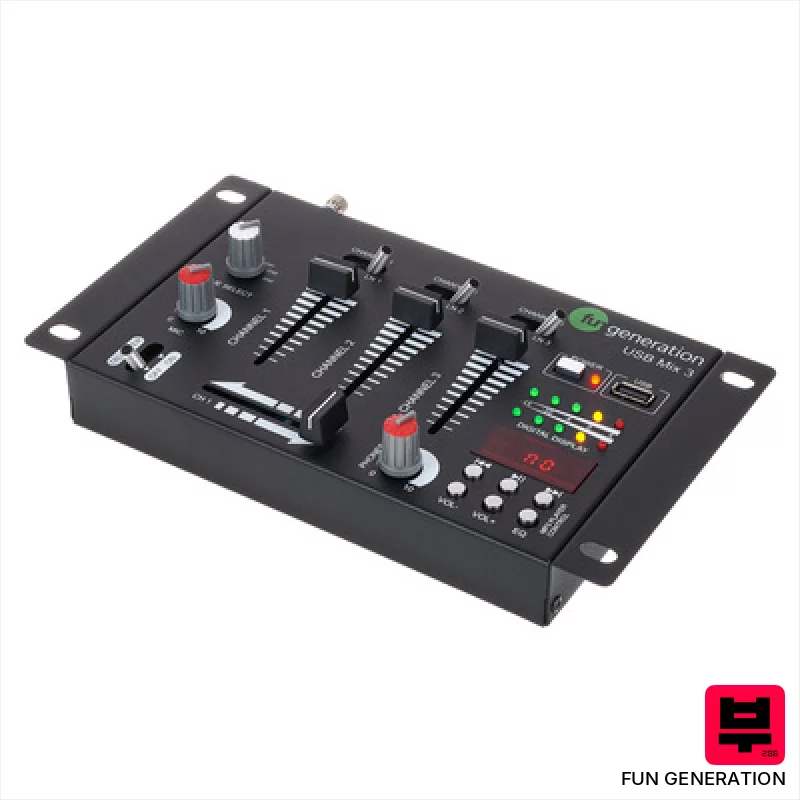
Fun Generation USB Mix 3
- • Compact size makes it great for mobile DJing setups
- • Basic talkover function adds some vocal flexibility
- • USB player offers a convenient, all-in-one solution
- • Decent build quality for its price point; feels surprisingly sturdy
- • Limited channel EQ; shaping sound is quite restrictive
- • Crossfader feels cheap and will likely wear quickly
- • USB player's audio quality is noticeably compressed
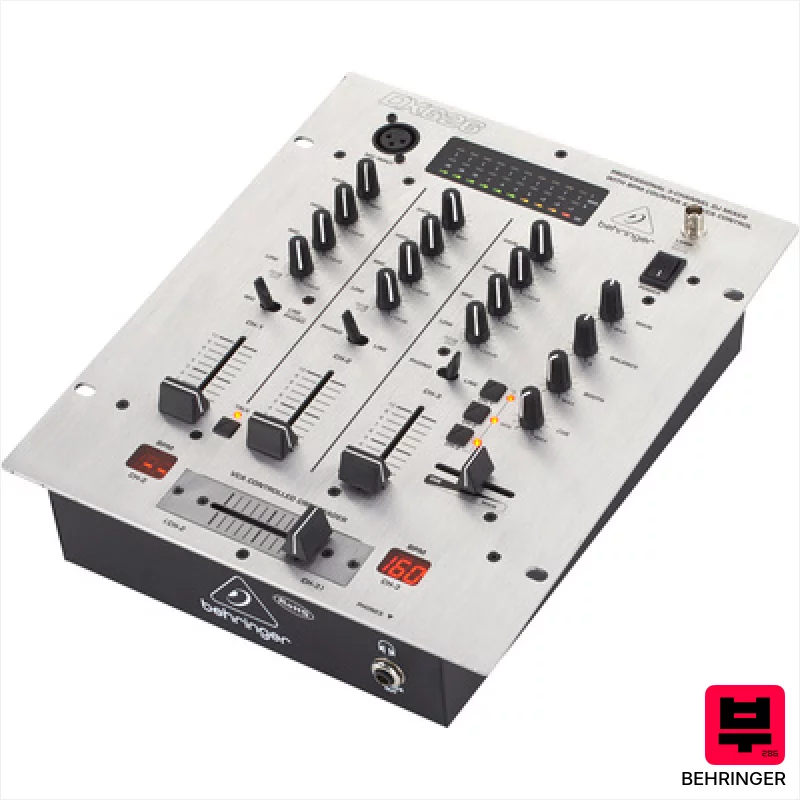
Behringer DX626
- • Ultraglide crossfader boasts impressive 500,000 life cycles for reliable scratching.
- • 3-band kill EQ provides substantial tonal shaping and mixing flexibility.
- • Built-in beat counter aids in synchronization, useful for beginners and pros alike.
- • Studio-quality mic input with talkover is a surprisingly welcome addition.
- • Plastic construction feels noticeably budget-oriented; lacks premium mixer heft.
- • EQ range, while present, isn't as surgical as higher-end mixers.
- • Limited effects options compared to more feature-rich, competing models.
DJ Mixers by the numbers
Measured across all 14 models in this category, so «wide», «short» or «expensive» mean something you can check.
How to Choose the Best DJ Mixers
EQ Capabilities
Forget surgical precision. At this price, you're looking for usable, broad EQ bands to shape your tracks - enough to carve out space in a mix, but don't expect to dial in a perfect midrange scoop.
Faders & Knobs
These are your workhorses. Cheap plastic faders can feel scratchy and inconsistent, impacting your mixing precision. Look for something that moves smoothly, even if it's not the most robust.
Cueing System
A decent cueing section is essential. You want reliable headphone level control and a clean cue signal - no hiss or distortion when you're monitoring. A split cue is a huge bonus, letting two DJs listen.
Build Quality & Durability
Let's be honest, plastic is the name of the game. But look for something that feels solid, not brittle. Dropping a mixer on stage isn't ideal, but a little abuse is inevitable.
Connectivity
Basic RCA inputs and outputs are a must. USB connectivity for digital audio is a plus, but don't expect high-resolution audio or advanced routing options.
Buying Guide
At this price point, you're making trade-offs. You'll likely compromise on build quality, EQ precision, and advanced features. Don't expect pristine audio - the focus is on functionality. Prioritize smooth faders and a reliable cueing section; those are the things that will make or break your performance. A split cue is a worthwhile upgrade if you often mix with another DJ.
How This List Is Built
We don't play these instruments — we're a catalog, not a review desk, and we'd rather say so than pretend otherwise. This page covers 14 dj mixers from the Thomann catalogue, which is the largest single source of specification data in this category: 14 in detail, the rest listed with their specifications.
Position is computed, not curated. We parse the manufacturer's own description into actual values — nut width, scale, fret count, fingerboard radius, size, alloy — and rank on them: how many specifications a model has published, how many of them are measurable numbers, and how precisely it meets this page's criterion. A product image adds a little. Price is not a ranking signal: it tells you nothing about whether a neck fits your hand. The same inputs always produce the same order, so nothing here is shuffled to look fresh.
What this list is good for: narrowing a category down to a shortlist by spec and budget. What it isn't: a substitute for hearing an instrument. Before you buy, read hands-on reviews and, where you can, play it. Full methodology.

