
Best Analogue mixers for Rehearsal 2026
Alright, so you're looking for an analogue mixer for rehearsal? Smart move - digital's fine for some things, but a good analogue board just feels right when you're sweating it out with the band. It's about more than just levels; it's about that tactile control, that immediate feedback. We're talking about a board that can handle a drummer, a bass player laying down some serious low-end thump, and your guitars cutting through without sounding brittle - and not break the bank doing it.
Last updated: July 15, 2026 • Next update: July 22, 2026

Soundcraft EFX12
- • Solid Soundcraft build quality; feels robust despite the weight.
- • Lexicon effects are surprisingly good for a mixer in this class.
- • Compact size with rackmount ears makes for easy transport and setup.
- • Pre/post aux sends offer flexibility for monitor mixes and effects loops.
- • EQ is basic – only 3-band, lacks semi-parametric control.
- • Mono inputs lack XLR connectivity; only 1/4” TRS jacks.
- • Limited headroom; pushing channels can introduce noticeable noise.

Soundcraft EFX8
- • Solid Soundcraft build quality, feels dependable in hand.
- • Lexicon effects offer surprisingly good reverb and chorus options.
- • Compact size makes it ideal for small venues and mobile rigs.
- • Aux send provides flexibility for monitor mixes or external effects.
- • EQ is basic, lacking the finesse of higher-end consoles.
- • Mono input headroom can be a limiting factor with hotter mics.
- • Limited routing options restrict complex signal flow possibilities.
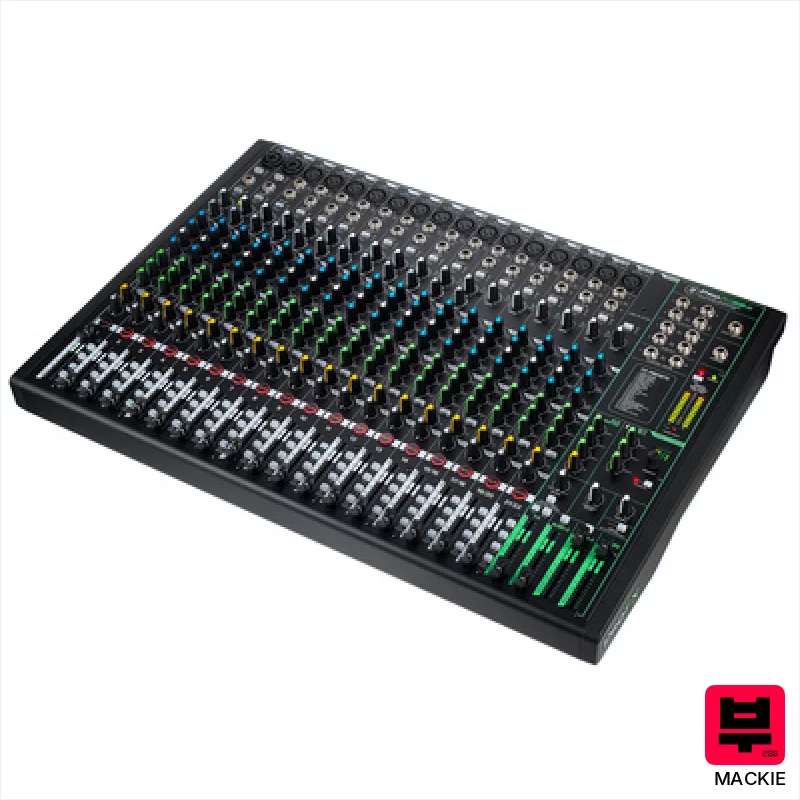
Mackie ProFX22v3
- • Solid build quality; feels robust for a mixer in this class.
- • The variable midrange EQ is genuinely useful for shaping vocals.
- • GigFX effects are surprisingly decent, adding versatility on a budget.
- • USB interface is functional, simplifying recording and playback.
- • Limited headroom at higher channel counts; can get noisy pushing it.
- • EQ isn’t the most transparent; coloration is noticeable.
- • Aux sends lack pre/post-EQ switching for greater flexibility.

Mackie ProFX16v3
- • Solid build quality with a metal chassis; feels robust for the price.
- • The single-knob compressors offer surprisingly usable gain reduction quickly.
- • GigFX effects are decent, providing a usable palette for live sound.
- • USB interface is functional and provides a simple recording solution.
- • EQ isn’t the most transparent; can introduce some coloration.
- • Limited headroom at higher gain levels; might struggle with very loud bands.
- • Aux sends lack pre/post-EQ switching, reducing flexibility.

Soundcraft EPM6
- • Solid Soundcraft build quality; feels surprisingly robust for its size.
- • Tunable mids on EQ offer precise tonal shaping capabilities.
- • Compact footprint makes it ideal for small venues or home studios.
- • Pre/post aux switches provide flexible routing options for effects.
- • Limited channel count restricts use for larger, complex setups.
- • Integrated power supply can be a drawback for international travel.
- • EQ isn't the most expansive; lacks a sweepable high shelf.
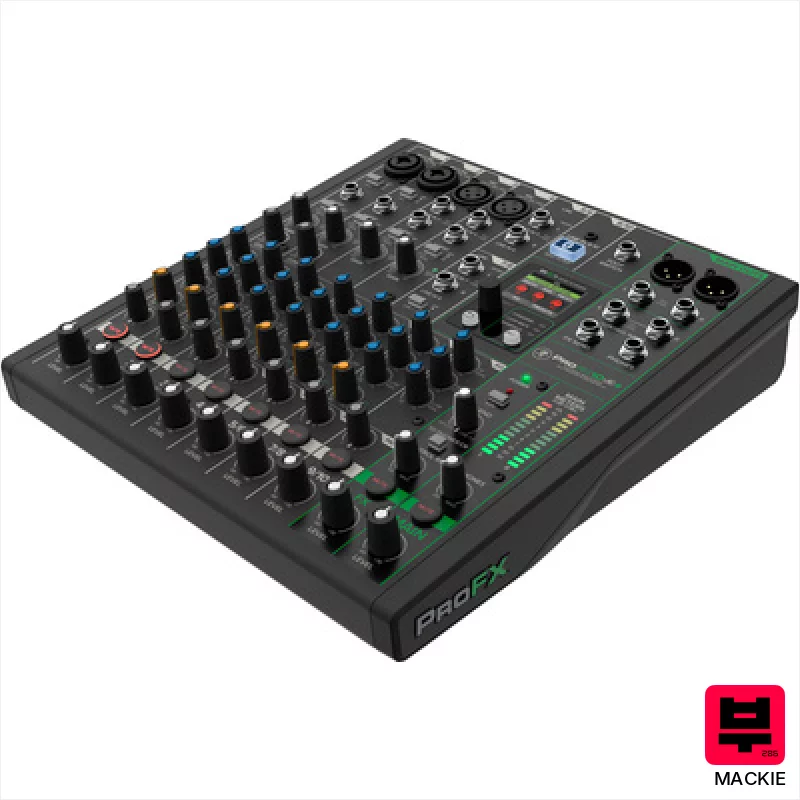
Mackie ProFX10v3+
- • Onyx preamps deliver surprisingly clean gain with low noise floor.
- • USB-C interface offers convenient recording and playback options.
- • Compact size and lightweight design make it highly portable for gigs.
- • GigFX effects are surprisingly usable for basic live enhancement.
- • EQ is basic 3-band; lacks the precision of more expensive mixers.
- • Limited aux sends restrict complex routing for monitor mixes.
- • Build quality feels a bit plasticky; not as robust as higher-end Mackie models.

Yamaha MG12X
- • The D-PRE preamps offer surprisingly clean gain and low noise for the price.
- • Built-in compressors on channels 1-4 simplify gain staging and add punch.
- • Compact size and lightweight design (4.2kg) makes it highly portable.
- • The effects unit provides usable reverb, chorus, and delay options for basic needs.
- • EQ is basic 3-band; lacks the precision of more expensive mixing consoles.
- • Limited headroom; pushing the channels can introduce noticeable distortion.
- • Plastic construction feels somewhat budget-oriented, lacking premium robustness.
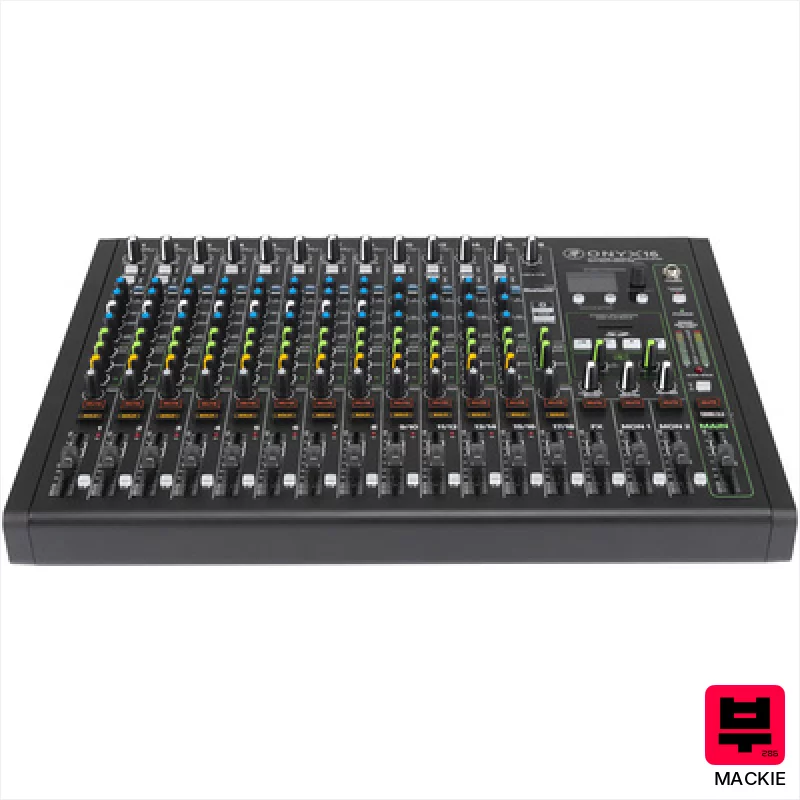
Mackie Onyx16
- • Onyx mic preamps deliver a clean, punchy sound with surprising headroom
- • Parametric mids on the first eight channels offer precise tonal shaping
- • USB recording capabilities streamline workflow for live and studio tracking
- • Compact size and rackmount option enhance portability and studio integration
- • Build quality feels a little plasticky given the premium price point
- • Limited aux sends restrict complex routing and monitor configurations
- • Bluetooth implementation is basic, lacking advanced features or codec support
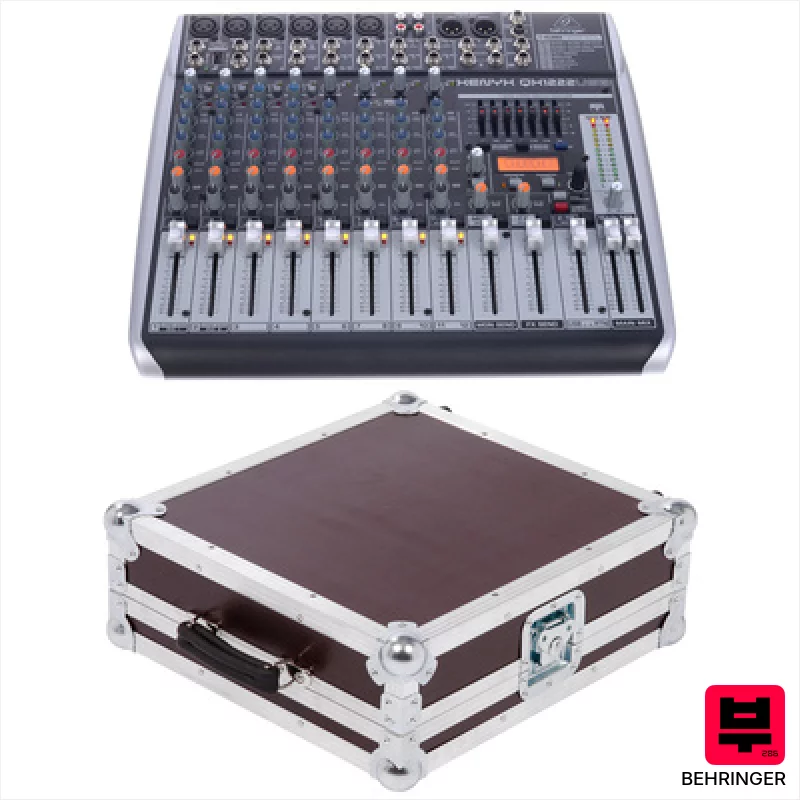
Behringer Xenyx QX1222USB Case Bundle
- • Solid plywood case offers real roadworthiness, far beyond flimsy plastic alternatives.
- • Klark Teknik effects are surprisingly usable for a mixer in this class.
- • USB interface simplifies recording and playback, a genuine convenience.
- • Compact size and lightweight design (for a mixer with this channel count) enhances portability.
- • Xenyx preamps are decent, but lack the headroom of higher-end consoles.
- • Faders feel a bit plasticky; expect some wobble and limited lifespan.
- • EQ isn't surgical; more suited for broad tonal shaping than precise adjustments.
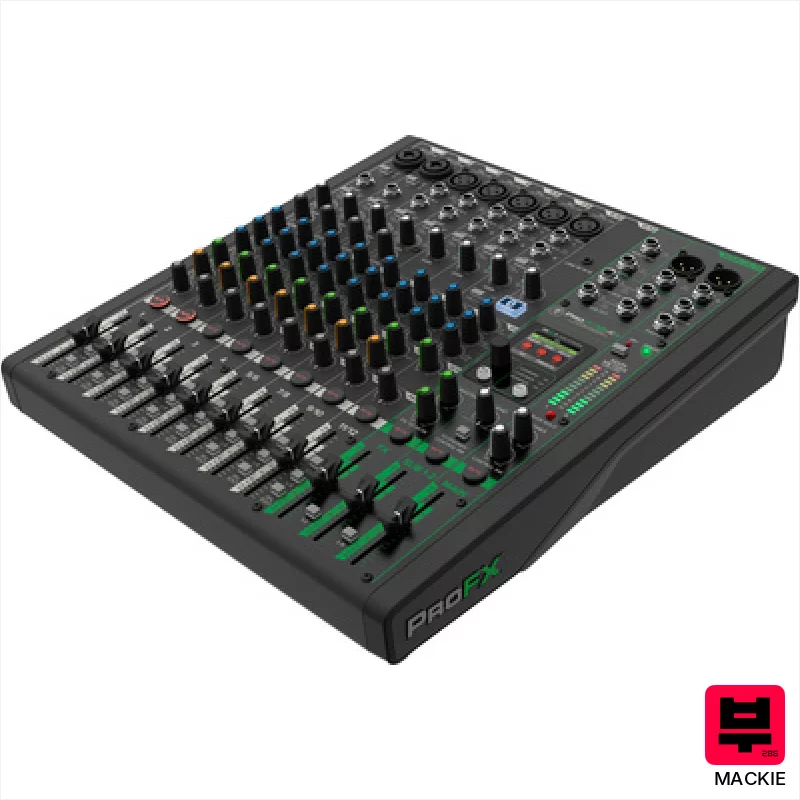
Mackie ProFX12v3+
- • Onyx preamps deliver a surprisingly clean, low-noise performance for the price.
- • Bluetooth connectivity is genuinely useful for backing tracks and monitoring.
- • Compact size and relatively light weight make it gig-friendly.
- • The GigFX effects are surprisingly usable and editable, expanding sonic options.
- • Build quality, while decent, uses mostly plastic; feels less robust than higher-end mixers.
- • Limited headroom – pushing the preamps reveals noticeable distortion quickly.
- • USB-C interface only offers 2x4 I/O; limiting for more complex recording setups.

Mackie ProFX6v3+
- • Onyx preamps deliver surprisingly clean gain with low noise floor.
- • Compact size and lightweight design make it exceptionally portable for gigging.
- • Bluetooth integration is reliable and adds genuine convenience for backing tracks.
- • Waveform software provides a decent entry point for basic recording.
- • EQ is basic; lacks the finesse for detailed tonal shaping.
- • Limited headroom; can get noisy pushing the channels hard.
- • Plastic enclosure feels a bit flimsy compared to more robust mixers.
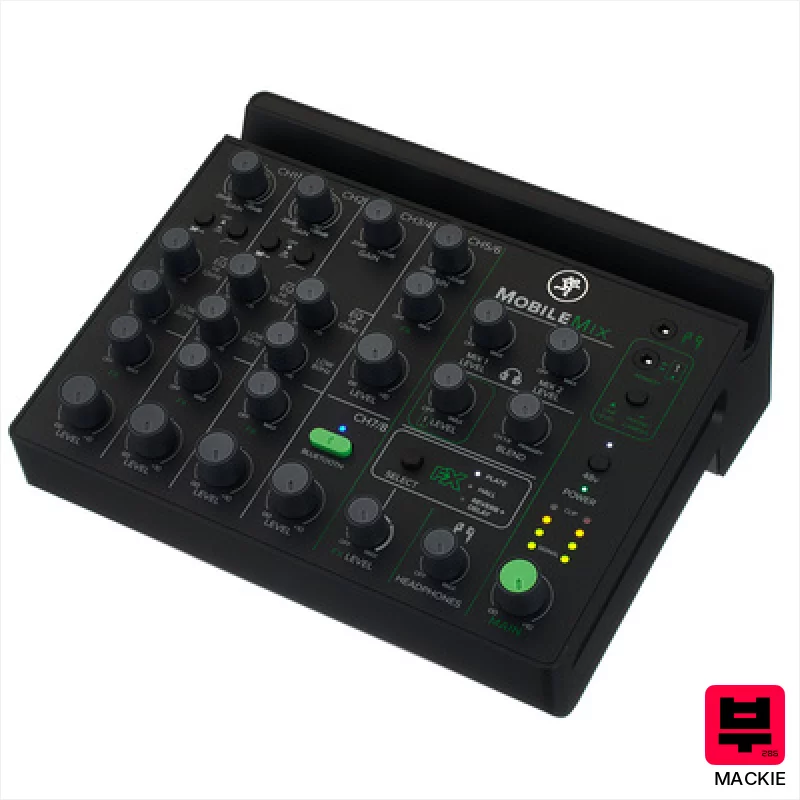
Mackie MobileMix
- • Compact size allows for incredibly portable A/V setups.
- • Bluetooth mix-minus is genuinely useful for streaming and remote interviews.
- • Integrated smartphone holder is a thoughtful, practical touch.
- • Solid build quality for its size; feels robust enough for gigging.
- • EQ is basic; lacks the precision for detailed sound shaping.
- • Power bank compartment limits battery size; external power is almost mandatory.
- • Limited channel count restricts flexibility for larger productions.
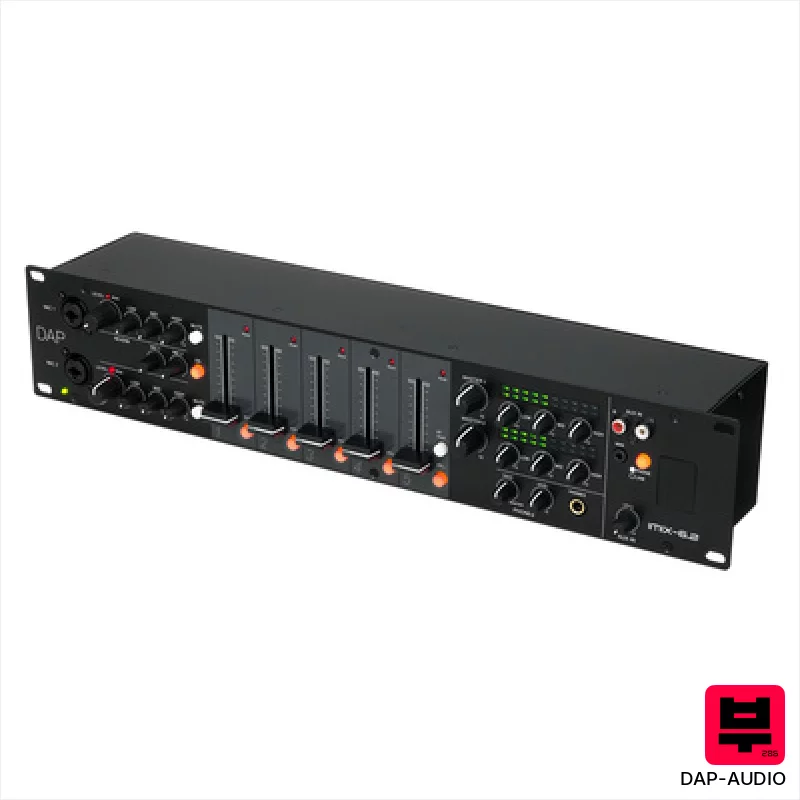
DAP-Audio IMIX-6.2
- • Solid build quality for the price point; feels surprisingly robust.
- • Integrated Bluetooth is convenient for background music or announcements.
- • Dual-zone output provides flexible routing for different areas.
- • Microphone reverb adds a touch of polish to vocal performances.
- • EQ control is basic; lacks precision for critical mixing.
- • Limited aux sends restrict complex routing possibilities.
- • Rackmount format is restrictive; not ideal for portable setups.
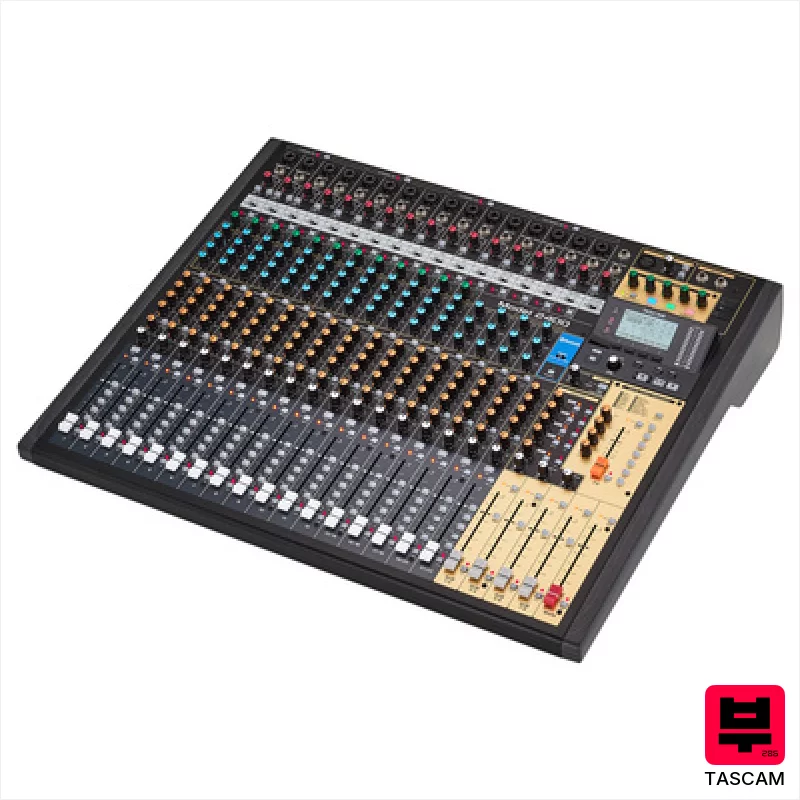
Tascam Model 2400
- • Ultra HDDA preamps deliver a clean, transparent, and surprisingly warm sound.
- • Integrated 24-track recorder simplifies workflow, reducing external gear needs.
- • HUI/MCU DAW control offers precise, tactile integration with your digital setup.
- • Loop-in paths on channels provide flexible routing for effects and external processors.
- • The build quality, while solid, uses mostly metal but some plastic components feel a bit budget.
- • The 1-knob compressor is convenient but lacks the nuanced control of dedicated units.
- • The weight makes it less ideal for portable or mobile recording setups.

Soundcraft EPM12
- • Solid build quality with Soundcraft's typical robust chassis.
- • Swept mid EQ offers excellent tonal shaping capabilities.
- • Pre/post aux sends provide routing flexibility for monitors or effects.
- • Compact size and integrated power supply make it highly portable.
- • Limited channel count may restrict larger band setups.
- • EQ isn't as comprehensive as higher-end consoles.
- • Lack of USB interface restricts digital recording options.
How to Choose the Best Analogue mixers
EQ
Rehearsal EQ isn't about surgical precision; it's about quick fixes. We're looking for a usable midrange - that fat midrange honk that helps guitars and vocals sit together - without becoming harsh. A little boost around 2-4kHz can do wonders for clarity, but too much and you'll just get ice-picky top end.
Headroom
This is critical. Nothing sucks more than a mixer that starts to breakup the second the drummer hits the crash. You need enough headroom to handle dynamic peaks without the whole mix turning into a muddy mess. A little bit of controlled harmonic distortion can be nice, but it shouldn't be the default state.
Routing/Aux Sends
Rehearsal is about experimentation. Having multiple aux sends for effects loops (reverb, delay, even a makeshift monitor mix) is invaluable. A good board will give you the flexibility to route signals where you need them, which is essential for getting a good sound.
Build Quality/Durability
Rehearsal spaces aren't exactly gentle environments. You need a mixer that can take a beating - sturdy knobs, reliable faders, and a chassis that won't rattle apart when the bass drum kicks. Cheap gear often corners here, and it shows.
Noise Floor
A quiet noise floor is essential, especially when you're trying to hear subtle nuances in your playing. Excessive hum or hiss will bury details and make it harder to dial in a good sound. It's a subtle thing, but it makes a massive difference in the long run.
Buying Guide
Don't chase features you don't need. A lot of mixers pack in a ton of bells and whistles, but for rehearsal, you primarily want clean gain, decent EQ, and enough aux sends. Cheap mixers often compensate for lower-quality components with a lot of flashy extras. Watch out for brittle high-end response and a muddy low end - those are red flags. Paying a little more for a mixer with a solid build and a more transparent sound is almost always worth it.
Our Methodology
We're not going to bore you with spec sheets. We've spent years playing gigs, recording demos, and just generally abusing gear. Our evaluations are based on real-world use - how a mixer handles a loud band, how it colors the sound, and how it holds up to the inevitable beer spills and cable chaos. We A/B tested these against everything from vintage Soundcrafts to modern Behringers, focusing on what actually translates to a better rehearsal experience.

