
Best Analogue mixers for Budget Conscious 2026
Alright, so you're on a budget but need a mixer - been there, done that. It's tough, because you want something that sounds decent, doesn't fall apart on you mid-gig, and maybe lets you track a basic band demo. Forget about pristine, studio-grade preamps; we're talking about getting the most usable signal possible without breaking the bank. This isn't about chasing perfection, it's about functionality and getting the job done.
Last updated: July 22, 2026 • Next update: July 29, 2026
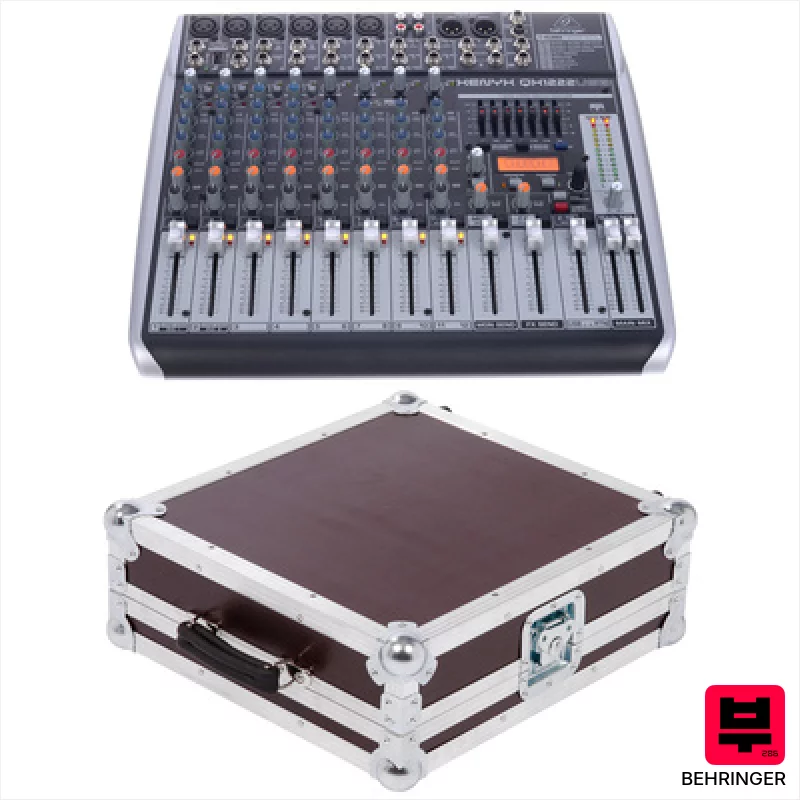
Behringer Xenyx QX1222USB Case Bundle
- • Solid plywood case offers real roadworthiness, far beyond flimsy plastic alternatives.
- • Klark Teknik effects are surprisingly usable for a mixer in this class.
- • USB interface simplifies recording and playback, a genuine convenience.
- • Compact size and lightweight design (for a mixer with this channel count) enhances portability.
- • Xenyx preamps are decent, but lack the headroom of higher-end consoles.
- • Faders feel a bit plasticky; expect some wobble and limited lifespan.
- • EQ isn't surgical; more suited for broad tonal shaping than precise adjustments.

Yamaha MG16X
- • D-PRE preamps deliver surprisingly clean gain and low noise.
- • Built-in compressor on channels 1/2 simplifies vocal mixing significantly.
- • Compact size and integrated power supply make it gig-friendly and portable.
- • Aux sends offer flexible routing for monitors and effects returns.
- • EQ isn't as detailed as higher-end consoles; lacks mid sweep.
- • Limited headroom; pushing the preamps reveals noticeable distortion.
- • Plastic case feels somewhat less robust than fully-rack mountable options.

Yamaha MG12X
- • The D-PRE preamps offer surprisingly clean gain and low noise for the price.
- • Built-in compressors on channels 1-4 simplify gain staging and add punch.
- • Compact size and lightweight design (4.2kg) makes it highly portable.
- • The effects unit provides usable reverb, chorus, and delay options for basic needs.
- • EQ is basic 3-band; lacks the precision of more expensive mixing consoles.
- • Limited headroom; pushing the channels can introduce noticeable distortion.
- • Plastic construction feels somewhat budget-oriented, lacking premium robustness.

Mackie Onyx8
- • Mackie’s Onyx preamps deliver clean, punchy gain for instruments and vocals
- • Parametric mids on channels 1 & 2 offer precise tonal shaping
- • SD card recording simplifies live performance and demo capture
- • Integrated effects processor adds creative flexibility without external gear
- • Limited aux sends restrict complex monitor mixes in larger setups
- • Build quality feels a little plasticky compared to higher-end mixers
- • USB return routing is somewhat inflexible for advanced workflows

Soundcraft EPM8
- • Solid build quality with Soundcraft's signature robust construction.
- • Swept mid EQ offers precise tonal shaping on each channel.
- • Pre/post aux sends provide flexible routing options for monitoring or effects.
- • Compact size and integrated power supply make it very portable.
- • Limited channel count restricts use for larger, complex setups.
- • EQ isn't the most expansive—lacks semi-parametric control.
- • Monitor outputs lack dedicated level controls.
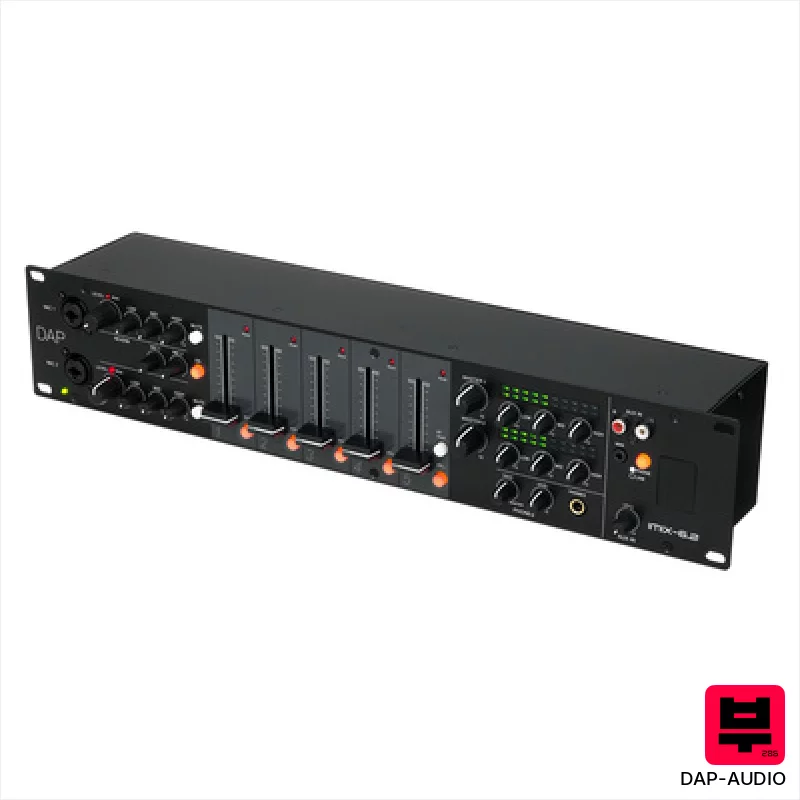
DAP-Audio IMIX-6.2
- • Solid build quality for the price point; feels surprisingly robust.
- • Integrated Bluetooth is convenient for background music or announcements.
- • Dual-zone output provides flexible routing for different areas.
- • Microphone reverb adds a touch of polish to vocal performances.
- • EQ control is basic; lacks precision for critical mixing.
- • Limited aux sends restrict complex routing possibilities.
- • Rackmount format is restrictive; not ideal for portable setups.
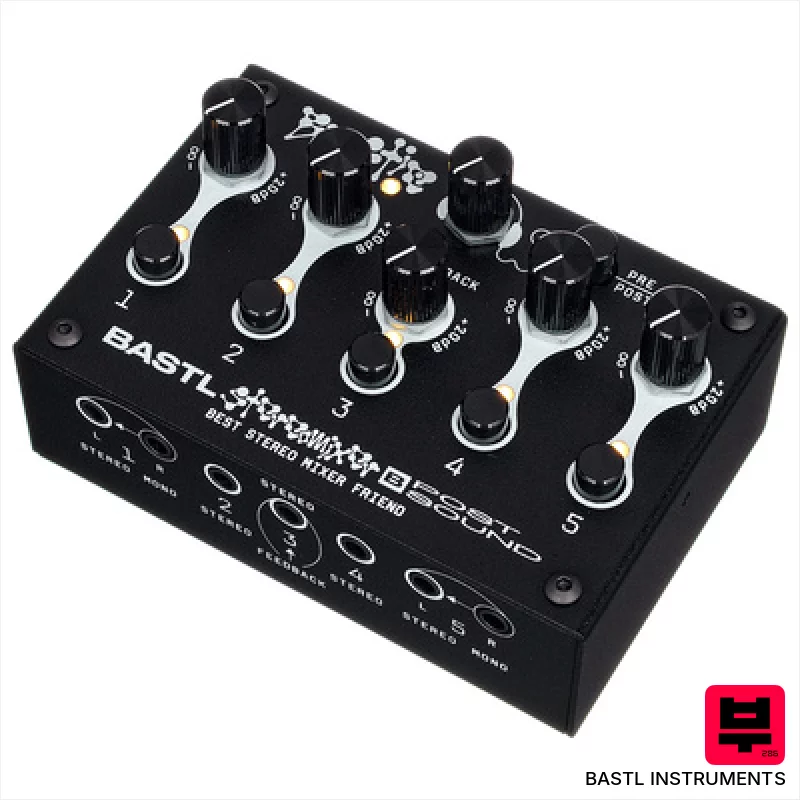
Bastl Instruments Bestie
- • Unique distortion channel adds unexpected sonic textures and creative possibilities.
- • Compact size and battery power offer exceptional portability for mobile setups.
- • Solid build quality for its size; feels robust despite the small form factor.
- • Intuitive layout and simple controls make it immediately accessible to all skill levels.
- • 3.5mm jacks limit connectivity options and require adapters for many setups.
- • Limited channel count restricts its usefulness for larger, complex productions.
- • Gain range, while useful, can be noisy at higher settings with certain signals.
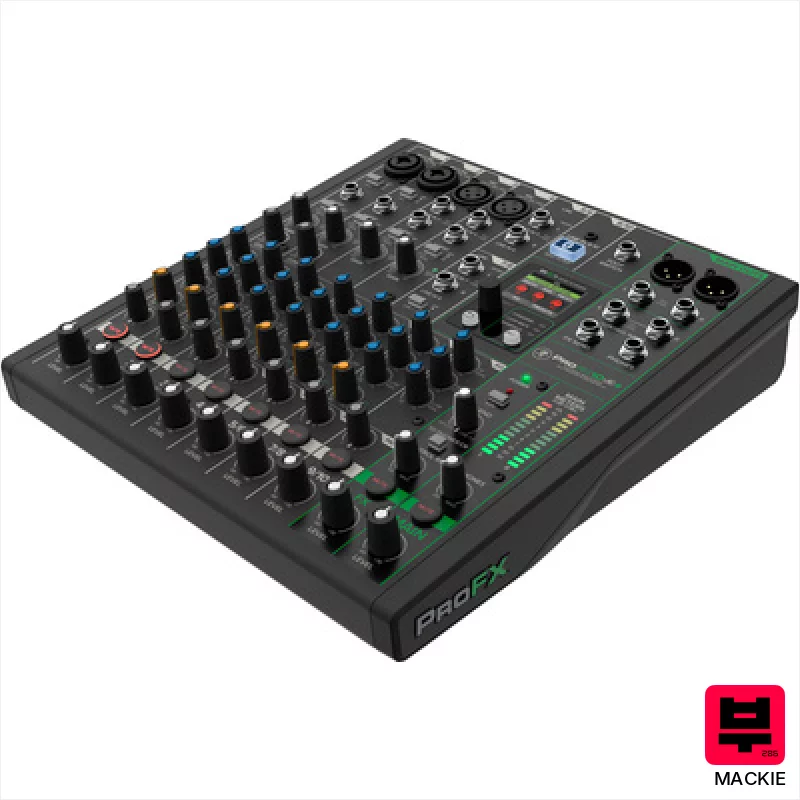
Mackie ProFX10v3+
- • Onyx preamps deliver surprisingly clean gain with low noise floor.
- • USB-C interface offers convenient recording and playback options.
- • Compact size and lightweight design make it highly portable for gigs.
- • GigFX effects are surprisingly usable for basic live enhancement.
- • EQ is basic 3-band; lacks the precision of more expensive mixers.
- • Limited aux sends restrict complex routing for monitor mixes.
- • Build quality feels a bit plasticky; not as robust as higher-end Mackie models.
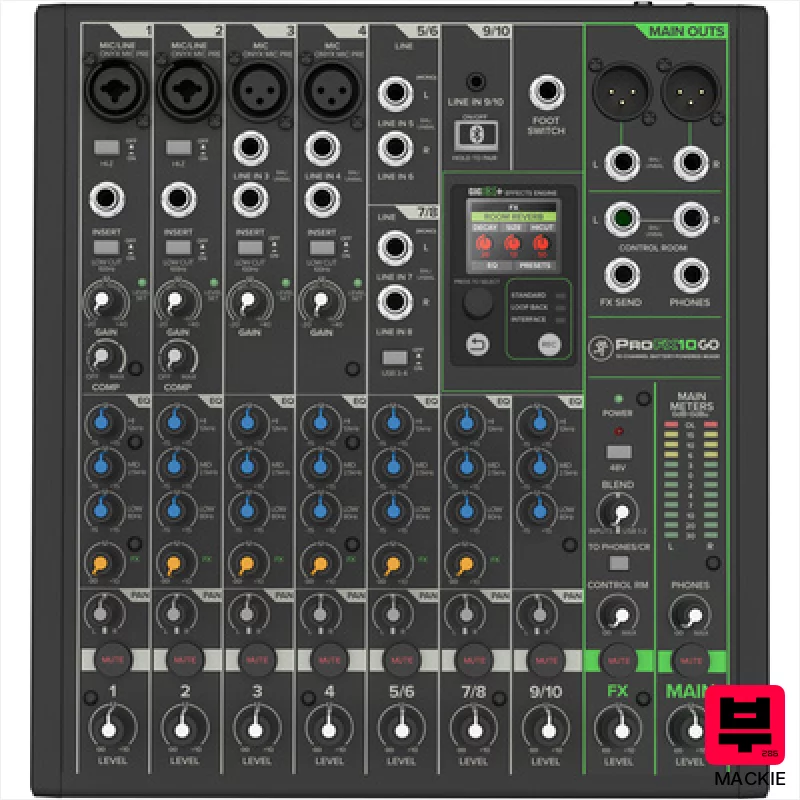
Mackie ProFX10 GO
- • Onyx preamps deliver clean, low-noise gain for vocals and instruments.
- • Integrated GigFX unit offers usable effects without external processing.
- • Battery power provides genuine portability for gigs and rehearsals.
- • Compact size and rechargeable battery simplify mobile recording setups.
- • EQ is basic 3-band; lacks the precision for complex tonal shaping.
- • Bluetooth connectivity adds convenience but can introduce latency in live use.
- • Limited aux sends restrict more complex routing and monitoring options.
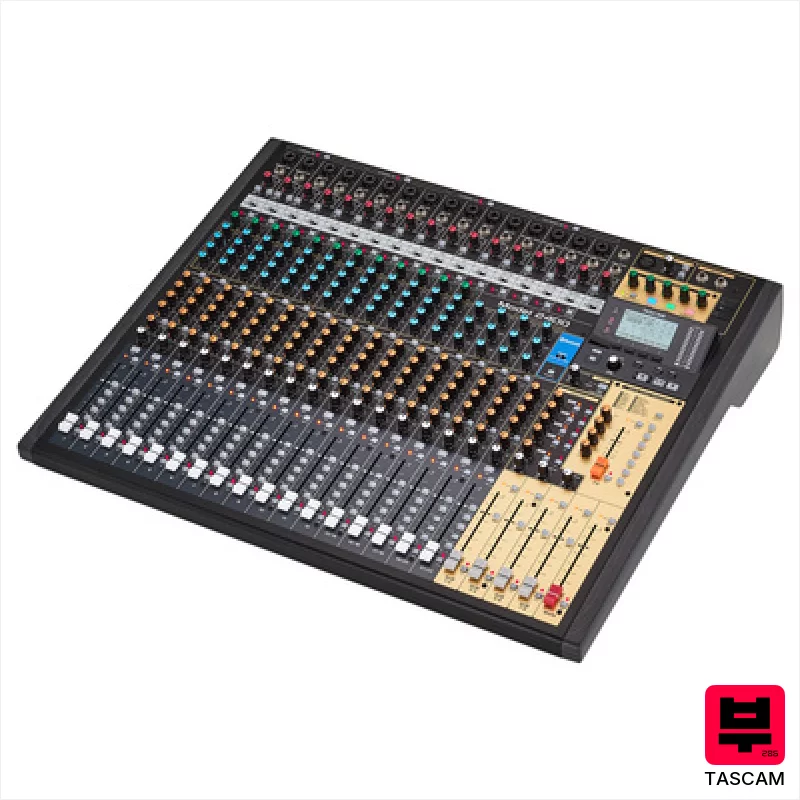
Tascam Model 2400
- • Ultra HDDA preamps deliver a clean, transparent, and surprisingly warm sound.
- • Integrated 24-track recorder simplifies workflow, reducing external gear needs.
- • HUI/MCU DAW control offers precise, tactile integration with your digital setup.
- • Loop-in paths on channels provide flexible routing for effects and external processors.
- • The build quality, while solid, uses mostly metal but some plastic components feel a bit budget.
- • The 1-knob compressor is convenient but lacks the nuanced control of dedicated units.
- • The weight makes it less ideal for portable or mobile recording setups.
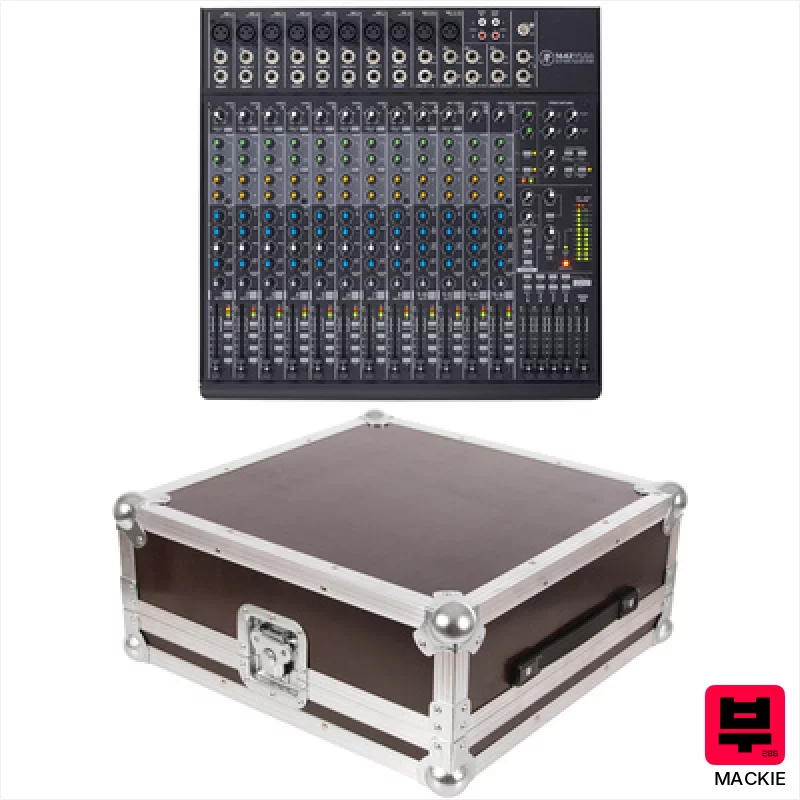
Mackie 1642 VLZ4 Case Bundle
- • Solid German-made case offers excellent protection during transport.
- • Onyx preamps deliver surprisingly clean gain for the price point.
- • 4 aux sends provide flexible routing options for monitors and effects.
- • Compact size and rackmount option suit both studio and live scenarios.
- • The VLZ4’s EQ isn’t as surgical or detailed as higher-end mixers.
- • Phenol Brown case finish isn't universally appealing, feels a bit dated.
- • Limited headroom can become an issue with demanding gain staging.

Mackie ProFX10v3
- • Solid build quality for the price, feels surprisingly robust.
- • The single-knob compressors are genuinely useful and intuitive.
- • USB interface is clean and functional for basic recording.
- • GigFX effects are decent for live performance, adds some flair.
- • EQ isn't exceptionally detailed; lacks a mid sweep.
- • Phantom power can be a bit noisy with certain mics.
- • Limited headroom; struggles with very loud sources.

Mackie ProFX12v3
- • Solid build quality for the price point; feels surprisingly robust.
- • The single-knob compressors are genuinely useful and easy to dial in.
- • GigFX effects are decent enough for basic gigs and rehearsals.
- • USB interface provides convenient recording and playback capabilities.
- • EQ isn’t the most detailed – lacks a mid sweep for precise tone shaping.
- • Phantom power can be a little noisy with some condenser mics.
- • Aux sends are a bit limited for complex monitor setups.
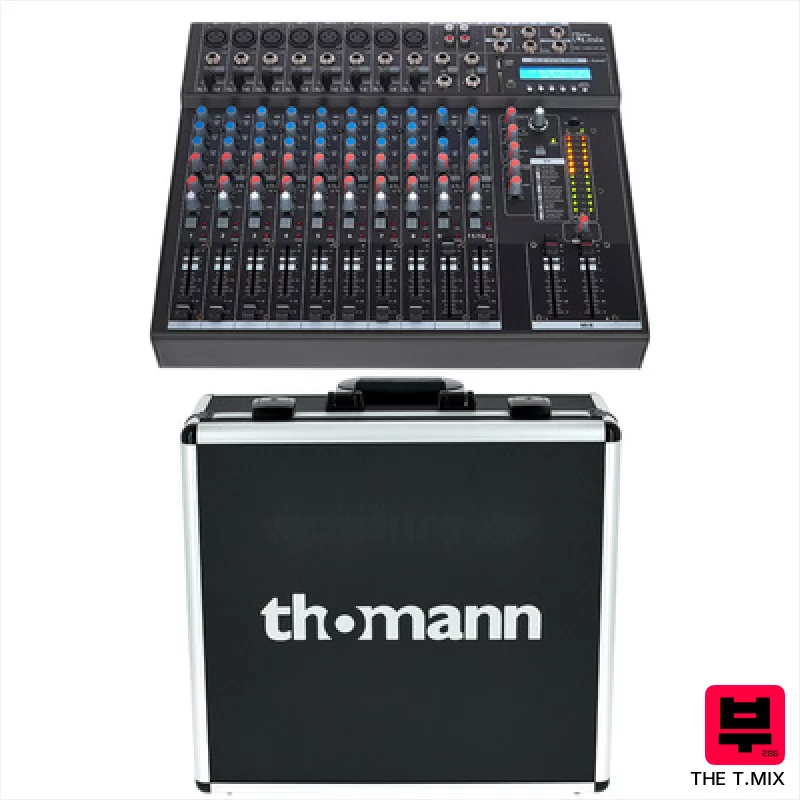
the t.mix xmix 1402 FXMP Case Bundle
- • Solid build quality for the price point; feels surprisingly robust.
- • Integrated effects processor offers decent reverb and chorus options.
- • Bluetooth connectivity adds convenient versatility for playback.
- • The included case provides excellent protection and portability.
- • EQ is basic; limited sculpting ability for nuanced sound shaping.
- • USB/SD player functionality feels a bit clunky and under-featured.
- • Aux sends are mono only, restricting stereo effects routing.

Soundcraft EFX8
- • Solid Soundcraft build quality, feels dependable in hand.
- • Lexicon effects offer surprisingly good reverb and chorus options.
- • Compact size makes it ideal for small venues and mobile rigs.
- • Aux send provides flexibility for monitor mixes or external effects.
- • EQ is basic, lacking the finesse of higher-end consoles.
- • Mono input headroom can be a limiting factor with hotter mics.
- • Limited routing options restrict complex signal flow possibilities.
How to Choose the Best Analogue mixers
Preamps
Budget preamps often lack that 'air' of high-end gear, but we're looking for ones that aren't actively bad - minimal noise, acceptable gain range, and a usable frequency response. They'll probably lack that sweet harmonic saturation, so EQ becomes your friend.
EQ
A basic 3-band EQ (bass, mid, treble) is essential. It's your primary tool to compensate for the preamps' shortcomings and carve out space in a busy mix. Look for something that can actually cut, not just boost - boosting just adds noise.
Build Quality
Cheap mixers can feel flimsy. Check for sturdy faders, reliable knobs, and a power supply that doesn't hum. A mixer that dies onstage is a major headache, and replacements cost more than the initial savings.
Aux Sends/Returns
Even a basic mixer should have at least one aux send. This lets you add effects - reverb, delay - without using up your main channel inserts. It's a huge upgrade for live sound.
Headroom
This is critical for avoiding that harsh, distorted breakup when things get loud. Budget mixers often have limited headroom, so be mindful of gain staging and avoid pushing them too hard. Clipping is never your friend.
Buying Guide
Don't expect miracles. Budget mixers are a compromise - you're trading sonic purity for affordability and functionality. Watch out for excessive noise, cheap plastic components, and limited EQ. Paying a bit more for a reputable brand (even a 'budget' brand) often gets you a more reliable unit with better overall build. And seriously, check the reviews - live players will tell you what fails.
Our Methodology
We're not looking at spec sheets here. We've put these mixers through the wringer: band rehearsals, small club gigs, basic recording sessions - the kind of stuff you actually do. We A/B'd them against more expensive units, listened for noise, headroom, and that crucial 'does it sound like what I'm playing?' factor. It's about real-world usability, not lab results.

