
Best Analogue mixers Under $5,000 2026
Alright, so you need a decent analog mixer for gigs, tracking, or rehearsals, but you're not looking to mortgage the house. Under $5000 gets you into some seriously capable territory - we're talking about consoles that'll handle a full band without flinching, give you a good clean preamps, and offer enough routing to get creative. Forget the marketing hype; let's talk about what you actually get for your money in the analog mixer world.
Last updated: April 11, 2026
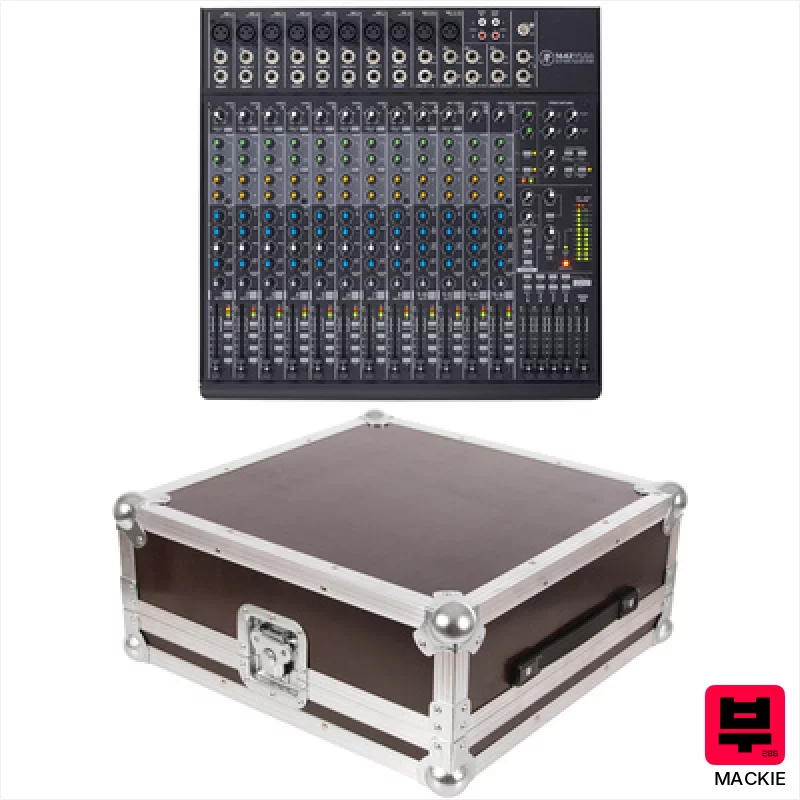
Mackie 1642 VLZ4 Case Bundle
- • Solid German-made case offers excellent protection during transport.
- • Onyx preamps deliver surprisingly clean gain for the price point.
- • 4 aux sends provide flexible routing options for monitors and effects.
- • Compact size and rackmount option suit both studio and live scenarios.
- • The VLZ4’s EQ isn’t as surgical or detailed as higher-end mixers.
- • Phenol Brown case finish isn't universally appealing, feels a bit dated.
- • Limited headroom can become an issue with demanding gain staging.
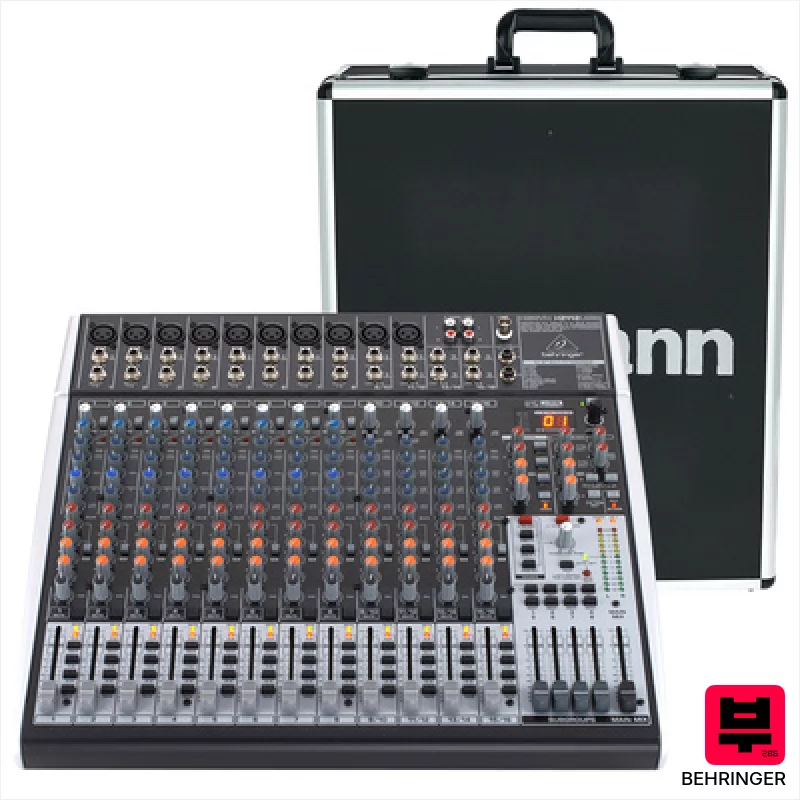
Behringer Xenyx X2442 USB Case Bundle
- • 24 channels offer excellent routing flexibility for complex setups
- • Built-in effects unit provides usable reverb and delay options
- • Solid 60mm faders offer surprisingly precise control
- • Rack mountable design enhances portability and stability
- • Xenyx preamps are noisy; not ideal for critical recording
- • Plastic construction feels somewhat flimsy for frequent transport
- • USB interface lacks advanced routing or control options
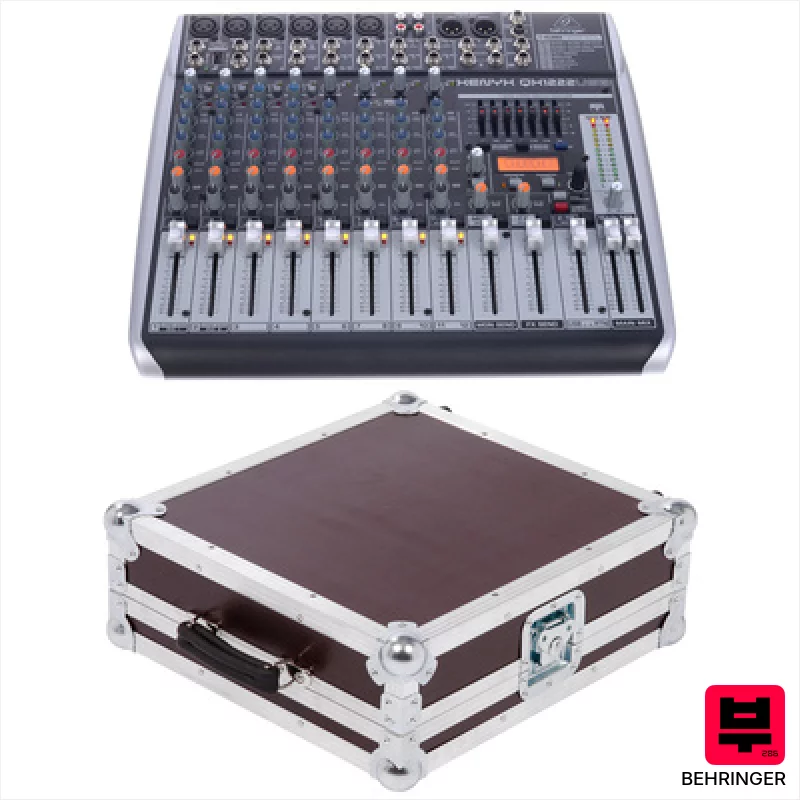
Behringer Xenyx QX1222USB Case Bundle
- • Solid plywood case offers real roadworthiness, far beyond flimsy plastic alternatives.
- • Klark Teknik effects are surprisingly usable for a mixer in this class.
- • USB interface simplifies recording and playback, a genuine convenience.
- • Compact size and lightweight design (for a mixer with this channel count) enhances portability.
- • Xenyx preamps are decent, but lack the headroom of higher-end consoles.
- • Faders feel a bit plasticky; expect some wobble and limited lifespan.
- • EQ isn't surgical; more suited for broad tonal shaping than precise adjustments.

the t.mix xmix 1202 FXMP USB Case Bundle
- • Solid build quality for the price point; feels surprisingly robust.
- • Integrated effects processor offers decent, usable sounds on the fly.
- • The included case provides practical protection and portability.
- • Bluetooth connectivity adds modern convenience for music playback.
- • EQ is basic; lacks the finesse of higher-end mixing consoles.
- • USB audio interface quality won't satisfy critical recording applications.
- • Limited headroom; can get noisy with higher gain levels.
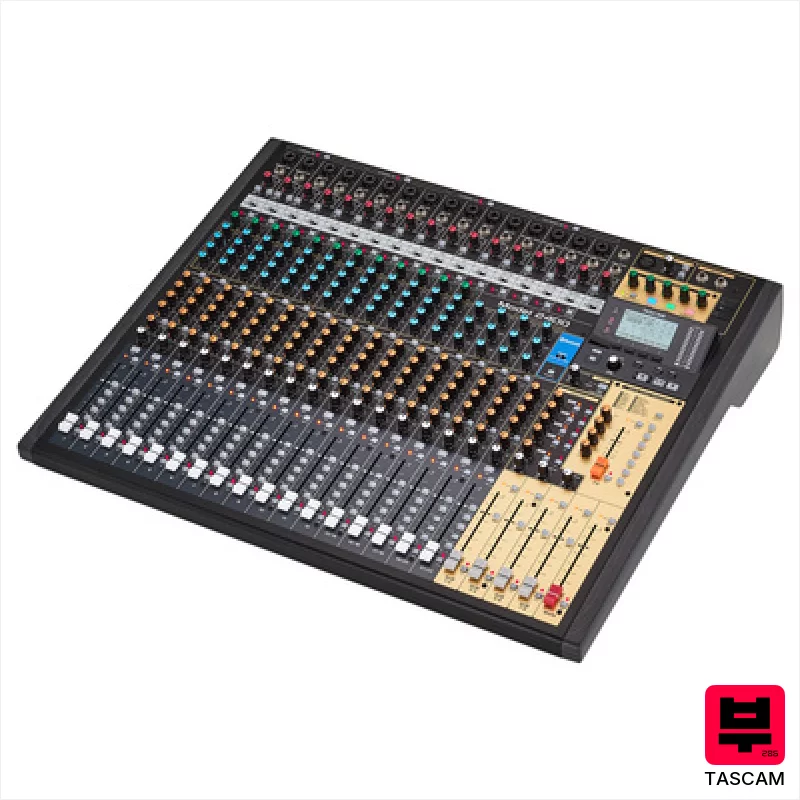
Tascam Model 2400
- • Ultra HDDA preamps deliver a clean, transparent, and surprisingly warm sound.
- • Integrated 24-track recorder simplifies workflow, reducing external gear needs.
- • HUI/MCU DAW control offers precise, tactile integration with your digital setup.
- • Loop-in paths on channels provide flexible routing for effects and external processors.
- • The build quality, while solid, uses mostly metal but some plastic components feel a bit budget.
- • The 1-knob compressor is convenient but lacks the nuanced control of dedicated units.
- • The weight makes it less ideal for portable or mobile recording setups.
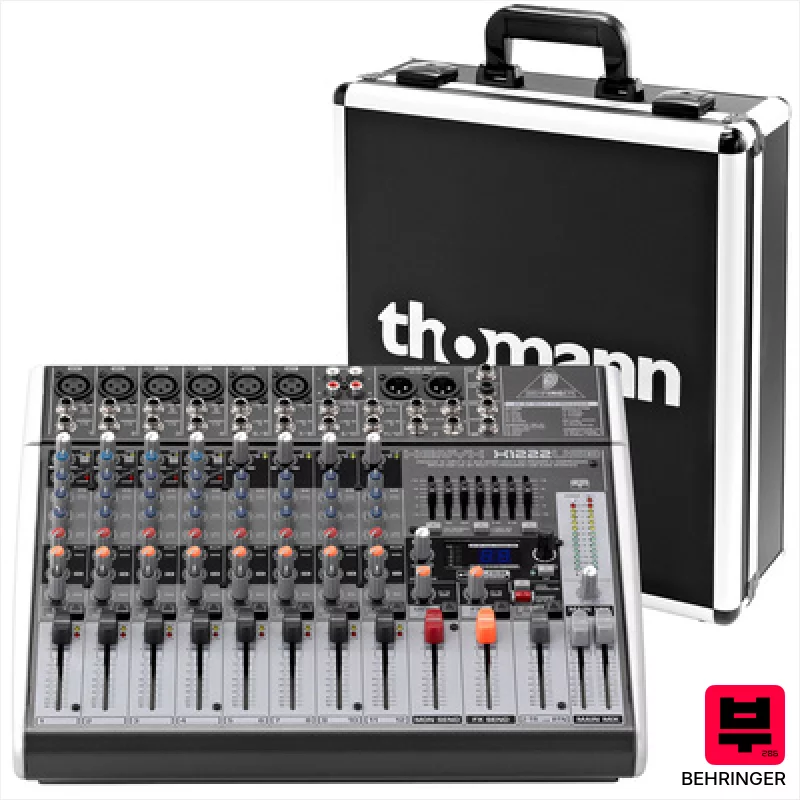
Behringer Xenyx X1222 USB Case Bundle
- • Solid build quality for the price; feels surprisingly robust.
- • The integrated USB interface is genuinely useful for basic recording.
- • 7-band master EQ offers more shaping than typical entry-level mixers.
- • Phantom power is a huge plus for condenser mics – expands input options.
- • EQ isn't the most transparent; can introduce some coloration.
- • Faders feel a bit plasticky and less precise than higher-end models.
- • The built-in effects are serviceable, but not studio-grade.
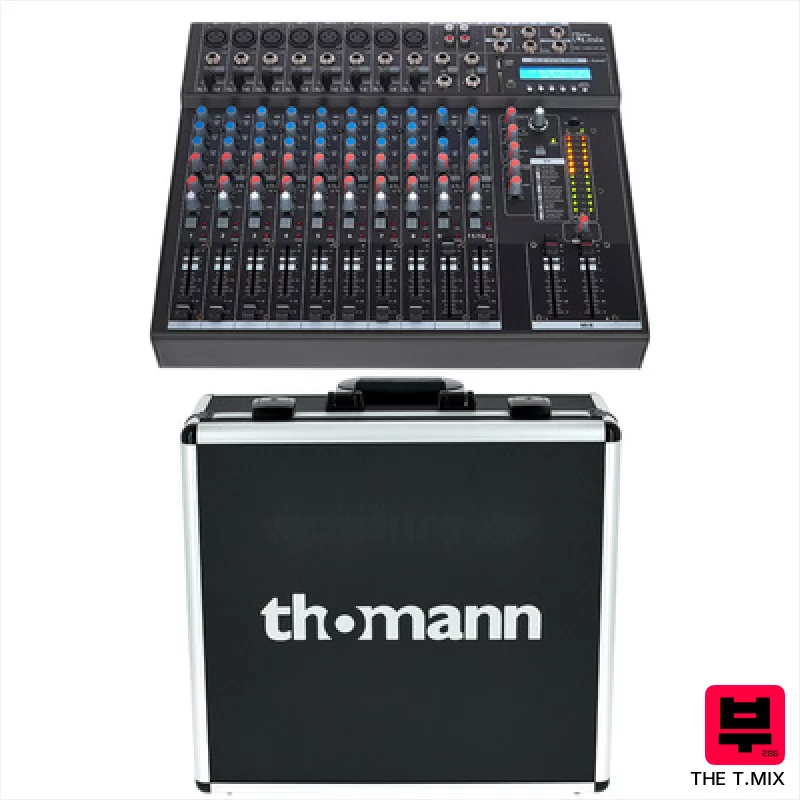
the t.mix xmix 1402 FXMP Case Bundle
- • Solid build quality for the price point; feels surprisingly robust.
- • Integrated effects processor offers decent reverb and chorus options.
- • Bluetooth connectivity adds convenient versatility for playback.
- • The included case provides excellent protection and portability.
- • EQ is basic; limited sculpting ability for nuanced sound shaping.
- • USB/SD player functionality feels a bit clunky and under-featured.
- • Aux sends are mono only, restricting stereo effects routing.
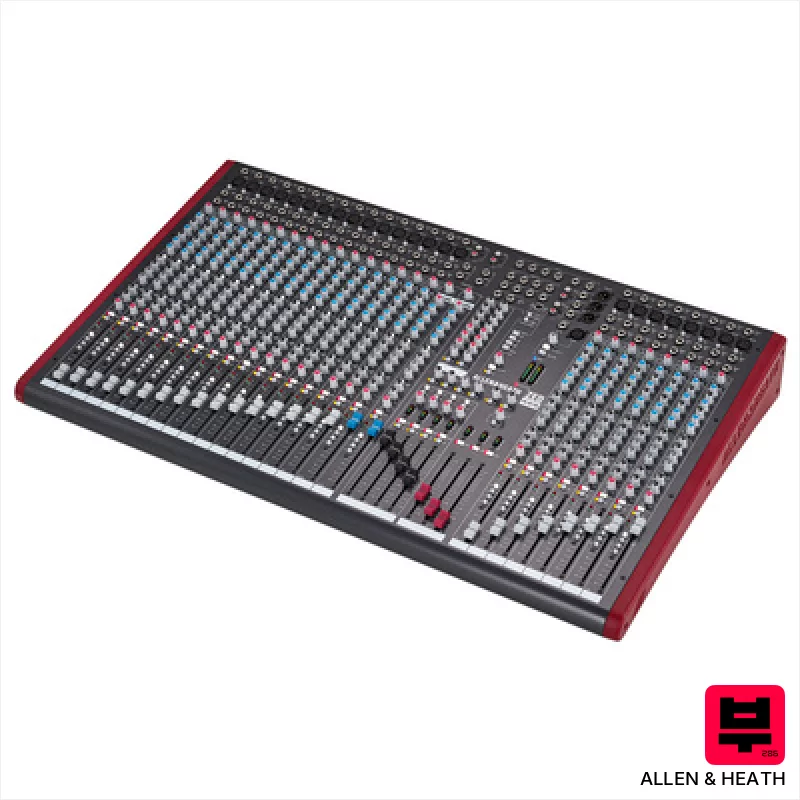
Allen & Heath ZED-428
- • DuoPre preamps offer exceptional clarity and headroom for dynamic sources.
- • Robust, all-metal chassis inspires confidence and longevity.
- • Semi-parametric EQ provides precise tonal shaping capabilities.
- • Flexible routing options with sub-groups and matrix outputs enhance workflow.
- • Size and weight make it less ideal for mobile or smaller spaces.
- • Lacks built-in effects, requiring external processing for reverb/delay.
- • Limited USB functionality compared to more modern digital mixers.

Allen & Heath WZ4 16:2
- • Solid build quality with robust metal chassis and reliable Allen & Heath pots
- • Flexible aux sends offer versatile routing for monitors and effects
- • Parametric mids in the EQ provide precise tonal shaping capabilities
- • Direct outs per channel are a huge boon for recording and live multitracking
- • Limited headroom compared to more modern, higher-powered mixers
- • The internal effects processor is serviceable but lacks advanced editing options
- • Rackmount ears are an optional extra, adding to the overall investment

Korg MW-2408 NT
- • ALPS rotary controls offer precise, tactile control and feel
- • HiVolt preamps deliver clean gain with impressive headroom
- • Single-knob compression simplifies gain staging for live use
- • Wooden side panels add a touch of class and dampen vibrations
- • The 8-bus configuration might limit advanced routing options
- • Size and weight (9.3 kg) makes it less portable for solo acts
- • Digital effects, while plentiful, aren't flagship-level quality
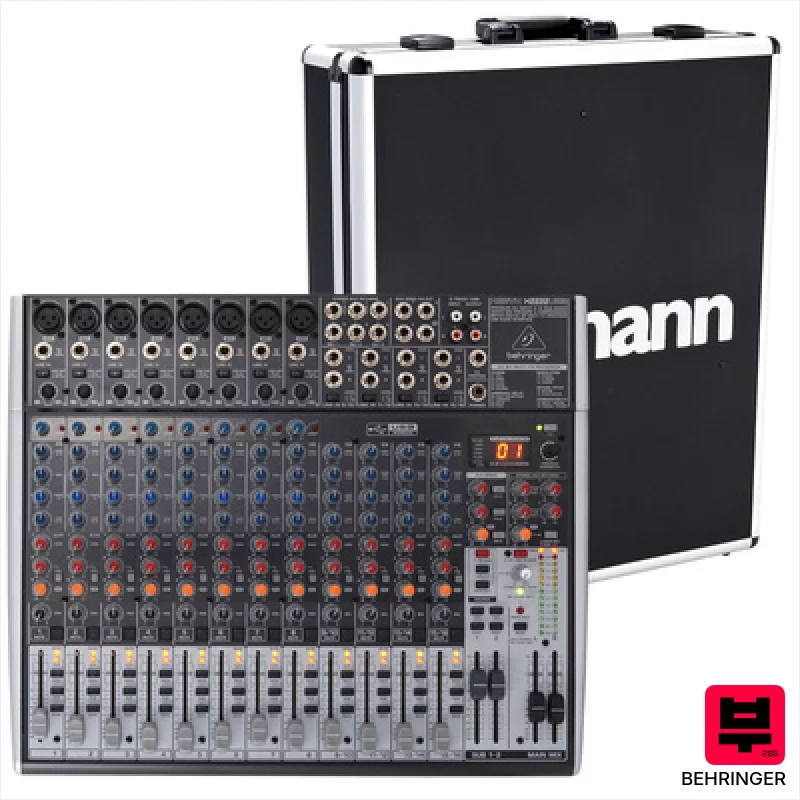
Behringer Xenyx X2222 USB Bundle
- • Solid build for the price, feels surprisingly robust.
- • Comprehensive feature set for a budget-friendly mixer.
- • USB interface simplifies recording and playback directly.
- • Phantom power allows for condenser microphone use.
- • Xenyx preamps are noisy, especially at higher gain.
- • EQ is basic, lacks precision for nuanced tonal shaping.
- • Plastic faders feel cheap and may exhibit wear over time.
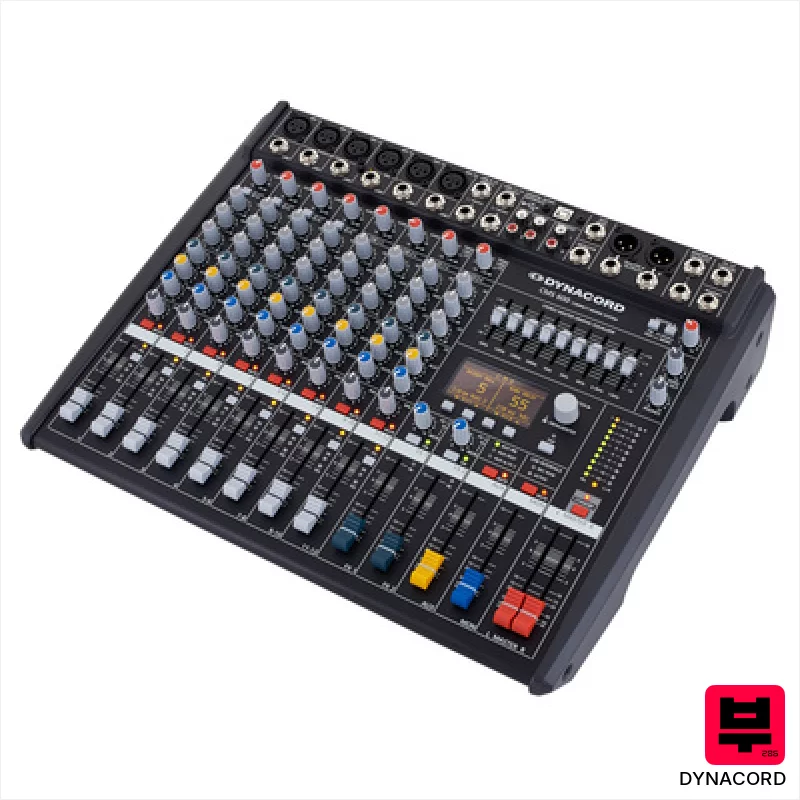
Dynacord CMS600-3
- • Solid Dynacord build quality; feels robust and dependable
- • Versatile 6 mic/line channels handle diverse sound sources well
- • Integrated effects unit offers a surprising range of usable sounds
- • Compact size allows for rack mounting, saving valuable space
- • Limited channel count may restrict complex routing needs
- • Aux sends offer basic functionality, not advanced routing options
- • USB interface is functional but lacks advanced features like MIDI
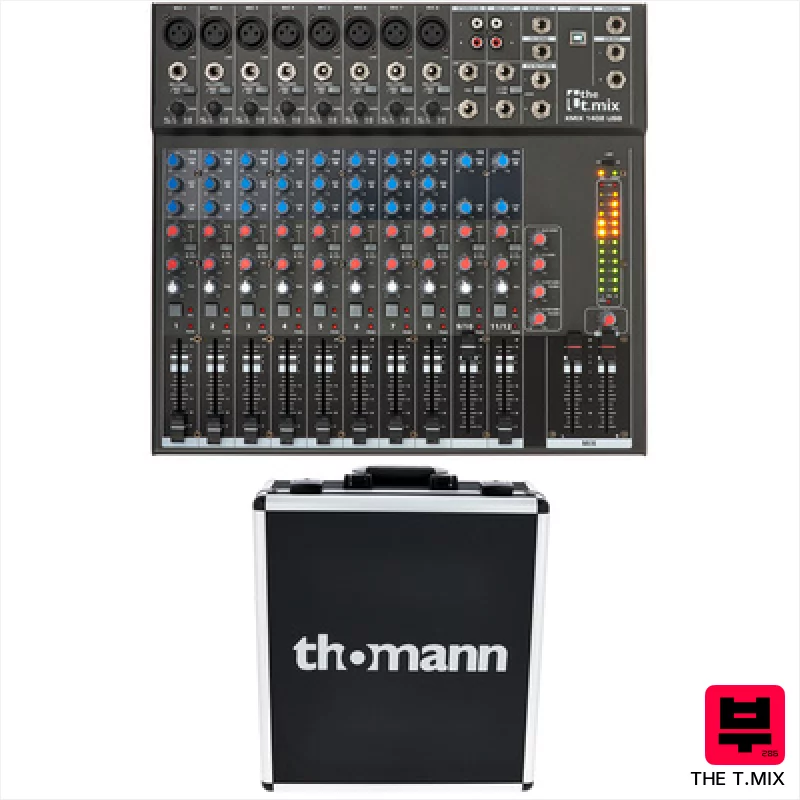
the t.mix xmix 1402 USB Case Bundle
- • Solid build quality for the price range; feels surprisingly robust.
- • The included case offers excellent protection during transport.
- • Good XLR mic preamps deliver clean, usable gain for live sound.
- • Versatile connectivity with RCA inputs for playback and recording.
- • EQ is basic; lacks the finesse for detailed sound shaping.
- • Limited effects processing; no onboard reverb or delay.
- • The case, while protective, adds significant overall weight.

Korg MW-1608 NT
- • ALPS rotary controls offer a refined, precise feel for mixing.
- • HiVolt preamps deliver clean gain and surprising headroom.
- • The inMusician's Phonesin feature is a genuinely useful live addition.
- • Wooden side panels add a touch of class and dampen vibrations.
- • The 8-bus configuration might feel limiting for complex recording setups.
- • The single-knob compressor, while convenient, lacks nuanced control.
- • The physical size makes it less ideal for very compact mobile rigs.
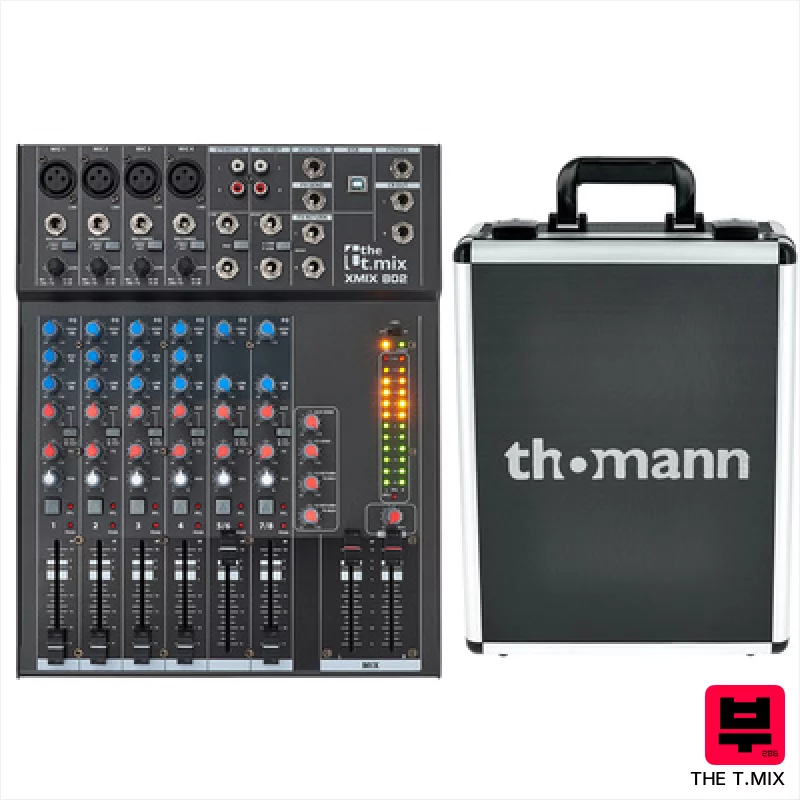
the t.mix xmix 802 USB Case Bundle
- • Solid build quality for the price point, feels surprisingly robust.
- • Decent XLR preamps deliver clean, usable gain for basic vocals.
- • Compact size makes it ideal for smaller gigs and mobile setups.
- • USB connectivity simplifies recording and playback; a real time-saver.
- • EQ is basic; lacks the finesse for complex tonal shaping.
- • Limited aux sends restrict routing options for monitor mixes.
- • Case and bag are sold separately, adding to the overall cost.
How to Choose the Best Analogue mixers
Preamps
This is where a lot of the money goes. Expect clean, relatively low-noise preamps in this price range, but the character will vary. Some will be more neutral, others will have a subtle warmth or a hint of grit - listen for how they handle dynamic range and impact the overall tone.
EQ
Don't expect surgical precision like you'd find on a high-end console. However, you should get usable, musical EQ with decent bandwidth control. The ability to shape the low-end thump or tame harsh high frequencies is crucial.
Routing & Aux Sends
A mixer's routing capabilities dictate how flexible it is. Look for enough aux sends for monitor mixes, subgroups for drum bussing, and ideally, some insert points for external effects. Limited routing can be a real headache in a band setting.
Build Quality
Analog mixers take a beating. Solid construction, reliable faders, and robust knobs are essential for gigging. Cheap plastic feels awful and won't last.
Headroom
Headroom is king when it comes to avoiding that digital-sounding compression when things get loud. A mixer with good headroom will let your signals breathe and maintain clarity even when pushed hard - vital for live shows.
Buying Guide
At this budget, you're making trade-offs. You likely won't get fully recallable scenes, and the EQ might not be as precise as a digital console. Watch out for mixers that skimp on build quality - those cheap faders will fail fast. Investing in a mixer with good preamp character can often be more valuable than chasing extra features you won't use.
How This List Is Built
We don't play these instruments — we're a catalog, not a review desk, and we'd rather say so than pretend otherwise. This page ranks 15 analogue mixers from the Thomann catalogue, which is the largest single source of specification data in this category.
Position is computed, not curated. Four signals, in order of weight: how completely the manufacturer documents the instrument (number of published specifications), where it sits in the price range, how specific the model designation is — which filters out generic accessories — and whether a product image exists. The same inputs always produce the same order, so nothing here is shuffled to look fresh.
What this list is good for: narrowing a category down to a shortlist by spec and budget. What it isn't: a substitute for hearing an instrument. Before you buy, read hands-on reviews and, where you can, play it. Full methodology.

