 AudioFu
Catalog
Studio and Recording Equipment
2150 instruments available · See the ranking

Acoustic Treatment
561 items
Browse →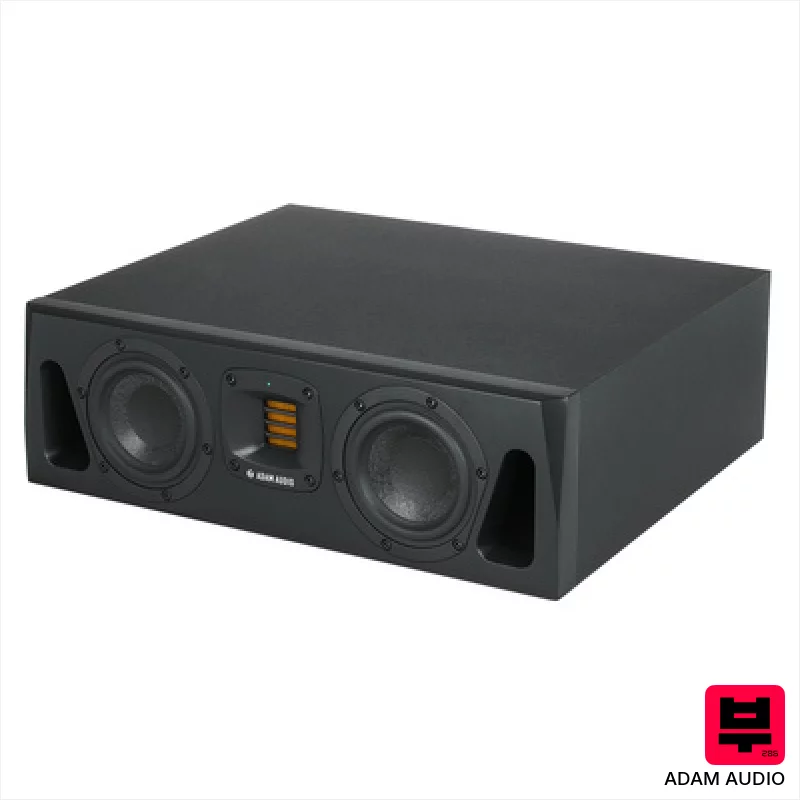
Studio Monitors
514 items
Browse →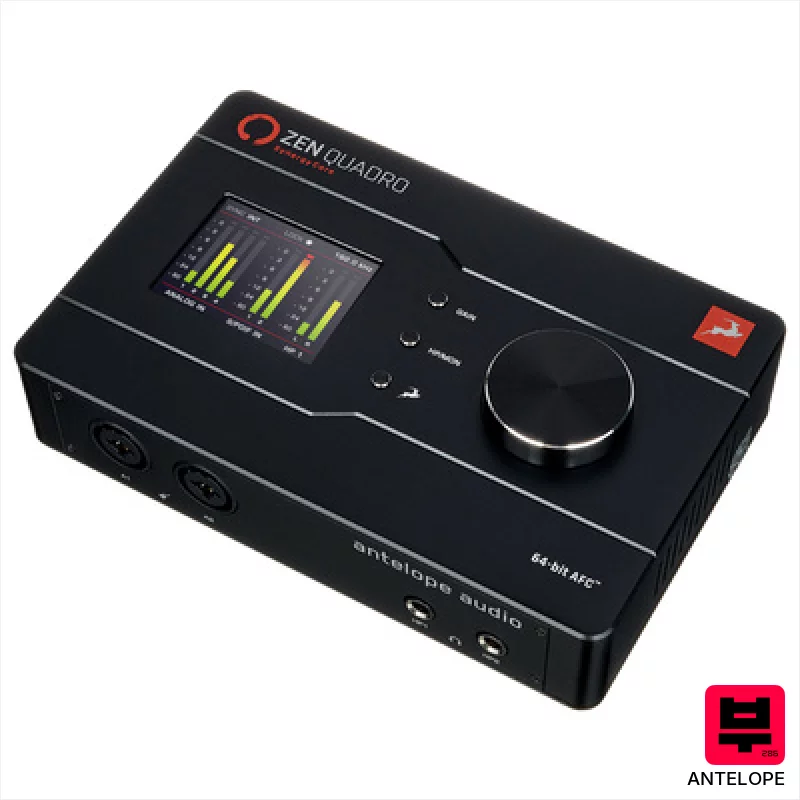
Audio Interfaces
305 items
Browse →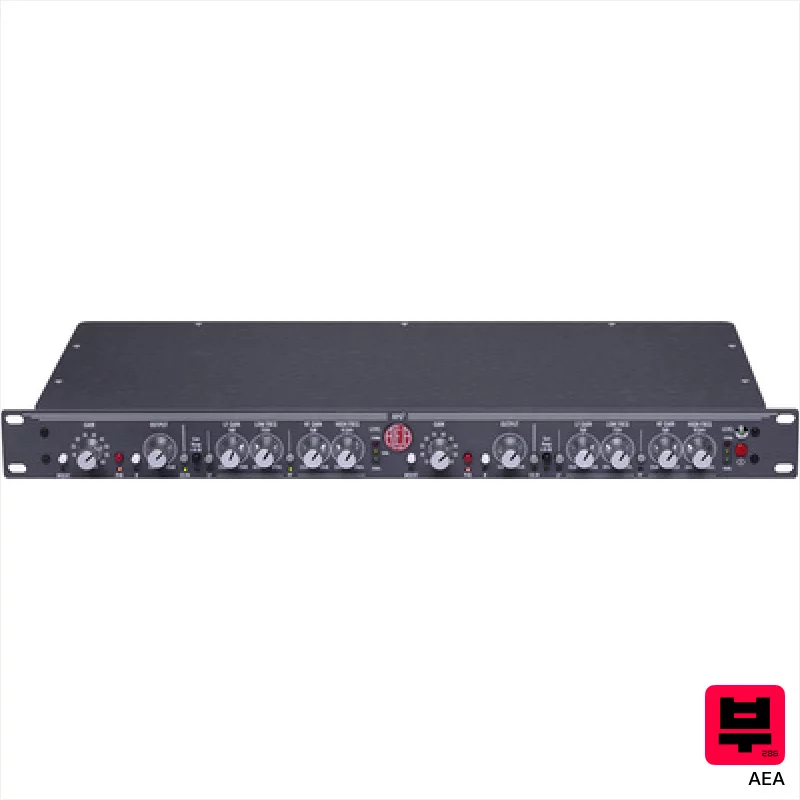
Preamps
181 items
Browse →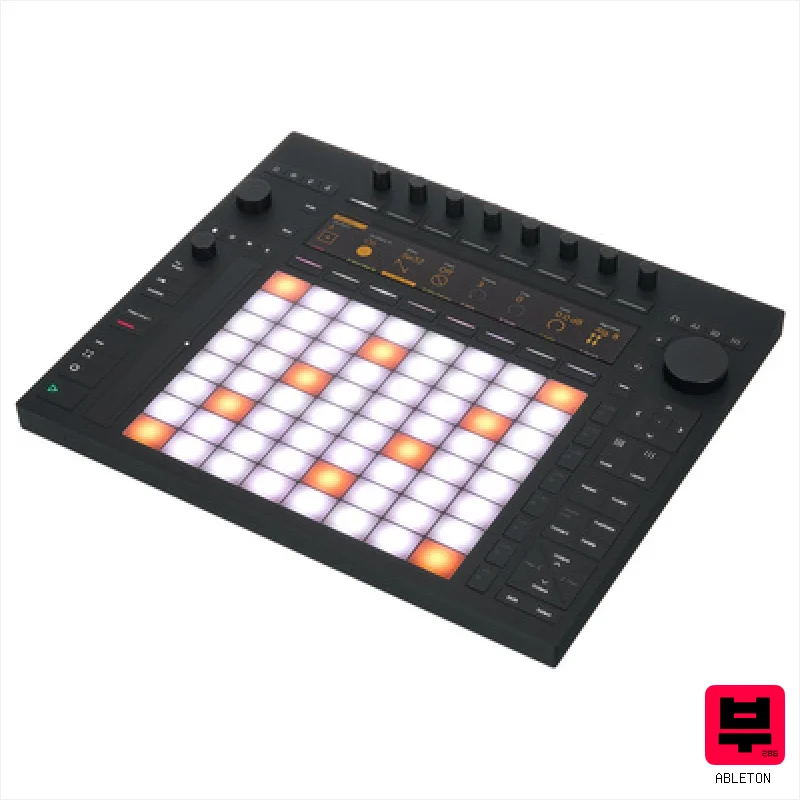
Controllers
144 items
Browse →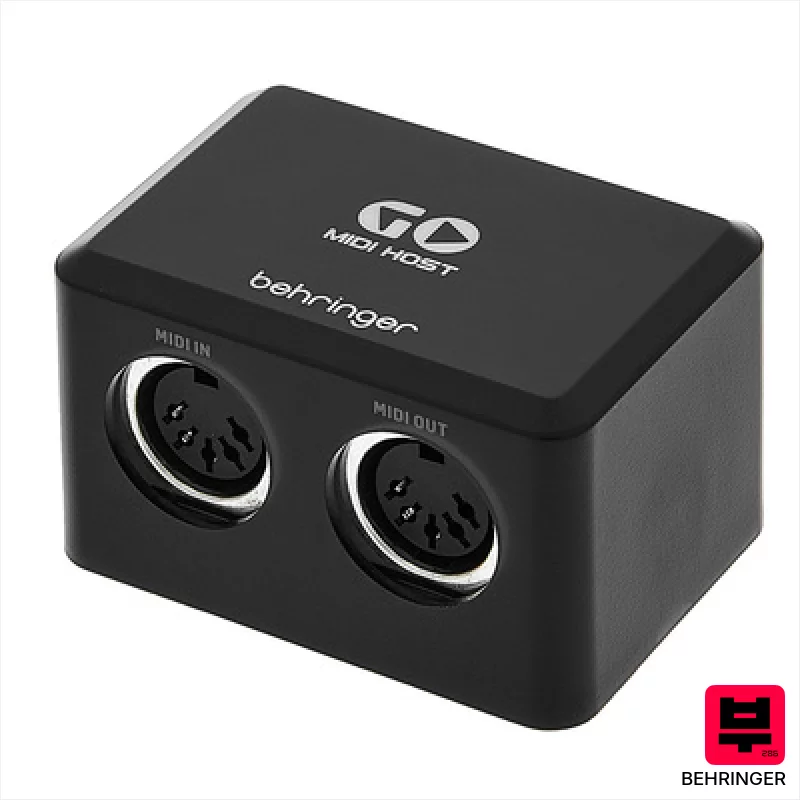
MIDI Equipment
93 items
Browse →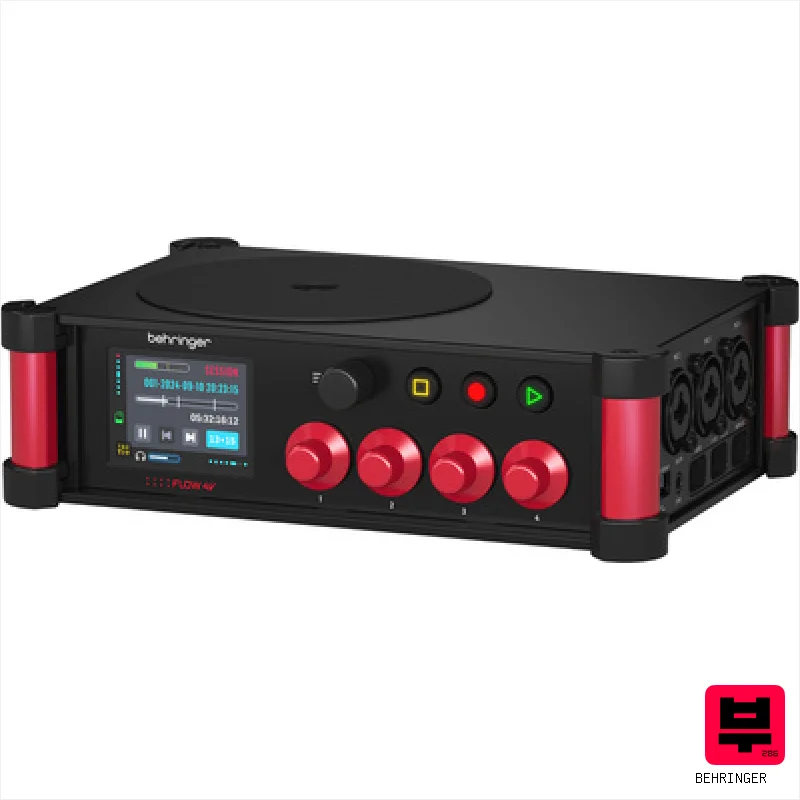
Digital Recorders
90 items
Browse →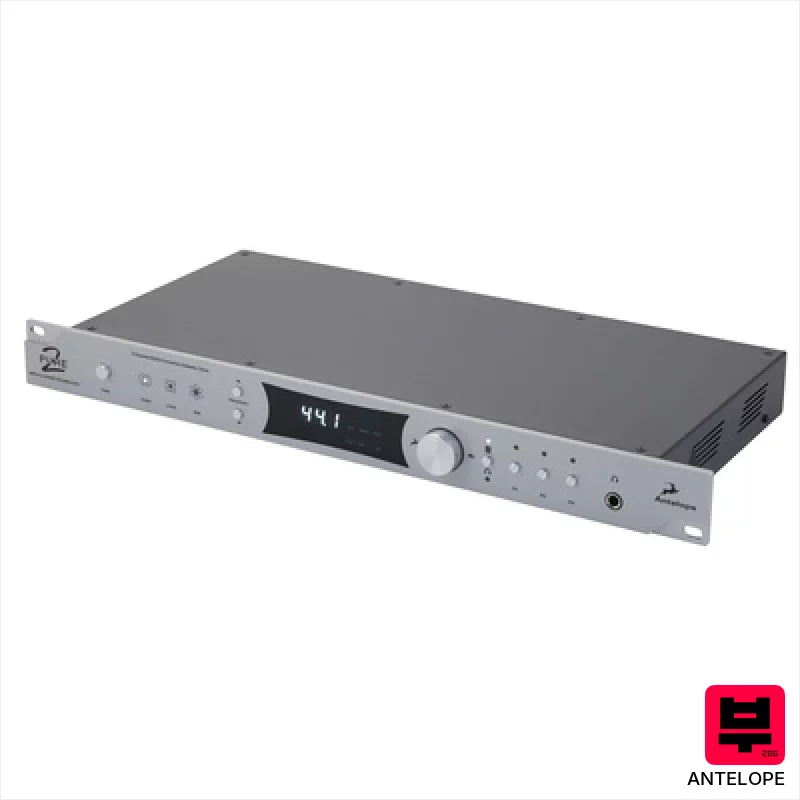
Digital Converters
87 items
Browse →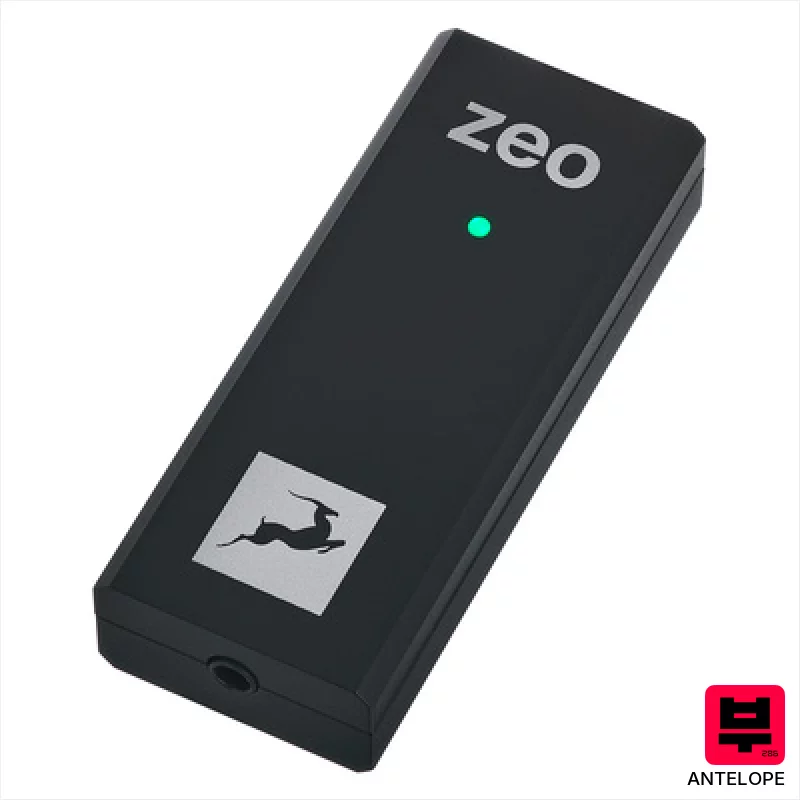
Headphones and Headphone Amps
86 items
Browse →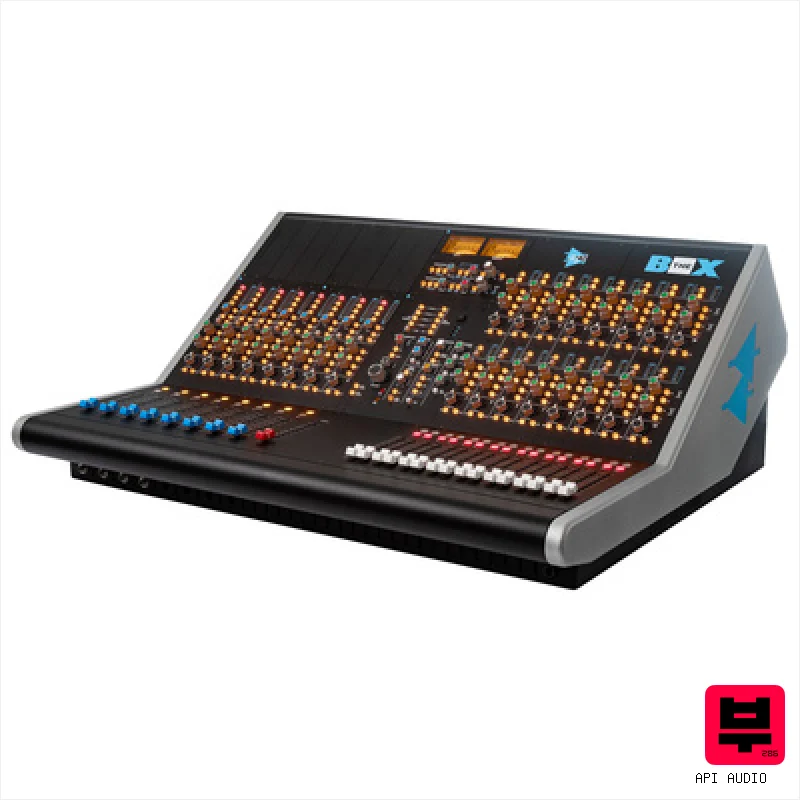
Analogue Mixing Desks
31 items
Browse →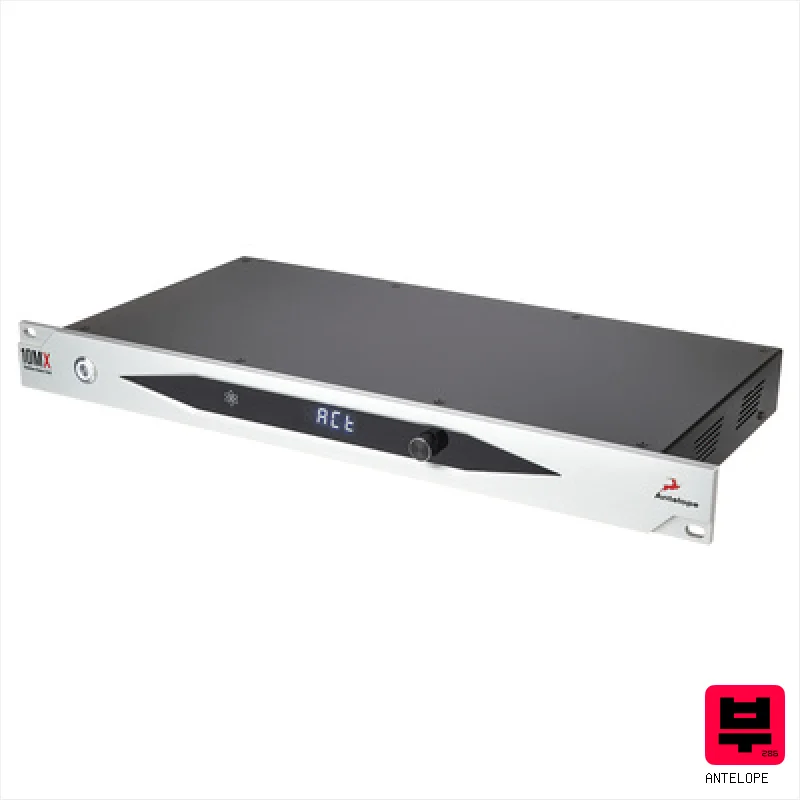
Synchronizers and Clock Generators
23 items
Browse →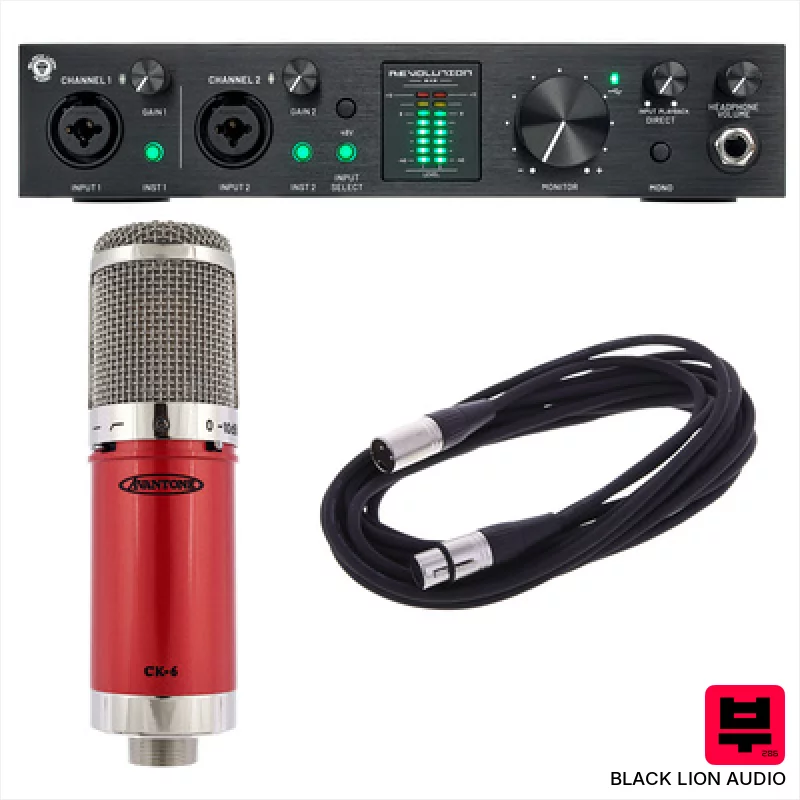
Studio Packages
14 items
Browse →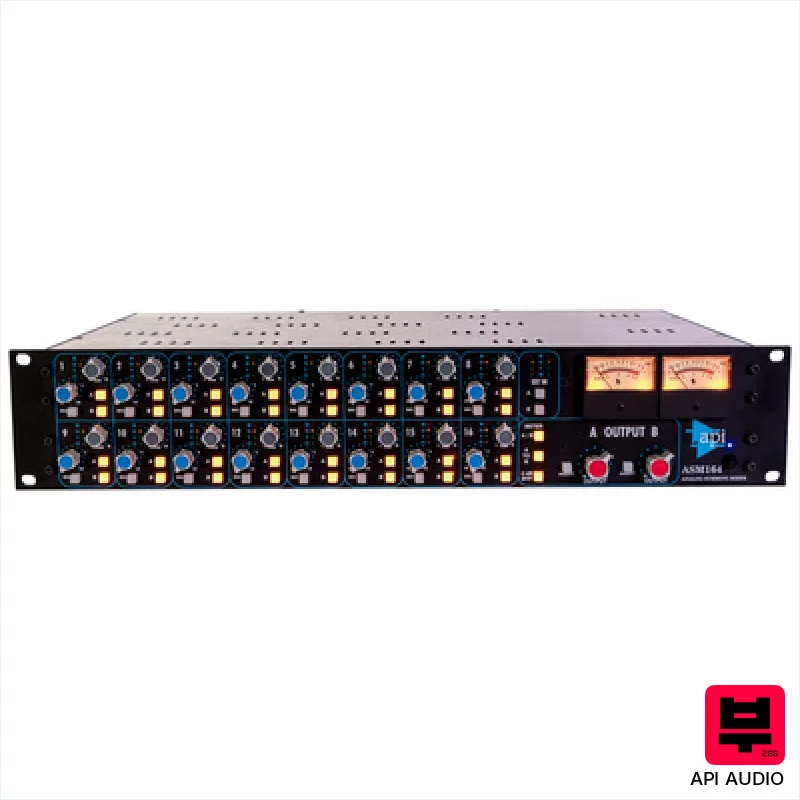
Summing Mixer
12 items
Browse →
Digital Mixing Desks
5 items
Browse →
Miscellaneous Studio Gear
4 items
Browse →About Studio and Recording Equipment
This category encompasses the tools and equipment necessary for capturing, mixing, and processing audio in a studio or home recording environment. It's essential for musicians, producers, engineers, and anyone seeking high-quality audio recordings, enabling creative control and professional-sounding results. From microphones to digital audio workstations, this gear is the backbone of modern music production.
Best for
What to look for
Studio and Recording Equipment — pros & cons
- Offers unparalleled control over the recording process.
- Enables experimentation and creative sonic possibilities.
- Provides professional-grade audio quality and fidelity.
- Facilitates collaboration and remote recording workflows.
- Can be a significant investment, especially for beginners.
- Requires technical knowledge to operate effectively.
- Complexity can lead to a steep learning curve.
- Potential for compatibility issues between different devices.
Questions about Studio and Recording Equipment
What's the difference between a digital audio interface and a sound card?
Audio interfaces offer superior preamps, lower latency, and higher-quality converters than standard sound cards, crucial for professional recordings.
How important is latency when choosing an audio interface?
Low latency is vital for real-time monitoring and performance; high latency can disrupt your workflow and feel unnatural.
What does 'dynamic range' mean in the context of recording equipment?
Dynamic range represents the difference between the quietest and loudest sounds a device can handle accurately, impacting recording clarity.