 AudioFu
Catalog
Audio Interfaces
305 instruments available · See the ranking

About Audio Interfaces
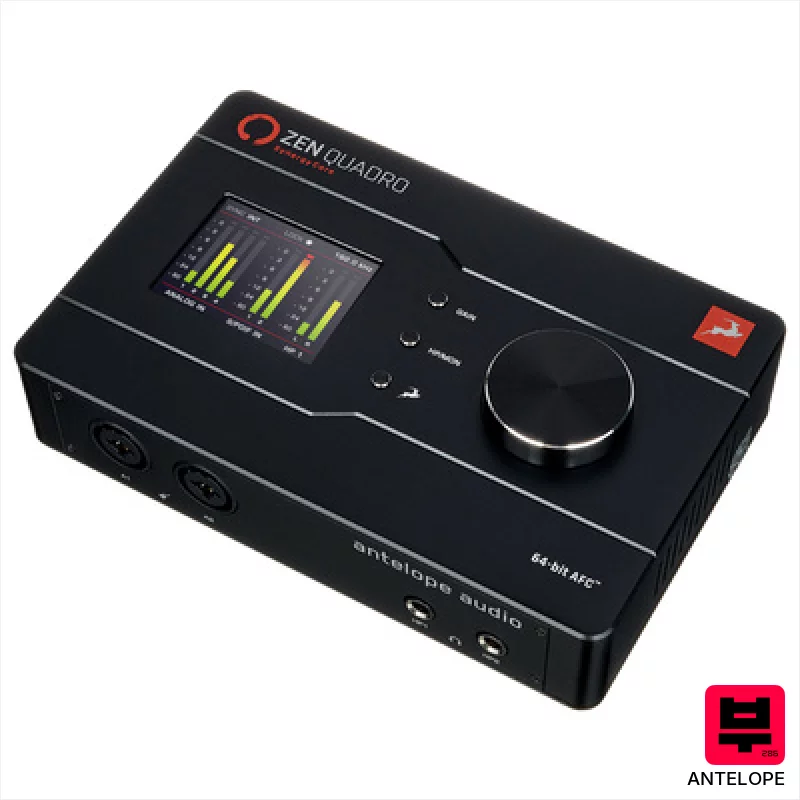
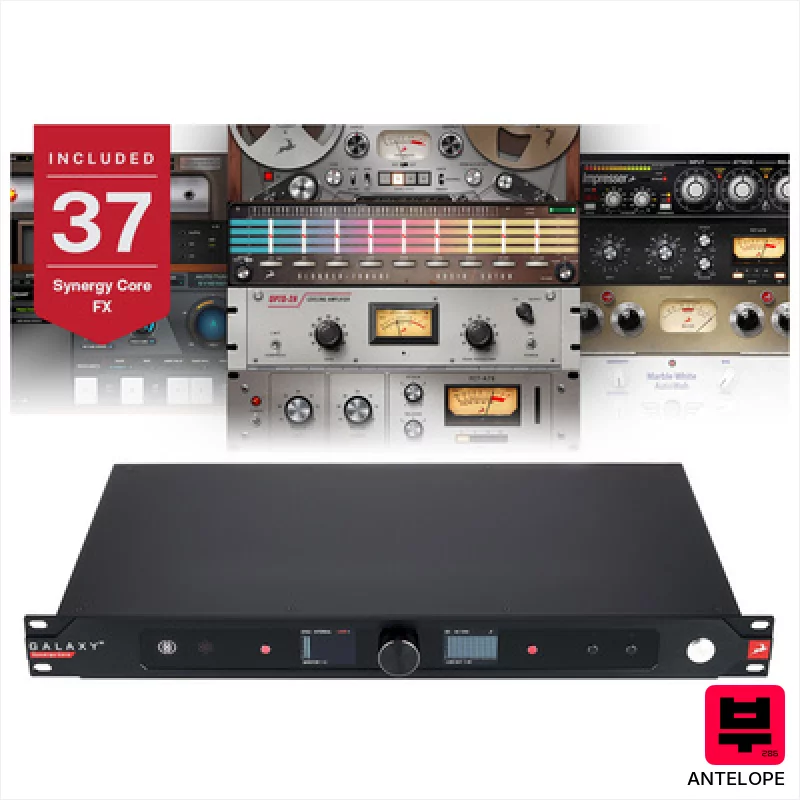
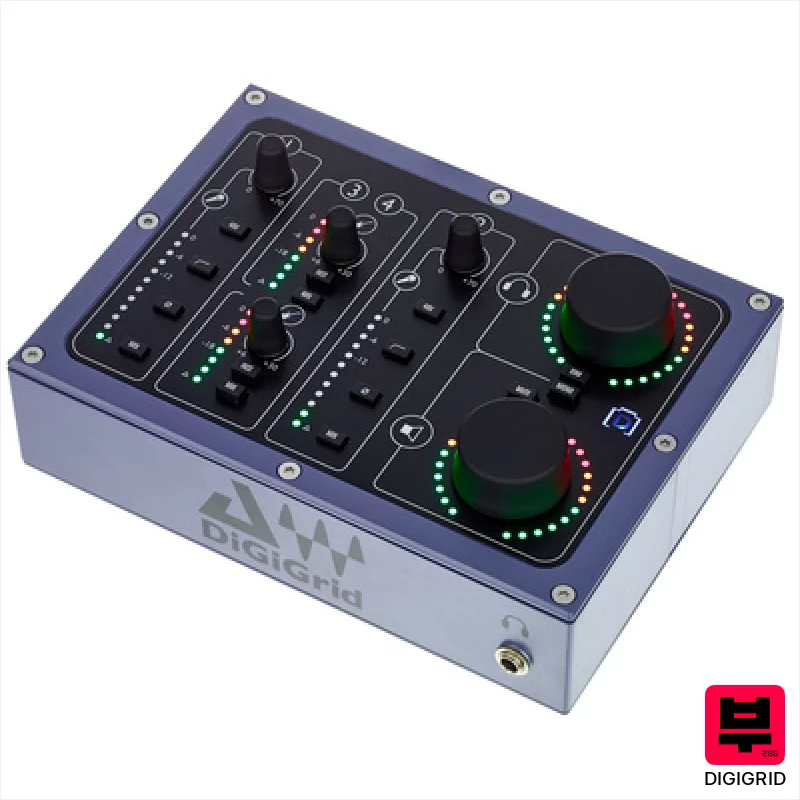
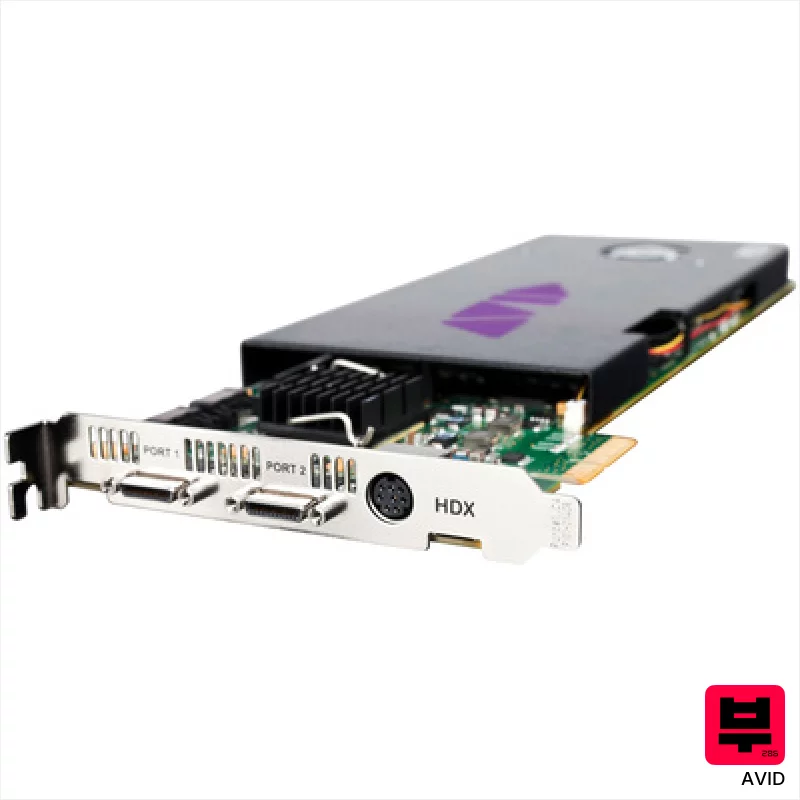
Audio interfaces are the crucial bridge between your instruments and recording software, converting analog signals to digital for processing and playback. They are essential for any musician, producer, or audio engineer looking to record, mix, or perform with professional quality. The quality of your audio interface directly impacts the clarity, dynamic range, and overall fidelity of your recordings.
Best for
What to look for
Audio Interfaces — pros & cons
- Enables high-resolution audio capture and playback
- Provides multiple inputs for simultaneous recording
- Offers flexible routing options for complex setups
- Can incorporate DSP for real-time processing effects
- Can be a significant investment for higher-end models
- Driver compatibility can be a potential issue across different operating systems
- Increased complexity compared to simpler audio solutions
- May require a powerful computer for optimal performance
Questions about Audio Interfaces
What's the difference between USB and Thunderbolt audio interfaces?
Thunderbolt offers significantly higher bandwidth, resulting in lower latency and the ability to handle more simultaneous channels compared to USB.
What does 'latency' mean in the context of an audio interface?
Latency is the delay between when a sound is produced and when it’s heard through your speakers or headphones – lower latency is crucial for real-time monitoring and recording.
Why is driver stability important for an audio interface?
Stable drivers ensure reliable operation and prevent audio dropouts or glitches, which are critical for uninterrupted recording and mixing.