 AudioFu
Catalog
Studio Monitors
514 instruments available · See the ranking


About Studio Monitors
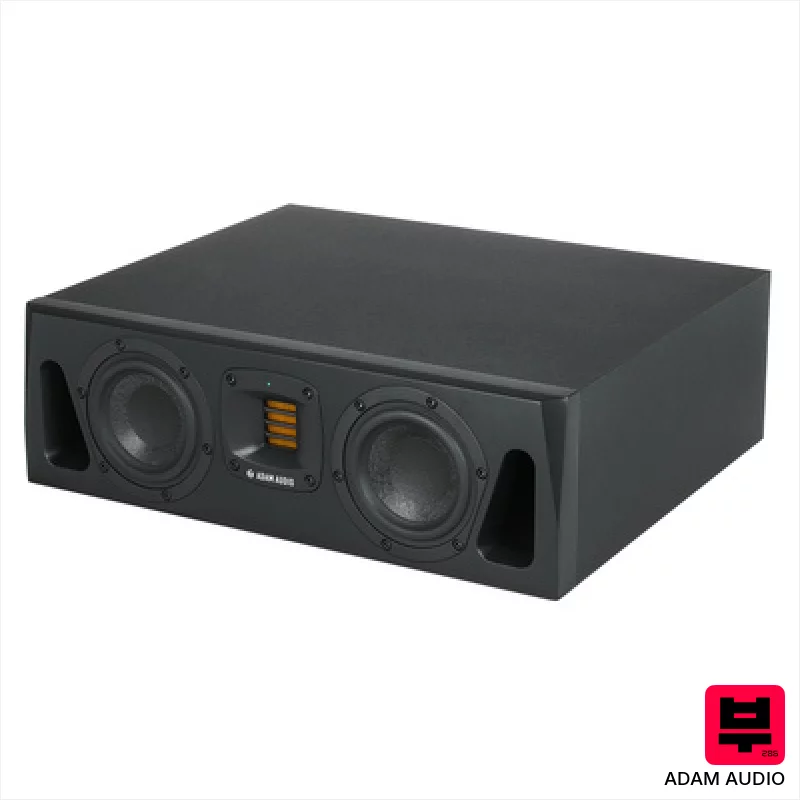
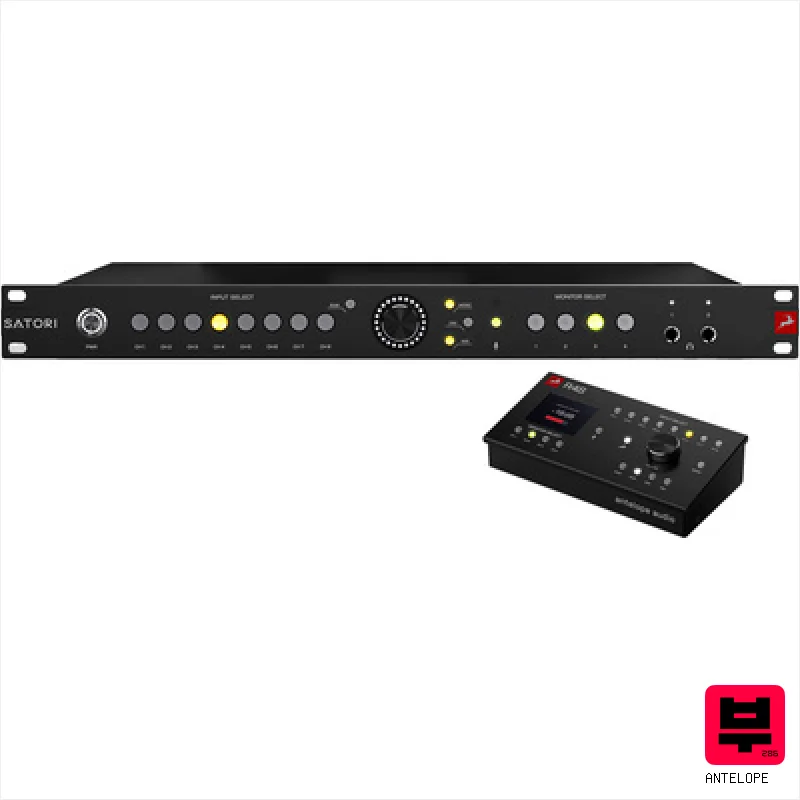
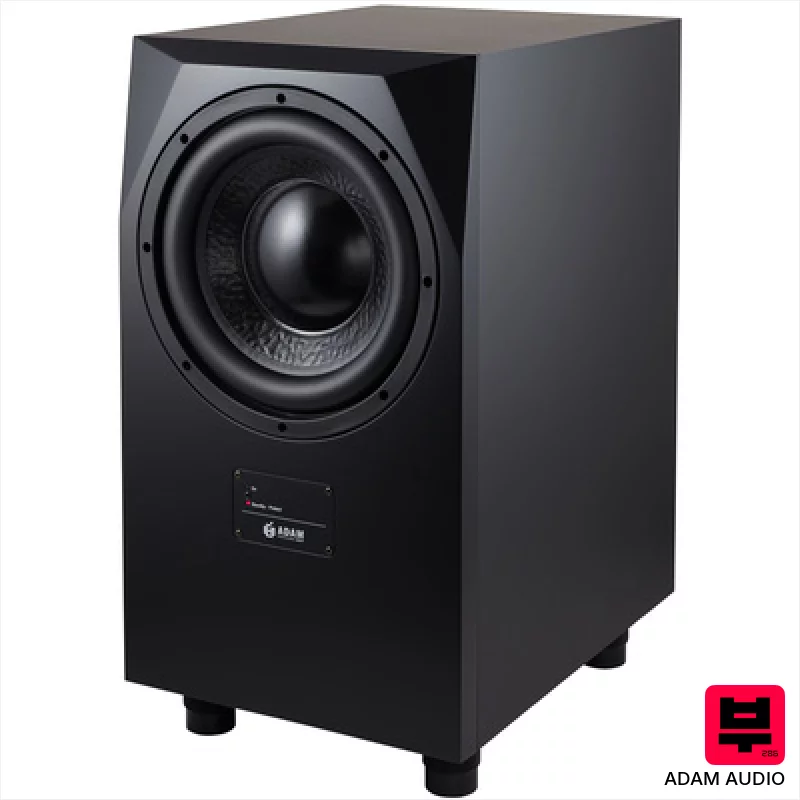
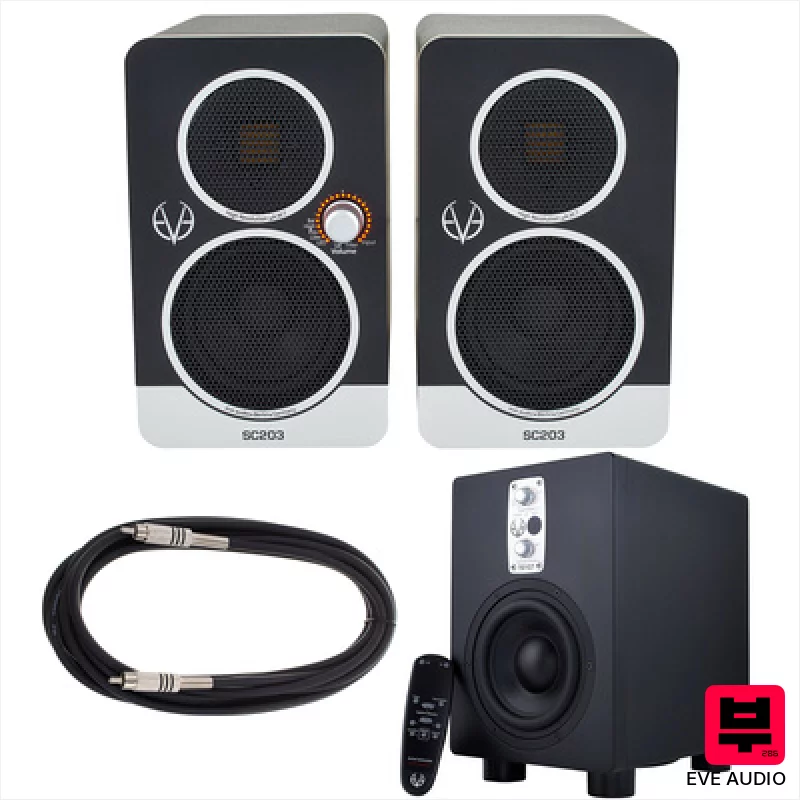
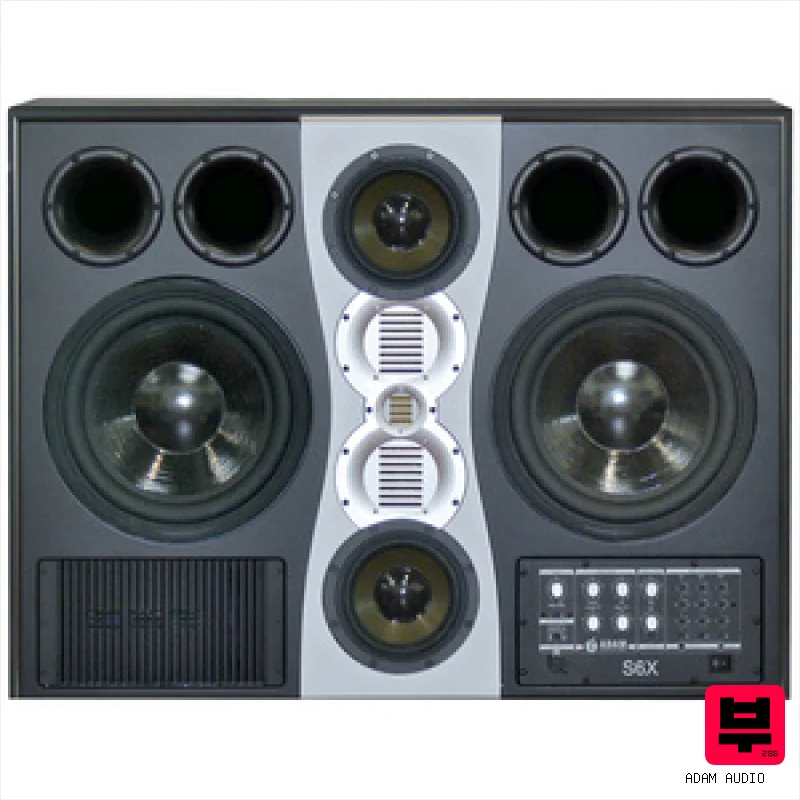
Studio monitors are active loudspeakers designed for accurate audio reproduction in recording, mixing, and mastering environments. They allow engineers and producers to critically evaluate their work, ensuring proper tonal balance and detail. Choosing the right monitors is crucial for making informed decisions about your music.
Best for
What to look for
Studio Monitors — pros & cons
- Accurate audio reproduction for critical decision-making
- Improved clarity and detail compared to consumer speakers
- Dedicated design minimizes coloration and distortion
- Available in various sizes to suit different room sizes
- Can reveal flaws in recordings that consumer speakers mask
- Room acoustics significantly impact perceived accuracy
- Often require careful placement and calibration
- Higher initial investment compared to other speaker types
Questions about Studio Monitors
What does 'nearfield' monitoring mean, and is it always best?
Nearfield monitors are designed to be listened to from a close distance, minimizing room reflections. While ideal for critical listening, the best type depends on room size and monitoring needs.
How important is a flat frequency response in a studio monitor?
A flat frequency response is highly desirable; it ensures the monitors reproduce audio without artificially boosting or cutting frequencies, allowing for accurate mixing decisions.
What is 'room correction' and do I need it for my studio monitors?
Room correction technologies analyze and compensate for acoustic issues in a room. While helpful, proper monitor placement and acoustic treatment are often more impactful.