 AudioFu
Catalog
Digital Recorders
90 instruments available · See the ranking


About Digital Recorders
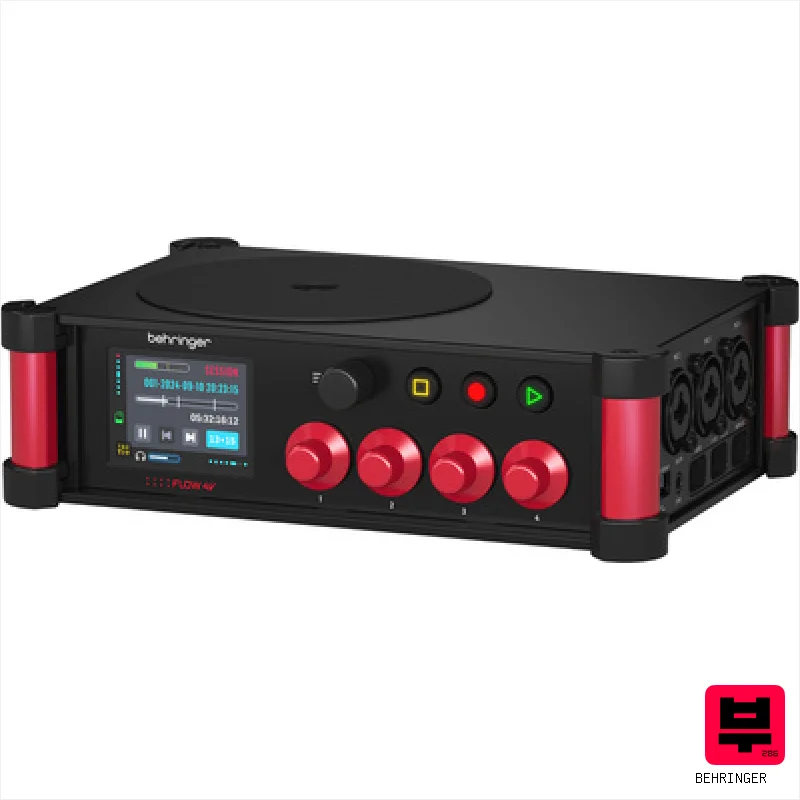
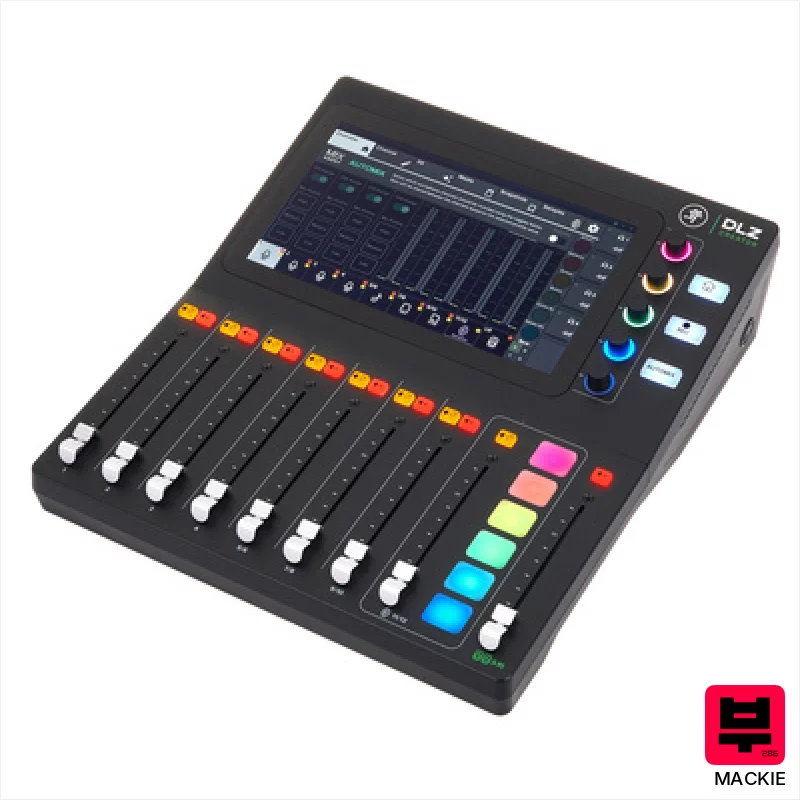
Digital recorders capture audio in a flexible, often portable format, crucial for location sound recording, music production, and field recording. They range from compact handheld units to sophisticated multitrack systems, allowing for everything from simple stereo capture to complex band recordings. The ability to record directly without intermediary devices simplifies workflows and ensures high-quality audio.
Best for
What to look for
Digital Recorders — pros & cons
- Offers high fidelity audio capture without external interfaces
- Provides flexibility with track count and routing options
- Often includes built-in microphones and monitoring capabilities
- Compact size and portability enables location recording
- Can be complex to operate, especially advanced multitrack models
- File sizes can quickly consume storage space
- Power management and battery life require careful consideration
- Workflow can be less immediate compared to direct-to-DAW recording
Questions about Digital Recorders
What's the difference between a master recorder and a multitrack recorder?
Master recorders typically focus on high-quality stereo recording, while multitrack recorders allow for simultaneous recording of multiple audio sources on separate tracks.
How important is phantom power and why would I need it?
Phantom power provides DC voltage to power condenser microphones; essential if you’re using those types of microphones with your recorder.
What does 'bit depth' and 'sample rate' actually mean for audio quality?
Bit depth determines the dynamic range, and sample rate determines the frequency response; higher numbers generally result in cleaner, more detailed recordings.