 AudioFu
Catalog
Controllers
144 instruments available · See the ranking
About Controllers
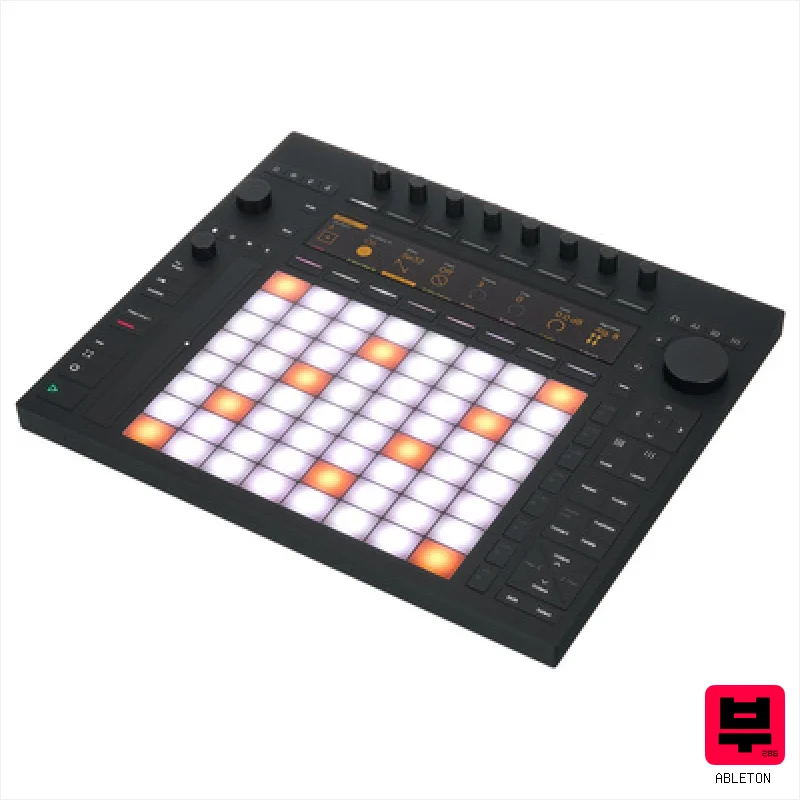
Controllers bridge the gap between software and physical interaction, allowing musicians and producers to manipulate virtual instruments and DAW parameters with tactile precision. They range from simple MIDI keyboards to complex, dedicated control surfaces, offering a more intuitive and expressive workflow than mouse and keyboard alone. Mastering a controller unlocks deeper creative potential and improved efficiency in music production.
Best for
What to look for
Controllers — pros & cons
- Enhanced workflow and creative expression through tactile control.
- Improved accuracy and repeatability compared to mouse-based editing.
- Provides a more engaging and enjoyable production experience.
- Can integrate seamlessly with various DAWs and virtual instruments.
- Can be complex to initially set up and configure.
- Requires learning curve to fully utilize advanced features.
- Potential for driver conflicts or compatibility issues.
- May take up significant desk space depending on size.
Questions about Controllers
What's the difference between a DAW controller and a MIDI keyboard?
A MIDI keyboard primarily focuses on note input, while a DAW controller offers dedicated controls for mixing, automation, and plugin manipulation.
How do I ensure a controller is compatible with my DAW?
Check the manufacturer's website for a list of supported DAWs and operating systems, and ensure you have the latest drivers installed.
What does 'MIDI mappability' mean in the context of controllers?
It refers to the ability to assign controller functions to specific parameters within your DAW or virtual instrument, customizing the device to your workflow.