
Best Wireless In-Ear Components Under $500 2026
So, you're ditching the floor wedges and going wireless in-ear? Smart move - it's a game changer for clarity and stage monitoring. But blowing a grand on a system isn't always necessary. We've scoured the landscape to find wireless IEM components that deliver solid performance without breaking the bank, keeping your gig budget intact. Let's find you a setup that cuts through the mix without draining your account.
Last updated: September 29, 2026
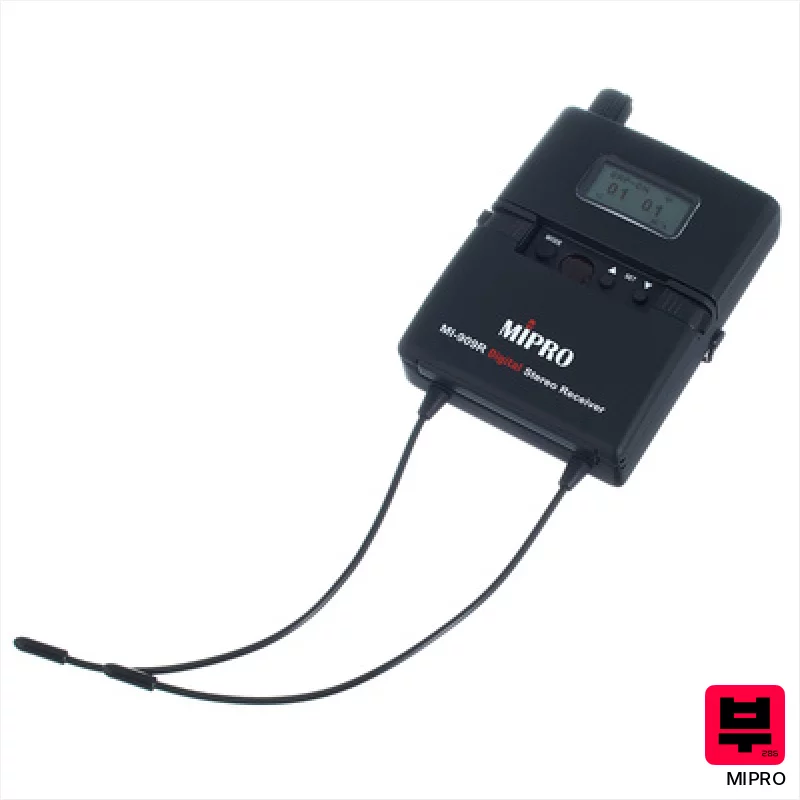
Mipro MI-909R 5E
- • Magnesium housing provides excellent durability for stage use.
- • Digital diversity significantly reduces dropouts in challenging RF environments.
- • Compact size and lightweight design ensure comfortable stage wear.
- • Automatic frequency synchronization simplifies setup and operation.
- • Limited frequency band restricts channel availability in congested areas.
- • 3.5mm headphone output lacks the versatility of a larger connector.
- • AA battery reliance can be inconvenient compared to rechargeable options.
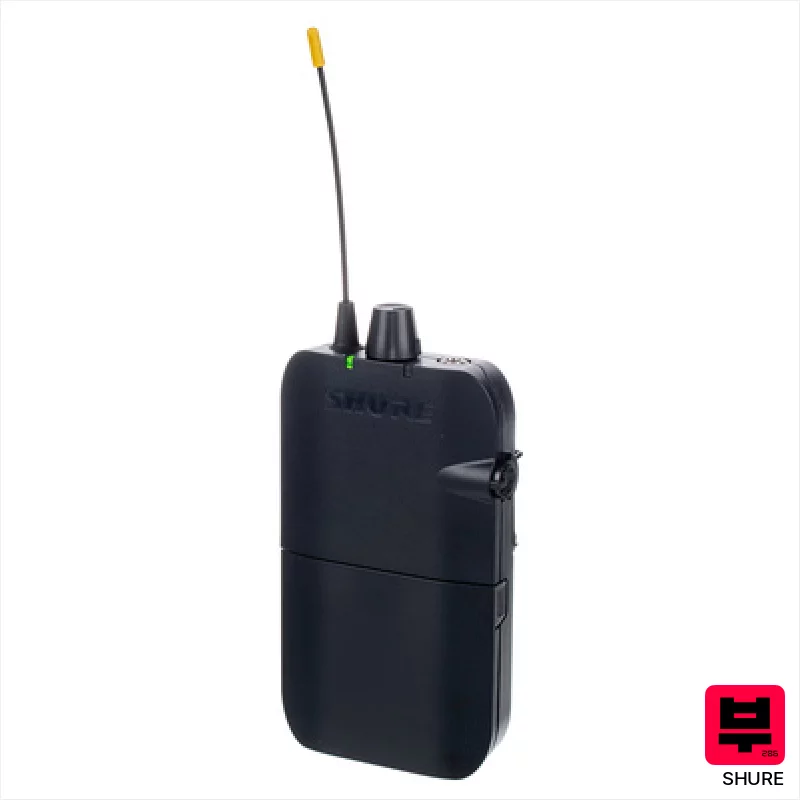
Shure P3R PSM 300 K3E
- • Solid Shure build quality; feels durable and reliable
- • Excellent stereo separation for a wide, immersive sound
- • MixMode offers flexible personal monitoring control
- • Good RF performance, minimizing dropouts in typical stage environments
- • Plastic housing feels a bit budget-oriented compared to higher-end models
- • AA battery power is less convenient than rechargeable options
- • Limited frequency band options restrict channel availability in congested areas
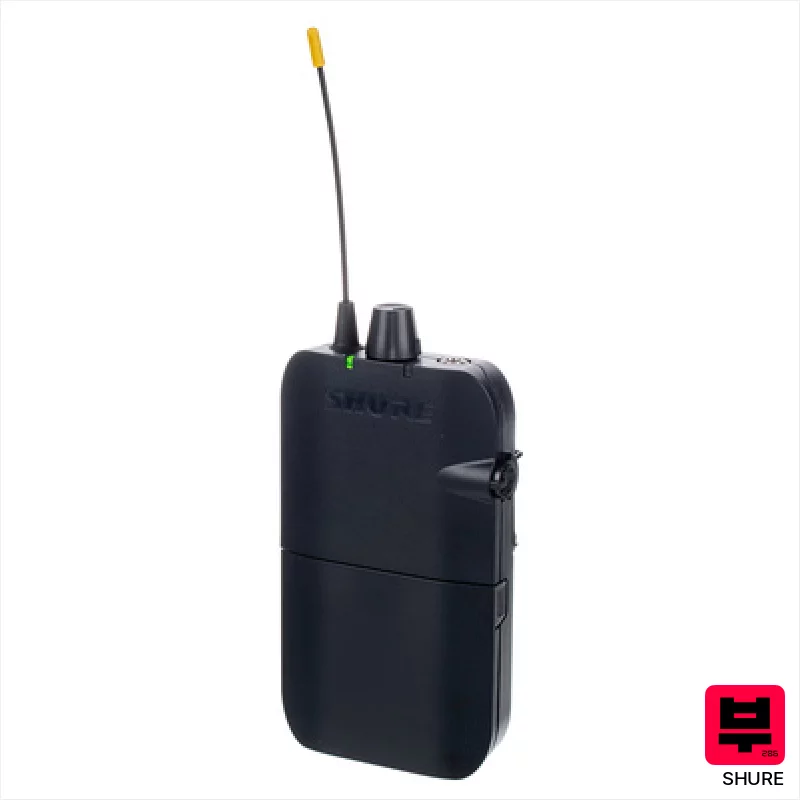
Shure P3R PSM 300 T11
- • Robust plastic housing feels surprisingly durable for the price.
- • MixMode offers excellent flexibility for stage adjustments.
- • Clear, wide stereo separation enhances the listening experience.
- • Personal mix control allows for tailored monitoring levels.
- • 318g weight can become fatiguing during extended performances.
- • AA battery power isn't as convenient as rechargeable options.
- • Limited frequency band necessitates careful coordination in crowded RF environments.

Shure P3R PSM 300 S8
- • Solid Shure build quality; feels robust despite the plastic housing
- • Personal mix control offers excellent user tailoring of the IEM signal
- • MixMode expands tonal possibilities beyond a standard stereo signal
- • Wide stereo separation provides a clear and spacious soundstage for monitoring
- • The plastic housing, while durable, lacks the premium feel of metal alternatives
- • Reliance on AA batteries can be inconvenient for long gigs or travel
- • S8 frequency band may face interference in congested RF environments
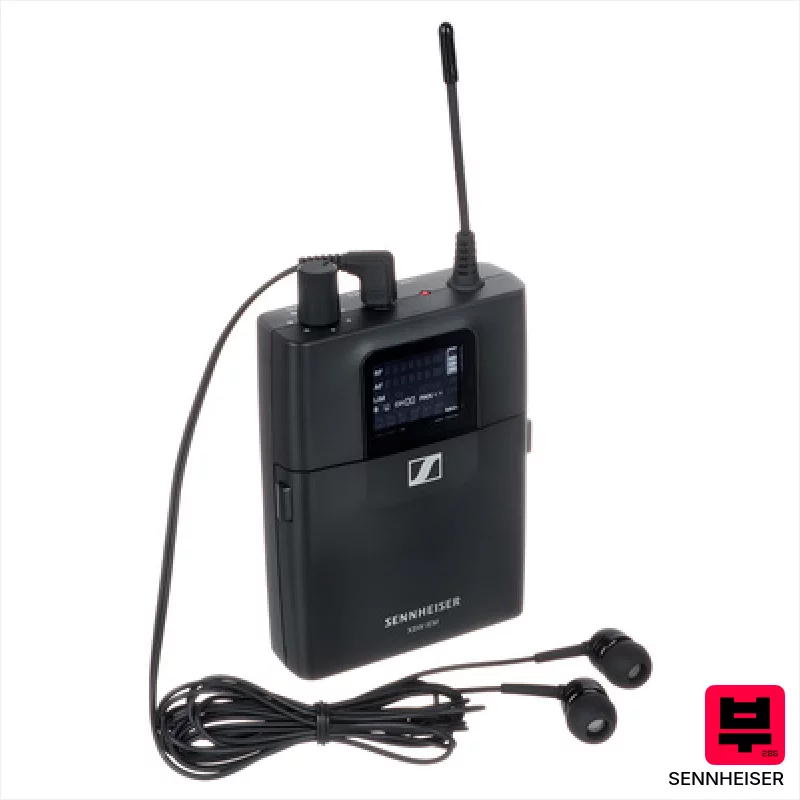
Sennheiser XSW IEM EK A-Band
- • Solid Sennheiser build quality; feels robust and reliable for stage use.
- • IE 4 headphones offer surprisingly balanced and clear sound for the price.
- • Infrared sync simplifies channel setup, a huge time-saver on gigs.
- • Focus Mode effectively reduces stage noise for clear monitoring.
- • A-band frequency range can be crowded in some regions, requiring careful scanning.
- • Limited channel count compared to higher-end systems restricts scalability.
- • AA battery reliance is less convenient than rechargeable options.
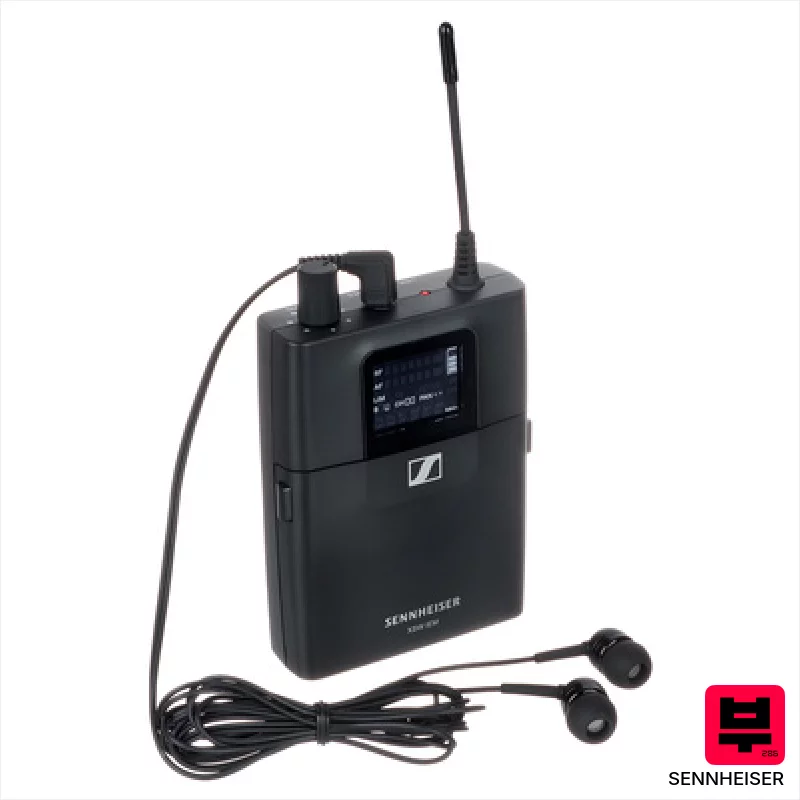
Sennheiser XSW IEM EK C-Band
- • C-band operation avoids interference common in congested 2.4 GHz wireless spaces.
- • Infrared sync simplifies channel matching, a real time-saver on stage.
- • IE 4 earbuds deliver a surprisingly balanced and detailed IEM sound signature.
- • Compact and lightweight design makes it comfortable for extended use on stage.
- • AA battery power is less convenient than rechargeable options; impacts runtime.
- • Limited channel count restricts use in very crowded wireless environments.
- • 3.5mm headphone output feels a bit dated for a modern wireless system.
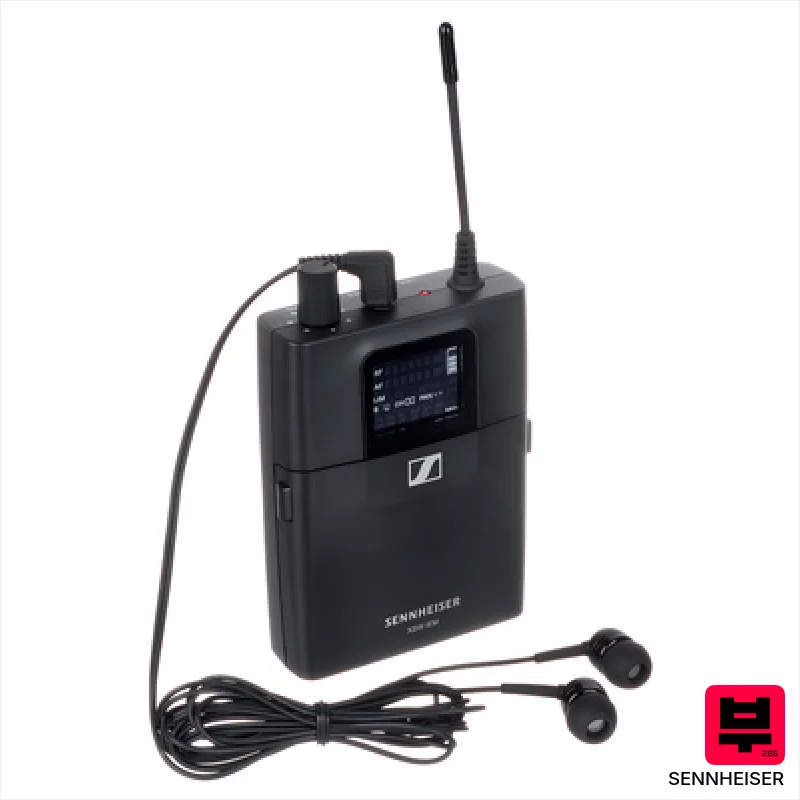
Sennheiser XSW IEM EK B-Band
- • Solid Sennheiser build quality; feels durable for stage use
- • IE 4 headphones offer a surprisingly balanced, detailed sound
- • Infrared sync simplifies frequency management on stage
- • Focus mode effectively reduces stage noise and feedback
- • B-band frequency range is limited and susceptible to interference
- • AA batteries offer less convenience than rechargeable options
- • IE 4 headphones, while good, aren't Sennheiser's top-tier IEMs

Sennheiser XSW IEM EK E-Band
- • Excellent audio clarity; Sennheiser's IEMs are renowned for their detail.
- • Infrared sync simplifies frequency coordination, a real time-saver on stage.
- • IE 4 earbuds deliver a balanced, natural sound signature, surprisingly good for included IEMs.
- • Focus Mode minimizes stage noise, crucial for vocalists and instrumentalists alike.
- • E-band operation limits availability depending on local regulations and licensing.
- • AA battery power adds bulk and potential runtime variability compared to rechargeable options.
- • Limited channel count; might be restrictive for larger bands or complex setups.

XVive U4 Wireless System Rece Bundle
- • Knowles drivers deliver a balanced, detailed, and surprisingly articulate sound signature.
- • Ergonomic design and multiple eartip sizes ensure a comfortable, secure stage presence.
- • Durable build with replaceable cables extends lifespan and reduces long-term costs.
- • The included adapters offer flexibility for connecting to various audio sources.
- • 59 Ohm impedance might require a slightly more powerful source for optimal volume.
- • The cable length (120cm) could be limiting for some performers on larger stages.
- • While versatile, these IEMs are primarily geared towards stage monitoring, less ideal for critical studio listening.
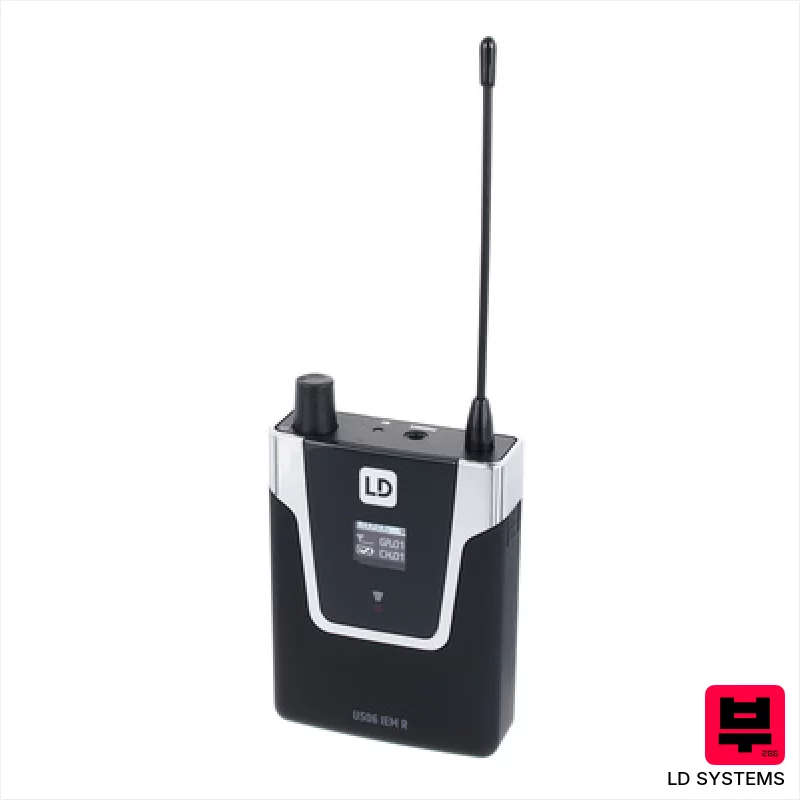
LD Systems U506 IEM R
- • Solid build quality for the price bracket, feels surprisingly robust.
- • Decent audio clarity, handles a variety of musical genres reasonably well.
- • Simple, intuitive controls – easy to adjust on the fly during a performance.
- • Compact and lightweight bodypack, comfortable for extended stage use.
- • Frequency range is somewhat limited, potential for interference in crowded RF environments.
- • Audio quality isn't high-end; noticeable limitations with complex mixes.
- • AA battery power is less convenient than rechargeable options.
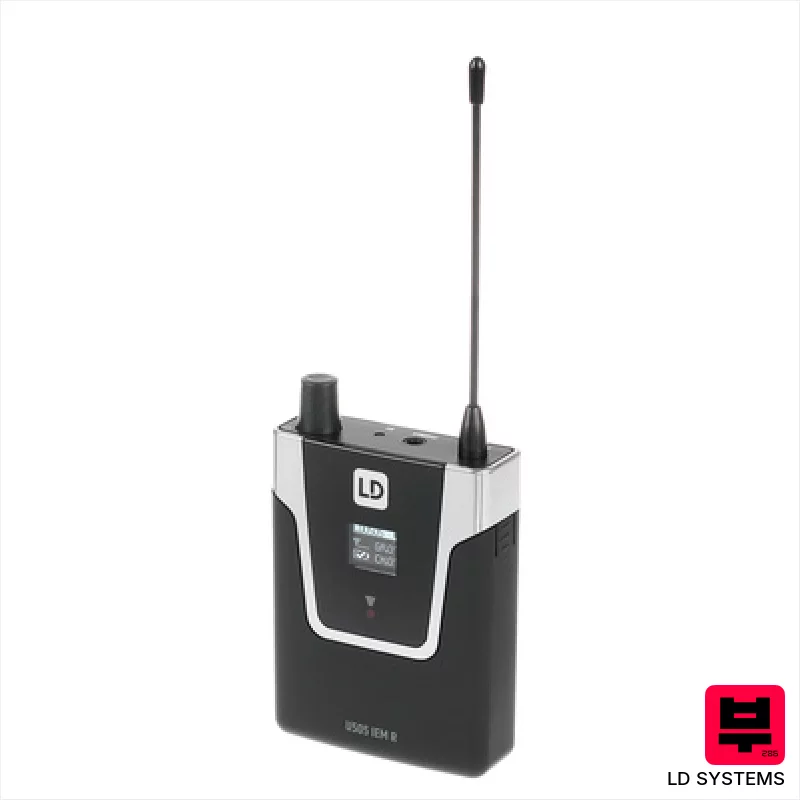
LD Systems U505 IEM R
- • Solid build quality for the price point; feels dependable in hand
- • Intuitive channel selection with dedicated up/down buttons
- • Decent audio clarity; handles a variety of music genres well
- • Compact bodypack design; comfortable for extended stage use
- • Frequency range is somewhat limited; potential for interference in crowded RF environments
- • Antenna performance could be better; range isn't exceptional
- • Lacks advanced features like diversity reception or scan functionality
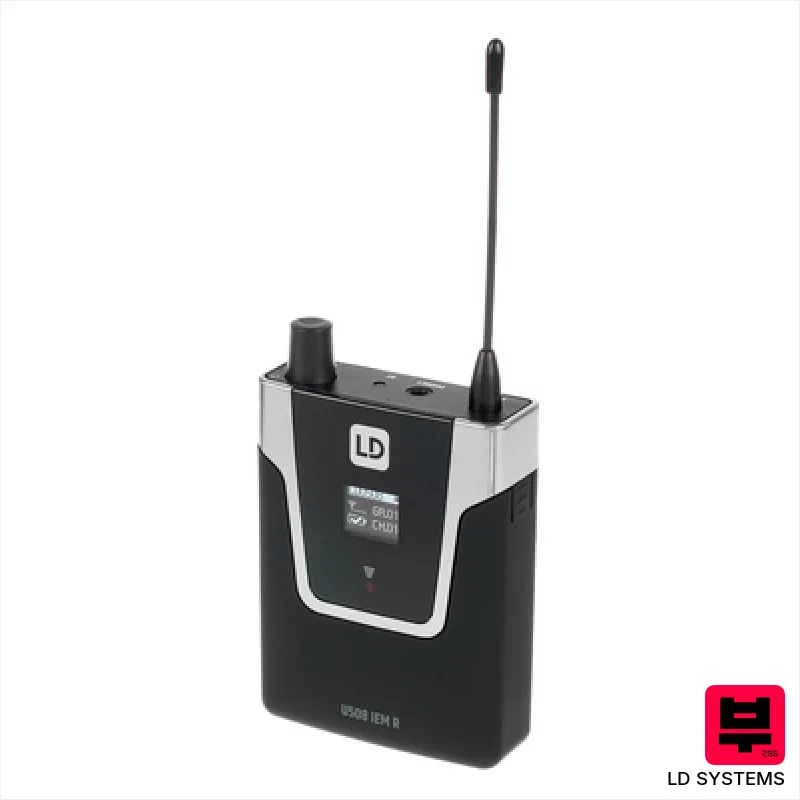
LD Systems U508 IEM R
- • Compact bodypack design eases stage movement and setup.
- • Solid build quality for a budget-friendly wireless system.
- • Clear audio reproduction with minimal perceptible latency.
- • Simple controls offer intuitive operation for quick channel changes.
- • Limited frequency range can be problematic in congested RF environments.
- • AA battery power is less convenient than rechargeable options.
- • Plastic construction, while lightweight, lacks premium feel.
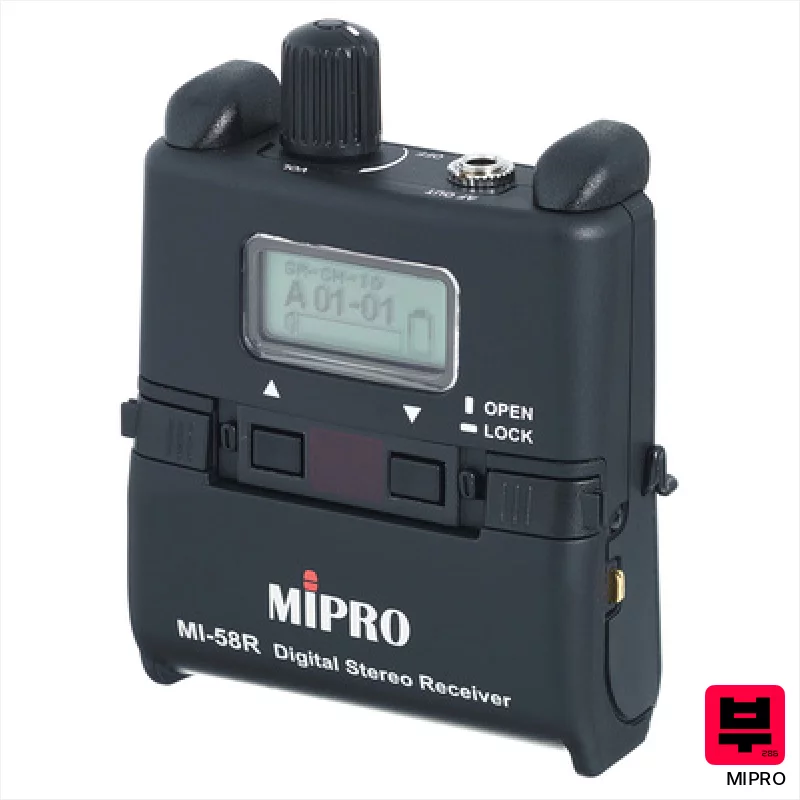
Mipro MI-58R
- • Compact and lightweight design for stage comfort.
- • Decent audio clarity for budget in-ear monitoring.
- • Included E-8S headphones are surprisingly adequate.
- • Simple operation with a clear LCD display for quick setup.
- • Plastic housing feels a bit flimsy compared to metal alternatives.
- • Limited channel options restrict use in crowded RF environments.
- • Audio output power is modest; needs a strong transmitter.
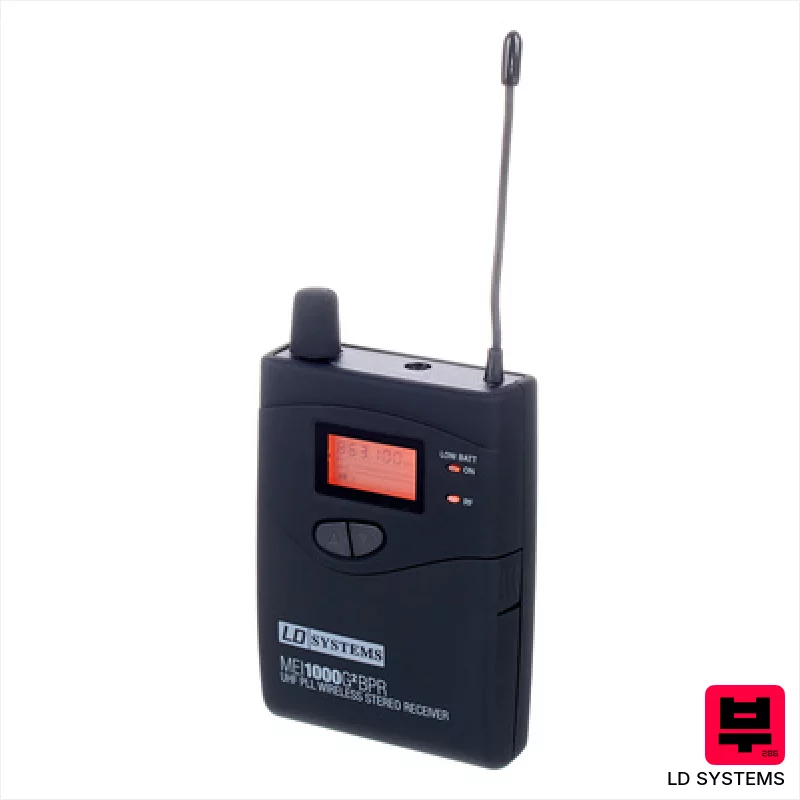
LD Systems MEI 1000 BPR G2
- • Solid UHF frequency stability minimizes interference in busy environments
- • RF and AF metering provides clear signal and audio status
- • 96 channels offer ample flexibility for larger ensembles
- • Compact bodypack design promotes comfortable stage performance
- • Plastic construction feels less robust than higher-end receivers
- • AA battery dependence can be inconvenient for extended gigs
- • Limited frequency range restricts use in certain regions with stricter regulations
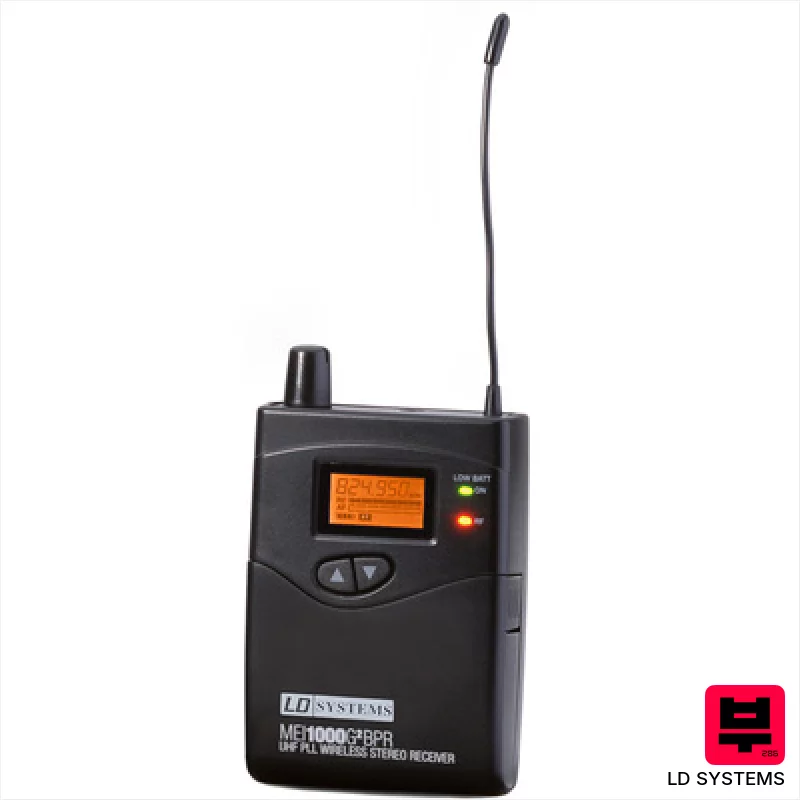
LD Systems MEI 1000 BPR G2 B5
- • Solid UHF frequency stability minimizes interference, crucial for live stages
- • 96 channels offer significant flexibility for crowded RF environments
- • Clear RF and AF indicators provide instant troubleshooting feedback
- • Compact bodypack design ensures comfortable stage performance for performers
- • AA battery operation can be inconvenient compared to rechargeable packs
- • Plastic construction feels a little less robust than higher-end receivers
- • Limited range compared to systems with more advanced antenna technology
Every wireless in-ear components that matches
27 models match this page. The 15 above are covered in detail; the rest are listed here with their published specifications.
| # | Model | Specifications | Price |
|---|---|---|---|
| 16 | LD Systems MEI 1000 BPR G2 B6 | not published | $226 |
| 17 | LD Systems MEI 100 G2 BPR | not published | $192 |
| 18 | LD Systems MEI 100 G2 BPR B5 | not published | $188 |
| 19 | the t.bone IEM D2.4 R | not published | $165 |
| 20 | LD Systems U308 IEM R | not published | $158 |
| 21 | XVive U45 In-Ear Monitor Receiver | not published | $158 |
| 22 | XVive U4 Wireless System Receiver | not published | $124 |
| 23 | the t.bone IEM 100-R - 863 Mhz | not published | $124 |
| 24 | Swiff Audio WX520R Monitor Wireless System | not published | $112 |
| 25 | Swiff Audio WX510R Monitor Wireless System | not published | $90 |
| 26 | the t.bone IEM 150 R - 640 MHz | not published | $90 |
| 27 | the t.bone IEM 75R Bodypack Receiver | not published | $85 |
Wireless In-Ear Components by the numbers
Measured across all 27 models in this category, so «wide», «short» or «expensive» mean something you can check.
How to Choose the Best Wireless In-Ear Components
Frequency Response
It's not just about 'flat' - we're listening for a balanced response that doesn't emphasize harsh highs or muddy lows. A slight boost in the upper mids can help vocals cut through, but avoid anything that sounds ice-picky. Expect some compromises at this price point; you won't get a studio-grade flat response.
Dynamic Range
Crucial for handling loud drums and screaming vocals. Limited dynamic range means you'll hear compression and clipping when things get intense - not ideal. We're looking for enough headroom to avoid that unpleasant squashed sound.
Latency
This is a deal-breaker. Even a few milliseconds of latency can throw off your timing and feel. We're testing for perceptible delays and how they affect performance, especially for rhythm players.
Range & Reliability
How far can you wander before the signal drops? We're testing range in environments with potential interference (other bands, Wi-Fi) to see how these systems hold up under pressure. Don't expect rock-solid 200-foot range - it's more like 50-75 feet realistically.
Build Quality & Comfort
Let's be real, cheap plastic feels cheap. We're looking for something that can withstand the rigors of gigging - being tossed in a case, bumped on stage. Comfort is also key; uncomfortable IEMs mean a miserable performance.
Buying Guide
At this price, you're making trade-offs. Don't expect pristine audio quality or rock-solid reliability like you'd get with a top-tier system. The biggest compromise will likely be in range and dynamic range; expect some hiss and potential dropouts if you push the limits. Prioritize low latency and comfortable IEMs - those are non-negotiable for a good playing experience. Consider buying separate transmitters and receivers to future-proof your setup.
How This List Is Built
We don't play these instruments — we're a catalog, not a review desk, and we'd rather say so than pretend otherwise. This page covers 27 wireless in-ear components from the Thomann catalogue, which is the largest single source of specification data in this category: 15 in detail, the rest listed with their specifications.
Position is computed, not curated. We parse the manufacturer's own description into actual values — nut width, scale, fret count, fingerboard radius, size, alloy — and rank on them: how many specifications a model has published, how many of them are measurable numbers, and how precisely it meets this page's criterion. A product image adds a little. Price is not a ranking signal: it tells you nothing about whether a neck fits your hand. The same inputs always produce the same order, so nothing here is shuffled to look fresh.
What this list is good for: narrowing a category down to a shortlist by spec and budget. What it isn't: a substitute for hearing an instrument. Before you buy, read hands-on reviews and, where you can, play it. Full methodology.

