
Best Wireless In-Ear Components for Professional 2026
Alright, so you're tired of wrestling cables and want to go wireless in-ear? Smart move - it's a game-changer for stage presence and clarity. But cheap wireless IEM systems? They'll ruin your mix and make you sound like you're playing through a tin can. This isn't about convenience; it's about maintaining your sonic integrity and delivering a professional performance, so let's talk about what you really need.
Last updated: September 28, 2026
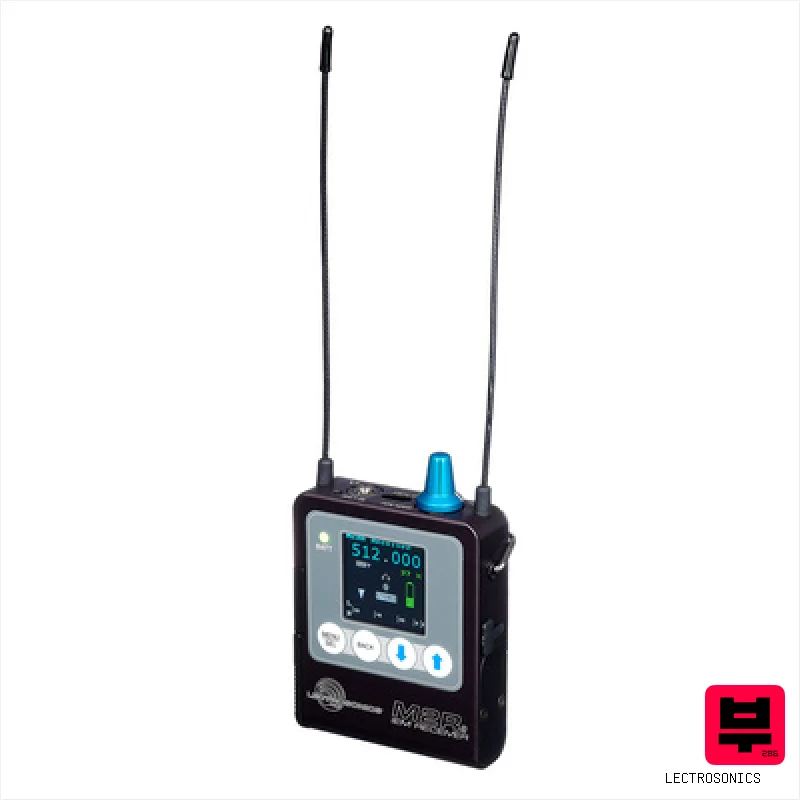
Lectrosonics M2ra
- • 24-bit digital audio delivers ultra-crisp, detailed sound
- • 1.4 ms latency ensures vocals stay perfectly in time
- • IR port lets you set up the receiver instantly
- • High-res colour LCD makes screen reading easy
- • No battery life data means you can't plan power needs
- • Heavy 159 g unit feels bulky in a tight pocket
- • Single receiver design requires multiple units for stereo
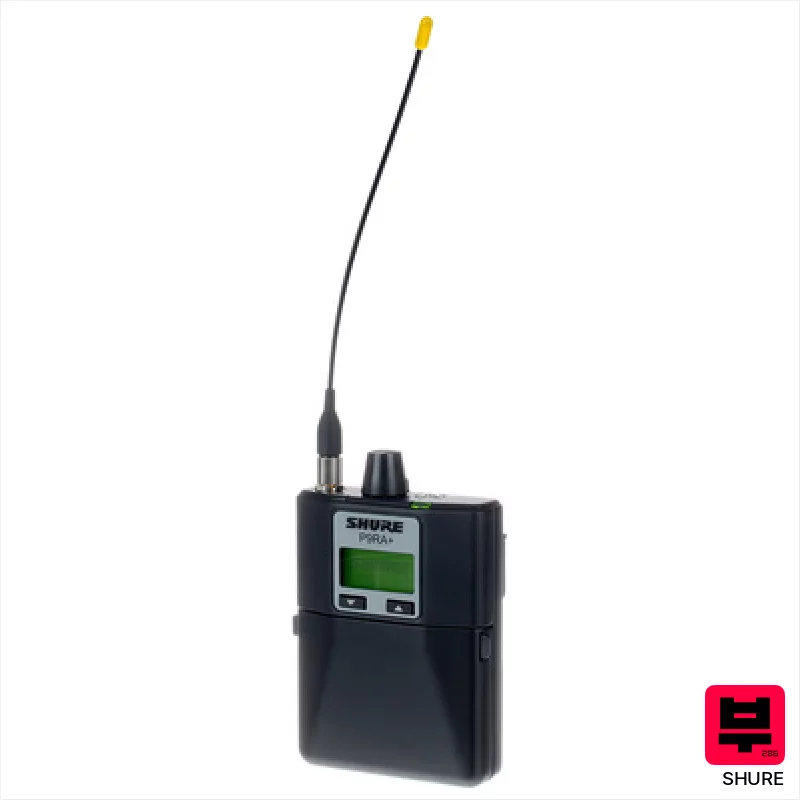
Shure P9RA+ PSM 900 K1E
- • Robust metal housing ensures reliable gigging durability.
- • Shure's Audio Reference Companding delivers exceptionally clear IEM audio.
- • CueMode provides intuitive, real-time mix adjustments onstage.
- • K1E band offers a good number of frequencies for reliable operation.
- • AA battery operation can be inconvenient for long shows; consider SB900.
- • Receiver size and weight (154g) can be fatiguing during extended use.
- • Limited frequency band compared to broader Shure PSM systems.
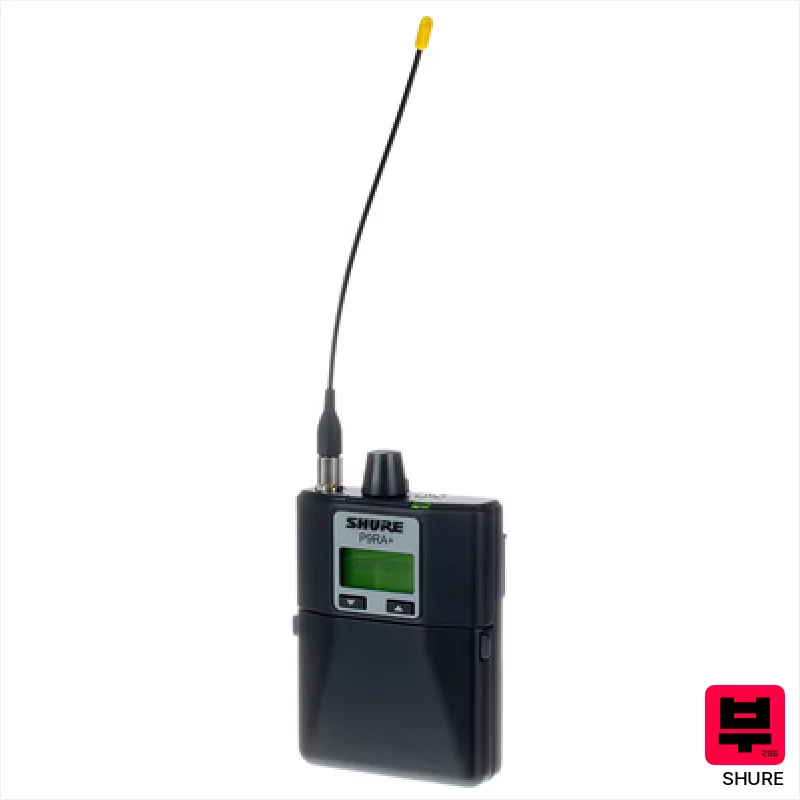
Shure P9RA+ PSM 900 G7E
- • Robust metal housing offers excellent durability for stage use
- • G7E band provides ample frequency space for multiple channels
- • Audio Reference Companding delivers noticeably clear and powerful in-ear sound
- • CueMode simplifies mix management for monitor engineers and performers
- • AA battery operation can be inconvenient compared to rechargeable options
- • The 3.5mm jack limits compatibility with some high-end IEMs
- • Size and weight (154g) can be fatiguing for extended use
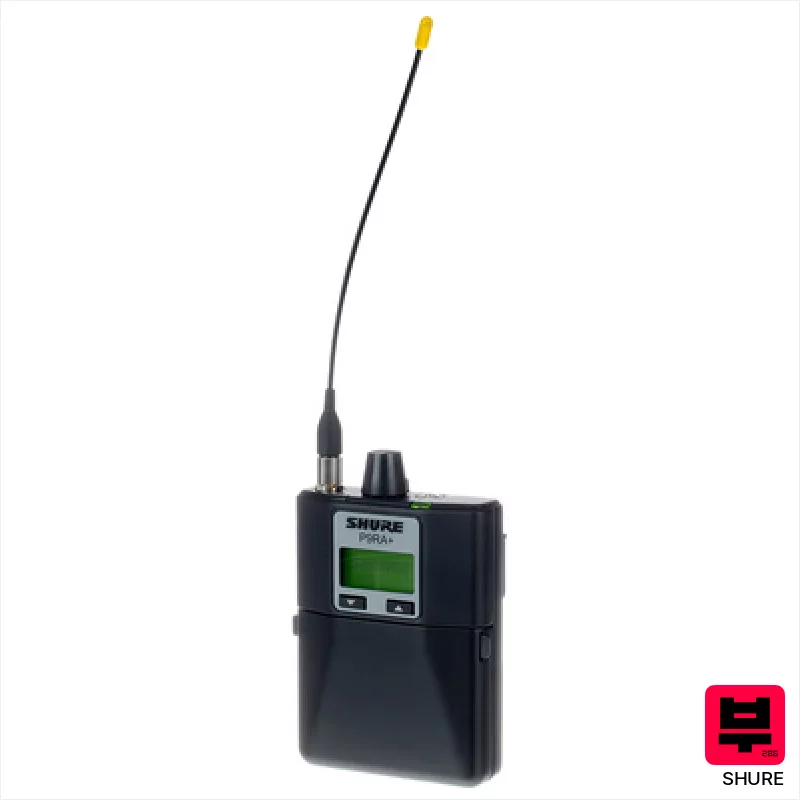
Shure P9RA+ PSM 900 G6E
- • Robust metal housing offers excellent durability on stage.
- • Shure’s Audio Reference Companding delivers exceptionally clear IEM audio.
- • CueMode provides intuitive mix control for performers and engineers.
- • G6E band offers a good number of usable frequencies for reliable operation.
- • Reliance on AA or SB900 batteries can be inconvenient for long gigs.
- • The 3.5mm jack limits compatibility with some higher-end IEMs.
- • Receiver size is a bit bulky compared to some competitors.
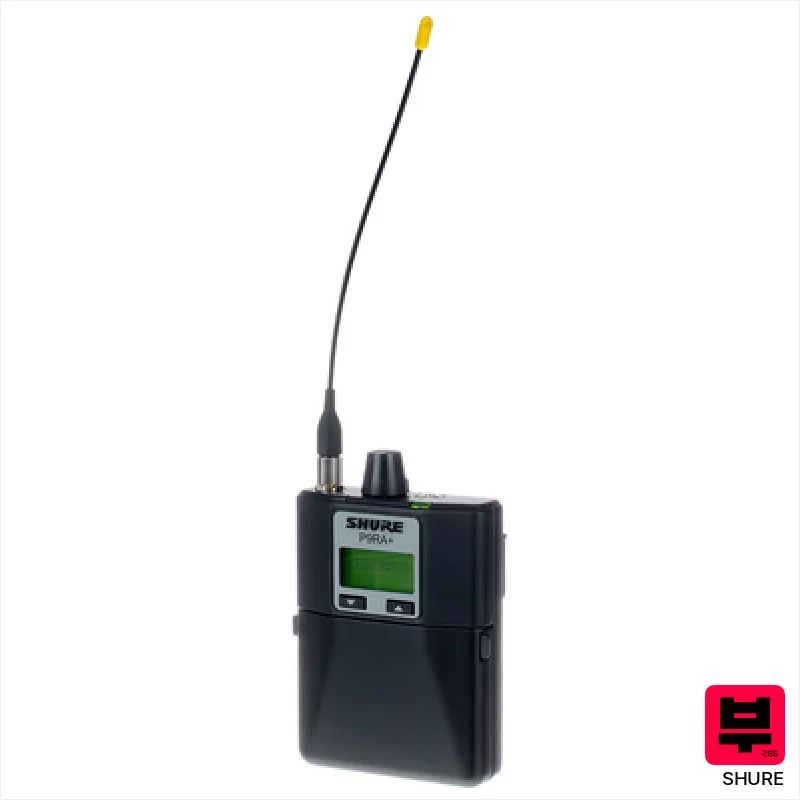
Shure P9RA+ PSM 900 L6E
- • Robust metal housing provides excellent durability on stage.
- • Shure’s Audio Reference Companding delivers remarkably clear in-ear audio.
- • CueMode simplifies monitor mix management for complex performances.
- • L6E band offers a good number of frequencies for reliable operation.
- • AA battery operation can be inconvenient for long shows; consider the SB900.
- • The 3.5mm jack limits headphone/earphone compatibility.
- • Receiver size, while solid, can feel bulky compared to smaller IEMs.
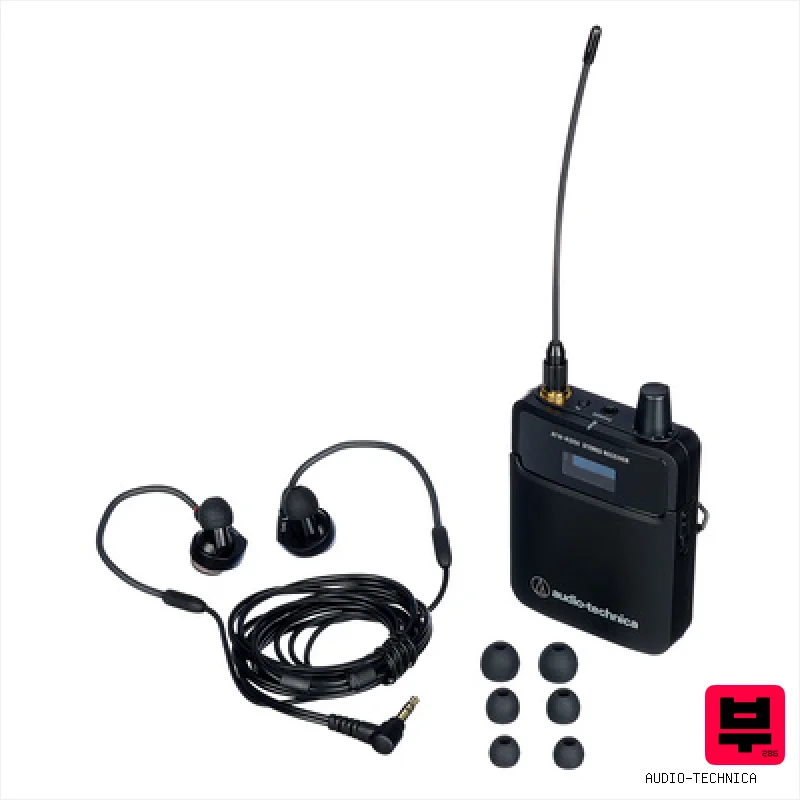
Audio-Technica ATW-R3250 DF2
- • Includes dynamic ATH-E40 headphones in the box
- • Features built-in limiter and equalizer controls
- • Supports stereo and mono mixing modes
- • Auto lock prevents accidental channel switching
- • Battery life unknown based on provided text
- • Range distance not stated in description
- • Batteries must be purchased separately

Sennheiser EK 2000 IEM GW G-Band
- • Rock-solid G-Band clarity avoids RF interference on crowded stages
- • IE 4 earphones offer a balanced, detailed, and surprisingly robust sound
- • 26 banks with 32 frequencies provide immense channel flexibility
- • Compact receiver design is comfortable for extended performance use
- • IE 4 earphones might lack bass response for bass-heavy genres
- • AA battery reliance can be inconvenient for long shows
- • G-Band licensing can be an issue in certain regions or countries

Sennheiser EK 2000 IEM AW+ A-Band
- • Rock-solid Sennheiser build quality; feels incredibly durable.
- • IE 4 earphones provide a balanced, clear, stage-ready sound.
- • Wide 75 MHz bandwidth offers excellent frequency allocation flexibility.
- • Limiter prevents audio clipping and protects your hearing on stage.
- • A-band frequency range limits operation in some regions.
- • AA battery power necessitates frequent changes during long sets.
- • Receiver size is a bit bulky compared to newer, smaller models.
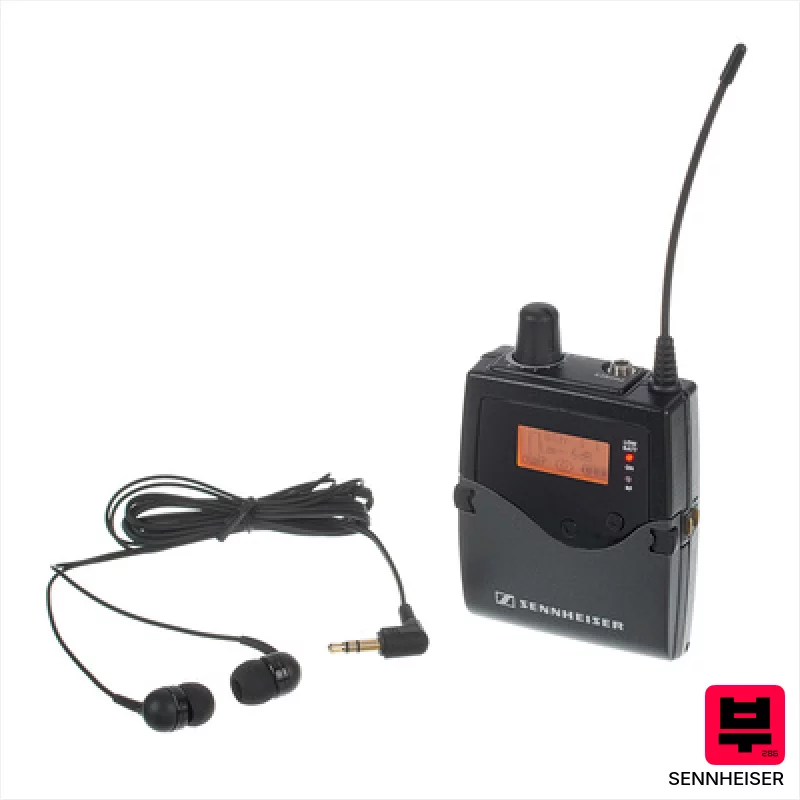
Sennheiser EK 2000 IEM BW B-Band
- • Reliable Sennheiser build quality; robust and gig-ready.
- • B-Band offers clean, interference-free wireless operation.
- • IE 4 earphones provide balanced, detailed sound reproduction.
- • 26 banks with 32 frequencies ensures frequency coordination.
- • AA battery power is less convenient than rechargeable options.
- • Limited frequency band restricts use in some regions.
- • IE 4 earphones might lack bass impact for some users.
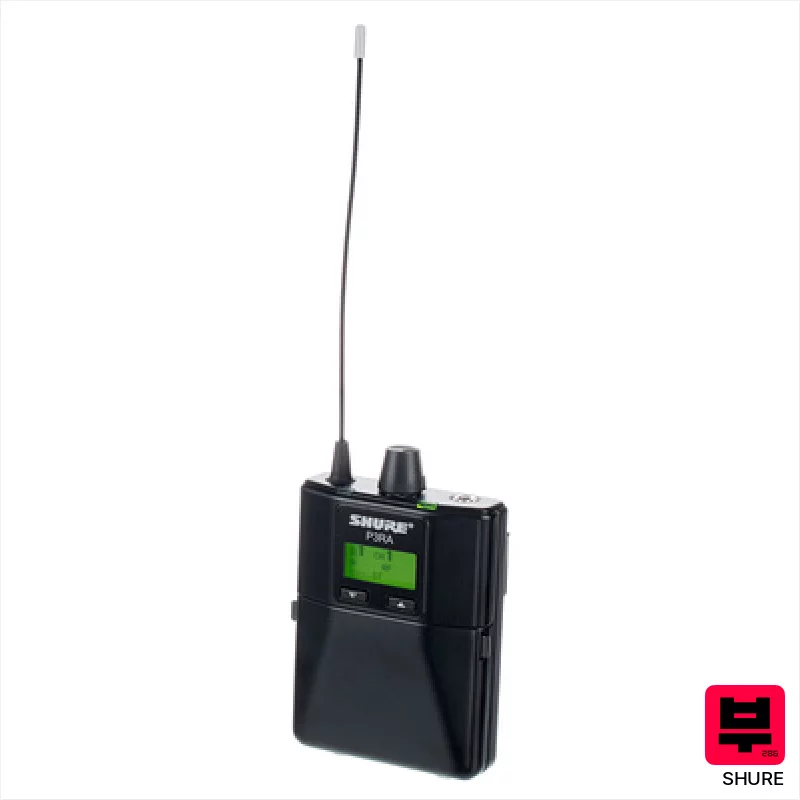
Shure P3RA PSM 300 L19
- • Robust black metal case offers excellent durability on stage.
- • Shure’s renowned RF performance ensures reliable signal reception.
- • Personal mix control simplifies individual monitoring adjustments.
- • MixMode provides flexible stereo/mono options for various scenarios.
- • 415g weight can become fatiguing during extended performances.
- • L19 band's limited channel count may require frequency coordination.
- • 3.5mm output restricts connection options; no XLR available.
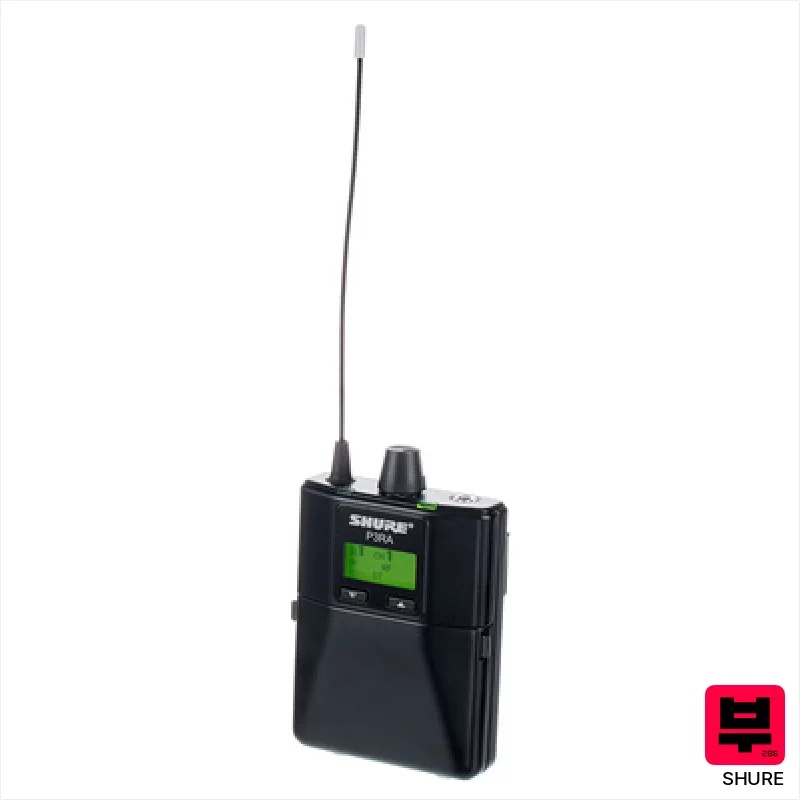
Shure P3RA PSM 300 K3E
- • Solid metal housing provides excellent durability on stage.
- • MixMode offers surprisingly granular personal mix control.
- • Wide stereo separation delivers a truly immersive listening experience.
- • SB900 battery option extends playtime for longer gigs.
- • The 415g weight can become fatiguing during long performances.
- • K3E band offers limited channel availability in congested areas.
- • 3.5mm output restricts compatibility with some professional gear.

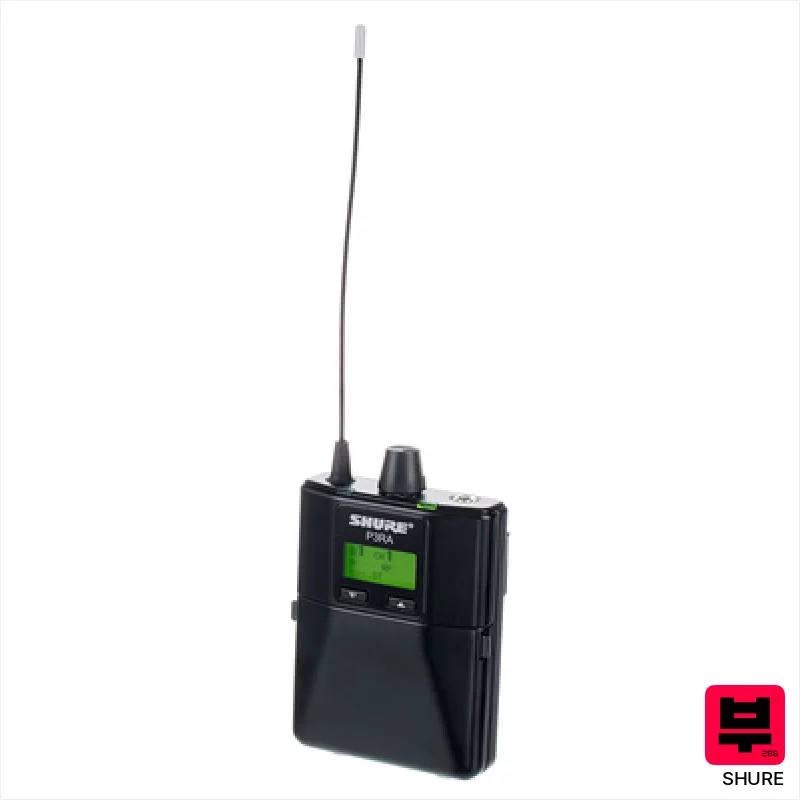
Shure P3RA PSM 300 H20
- • Robust black metal housing feels exceptionally durable on stage
- • MixMode offers real creative flexibility for personalized IEM mixes
- • Wide stereo separation delivers a surprisingly immersive listening experience
- • Excellent Shure audio quality – clear, balanced, and reliable
- • 415g weight makes extended use a bit fatiguing for some performers
- • H20 band can be crowded depending on local RF conditions
- • AA battery reliance isn't as convenient as rechargeable options
Shure P3RA PSM 300 T11
- • Robust black metal housing provides excellent durability on stage.
- • T11 band offers relatively clean spectrum within the UHF range.
- • Personal mix control allows for tailored monitoring experience.
- • MixMode function enhances flexibility for complex stage setups.
- • 415g weight makes extended use potentially fatiguing for some users.
- • AA battery power is less convenient than rechargeable alternatives.
- • Limited channel count compared to higher-end PSM systems.
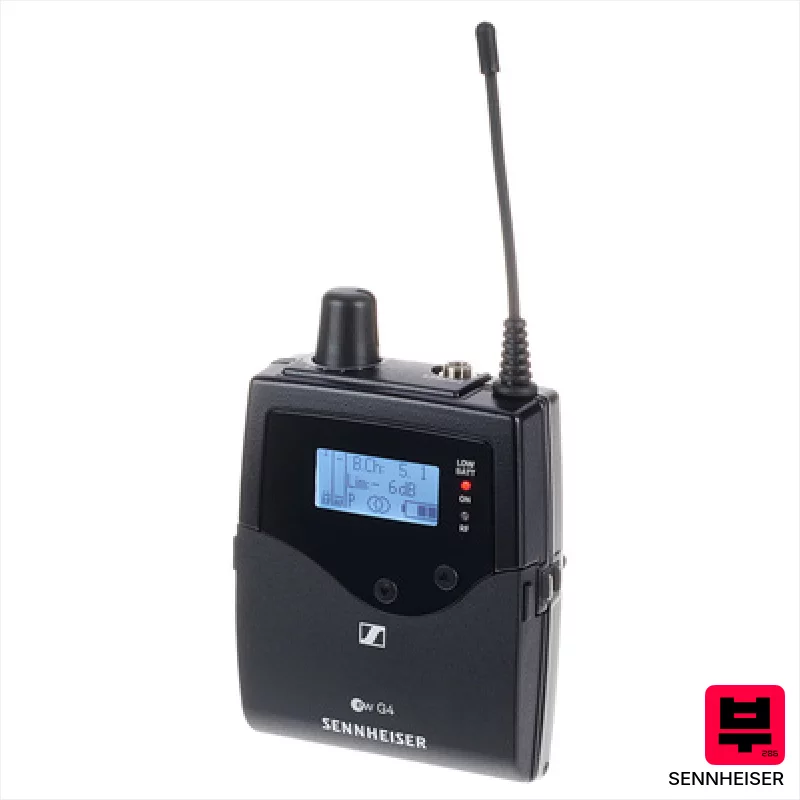
Sennheiser EK IEM G4 G-Band
- • Solid Sennheiser build quality; feels robust and reliable onstage
- • Clear RF/AF level display simplifies channel and signal management
- • IE4 earphones offer a decent, balanced sound for IEMs
- • Pilot tone simplifies syncing with the transmitter, quick and easy
- • G-band frequency limitations restrict channel availability in some regions
- • Requires separate battery purchase, adding to the overall cost
- • IE4 earphones are entry-level; serious IEM users will want an upgrade
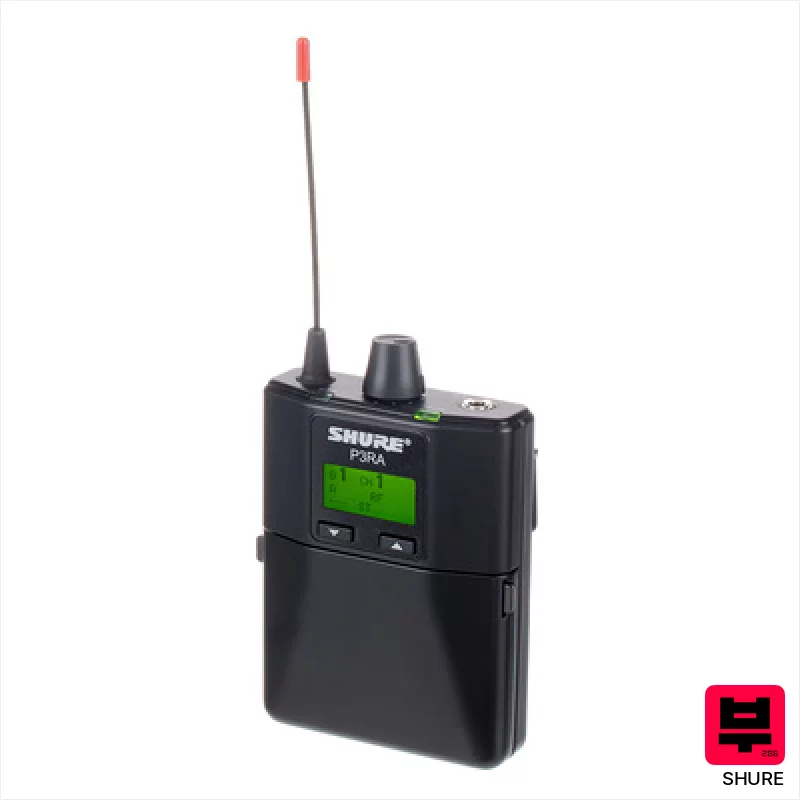
Shure P3RA PSM 300 S8
- • Robust black metal housing inspires confidence on stage.
- • MixMode offers genuinely useful personalized volume control.
- • Exceptionally wide stereo separation creates a spacious, immersive soundscape.
- • SB900 battery option extends playtime significantly for demanding gigs.
- • 415g weight can become fatiguing during longer performances.
- • S8 band offers limited channel availability in congested RF environments.
- • 3.5mm output limits compatibility with some professional audio setups.
Every wireless in-ear components that matches
47 models match this page. The 15 above are covered in detail; the rest are listed here with their published specifications.
Wireless In-Ear Components by the numbers
Measured across all 47 models in this category, so «wide», «short» or «expensive» mean something you can check.
How to Choose the Best Wireless In-Ear Components
Frequency Response & Dynamic Range
Forget 'flat' - you need a system that accurately reproduces the nuances of your instrument and vocal. A constricted frequency range will make your low-end sound muddy and your highs brittle, killing articulation. Dynamic range is crucial; you need headroom to handle those peaks without compression artifacts.
Latency
This is the dealbreaker. Even a few milliseconds of latency will throw off your timing and make playing with other musicians a nightmare. Anything over 5ms is noticeable and unacceptable for professional work. It's not just about playing in time, but feeling it.
RF Stability & Channel Count
Stage environments are RF hell. You need a system with robust RF management, multiple channels (at least 8, ideally 12+), and the ability to scan for clear frequencies. Dropped signal during a critical vocal passage? That's a career killer.
Audio Quality (DAC & Wireless Codec)
A clean, transparent DAC is essential. Don't settle for a system that introduces hiss or muddies the signal. The wireless codec (like aptX, aptX HD, or LDAC) matters too - higher bitrates mean better fidelity. A cheap system will have a noticeable digital edge.
Build Quality & Ergonomics
Gigs are brutal. The transmitter needs to be durable, the bodypack comfortable for performers, and the controls intuitive. Flimsy construction screams 'corner-cutting' and can lead to gear failure at the worst possible moment.
Buying Guide
Don't chase the lowest price. Wireless IEM systems are an investment. You're paying for reliability, low latency, and high fidelity. Be wary of systems promising 'studio quality' audio at a budget price - they almost always cut corners somewhere, usually on the DAC or RF stability. Factor in the cost of replacement batteries - those things drain fast, especially with extended gigging.
How This List Is Built
We don't play these instruments — we're a catalog, not a review desk, and we'd rather say so than pretend otherwise. This page covers 47 wireless in-ear components from the Thomann catalogue, which is the largest single source of specification data in this category: 15 in detail, the rest listed with their specifications.
Position is computed, not curated. We parse the manufacturer's own description into actual values — nut width, scale, fret count, fingerboard radius, size, alloy — and rank on them: how many specifications a model has published, how many of them are measurable numbers, and how precisely it meets this page's criterion. A product image adds a little. Price is not a ranking signal: it tells you nothing about whether a neck fits your hand. The same inputs always produce the same order, so nothing here is shuffled to look fresh.
What this list is good for: narrowing a category down to a shortlist by spec and budget. What it isn't: a substitute for hearing an instrument. Before you buy, read hands-on reviews and, where you can, play it. Full methodology.

