
Best Wireless In-Ear Components Under $200 2026
Alright, so you need in-ear monitoring but your budget's tighter than a snare drum head? I get it. For years, wireless IEMs were a luxury, but some decent options have trickled down. We're focusing on systems under $200 - expect compromises, but also surprising bang-for-your-buck if you know what to look for. Let's cut through the marketing and find something that'll let you hear yourself without blowing your gig money.
Last updated: September 29, 2026
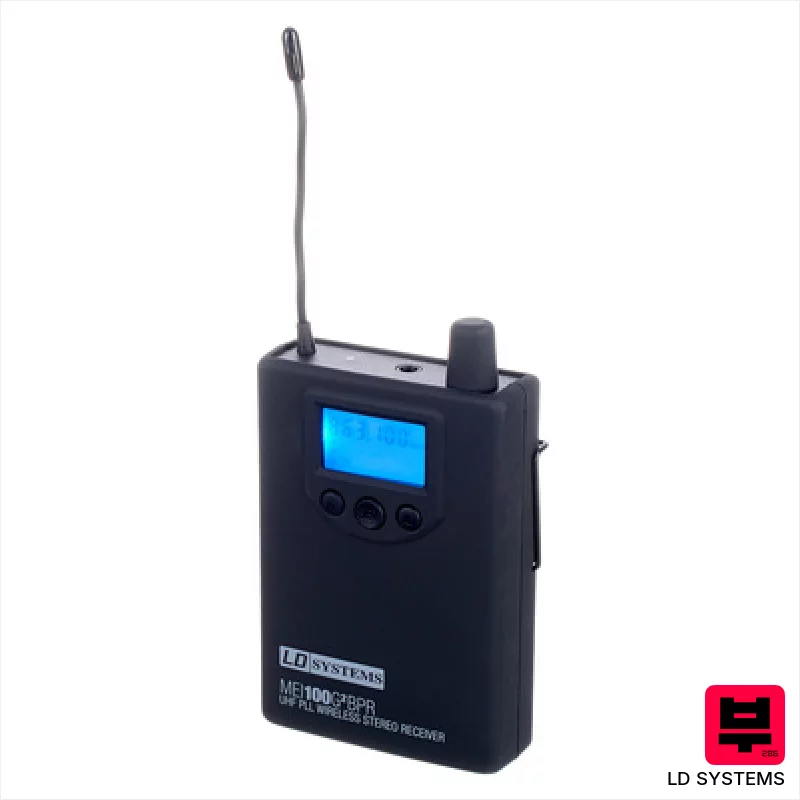
LD Systems MEI 100 G2 BPR
- • Reliable UHF frequencies minimize interference in busy environments
- • Integrated limiter prevents clipping, protecting your ears and IEMs
- • Compact receiver body makes it stage-friendly and portable
- • Headphone output offers monitoring flexibility beyond IEM use
- • AA battery operation isn't as convenient as rechargeable options
- • Limited frequency band compared to more premium wireless systems
- • Build quality feels adequate, but not exceptionally robust for heavy touring
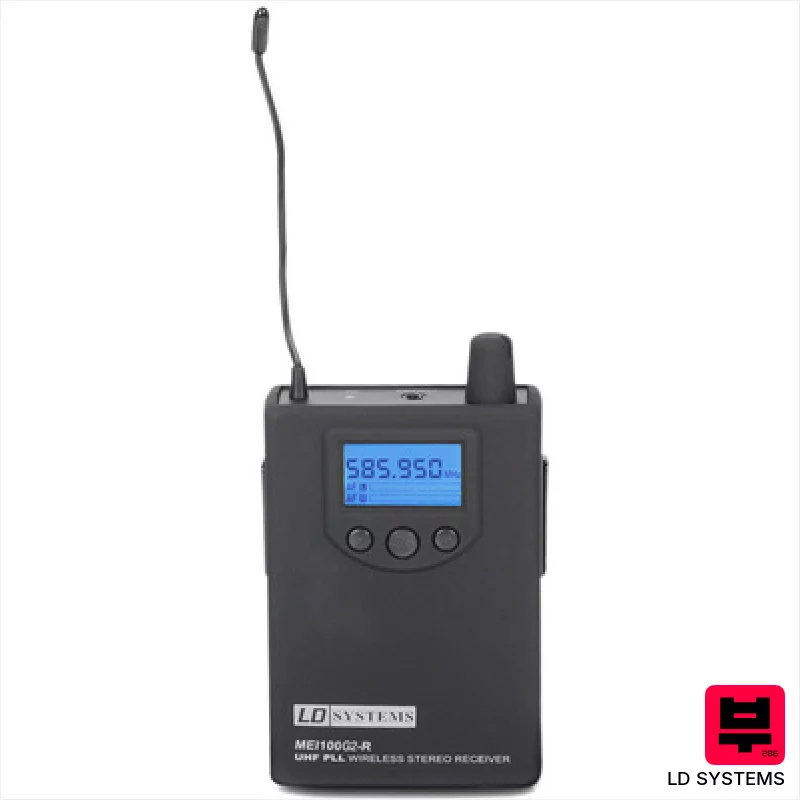
LD Systems MEI 100 G2 BPR B5
- • Excellent frequency diversity minimizes dropouts in crowded RF environments
- • Integrated limiter protects IEMs and ears from sudden volume spikes
- • Compact receiver design is gig-friendly and easy to pack
- • 96 selectable frequencies offer flexibility in various performance scenarios
- • Battery operation limits runtime compared to AC power options
- • Limited range compared to higher-end, multi-zone IEM systems
- • Plastic construction feels less robust than metal-bodied receivers
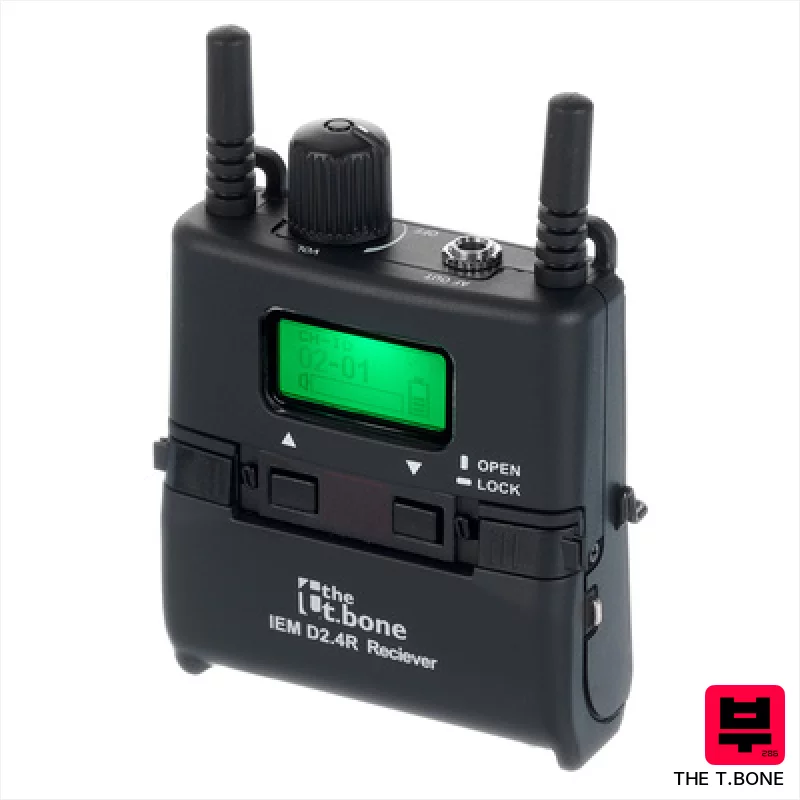
the t.bone IEM D2.4 R
- • True diversity reception minimizes dropouts in crowded RF environments
- • Integrated limiter prevents unexpected volume spikes, protecting your ears
- • Compact size and lightweight design (98g) offer comfortable stage wear
- • Solid build quality for a budget-friendly wireless IEM system
- • Battery life, while adequate, requires mindful management during longer gigs
- • 2.4GHz band can be susceptible to interference from other devices
- • Limited channel count compared to higher-end professional systems
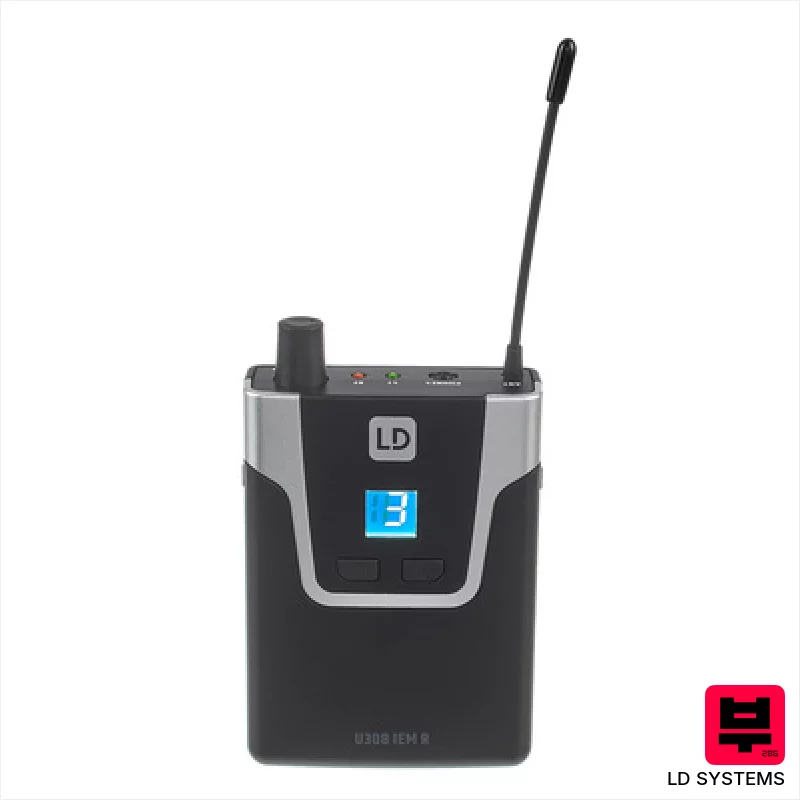
LD Systems U308 IEM R
- • Compact bodypack design offers comfortable stage mobility
- • Simple controls provide intuitive operation for quick channel changes
- • Decent audio clarity for spoken word and basic instrument monitoring
- • Reliable frequency hopping minimizes interference in crowded RF environments
- • Sound quality lacks the richness for critical music monitoring applications
- • AA battery power is less convenient than rechargeable options
- • Limited frequency range restricts channel availability in some regions
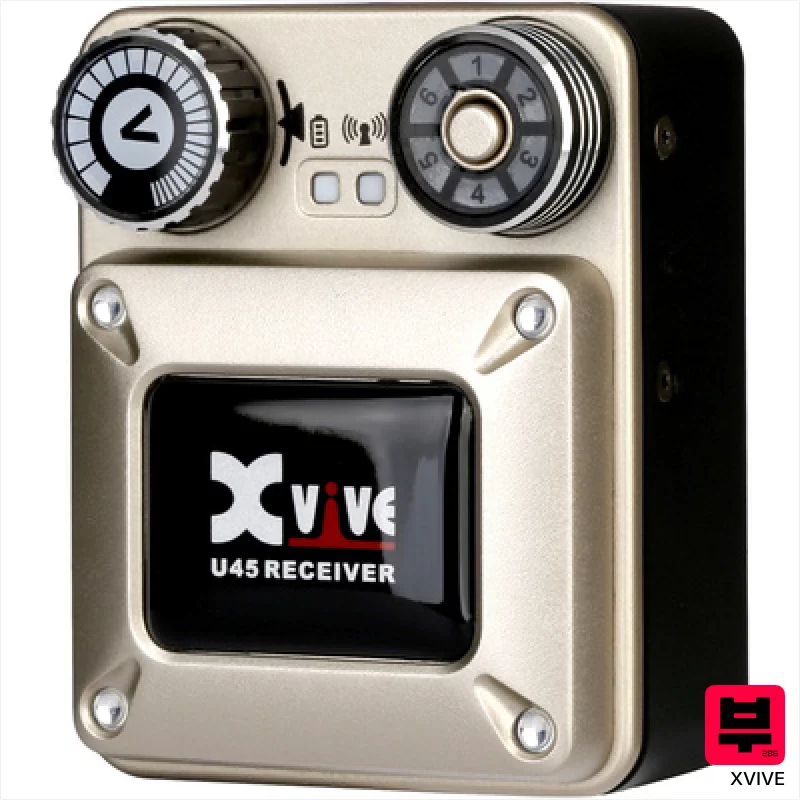
XVive U45 In-Ear Monitor Receiver
- • Robust ABS/metal housing offers excellent protection against stage bumps and drops.
- • USB-C charging provides fast, modern charging and is widely compatible.
- • Integrated battery eliminates external power requirements for greater portability.
- • 6 switchable channels offer flexibility to avoid interference in crowded RF environments.
- • 5.8GHz band can be susceptible to interference in densely populated areas.
- • Limited frequency range might slightly impact high-end clarity for critical listening.
- • ABS plastic, while durable, may feel less premium compared to all-metal receivers.

XVive U4 Wireless System Receiver
- • Robust ABS/metal housing offers reliable gig-ready durability
- • Integrated battery simplifies setup and eliminates external power needs
- • 6 switchable channels provide flexibility in crowded RF environments
- • 2.4 GHz band offers broad global compatibility and less interference
- • Limited channel count compared to higher-end systems
- • ABS plastic housing, while durable, lacks the premium feel of all-metal options
- • Battery life, while decent, may require mid-set charging for longer performances
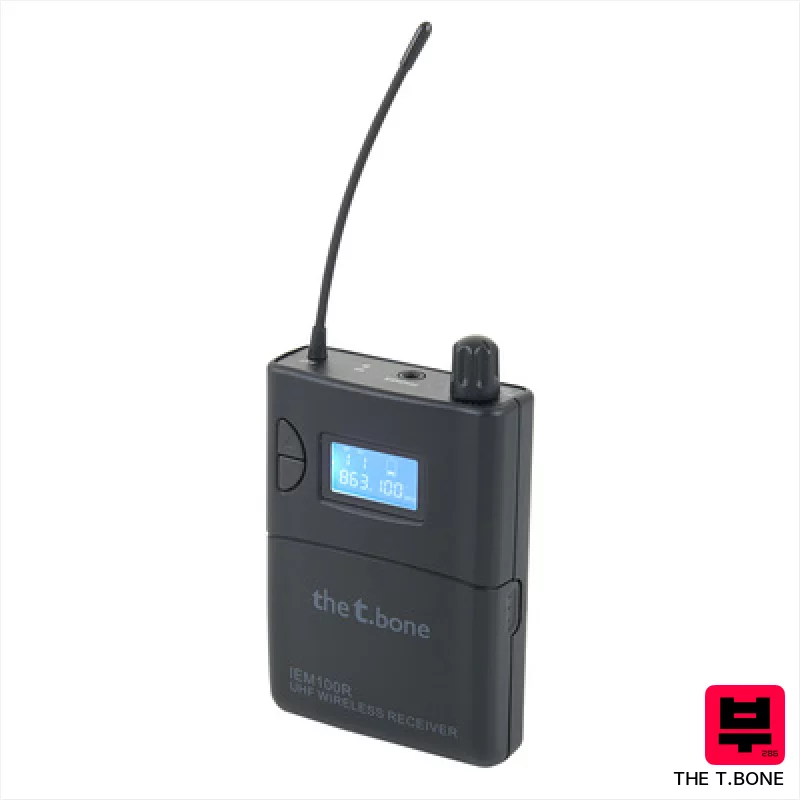
the t.bone IEM 100-R - 863 Mhz
- • Clean, clear audio reception; minimizes stage feedback issues.
- • Included t.bone EP 3 earphones offer surprisingly decent clarity.
- • Simple frequency switching is straightforward for quick setup.
- • Lightweight bodypack design enhances comfort during extended use.
- • 863 MHz band can be congested in areas with high RF interference.
- • Battery life is average; expect around 6-8 hours with AA cells.
- • Plastic construction feels budget-friendly, not particularly robust.
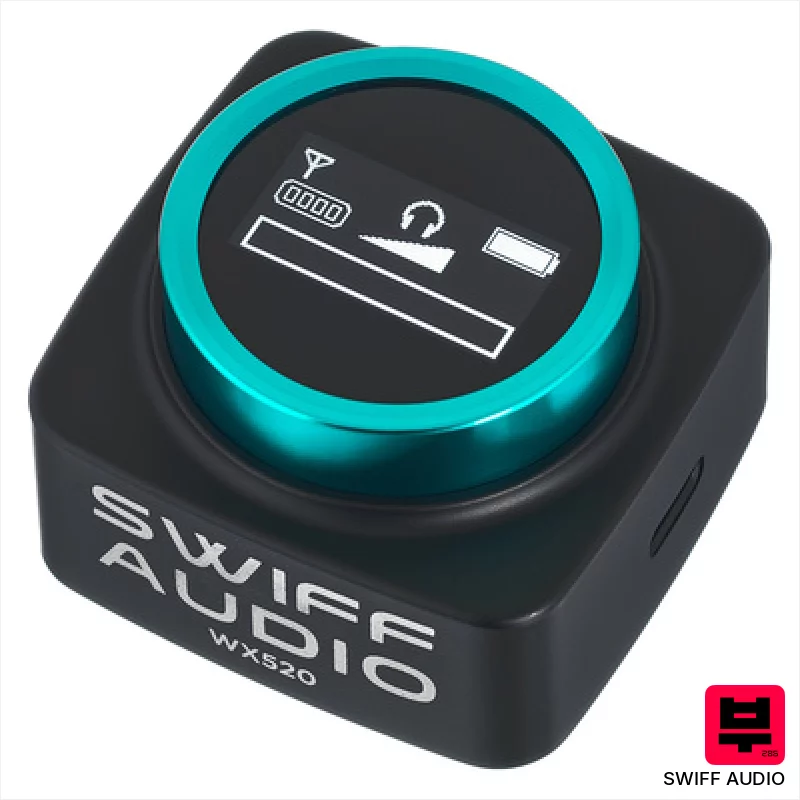
Swiff Audio WX520R Monitor Wireless System
- • Compact body pack offers excellent portability for stage or rehearsal.
- • 8400mAh battery delivers genuinely impressive, long-lasting power.
- • 5.8GHz ISM band ensures broad global compatibility without licensing issues.
- • Dynamic range of 102dB provides clean audio even in louder environments.
- • Plastic construction feels somewhat budget-oriented; lacks premium durability.
- • 30m range is likely optimistic; expect reduced performance with interference.
- • Limited channel options may require careful frequency coordination in crowded RF spaces.
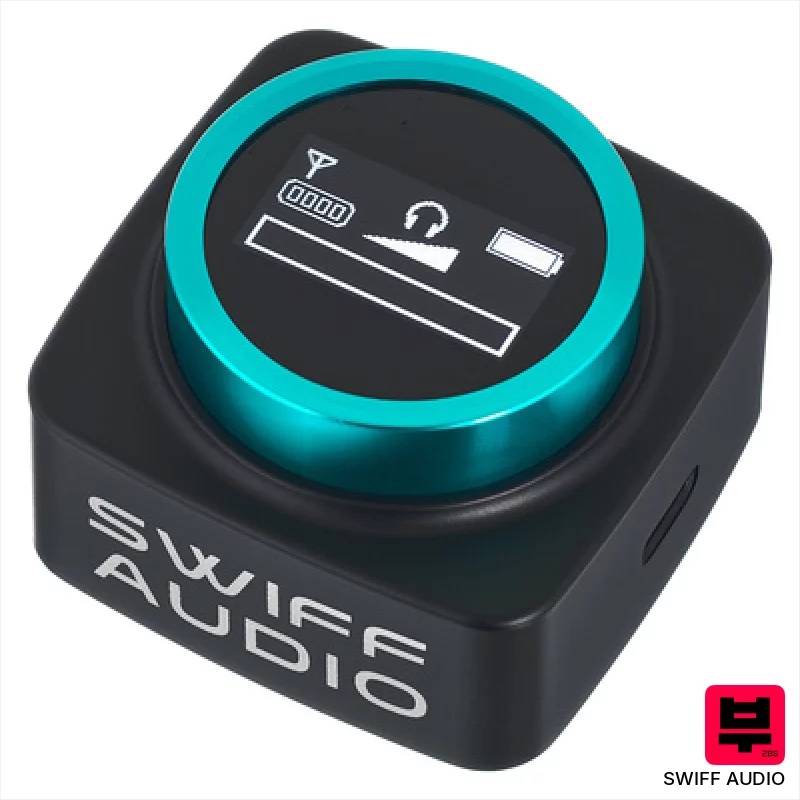
Swiff Audio WX510R Monitor Wireless System
- • Compact body pack offers excellent portability and discreet stage presence.
- • 8400mAh transmitter battery provides extended use for rehearsals and gigs.
- • 5.8GHz ISM band ensures broad compatibility across different regions.
- • Integrated rechargeable battery eliminates the need for constant replacements.
- • The 30m range is optimistic; expect significantly less with interference.
- • Receiver's 550mAh battery life is short, limiting use without frequent charging.
- • Dynamic range of 102dB suggests potential for noise floor issues in loud environments.

the t.bone IEM 150 R - 640 MHz
- • Surprisingly clear audio for the price point, considering the budget
- • Plastic build feels noticeably cheap, prone to scuffs

the t.bone IEM 75R Bodypack Receiver
- • Surprisingly clear audio for the price point, decent dynamic range
- • Lightweight and comfortable for extended stage use
- • Included EP3 earphones are surprisingly adequate for basic monitoring
- • Simple, straightforward operation – easy for beginners to grasp
- • Limited frequency band restricts channel availability in crowded RF environments
- • AA battery reliance is less convenient than rechargeable options
- • Build quality feels plasticky; not built to withstand heavy abuse
Wireless In-Ear Components by the numbers
Measured across all 11 models in this category, so «wide», «short» or «expensive» mean something you can check.
How to Choose the Best Wireless In-Ear Components
Range
Expect a usable range of around 50-75 feet realistically. Walls and interference will kill it. Don't expect line-of-sight performance in a crowded venue - that's a feature of the pricier stuff.
Latency
This is critical. Even a few milliseconds of delay can wreck your timing and feel. We're looking for systems with minimal noticeable lag, especially for drums and rhythm sections.
Audio Quality
Don't expect pristine, studio-grade sound. These are budget systems. We're assessing for clarity, frequency response (does the low-end thump or sound thin?), and overall tonal balance - is it muddy, harsh, or surprisingly balanced?
Build Quality & Durability
Gigs are rough. We're checking how well these systems hold up to being tossed in a gig bag and general abuse. Plastic construction is common, but we're looking for decent hinges and sturdy components.
Channel Hopping & Interference
Wireless signals are a battlefield. A good system will have a decent channel-hopping function to avoid interference from Wi-Fi routers, other IEMs, or dodgy venue equipment.
Buying Guide
At this price point, you're making trade-offs. Expect plastic construction, potentially limited frequency response (the highs might be a bit brittle, the lows not as impactful), and less robust range. Don't expect to cut through a loud mix with these - they're primarily for hearing yourself. Prioritize low latency above all else; a slightly muddy sound is better than feeling completely off.
How This List Is Built
We don't play these instruments — we're a catalog, not a review desk, and we'd rather say so than pretend otherwise. This page covers 11 wireless in-ear components from the Thomann catalogue, which is the largest single source of specification data in this category: 11 in detail, the rest listed with their specifications.
Position is computed, not curated. We parse the manufacturer's own description into actual values — nut width, scale, fret count, fingerboard radius, size, alloy — and rank on them: how many specifications a model has published, how many of them are measurable numbers, and how precisely it meets this page's criterion. A product image adds a little. Price is not a ranking signal: it tells you nothing about whether a neck fits your hand. The same inputs always produce the same order, so nothing here is shuffled to look fresh.
What this list is good for: narrowing a category down to a shortlist by spec and budget. What it isn't: a substitute for hearing an instrument. Before you buy, read hands-on reviews and, where you can, play it. Full methodology.

