
Best Wireless In-Ear Components for Intermediate 2026
Alright, so you're past the stage of awkwardly tangled IEM cables and relying on a monitor wedge that's either swallowing you whole or leaving you deaf in one ear. Wireless IEMs are the next logical step, but jumping straight to the top-tier systems can be overwhelming and expensive. This guide is for the intermediate player - the gigging musician who wants a reliable, feature-rich wireless IEM system without needing a PhD in RF engineering.
Last updated: September 29, 2026
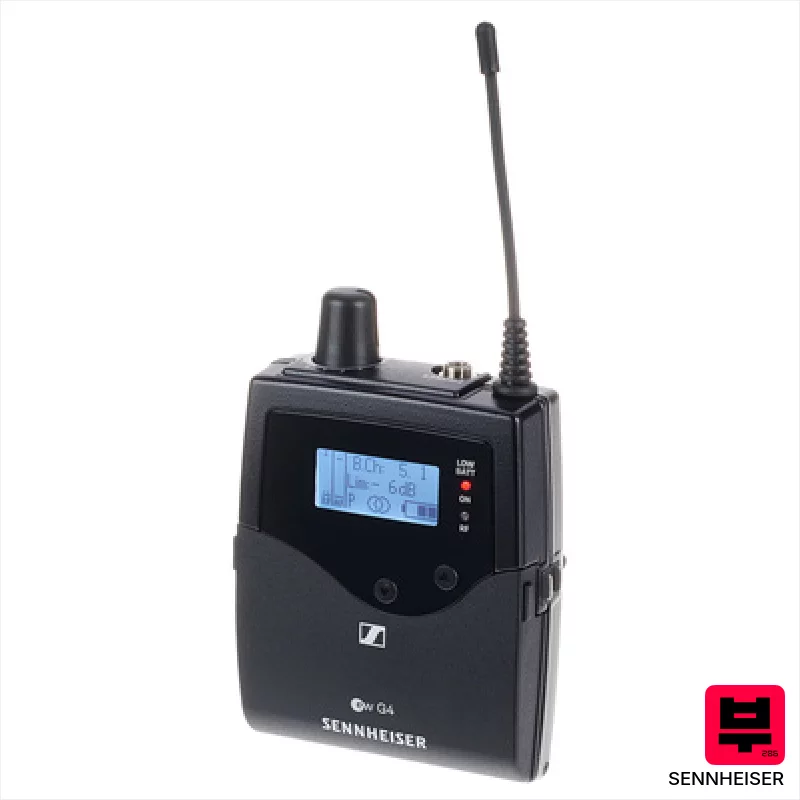
Sennheiser EK IEM G4 B-Band
- • Solid Sennheiser build quality; feels robust for stage use
- • IE4 earphones offer surprisingly clear and balanced sound
- • Pilot tone simplifies channel syncing, a real time-saver
- • Adjustable limiter protects hearing and prevents feedback
- • B-band frequency allocation can be restrictive in some regions
- • Requires separate battery purchase, adding to the overall cost
- • IE4 earphones are basic; audiophiles might want an upgrade
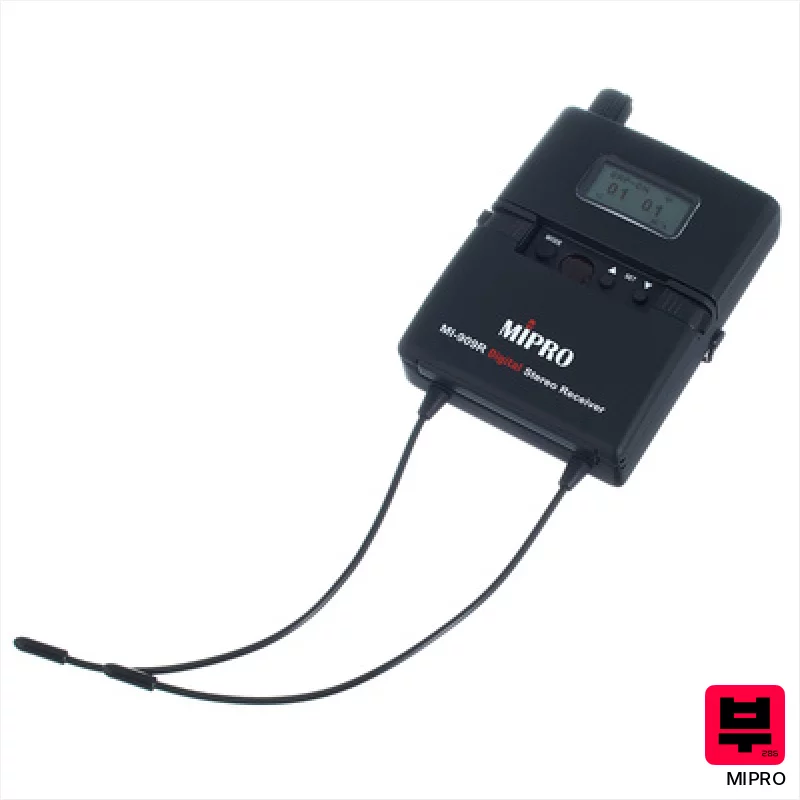
Mipro MI-909R 5E
- • Magnesium housing provides excellent durability for stage use.
- • Digital diversity significantly reduces dropouts in challenging RF environments.
- • Compact size and lightweight design ensure comfortable stage wear.
- • Automatic frequency synchronization simplifies setup and operation.
- • Limited frequency band restricts channel availability in congested areas.
- • 3.5mm headphone output lacks the versatility of a larger connector.
- • AA battery reliance can be inconvenient compared to rechargeable options.
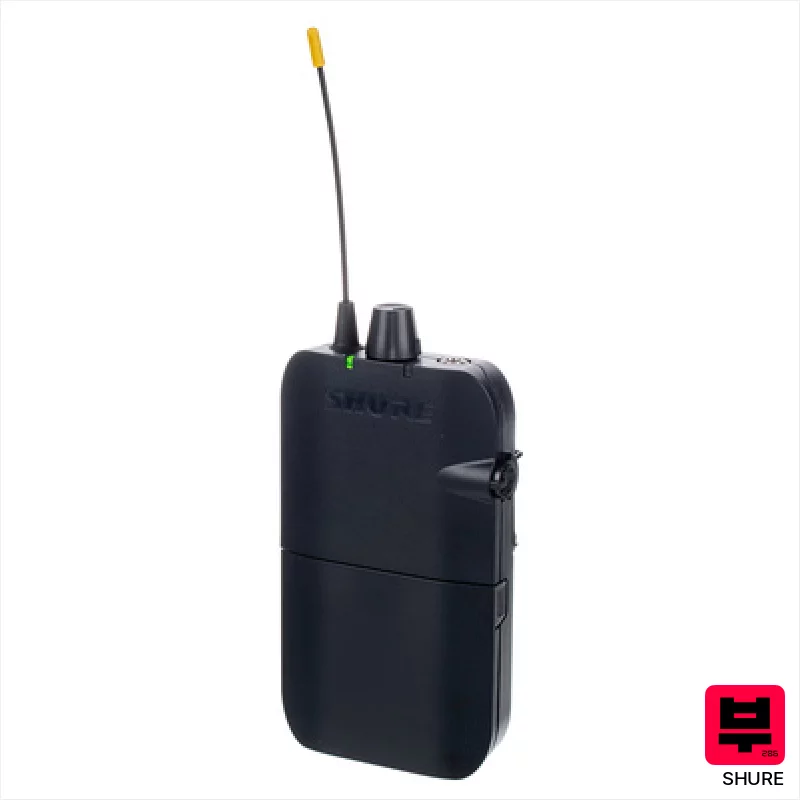
Shure P3R PSM 300 T11
- • Robust plastic housing feels surprisingly durable for the price.
- • MixMode offers excellent flexibility for stage adjustments.
- • Clear, wide stereo separation enhances the listening experience.
- • Personal mix control allows for tailored monitoring levels.
- • 318g weight can become fatiguing during extended performances.
- • AA battery power isn't as convenient as rechargeable options.
- • Limited frequency band necessitates careful coordination in crowded RF environments.
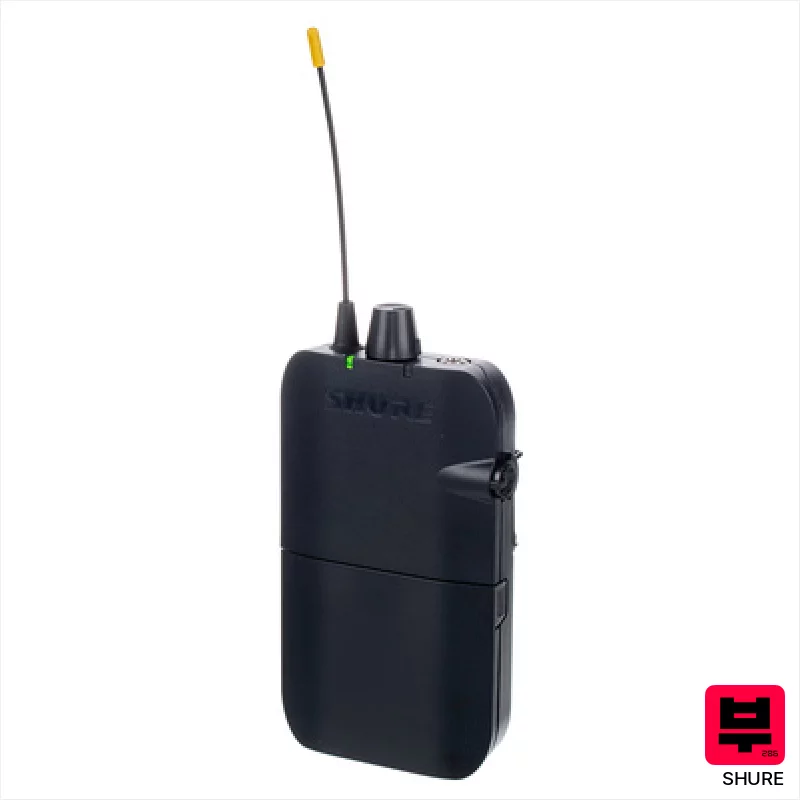
Shure P3R PSM 300 K3E
- • Solid Shure build quality; feels durable and reliable
- • Excellent stereo separation for a wide, immersive sound
- • MixMode offers flexible personal monitoring control
- • Good RF performance, minimizing dropouts in typical stage environments
- • Plastic housing feels a bit budget-oriented compared to higher-end models
- • AA battery power is less convenient than rechargeable options
- • Limited frequency band options restrict channel availability in congested areas

Shure P3R PSM 300 S8
- • Solid Shure build quality; feels robust despite the plastic housing
- • Personal mix control offers excellent user tailoring of the IEM signal
- • MixMode expands tonal possibilities beyond a standard stereo signal
- • Wide stereo separation provides a clear and spacious soundstage for monitoring
- • The plastic housing, while durable, lacks the premium feel of metal alternatives
- • Reliance on AA batteries can be inconvenient for long gigs or travel
- • S8 frequency band may face interference in congested RF environments
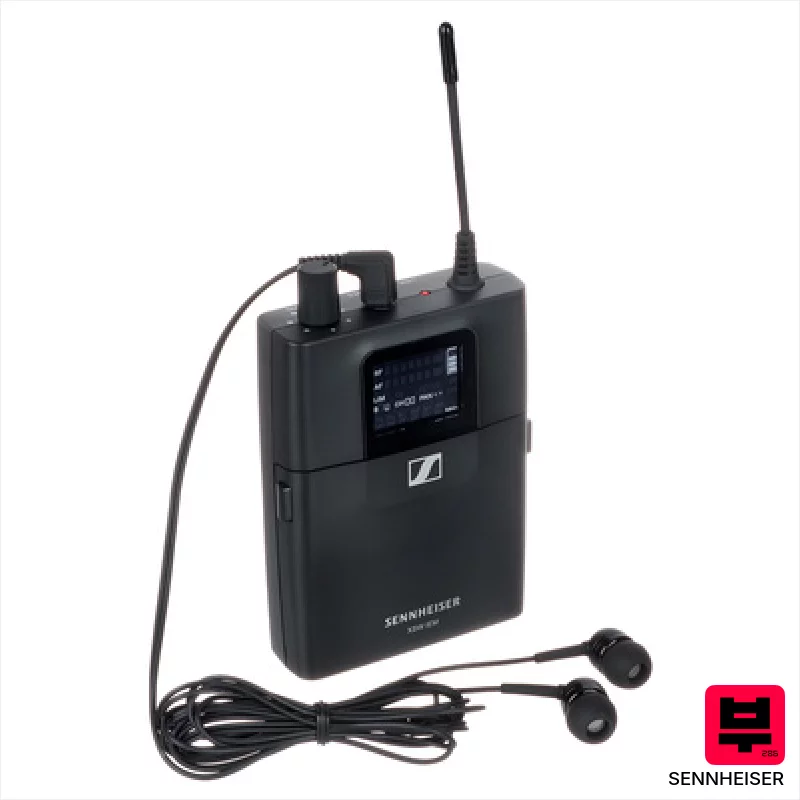
Sennheiser XSW IEM EK C-Band
- • C-band operation avoids interference common in congested 2.4 GHz wireless spaces.
- • Infrared sync simplifies channel matching, a real time-saver on stage.
- • IE 4 earbuds deliver a surprisingly balanced and detailed IEM sound signature.
- • Compact and lightweight design makes it comfortable for extended use on stage.
- • AA battery power is less convenient than rechargeable options; impacts runtime.
- • Limited channel count restricts use in very crowded wireless environments.
- • 3.5mm headphone output feels a bit dated for a modern wireless system.
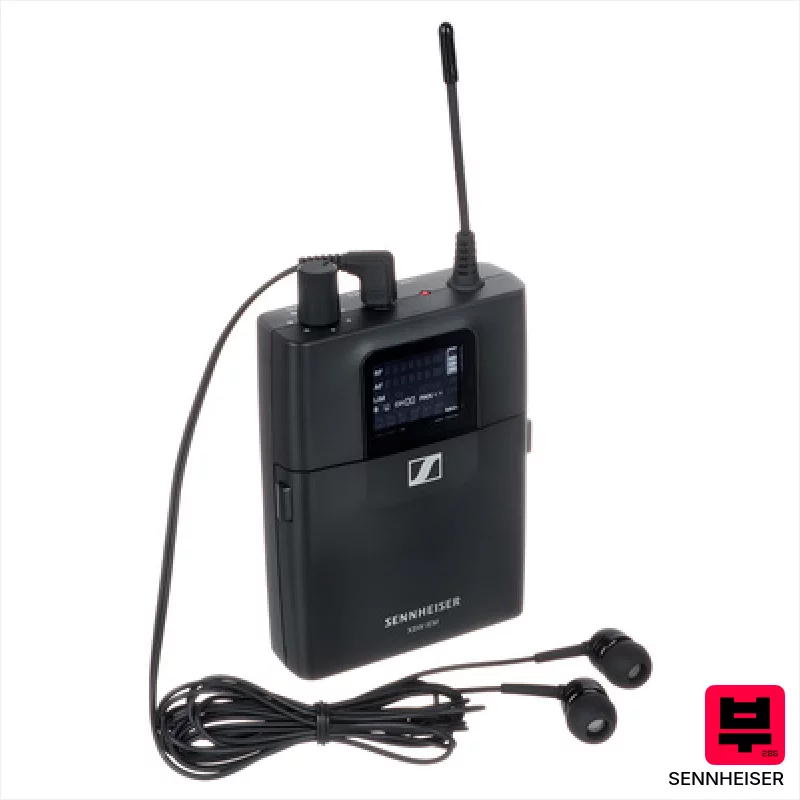
Sennheiser XSW IEM EK A-Band
- • Solid Sennheiser build quality; feels robust and reliable for stage use.
- • IE 4 headphones offer surprisingly balanced and clear sound for the price.
- • Infrared sync simplifies channel setup, a huge time-saver on gigs.
- • Focus Mode effectively reduces stage noise for clear monitoring.
- • A-band frequency range can be crowded in some regions, requiring careful scanning.
- • Limited channel count compared to higher-end systems restricts scalability.
- • AA battery reliance is less convenient than rechargeable options.

Sennheiser XSW IEM EK E-Band
- • Excellent audio clarity; Sennheiser's IEMs are renowned for their detail.
- • Infrared sync simplifies frequency coordination, a real time-saver on stage.
- • IE 4 earbuds deliver a balanced, natural sound signature, surprisingly good for included IEMs.
- • Focus Mode minimizes stage noise, crucial for vocalists and instrumentalists alike.
- • E-band operation limits availability depending on local regulations and licensing.
- • AA battery power adds bulk and potential runtime variability compared to rechargeable options.
- • Limited channel count; might be restrictive for larger bands or complex setups.
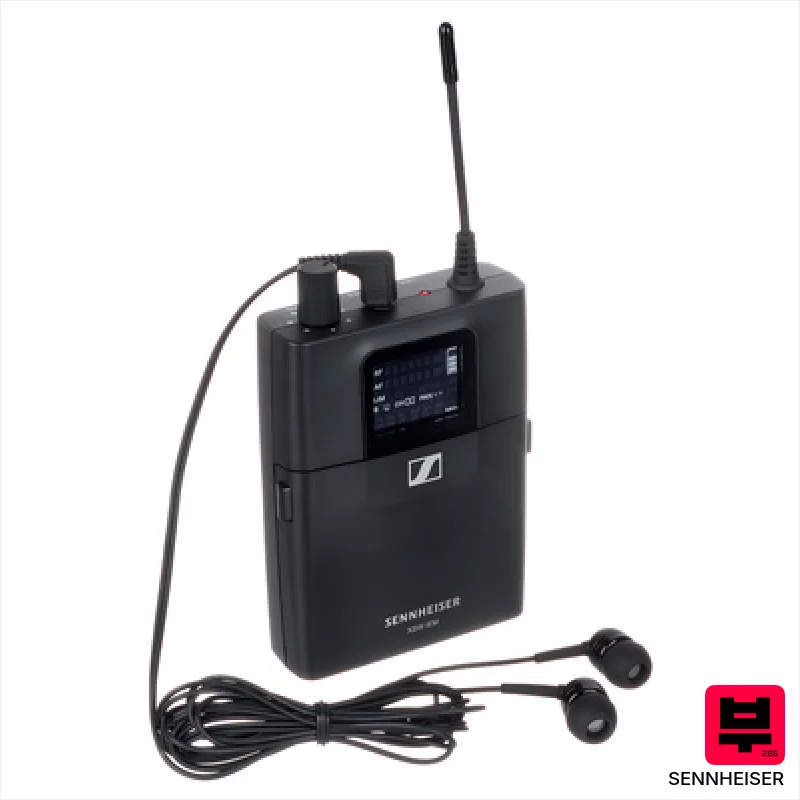
Sennheiser XSW IEM EK B-Band
- • Solid Sennheiser build quality; feels durable for stage use
- • IE 4 headphones offer a surprisingly balanced, detailed sound
- • Infrared sync simplifies frequency management on stage
- • Focus mode effectively reduces stage noise and feedback
- • B-band frequency range is limited and susceptible to interference
- • AA batteries offer less convenience than rechargeable options
- • IE 4 headphones, while good, aren't Sennheiser's top-tier IEMs

XVive U4 Wireless System Rece Bundle
- • Knowles drivers deliver a balanced, detailed, and surprisingly articulate sound signature.
- • Ergonomic design and multiple eartip sizes ensure a comfortable, secure stage presence.
- • Durable build with replaceable cables extends lifespan and reduces long-term costs.
- • The included adapters offer flexibility for connecting to various audio sources.
- • 59 Ohm impedance might require a slightly more powerful source for optimal volume.
- • The cable length (120cm) could be limiting for some performers on larger stages.
- • While versatile, these IEMs are primarily geared towards stage monitoring, less ideal for critical studio listening.
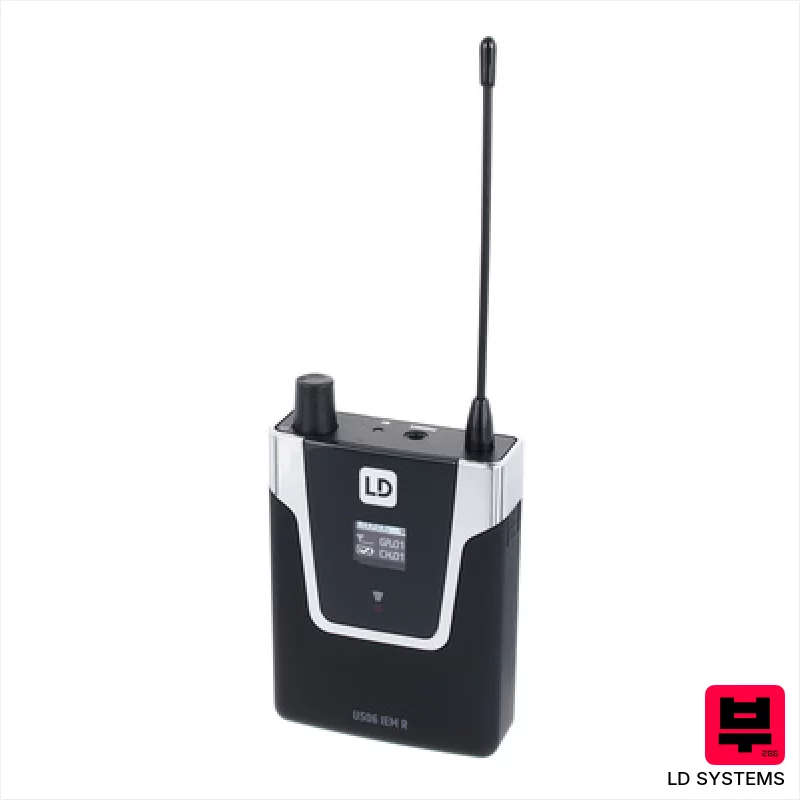
LD Systems U506 IEM R
- • Solid build quality for the price bracket, feels surprisingly robust.
- • Decent audio clarity, handles a variety of musical genres reasonably well.
- • Simple, intuitive controls – easy to adjust on the fly during a performance.
- • Compact and lightweight bodypack, comfortable for extended stage use.
- • Frequency range is somewhat limited, potential for interference in crowded RF environments.
- • Audio quality isn't high-end; noticeable limitations with complex mixes.
- • AA battery power is less convenient than rechargeable options.
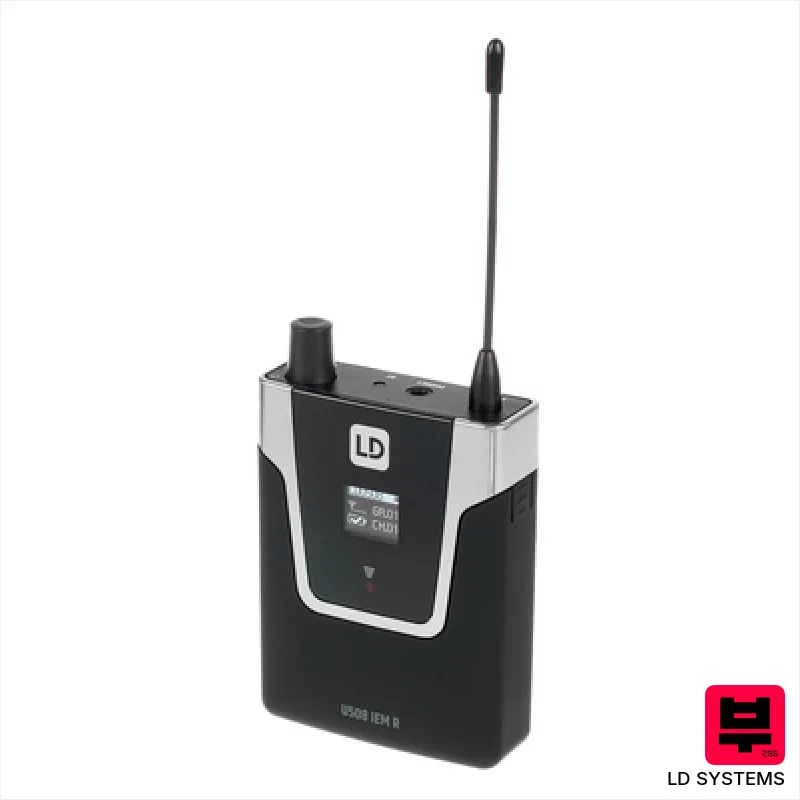
LD Systems U508 IEM R
- • Compact bodypack design eases stage movement and setup.
- • Solid build quality for a budget-friendly wireless system.
- • Clear audio reproduction with minimal perceptible latency.
- • Simple controls offer intuitive operation for quick channel changes.
- • Limited frequency range can be problematic in congested RF environments.
- • AA battery power is less convenient than rechargeable options.
- • Plastic construction, while lightweight, lacks premium feel.
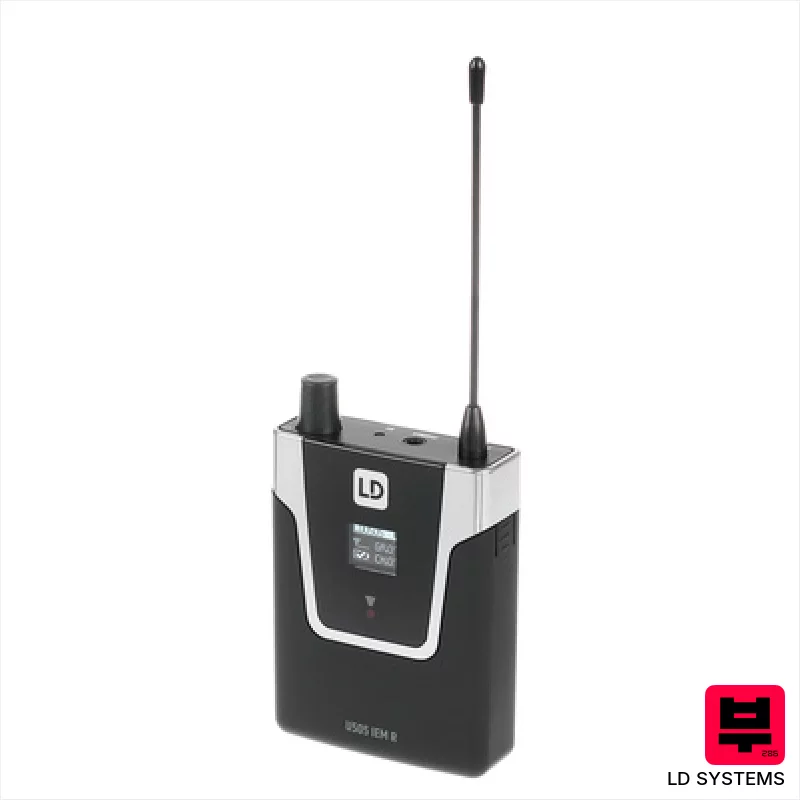
LD Systems U505 IEM R
- • Solid build quality for the price point; feels dependable in hand
- • Intuitive channel selection with dedicated up/down buttons
- • Decent audio clarity; handles a variety of music genres well
- • Compact bodypack design; comfortable for extended stage use
- • Frequency range is somewhat limited; potential for interference in crowded RF environments
- • Antenna performance could be better; range isn't exceptional
- • Lacks advanced features like diversity reception or scan functionality
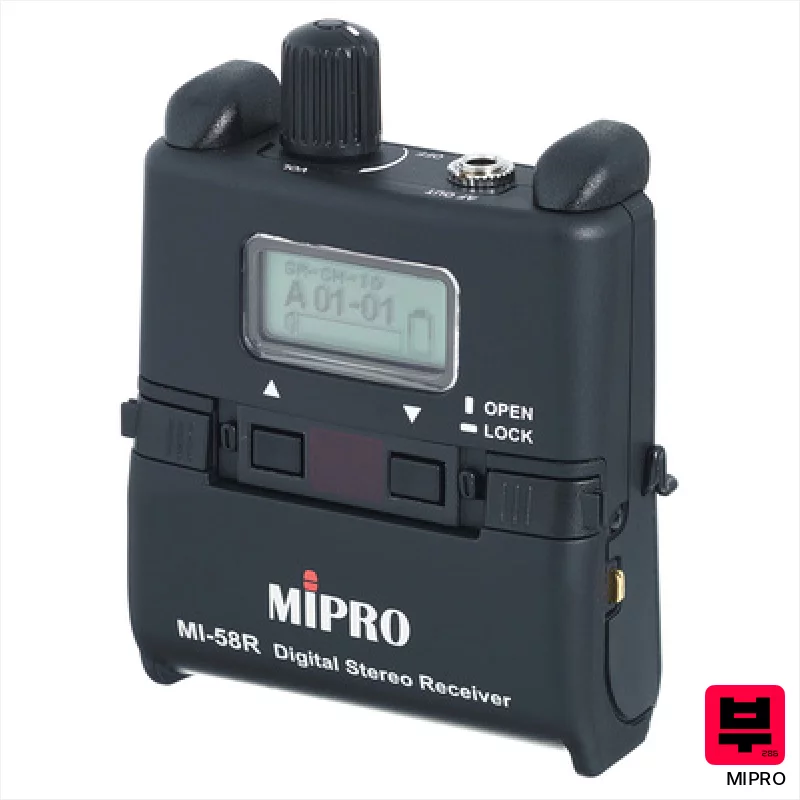
Mipro MI-58R
- • Compact and lightweight design for stage comfort.
- • Decent audio clarity for budget in-ear monitoring.
- • Included E-8S headphones are surprisingly adequate.
- • Simple operation with a clear LCD display for quick setup.
- • Plastic housing feels a bit flimsy compared to metal alternatives.
- • Limited channel options restrict use in crowded RF environments.
- • Audio output power is modest; needs a strong transmitter.

LD Systems MEI 1000 BPR G2 B6
- • Solid UHF frequency stability minimizes dropouts on stage.
- • 96 channels offer ample flexibility for crowded RF environments.
- • Clear RF and AF indicators simplify troubleshooting and setup.
- • Compact bodypack design is comfortable for extended performance use.
- • Plastic construction feels somewhat budget-oriented, lacking premium robustness.
- • AA battery reliance isn't as convenient as rechargeable options.
- • Limited range compared to higher-end, more expensive IEM systems.
Every wireless in-ear components that matches
47 models match this page. The 15 above are covered in detail; the rest are listed here with their published specifications.
Wireless In-Ear Components by the numbers
Measured across all 47 models in this category, so «wide», «short» or «expensive» mean something you can check.
How to Choose the Best Wireless In-Ear Components
Frequency Response & Clarity
It's not just about 'flat' - we're looking for a balanced response that doesn't muddy the low-end or have an ice-picky high-end. You need to hear your own instrument clearly and cut through the mix without sounding harsh, especially when the drummer's laying down a serious low-end thump.
RF Stability & Range
This is the big one. A system that drops out mid-song is useless. We're evaluating how well these systems handle interference from other stage gear, and how far you can realistically walk from the transmitter before signal degradation becomes a problem.
Ease of Use & Menu Navigation
Complex menus and cryptic settings are a nightmare when you're trying to dial in a monitor mix between songs. Intermediate players need something intuitive enough to adjust quickly without needing a manual.
Transmitter Ergonomics & Battery Life
A bulky, uncomfortable transmitter is distracting and a short battery life means constant interruptions. We're looking at how the transmitter sits on your body and how long it realistically lasts in a gigging scenario.
Audio Processing Options (EQ, Compression)
A little bit of onboard EQ goes a long way in tailoring your IEM mix to the room and the overall PA system. Compression can help even out dynamics and prevent clipping, especially if you're pushing the system's headroom.
Buying Guide
Don't fall for the marketing hype. A lot of cheaper systems will advertise long range but fall apart in a crowded RF environment. Pay attention to the number of frequencies available - more is better for avoiding interference. A good compromise is a system with a decent number of channels and a straightforward EQ, even if it doesn't have every bell and whistle of the high-end units. Budget for extra batteries - you'll need them.
How This List Is Built
We don't play these instruments — we're a catalog, not a review desk, and we'd rather say so than pretend otherwise. This page covers 47 wireless in-ear components from the Thomann catalogue, which is the largest single source of specification data in this category: 15 in detail, the rest listed with their specifications.
Position is computed, not curated. We parse the manufacturer's own description into actual values — nut width, scale, fret count, fingerboard radius, size, alloy — and rank on them: how many specifications a model has published, how many of them are measurable numbers, and how precisely it meets this page's criterion. A product image adds a little. Price is not a ranking signal: it tells you nothing about whether a neck fits your hand. The same inputs always produce the same order, so nothing here is shuffled to look fresh.
What this list is good for: narrowing a category down to a shortlist by spec and budget. What it isn't: a substitute for hearing an instrument. Before you buy, read hands-on reviews and, where you can, play it. Full methodology.

