
Best Wireless In-Ear Components for Beginner 2026
Alright, so you're thinking about ditching the wired stage monitors? Smart move - IEMs (In-Ear Monitors) are a game-changer, especially for beginners. But jumping into wireless IEMs can feel overwhelming with all the transmitters, receivers, and frequencies to consider. This isn't about the top-tier pro setups; it's about finding something reliable and easy to use that'll actually help you hear yourself and the band, without blowing your budget.
Last updated: September 29, 2026

the t.bone IEM 75R Bodypack Receiver
- • Surprisingly clear audio for the price point, decent dynamic range
- • Lightweight and comfortable for extended stage use
- • Included EP3 earphones are surprisingly adequate for basic monitoring
- • Simple, straightforward operation – easy for beginners to grasp
- • Limited frequency band restricts channel availability in crowded RF environments
- • AA battery reliance is less convenient than rechargeable options
- • Build quality feels plasticky; not built to withstand heavy abuse
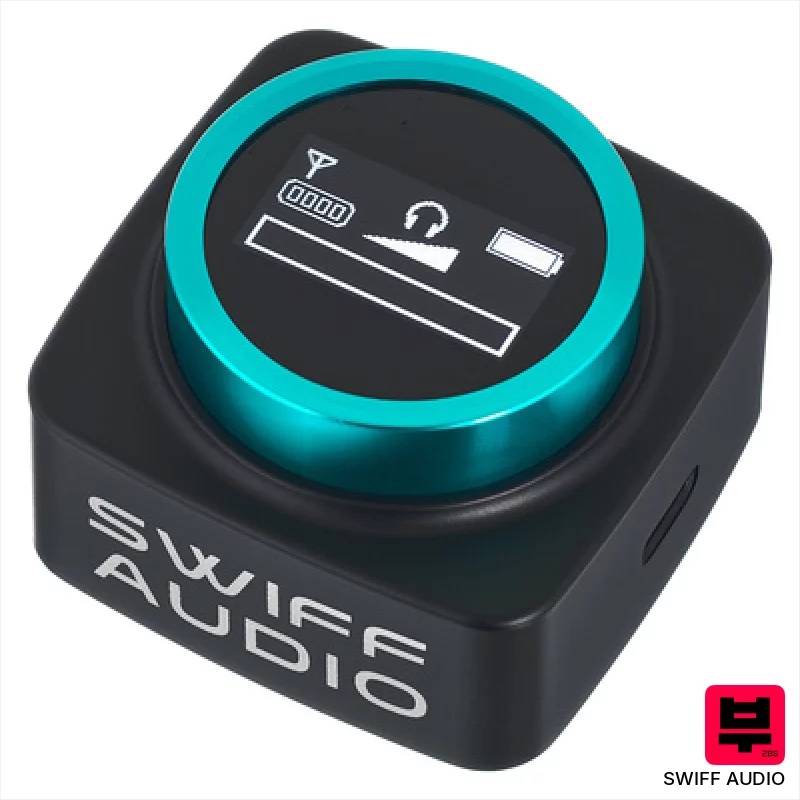
Swiff Audio WX510R Monitor Wireless System
- • Compact body pack offers excellent portability and discreet stage presence.
- • 8400mAh transmitter battery provides extended use for rehearsals and gigs.
- • 5.8GHz ISM band ensures broad compatibility across different regions.
- • Integrated rechargeable battery eliminates the need for constant replacements.
- • The 30m range is optimistic; expect significantly less with interference.
- • Receiver's 550mAh battery life is short, limiting use without frequent charging.
- • Dynamic range of 102dB suggests potential for noise floor issues in loud environments.

the t.bone IEM 150 R - 640 MHz
- • Surprisingly clear audio for the price point, considering the budget
- • Plastic build feels noticeably cheap, prone to scuffs
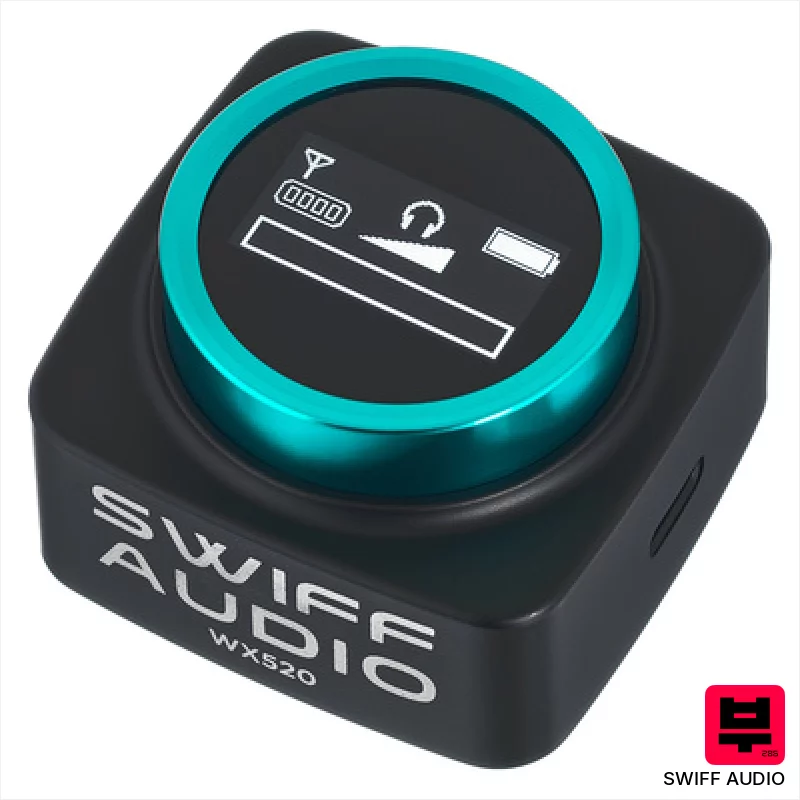
Swiff Audio WX520R Monitor Wireless System
- • Compact body pack offers excellent portability for stage or rehearsal.
- • 8400mAh battery delivers genuinely impressive, long-lasting power.
- • 5.8GHz ISM band ensures broad global compatibility without licensing issues.
- • Dynamic range of 102dB provides clean audio even in louder environments.
- • Plastic construction feels somewhat budget-oriented; lacks premium durability.
- • 30m range is likely optimistic; expect reduced performance with interference.
- • Limited channel options may require careful frequency coordination in crowded RF spaces.

XVive U4 Wireless System Receiver
- • Robust ABS/metal housing offers reliable gig-ready durability
- • Integrated battery simplifies setup and eliminates external power needs
- • 6 switchable channels provide flexibility in crowded RF environments
- • 2.4 GHz band offers broad global compatibility and less interference
- • Limited channel count compared to higher-end systems
- • ABS plastic housing, while durable, lacks the premium feel of all-metal options
- • Battery life, while decent, may require mid-set charging for longer performances
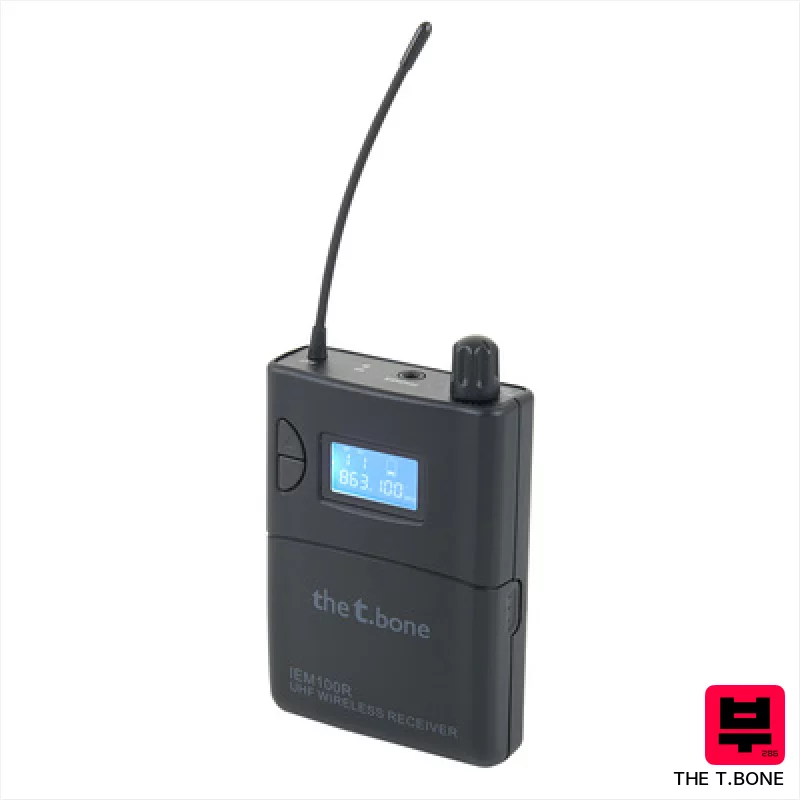
the t.bone IEM 100-R - 863 Mhz
- • Clean, clear audio reception; minimizes stage feedback issues.
- • Included t.bone EP 3 earphones offer surprisingly decent clarity.
- • Simple frequency switching is straightforward for quick setup.
- • Lightweight bodypack design enhances comfort during extended use.
- • 863 MHz band can be congested in areas with high RF interference.
- • Battery life is average; expect around 6-8 hours with AA cells.
- • Plastic construction feels budget-friendly, not particularly robust.
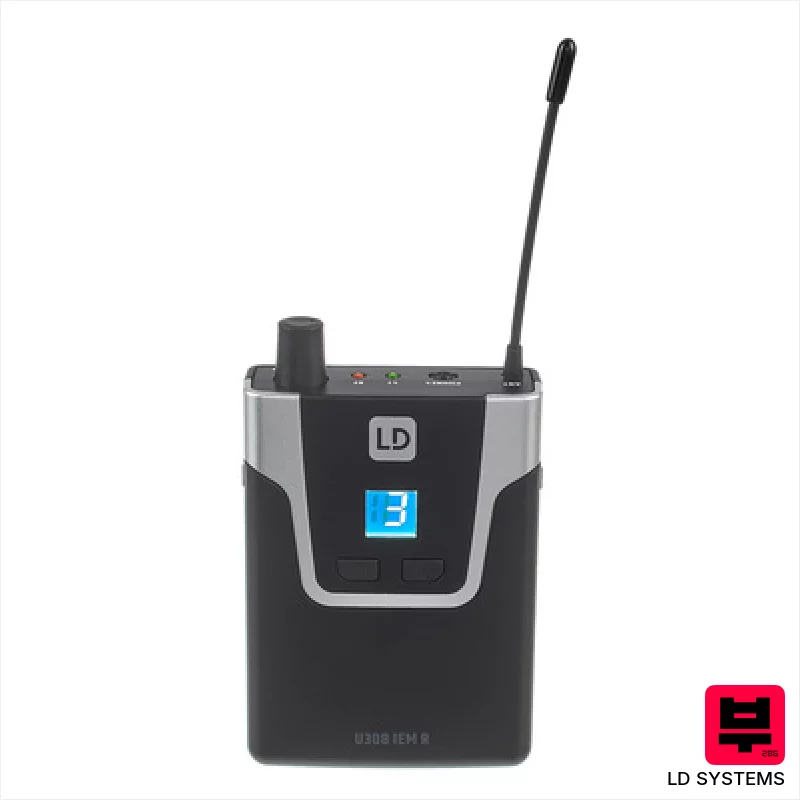
LD Systems U308 IEM R
- • Compact bodypack design offers comfortable stage mobility
- • Simple controls provide intuitive operation for quick channel changes
- • Decent audio clarity for spoken word and basic instrument monitoring
- • Reliable frequency hopping minimizes interference in crowded RF environments
- • Sound quality lacks the richness for critical music monitoring applications
- • AA battery power is less convenient than rechargeable options
- • Limited frequency range restricts channel availability in some regions
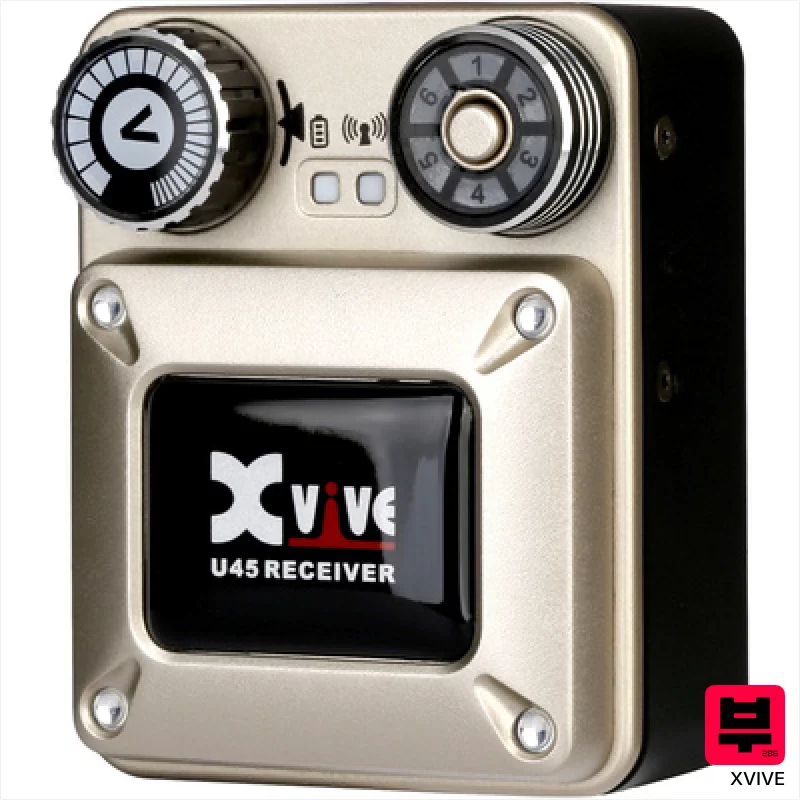
XVive U45 In-Ear Monitor Receiver
- • Robust ABS/metal housing offers excellent protection against stage bumps and drops.
- • USB-C charging provides fast, modern charging and is widely compatible.
- • Integrated battery eliminates external power requirements for greater portability.
- • 6 switchable channels offer flexibility to avoid interference in crowded RF environments.
- • 5.8GHz band can be susceptible to interference in densely populated areas.
- • Limited frequency range might slightly impact high-end clarity for critical listening.
- • ABS plastic, while durable, may feel less premium compared to all-metal receivers.
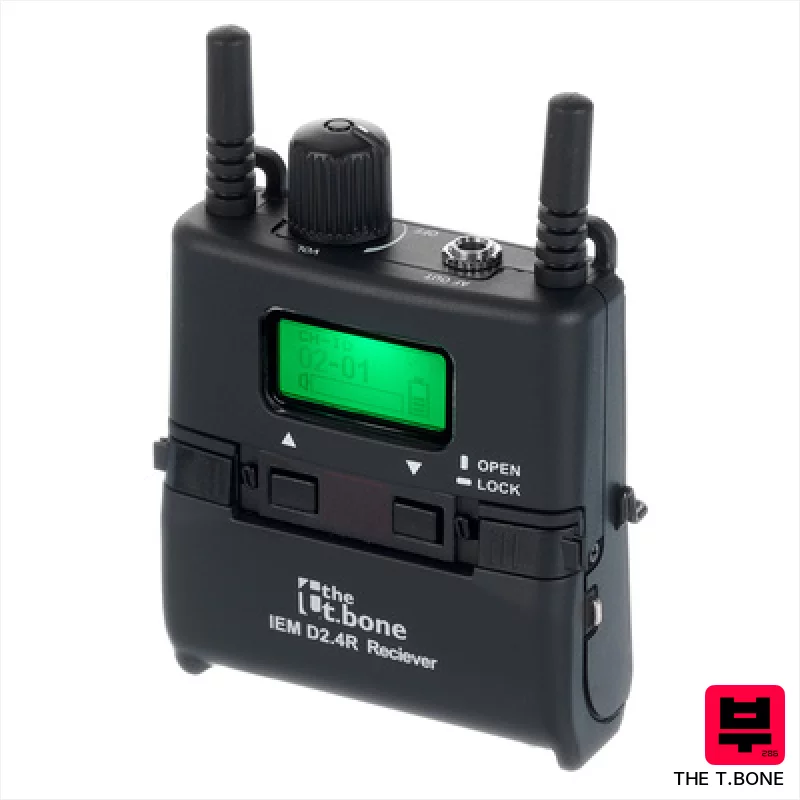
the t.bone IEM D2.4 R
- • True diversity reception minimizes dropouts in crowded RF environments
- • Integrated limiter prevents unexpected volume spikes, protecting your ears
- • Compact size and lightweight design (98g) offer comfortable stage wear
- • Solid build quality for a budget-friendly wireless IEM system
- • Battery life, while adequate, requires mindful management during longer gigs
- • 2.4GHz band can be susceptible to interference from other devices
- • Limited channel count compared to higher-end professional systems
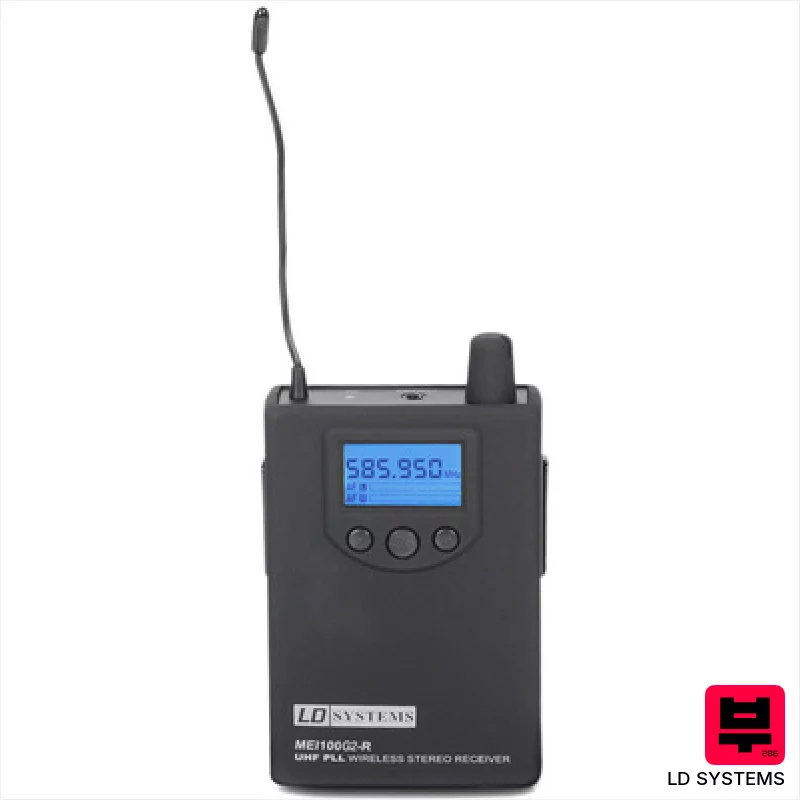
LD Systems MEI 100 G2 BPR B5
- • Excellent frequency diversity minimizes dropouts in crowded RF environments
- • Integrated limiter protects IEMs and ears from sudden volume spikes
- • Compact receiver design is gig-friendly and easy to pack
- • 96 selectable frequencies offer flexibility in various performance scenarios
- • Battery operation limits runtime compared to AC power options
- • Limited range compared to higher-end, multi-zone IEM systems
- • Plastic construction feels less robust than metal-bodied receivers
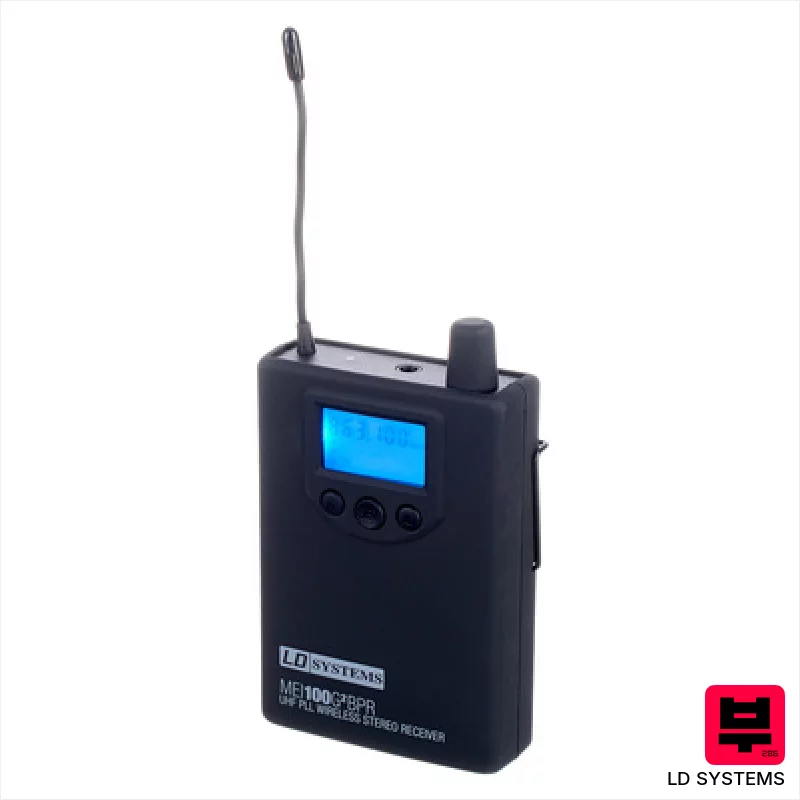
LD Systems MEI 100 G2 BPR
- • Reliable UHF frequencies minimize interference in busy environments
- • Integrated limiter prevents clipping, protecting your ears and IEMs
- • Compact receiver body makes it stage-friendly and portable
- • Headphone output offers monitoring flexibility beyond IEM use
- • AA battery operation isn't as convenient as rechargeable options
- • Limited frequency band compared to more premium wireless systems
- • Build quality feels adequate, but not exceptionally robust for heavy touring
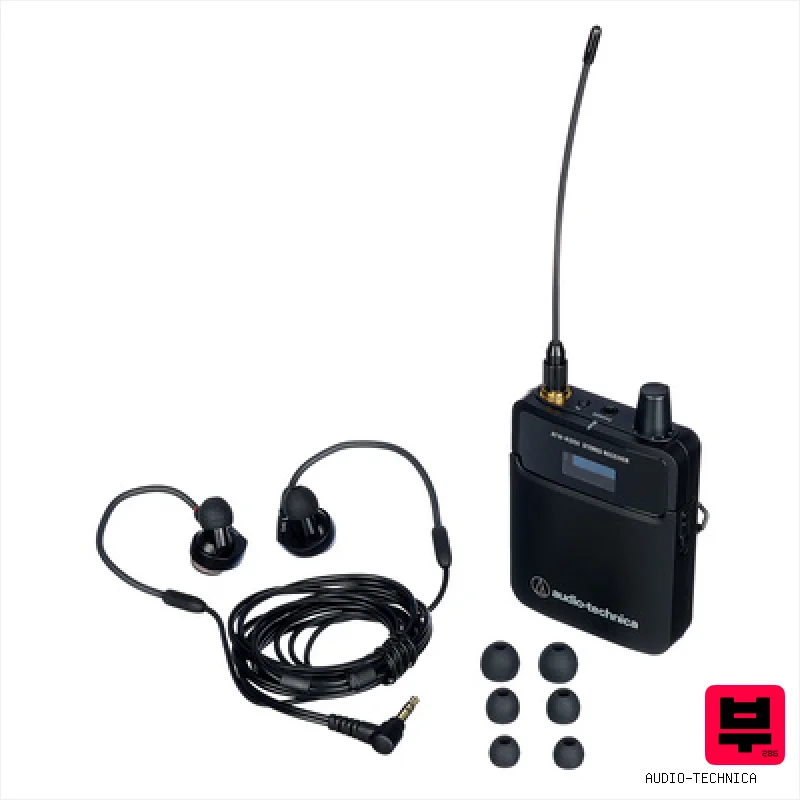
Audio-Technica ATW-R3250 DF2
- • Includes dynamic ATH-E40 headphones in the box
- • Features built-in limiter and equalizer controls
- • Supports stereo and mono mixing modes
- • Auto lock prevents accidental channel switching
- • Battery life unknown based on provided text
- • Range distance not stated in description
- • Batteries must be purchased separately
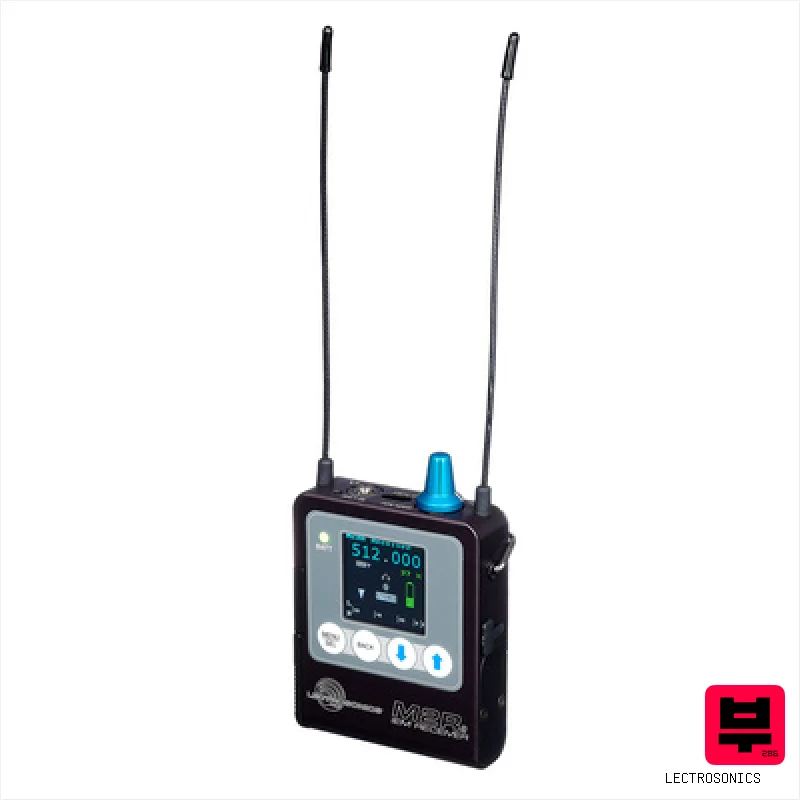
Lectrosonics M2ra
- • 24-bit digital audio delivers ultra-crisp, detailed sound
- • 1.4 ms latency ensures vocals stay perfectly in time
- • IR port lets you set up the receiver instantly
- • High-res colour LCD makes screen reading easy
- • No battery life data means you can't plan power needs
- • Heavy 159 g unit feels bulky in a tight pocket
- • Single receiver design requires multiple units for stereo
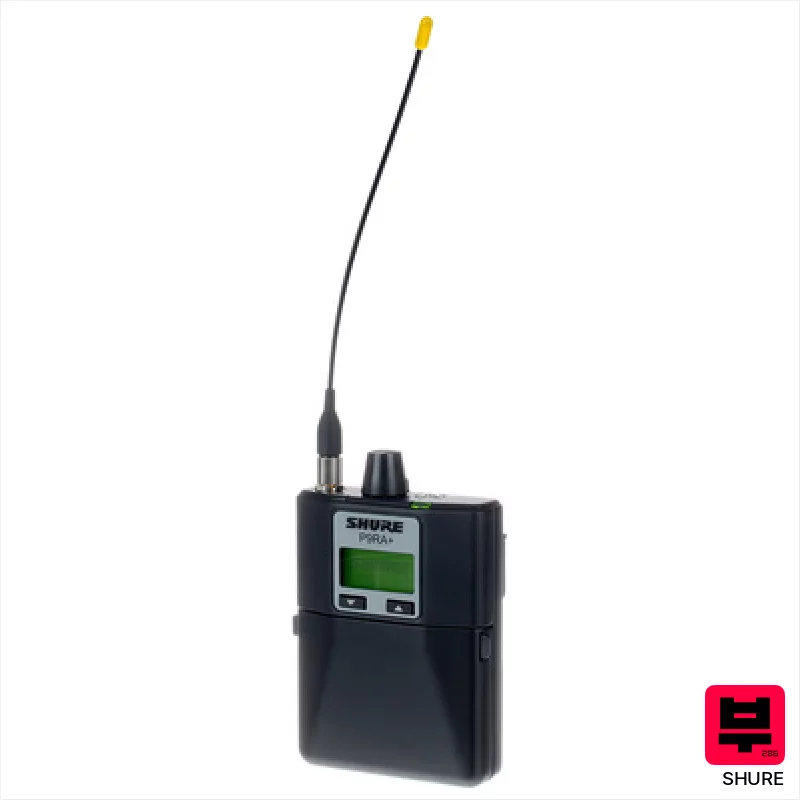
Shure P9RA+ PSM 900 K1E
- • Robust metal housing ensures reliable gigging durability.
- • Shure's Audio Reference Companding delivers exceptionally clear IEM audio.
- • CueMode provides intuitive, real-time mix adjustments onstage.
- • K1E band offers a good number of frequencies for reliable operation.
- • AA battery operation can be inconvenient for long shows; consider SB900.
- • Receiver size and weight (154g) can be fatiguing during extended use.
- • Limited frequency band compared to broader Shure PSM systems.
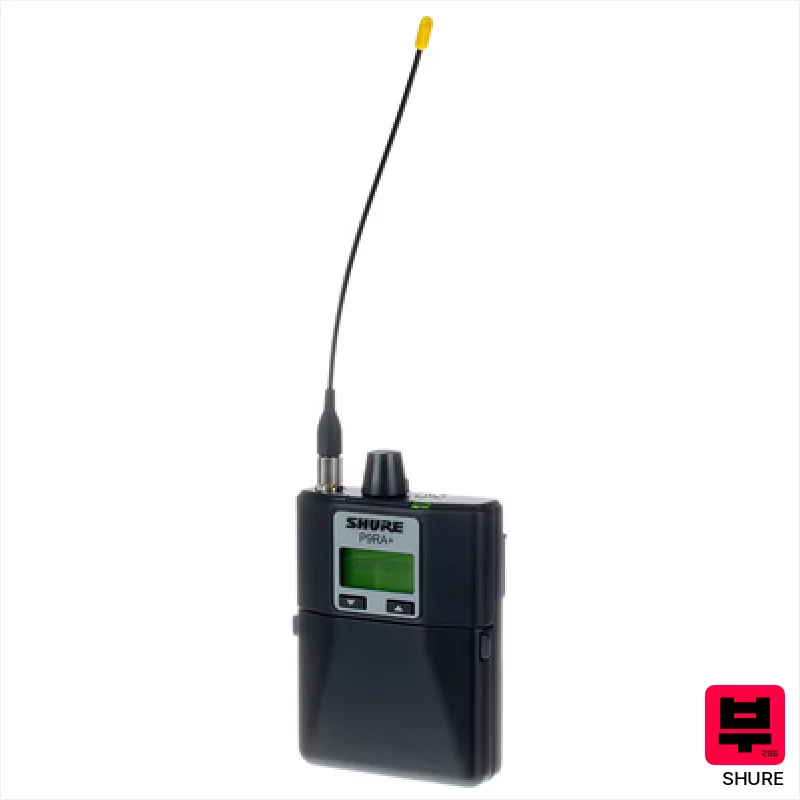
Shure P9RA+ PSM 900 G7E
- • Robust metal housing offers excellent durability for stage use
- • G7E band provides ample frequency space for multiple channels
- • Audio Reference Companding delivers noticeably clear and powerful in-ear sound
- • CueMode simplifies mix management for monitor engineers and performers
- • AA battery operation can be inconvenient compared to rechargeable options
- • The 3.5mm jack limits compatibility with some high-end IEMs
- • Size and weight (154g) can be fatiguing for extended use
Every wireless in-ear components that matches
47 models match this page. The 15 above are covered in detail; the rest are listed here with their published specifications.
Wireless In-Ear Components by the numbers
Measured across all 47 models in this category, so «wide», «short» or «expensive» mean something you can check.
How to Choose the Best Wireless In-Ear Components
Ease of Use
A complicated menu system or finicky pairing process is a nightmare when you're trying to focus on your playing. We're looking for simple, intuitive controls and quick setup.
Frequency Range & Clarity
You need to hear the full spectrum - the low-end thump of the bass, the articulation of the drums, and the fat midrange honk of your guitar. Muffled or overly bright IEM systems are useless.
Range & Reliability
Dropped signal mid-song is embarrassing and distracting. A good beginner system needs a solid range and consistent connection, even with a little stage clutter.
Latency
This is the delay between when you play a note and when you hear it in your ears. Excessive latency throws off your timing and makes it impossible to play in sync. It's a deal-breaker.
Durability & Build Quality
Gigs can be rough. You need something that can handle being tossed in a gig bag and enduring the occasional bump or drop without falling apart.
Buying Guide
Don't chase the fancy features you don't need. Beginners should prioritize ease of use and reliability over a million EQ presets. Cheaper systems often cut corners on range, so be prepared for potential dropouts if you're playing in a crowded venue. Spending a little more for a system with a wider frequency response and lower latency is always worth it - you'll actually hear what you're playing and cut through the mix better.
How This List Is Built
We don't play these instruments — we're a catalog, not a review desk, and we'd rather say so than pretend otherwise. This page covers 47 wireless in-ear components from the Thomann catalogue, which is the largest single source of specification data in this category: 15 in detail, the rest listed with their specifications.
Position is computed, not curated. We parse the manufacturer's own description into actual values — nut width, scale, fret count, fingerboard radius, size, alloy — and rank on them: how many specifications a model has published, how many of them are measurable numbers, and how precisely it meets this page's criterion. A product image adds a little. Price is not a ranking signal: it tells you nothing about whether a neck fits your hand. The same inputs always produce the same order, so nothing here is shuffled to look fresh.
What this list is good for: narrowing a category down to a shortlist by spec and budget. What it isn't: a substitute for hearing an instrument. Before you buy, read hands-on reviews and, where you can, play it. Full methodology.

