
Best Wireless In-Ear Components for Dancing Musicians 2026
Look, if you're a dancing musician - a keyboardist who's moving, a bassist grooving, a guitarist leaping around - your IEM setup isn't just about hearing yourself. It's about freedom of movement, reliable signal, and a tone that cuts through the chaos without sounding sterile. Forget those budget systems that drop out mid-song; we're talking about gear that lets you focus on the performance, not the technology. This is what you need to know.
Last updated: July 22, 2026 • Next update: July 29, 2026
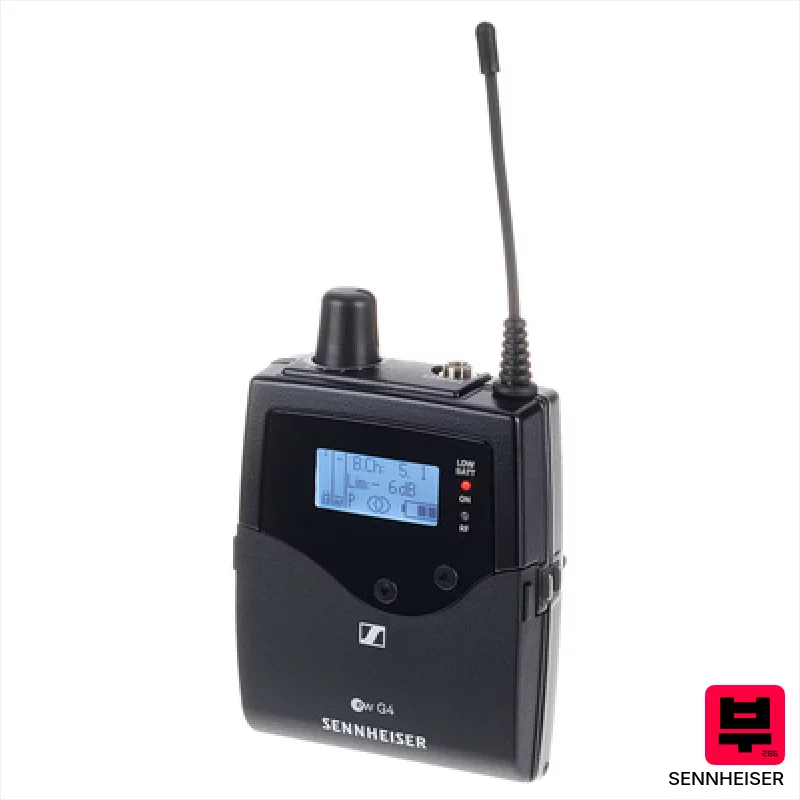
Sennheiser EK IEM G4 GB-Band
- • Robust Sennheiser build quality inspires confidence onstage
- • IE4 earphones offer a surprisingly balanced, clear sound signature
- • Intuitive LCD display simplifies RF and audio level monitoring
- • Pilot tone simplifies syncing with the EK100 G4 transmitter
- • Requires separate battery purchase, adding to overall cost
- • GB-band frequency allocation varies regionally, limiting portability
- • IE4 earphones, while decent, aren't audiophile-grade
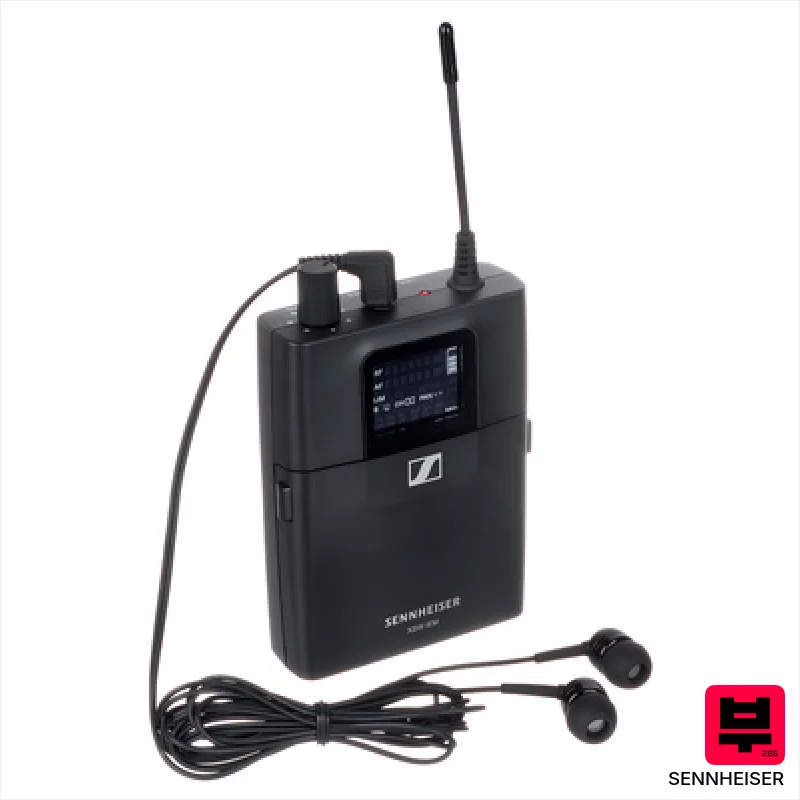
Sennheiser XSW IEM EK B-Band
- • Solid Sennheiser build quality; feels durable for stage use
- • IE 4 headphones offer a surprisingly balanced, detailed sound
- • Infrared sync simplifies frequency management on stage
- • Focus mode effectively reduces stage noise and feedback
- • B-band frequency range is limited and susceptible to interference
- • AA batteries offer less convenience than rechargeable options
- • IE 4 headphones, while good, aren't Sennheiser's top-tier IEMs
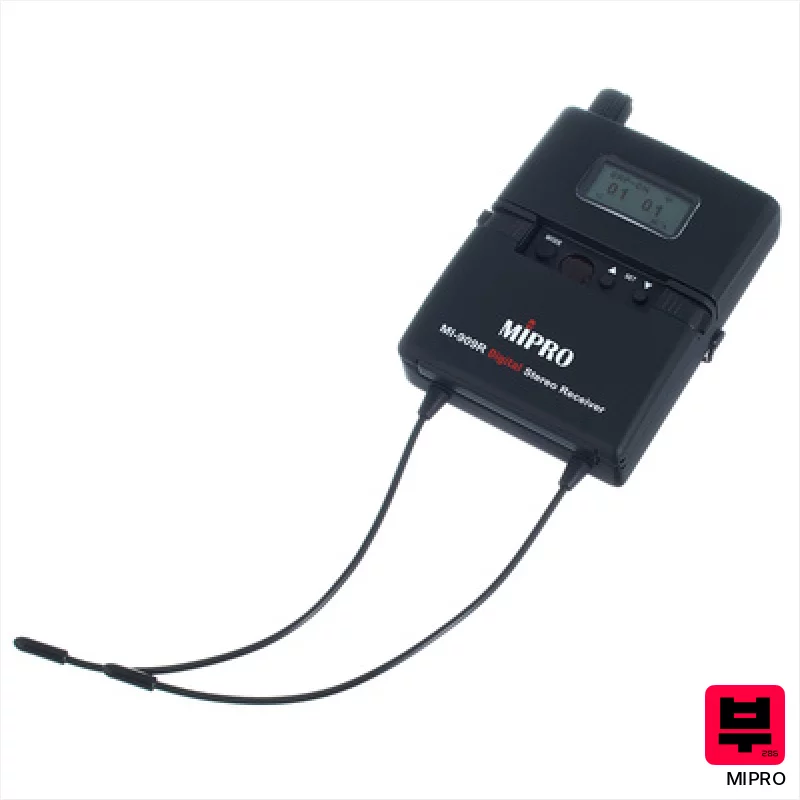
Mipro MI-909R 5E
- • Magnesium housing provides excellent durability for stage use.
- • Digital diversity significantly reduces dropouts in challenging RF environments.
- • Compact size and lightweight design ensure comfortable stage wear.
- • Automatic frequency synchronization simplifies setup and operation.
- • Limited frequency band restricts channel availability in congested areas.
- • 3.5mm headphone output lacks the versatility of a larger connector.
- • AA battery reliance can be inconvenient compared to rechargeable options.
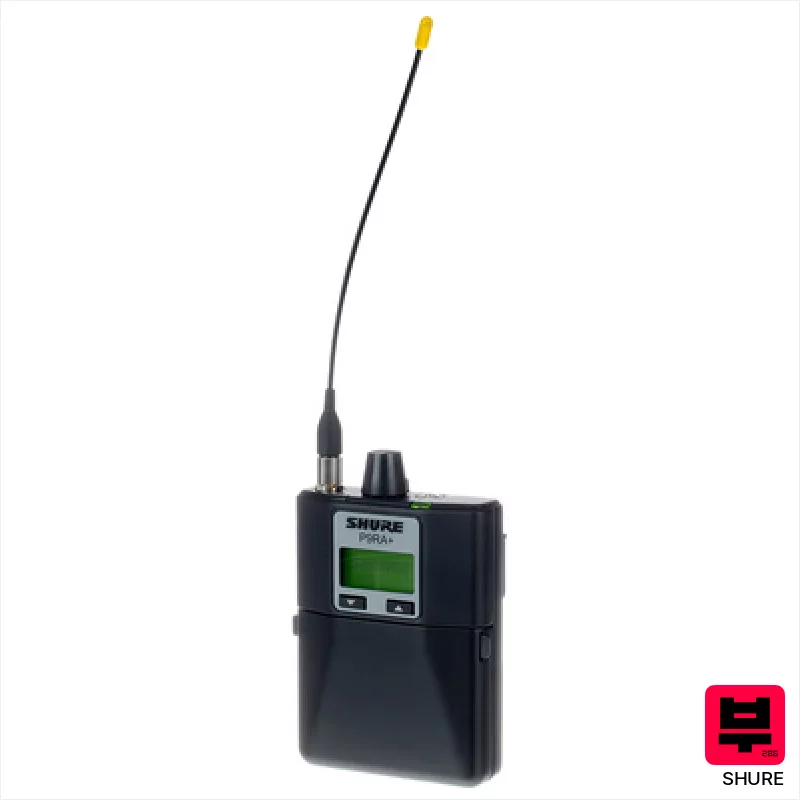
Shure P9RA+ PSM 900 G6E
- • Robust metal housing offers excellent durability on stage.
- • Shure’s Audio Reference Companding delivers exceptionally clear IEM audio.
- • CueMode provides intuitive mix control for performers and engineers.
- • G6E band offers a good number of usable frequencies for reliable operation.
- • Reliance on AA or SB900 batteries can be inconvenient for long gigs.
- • The 3.5mm jack limits compatibility with some higher-end IEMs.
- • Receiver size is a bit bulky compared to some competitors.
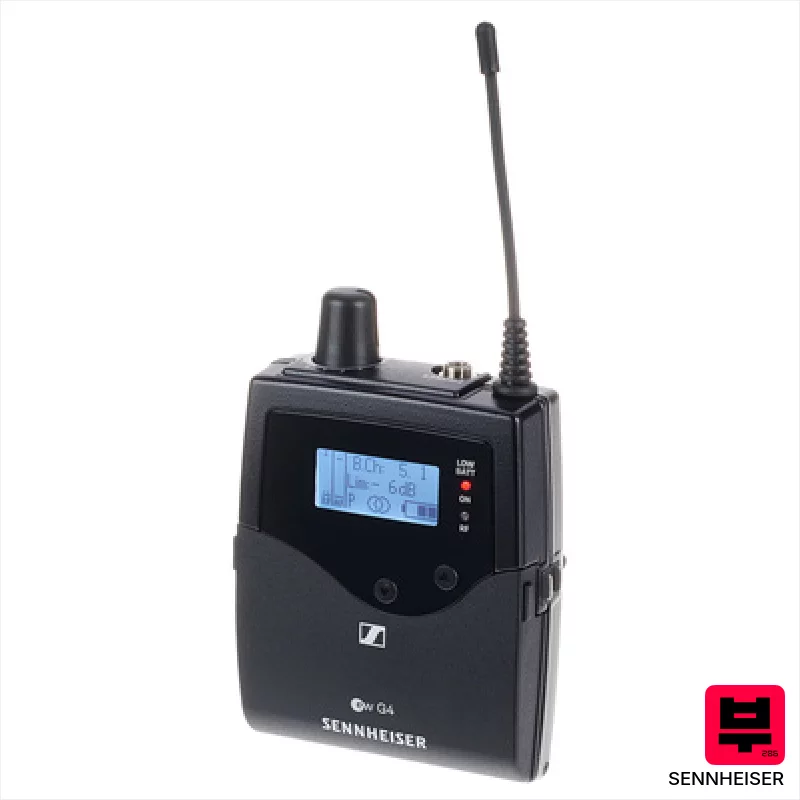
Sennheiser EK IEM G4 B-Band
- • Solid Sennheiser build quality; feels robust for stage use
- • IE4 earphones offer surprisingly clear and balanced sound
- • Pilot tone simplifies channel syncing, a real time-saver
- • Adjustable limiter protects hearing and prevents feedback
- • B-band frequency allocation can be restrictive in some regions
- • Requires separate battery purchase, adding to the overall cost
- • IE4 earphones are basic; audiophiles might want an upgrade
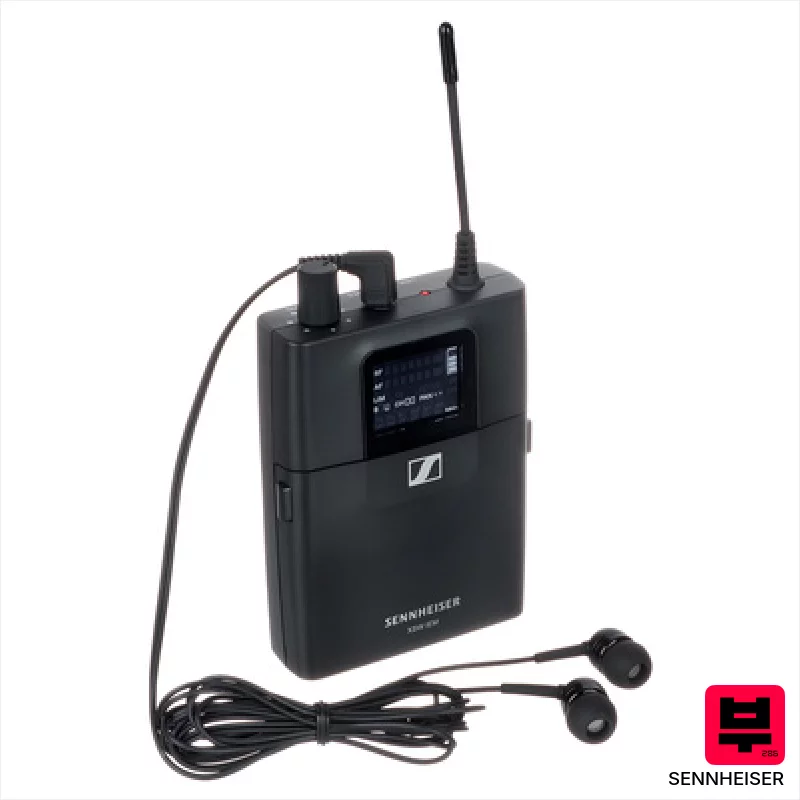
Sennheiser XSW IEM EK C-Band
- • C-band operation avoids interference common in congested 2.4 GHz wireless spaces.
- • Infrared sync simplifies channel matching, a real time-saver on stage.
- • IE 4 earbuds deliver a surprisingly balanced and detailed IEM sound signature.
- • Compact and lightweight design makes it comfortable for extended use on stage.
- • AA battery power is less convenient than rechargeable options; impacts runtime.
- • Limited channel count restricts use in very crowded wireless environments.
- • 3.5mm headphone output feels a bit dated for a modern wireless system.
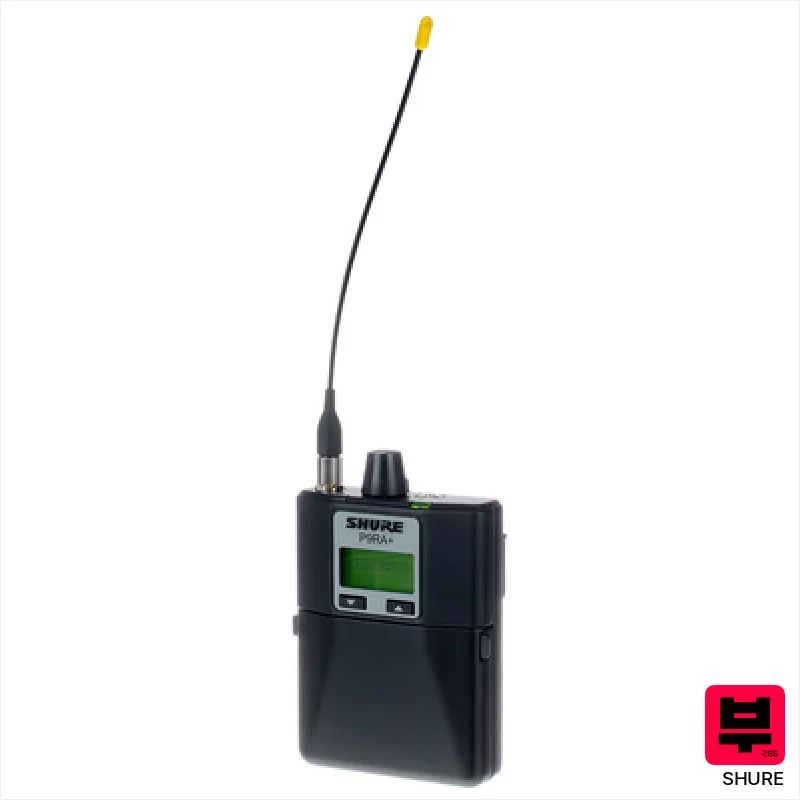
Shure P9RA+ PSM 900 L6E
- • Robust metal housing provides excellent durability on stage.
- • Shure’s Audio Reference Companding delivers remarkably clear in-ear audio.
- • CueMode simplifies monitor mix management for complex performances.
- • L6E band offers a good number of frequencies for reliable operation.
- • AA battery operation can be inconvenient for long shows; consider the SB900.
- • The 3.5mm jack limits headphone/earphone compatibility.
- • Receiver size, while solid, can feel bulky compared to smaller IEMs.
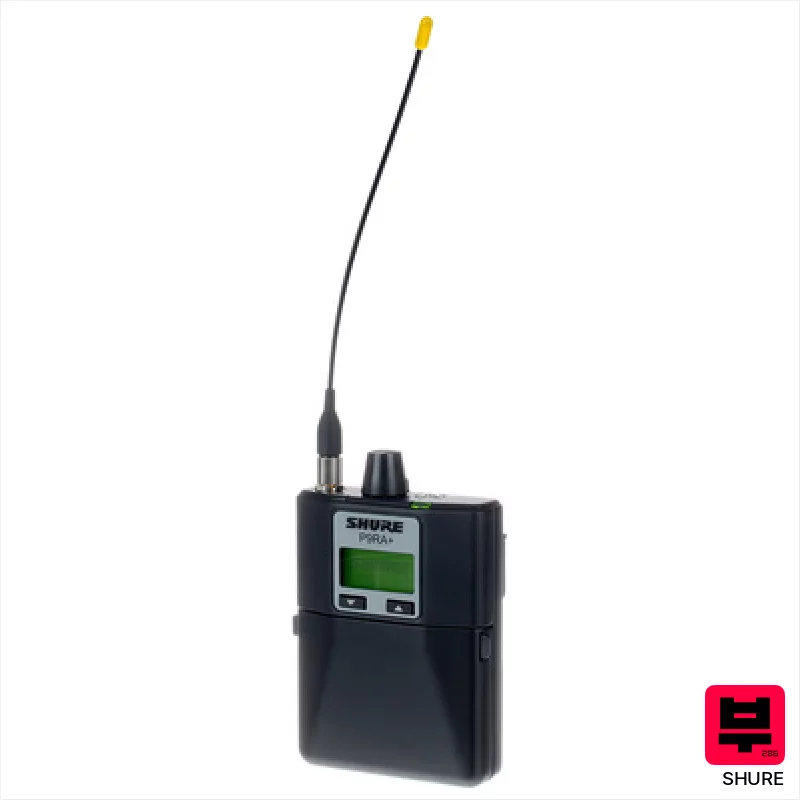
Shure P9RA+ PSM 900 K1E
- • Robust metal housing ensures reliable gigging durability.
- • Shure's Audio Reference Companding delivers exceptionally clear IEM audio.
- • CueMode provides intuitive, real-time mix adjustments onstage.
- • K1E band offers a good number of frequencies for reliable operation.
- • AA battery operation can be inconvenient for long shows; consider SB900.
- • Receiver size and weight (154g) can be fatiguing during extended use.
- • Limited frequency band compared to broader Shure PSM systems.
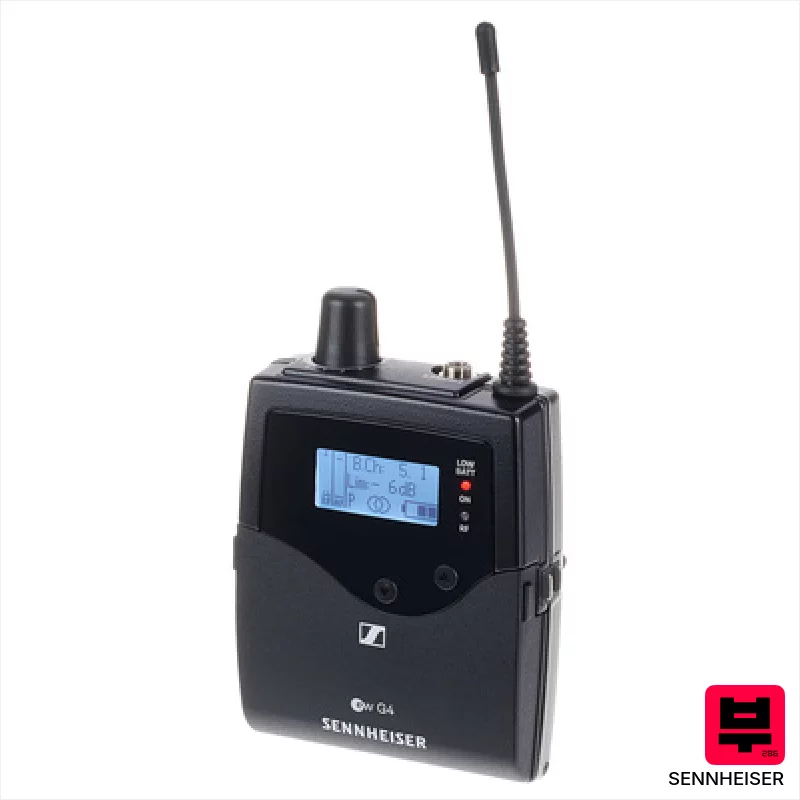
Sennheiser EK IEM G4 E-Band
- • Rock-solid Sennheiser build quality, feels durable onstage
- • E-band offers clean, interference-free audio clarity
- • IE4 earphones provide a surprisingly balanced and clear sound
- • Pilot tone simplifies syncing with the transmitter, quick and reliable
- • Requires separate battery purchase, adds to the overall cost
- • Limited channel count compared to higher-end wireless systems
- • IE4 earphones are decent, but audiophiles might desire an upgrade

Sennheiser EK 2000 IEM GW G-Band
- • Rock-solid G-Band clarity avoids RF interference on crowded stages
- • IE 4 earphones offer a balanced, detailed, and surprisingly robust sound
- • 26 banks with 32 frequencies provide immense channel flexibility
- • Compact receiver design is comfortable for extended performance use
- • IE 4 earphones might lack bass response for bass-heavy genres
- • AA battery reliance can be inconvenient for long shows
- • G-Band licensing can be an issue in certain regions or countries
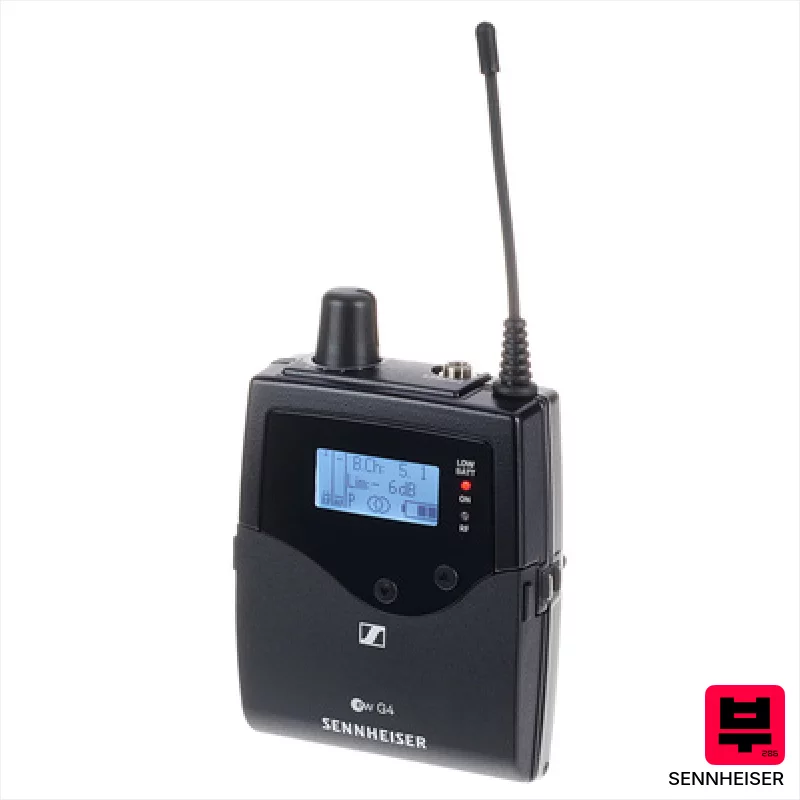
Sennheiser EK IEM G4 G-Band
- • Solid Sennheiser build quality; feels robust and reliable onstage
- • Clear RF/AF level display simplifies channel and signal management
- • IE4 earphones offer a decent, balanced sound for IEMs
- • Pilot tone simplifies syncing with the transmitter, quick and easy
- • G-band frequency limitations restrict channel availability in some regions
- • Requires separate battery purchase, adding to the overall cost
- • IE4 earphones are entry-level; serious IEM users will want an upgrade

Sennheiser XSW IEM EK E-Band
- • Excellent audio clarity; Sennheiser's IEMs are renowned for their detail.
- • Infrared sync simplifies frequency coordination, a real time-saver on stage.
- • IE 4 earbuds deliver a balanced, natural sound signature, surprisingly good for included IEMs.
- • Focus Mode minimizes stage noise, crucial for vocalists and instrumentalists alike.
- • E-band operation limits availability depending on local regulations and licensing.
- • AA battery power adds bulk and potential runtime variability compared to rechargeable options.
- • Limited channel count; might be restrictive for larger bands or complex setups.
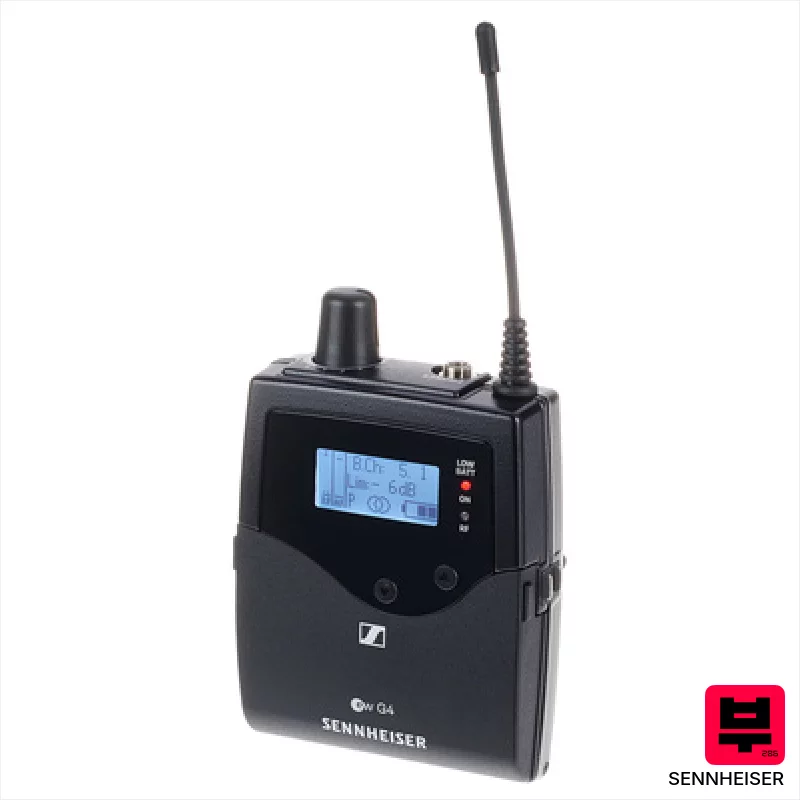
Sennheiser EK IEM G4 A-Band
- • Rock-solid Sennheiser build quality, feels incredibly durable
- • Clear, reliable RF signal thanks to the A-Band frequency
- • Integrated limiter protects hearing, crucial for stage monitoring
- • IE4 earphones offer a balanced, detailed sound signature
- • A-Band frequency can be susceptible to interference in crowded RF environments
- • Requires separate battery purchase, adding to the overall cost
- • Limited channel count compared to some higher-end wireless systems
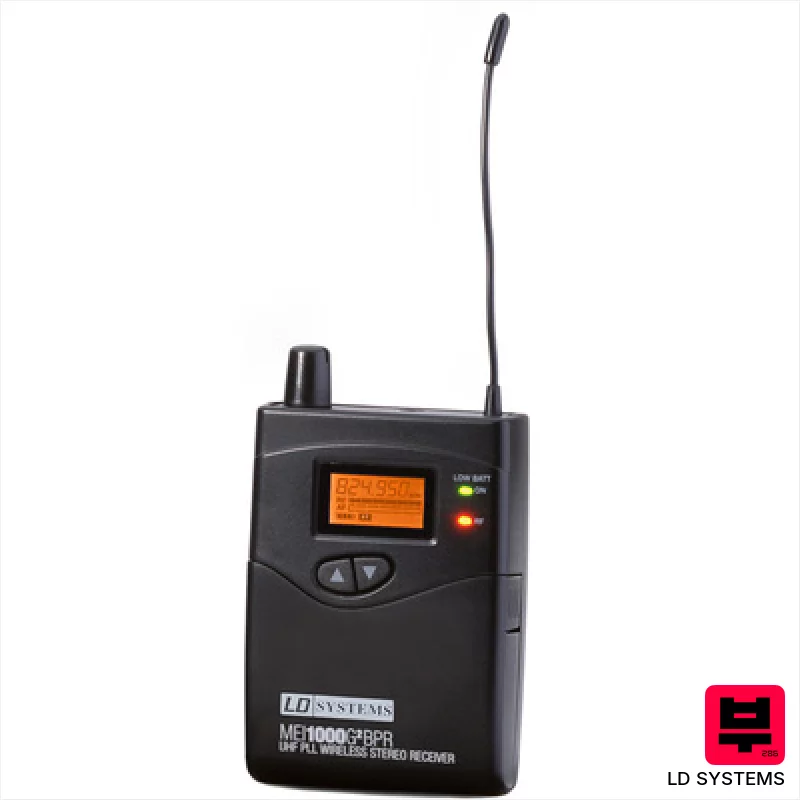
LD Systems MEI 1000 BPR G2 B5
- • Solid UHF frequency stability minimizes interference, crucial for live stages
- • 96 channels offer significant flexibility for crowded RF environments
- • Clear RF and AF indicators provide instant troubleshooting feedback
- • Compact bodypack design ensures comfortable stage performance for performers
- • AA battery operation can be inconvenient compared to rechargeable packs
- • Plastic construction feels a little less robust than higher-end receivers
- • Limited range compared to systems with more advanced antenna technology
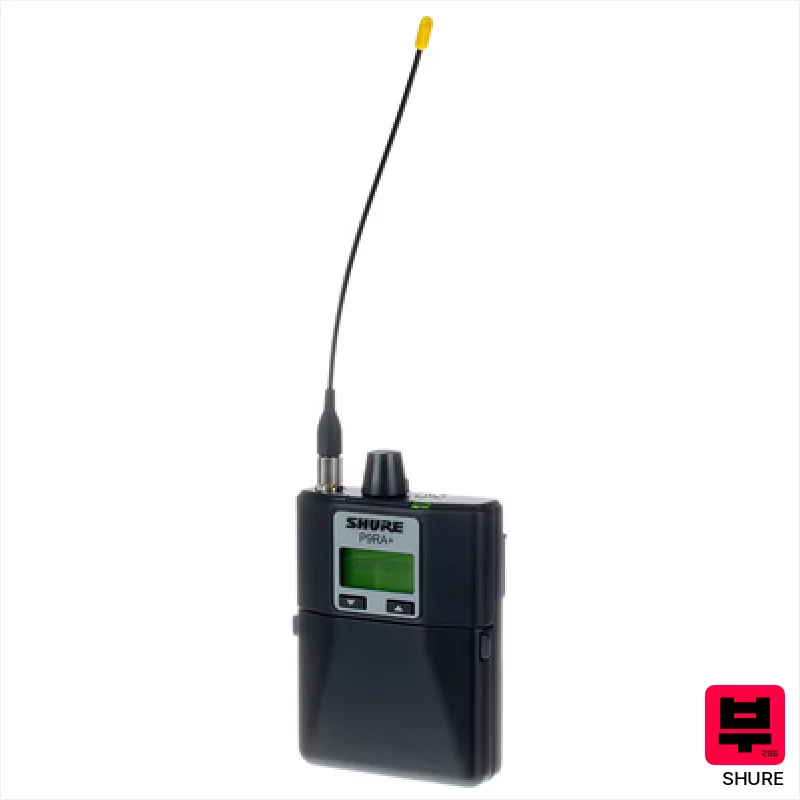
Shure P9RA+ PSM 900 G7E
- • Robust metal housing offers excellent durability for stage use
- • G7E band provides ample frequency space for multiple channels
- • Audio Reference Companding delivers noticeably clear and powerful in-ear sound
- • CueMode simplifies mix management for monitor engineers and performers
- • AA battery operation can be inconvenient compared to rechargeable options
- • The 3.5mm jack limits compatibility with some high-end IEMs
- • Size and weight (154g) can be fatiguing for extended use
How to Choose the Best Wireless In-Ear Components
Frequency Response & Clarity
Dancing musicians need a balanced, articulate tone. You don't want a muddy low-end masking your bassline, or a harsh high-end that fatigues you after a set. We're looking for a natural sound that allows you to hear the nuances of your playing and the band around you, with enough 'air' to prevent a claustrophobic feeling.
Latency
This is critical. Even a tiny bit of latency can throw off your timing, especially when you're locked into a groove. We test for perceptible delay and how it affects coordination - a tiny delay is a deal-breaker.
Range & Reliability
Dancing means movement. You need a system with a solid, consistent signal that won't cut out when you're across the stage or near a monitor stack. We test range in challenging environments, simulating real-world stage setups.
Bodypack Durability & Ergonomics
A bulky, uncomfortable bodypack is a constant distraction. We evaluate the build quality, weight, and how well it sits on your body - especially important when you're moving and sweating.
Channel Count & Interference Rejection
Gigs can get crowded, and multiple wireless systems can cause interference. More channels give you flexibility to find a clean frequency. Good systems actively reject interference, minimizing dropouts and unwanted noise.
Buying Guide
Don't cheap out. Seriously. A system that fails mid-song is worse than a wired setup. Pay attention to the bodypack's build - plastic often means a short lifespan. Latency is the biggest trap - many cheaper systems have noticeable lag. Look for systems with good frequency hopping capabilities; they'll be more resistant to interference from other bands or venue equipment. Consider a system with enough channels to accommodate a growing band or multiple IEM users.
Our Methodology
We don't just look at spec sheets here. We've spent countless hours on stage, in rehearsal rooms, and even tracking sessions with these systems. Our evaluations involve A/B comparisons against wired options, critical listening in live band scenarios, and honestly assessing how they hold up to the sweat and abuse of a gigging lifestyle. It's about what sounds good and works reliably, not what a press release says.

