AudioFu
AudioFu Chart · October 2026
Best Wireless Conference Systems for Intermediate 2026
The top pick is Sennheiser SL 114-S Wireless Bundle ($1,687). Sirus Quad R + 4C 470 Bundle gives you the most for the money at $472. Sennheiser EW-DX 4CH Conference Set U1/5 leads the high end. Ranked by the AudioFu Index from 8 models across 3 brands, prices checked every night.
Last updated: October 18, 2026
Top 8
Full detail for the 8 highest AudioFu Index scores. Every other model is listed below.
-
- Size9.5"
- Weight0.2 kg
This Sennheiser bundle is a seriously well-engineered conference system. The boundary mic's half-cardioid pickup pattern is fantastic for keeping things clean, and the wireless freedom is a huge plus for presentations or boardrooms. Perfect for professional meetings and events where clarity and reliability are paramount.
Pros
- Excellent boundary mic for clear table pickup, minimizing room noise.
- Robust DW-3B construction feels very solid, professional grade.
- Programmable micro switch adds significant flexibility in use cases.
Cons
- 1.9 GHz band can be susceptible to interference in crowded RF environments.
- Receiver size (9.5") might be restrictive for some mobile setups.
50AudioFu
Index↑ 10.3%since Aug 14$1,529 · Aug 14$1,687 now$1,687€1,499 at Thomann · in stockCheck price ↗ -
- Size9.5"
This Sennheiser system is a serious step up for conference rooms or lecture halls demanding reliable wireless audio. The build feels pro, the digital transmission cuts through interference, and the remote control is a real time-saver. It’s a premium-priced solution, but well worth it for organizations prioritizing clarity and control.
Pros
- Solid build quality; metal tripod feels substantial and stable.
- 1.9 GHz digital transmission minimizes interference common in crowded RF spaces.
- Sennheiser Cockpit Control offers granular remote monitoring and configuration.
Cons
- CHG2W charging base is a frustratingly separate purchase.
- Limited frequency range restricts flexibility for complex multi-mic setups.
41AudioFu
Index↑ 12.9%since Aug 14$1,394 · Aug 14$1,574 now$1,574€1,399 at Thomann · in stockCheck price ↗ -
The U505 CS 4 is a well-built conference system, ideal for boardrooms, courtrooms, or any setting needing clear, reliable audio for multiple speakers. It’s got a clean, professional look and the channel count is genuinely useful for avoiding interference, but be aware of its weight and the frequency band limitations. A solid choice for institutions or businesses needing dependable conferencing.
Pros
- Solid build quality with a professional, understated aesthetic
- OLED display offers clear, at-a-glance system status
- BNC antenna connectors allow for upgraded external antennas
Cons
- The system's weight (6kg) makes transport and setup cumbersome
- 554-586 MHz band can be restrictive depending on location
37AudioFu
IndexStableno change since Aug 14Aug 14$1,687 now$1,687€1,499 at Thomann · in stockCheck price ↗ -
The LD Systems U506 CS 4 is a dependable, well-built conference system. It's ideal for boardrooms, lecture halls, or any situation needing clear, reliable audio for multiple speakers—the automatic frequency management and solid construction make it a workhorse. Just be mindful of its size and weight if you need to move it often.
Pros
- Solid build quality with a robust metal chassis and stable table bases.
- Infrared frequency synchronization is genuinely reliable and fast.
- Gooseneck mics offer good positioning flexibility for presenters.
Cons
- The system's size and weight make it less portable for frequent moves.
- Limited frequency band allocation may pose issues in densely populated RF areas.
36AudioFu
Index↑ 3.5%since Aug 14$1,631 · Aug 14$1,687 now$1,687€1,499 at Thomann · in stockCheck price ↗ -
The LD Systems U508 CS 4 is a solid, reliable conference system—perfect for boardrooms, classrooms, or legal depositions where clear audio and minimal fuss are essential. It's a well-built, no-nonsense package that prioritizes stability and ease of use over flashy features. This is a great option when you need a dependable wireless solution without the complexity of a full-blown touring rig.
Pros
- Excellent true diversity UHF reception minimizes interference
- Gooseneck mics offer stable positioning and reduced handling noise
- Integrated inMix XLR output simplifies routing to mixers or recorders
Cons
- The base unit's weight makes it less portable for frequent relocation
- Limited frequency range compared to some higher-end conference systems
35AudioFu
Index↑ 4.9%since Aug 14$1,608 · Aug 14$1,687 now$1,687€1,499 at Thomann · in stockCheck price ↗ -
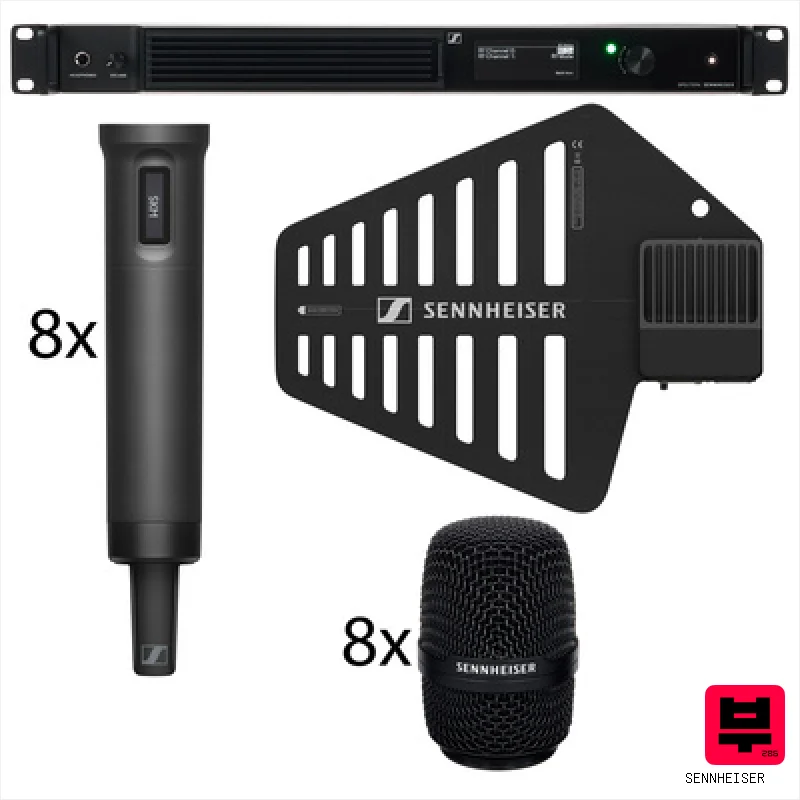
- Size19"
- Weight4.6 kg
This Sennheiser EW-DX 4CH Conference Set is a serious piece of kit for professional conference rooms and boardrooms. The Dante integration makes it a breeze to connect to existing systems, and the robust build ensures years of reliable service. It's perfect for organizations needing a secure, high-quality wireless conference solution.
Pros
- Rock-solid build quality; the receiver feels substantial and well-engineered.
- Dante connectivity offers seamless integration with modern AV infrastructure.
- AES 256 encryption provides a high level of security for sensitive discussions.
Cons
- The substantial weight of the receiver (approx. 2kg) requires careful rack mounting.
- Limited frequency band allocation can pose challenges in congested RF environments.
64AudioFu
Index↑ 1.5%since Aug 14$7,651 · Aug 14$7,762 now$7,762€6,898 at Thomann · in stockCheck price ↗ -
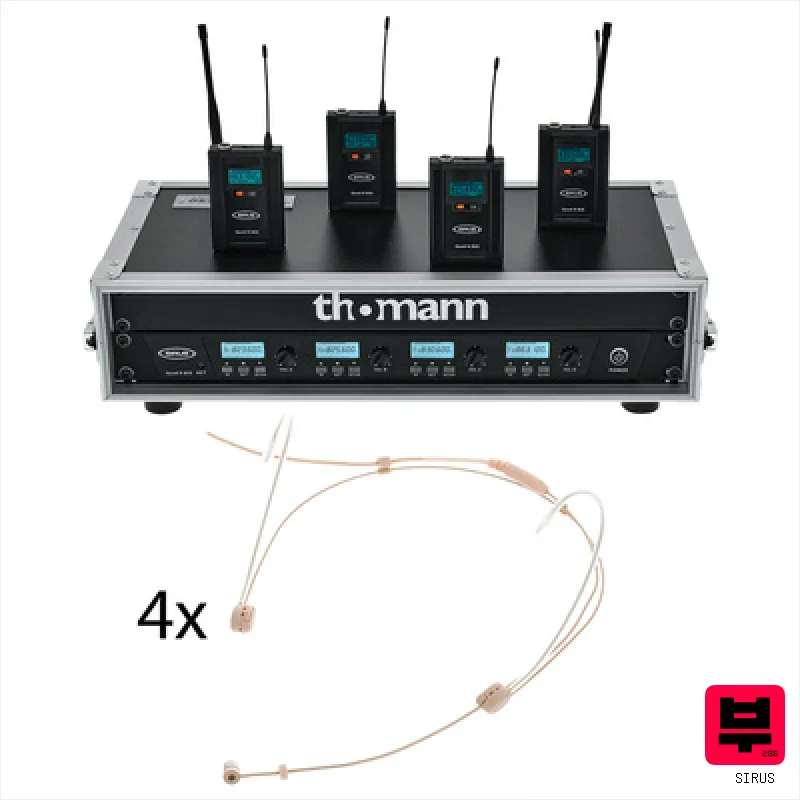
- Size19"
- Weight1.95 kg
This Sirus Quad R + 4C 470 bundle is a solid, budget-friendly option for conference rooms, presentations, or small-scale events needing multiple wireless mics. The IR sync is a real time-saver, and the build quality feels surprisingly robust for the price point. It's perfect for anyone needing a reliable, no-fuss wireless solution without the premium price tag of the bigger brands.
Pros
- Excellent frequency scan simplifies setup for multi-mic environments.
- IR transmission streamlines channel configuration across multiple transmitters.
- Robust 1U rackmount design ensures stability in professional installations.
Cons
- 470-526 MHz band can be congested in some areas, limiting channel availability.
- Power supply is external, adding to cable clutter and potential failure point.
51AudioFu
IndexStableno change since Aug 14Aug 14$472 now$472€419 at Thomann · in stockCheck price ↗ -
- Size19"
- Weight1.95 kg
This Sirus Quad R bundle is a solid, budget-friendly option for conference rooms, boardrooms, or educational settings needing reliable wireless audio. The rackmount design is practical, and the infrared sync is a time-saver. It's not a premium system, but for straightforward applications, it delivers a good balance of performance and affordability.
Pros
- Rackmount design saves space, ideal for permanent conference room installations.
- Infrared transmission simplifies channel syncing, reducing setup headaches.
- Excellent signal-to-noise ratio ensures clear audio even in noisy environments.
Cons
- Limited frequency range necessitates careful frequency coordination in dense RF areas.
- External power supply adds another cable and potential point of failure.
51AudioFu
IndexStableno change since Aug 14Aug 14$472 now$472€419 at Thomann · in stockCheck price ↗
Wireless Conference Systems by the numbers
Measured across all 10 models we track, not a sample.
Median $1,687 — half of all wireless conference systems here cost less.
median of 7 models · 9.5"–19"
median of 6 models · 0.2 kg–4.6 kg
How to choose the best wireless conference systems
Frequency Response & Clarity
You need a system that doesn't suck the life out of your vocals or instruments. A mid-range bump can help cut through a band mix, but avoid anything that sounds overly processed or 'hyped' - we're after natural articulation, not a fake 'air'.
Range & Interference
How far can you actually move before dropouts start? Interference is a killer, especially in crowded spaces. Look for systems with multiple frequency bands and the ability to scan for clear channels. Don't assume the advertised range is realistic.
Latency
This is crucial. Too much latency (delay) and you'll be fighting against yourself when playing or singing. Even a few milliseconds can throw off your timing, especially when tracking harmonies or playing with a click.
Build Quality & Durability
Gigs aren't kind to gear. You want something that can handle being tossed in a case and taken on the road without falling apart. Plastic housings are fine for the price point, but look for solid construction and reliable components.
Ease of Use & Setup
Intermediate players don't want to spend hours fiddling with menus. Intuitive controls, clear displays, and a straightforward pairing process are essential. Complicated systems often lead to frustration and missed cues.
Buying guide
So, you're tired of wrestling with cables at rehearsals or feeling like you're tethered to the PA during gigs? Wireless conference systems aren't just for boardrooms anymore; they're a legit option for intermediate players looking for freedom and flexibility. We're not talking about budget-busting, top-tier studio setups here, but systems that actually work well for band practice, small gigs, and even recording vocal harmonies. Let's cut through the marketing and find something that'll actually improve your workflow, not just look cool.
Don't chase the cheapest option - you'll almost always pay for it in compromised sound quality or reliability. Wireless conference systems often cut corners on capsule quality; listen carefully for muddiness or a lack of detail. Paying a little more for a system with a wider frequency response and better dynamic range will make a noticeable difference, especially when recording or performing live.
Consider the number of channels you need now and potentially in the future-expanding a system later can be a hassle.
How the AudioFu Index works
Five measured signals and nothing else — no stars from strangers, no “tested by experts” we didn’t do. The weights are fixed and public. We don’t play these instruments; we measure the market around them.
This chart covers 10 wireless conference systems from the Thomann catalogue. Before you buy, read hands-on reviews and, where you can, play it. Full methodology.
AudioFu earns a commission when you buy through our Thomann links. It never changes the order — the index does.
- Demand40%
How many of this exact model are for sale on Reverb right now — what musicians actually buy and resell.
- Lineup20%
How many finishes Thomann stocks — makers expand the models that sell.
- Price15%
Where the price has moved since we started tracking in August.
- Specs15%
How completely the maker documents it.
- Maker10%
How deep the brand’s range is in this category.
Questions
What's the deal with frequency hopping?
Frequency hopping is a technique used to avoid interference by rapidly switching between different frequencies. It's not a magic bullet, but it's a good feature to have, especially if you're playing in venues with lots of other wireless devices.
How much latency is acceptable?
Ideally, you want latency under 5ms. Anything above 10ms will likely be noticeable and potentially disruptive to your performance. Test it out with a click track if you can.
Can I use these systems for instruments?
Some can, but it depends on the frequency response and headroom. Vocals are generally the priority. Instrument use will likely require higher gain settings, potentially pushing the system's limits and introducing noise. Test thoroughly.
What about rechargeable batteries?
Rechargeable batteries are convenient, but battery life can vary wildly. Always have spare batteries or a power bank on hand, especially for longer gigs. Check the charging time too - nobody wants to wait hours for a battery to top up.
Are these systems easy to sync?
Most modern systems have relatively straightforward pairing processes, but read the manual before you need to use it. Some use auto-sync, others require manual frequency selection. A clunky pairing process can kill your momentum on stage.