AudioFu
AudioFu Chart · October 2026
Best Wireless Conference Systems 2026
The top pick is Sennheiser EW-DX 4CH Conference Set U1/5 ($7,762). Sirus Quad R + 4C 470 Bundle gives you the most for the money at $472. Ranked by the AudioFu Index from 8 models across 3 brands, prices checked every night.
Last updated: October 17, 2026
Narrow the chart
All Wireless Conference SystemsTop 8
Full detail for the 8 highest AudioFu Index scores. Every other model is listed below.
-
- Size19"
- Weight4.6 kg
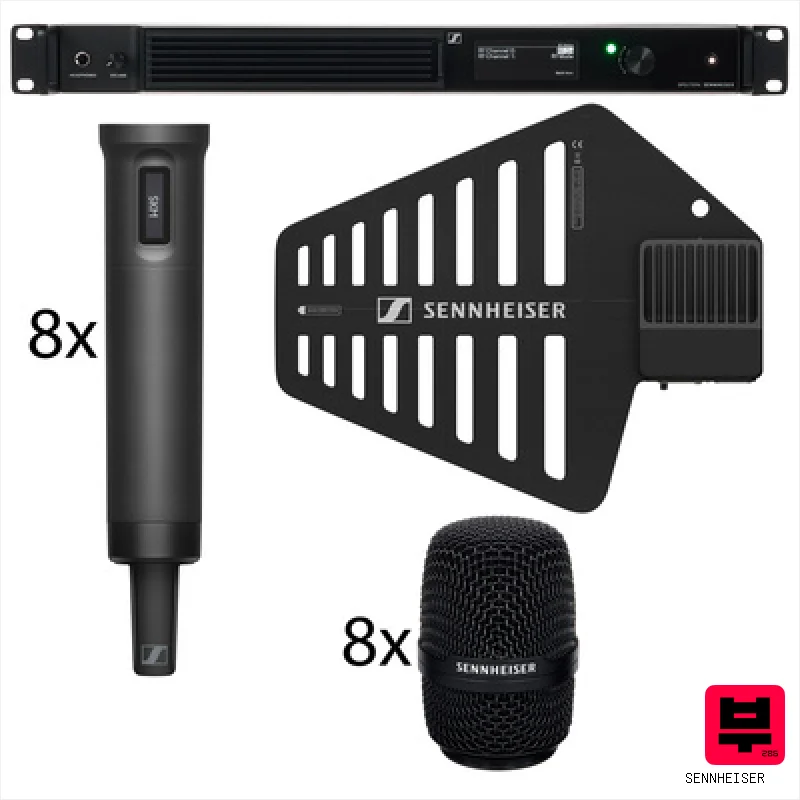
This Sennheiser EW-DX 4CH Conference Set is a serious piece of kit for professional conference rooms and boardrooms. The Dante integration makes it a breeze to connect to existing systems, and the robust build ensures years of reliable service. It's perfect for organizations needing a secure, high-quality wireless conference solution.
Pros
- Rock-solid build quality; the receiver feels substantial and well-engineered.
- Dante connectivity offers seamless integration with modern AV infrastructure.
- AES 256 encryption provides a high level of security for sensitive discussions.
Cons
- The substantial weight of the receiver (approx. 2kg) requires careful rack mounting.
- Limited frequency band allocation can pose challenges in congested RF environments.
64AudioFu
Index↑ 1.5%since Aug 14$7,651 · Aug 14$7,762 now$7,762€6,898 at Thomann · in stockCheck price ↗ -
- Size19"
- Weight1.95 kg
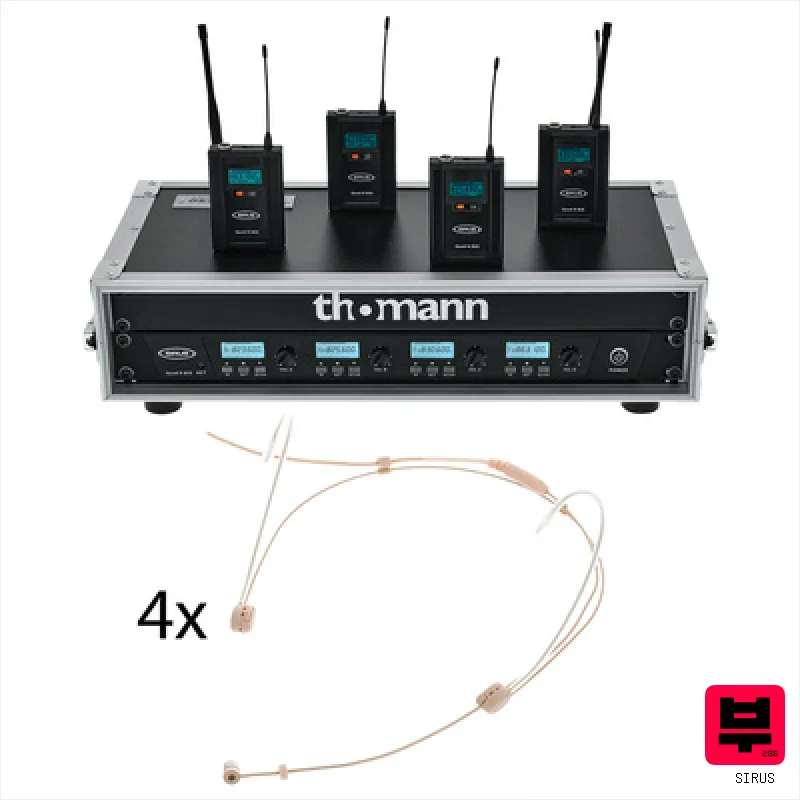
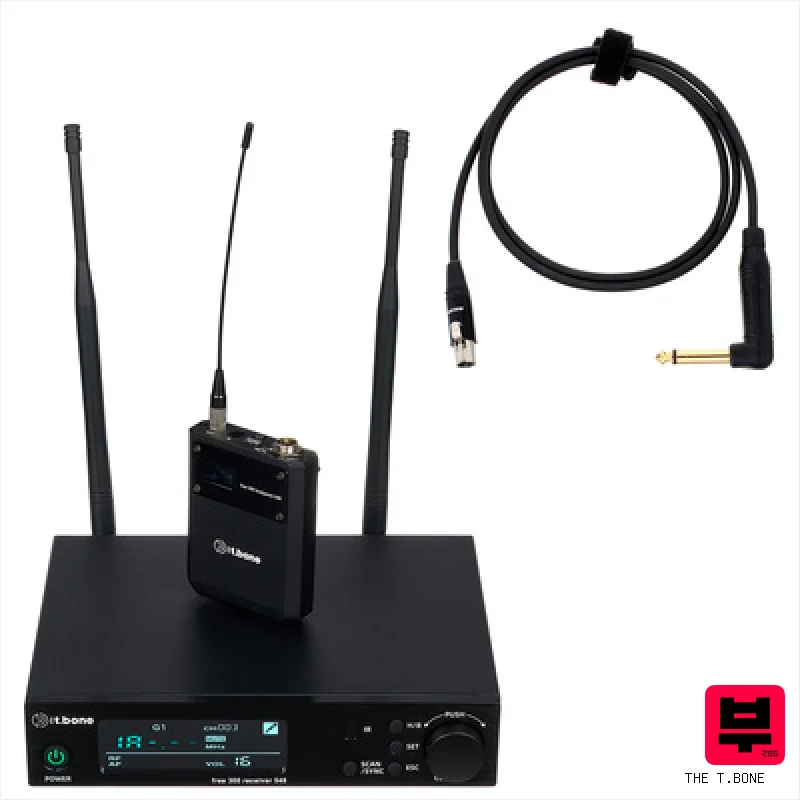
This Sirus Quad R + 4C 470 bundle is a solid, budget-friendly option for conference rooms, presentations, or small-scale events needing multiple wireless mics. The IR sync is a real time-saver, and the build quality feels surprisingly robust for the price point. It's perfect for anyone needing a reliable, no-fuss wireless solution without the premium price tag of the bigger brands.
Pros
- Excellent frequency scan simplifies setup for multi-mic environments.
- IR transmission streamlines channel configuration across multiple transmitters.
- Robust 1U rackmount design ensures stability in professional installations.
Cons
- 470-526 MHz band can be congested in some areas, limiting channel availability.
- Power supply is external, adding to cable clutter and potential failure point.
51AudioFu
IndexStableno change since Aug 14Aug 14$472 now$472€419 at Thomann · in stockCheck price ↗ -
- Size19"
- Weight1.95 kg
This Sirus Quad R bundle is a solid, budget-friendly option for conference rooms, boardrooms, or educational settings needing reliable wireless audio. The rackmount design is practical, and the infrared sync is a time-saver. It's not a premium system, but for straightforward applications, it delivers a good balance of performance and affordability.
Pros
- Rackmount design saves space, ideal for permanent conference room installations.
- Infrared transmission simplifies channel syncing, reducing setup headaches.
- Excellent signal-to-noise ratio ensures clear audio even in noisy environments.
Cons
- Limited frequency range necessitates careful frequency coordination in dense RF areas.
- External power supply adds another cable and potential point of failure.
51AudioFu
IndexStableno change since Aug 14Aug 14$472 now$472€419 at Thomann · in stockCheck price ↗ -
- Size9.5"
- Weight0.2 kg
This Sennheiser bundle is a seriously well-engineered conference system. The boundary mic's half-cardioid pickup pattern is fantastic for keeping things clean, and the wireless freedom is a huge plus for presentations or boardrooms. Perfect for professional meetings and events where clarity and reliability are paramount.
Pros
- Excellent boundary mic for clear table pickup, minimizing room noise.
- Robust DW-3B construction feels very solid, professional grade.
- Programmable micro switch adds significant flexibility in use cases.
Cons
- 1.9 GHz band can be susceptible to interference in crowded RF environments.
- Receiver size (9.5") might be restrictive for some mobile setups.
50AudioFu
Index↑ 10.3%since Aug 14$1,529 · Aug 14$1,687 now$1,687€1,499 at Thomann · in stockCheck price ↗ -
- Size9.5"
This Sennheiser system is a serious step up for conference rooms or lecture halls demanding reliable wireless audio. The build feels pro, the digital transmission cuts through interference, and the remote control is a real time-saver. It’s a premium-priced solution, but well worth it for organizations prioritizing clarity and control.
Pros
- Solid build quality; metal tripod feels substantial and stable.
- 1.9 GHz digital transmission minimizes interference common in crowded RF spaces.
- Sennheiser Cockpit Control offers granular remote monitoring and configuration.
Cons
- CHG2W charging base is a frustratingly separate purchase.
- Limited frequency range restricts flexibility for complex multi-mic setups.
41AudioFu
Index↑ 12.9%since Aug 14$1,394 · Aug 14$1,574 now$1,574€1,399 at Thomann · in stockCheck price ↗ -
The U505 CS 4 is a well-built conference system, ideal for boardrooms, courtrooms, or any setting needing clear, reliable audio for multiple speakers. It’s got a clean, professional look and the channel count is genuinely useful for avoiding interference, but be aware of its weight and the frequency band limitations. A solid choice for institutions or businesses needing dependable conferencing.
Pros
- Solid build quality with a professional, understated aesthetic
- OLED display offers clear, at-a-glance system status
- BNC antenna connectors allow for upgraded external antennas
Cons
- The system's weight (6kg) makes transport and setup cumbersome
- 554-586 MHz band can be restrictive depending on location
37AudioFu
IndexStableno change since Aug 14Aug 14$1,687 now$1,687€1,499 at Thomann · in stockCheck price ↗ -
The LD Systems U506 CS 4 is a dependable, well-built conference system. It's ideal for boardrooms, lecture halls, or any situation needing clear, reliable audio for multiple speakers—the automatic frequency management and solid construction make it a workhorse. Just be mindful of its size and weight if you need to move it often.
Pros
- Solid build quality with a robust metal chassis and stable table bases.
- Infrared frequency synchronization is genuinely reliable and fast.
- Gooseneck mics offer good positioning flexibility for presenters.
Cons
- The system's size and weight make it less portable for frequent moves.
- Limited frequency band allocation may pose issues in densely populated RF areas.
36AudioFu
Index↑ 3.5%since Aug 14$1,631 · Aug 14$1,687 now$1,687€1,499 at Thomann · in stockCheck price ↗ -
The LD Systems U508 CS 4 is a solid, reliable conference system—perfect for boardrooms, classrooms, or legal depositions where clear audio and minimal fuss are essential. It's a well-built, no-nonsense package that prioritizes stability and ease of use over flashy features. This is a great option when you need a dependable wireless solution without the complexity of a full-blown touring rig.
Pros
- Excellent true diversity UHF reception minimizes interference
- Gooseneck mics offer stable positioning and reduced handling noise
- Integrated inMix XLR output simplifies routing to mixers or recorders
Cons
- The base unit's weight makes it less portable for frequent relocation
- Limited frequency range compared to some higher-end conference systems
35AudioFu
Index↑ 4.9%since Aug 14$1,608 · Aug 14$1,687 now$1,687€1,499 at Thomann · in stockCheck price ↗
Wireless Conference Systems by the numbers
Measured across all 10 models we track, not a sample.
Median $1,687 — half of all wireless conference systems here cost less.
median of 7 models · 9.5"–19"
median of 6 models · 0.2 kg–4.6 kg
How to choose the best wireless conference systems
Frequency Band & Licensing
UHF is generally better for range and penetration, but requires licensing in some areas. 2.4GHz is license-free but can be susceptible to interference from Wi-Fi and Bluetooth - think crowded rehearsal spaces or venues with tons of devices.
Microphone Quality & Polar Pattern
A cheap dynamic mic will sound... cheap. Look for mics with a natural response, avoiding that overly hyped or boxy sound. Cardioid patterns are usually best to minimize room noise and feedback, but omnidirectional patterns are needed for full-room pickup.
Dynamic Range & Noise Floor
This is HUGE. A system with a low noise floor means quieter voices are audible. Dynamic range dictates how loud someone can speak before distortion creeps in - crucial for lively discussions. You don't want clipping or a constant hiss in the background.
Build Quality & Durability
Conference systems get handled a lot. Cheap plastic construction won't last, especially if they're being moved around frequently. Solid metal construction and robust components are worth the investment if you expect regular use.
Latency & Range
Wireless introduces latency - a slight delay. Too much latency is distracting and makes conversation awkward. Range matters too; make sure it covers the entire conference area without dropouts - nobody likes a mic cutting out mid-sentence.
Buying guide
So, you need a wireless conference system? It's not just about ditching the cable clutter, it's about intelligibility, feedback rejection, and a natural sound that doesn't make everyone sound like they're talking through a tin can. We've all been in those meetings where the audio's a mess - it's brutal. A good wireless conference system needs to deliver clear, articulate speech without sounding sterile or harsh, especially when multiple people are talking at once.
Don't chase the cheapest option; you'll almost always pay for it in compromised audio quality or reliability. Pay attention to the microphone capsules - those are the heart of the system. Watch out for systems with overly aggressive compression - it can make everything sound flat and lifeless.
A slightly higher price point often translates to better components and a more natural, professional sound.
How the AudioFu Index works
Five measured signals and nothing else — no stars from strangers, no “tested by experts” we didn’t do. The weights are fixed and public. We don’t play these instruments; we measure the market around them.
This chart covers 10 wireless conference systems from the Thomann catalogue. Before you buy, read hands-on reviews and, where you can, play it. Full methodology.
AudioFu earns a commission when you buy through our Thomann links. It never changes the order — the index does.
- Demand40%
How many of this exact model are for sale on Reverb right now — what musicians actually buy and resell.
- Lineup20%
How many finishes Thomann stocks — makers expand the models that sell.
- Price15%
Where the price has moved since we started tracking in August.
- Specs15%
How completely the maker documents it.
- Maker10%
How deep the brand’s range is in this category.
Questions
Can I use any wireless microphone with a conference system?
Nope. Most conference systems are designed to work with specific, paired microphones. Using random mics can lead to interference, signal issues, and generally won't work as expected. It's a closed ecosystem for a reason.
What's the deal with frequency coordination?
In crowded RF environments (like a convention center), multiple systems can interfere. Frequency coordination lets the system automatically find clear frequencies to avoid that chaos - a lifesaver.
How far can I realistically expect a wireless conference system to work?
Marketing specs are often optimistic. Expect 30-50 feet in a typical environment. Walls, interference, and other devices will significantly reduce that range.
Are rechargeable batteries a must?
Definitely. Swapping out batteries mid-meeting is a recipe for disaster. Look for systems with long battery life and a convenient charging dock.
My conference room has a lot of reflective surfaces - will that cause problems?
Absolutely. Reflections create feedback and muddy the sound. Consider acoustic treatment (rugs, curtains, panels) or mics with tighter pickup patterns to minimize those issues.