
Best Sennheiser Wireless Conference Systems 2026
Alright, so you're looking into wireless conference systems? It's more than just grabbing the cheapest option - especially if you want your meetings to sound professional and not like a tin can telephone. Sennheiser's been crafting mics for decades, and their conference systems have a reputation for clarity and reliability that's hard to beat. Let's break down why they're often the go-to for serious setups, and what to look for.
Last updated: September 30, 2026
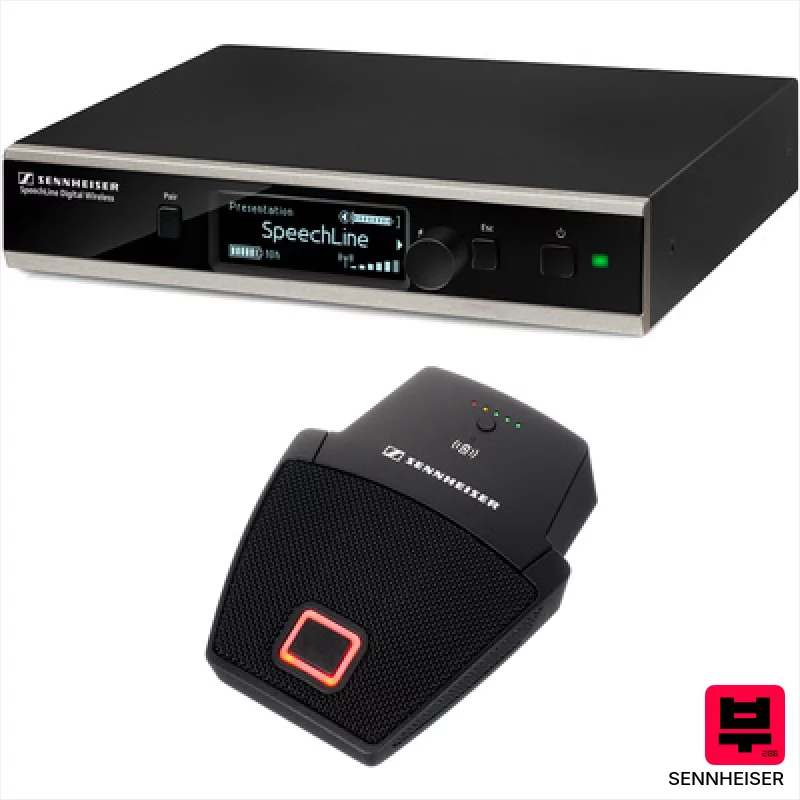
Sennheiser SL 114-S Wireless Bundle
- • Excellent boundary mic for clear table pickup, minimizing room noise.
- • Robust DW-3B construction feels very solid, professional grade.
- • Programmable micro switch adds significant flexibility in use cases.
- • Qi wireless charging is a convenient, modern touch.
- • 1.9 GHz band can be susceptible to interference in crowded RF environments.
- • Receiver size (9.5") might be restrictive for some mobile setups.
- • Boundary design limits placement options; not ideal for handheld use.

Sennheiser EW-DX 4CH Conference Set U1/5
- • Rock-solid build quality; the receiver feels substantial and well-engineered.
- • Dante connectivity offers seamless integration with modern AV infrastructure.
- • AES 256 encryption provides a high level of security for sensitive discussions.
- • Gooseneck microphone compatibility allows for flexible placement and optimal pickup.
- • The substantial weight of the receiver (approx. 2kg) requires careful rack mounting.
- • Limited frequency band allocation can pose challenges in congested RF environments.
- • High-end price point makes it a significant investment for smaller organizations.

Sennheiser EW-DX 4CH Conference Set R1-9
- • Rock-solid build quality with robust metal chassis for demanding environments.
- • Dante connectivity offers seamless integration into existing digital audio networks.
- • AES 256 encryption ensures secure and private conference communications.
- • Excellent RF performance minimizes dropouts, even in crowded wireless spaces.
- • Significant investment; this is a premium-priced system for professional use.
- • Weight (approx. 2kg for the receiver) necessitates a dedicated rack space or sturdy placement.
- • Limited frequency band compared to broader UHF systems might restrict channel availability.

Sennheiser EW-DX 4CH Conference Set Q1-9
- • Rock-solid build quality; feels like it'll survive a tour bus.
- • Dante connectivity offers seamless integration into professional networks.
- • AES 256 encryption provides excellent security for sensitive meetings.
- • Table stands offer stable, flexible mic positioning for presenters.
- • The receiver's weight (4.6 kg) makes rack mounting essential, not portable.
- • Premium-priced, representing a significant investment for smaller organizations.
- • Gooseneck microphones are not included, adding to the overall cost.
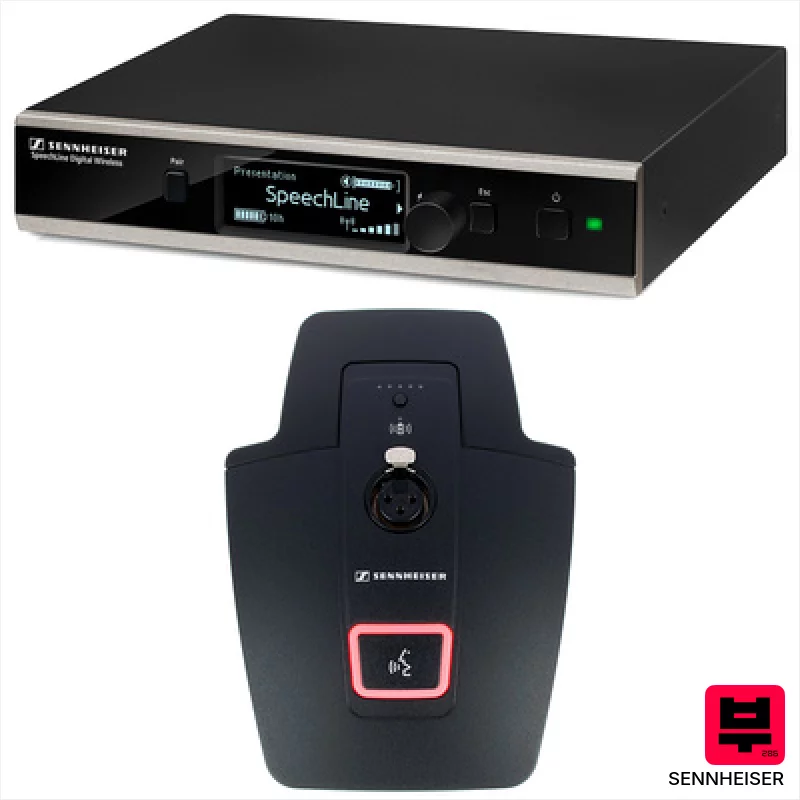
Sennheiser SL Tablestand & Receiver Set
- • Solid build quality; metal tripod feels substantial and stable.
- • 1.9 GHz digital transmission minimizes interference common in crowded RF spaces.
- • Sennheiser Cockpit Control offers granular remote monitoring and configuration.
- • Qi wireless charging adds convenience; battery life is genuinely impressive.
- • CHG2W charging base is a frustratingly separate purchase.
- • Limited frequency range restricts flexibility for complex multi-mic setups.
- • The 1.9 GHz band might have licensing/regulatory hurdles in some regions.
Wireless Conference Systems by the numbers
Measured across all 10 models in this category, so «wide», «short» or «expensive» mean something you can check.
How to Choose the Best Wireless Conference Systems
Clarity & Frequency Response
Sennheiser's signature isn't about a hyped-up low-end thump or a brittle high end. It's about a balanced, natural response that captures speech with excellent articulation. You want intelligibility, not coloration, in a conference setting, and they nail that.
Dynamic Range & Headroom
Cheap wireless systems often clip and distort when someone gets a little enthusiastic. Sennheiser consistently delivers better headroom, allowing for louder voices and more dynamic range without the nasty breakup. Think of it like having a more forgiving amp - it just sounds cleaner overall.
Build Quality & Durability
This isn't some flimsy plastic thing that'll fall apart after a few gigs. Sennheiser builds to last. The metal chassis and robust components mean these systems can handle the rigors of daily use and travel - something crucial if you're moving them around a lot.
RF Stability & Range
Wireless is only as good as its signal. Sennheiser's systems are known for their rock-solid RF performance, minimizing dropouts and interference. You don't want your presentation derailed by a sudden silence - it's a real mood killer.
Microphone Options & Flexibility
Sennheiser offers a range of mics - goosenecks, handhelds, boundary mics - to suit different setups. This adaptability means you can tailor the system to the specific room and participant needs, unlike some systems locked into a single mic type.
Buying Guide
Don't chase the lowest price. Wireless conference systems are an investment. The higher-end Sennheiser systems offer better RF stability and a wider range of features, but even their more basic models outperform a lot of the budget competition. Watch out for older models - while still functional, newer systems often have improved range and interference rejection. Ultimately, prioritize clarity and reliability over flashy features.
How This List Is Built
We don't play these instruments — we're a catalog, not a review desk, and we'd rather say so than pretend otherwise. This page covers 5 of 10 wireless conference systems from the Thomann catalogue, which is the largest single source of specification data in this category: 5 in detail, the rest listed with their specifications.
Position is computed, not curated. We parse the manufacturer's own description into actual values — nut width, scale, fret count, fingerboard radius, size, alloy — and rank on them: how many specifications a model has published, how many of them are measurable numbers, and how precisely it meets this page's criterion. A product image adds a little. Price is not a ranking signal: it tells you nothing about whether a neck fits your hand. The same inputs always produce the same order, so nothing here is shuffled to look fresh.
What this list is good for: narrowing a category down to a shortlist by spec and budget. What it isn't: a substitute for hearing an instrument. Before you buy, read hands-on reviews and, where you can, play it. Full methodology.

