
Best Video Microphones for Video Production 2026
So you're shooting video - great! Bad audio can kill even the most stunning visuals. Forget about fancy cameras for a minute; a decent mic is the difference between a pro-sounding track and something that sounds like it was recorded in a tin can. Let's break down some microphones that'll actually improve your video's audio, from on-camera options to room mics, without breaking the bank (or your sanity).
Last updated: July 8, 2026 • Next update: July 15, 2026
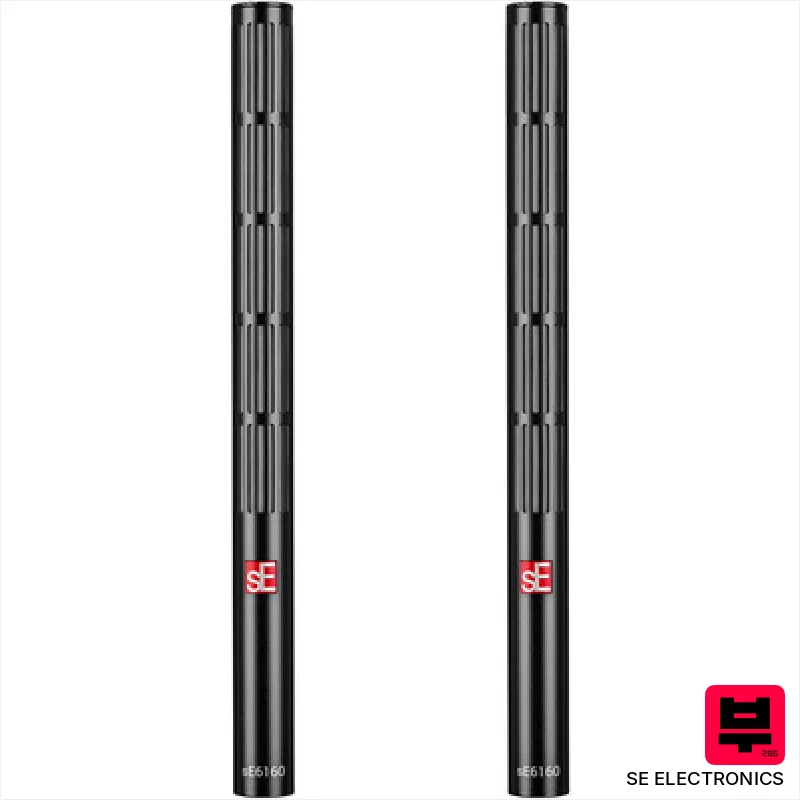
SE Electronics sE 6160 Stereoset
- • Exceptional transient response captures subtle nuances beautifully.
- • Supercardioid pattern offers excellent isolation in challenging spaces.
- • Small diaphragm delivers a clean, detailed, and natural sound.
- • Robust build quality with a reassuringly solid, metallic feel.
- • Supercardioid pattern can be tricky to manage without precise mic placement.
- • Price point places it in a premium category for video work.
- • Limited polar pattern choices compared to some multi-pattern condensers.

Sennheiser MKE 440
- • Excellent stereo imaging, truly captures a wider soundscape
- • Robust metal housing inspires confidence in its durability
- • Supercardioid pattern effectively rejects off-axis noise sources
- • Low-cut filter noticeably reduces rumble and proximity effect
- • Limited flexibility for studio recording without adapters
- • Stereo nature can be tricky in chaotic, reverberant environments
- • Battery dependency can be inconvenient for extended shoots

Audio-Technica BP 4029
- • Exceptional stereo imaging due to precisely matched capsules
- • Robust metal housing provides excellent durability for on-location work
- • Switchable MS and LR modes offer creative stereo recording flexibility
- • Low-cut filter effectively reduces rumble and proximity effect
- • Size and weight can be cumbersome for handheld operation
- • Limited pattern options compared to some other stereo mics
- • Requires phantom power, which can be a limitation in some environments

Sanken CS-1e
- • Exceptional off-axis rejection minimizes unwanted background noise.
- • Low self-noise provides clean, usable audio even in challenging environments.
- • Compact and lightweight design ideal for run-and-gun video work.
- • Robust build quality ensures reliability under demanding production conditions.
- • Limited polar pattern versatility restricts its use in studio applications.
- • High output impedance may require a high-quality preamp for optimal performance.
- • Premium-priced, representing a significant investment for many users.
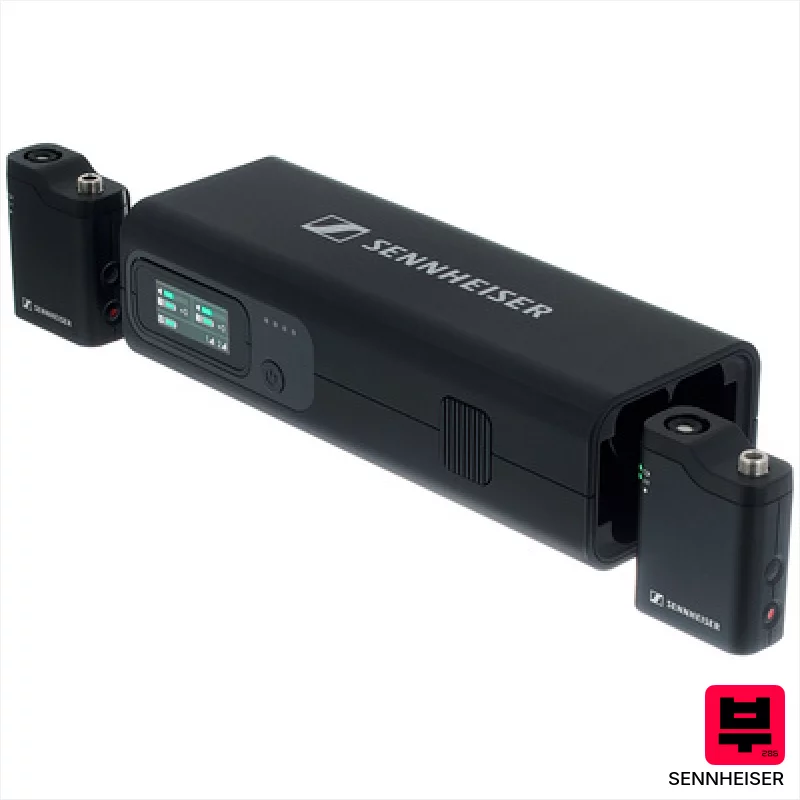
Sennheiser Profile Wireless
- • Excellent audio clarity; Sennheiser's reputation shines through.
- • Compact receiver is genuinely pocketable, great for travel.
- • Built-in recording provides a safety net; a real time-saver.
- • Intuitive Gyrosensor display simplifies operation on the go.
- • Seven-hour battery life could be limiting for longer shoots.
- • Omnidirectional pickup can be problematic in noisy environments.
- • Limited frequency range may introduce some high-end roll-off.
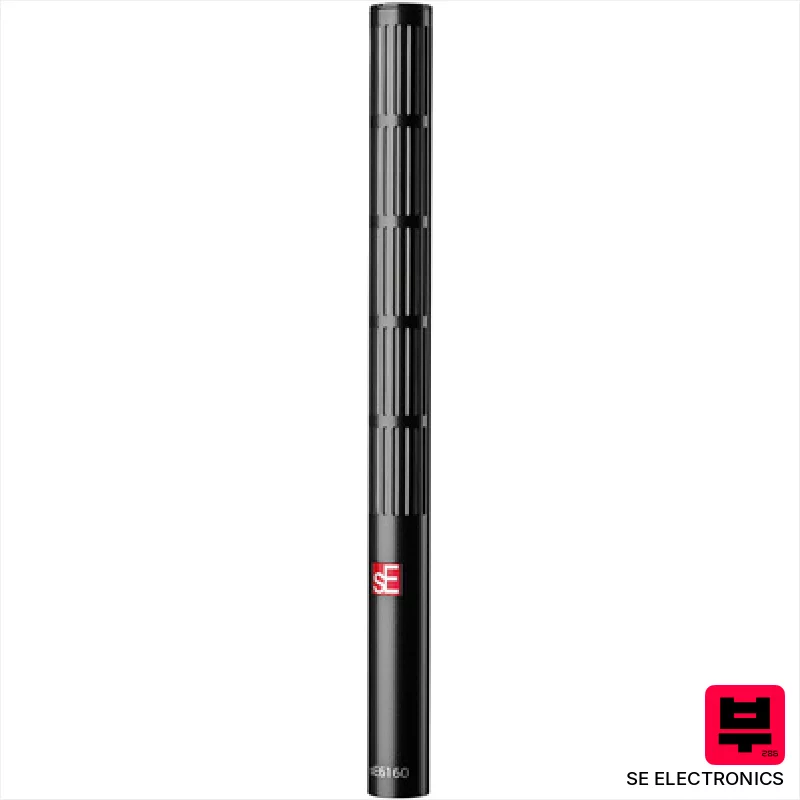
SE Electronics sE 6160
- • Exceptional transient response for crisp, detailed recordings.
- • Supercardioid pattern offers excellent off-axis rejection.
- • Robust metal body provides a professional feel and durability.
- • Low self-noise ensures clean recordings even at lower gain.
- • Supercardioid pattern requires careful mic placement for optimal results.
- • Lacks built-in preamp, requiring a high-quality interface or preamp.
- • Small diaphragm limits suitability for certain vocal styles requiring warmth.

Rode VideoMic Pro+
- • Excellent off-axis rejection minimizes background noise effectively.
- • The included LB-1 battery provides surprisingly long runtime.
- • Smart auto-on/off simplifies workflow and conserves battery.
- • High-frequency boost enhances clarity for spoken word recording.
- • Supercardioid pattern demands careful mic placement for optimal results.
- • 3.5mm TRS output limits compatibility with some older equipment.
- • Plastic construction, while lightweight, lacks premium feel.

Sennheiser Profile Wireless 1-Channel Set
- • Compact receiver is genuinely pocketable, ideal for travel.
- • Omnidirectional mics capture clear audio even with movement.
- • Excellent battery life offers reliable operation for long shoots.
- • Integrated recording provides a safety net, avoiding signal loss.
- • Omnidirectional pickup can be noisy in less-than-ideal environments.
- • Single-channel limits flexibility for interviews or multiple speakers.
- • Limited frequency range may struggle with extremely complex audio scenarios.

Sennheiser MKE 400 MKII MZW Bundle
- • Excellent off-axis rejection minimizes background noise effectively.
- • Integrated suspension noticeably reduces handling noise and vibrations.
- • Versatile power options (AAA batteries or external voltage) offer flexibility.
- • The included windscreens and cables provide a complete, ready-to-use solution.
- • Supercardioid pattern demands precise mic placement for optimal results.
- • Limited frequency response compared to studio-grade condenser microphones.
- • The spiral cables, while convenient, can be a bit restrictive in some setups.
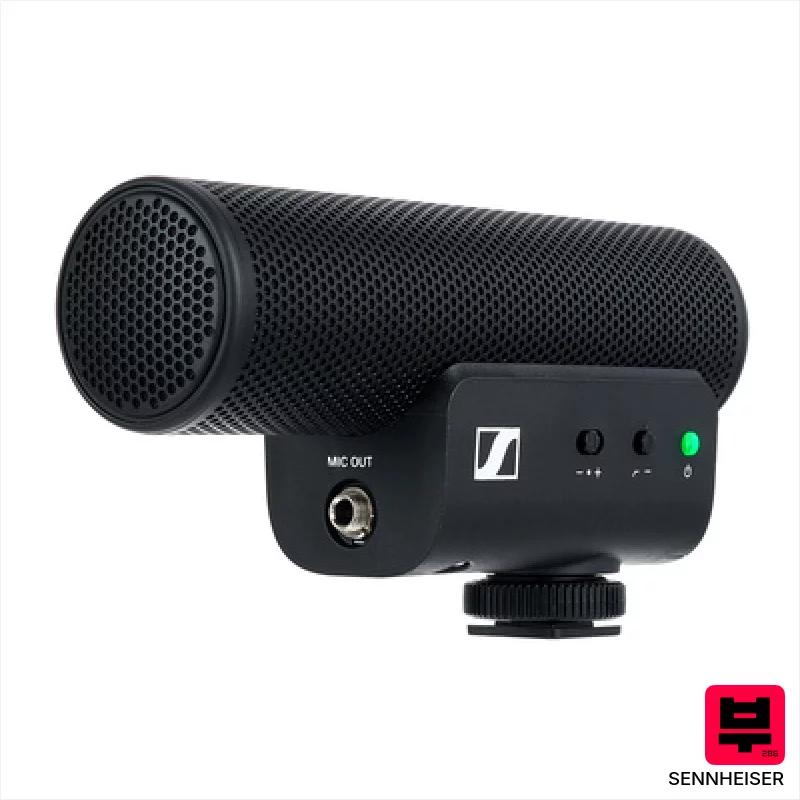
Sennheiser MKE 400 MKII
- • Excellent off-axis rejection minimizes room noise effectively.
- • The integrated suspension noticeably reduces handling noise.
- • Versatile power options (battery or external) offer great flexibility.
- • Headphone output allows for real-time monitoring without external gear.
- • Supercardioid pattern demands careful mic placement for optimal results.
- • Limited frequency response compared to studio-grade condensers.
- • The spiral cables, while convenient, can be prone to tangling.

Audio-Technica AT 875 R
- • Excellent off-axis rejection minimizes room noise effectively.
- • Robust metal body feels durable for on-location use.
- • Consistent, clear sound reproduction across its frequency range.
- • Included adapters offer flexibility with various mic stands.
- • Lacks a built-in pad, making it challenging in very loud environments.
- • The capsule isn't as premium as higher-end AT mics.
- • Limited versatility; primarily designed for video, not studio recording.

Sennheiser MKE 400 MKII Mobile Kit
- • Excellent off-axis rejection minimizes background noise effectively
- • Supercardioid pickup pattern isolates audio sources very well
- • Integrated windscreen and suspension significantly reduce handling noise
- • The included Manfrotto Pixi tripod is surprisingly stable for its size
- • Battery life can be a limiting factor for extended shoots
- • The spiral cables are prone to tangling and can feel fragile
- • Limited versatility for professional studio recording applications

Sennheiser MKE 600
- • Excellent off-axis rejection minimizes unwanted room noise.
- • Lightweight build (128g) is comfortable for extended handheld use.
- • Versatile power options (phantom or battery) increase flexibility on set.
- • Supercardioid pattern provides focused audio capture, ideal for interviews.
- • Supercardioid pattern demands careful mic placement to avoid dropouts.
- • Lacks a built-in limiter, requiring careful gain staging to avoid clipping.
- • Foam windscreen isn't as robust as some premium alternatives.
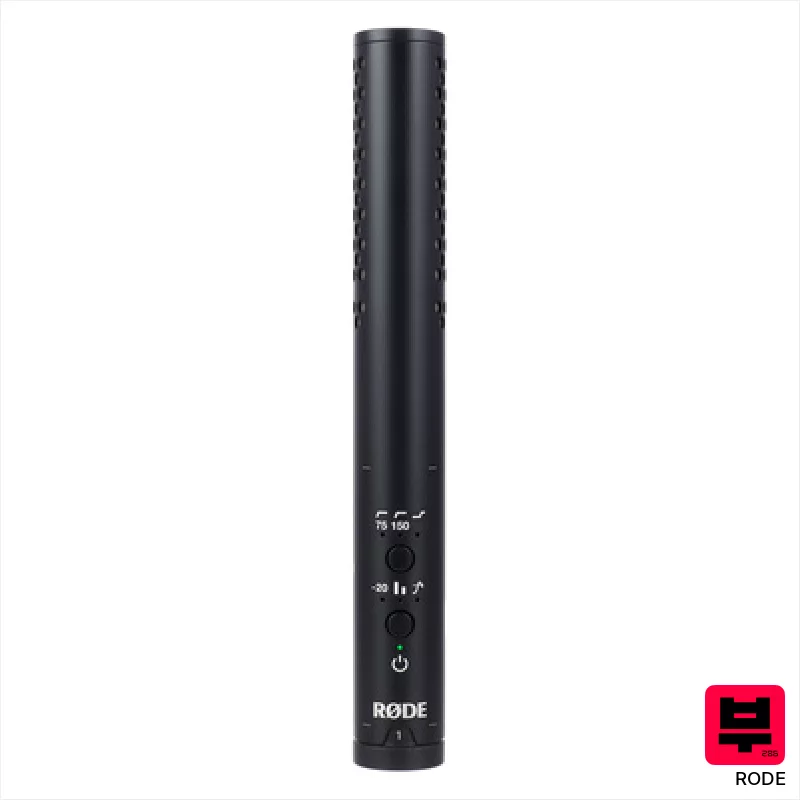
Rode VideoMic NTG
- • Robust aluminum housing provides excellent durability for on-location use
- • Supercardioid pickup pattern effectively rejects off-axis noise and room ambience
- • Integrated USB-C interface allows direct connection to computers for simple recording
- • Internal battery offers extended operation, eliminating reliance on camera power
- • Supercardioid pattern demands precise mic placement for optimal results
- • Limited low-frequency response compared to studio condenser microphones
- • Aluminum build, while durable, contributes to a slightly heavier feel than plastic alternatives

Audio-Technica AT8024
- • Excellent off-axis rejection minimizes room noise effectively.
- • Solid build quality with a reassuringly robust metal body.
- • Versatile MS mode expands stereo imaging possibilities.
- • Battery life is genuinely impressive for a compact mic.
- • Sound can be slightly clinical; lacks warmth for some applications.
- • Cable, while spiral, can still be a bit cumbersome.
- • Limited high-end extension compared to premium video mics.
How to Choose the Best Video Microphones
Tonal Character
This isn't about 'good' or 'bad' - it's about what kind of sound you need. A bright mic can cut through a noisy environment, but can also sound harsh. A warmer mic is great for vocals, but might get lost in a busy soundscape. We're listening for that balance - that clarity without the ice-picky top end.
Off-Axis Rejection
Critical for interviews or situations where you want to minimize background noise. A mic that picks up every cough and chair squeak isn't helpful. Look for a pattern that rolls off sounds coming from the sides and rear.
Form Factor & Mounting
On-camera mics need to be compact and stable. Lavalier mics need to be discreet and comfortable. Think about how the mic will physically work in your workflow - a bulky shotgun mic isn't ideal for run-and-gun shooting.
Sensitivity & Dynamic Range
A mic with good sensitivity can capture subtle nuances, but too much sensitivity can also amplify unwanted noise. Dynamic range tells you how loud the mic can get before distortion kicks in - crucial for loud environments or music recording.
Durability & Build Quality
Let's be real, gear gets beat up. A flimsy plastic housing won't last a tour, even a short one. We're looking for mics that feel solid and can take a bit of abuse without falling apart.
Buying Guide
Don't fall for the hype. Cheap mics often compensate for poor components with excessive processing, which can muddy the audio. Spend a little more for a mic with a decent capsule and preamp - it'll pay off in the long run. Lavalier mics are tempting for their discreetness, but often suffer from low output and a limited frequency response; consider a dedicated preamp if you go that route.
Our Methodology
We're not just looking at spec sheets here. We've spent hours A/B'ing these mics against each other, running them through various video setups (think interviews, music performances, ambient soundscapes), and even tossing them in a gig bag to see how they hold up. Our evaluation focuses on the stuff that really matters: how the mic sounds in a real-world scenario, not just the numbers on paper.

