AudioFu Chart · October 2026
Best Video Microphones for Beginner 2026
The top pick is RODE VIDEOMICME VideoMic Me Directional Smartphone Mic ($30). RODE VIDEOMICME VideoMic Me Directional Smartphone Mic leads the high end. Ranked by the AudioFu Index from 24 models across 6 brands, prices checked every night.
Last updated: October 26, 2026
Top 10
Full detail for the 10 highest AudioFu Index scores. Every other model is listed below.
-
RODE VIDEOMICME VideoMic Me Directional Smartphone Mic
VideoMic Me · Rode
20 for sale on Reverb1 finish at Thomann
The Rode VideoMic Me is a surprisingly capable little mic for on-the-go video creators. Its compact size and headphone monitoring make it ideal for vloggers, social media content, and quick interviews – just don't expect studio-grade audio quality. It's a solid, budget-friendly solution for improving your iPhone/iPad audio.
Pros
- Metal housing provides unexpected durability for its size.
- Cardioid pattern effectively rejects room noise for cleaner recordings.
- Built-in headphone jack allows for real-time monitoring, crucial for mobile content creation.
Cons
- Limited frequency response; lacks detail for critical audio work.
- TRRS connector restricts compatibility to devices with headphone jacks.
-
RODE VideoMicro II Miniature Shotgun Microphone
VideoMicro II · Rode
7 for sale on Reverb1 finish at Thomann
- Size8"
The VideoMicro II is a solid entry-level on-camera mic, especially if you need something lightweight and simple. It's great for vloggers, YouTubers, and anyone who needs improved audio without a complicated setup – just plug it in and go. Don't expect studio-grade quality, but it's a noticeable step up from your camera's built-in mic.
Pros
- Robust aluminum build with ceramic coating feels surprisingly premium.
- Supercardioid pattern effectively rejects off-axis noise and room ambience.
- Integrated HELIX mount minimizes vibrations and handling noise well.
Cons
- Limited frequency response lacks detail for critical audio applications.
- 3.5mm TRS output can be susceptible to cable noise and interference.
-
RODE VIDEOMICME VideoMic Me Directional Smartphone Mic
VideoMic Me-L · Rode
20 for sale on Reverb1 finish at Thomann
The VideoMic Me-L is a solid, budget-friendly option for mobile creators. It's fantastic for vloggers, social media content creators, or anyone needing decent audio directly from their iPhone or iPad – the direct Lightning connection is a huge convenience. Just don’t expect miracles; it's great for its purpose, but not a substitute for a dedicated mic setup.
Pros
- Excellent iOS integration, true plug-and-play operation
- Ceramic coating offers surprisingly good scratch resistance
- Cardioid pattern effectively rejects off-axis noise
Cons
- Limited versatility – iOS devices only, no XLR option
- Sound quality, while good, isn't professional studio-grade
-
RODE VIDEOMICME VideoMic Me Directional Smartphone Mic
VideoMic Me-C+ · Rode
20 for sale on Reverb1 finish at Thomann
This little mic is perfect for recording singers on a phone or tablet. Its sturdy metal case feels premium and won't scratch easily during travel. The cardioid pickup picks up your voice clearly while rejecting most background noise. It's an affordable, lightweight option that works right out of the box.
Pros
- Sturdy aluminum body resists daily scratches easily.
- Cardioid pattern isolates vocals from room noise.
- USB-C port works directly with modern phones.
Cons
- No phantom power required but limited to 5V.
- Headphone output uses small mini jack only.
-
RODE VIDEOMICME VideoMic Me Directional Smartphone Mic
VideoMic NTG · Rode
20 for sale on Reverb1 finish at Thomann
- Size8"
The Rode VideoMic NTG is a solid choice for videographers and content creators needing directional audio. Its USB-C connectivity makes it incredibly versatile, bridging camera work with direct digital recording, and the build quality feels genuinely premium. It's a great step up from basic camera mics, particularly for interview work or situations where you need to isolate a sound source.
Pros
- Robust aluminum housing provides excellent durability for on-location use
- Supercardioid pickup pattern effectively rejects off-axis noise and room ambience
- Integrated USB-C interface allows direct connection to computers for simple recording
Cons
- Supercardioid pattern demands precise mic placement for optimal results
- Limited low-frequency response compared to studio condenser microphones
81AudioFu
IndexStableno change since Aug 17Aug 17$234 now$234€209 at Thomann · in stockCheck price ↗ -
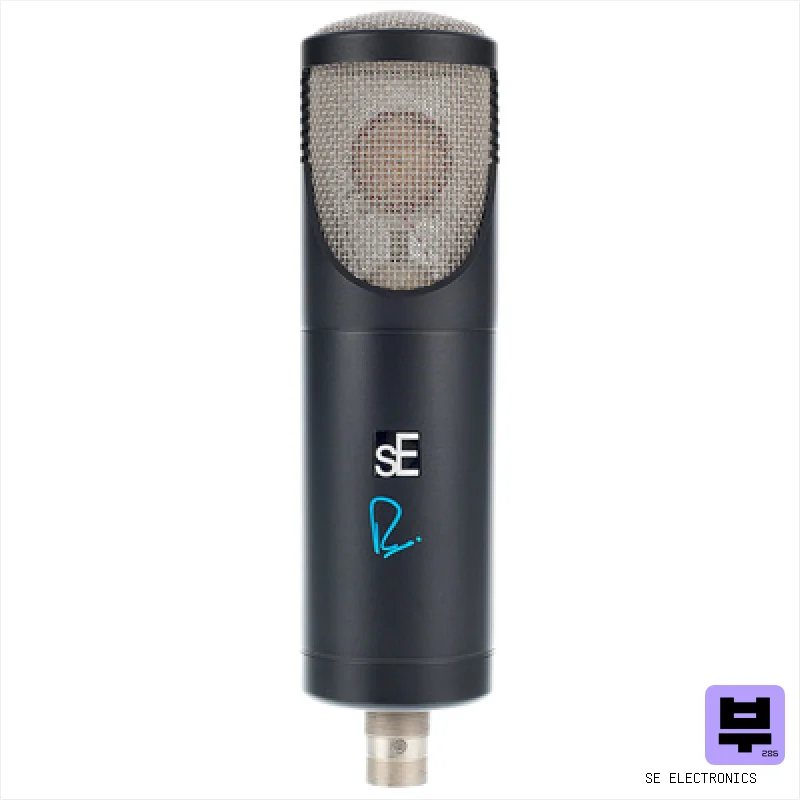
sE Electronics sE6160 Supercardioid Shotgun Microphone
sE 6160 · sE Electronics
11 for sale on Reverb2 finishes at Thomann
- Weight0.11 kg
The sE 6160 is a seriously impressive mic for dialogue, instruments, and anything needing detail. It's a great choice for filmmakers, podcasters, and musicians wanting a clean, accurate sound without the coloration of larger condensers. The tight pattern means you need to pay attention to placement, but the results are worth it.
Pros
- Exceptional transient response for crisp, detailed recordings.
- Supercardioid pattern offers excellent off-axis rejection.
- Robust metal body provides a professional feel and durability.
Cons
- Supercardioid pattern requires careful mic placement for optimal results.
- Lacks built-in preamp, requiring a high-quality interface or preamp.
76AudioFu
IndexStableno change since Aug 17Aug 17$498 now$498€445 at Thomann · in stockCheck price ↗ -
Audio-Technica AT875R Short Condenser Shotgun Microphone
AT 875 R · Audio-Technica
10 for sale on Reverb1 finish at Thomann
- Size8"
This little AT 875 R is a workhorse for video shooters. It’s got a clean, focused sound that cuts through background noise really well, and the included accessories are a nice touch. It’s a solid, dependable mic if you’re primarily focused on dialogue capture for video – think YouTubers, vloggers, or even basic corporate video work.
Pros
- Excellent off-axis rejection minimizes room noise effectively.
- Robust metal body feels durable for on-location use.
- Consistent, clear sound reproduction across its frequency range.
Cons
- Lacks a built-in pad, making it challenging in very loud environments.
- The capsule isn't as premium as higher-end AT mics.
71AudioFu
IndexStableno change since Aug 17Aug 17$196 now$196€175 at Thomann · in stockCheck price ↗ -
RODE VIDEOMICME VideoMic Me Directional Smartphone Mic
Stereo VideoMic X · Rode
20 for sale on Reverb1 finish at Thomann
This mic sounds great because it uses two real capsules for a wide stereo image. The metal body feels sturdy, and the built-in filters help cut out low-end rumble. It runs all day on a 9V battery and mounts easily on most cameras. Best for videographers who want clean sound without needing extra gear.
Pros
- Cast aluminum body feels solid and built to last.
- Two real condenser capsules capture detailed stereo sound.
- Built-in high-pass filter removes low rumble easily.
Cons
- Requires 9V battery for long running times.
- Lacks built-in audio interface for direct recording.
70AudioFu
Index↓ 7.4%since Aug 21 · lowest so far$760 · Aug 21$704 now$704€629 at Thomann · in stockCheck price ↗ -
RODE RODVMPR VideoMic Pro R Cardioid Condenser Shotgun Mic w/ Rycote…
VideoMic Rycote · Rode
19 for sale on Reverb1 finish at Thomann
This Rode VideoMic Rycote is a fantastic entry-level shotgun mic. The Rycote suspension is a genuinely smart inclusion, reducing handling noise considerably. It's perfect for vloggers, amateur filmmakers, and anyone needing directional audio on a budget who's willing to manage the battery situation.
Pros
- Rycote Lyre suspension significantly reduces handling noise.
- Super-cardioid pickup isolates audio effectively in noisy environments.
- ABS housing provides surprising durability for the price point.
Cons
- Limited frequency response; lacks low-end warmth for professional audio work.
- 9V battery drain can be a concern on longer shoots.
-
The MKE 600 is a solid, lightweight choice for videographers needing directional audio. Its supercardioid pickup pattern and dual power options make it adaptable for a variety of situations, from run-and-gun documentary work to more controlled interviews. It's a great balance of performance and portability.
Pros
- Excellent off-axis rejection minimizes unwanted room noise.
- Lightweight build (128g) is comfortable for extended handheld use.
- Versatile power options (phantom or battery) increase flexibility on set.
Cons
- Supercardioid pattern demands careful mic placement to avoid dropouts.
- Lacks a built-in limiter, requiring careful gain staging to avoid clipping.
All 24 video microphones
Same index, same nightly prices — compact. Colour options of one model share a row. Tap a photo to zoom.
- 11
Audio-Technica BP4029 Stereo Shotgun MicrophoneBP 4029 · Audio-Technica61Stable$1,062€949$1,062€949Check ↗
- 12
Sennheiser MKE-440 Stereo Shotgun MicrophoneMKE 440 · Sennheiser60↓ 17.4%$299€267$299€267Check ↗
- 13
Sennheiser PROFILE USB Cardioid Condenser MicrophoneProfile Wireless · Sennheiser54Stable$279€249$279€249Check ↗
- 14
Audio-Technica ATV-SG1LEAudio-Technica · 2 finishes47Stable$111€99$111€99Check ↗
- 15
Sennheiser MKE 400 MKIISennheiser · 2 finishes45↑ 4.7%$175€156$175€156Check ↗
- 16
Rode VideoMic Pro RycoteRode42Stable$186€166$186€166Check ↗
- 17
Rode Stereo Video Mic Pro RycoteRode42Stable$234€209$234€209Check ↗
- 18
Rode VideoMic Pro+Rode42Stable$268€239$268€239Check ↗
- 19
Rode VideoMic GO II HelixRode40↑ 4.7%$100€89$100€89Check ↗
- 20
Audio-Technica AT8024Audio-Technica39Stable$268€239$268€239Check ↗
- 21
Zoom ZSG-1Zoom37Stable$82€73$82€73Check ↗
- 22
Zoom M3 MicTrakZoom37Stable$200€179$200€179Check ↗
- 23
Sanken CS-1eSanken35Stable$781€698$781€698Check ↗
- 24
Sennheiser Profile Wireless 1-Channel SetSennheiser24Stable$167€149$167€149Check ↗
Video Microphones by the numbers
Measured across all 27 models we track, not a sample.
Median $223 — half of all video microphones here cost less.
median of 5 models · 4"–8"
How to choose the best video microphones
Ease of Use
Beginners don't want to spend hours tweaking polar patterns or worrying about phantom power. Plug-and-play simplicity is key, and mics with straightforward controls are a huge win.
Sound Quality
We're not expecting Neumann U67 tone, but we need something that captures the core character of your instrument. Look for mics that avoid overly harsh highs or muddy low-end - that 'fat midrange honk' is what you want to capture the warmth of a hollowbody, for example.
Durability
Let's be honest, gear gets knocked around. A mic that can handle a few bumps and bruises without crapping out is worth its weight in gold, especially if you're gigging or moving it around a lot.
Polar Pattern Options
While a cardioid pattern is usually enough for beginners, having a few options (like omni or figure-8) can be surprisingly useful for recording with friends or capturing more room ambience.
Connectivity & Power
Most beginner video mics rely on USB or require phantom power. Make sure you understand the power requirements and have the right cables and interface to make it work smoothly - nothing's more frustrating than a mic that doesn't even power up.
Buying guide
So, you're starting to record yourself playing? Awesome! A decent mic is way more important than you might think - a bad mic can make a vintage Les Paul sound like a cheap plywood box. This isn't about chasing studio-grade perfection right away; it's about getting a usable, clear signal so people can actually hear what you're playing, whether it's for YouTube, band rehearsals, or just tracking ideas in your bedroom. We're focusing on mics that are easy to use and won't break the bank for beginners.
Don't get seduced by flashy features you don't need. Most beginner mics cut corners on build quality and capsule design - you'll hear it as a lack of detail or a slightly colored sound. Spending a bit more on a reputable brand is usually worth it; a cheap mic with a hyped high-end can sound brittle and lifeless.
Focus on a mic that gives you a clean, usable signal, and you can always improve the tone later with EQ.
How the AudioFu Index works
Five measured signals and nothing else — no stars from strangers, no “tested by experts” we didn’t do. The weights are fixed and public. We don’t play these instruments; we measure the market around them.
This chart covers 27 video microphones from the Thomann catalogue. Before you buy, read hands-on reviews and, where you can, play it. Full methodology.
AudioFu earns a commission when you buy through our Thomann links. It never changes the order — the index does.
- Demand40%
How many of this exact model are for sale on Reverb right now — what musicians actually buy and resell.
- Lineup20%
How many finishes Thomann stocks — makers expand the models that sell.
- Price15%
Where the price has moved since we started tracking in August.
- Specs15%
How completely the maker documents it.
- Maker10%
How deep the brand’s range is in this category.
Questions
What's the difference between USB and XLR mics?
USB mics are simpler - they plug directly into your computer. XLR mics need an audio interface to provide power (phantom power) and convert the analog signal to digital. XLR generally offers better sound quality and more flexibility, but USB is more beginner-friendly.
What's 'phantom power'?
It's 48V DC power sent through the XLR cable to power condenser microphones. Your audio interface or mixer will need to have it enabled.
Cardioid vs. Omnidirectional - which should I choose?
Cardioid picks up sound mostly from the front, rejecting sound from the sides and back - great for isolating your instrument. Omnidirectional picks up sound from all directions, which can be good for capturing room ambience, but also picks up more background noise.
How do I reduce background noise?
A good mic helps, but room treatment is crucial. Even simple things like blankets or pillows can dampen reflections. Also, be mindful of computer fans, air conditioners, and other noise sources.
My mic sounds 'tinny' - what's wrong?
That's usually a sign of a cheap capsule with an overly bright high-end. Try moving the mic slightly or adjusting the EQ to tame those harsh frequencies. A pop filter can also help reduce plosives that can exacerbate the problem.