AudioFu Chart · October 2026
Best Video Microphones for Advanced 2026
The top pick is sE Electronics sE6160 Supercardioid Shotgun Microphone ($498). RODE VIDEOMICME VideoMic Me Directional Smartphone Mic gives you the most for the money at $234. Audio-Technica BP4029 Stereo Shotgun Microphone leads the high end. Ranked by the AudioFu Index from 24 models across 6 brands, prices checked every night.
Last updated: October 26, 2026
Top 10
Full detail for the 10 highest AudioFu Index scores. Every other model is listed below.
-
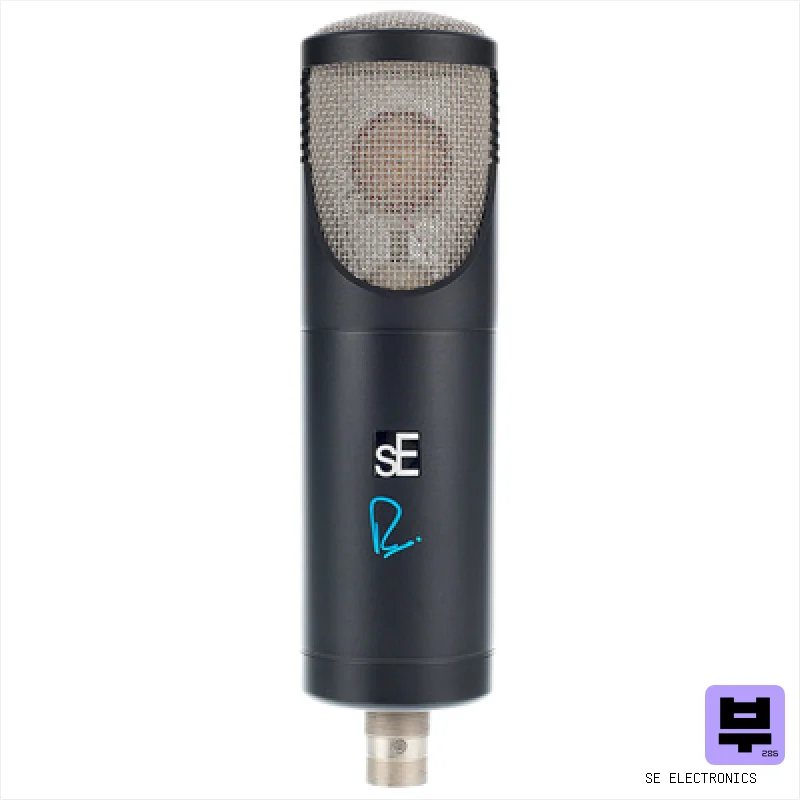
sE Electronics sE6160 Supercardioid Shotgun Microphone
sE 6160 · sE Electronics
11 for sale on Reverb2 finishes at Thomann
- Weight0.11 kg
The sE 6160 is a seriously impressive mic for dialogue, instruments, and anything needing detail. It's a great choice for filmmakers, podcasters, and musicians wanting a clean, accurate sound without the coloration of larger condensers. The tight pattern means you need to pay attention to placement, but the results are worth it.
Pros
- Exceptional transient response for crisp, detailed recordings.
- Supercardioid pattern offers excellent off-axis rejection.
- Robust metal body provides a professional feel and durability.
Cons
- Supercardioid pattern requires careful mic placement for optimal results.
- Lacks built-in preamp, requiring a high-quality interface or preamp.
76AudioFu
IndexStableno change since Aug 17Aug 17$498 now$498€445 at Thomann · in stockCheck price ↗ -
RODE VIDEOMICME VideoMic Me Directional Smartphone Mic
Stereo VideoMic X · Rode
20 for sale on Reverb1 finish at Thomann
This mic sounds great because it uses two real capsules for a wide stereo image. The metal body feels sturdy, and the built-in filters help cut out low-end rumble. It runs all day on a 9V battery and mounts easily on most cameras. Best for videographers who want clean sound without needing extra gear.
Pros
- Cast aluminum body feels solid and built to last.
- Two real condenser capsules capture detailed stereo sound.
- Built-in high-pass filter removes low rumble easily.
Cons
- Requires 9V battery for long running times.
- Lacks built-in audio interface for direct recording.
70AudioFu
Index↓ 7.4%since Aug 21 · lowest so far$760 · Aug 21$704 now$704€629 at Thomann · in stockCheck price ↗ -
Audio-Technica BP4029 Stereo Shotgun Microphone
BP 4029 · Audio-Technica
4 for sale on Reverb1 finish at Thomann
- Size8"
The BP4029 is a seriously capable stereo mic—a great choice for broadcast, film, and content creators who need reliable, detailed audio. Its robust build and versatile stereo modes make it a workhorse, though its size means it's best suited for mounting rather than handheld use. If you need professional-grade stereo capture on location, this is a solid option.
Pros
- Exceptional stereo imaging due to precisely matched capsules
- Robust metal housing provides excellent durability for on-location work
- Switchable MS and LR modes offer creative stereo recording flexibility
Cons
- Size and weight can be cumbersome for handheld operation
- Limited pattern options compared to some other stereo mics
61AudioFu
IndexStableno change since Aug 17Aug 17$1,062 now$1,062€949 at Thomann · in stockCheck price ↗ -
Sennheiser MKE-440 Stereo Shotgun Microphone
MKE 440 · Sennheiser
7 for sale on Reverb1 finish at Thomann
The MKE 440 is a really solid choice for videographers needing clear, directional audio. Its stereo pickup provides a natural sense of space, and the build quality feels premium. It's perfect for run-and-gun shooters and content creators prioritizing clean audio in challenging on-location environments.
Pros
- Excellent stereo imaging, truly captures a wider soundscape
- Robust metal housing inspires confidence in its durability
- Supercardioid pattern effectively rejects off-axis noise sources
Cons
- Limited flexibility for studio recording without adapters
- Stereo nature can be tricky in chaotic, reverberant environments
60AudioFu
Index↓ 17.4%since Aug 17 · lowest so far$362 · Aug 17$299 now$299€267 at Thomann · in stockCheck price ↗ -
The MKE 600 is a solid, lightweight choice for videographers needing directional audio. Its supercardioid pickup pattern and dual power options make it adaptable for a variety of situations, from run-and-gun documentary work to more controlled interviews. It's a great balance of performance and portability.
Pros
- Excellent off-axis rejection minimizes unwanted room noise.
- Lightweight build (128g) is comfortable for extended handheld use.
- Versatile power options (phantom or battery) increase flexibility on set.
Cons
- Supercardioid pattern demands careful mic placement to avoid dropouts.
- Lacks a built-in limiter, requiring careful gain staging to avoid clipping.
-
RODE VIDEOMICME VideoMic Me Directional Smartphone Mic
VideoMic NTG · Rode
20 for sale on Reverb1 finish at Thomann
- Size8"
The Rode VideoMic NTG is a solid choice for videographers and content creators needing directional audio. Its USB-C connectivity makes it incredibly versatile, bridging camera work with direct digital recording, and the build quality feels genuinely premium. It's a great step up from basic camera mics, particularly for interview work or situations where you need to isolate a sound source.
Pros
- Robust aluminum housing provides excellent durability for on-location use
- Supercardioid pickup pattern effectively rejects off-axis noise and room ambience
- Integrated USB-C interface allows direct connection to computers for simple recording
Cons
- Supercardioid pattern demands precise mic placement for optimal results
- Limited low-frequency response compared to studio condenser microphones
81AudioFu
IndexStableno change since Aug 17Aug 17$234 now$234€209 at Thomann · in stockCheck price ↗ -
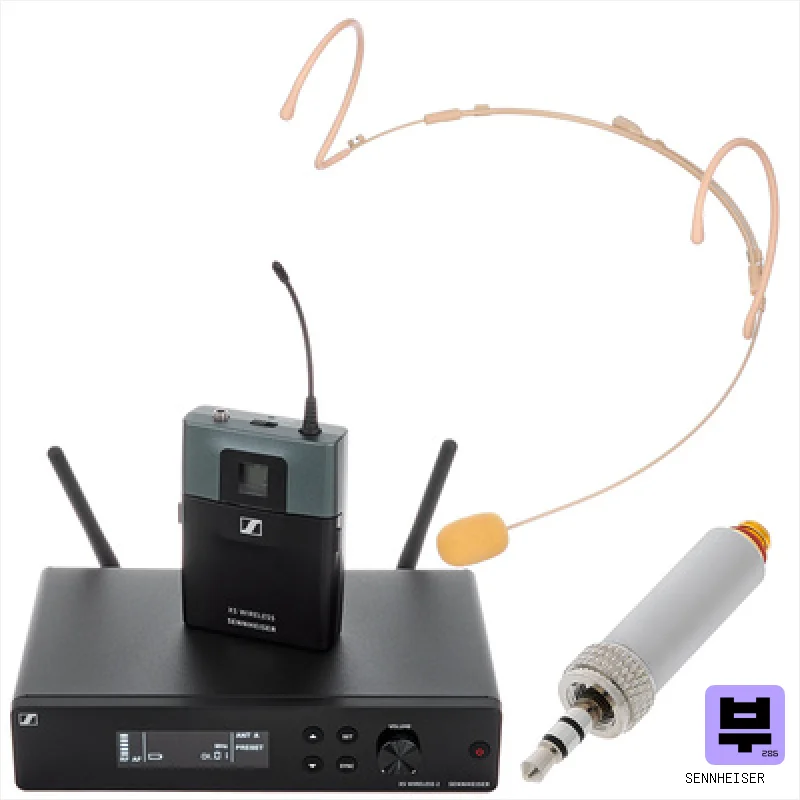
Sennheiser PROFILE USB Cardioid Condenser Microphone
Profile Wireless · Sennheiser
8 for sale on Reverb1 finish at Thomann
The Sennheiser Profile Wireless is a seriously slick little package. It’s perfect for vloggers, interviewers, or anyone needing a clean, two-mic wireless solution – the built-in recording is a killer feature. The audio quality is surprisingly good for its size, and the compact receiver makes it incredibly convenient.
Pros
- Excellent audio clarity; Sennheiser's reputation shines through.
- Compact receiver is genuinely pocketable, great for travel.
- Built-in recording provides a safety net; a real time-saver.
Cons
- Seven-hour battery life could be limiting for longer shoots.
- Omnidirectional pickup can be problematic in noisy environments.
-
The Sanken CS-1e is a phenomenal shotgun mic, plain and simple. It's built to handle tough shoots, delivering incredibly clean audio with fantastic directional pickup. This is the go-to mic for professional videographers needing a focused sound source in noisy locations, though its specialized nature limits its broader appeal.
Pros
- Exceptional off-axis rejection minimizes unwanted background noise.
- Low self-noise provides clean, usable audio even in challenging environments.
- Compact and lightweight design ideal for run-and-gun video work.
Cons
- Limited polar pattern versatility restricts its use in studio applications.
- High output impedance may require a high-quality preamp for optimal performance.
35AudioFu
IndexStableno change since Aug 17Aug 17$781 now$781€698 at Thomann · in stockCheck price ↗ -
The VideoMic Pro+ is a solid, reliable on-camera microphone for serious videographers. Its supercardioid pickup pattern offers excellent isolation, and the extended battery life is a real plus for run-and-gun shooters. It's a great step up from the basic mics that come with cameras, delivering noticeably cleaner audio for interviews, documentaries, and event coverage.
Pros
- Excellent off-axis rejection minimizes background noise effectively.
- The included LB-1 battery provides surprisingly long runtime.
- Smart auto-on/off simplifies workflow and conserves battery.
Cons
- Supercardioid pattern demands careful mic placement for optimal results.
- 3.5mm TRS output limits compatibility with some older equipment.
-
The AT8024 is a really solid choice for run-and-gun video work – think wedding shooters, vloggers, or anyone needing clear audio on a budget. Its MS mode is a genuine plus for stereo recording, and the build feels much more substantial than you’d expect at this price point. Just be aware it’s not going to be a warm, character-rich sound – it’s clean and focused, which is what many need anyway.
Pros
- Excellent off-axis rejection minimizes room noise effectively.
- Solid build quality with a reassuringly robust metal body.
- Versatile MS mode expands stereo imaging possibilities.
Cons
- Sound can be slightly clinical; lacks warmth for some applications.
- Cable, while spiral, can still be a bit cumbersome.
39AudioFu
IndexStableno change since Aug 17Aug 17$268 now$268€239 at Thomann · in stockCheck price ↗
All 24 video microphones
Same index, same nightly prices — compact. Colour options of one model share a row. Tap a photo to zoom.
- 11
Rode Stereo Video Mic Pro RycoteRode42Stable$234€209$234€209Check ↗
- 12
Sennheiser MKE 400 MKII Mobile KitSennheiser · 2 finishes34↑ 11.2%$234€209$234€209Check ↗
- 13
Audio-Technica AT875R Short Condenser Shotgun MicrophoneAT 875 R · Audio-Technica71Stable$196€175$196€175Check ↗
- 14
RODE VideoMicro II Miniature Shotgun MicrophoneVideoMicro II · Rode68↑ 5.0%$71€63$71€63Check ↗
- 15
RODE VIDEOMICME VideoMic Me Directional Smartphone MicVideoMic Me · Rode66Stable$30€27$30€27Check ↗
- 16
RODE VIDEOMICME VideoMic Me Directional Smartphone MicVideoMic Me-C+ · Rode66Stable$81€72$81€72Check ↗
- 17
RODE RODVMPR VideoMic Pro R Cardioid Condenser Shotgun Mic w/ Rycote…VideoMic Rycote · Rode66Stable$111€99$111€99Check ↗
- 18
RODE VIDEOMICME VideoMic Me Directional Smartphone MicVideoMic Me-L · Rode64↑ 4.6%$77€69$77€69Check ↗
- 19
Audio-Technica ATV-SG1LEAudio-Technica · 2 finishes47Stable$111€99$111€99Check ↗
- 20
Rode VideoMic Pro RycoteRode42Stable$186€166$186€166Check ↗
- 21
Rode VideoMic GO II HelixRode40↑ 4.7%$100€89$100€89Check ↗
- 22
Zoom ZSG-1Zoom37Stable$82€73$82€73Check ↗
- 23
Zoom M3 MicTrakZoom37Stable$200€179$200€179Check ↗
- 24
Sennheiser Profile Wireless 1-Channel SetSennheiser24Stable$167€149$167€149Check ↗
Video Microphones by the numbers
Measured across all 27 models we track, not a sample.
Median $223 — half of all video microphones here cost less.
median of 5 models · 4"–8"
How to choose the best video microphones
Polar Patterns
Beyond cardioid. We're talking about hypercardioid for isolation, figure-8 for duets and stereo imaging, and the ability to subtly manipulate bleed for creative effect. A mic that forces you into a rigid recording setup is a liability.
Transient Response
Can the mic accurately capture the attack of a pick hitting a string, or the slap of a drumstick? Sloppy transient response leads to a muddy, indistinct sound, especially with complex rhythms and fast playing.
Self-Noise & Dynamic Range
Low self-noise is essential for clean recordings, especially when capturing quiet passages. Dynamic range dictates how well the mic handles loud peaks without clipping - crucial for capturing screaming solos or a roaring snare.
Build Quality & Handling Noise
A mic that rattles or picks up every bump and scrape is unusable. Solid construction and a well-dampened capsule are non-negotiable for serious use, especially if you're gigging.
Phantom Power Handling & EQ
Some mics are fragile and distort easily with higher phantom power. Also, a mic that's inherently dull or colored will require more EQ to sound decent, adding complexity to your workflow.
Buying guide
Alright, so you're not just slapping a mic on your amp for YouTube tutorials anymore. You're chasing nuanced tone, detailed dynamics, and a mic that can handle the complexity of your playing - whether you're tracking a layered acoustic arrangement, laying down a blistering lead tone with your pedalboard, or capturing the vibe of a band rehearsal. Forget those basic shotgun mics; this list is for players who demand more from their video audio, and aren't afraid of a steeper learning curve to get it.
Don't fall for the 'easy plug-and-play' marketing. Advanced mics demand a little more investment - not just in dollars, but in learning their quirks. Watch out for mics that promise too much for too little - often, those corners are cut in transient response or build quality.
If you're consistently battling noise or struggling to get a clean signal, it's almost always the mic, not your interface. It's worth spending more on a mic that inspires confidence and delivers a tone you can actually work with.
How the AudioFu Index works
Five measured signals and nothing else — no stars from strangers, no “tested by experts” we didn’t do. The weights are fixed and public. We don’t play these instruments; we measure the market around them.
This chart covers 27 video microphones from the Thomann catalogue. Before you buy, read hands-on reviews and, where you can, play it. Full methodology.
AudioFu earns a commission when you buy through our Thomann links. It never changes the order — the index does.
- Demand40%
How many of this exact model are for sale on Reverb right now — what musicians actually buy and resell.
- Lineup20%
How many finishes Thomann stocks — makers expand the models that sell.
- Price15%
Where the price has moved since we started tracking in August.
- Specs15%
How completely the maker documents it.
- Maker10%
How deep the brand’s range is in this category.
Questions
I'm recording acoustic guitar. Does a hypercardioid really isolate enough?
It helps, but it's not magic. Hypercardioids have a rear lobe of sensitivity, so mic placement is critical. You'll still need to manage room acoustics and be mindful of bleed from other instruments.
Can I use these mics for live streaming?
Absolutely, but be prepared to experiment. Many of these mics are sensitive and might require careful gain staging to avoid clipping or picking up unwanted noise. A good preamp is your friend.
What's the deal with 'matched pairs'?
For stereo recording - think Blumlein or X/Y - matched pairs ensure consistent frequency response and phase coherence. It's a subtle but important detail for creating a believable stereo image.
I'm getting a lot of handling noise. What can I do?
First, check your mic technique - even slight movements transmit. Then, consider a shock mount. If it's still an issue, the mic capsule might be poorly dampened, and it's time to look elsewhere.
Are these mics worth the extra cost compared to cheaper video mics?
Cheaper mics often compromise on transient response and dynamic range, resulting in a compressed, lifeless sound. The extra cost buys you detail, clarity, and the flexibility to capture a wider range of performance nuances. It's an investment in your sound.