
Best Video Microphones for Documentary 2026
So, you're shooting a documentary. That means capturing real moments, raw emotion - and that demands audio that's more than just 'good enough'. Forget the built-in camera mic; those are for quick social media clips, not capturing the nuance of a conversation or the grit of a protest. We're talking about mics that can handle dynamic environments, pick up subtle details, and deliver a natural, uncolored sound - because your visuals deserve to be paired with audio that's equally compelling.
Last updated: July 8, 2026 • Next update: July 15, 2026
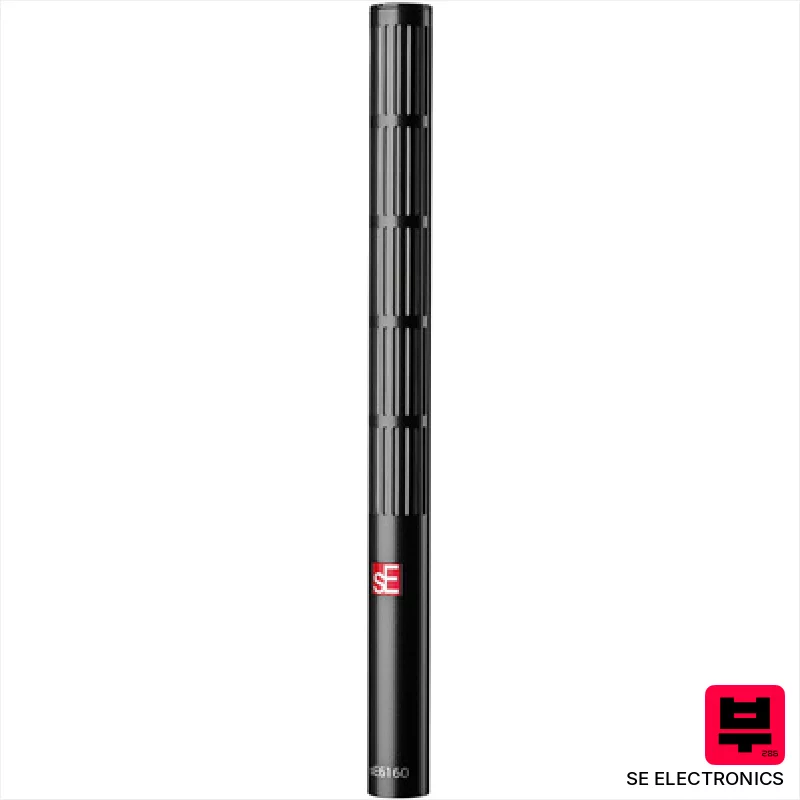
SE Electronics sE 6160
- • Exceptional transient response for crisp, detailed recordings.
- • Supercardioid pattern offers excellent off-axis rejection.
- • Robust metal body provides a professional feel and durability.
- • Low self-noise ensures clean recordings even at lower gain.
- • Supercardioid pattern requires careful mic placement for optimal results.
- • Lacks built-in preamp, requiring a high-quality interface or preamp.
- • Small diaphragm limits suitability for certain vocal styles requiring warmth.

Audio-Technica BP 4029
- • Exceptional stereo imaging due to precisely matched capsules
- • Robust metal housing provides excellent durability for on-location work
- • Switchable MS and LR modes offer creative stereo recording flexibility
- • Low-cut filter effectively reduces rumble and proximity effect
- • Size and weight can be cumbersome for handheld operation
- • Limited pattern options compared to some other stereo mics
- • Requires phantom power, which can be a limitation in some environments

Sennheiser MKE 600
- • Excellent off-axis rejection minimizes unwanted room noise.
- • Lightweight build (128g) is comfortable for extended handheld use.
- • Versatile power options (phantom or battery) increase flexibility on set.
- • Supercardioid pattern provides focused audio capture, ideal for interviews.
- • Supercardioid pattern demands careful mic placement to avoid dropouts.
- • Lacks a built-in limiter, requiring careful gain staging to avoid clipping.
- • Foam windscreen isn't as robust as some premium alternatives.

Audio-Technica AT8024
- • Excellent off-axis rejection minimizes room noise effectively.
- • Solid build quality with a reassuringly robust metal body.
- • Versatile MS mode expands stereo imaging possibilities.
- • Battery life is genuinely impressive for a compact mic.
- • Sound can be slightly clinical; lacks warmth for some applications.
- • Cable, while spiral, can still be a bit cumbersome.
- • Limited high-end extension compared to premium video mics.

Rode VideoMic Pro+
- • Excellent off-axis rejection minimizes background noise effectively.
- • The included LB-1 battery provides surprisingly long runtime.
- • Smart auto-on/off simplifies workflow and conserves battery.
- • High-frequency boost enhances clarity for spoken word recording.
- • Supercardioid pattern demands careful mic placement for optimal results.
- • 3.5mm TRS output limits compatibility with some older equipment.
- • Plastic construction, while lightweight, lacks premium feel.
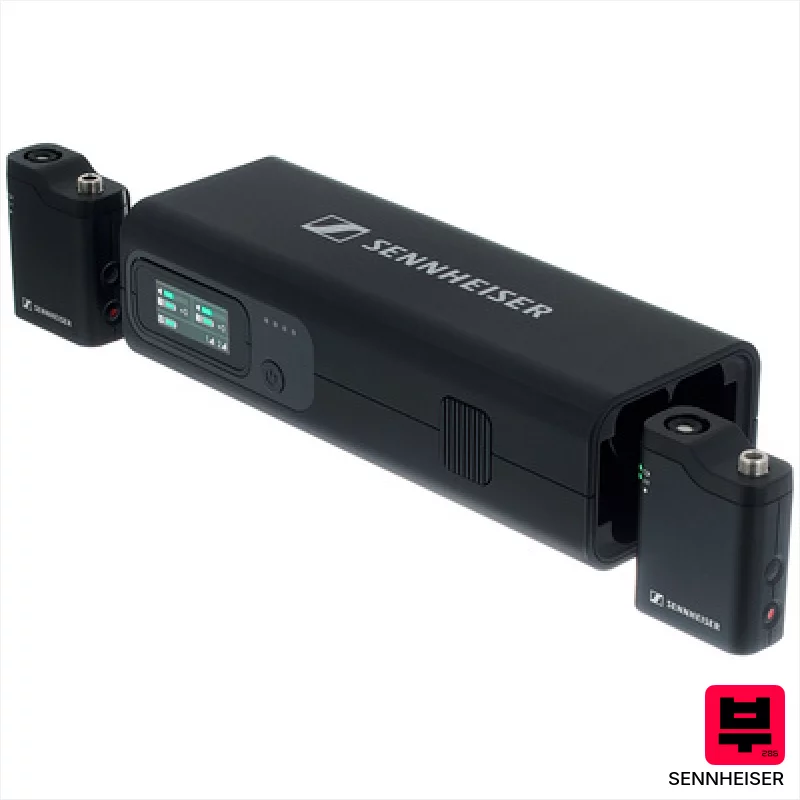
Sennheiser Profile Wireless
- • Excellent audio clarity; Sennheiser's reputation shines through.
- • Compact receiver is genuinely pocketable, great for travel.
- • Built-in recording provides a safety net; a real time-saver.
- • Intuitive Gyrosensor display simplifies operation on the go.
- • Seven-hour battery life could be limiting for longer shoots.
- • Omnidirectional pickup can be problematic in noisy environments.
- • Limited frequency range may introduce some high-end roll-off.
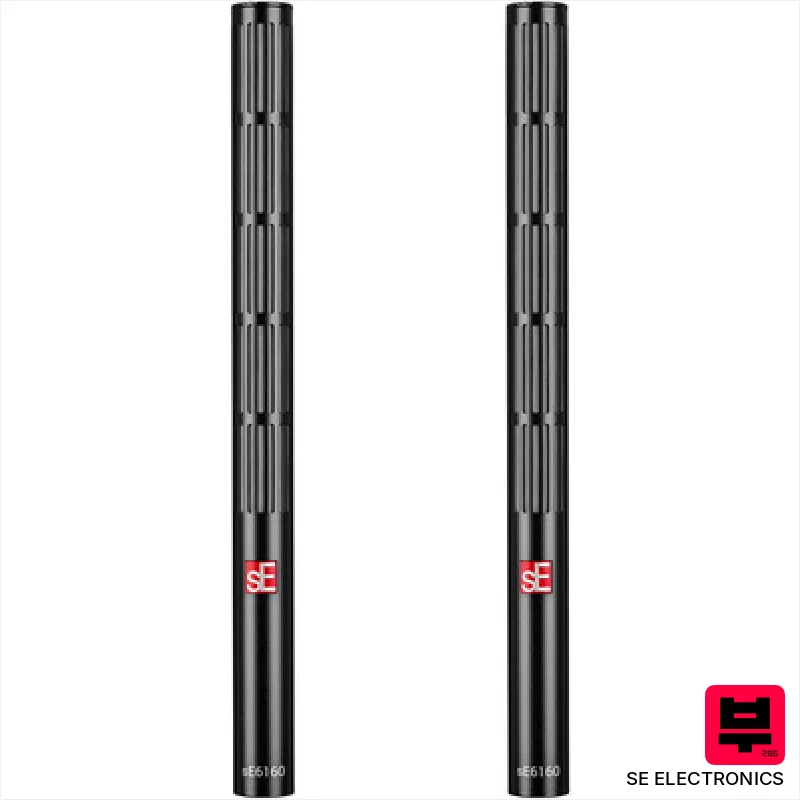
SE Electronics sE 6160 Stereoset
- • Exceptional transient response captures subtle nuances beautifully.
- • Supercardioid pattern offers excellent isolation in challenging spaces.
- • Small diaphragm delivers a clean, detailed, and natural sound.
- • Robust build quality with a reassuringly solid, metallic feel.
- • Supercardioid pattern can be tricky to manage without precise mic placement.
- • Price point places it in a premium category for video work.
- • Limited polar pattern choices compared to some multi-pattern condensers.
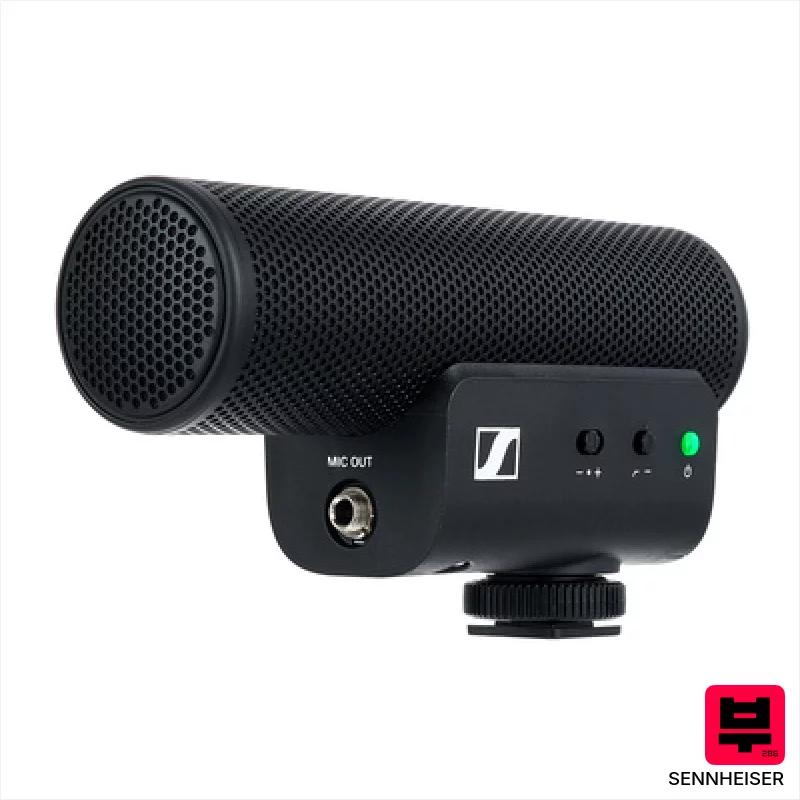
Sennheiser MKE 400 MKII
- • Excellent off-axis rejection minimizes room noise effectively.
- • The integrated suspension noticeably reduces handling noise.
- • Versatile power options (battery or external) offer great flexibility.
- • Headphone output allows for real-time monitoring without external gear.
- • Supercardioid pattern demands careful mic placement for optimal results.
- • Limited frequency response compared to studio-grade condensers.
- • The spiral cables, while convenient, can be prone to tangling.
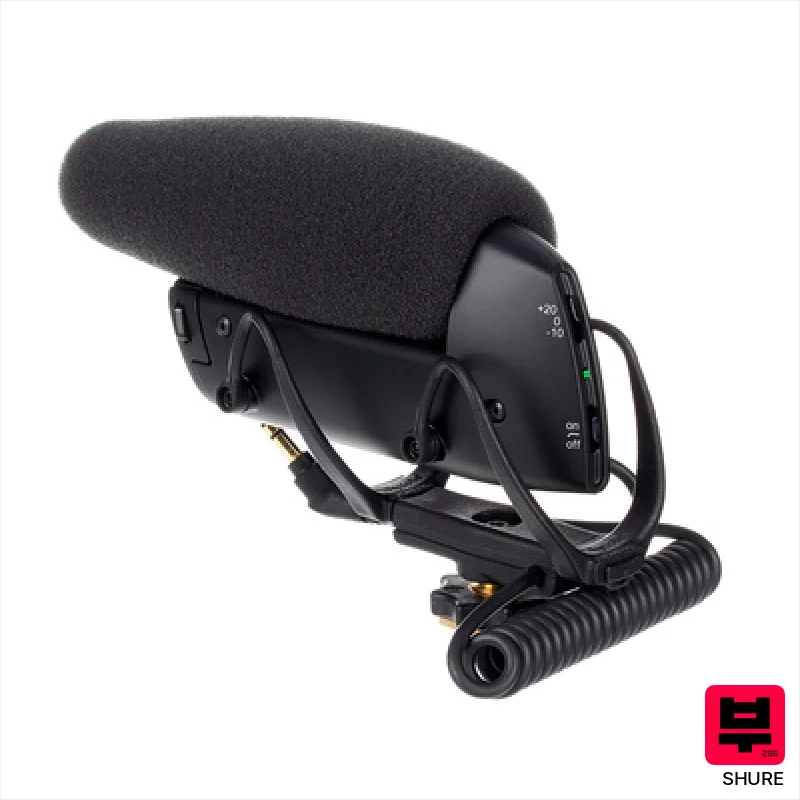
Shure VP83 Lenshopper
- • Rycote lyre effectively minimizes handling noise, a huge plus for on-location work
- • Supercardioid pattern excels at isolating subjects in noisy environments
- • Switchable pad offers flexibility for loud sound sources, preventing distortion
- • Integrated hot shoe adapter provides secure and convenient camera mounting
- • Fixed cable can be limiting for certain camera setups and angles
- • Supercardioid's narrow pickup pattern demands precise mic placement
- • Limited frequency response compared to dedicated studio condenser mics

Sanken CS-1e
- • Exceptional off-axis rejection minimizes unwanted background noise.
- • Low self-noise provides clean, usable audio even in challenging environments.
- • Compact and lightweight design ideal for run-and-gun video work.
- • Robust build quality ensures reliability under demanding production conditions.
- • Limited polar pattern versatility restricts its use in studio applications.
- • High output impedance may require a high-quality preamp for optimal performance.
- • Premium-priced, representing a significant investment for many users.

Sennheiser MKE 400 MKII MZW Bundle
- • Excellent off-axis rejection minimizes background noise effectively.
- • Integrated suspension noticeably reduces handling noise and vibrations.
- • Versatile power options (AAA batteries or external voltage) offer flexibility.
- • The included windscreens and cables provide a complete, ready-to-use solution.
- • Supercardioid pattern demands precise mic placement for optimal results.
- • Limited frequency response compared to studio-grade condenser microphones.
- • The spiral cables, while convenient, can be a bit restrictive in some setups.

Sennheiser MKE 440
- • Excellent stereo imaging, truly captures a wider soundscape
- • Robust metal housing inspires confidence in its durability
- • Supercardioid pattern effectively rejects off-axis noise sources
- • Low-cut filter noticeably reduces rumble and proximity effect
- • Limited flexibility for studio recording without adapters
- • Stereo nature can be tricky in chaotic, reverberant environments
- • Battery dependency can be inconvenient for extended shoots
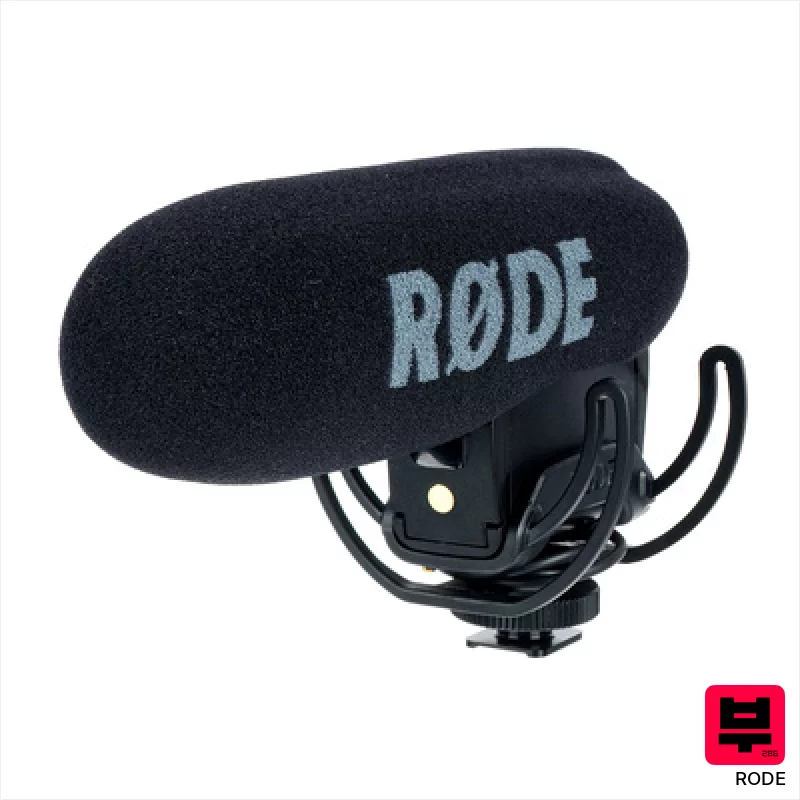
Rode VideoMic Pro Rycote
- • Rycote Lyre shock mount effectively isolates from camera handling noise.
- • Super-cardioid pickup rejects off-axis sounds exceptionally well.
- • Switchable pre-attenuation handles loud sound sources gracefully.
- • Lightweight plastic housing makes for easy, unobtrusive camera mounting.
- • Plastic housing feels less robust than all-metal alternatives.
- • Requires external power – 9V battery adds cost and potential for failure.
- • Super-cardioid pattern demands careful mic placement for optimal results.

Sennheiser MKE 400 MKII Mobile Kit
- • Excellent off-axis rejection minimizes background noise effectively
- • Supercardioid pickup pattern isolates audio sources very well
- • Integrated windscreen and suspension significantly reduce handling noise
- • The included Manfrotto Pixi tripod is surprisingly stable for its size
- • Battery life can be a limiting factor for extended shoots
- • The spiral cables are prone to tangling and can feel fragile
- • Limited versatility for professional studio recording applications

Audio-Technica AT 875 R
- • Excellent off-axis rejection minimizes room noise effectively.
- • Robust metal body feels durable for on-location use.
- • Consistent, clear sound reproduction across its frequency range.
- • Included adapters offer flexibility with various mic stands.
- • Lacks a built-in pad, making it challenging in very loud environments.
- • The capsule isn't as premium as higher-end AT mics.
- • Limited versatility; primarily designed for video, not studio recording.
How to Choose the Best Video Microphones
Tonal Character
Documentary isn't about hyped highs or boosted lows. You want a mic that's relatively neutral, with a full but not boomy low-end and a natural upper midrange. Too much harshness will make dialogue fatiguing to listen to, and a lack of detail will flatten the soundscape. Think 'honest' rather than 'exciting'.
Polar Pattern Versatility
Documentary work demands flexibility. You'll need to record interviews in quiet rooms, capture ambient sounds in noisy environments, and potentially follow subjects around. Multiple polar patterns (cardioid, omni, figure-8) are essential for adapting to different situations.
Handling Noise & Proximity Effect
Cheap mics often have a noticeable hiss or rumble when you touch them, and an exaggerated proximity effect that makes voices sound muddy when close. These are dealbreakers for professional-sounding documentary audio.
Ruggedness & Durability
You're going to be hauling this mic around, potentially in less-than-ideal conditions. A robust build quality is crucial - you don't want a mic failing mid-shoot.
Power Options & Connectivity
Battery life is a consideration for remote shoots. XLR connectivity is standard for quality, but some mics offer USB for simpler setups, which can be a trade-off in audio quality.
Buying Guide
Don't chase the cheapest option; you'll pay for it in post-production cleaning up noise and distortion. A good documentary mic isn't about flashy features - it's about reliable performance and accurate sound reproduction. Paying a bit more for a mic with a well-defined polar pattern selection and low self-noise will save you headaches and deliver far better results. Remember, good audio is 50% of the experience.
Our Methodology
We don't just look at spec sheets here. We've put these mics through the wringer: on location shoots with unpredictable noise, in controlled studio environments, and even compared them side-by-side with industry-standard field recording equipment. Our evaluations are based on how these mics sound in real-world documentary scenarios, not just what numbers they boast.

