AudioFu Chart · October 2026
Best Video Microphones for Professional 2026
The top pick is sE Electronics sE6160 Supercardioid Shotgun Microphone ($1,108). Audio-Technica AT875R Short Condenser Shotgun Microphone gives you the most for the money at $196. Ranked by the AudioFu Index from 24 models across 6 brands, prices checked every night.
Last updated: October 26, 2026
Top 10
Full detail for the 10 highest AudioFu Index scores. Every other model is listed below.
-
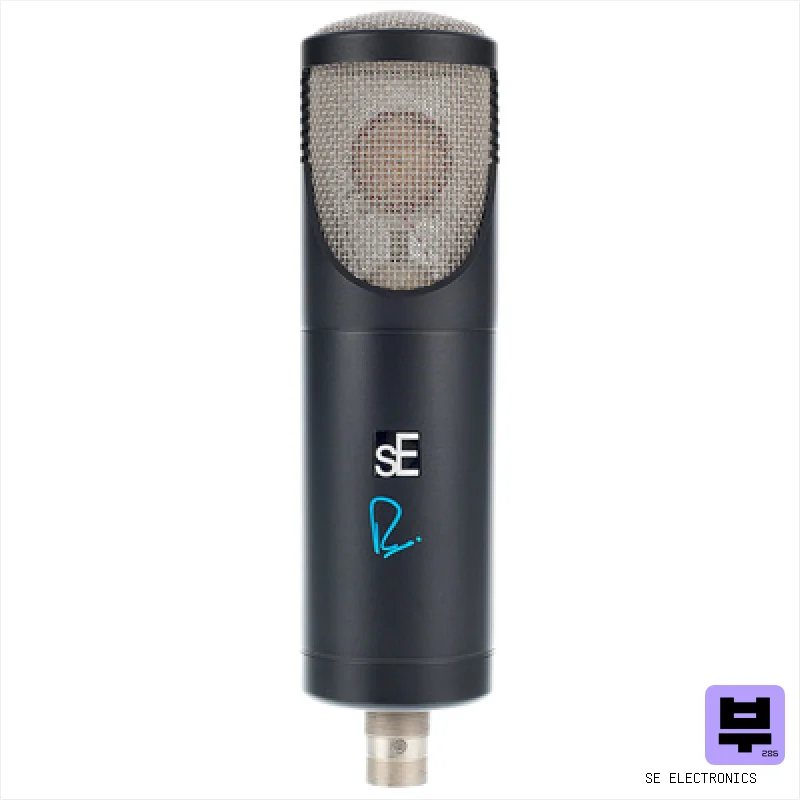
sE Electronics sE6160 Supercardioid Shotgun Microphone
sE 6160 Stereoset · sE Electronics
11 for sale on Reverb2 finishes at Thomann
- Weight0.11 kg
The sE 6160 Stereoset is a seriously impressive pair of mics for capturing dialogue and instruments in video applications. Their tight pattern and detailed sound make them ideal for situations needing clear separation, like film shoots, broadcast, or recording in less-than-ideal acoustic environments. If you need professional-grade stereo sound without the coloration of a large-diaphragm mic, this is a fantastic choice.
Pros
- Exceptional transient response captures subtle nuances beautifully.
- Supercardioid pattern offers excellent isolation in challenging spaces.
- Small diaphragm delivers a clean, detailed, and natural sound.
Cons
- Supercardioid pattern can be tricky to manage without precise mic placement.
- Price point places it in a premium category for video work.
76AudioFu
IndexStableno change since Aug 17Aug 17$1,108 now$1,108€990 at Thomann · in stockCheck price ↗ -
Audio-Technica BP4029 Stereo Shotgun Microphone
BP 4029 · Audio-Technica
4 for sale on Reverb1 finish at Thomann
- Size8"
The BP4029 is a seriously capable stereo mic—a great choice for broadcast, film, and content creators who need reliable, detailed audio. Its robust build and versatile stereo modes make it a workhorse, though its size means it's best suited for mounting rather than handheld use. If you need professional-grade stereo capture on location, this is a solid option.
Pros
- Exceptional stereo imaging due to precisely matched capsules
- Robust metal housing provides excellent durability for on-location work
- Switchable MS and LR modes offer creative stereo recording flexibility
Cons
- Size and weight can be cumbersome for handheld operation
- Limited pattern options compared to some other stereo mics
61AudioFu
IndexStableno change since Aug 17Aug 17$1,062 now$1,062€949 at Thomann · in stockCheck price ↗ -
RODE VIDEOMICME VideoMic Me Directional Smartphone Mic
Stereo VideoMic X · Rode
20 for sale on Reverb1 finish at Thomann
This mic sounds great because it uses two real capsules for a wide stereo image. The metal body feels sturdy, and the built-in filters help cut out low-end rumble. It runs all day on a 9V battery and mounts easily on most cameras. Best for videographers who want clean sound without needing extra gear.
Pros
- Cast aluminum body feels solid and built to last.
- Two real condenser capsules capture detailed stereo sound.
- Built-in high-pass filter removes low rumble easily.
Cons
- Requires 9V battery for long running times.
- Lacks built-in audio interface for direct recording.
70AudioFu
Index↓ 7.4%since Aug 21 · lowest so far$760 · Aug 21$704 now$704€629 at Thomann · in stockCheck price ↗ -
The Sanken CS-1e is a phenomenal shotgun mic, plain and simple. It's built to handle tough shoots, delivering incredibly clean audio with fantastic directional pickup. This is the go-to mic for professional videographers needing a focused sound source in noisy locations, though its specialized nature limits its broader appeal.
Pros
- Exceptional off-axis rejection minimizes unwanted background noise.
- Low self-noise provides clean, usable audio even in challenging environments.
- Compact and lightweight design ideal for run-and-gun video work.
Cons
- Limited polar pattern versatility restricts its use in studio applications.
- High output impedance may require a high-quality preamp for optimal performance.
35AudioFu
IndexStableno change since Aug 17Aug 17$781 now$781€698 at Thomann · in stockCheck price ↗ -
RODE VIDEOMICME VideoMic Me Directional Smartphone Mic
VideoMic NTG · Rode
20 for sale on Reverb1 finish at Thomann
- Size8"
The Rode VideoMic NTG is a solid choice for videographers and content creators needing directional audio. Its USB-C connectivity makes it incredibly versatile, bridging camera work with direct digital recording, and the build quality feels genuinely premium. It's a great step up from basic camera mics, particularly for interview work or situations where you need to isolate a sound source.
Pros
- Robust aluminum housing provides excellent durability for on-location use
- Supercardioid pickup pattern effectively rejects off-axis noise and room ambience
- Integrated USB-C interface allows direct connection to computers for simple recording
Cons
- Supercardioid pattern demands precise mic placement for optimal results
- Limited low-frequency response compared to studio condenser microphones
81AudioFu
IndexStableno change since Aug 17Aug 17$234 now$234€209 at Thomann · in stockCheck price ↗ -
The MKE 600 is a solid, lightweight choice for videographers needing directional audio. Its supercardioid pickup pattern and dual power options make it adaptable for a variety of situations, from run-and-gun documentary work to more controlled interviews. It's a great balance of performance and portability.
Pros
- Excellent off-axis rejection minimizes unwanted room noise.
- Lightweight build (128g) is comfortable for extended handheld use.
- Versatile power options (phantom or battery) increase flexibility on set.
Cons
- Supercardioid pattern demands careful mic placement to avoid dropouts.
- Lacks a built-in limiter, requiring careful gain staging to avoid clipping.
-
Audio-Technica AT875R Short Condenser Shotgun Microphone
AT 875 R · Audio-Technica
10 for sale on Reverb1 finish at Thomann
- Size8"
This little AT 875 R is a workhorse for video shooters. It’s got a clean, focused sound that cuts through background noise really well, and the included accessories are a nice touch. It’s a solid, dependable mic if you’re primarily focused on dialogue capture for video – think YouTubers, vloggers, or even basic corporate video work.
Pros
- Excellent off-axis rejection minimizes room noise effectively.
- Robust metal body feels durable for on-location use.
- Consistent, clear sound reproduction across its frequency range.
Cons
- Lacks a built-in pad, making it challenging in very loud environments.
- The capsule isn't as premium as higher-end AT mics.
71AudioFu
IndexStableno change since Aug 17Aug 17$196 now$196€175 at Thomann · in stockCheck price ↗ -
Sennheiser MKE-440 Stereo Shotgun Microphone
MKE 440 · Sennheiser
7 for sale on Reverb1 finish at Thomann
The MKE 440 is a really solid choice for videographers needing clear, directional audio. Its stereo pickup provides a natural sense of space, and the build quality feels premium. It's perfect for run-and-gun shooters and content creators prioritizing clean audio in challenging on-location environments.
Pros
- Excellent stereo imaging, truly captures a wider soundscape
- Robust metal housing inspires confidence in its durability
- Supercardioid pattern effectively rejects off-axis noise sources
Cons
- Limited flexibility for studio recording without adapters
- Stereo nature can be tricky in chaotic, reverberant environments
60AudioFu
Index↓ 17.4%since Aug 17 · lowest so far$362 · Aug 17$299 now$299€267 at Thomann · in stockCheck price ↗ -
Sennheiser PROFILE USB Cardioid Condenser Microphone
Profile Wireless · Sennheiser
8 for sale on Reverb1 finish at Thomann
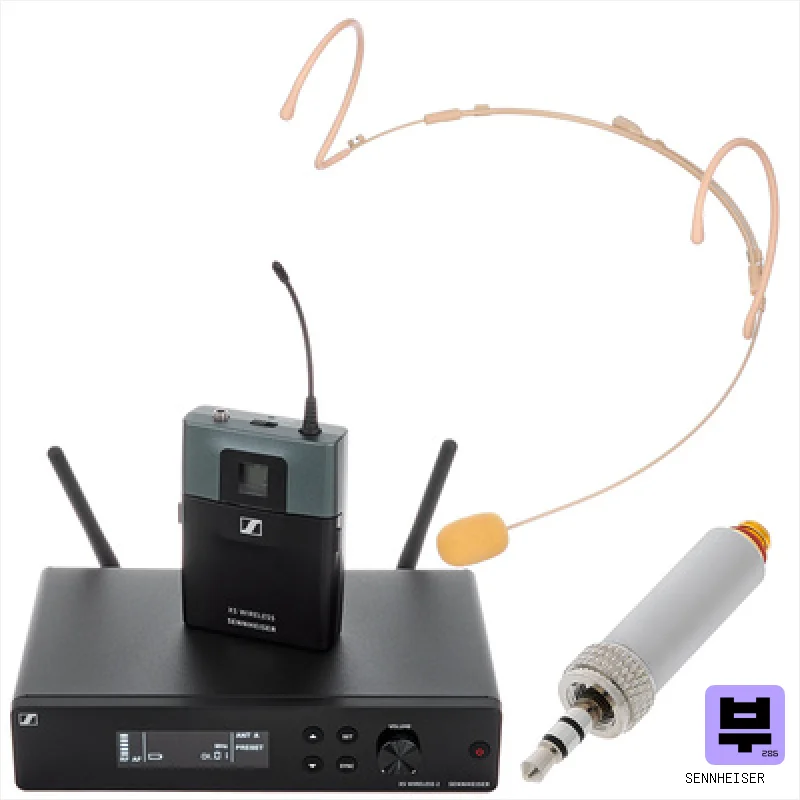
The Sennheiser Profile Wireless is a seriously slick little package. It’s perfect for vloggers, interviewers, or anyone needing a clean, two-mic wireless solution – the built-in recording is a killer feature. The audio quality is surprisingly good for its size, and the compact receiver makes it incredibly convenient.
Pros
- Excellent audio clarity; Sennheiser's reputation shines through.
- Compact receiver is genuinely pocketable, great for travel.
- Built-in recording provides a safety net; a real time-saver.
Cons
- Seven-hour battery life could be limiting for longer shoots.
- Omnidirectional pickup can be problematic in noisy environments.
-
This little shotgun mic packs a big battery life for long days on location. Its large diaphragm picks up sound well, but the low frequency cut means you lose some bass. It is great for video shooters who want a single unit that runs all day without a cable.
Pros
- Built-in battery lasts up to 24 hours of recording.
- Large diaphragm pattern captures strong sound levels.
- Low-cut filter removes unwanted rumble effectively.
Cons
- No external power jack for direct connection.
- Headphone output is quite weak at 75 mW.
47AudioFu
IndexStableno change since Aug 17Aug 17$223 now$223€199 at Thomann · in stockCheck price ↗
All 24 video microphones
Same index, same nightly prices — compact. Colour options of one model share a row. Tap a photo to zoom.
- 11
Rode Stereo Video Mic Pro RycoteRode42Stable$234€209$234€209Check ↗
- 12
Rode VideoMic Pro+Rode42Stable$268€239$268€239Check ↗
- 13
RODE RODVMPR VideoMic Pro R Cardioid Condenser Shotgun Mic w/ Rycote…VideoMic Rycote · Rode66Stable$111€99$111€99Check ↗
- 14
Audio-Technica AT8024Audio-Technica39Stable$268€239$268€239Check ↗
- 15
RODE VIDEOMICME VideoMic Me Directional Smartphone MicVideoMic Me-C+ · Rode66Stable$81€72$81€72Check ↗
- 16
Sennheiser MKE 400 MKII Mobile KitSennheiser · 2 finishes34↑ 11.2%$234€209$234€209Check ↗
- 17
Rode VideoMic Pro RycoteRode42Stable$186€166$186€166Check ↗
- 18
Zoom M3 MicTrakZoom37Stable$200€179$200€179Check ↗
- 19
Rode VideoMic GO II HelixRode40↑ 4.7%$100€89$100€89Check ↗
- 20
Sennheiser Profile Wireless 1-Channel SetSennheiser24Stable$167€149$167€149Check ↗
- 21
Zoom ZSG-1Zoom37Stable$82€73$82€73Check ↗
- 22
RODE VideoMicro II Miniature Shotgun MicrophoneVideoMicro II · Rode68↑ 5.0%$71€63$71€63Check ↗
- 23
RODE VIDEOMICME VideoMic Me Directional Smartphone MicVideoMic Me · Rode66Stable$30€27$30€27Check ↗
- 24
RODE VIDEOMICME VideoMic Me Directional Smartphone MicVideoMic Me-L · Rode64↑ 4.6%$77€69$77€69Check ↗
Video Microphones by the numbers
Measured across all 27 models we track, not a sample.
Median $223 — half of all video microphones here cost less.
median of 5 models · 4"–8"
How to choose the best video microphones
Polar Pattern Versatility
A cardioid pattern is a must for isolating your source, but having options like omni or figure-8 can be a huge asset for capturing room tone or recording duets. Pros need that flexibility to shape the sound.
Transient Response & Detail
Sloppy, muddy recordings are a deal-breaker. We're looking for mics that capture the attack of a pick hitting a string, the subtle nuances of your picking hand, and the natural decay of notes - that's what separates a demo from a polished performance.
Self-Noise & Headroom
Low self-noise is critical, especially when recording quieter passages or acoustic instruments. Headroom is just as important - you need it to handle those screaming solos without clipping and losing detail.
Build Quality & Reliability
Gigs happen. Rehearsals get loud. You need a mic that can take a beating and still deliver consistent performance. Cheap plastic parts and flimsy construction won't cut it when your reputation's on the line.
Phantom Power Handling & Latency
Solid phantom power handling is essential for consistent operation with different interfaces. Low latency is key for livestreaming and monitoring - nobody wants a distracting delay when they're trying to play.
Buying guide
So, you're stepping up your video game. That's awesome - but slapping any old mic on your guitar or amp just won't cut it if you want a truly professional sound. We're not talking about basic webcam mics here; this is about capturing your tone, your nuance, your vibe for YouTube, livestreaming, or even tracking. Let's break down the best video mics for players who actually care about the details.
Don't fall for the 'budget' trap. While you can get passable results with cheaper mics, they almost always compromise somewhere - often in transient response or self-noise. Paying a bit more for a mic with a robust build, a detailed sound, and reliable performance is an investment in your work.
Look for mics with multiple polar patterns; it's a huge advantage for versatility.
How the AudioFu Index works
Five measured signals and nothing else — no stars from strangers, no “tested by experts” we didn’t do. The weights are fixed and public. We don’t play these instruments; we measure the market around them.
This chart covers 27 video microphones from the Thomann catalogue. Before you buy, read hands-on reviews and, where you can, play it. Full methodology.
AudioFu earns a commission when you buy through our Thomann links. It never changes the order — the index does.
- Demand40%
How many of this exact model are for sale on Reverb right now — what musicians actually buy and resell.
- Lineup20%
How many finishes Thomann stocks — makers expand the models that sell.
- Price15%
Where the price has moved since we started tracking in August.
- Specs15%
How completely the maker documents it.
- Maker10%
How deep the brand’s range is in this category.
Questions
What's the difference between a condenser and dynamic mic for video?
Condensers are generally more sensitive and detailed, ideal for capturing subtle nuances, but require phantom power. Dynamics are tougher, handle higher SPLs, and don't need power, but often lack the detail of condensers.
I'm recording a loud electric guitar amp. What should I look for?
High SPL handling is crucial to avoid clipping. A dynamic mic or a condenser with a good pad switch is your best bet. Also, consider proximity effect - get the mic close enough to capture the amp's character, but not so close that the low-end gets boomy.
What's 'polar pattern' and why does it matter?
It describes the mic's pickup pattern - cardioid (front only), omni (all around), figure-8 (front and back). Different patterns isolate different sounds, crucial for controlling bleed and room tone.
My mic sounds 'harsh' or 'ice-picky'. What's happening?
That's usually a high-frequency issue. It could be the mic's inherent voicing, a bad preamp, or even the room acoustics. Try a different mic, adjust your preamp's EQ, or treat the room with absorption.
Do I need an audio interface to use a condenser mic?
Yes, condenser mics need phantom power (+48V) which is typically supplied by an audio interface or mixer. You can use a USB mic, but you're sacrificing quality and flexibility.