
Best Switch Pedals Under $800 2026
Alright, let's talk switch pedals. You need a way to organize your signal chain, right? Maybe you're tired of stomping on ten pedals to get that one killer riff, or maybe you're trying to streamline your recording setup. Finding a good one under $800 isn't impossible, but you'll need to know what you're getting for your money - and what you're giving up.
Last updated: October 8, 2026
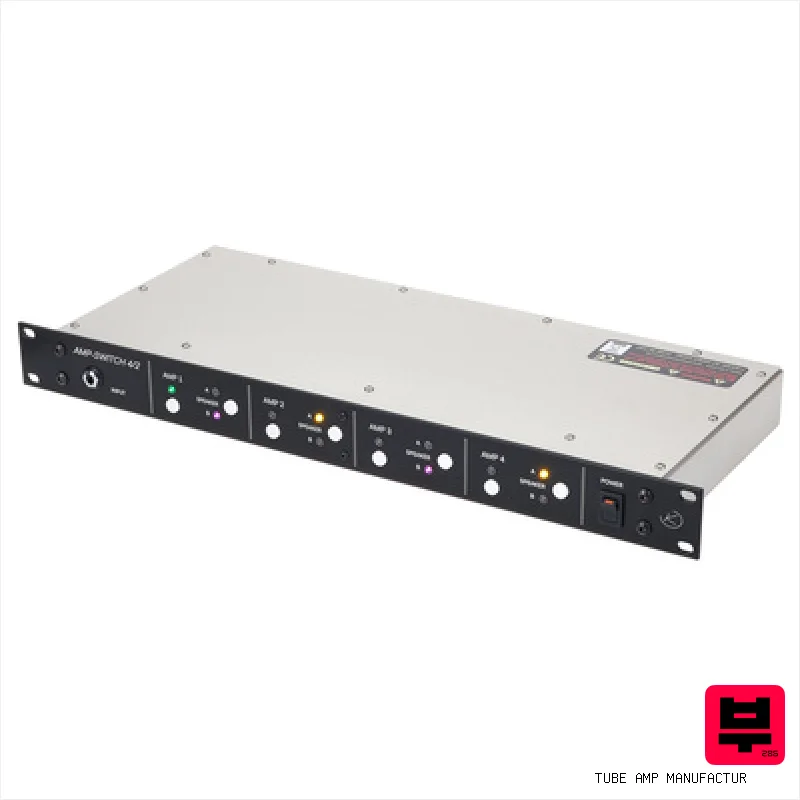
Tube Amp Manufactur Amp-Switch 4/2 V3
- • Switches four amps and two cabinets from one signal source
- • Provides direct 1:1 sound comparison without distortion
- • Uses passive relay switching for clean signal routing
- • Fits all tube and transistor amplifiers equally well
- • No MIDI support for modern controller integration
- • Lacks buffer section to boost weak signals
- • Requires separate power supply for remote output

Carl Martin Octa-Switch The Strip
- • Gold-plated relay contacts ensure reliable switching and longevity.
- • True-bypass loops preserve your signal integrity when pedals are off.
- • Assignable external switches offer flexible amp and reverb control.
- • Compact strip design maximizes valuable pedalboard real estate.
- • Relatively high-end price point might deter budget-conscious players.
- • No included power supply adds to the overall investment.
- • Analogue interface, while simple, lacks advanced digital features.

Positive Grid Spark 40 PW Bundle
- • Smart Jam feature provides surprisingly engaging and adaptable backing tracks.
- • The onboard effects library offers a massive range of tones, easily accessible.
- • Compact bass reflex design delivers surprisingly full and punchy low-end response.
- • Auto Chords function is genuinely useful for learning songs from YouTube videos.
- • 40 watts is limiting for gigging; best suited for practice and home recording.
- • Reliance on the app means functionality is tied to Positive Grid's ecosystem.
- • The 4-inch speakers, while decent, lack the headroom for serious volume.
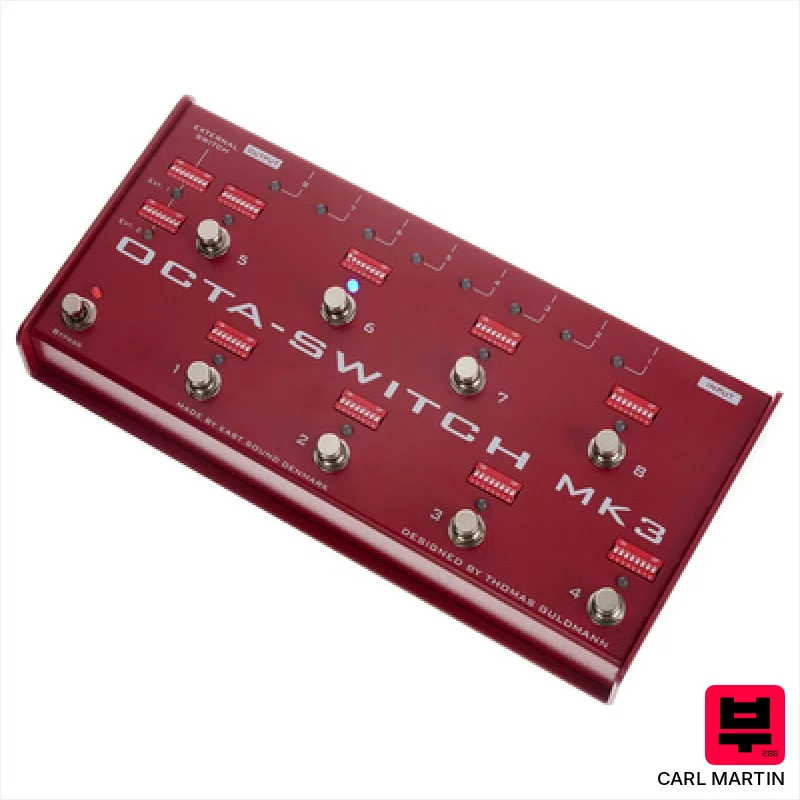
Carl Martin Octa-Switch MK3
- • Gold relays ensure silent, reliable switching across all loops.
- • DIP switches offer granular control over channel routing and behavior.
- • Buffered input preserves signal strength, especially with long pedal chains.
- • Solid construction feels robust and durable for gigging use.
- • Limited MIDI functionality restricts advanced programmability and integration.
- • Size and weight make it less ideal for extremely compact pedalboards.
- • The learning curve for DIP switch configuration can be initially daunting.

Moen GEC5
- • Five loops offer extensive signal routing flexibility for complex rigs.
- • Isolated loop preserves headroom and prevents signal loss.
- • MIDI implementation allows seamless integration with existing MIDI setups.
- • On-the-fly loop activation is a huge boon for live performance.
- • Limited fixed loops might restrict some users’ workflow preferences.
- • Size (260 x 88 x 55 mm) can be bulky for smaller pedalboards.
- • Lack of a visual display could complicate preset editing.
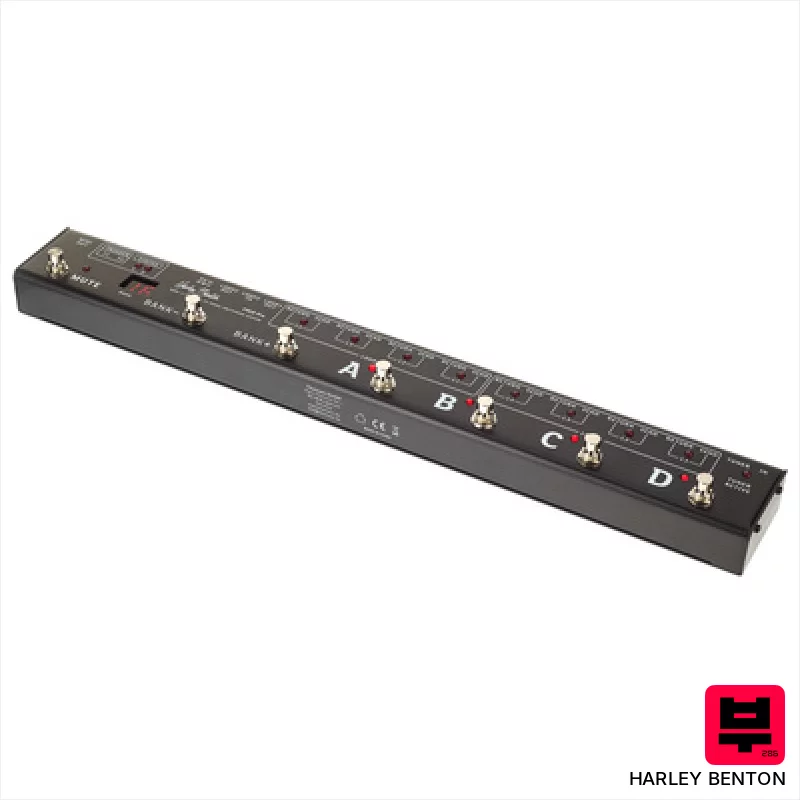
Harley Benton FXL8 Pro
- • Impressive MIDI functionality for routing and preset changes.
- • Eight effect loops offer extreme flexibility for complex rigs.
- • Buffered bypass preserves signal integrity and avoids tone suck.
- • Solid build quality for a budget-friendly floor pedal.
- • Limited physical control knobs; relies heavily on MIDI for tweaking.
- • Power supply not included, adding to the overall investment.
- • The sheer number of options can be overwhelming for beginners.
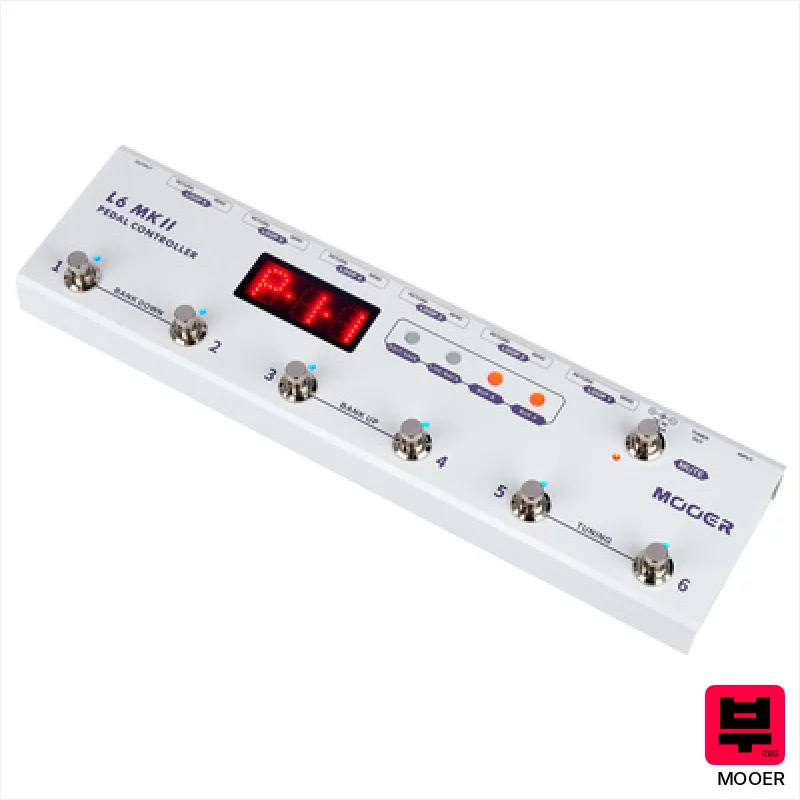
Mooer Pedal Controller L6 MKII
- • Solid metal housing feels robust, ready for gigging demands.
- • Intuitive programming minimizes setup time, gets you playing fast.
- • Six loops offer substantial flexibility for complex pedalboards.
- • Buffered bypass maintains signal integrity, preserving tone quality.
- • Limited MIDI functionality restricts advanced integration with other gear.
- • Size (370mm) can be cumbersome on smaller pedalboards.
- • Plastic push buttons feel slightly cheap compared to metal alternatives.
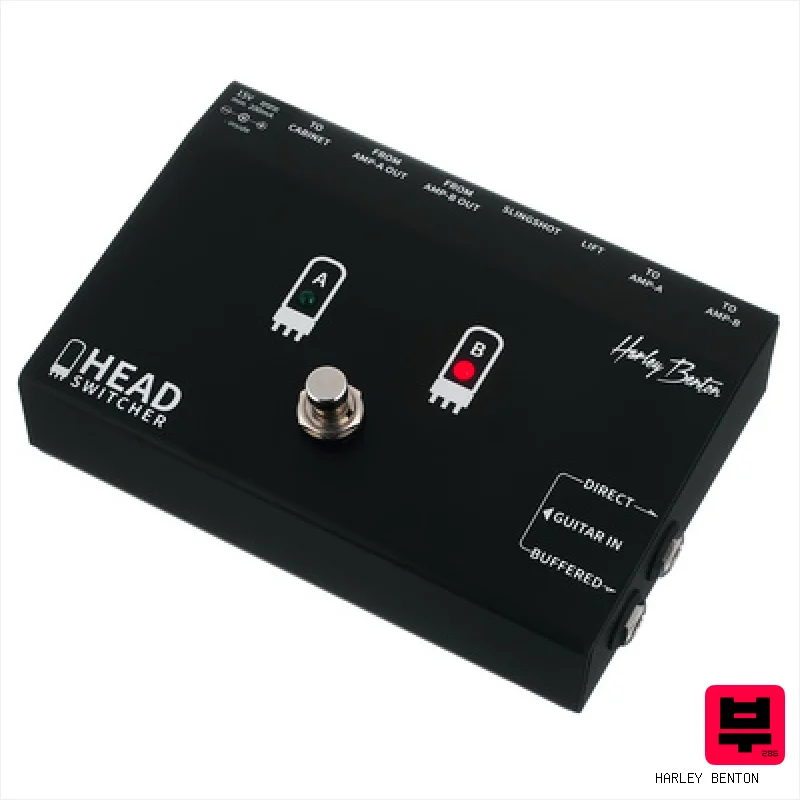
Harley Benton Tube Head Switch
- • Silent switching protects your ears during loud practice sessions.
- • Best Class A components keep the original tube amp sound pure.
- • Safety load operation prevents damaging your connected amplifiers.
- • Remote slingshot input lets you control it from other pedals.
- • No built-in effects means you must use external pedals for tone shaping.
- • Single speaker output limits setups without additional routing gear.
- • Weight is 1.0 kg which might feel heavy on a crowded pedalboard.

Positive Grid Spark Control
- • Wireless convenience streamlines Spark amp preset changes significantly.
- • Four footswitches offer flexible control over effects and loops.
- • Impressive 150-hour battery life ensures extended performance.
- • Compact size and lightweight design (0.31kg) adds portability.
- • Limited to Spark amp ecosystem; lacks universal pedalboard compatibility.
- • Plastic construction feels less robust than premium metal footswitches.
- • Bluetooth range, while stated as 45m, realistically shrinks with interference.
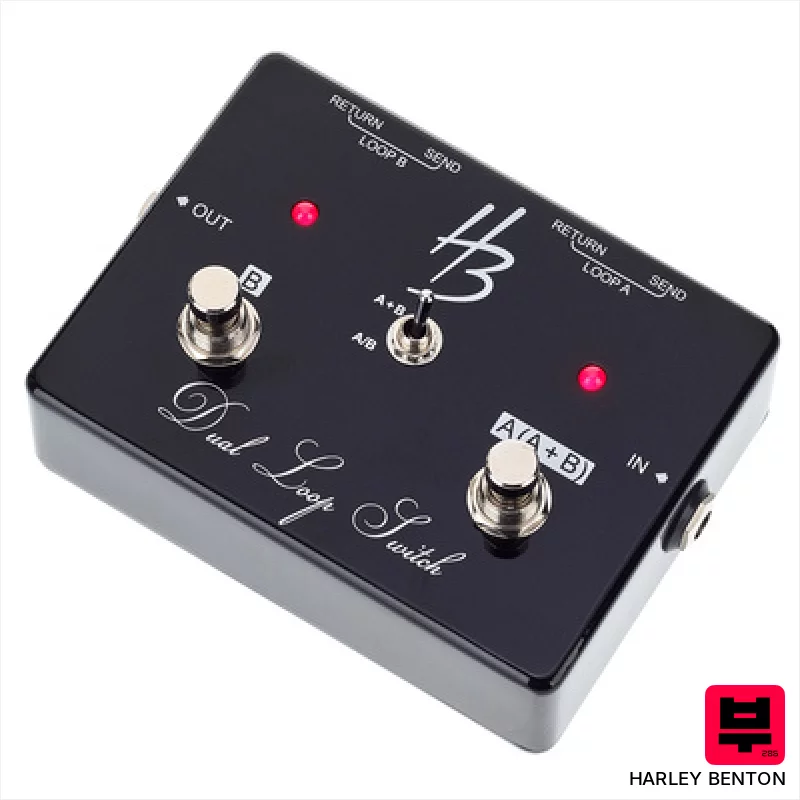
Harley Benton Custom Line Dual Loop Switch
- • True bypass preserves signal integrity across all loops
- • Flexible routing enables amp switching and mute functionality
- • Compact size saves valuable pedalboard real estate
- • Solid build quality for its price point, feels surprisingly robust
- • Plastic enclosure feels less premium compared to boutique alternatives
- • LED brightness might be insufficient in brightly lit environments
- • Limited expandability – no provision for future loop additions
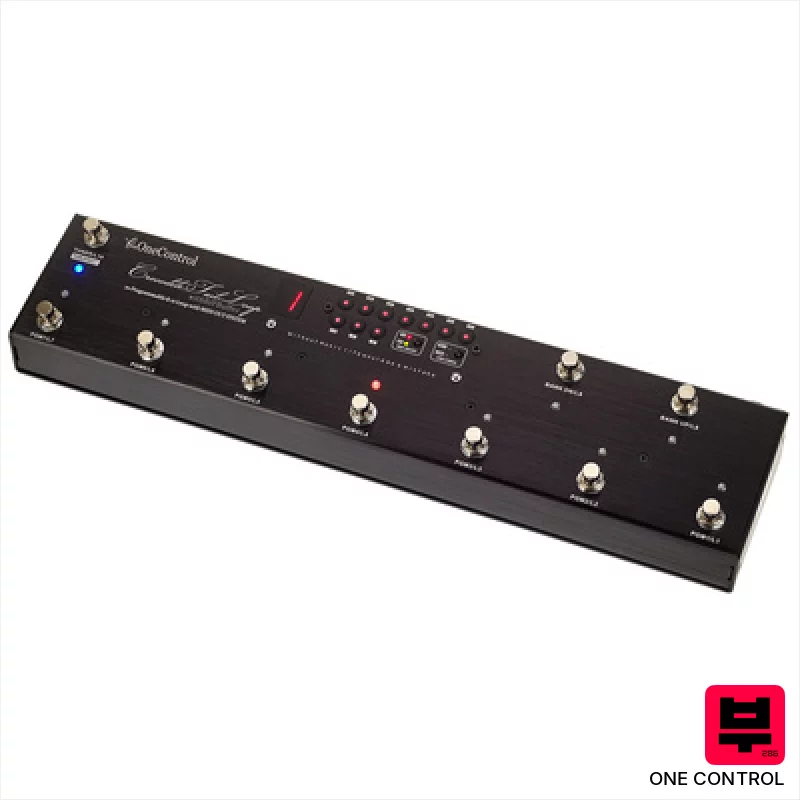
One Control Crocodile Tail Loop (OC10)
- • Rock-solid build quality with robust footswitches and durable enclosure
- • Extremely flexible routing options with serial and parallel loops
- • The integrated BJF buffer maintains signal integrity across the chain
- • MIDI implementation offers extensive control and customization possibilities
- • Premium-priced, placing it out of reach for many gigging musicians
- • The programming interface, while intuitive, can feel slightly complex initially
- • Size and weight make it less ideal for ultra-portable setups
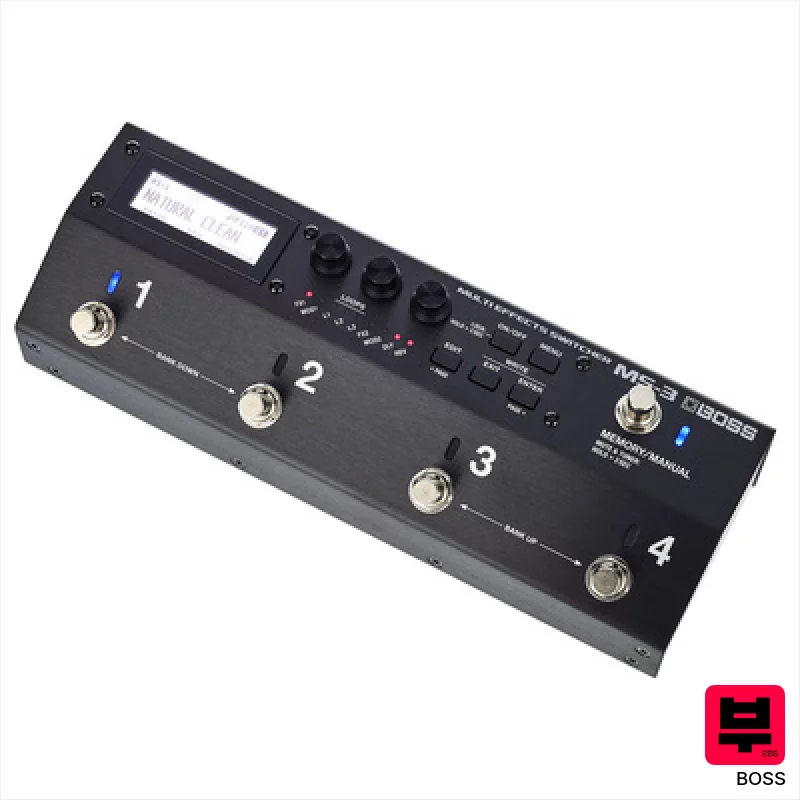
Boss MS-3 Multi Effects Switcher
- • Robust Boss build quality ensures reliable gigging performance.
- • Versatile MIDI implementation unlocks extensive control over external gear.
- • Built-in tuner and noise reduction simplify signal chain management.
- • Multiple loop sends/returns offer flexible effects routing options.
- • Limited preset storage compared to some competitors.
- • Menu navigation can feel slightly cumbersome initially.
- • The plastic enclosure, while durable, lacks the premium feel of metal.
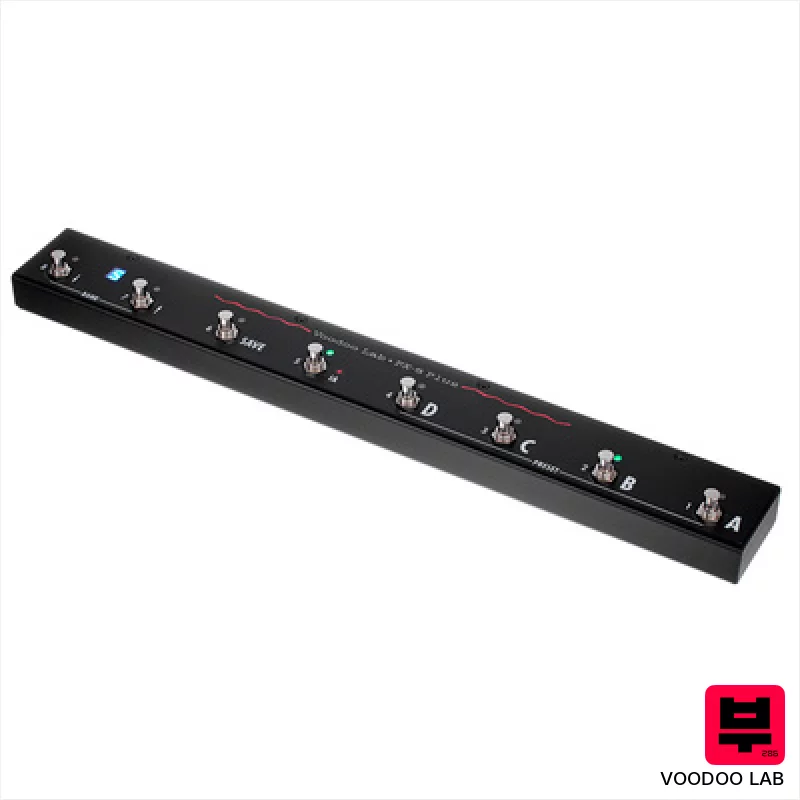
Voodoo Lab Pedal Switcher PX-8 Plus
- • Gold relay contacts ensure pristine signal integrity and longevity
- • Handmade in the USA signifies exceptional build quality and attention to detail
- • Loop-in path provides true flexibility for volume/expression pedals
- • Quiet switching technology eliminates distracting pops and clicks during transitions
- • Price point places it in the premium-priced category for pedal switchers
- • Programming can be initially complex for users unfamiliar with MIDI
- • Physical footprint is substantial, requiring significant pedalboard space
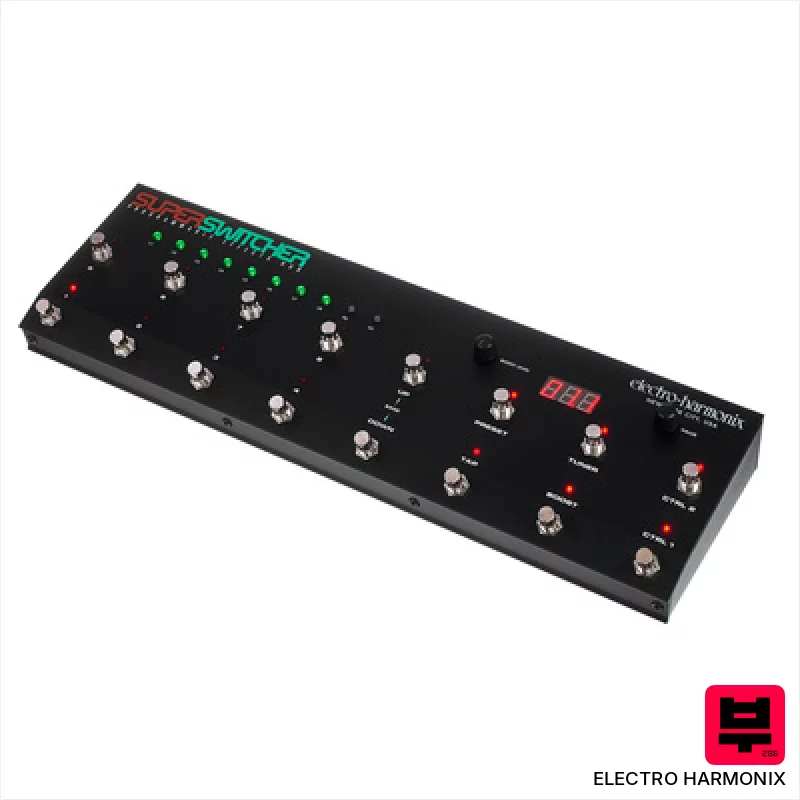
Electro Harmonix Super Switcher
- • Eight flexible loops accommodate complex pedalboard configurations
- • Tap tempo syncs globally or per preset, enhancing rhythmic precision
- • Integrated tuner footswitch with mute simplifies tuning during performance
- • MIDI implementation allows for seamless integration with other gear
- • The substantial size demands considerable pedalboard real estate
- • The interface, while functional, can feel slightly less intuitive initially
- • Price point positions it as a premium investment for serious users
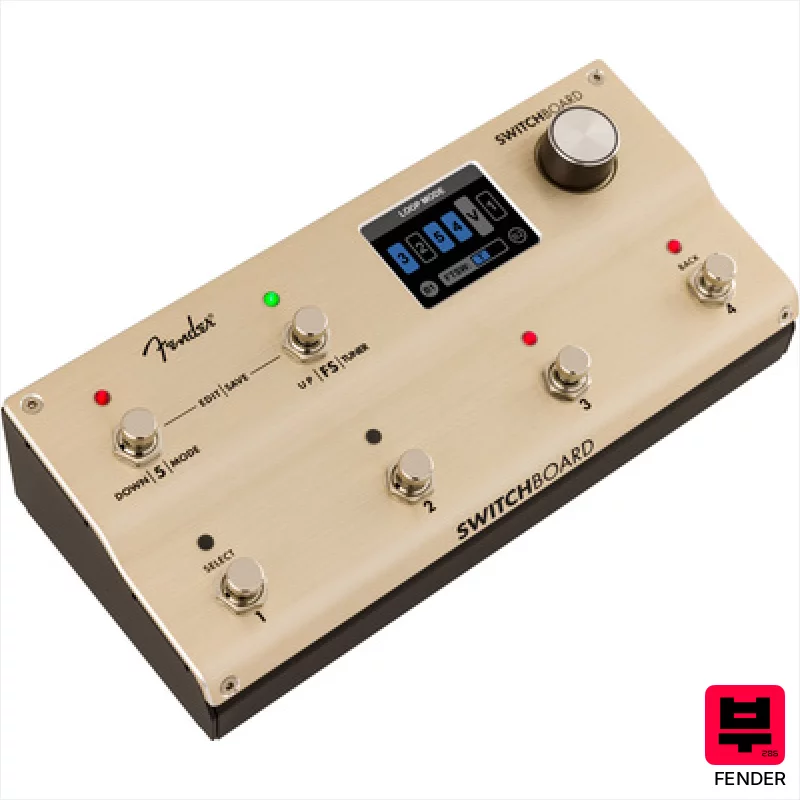
Fender Switchboard Effects Operator
- • Anodized aluminum build feels incredibly robust and professional.
- • LCD display is genuinely usable, unlike many competing units.
- • Relay loops ensure signal integrity even with power-hungry pedals.
- • Movable volume pedal adds a level of nuanced control often missing.
- • The learning curve is steep; menu diving isn't for the faint of heart.
- • Size and weight make it less than ideal for gigging musicians on the move.
- • Loop 5's stereo recording is a niche feature; limited practical application.
Every switch pedals that matches
115 models match this page. The 15 above are covered in detail; the rest are listed here with their published specifications.
Switch Pedals by the numbers
Measured across all 115 models in this category, so «wide», «short» or «expensive» mean something you can check.
How to Choose the Best Switch Pedals
Number of Footswitches
More isn't always better. Consider your actual needs; 8 switches might sound impressive, but if you only use 4, that extra space is wasted. Think about how you'll patch it - true bypass, buffered, or a combination.
Patching Flexibility
Can you route signals however you want? Serial, parallel, custom loops? Limited routing options can cripple your creativity and force you into rigid setups.
Footswitch Quality & Feel
Cheap plastic switches feel mushy and are prone to failure on stage. A satisfying click and solid feel underfoot are worth paying for - they'll last longer and inspire confidence.
Display & User Interface
A clear, easy-to-read display is crucial for quick changes on stage. Complicated menus and tiny text are a nightmare, especially under the pressure of a live gig.
Latency
Digital switch pedals introduce latency - a slight delay that can throw off your timing. Keep an eye out for reviews mentioning latency, and test it yourself if possible, especially if you're recording clean tones.
Buying Guide
At this price point, you're mostly looking at digital switch pedals. Expect some compromises - latency will be present, though hopefully minimal, and the build quality might not be as rock-solid as a boutique analog unit. Focus on routing flexibility and a user-friendly interface; those are the things that will save you headaches on stage. Don't get hung up on the sheer number of switches - fewer, well-implemented options are better than a cluttered mess.
How This List Is Built
We don't play these instruments — we're a catalog, not a review desk, and we'd rather say so than pretend otherwise. This page covers 115 switch pedals from the Thomann catalogue, which is the largest single source of specification data in this category: 15 in detail, the rest listed with their specifications.
Position is computed, not curated. We parse the manufacturer's own description into actual values — nut width, scale, fret count, fingerboard radius, size, alloy — and rank on them: how many specifications a model has published, how many of them are measurable numbers, and how precisely it meets this page's criterion. A product image adds a little. Price is not a ranking signal: it tells you nothing about whether a neck fits your hand. The same inputs always produce the same order, so nothing here is shuffled to look fresh.
What this list is good for: narrowing a category down to a shortlist by spec and budget. What it isn't: a substitute for hearing an instrument. Before you buy, read hands-on reviews and, where you can, play it. Full methodology.

