
Best Switch Pedals Under $100 2026
Alright, so you need a switch pedal, but your wallet's looking a little thin. Happens to the best of us. Getting a reliable looper, tuner, or AB selector doesn't have to break the bank - there's some genuinely good stuff under $100 if you know where to look. We're focusing on bang-for-your-buck here, not chasing boutique unicorn tones.
Last updated: October 8, 2026
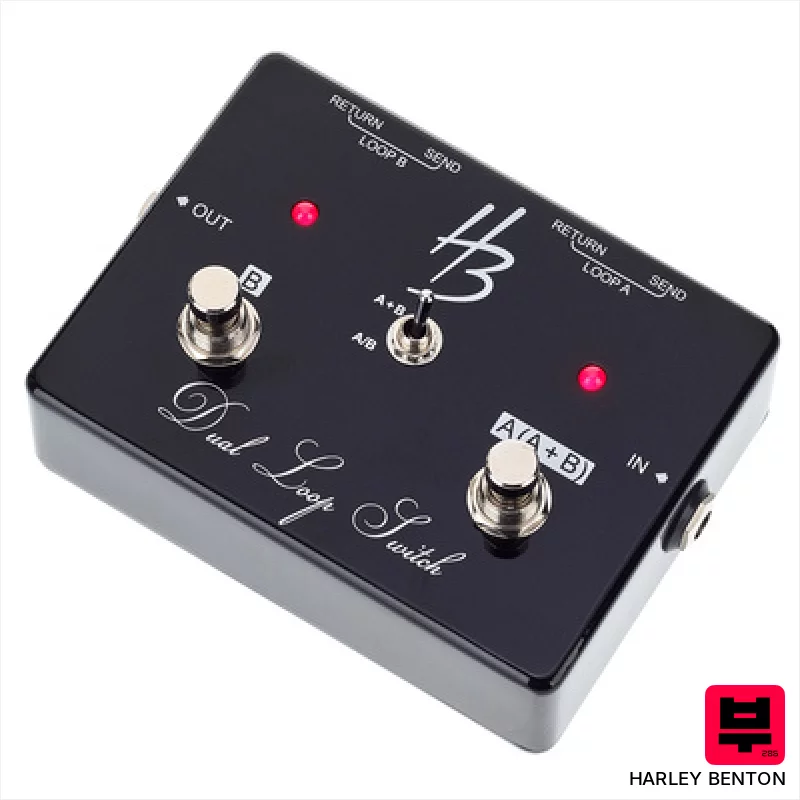
Harley Benton Custom Line Dual Loop Switch
- • True bypass preserves signal integrity across all loops
- • Flexible routing enables amp switching and mute functionality
- • Compact size saves valuable pedalboard real estate
- • Solid build quality for its price point, feels surprisingly robust
- • Plastic enclosure feels less premium compared to boutique alternatives
- • LED brightness might be insufficient in brightly lit environments
- • Limited expandability – no provision for future loop additions
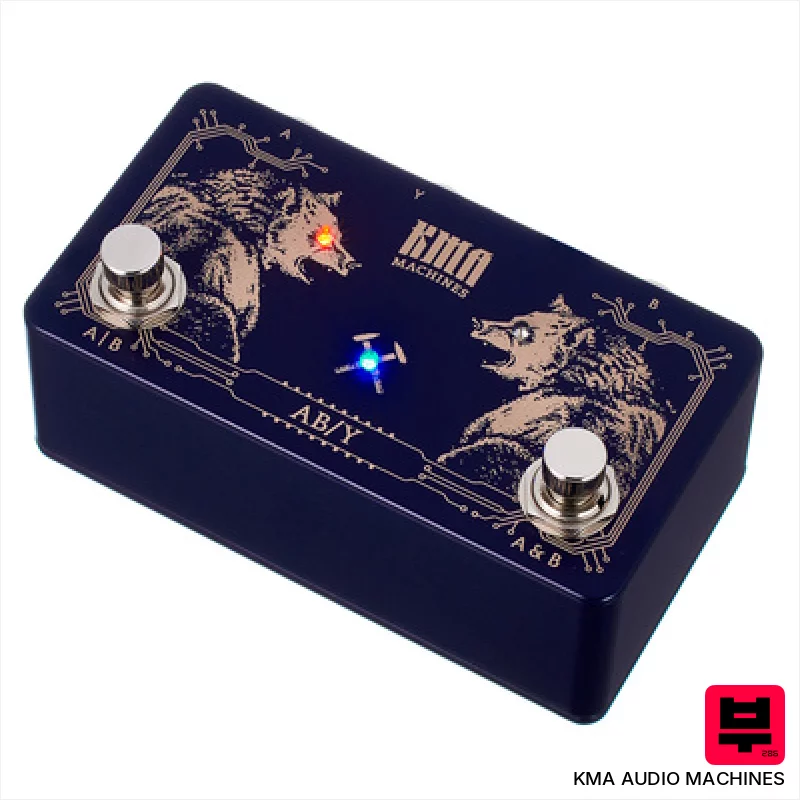
KMA Audio Machines AB/Y Switch
- • German engineering ensures exceptionally quiet, reliable relay switching.
- • Compact size minimizes pedalboard real estate without sacrificing functionality.
- • True bypass preserves your signal integrity when the switch is disengaged.
- • Versatile A/B/Y routing caters to various live and studio setups.
- • Lacks battery operation, requiring a dedicated power supply.
- • Limited to mono inputs, restricting use with stereo signals directly.
- • Relatively basic feature set compared to more expensive, feature-rich switchers.
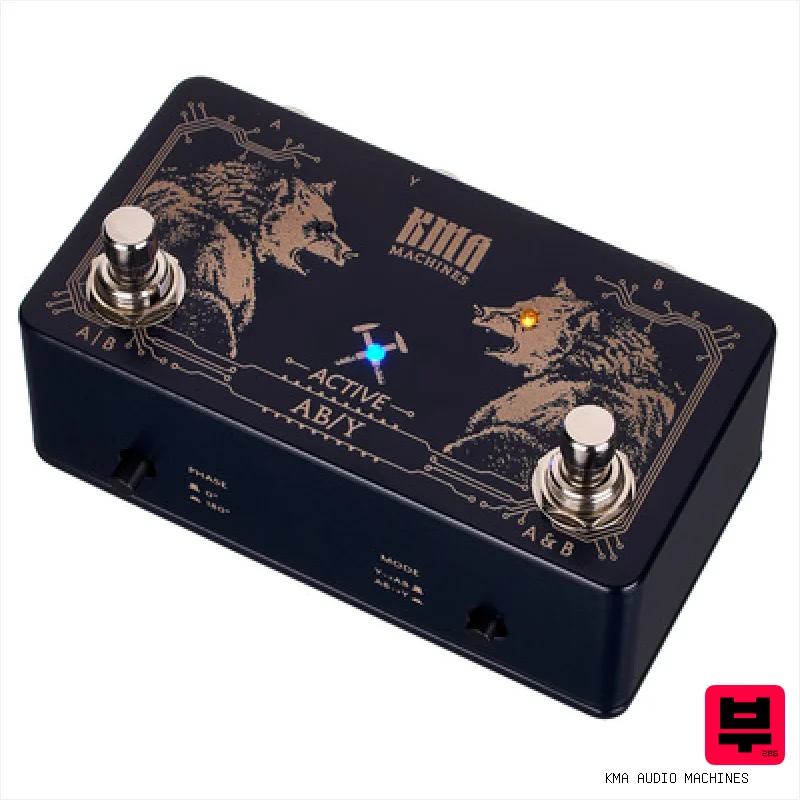
KMA Audio Machines Active AB/Y Switch
- • Noiseless relay switching eliminates unwanted mechanical clicks
- • True bypass keeps signal pure when effect is off
- • Flexible phase and Y direction switch for routing
- • Compact 180g housing fits easily in any pedalboard
- • Does not include power adapter in the box
- • No MIDI or buffer features for modern setups
- • No internal LED indicators for signal presence
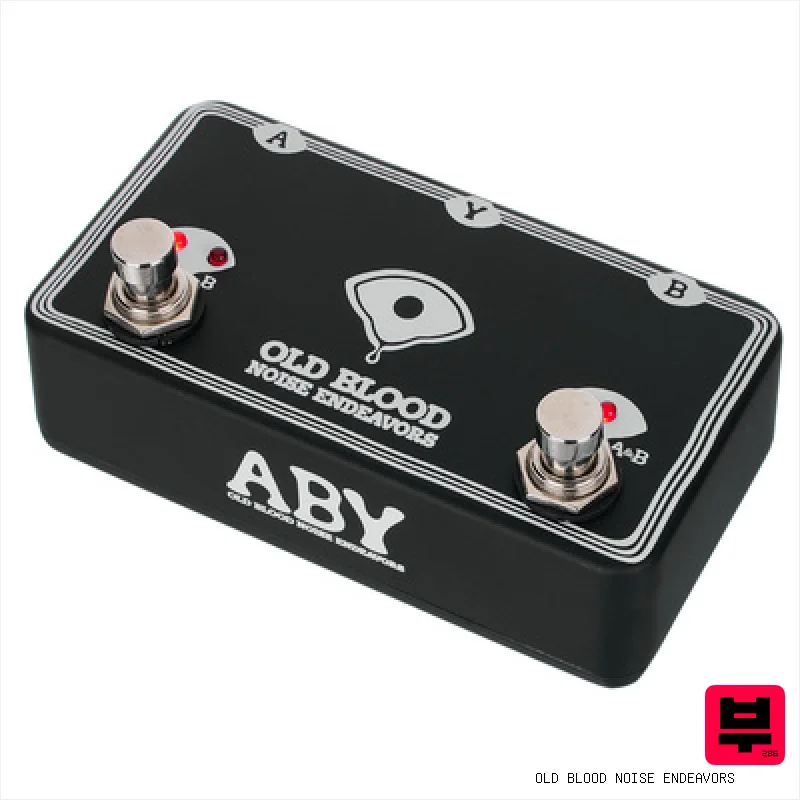
Old Blood Noise Endeavors AB/Y Switcher Basic Black
- • Passive operation means zero power drain on your signal
- • Metal housing builds a solid, durable pedal body
- • Three inputs and outputs let you split signals easily
- • Status LEDs show exactly which path your signal takes
- • Battery operation is not supported for this unit
- • Power supply must be purchased separately for LEDs
- • Requires a specific mains adapter to function properly

One Control Minimal Series White Loop
- • Robust metal housing provides excellent durability for pedalboard travel
- • BJF buffer circuit maintains signal integrity, reducing tone loss
- • Flash Loop function offers flexible routing options for complex setups
- • Daisy-chain power outputs simplify powering multiple pedals
- • Passive operation sacrifices buffer and DC outputs, limiting functionality
- • Compact size might be restrictive for some pedalboard layouts
- • Lacks MIDI control, restricting integration with advanced systems
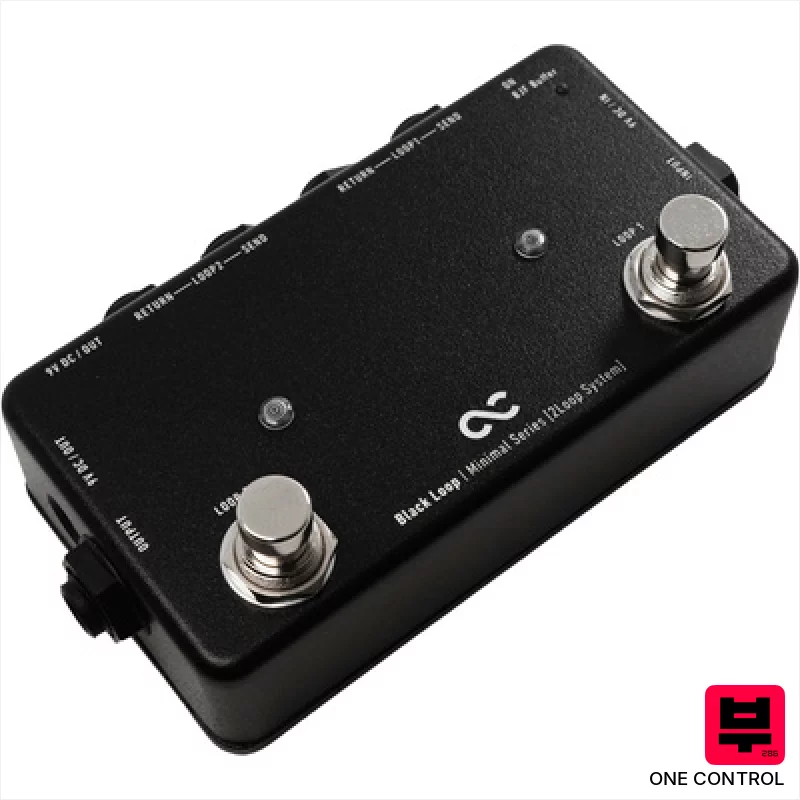
One Control Black Loop/BJF Buffer/Switch
- • Robust metal housing provides excellent protection and roadworthiness
- • BJF buffer preserves signal clarity and minimizes tone suck
- • Dual loops offer flexible signal routing for complex rigs
- • DC outputs simplify power daisy-chaining, reducing cable clutter
- • Limited to two loops; more complex setups might need more flexibility
- • Passive operation lacks LED feedback and DC outputs functionality
- • Compact size may feel cramped for users with larger hands
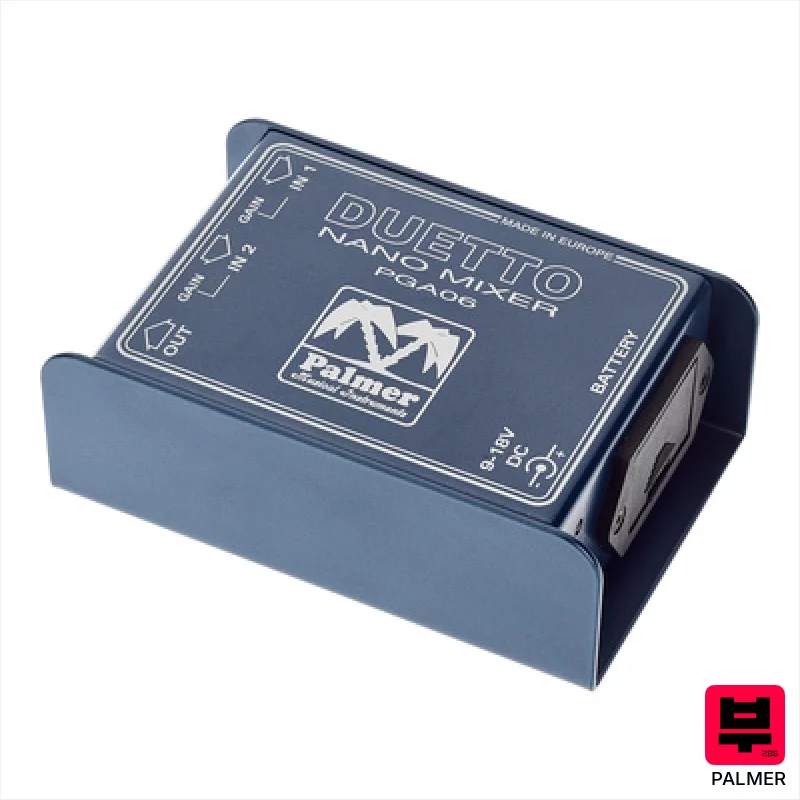
Palmer Duetto
- • Compact design blends seamlessly into tight pedalboard setups
- • Guitar-focused input impedance avoids signal loss and muddiness
- • Battery operation offers convenient portability and backup power
- • Simple, clean mixing avoids introducing unwanted noise or coloration
- • Limited to unbalanced connections, hindering professional studio use
- • Low maximum gain (6dB) won't significantly boost weak signals
- • Single output restricts use to mono setups or daisy-chaining
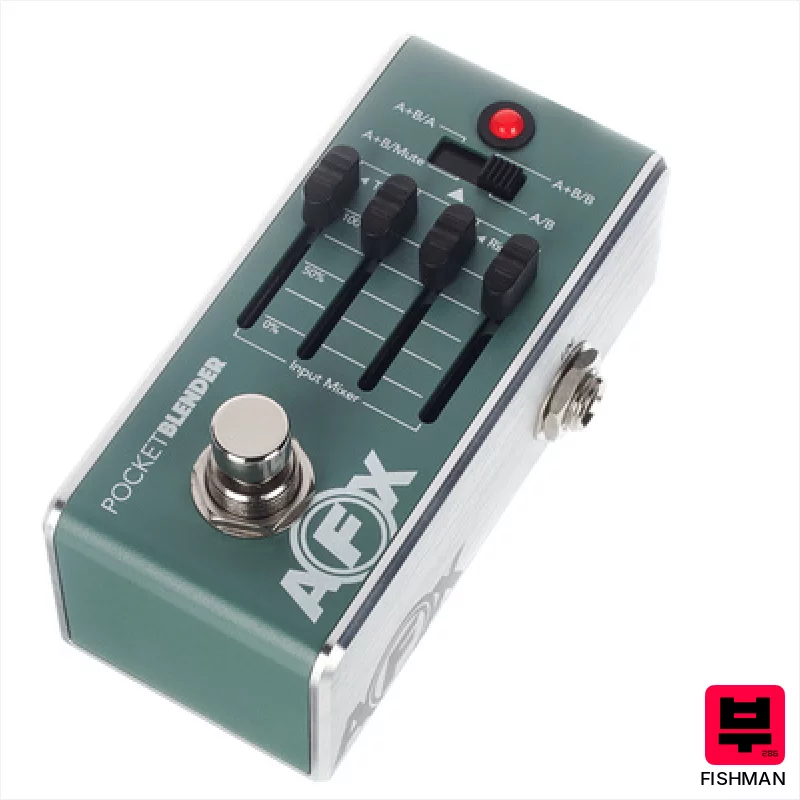
Fishman AFX Mini Blender, A/B/Y, DI
- • Compact design maximizes pedalboard space without feature compromise.
- • Adjustable levels prevent volume jumps when switching between signals.
- • Built-in DI offers a clean, direct signal for live performance or recording.
- • Solid Fishman build quality inspires confidence and reliable operation.
- • Limited routing options compared to more complex A/B/Y switchers.
- • No provision for battery power, requiring a reliable external power supply.
- • Small footprint can make tweaking knobs a little fiddly for larger hands.
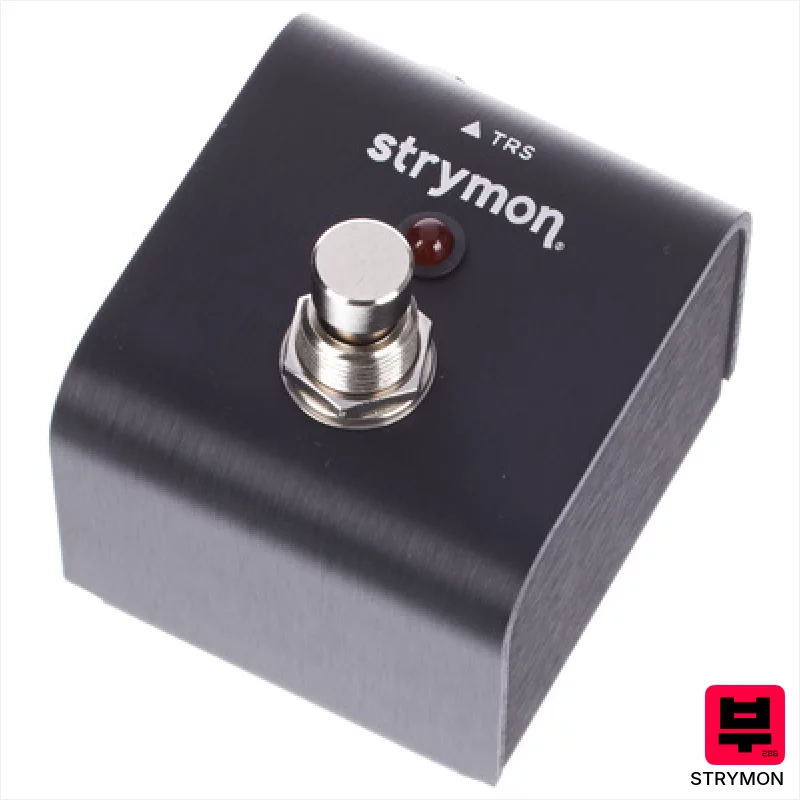
Strymon MiniSwitch
- • Solid build quality, feels like a Strymon product
- • Compact size saves crucial pedalboard real estate
- • Versatile for tempo tapping and preset selection
- • Reliable passive switching avoids signal degradation
- • Limited to Strymon pedals; not a universal switch
- • Passive design means no advanced features like LED customization
- • Stereo cable connection feels slightly dated
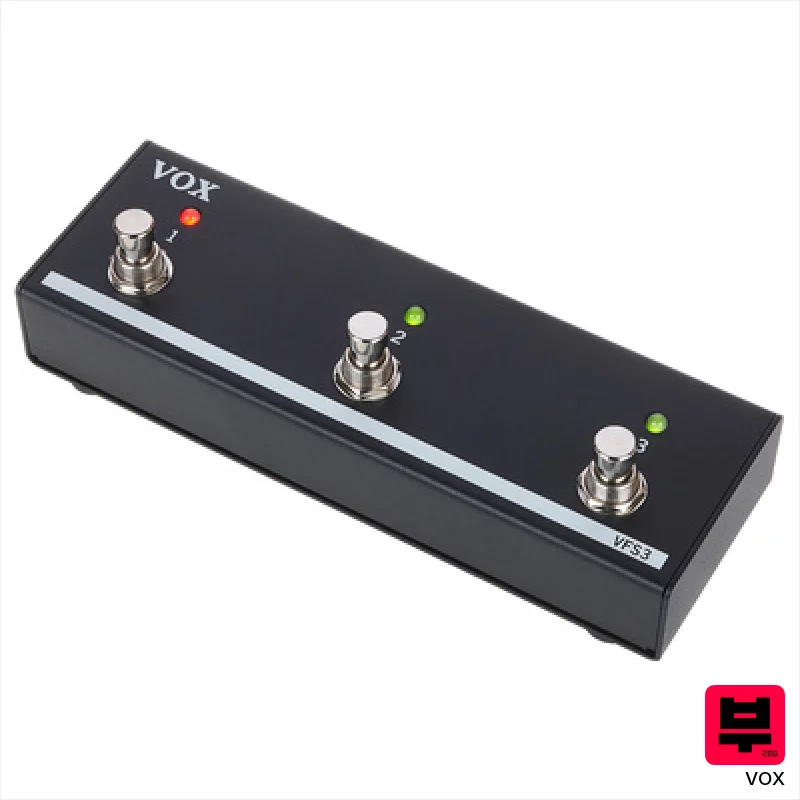
Vox VFS3 Mini Go Fußschalter
- • Reliable switching action, crucial for live looping and effects changes
- • Compact design integrates seamlessly with the Mini Go series
- • Durable plastic construction feels surprisingly robust for its size
- • Dedicated user sound recall expands the Mini Go’s sonic palette
- • Plastic construction, while durable, lacks the premium feel of metal footswitches
- • Limited functionality beyond Mini Go control – not a general-purpose footswitch
- • Small size can make it slightly less comfortable for players with larger feet

JHS Pedals Mini A/B Box
- • Solid metal enclosure offers robust protection during gigging.
- • Passive design preserves your signal's natural tone and dynamics.
- • Compact size minimizes pedalboard real estate usage.
- • Simple A/B functionality eliminates complex routing headaches.
- • Requires an external 9V power supply for LED illumination, increasing cost.
- • Passive design can lead to signal loss over long cable runs.
- • Limited to A/B switching, lacks advanced routing options.
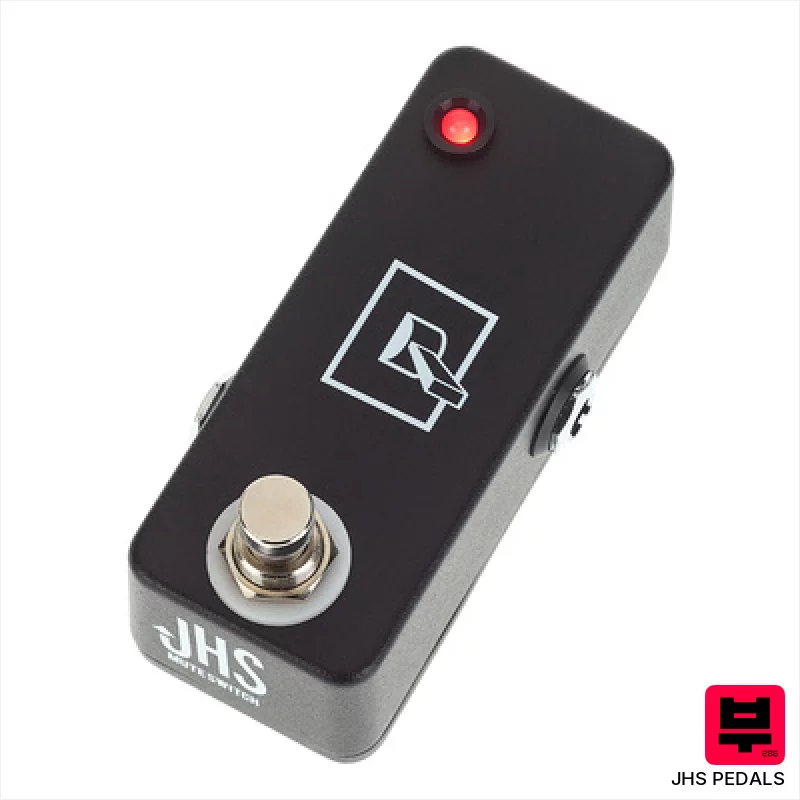
JHS Pedals Mute Switch
- • Solid metal housing provides excellent durability for gigging.
- • Two-color LED clearly indicates mute/unmute status in low light.
- • Compact size minimizes pedalboard real estate usage.
- • Simple, reliable design avoids complex features and potential failure.
- • Requires a 9V power supply for LED functionality, adding to cost.
- • Limited to a simple on/off mute, lacks advanced features.
- • Small footprint can make footswitching slightly less precise.
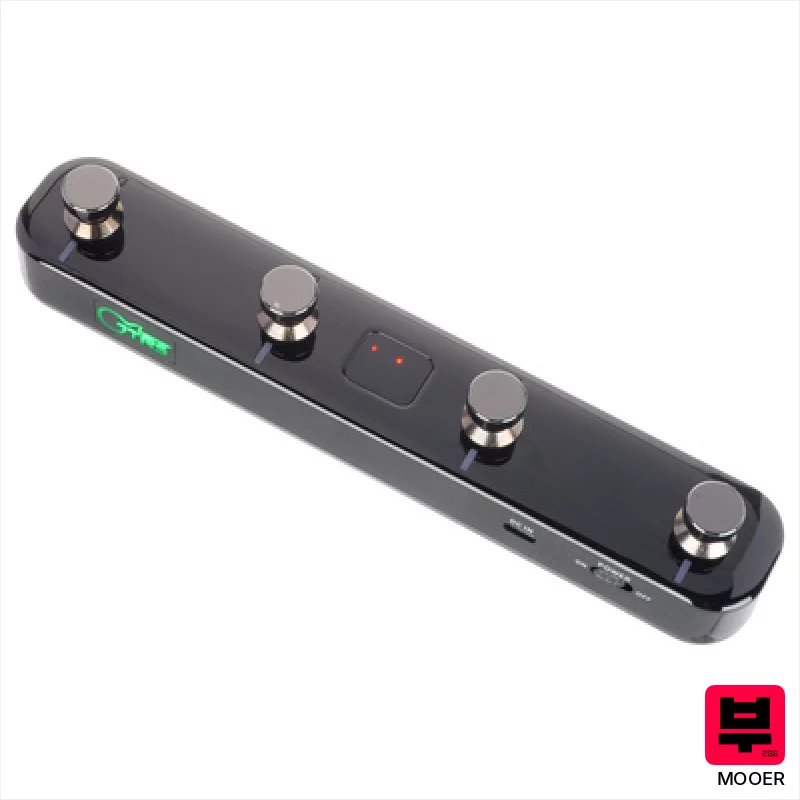
Mooer GTRS Wireless Footswitch GWF4
- • Reliable 2.4GHz wireless minimizes latency for seamless preset changes.
- • Compact size and lightweight design enhance pedalboard portability.
- • Integrated tuner provides convenient, on-demand tuning functionality.
- • USB-C charging offers modern convenience and faster charging times.
- • Limited compatibility; primarily designed for Mooer GTRS guitars.
- • Footswitch travel might feel shallow for players preferring longer action.
- • Plastic enclosure feels less premium than metal alternatives at this price.
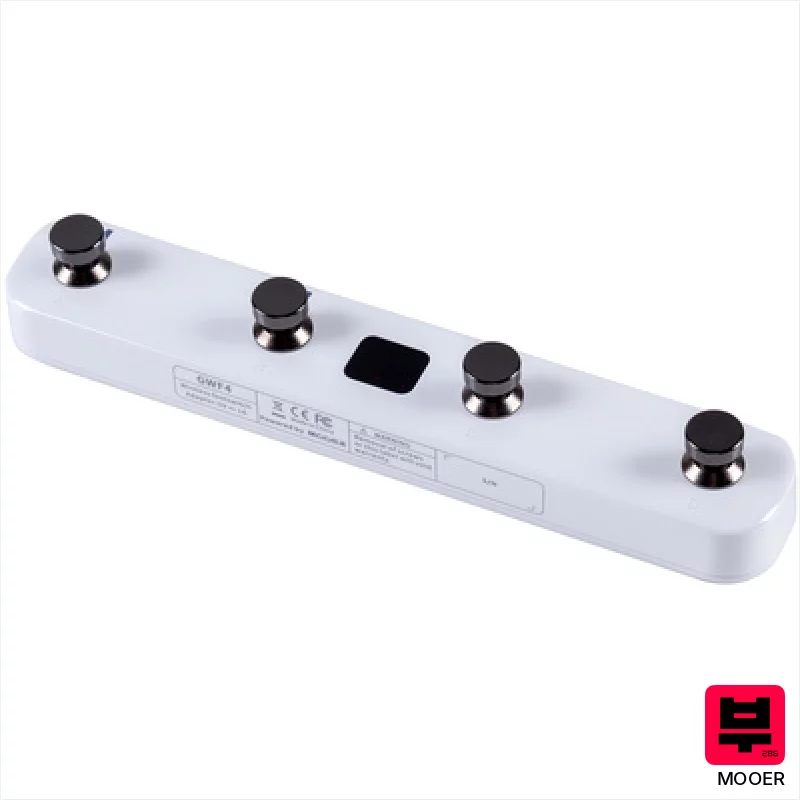
Mooer GTRS Wireless Footswitch White
- • Wireless operation eliminates cable clutter, enhancing stage mobility.
- • Four footswitches offer flexible preset/effect control options.
- • Integrated tuner simplifies guitar setup and tuning adjustments.
- • Compact size (224x40x38mm) makes it pedalboard-friendly.
- • Limited compatibility; primarily designed for GTRS guitars and Mooer pedals.
- • Battery life, while decent, will require periodic charging during gigs.
- • Plastic construction, while lightweight, may feel less robust than metal alternatives.
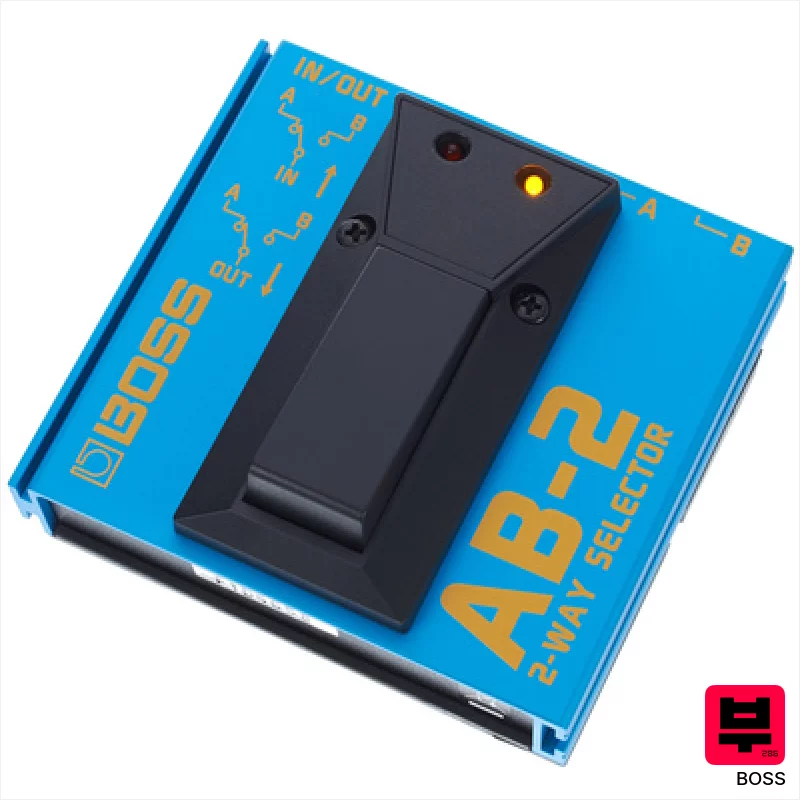
Boss AB-2
- • Silent switching avoids unwanted noise during transitions
- • Compact size ideal for tight pedalboard setups
- • Simple operation – instantly understandable LED indicators
- • Battery power offers convenient, cable-free operation
- • Limited functionality compared to more complex routing solutions
- • AAA batteries can be a recurring expense
- • No thru jack restricts signal chain flexibility
Every switch pedals that matches
37 models match this page. The 15 above are covered in detail; the rest are listed here with their published specifications.
Switch Pedals by the numbers
Measured across all 37 models in this category, so «wide», «short» or «expensive» mean something you can check.
How to Choose the Best Switch Pedals
Build Quality
Let's be honest, under $100, you're probably looking at die-cast, but how robust is it? Will it survive a gig where someone kicks your pedalboard? We're looking for something that won't fall apart after a few months of regular use.
Latency (Loopers)
For loopers, latency is the killer. Even a tiny bit of delay can throw off your timing and make the loop sound disjointed. We're testing for the lowest possible latency while maintaining decent audio quality.
Accuracy (Tuners)
A tuner that's off by a few cents is useless. We're looking for tuners that are accurate, responsive, and easy to read, even on a dimly lit stage.
Footswitch Reliability
A sticky footswitch is a nightmare. We're assessing how reliably the footswitches engage and disengage, and how they feel underfoot.
Sound Quality (Overall)
While we're not expecting pristine studio-grade audio, we're looking for pedals that don't introduce noticeable noise or degrade the signal. Clean signal path is a must, and loopers need to handle a decent dynamic range without clipping.
Buying Guide
At this price point, you're making trade-offs. Build quality is the first thing to suffer - expect plastic enclosures and potentially less-refined components. Loopers will likely have shorter memory times and fewer features than their pricier counterparts. Don't expect a super-precise strobe tuner either, but a decent needle-style tuner will do the job. Focus on functionality and reliability over fancy bells and whistles.
How This List Is Built
We don't play these instruments — we're a catalog, not a review desk, and we'd rather say so than pretend otherwise. This page covers 37 switch pedals from the Thomann catalogue, which is the largest single source of specification data in this category: 15 in detail, the rest listed with their specifications.
Position is computed, not curated. We parse the manufacturer's own description into actual values — nut width, scale, fret count, fingerboard radius, size, alloy — and rank on them: how many specifications a model has published, how many of them are measurable numbers, and how precisely it meets this page's criterion. A product image adds a little. Price is not a ranking signal: it tells you nothing about whether a neck fits your hand. The same inputs always produce the same order, so nothing here is shuffled to look fresh.
What this list is good for: narrowing a category down to a shortlist by spec and budget. What it isn't: a substitute for hearing an instrument. Before you buy, read hands-on reviews and, where you can, play it. Full methodology.

