
Best Switch Pedals for Professional 2026
Look, you're a pro. You're not messing around with basic overdrive anymore. You need a switch pedal that can handle complex signal chains, looping, MIDI control, and a whole lot of on-the-fly changes without glitching or adding latency. We're not talking about a simple A/B box here - this is about streamlining your performance and expanding your sonic palette, and that requires serious gear. Let's cut through the noise and talk about switch pedals that actually deliver for the working musician.
Last updated: October 8, 2026
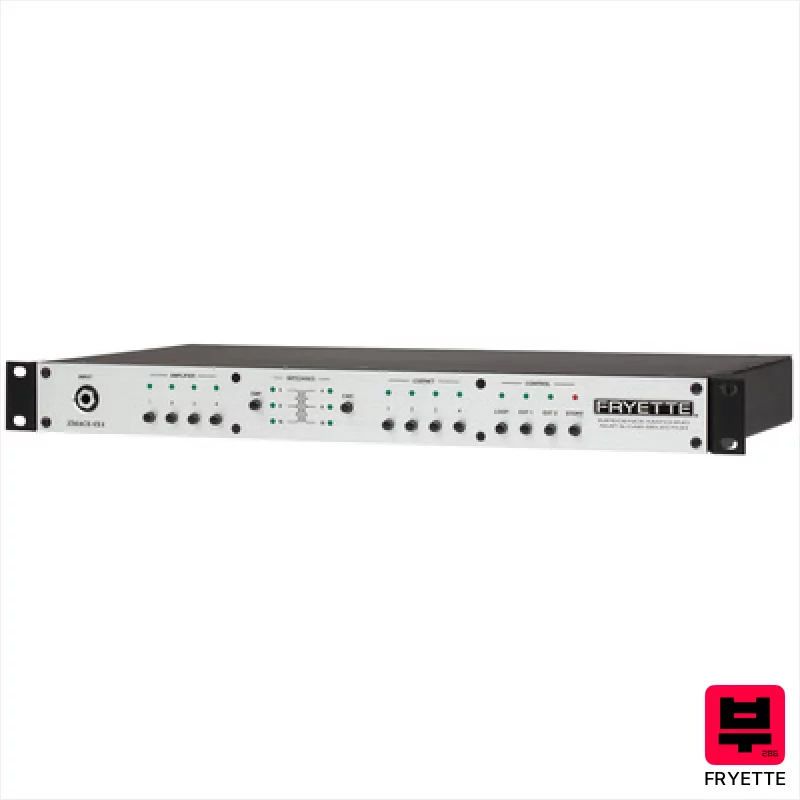
Fryette ZMACS 4x4 Amp/Cab Switch
- • Fryette's transformer isolation eliminates ground loops, crucial for studio/stage.
- • The programmable impedance matching prevents amp damage and tonal inconsistencies.
- • Dual cabinet selection opens up massive sonic layering possibilities.
- • Solid build quality; Fryette’s known for robust, roadworthy gear.
- • Premium-priced, a significant investment for most players.
- • Complex programming interface may intimidate less tech-savvy users.
- • Size and weight – this is a substantial piece of gear for pedalboard use.
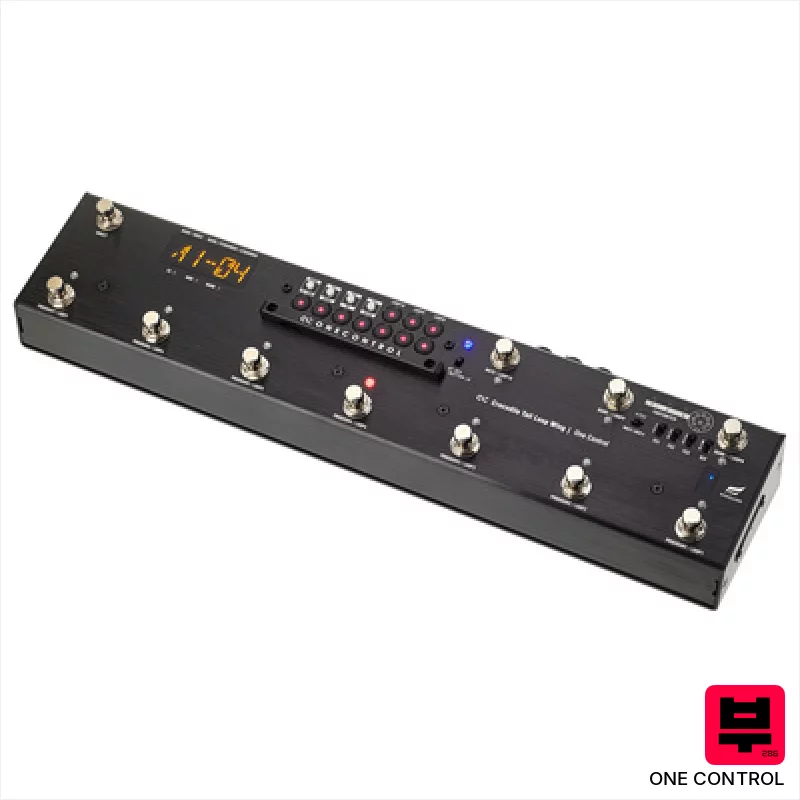
One Control Crocodile Tail Loop Wing OC10W
- • Exceptional flexibility with 10 loops, 7 serial and 3 parallel, caters to complex rigs.
- • Winglink app simplifies complex programming, far surpassing typical MIDI editing experiences.
- • Integrated BJF buffer preserves signal integrity, crucial for maintaining clarity in long chains.
- • Robust build quality with durable footswitches; feels like a professional-grade road warrior unit.
- • Premium-priced, a significant investment for most gigging musicians.
- • Steep learning curve initially, mastering the programming takes dedicated time and effort.
- • Size and weight make it less than ideal for extremely compact pedalboard setups.
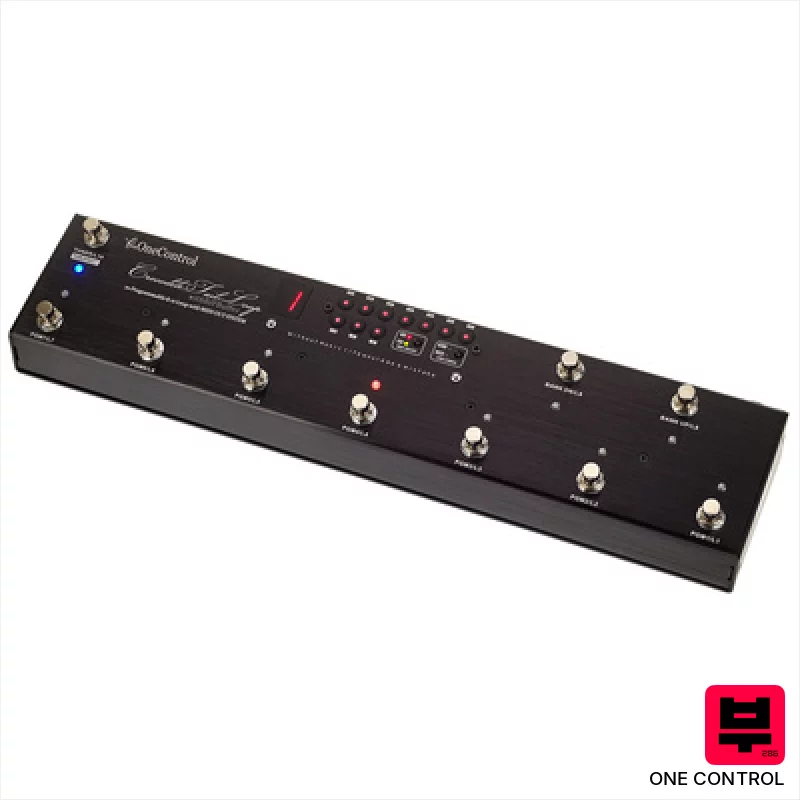
One Control Crocodile Tail Loop (OC10)
- • Rock-solid build quality with robust footswitches and durable enclosure
- • Extremely flexible routing options with serial and parallel loops
- • The integrated BJF buffer maintains signal integrity across the chain
- • MIDI implementation offers extensive control and customization possibilities
- • Premium-priced, placing it out of reach for many gigging musicians
- • The programming interface, while intuitive, can feel slightly complex initially
- • Size and weight make it less ideal for ultra-portable setups
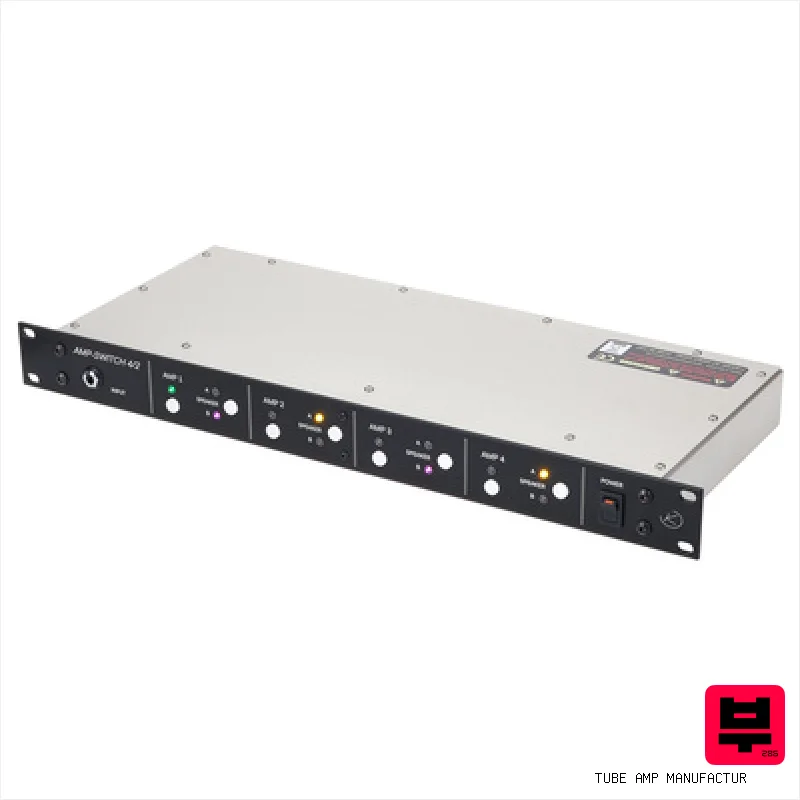
Tube Amp Manufactur Amp-Switch 4/2 V3
- • Switches four amps and two cabinets from one signal source
- • Provides direct 1:1 sound comparison without distortion
- • Uses passive relay switching for clean signal routing
- • Fits all tube and transistor amplifiers equally well
- • No MIDI support for modern controller integration
- • Lacks buffer section to boost weak signals
- • Requires separate power supply for remote output

Carl Martin Octa-Switch The Strip
- • Gold-plated relay contacts ensure reliable switching and longevity.
- • True-bypass loops preserve your signal integrity when pedals are off.
- • Assignable external switches offer flexible amp and reverb control.
- • Compact strip design maximizes valuable pedalboard real estate.
- • Relatively high-end price point might deter budget-conscious players.
- • No included power supply adds to the overall investment.
- • Analogue interface, while simple, lacks advanced digital features.
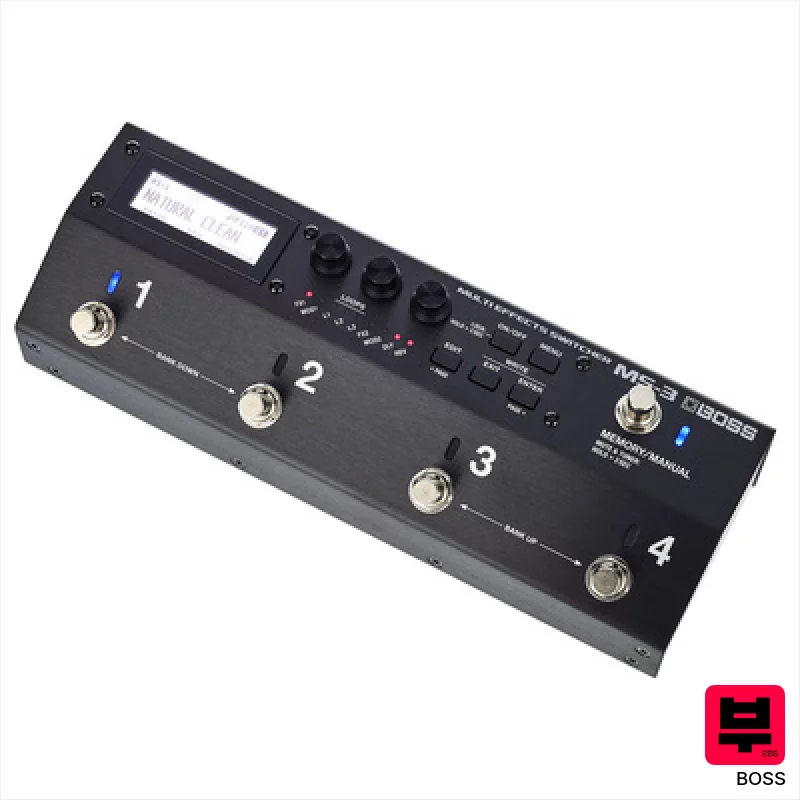
Boss MS-3 Multi Effects Switcher
- • Robust Boss build quality ensures reliable gigging performance.
- • Versatile MIDI implementation unlocks extensive control over external gear.
- • Built-in tuner and noise reduction simplify signal chain management.
- • Multiple loop sends/returns offer flexible effects routing options.
- • Limited preset storage compared to some competitors.
- • Menu navigation can feel slightly cumbersome initially.
- • The plastic enclosure, while durable, lacks the premium feel of metal.
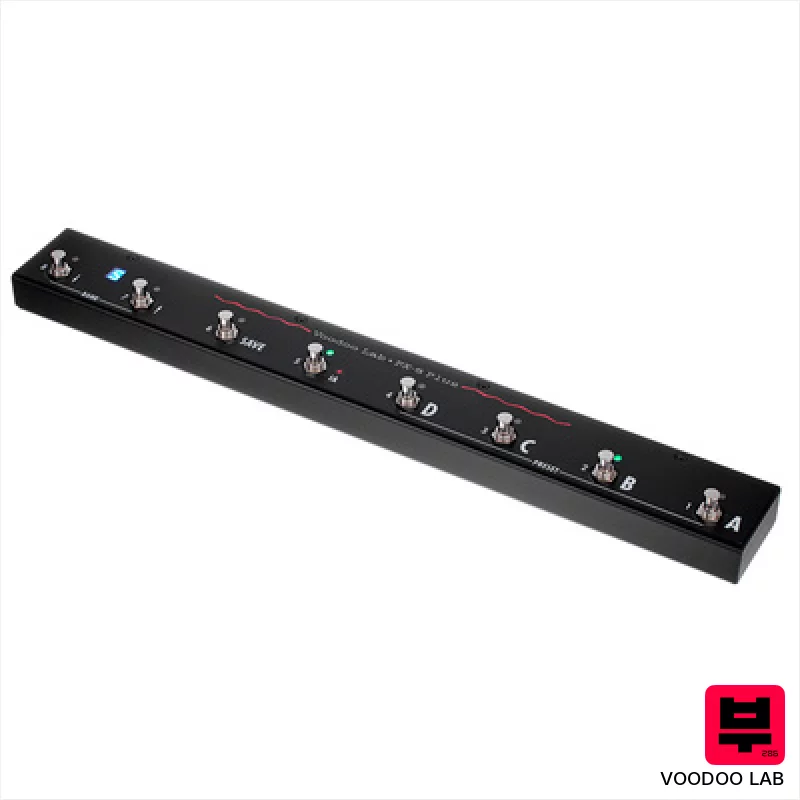
Voodoo Lab Pedal Switcher PX-8 Plus
- • Gold relay contacts ensure pristine signal integrity and longevity
- • Handmade in the USA signifies exceptional build quality and attention to detail
- • Loop-in path provides true flexibility for volume/expression pedals
- • Quiet switching technology eliminates distracting pops and clicks during transitions
- • Price point places it in the premium-priced category for pedal switchers
- • Programming can be initially complex for users unfamiliar with MIDI
- • Physical footprint is substantial, requiring significant pedalboard space
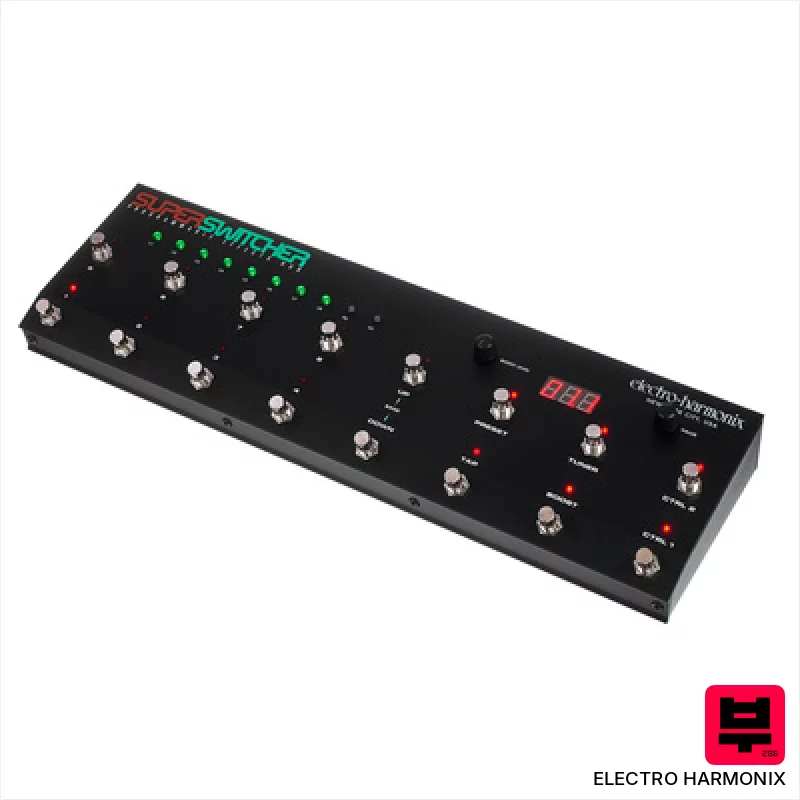
Electro Harmonix Super Switcher
- • Eight flexible loops accommodate complex pedalboard configurations
- • Tap tempo syncs globally or per preset, enhancing rhythmic precision
- • Integrated tuner footswitch with mute simplifies tuning during performance
- • MIDI implementation allows for seamless integration with other gear
- • The substantial size demands considerable pedalboard real estate
- • The interface, while functional, can feel slightly less intuitive initially
- • Price point positions it as a premium investment for serious users
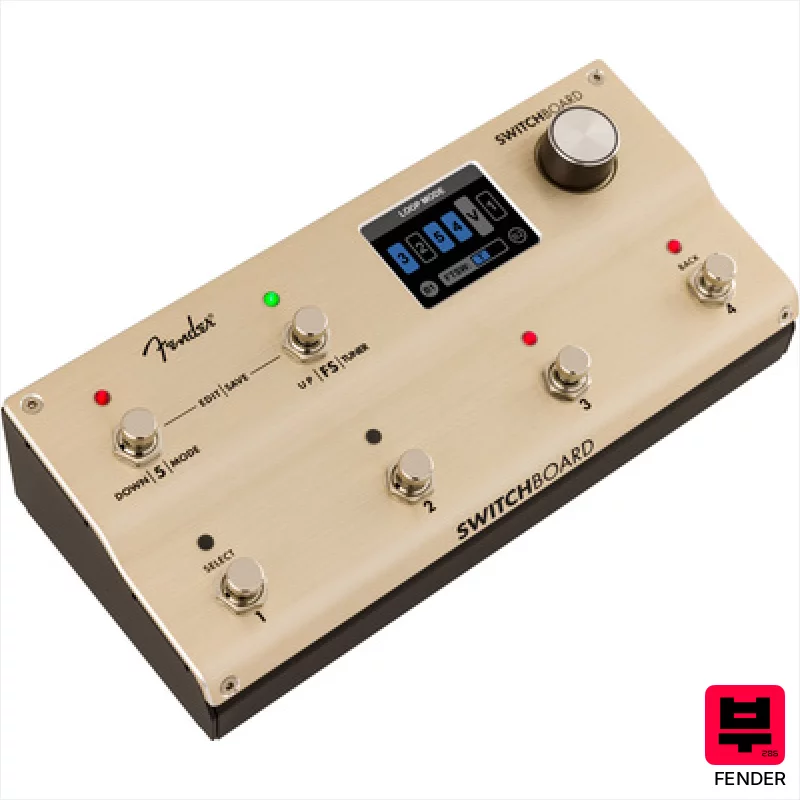
Fender Switchboard Effects Operator
- • Anodized aluminum build feels incredibly robust and professional.
- • LCD display is genuinely usable, unlike many competing units.
- • Relay loops ensure signal integrity even with power-hungry pedals.
- • Movable volume pedal adds a level of nuanced control often missing.
- • The learning curve is steep; menu diving isn't for the faint of heart.
- • Size and weight make it less than ideal for gigging musicians on the move.
- • Loop 5's stereo recording is a niche feature; limited practical application.

Positive Grid Spark 40 PW Bundle
- • Smart Jam feature provides surprisingly engaging and adaptable backing tracks.
- • The onboard effects library offers a massive range of tones, easily accessible.
- • Compact bass reflex design delivers surprisingly full and punchy low-end response.
- • Auto Chords function is genuinely useful for learning songs from YouTube videos.
- • 40 watts is limiting for gigging; best suited for practice and home recording.
- • Reliance on the app means functionality is tied to Positive Grid's ecosystem.
- • The 4-inch speakers, while decent, lack the headroom for serious volume.
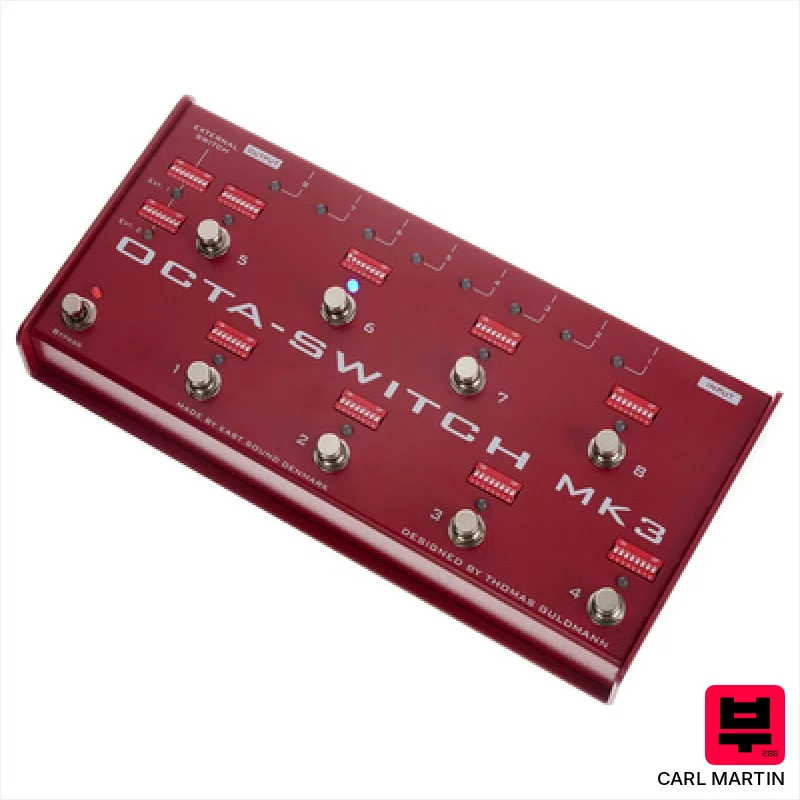
Carl Martin Octa-Switch MK3
- • Gold relays ensure silent, reliable switching across all loops.
- • DIP switches offer granular control over channel routing and behavior.
- • Buffered input preserves signal strength, especially with long pedal chains.
- • Solid construction feels robust and durable for gigging use.
- • Limited MIDI functionality restricts advanced programmability and integration.
- • Size and weight make it less ideal for extremely compact pedalboards.
- • The learning curve for DIP switch configuration can be initially daunting.
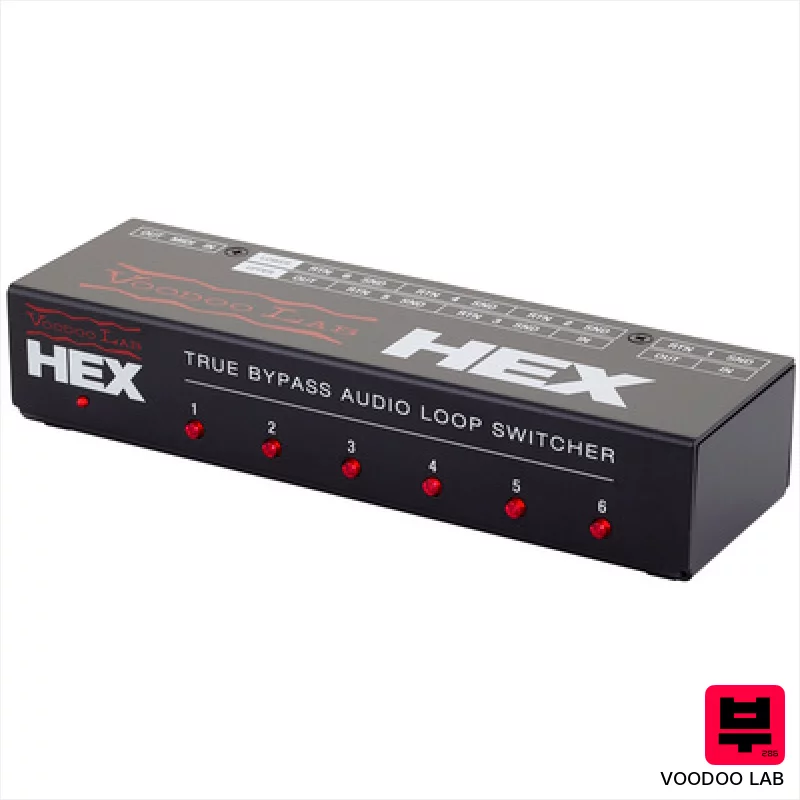
Voodoo Lab HEX Audio Loop Switcher
- • Gold relays ensure pristine signal path with zero noise
- • Isolated loop eliminates ground loops and unwanted interaction
- • Compact form factor ideal for pedalboards with limited space
- • Remote tap tempo adds serious flexibility to tempo-based effects
- • Price point puts it out of reach for budget-conscious players
- • Menu navigation can be slightly cumbersome without MIDI control
- • Limited routing options compared to more complex matrix switchers

EarthQuaker Devices Swiss Things
- • Swiss Things offers incredibly flexible routing and signal management.
- • The noiseless relay circuitry ensures silent switching, even with noisy pedals.
- • Clean boost up to 20dB adds significant volume and headroom.
- • Metal housing feels robust and well-built for gigging.
- • The complexity can be overwhelming for beginners; steep learning curve.
- • Size (144 x 121 x 57 mm) makes it less ideal for smaller pedalboards.
- • Buffered bypass on Loop 2 may color the signal for purists.
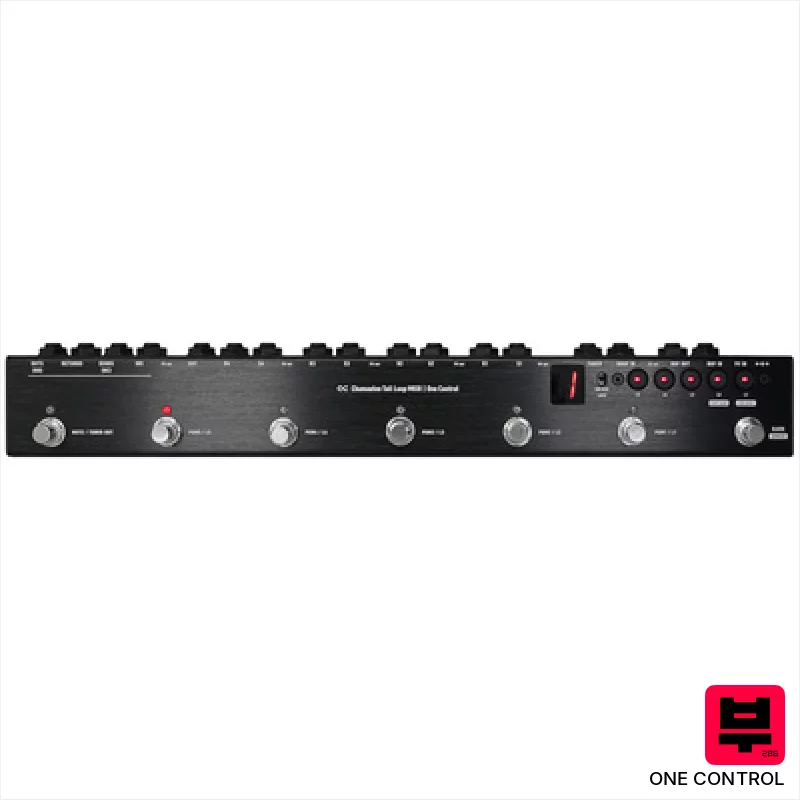
One Control Chamaeleo Tail Loop MKIII
- • Five true bypass loops offer clean signal routing and isolation.
- • 50 programmable presets provide extensive tonal flexibility and recall.
- • BJF buffer ensures signal integrity, especially with long pedal chains.
- • Multiple DC outputs simplify power daisy-chaining, reducing clutter.
- • The programming interface, while functional, isn't the most intuitive initially.
- • The unit's size and weight make it less ideal for very compact pedalboards.
- • Premium-priced, requiring a significant investment for its feature set.

Moen GEC9 2nd Edition
- • Programmable lock prevents accidental preset changes during performance.
- • Separate loop paths offer versatile amplifier channel switching and ABY options.
- • TRS jack allows integration with amplifiers via footswitch connectivity.
- • Noiseless switching preserves signal integrity and minimizes unwanted hum.
- • Power supply not included; requires a specific 9V DC coaxial connection.
- • Relatively deep unit may pose challenges in cramped pedalboard setups.
- • Steeper learning curve for mastering full programming capabilities.
Every switch pedals that matches
117 models match this page. The 15 above are covered in detail; the rest are listed here with their published specifications.
Switch Pedals by the numbers
Measured across all 117 models in this category, so «wide», «short» or «expensive» mean something you can check.
How to Choose the Best Switch Pedals
Latency
This is non-negotiable. Even a few milliseconds can throw off your timing, especially when looping or switching between complex amp settings. We're talking about sub-5ms here for clean switching.
Signal Integrity
A cheap switch pedal can introduce noise or degrade your tone. We're looking for transparent switching that doesn't suck the life out of your signal - preserving that fat midrange honk or that crisp, articulate high-end.
Programmability/Flexibility
Beyond simple A/B switching, the best switch pedals offer programmable presets, MIDI control, and the ability to chain effects together. This is about tailoring the pedal to your specific rig and performance needs.
Build Quality/Reliability
Gigs are brutal on gear. We need pedals that can withstand being kicked, stepped on, and generally abused without failing. Solid construction, robust footswitches, and reliable internal components are essential.
User Interface/Learning Curve
A complex pedal is useless if you can't navigate it under pressure. An intuitive layout and clear visual feedback are critical for quick changes on stage. A steep learning curve can be a real showstopper.
Buying Guide
Don't fall for the 'more features' trap. A pedal with 50 buttons you can't use is just clutter. Think about your actual workflow - do you need MIDI? Looping? Complex effect chains? Budget accordingly. Spending a little more upfront for a reliable, well-designed pedal is almost always worth it, especially when you consider the downtime and frustration of cheap gear failing mid-set. Watch out for pedals that promise the moon but have a muddy, compressed sound - that's a shortcut.
How This List Is Built
We don't play these instruments — we're a catalog, not a review desk, and we'd rather say so than pretend otherwise. This page covers 117 switch pedals from the Thomann catalogue, which is the largest single source of specification data in this category: 15 in detail, the rest listed with their specifications.
Position is computed, not curated. We parse the manufacturer's own description into actual values — nut width, scale, fret count, fingerboard radius, size, alloy — and rank on them: how many specifications a model has published, how many of them are measurable numbers, and how precisely it meets this page's criterion. A product image adds a little. Price is not a ranking signal: it tells you nothing about whether a neck fits your hand. The same inputs always produce the same order, so nothing here is shuffled to look fresh.
What this list is good for: narrowing a category down to a shortlist by spec and budget. What it isn't: a substitute for hearing an instrument. Before you buy, read hands-on reviews and, where you can, play it. Full methodology.

