
Best Switch Pedals for Live Performance 2026
So, you're tired of wrestling a wall of pedals on stage? Switching between a clean boost, an overdrive, a chorus, and a delay shouldn't feel like a full-time job. Switch pedals are the solution, but not all of them are created equal - especially when you're dealing with the chaos of a live rig. Let's break down which ones will actually hold up to gigging and give you the tonal flexibility you need.
Last updated: July 8, 2026 • Next update: July 15, 2026
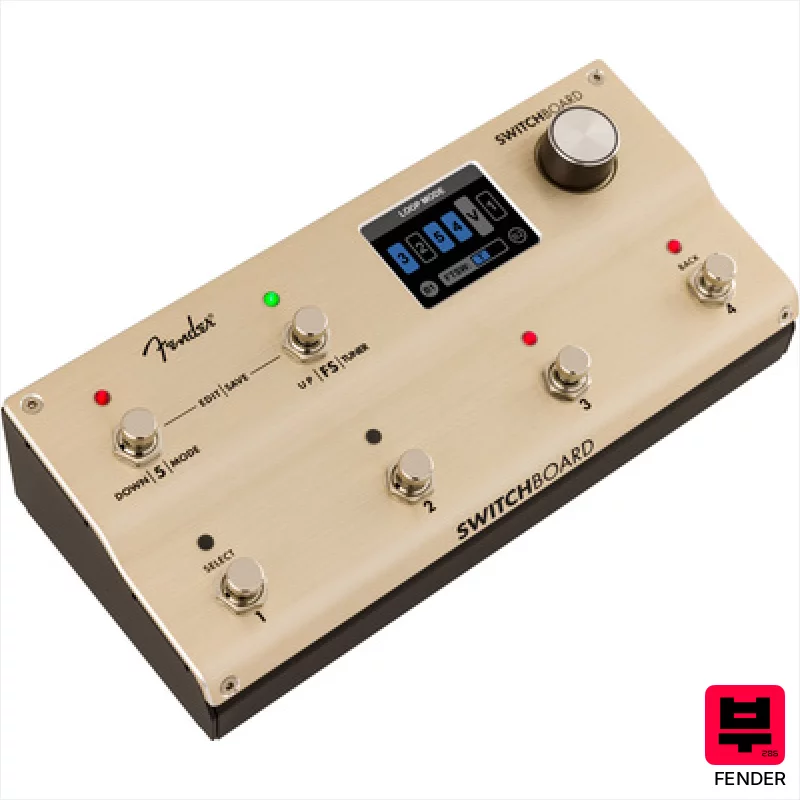
Fender Switchboard Effects Operator
- • Anodized aluminum build feels incredibly robust and professional.
- • LCD display is genuinely usable, unlike many competing units.
- • Relay loops ensure signal integrity even with power-hungry pedals.
- • Movable volume pedal adds a level of nuanced control often missing.
- • The learning curve is steep; menu diving isn't for the faint of heart.
- • Size and weight make it less than ideal for gigging musicians on the move.
- • Loop 5's stereo recording is a niche feature; limited practical application.

Old Blood Noise Endeavors Expression Ramper X3
- • Three independent rampers offer incredible flexibility in expression control.
- • Tempo sync capabilities unlock complex, evolving modulation patterns.
- • Robust aluminum enclosure feels exceptionally solid and durable.
- • External tap input allows for real-time tempo adjustments on the fly.
- • The interface can be initially overwhelming for those unfamiliar with OBNE's design philosophy.
- • Power consumption, while manageable, requires a decent quality power supply.
- • Limited input/output options might restrict integration in complex pedalboards.

Positive Grid Spark 40 PW Bundle
- • Smart Jam feature provides surprisingly engaging and adaptable backing tracks.
- • The onboard effects library offers a massive range of tones, easily accessible.
- • Compact bass reflex design delivers surprisingly full and punchy low-end response.
- • Auto Chords function is genuinely useful for learning songs from YouTube videos.
- • 40 watts is limiting for gigging; best suited for practice and home recording.
- • Reliance on the app means functionality is tied to Positive Grid's ecosystem.
- • The 4-inch speakers, while decent, lack the headroom for serious volume.
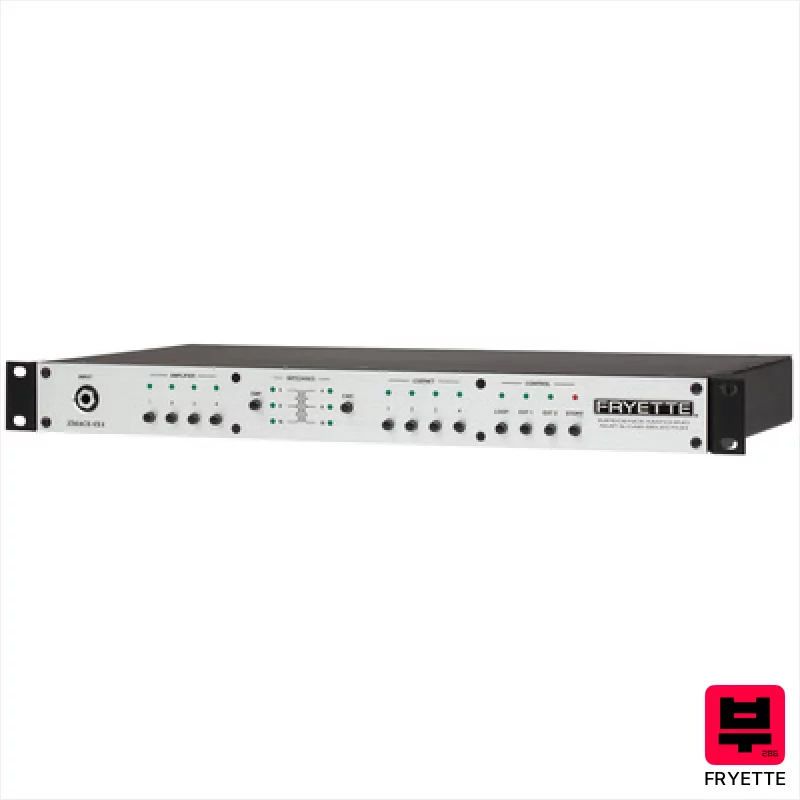
Fryette ZMACS 4x4 Amp/Cab Switch
- • Fryette's transformer isolation eliminates ground loops, crucial for studio/stage.
- • The programmable impedance matching prevents amp damage and tonal inconsistencies.
- • Dual cabinet selection opens up massive sonic layering possibilities.
- • Solid build quality; Fryette’s known for robust, roadworthy gear.
- • Premium-priced, a significant investment for most players.
- • Complex programming interface may intimidate less tech-savvy users.
- • Size and weight – this is a substantial piece of gear for pedalboard use.
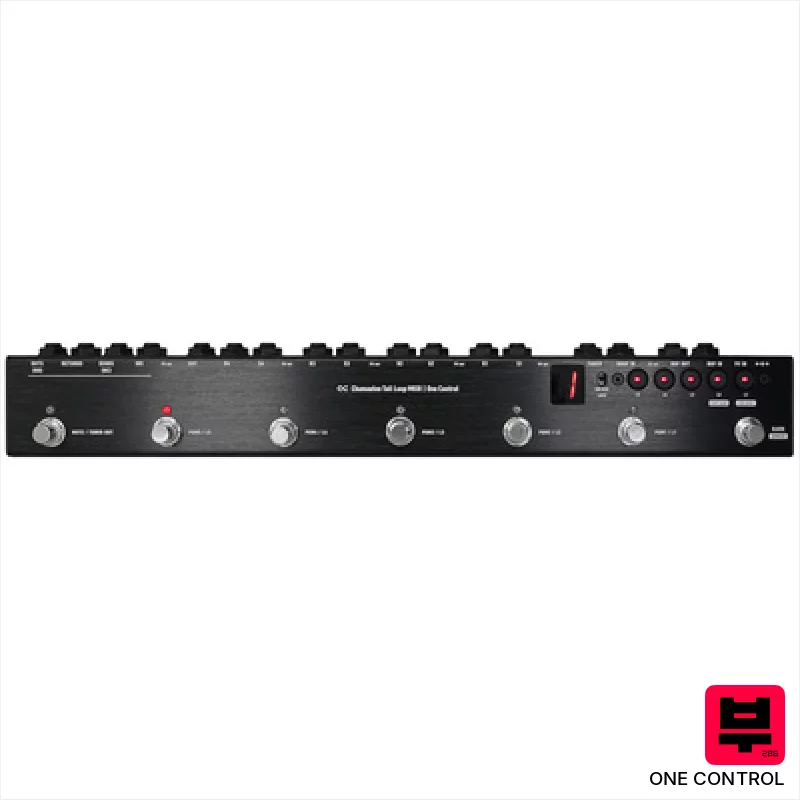
One Control Chamaeleo Tail Loop MKIII
- • Five true bypass loops offer clean signal routing and isolation.
- • 50 programmable presets provide extensive tonal flexibility and recall.
- • BJF buffer ensures signal integrity, especially with long pedal chains.
- • Multiple DC outputs simplify power daisy-chaining, reducing clutter.
- • The programming interface, while functional, isn't the most intuitive initially.
- • The unit's size and weight make it less ideal for very compact pedalboards.
- • Premium-priced, requiring a significant investment for its feature set.
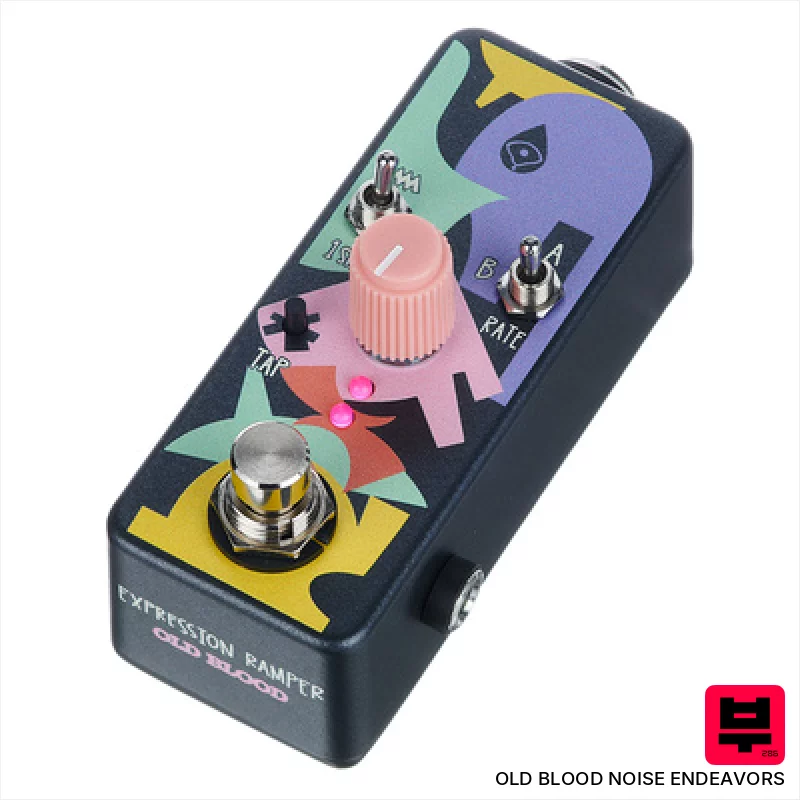
Old Blood Noise Endeavors Expression Ramper HK
- • Versatile expression control beyond typical wah/volume applications
- • Six selectable waveforms offer a wide range of modulation possibilities
- • Tap tempo functionality provides precise rhythmic ramping control
- • Compact size and robust build quality suited for pedalboard use
- • Limited to expression control; no inherent effect generation
- • Learning curve exists to fully utilize all waveform and output options
- • May require experimentation to integrate seamlessly into complex pedal chains
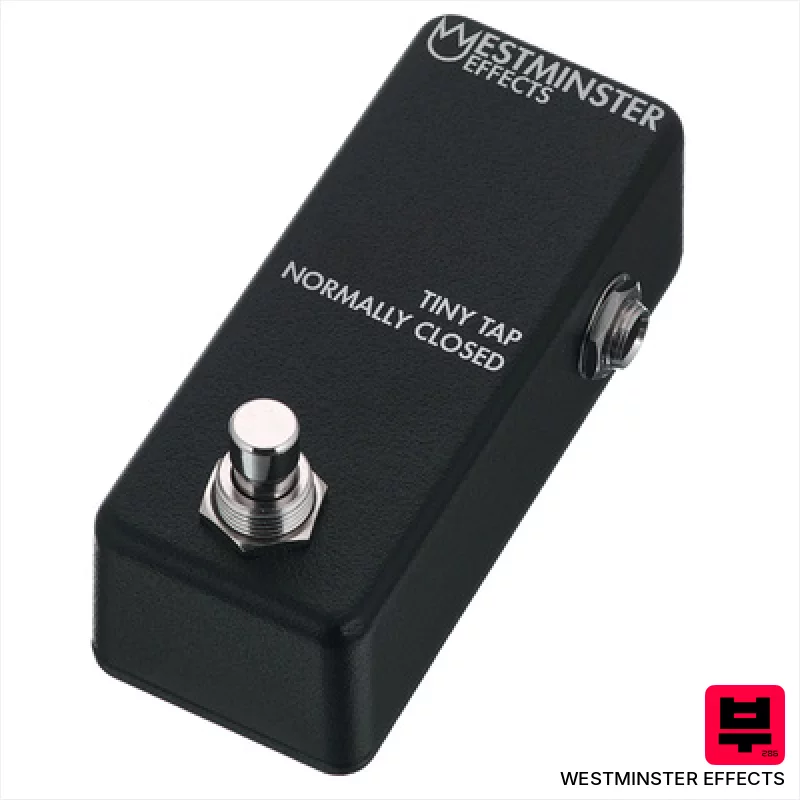
Westminster Effects Tiny Tap Tempo Normally Closed
- • Handmade quality evident in robust construction and tight tolerances.
- • Normally Closed design simplifies integration with vintage Boss gear.
- • Passive design eliminates power supply needs, simplifying pedalboard setup.
- • Compact size maximizes space on crowded pedalboards.
- • Limited functionality – strictly a tap tempo switch, no other features.
- • Passive design can introduce signal loss depending on cable quality and chain length.
- • Small footprint may make it difficult to locate by feel without looking.
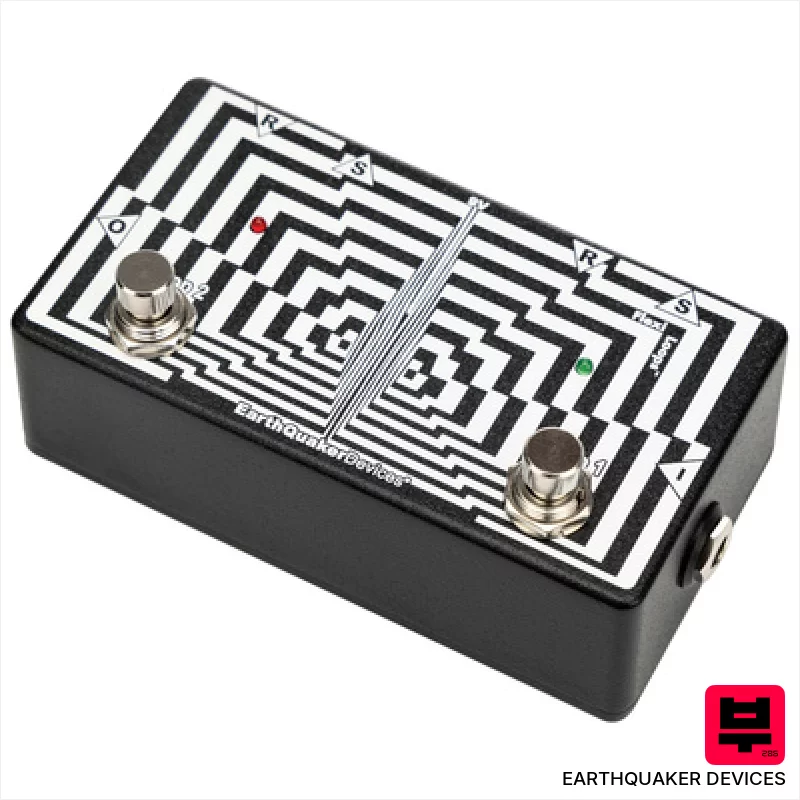
EarthQuaker Devices Flexi Loops
- • Solid metal housing provides excellent roadworthiness and a premium feel.
- • Flexi-Switch technology ensures silent, reliable switching – crucial for live use.
- • True bypass preserves your signal integrity when loops are inactive.
- • Dual, independent loops offer flexible signal routing and creative possibilities.
- • Lacks battery operation, necessitating a power adapter – a common EarthQuaker limitation.
- • Limited to two loops; more complex setups might need a larger solution.
- • The size (121 x 70 x 57 mm) can be a factor in cramped pedalboard situations.
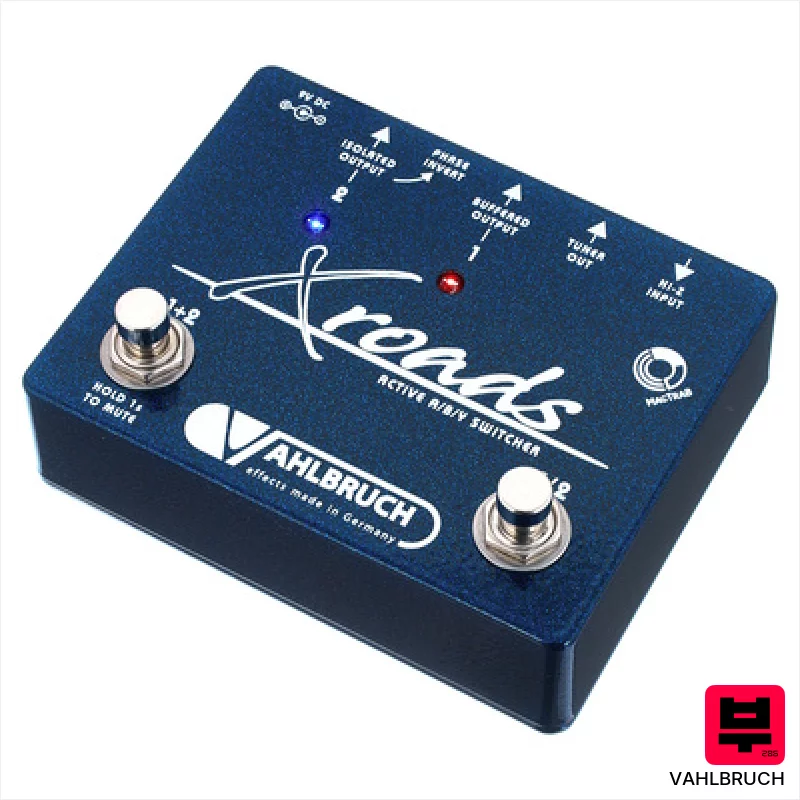
Vahlbruch Xroads active ABY Switch
- • MagTraB switching is genuinely silent, a huge upgrade over mechanical pedals.
- • Active buffering solves impedance mismatches, improving signal clarity noticeably.
- • Self-adapting circuitry effectively eliminates ground loop hum, a lifesaver.
- • Buffered tuner output preserves signal strength for accurate tuning, always.
- • The robust build contributes to a relatively heavy pedal, not ideal for travel.
- • Premium-priced, representing a significant investment for a simple switching function.
- • Limited routing options – strictly ABY, no more complex signal paths.
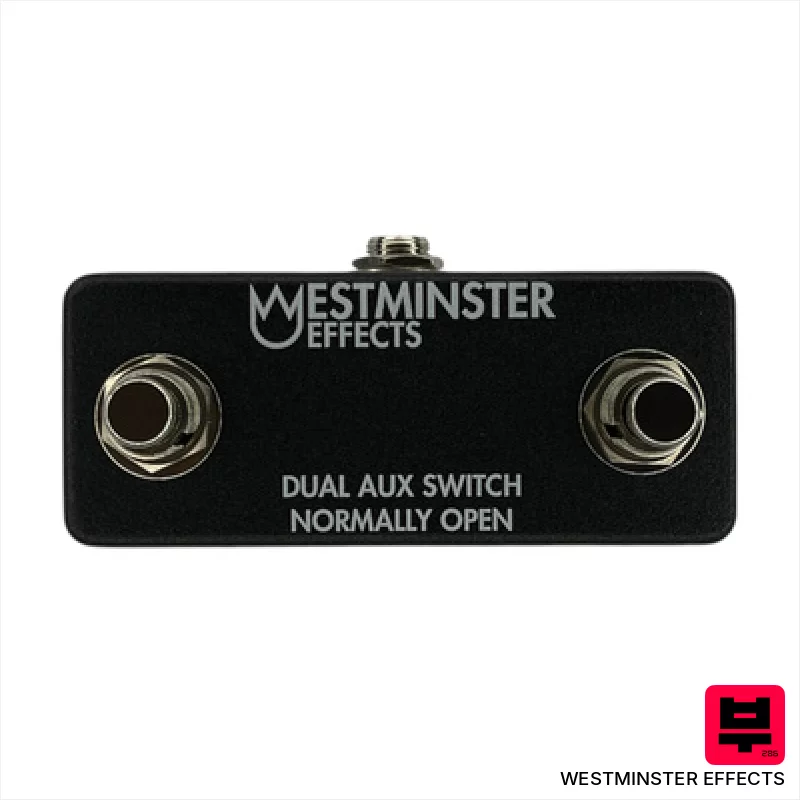
Westminster Effects Dual Aux Switch Normally Open
- • Handmade quality evident in meticulous construction and robust feel
- • Normally Open design offers broad compatibility with modern switching systems
- • Compact size minimizes pedalboard real estate impact
- • Passive design ensures pristine signal integrity without coloration
- • Limited to two switching functions; not ideal for complex routing needs
- • TRS jacks may require adapters for some legacy equipment
- • Small footprint could be challenging for users with large feet or limited dexterity

Positive Grid Spark Control
- • Wireless convenience streamlines Spark amp preset changes significantly.
- • Four footswitches offer flexible control over effects and loops.
- • Impressive 150-hour battery life ensures extended performance.
- • Compact size and lightweight design (0.31kg) adds portability.
- • Limited to Spark amp ecosystem; lacks universal pedalboard compatibility.
- • Plastic construction feels less robust than premium metal footswitches.
- • Bluetooth range, while stated as 45m, realistically shrinks with interference.
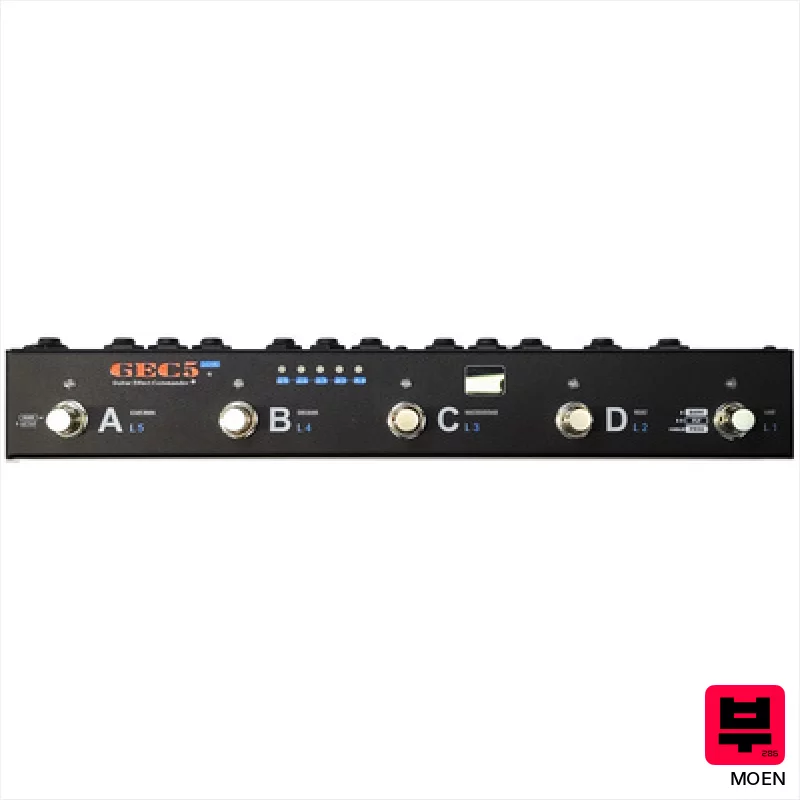
Moen GEC5-Link
- • 200 presets offer substantial organization for complex rigs.
- • ‘On the Fly’ mode provides immediate loop control during performance.
- • Relay true bypass preserves signal integrity when loops are inactive.
- • Link function allows expansion for serious multi-effect setups.
- • Physical size (330mm) might be cumbersome for smaller pedalboards.
- • Programming interface, while intuitive, may require dedicated practice time.
- • Lack of MIDI implementation limits advanced automation possibilities.
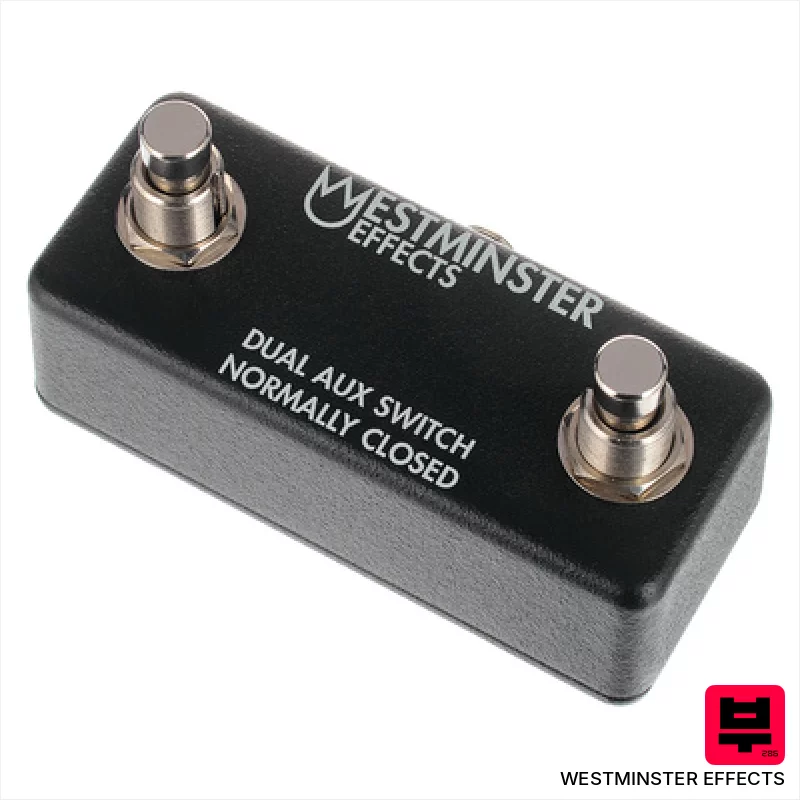
Westminster Effects Dual Aux Switch Norm. Closed
- • Handmade in the USA ensures quality control and attention to detail.
- • Passive design eliminates noise and unwanted coloration of the signal.
- • Compact size fits easily into pedalboard configurations, saving space.
- • TRS jacks accommodate both mono and stereo signals for versatile routing.
- • Passive switching may introduce a slight signal loss with longer cable runs.
- • Limited to two channels; more complex switching needs require a larger unit.
- • The small size might make the footswitches feel a bit cramped for some players.
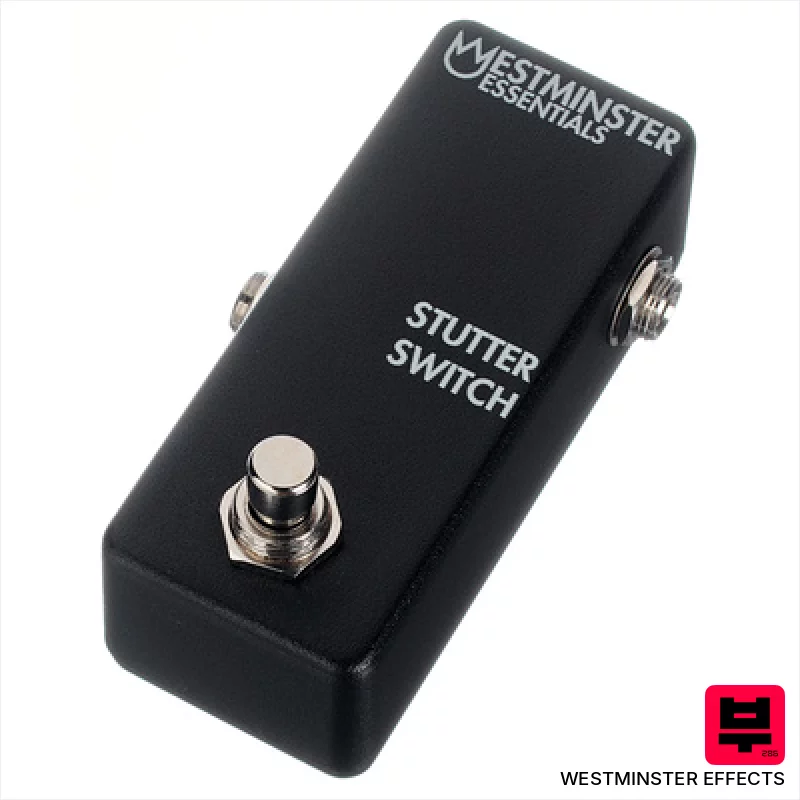
Westminster Effects Stutter Switch
- • Handmade in the USA ensures quality craftsmanship and attention to detail.
- • Passive design preserves your guitar’s natural tone and character.
- • Compact size makes it highly pedalboard-friendly for tight setups.
- • Simple, single-function design offers immediate, intuitive stutters.
- • Lacks power supply, requiring placement in your signal chain's powered section.
- • Single function limits versatility; not a multi-effect solution.
- • Passive nature can lose high-end frequencies with long cable runs.
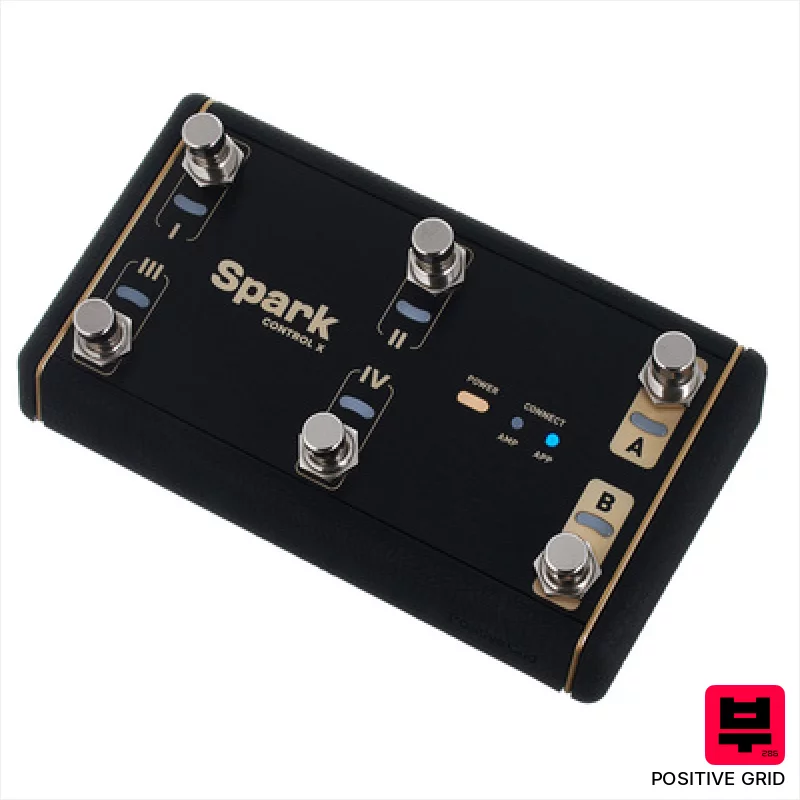
Positive Grid Spark Control X
- • Robust aluminum chassis with silicone cover offers excellent stage stability and protection.
- • The 150-hour battery life is genuinely impressive; a real convenience for gigging.
- • Customizable footswitches with vibrant LEDs allow for clear visual feedback in low-light conditions.
- • Expression pedal inputs expand creative control beyond simple preset changes.
- • Limited to Spark ecosystem; not a general-purpose footswitch for other amps/pedals.
- • The aluminum construction makes it relatively heavy, potentially cumbersome for smaller setups.
- • Faceplate overlays, while a nice touch, feel like a potential point of wear and tear.
How to Choose the Best Switch Pedals
Tonal Transparency
A switch pedal shouldn't change the sound of your pedals, it should just route them. Any coloration, even subtle, is a no-go - especially with boutique overdrive and fuzz circuits where you want every nuance. A slight phase shift can wreck a delay too.
Switching Speed & Reliability
Dropped notes because your switch pedal lagged? Not cool. We're looking for near-instant switching with zero hiccups, even when power supplies are questionable and cables are less than stellar.
Foot-Friendliness
A good switch pedal needs to be easy to hit without looking down. Clearly labeled buttons, a comfortable size, and tactile feedback are crucial - you shouldn't have to guess which button you pressed in the heat of a performance.
Power Consumption & Noise
Gigging means dealing with less-than-ideal power. A pedal that sucks down too much current will impact your rig's headroom, and a noisy one will just amplify any existing noise floor - no one wants a hiss-fest.
Versatility & Routing Options
Beyond simple on/off, the best switch pedals offer multiple routing options - parallel loops, A/B switching, even MIDI control. This allows for complex signal chains and dynamic changes during a song.
Buying Guide
Don't cheap out here. A flimsy switch pedal failing mid-song is a nightmare. Look for solid construction, reputable components, and a proven track record. Basic on/off switchers are fine for simple setups, but if you're running a complex rig, invest in a pedal with more routing options and MIDI compatibility. A little extra money now saves a lot of frustration (and potential embarrassment) later.
Our Methodology
We're not looking at spec sheets here. We've put these switch pedals through the ringer - countless hours of band rehearsals, club gigs with varying PA systems, and A/B comparisons against each other and traditional pedalboard setups. We're judging them on how they sound under pressure, how reliable they are, and how easy they are to use in a live environment - because that's what matters.

