
Best Switch Pedals Under $300 2026
Alright, so you need a switch pedal - a looper, a tuner, an ABY box, a combo of effects - and you don't want to drop a fortune. Been there, gigged there. Getting a decent switching solution under $300 is totally doable, but you gotta know what to look for. This isn't about flashy features; it's about reliable performance when your set's on the line.
Last updated: October 8, 2026

Moen GEC5
- • Five loops offer extensive signal routing flexibility for complex rigs.
- • Isolated loop preserves headroom and prevents signal loss.
- • MIDI implementation allows seamless integration with existing MIDI setups.
- • On-the-fly loop activation is a huge boon for live performance.
- • Limited fixed loops might restrict some users’ workflow preferences.
- • Size (260 x 88 x 55 mm) can be bulky for smaller pedalboards.
- • Lack of a visual display could complicate preset editing.
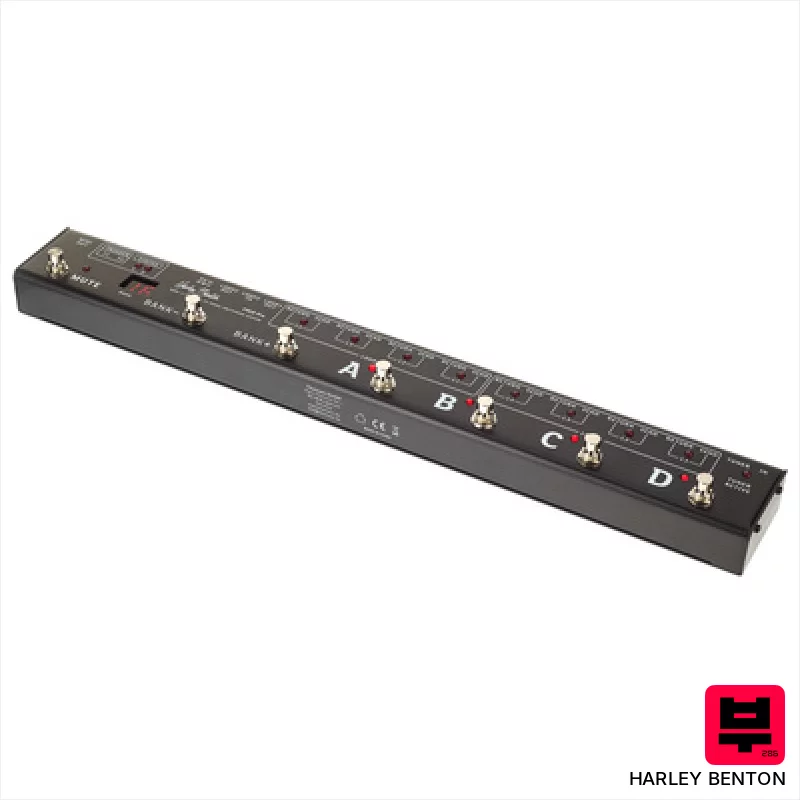
Harley Benton FXL8 Pro
- • Impressive MIDI functionality for routing and preset changes.
- • Eight effect loops offer extreme flexibility for complex rigs.
- • Buffered bypass preserves signal integrity and avoids tone suck.
- • Solid build quality for a budget-friendly floor pedal.
- • Limited physical control knobs; relies heavily on MIDI for tweaking.
- • Power supply not included, adding to the overall investment.
- • The sheer number of options can be overwhelming for beginners.
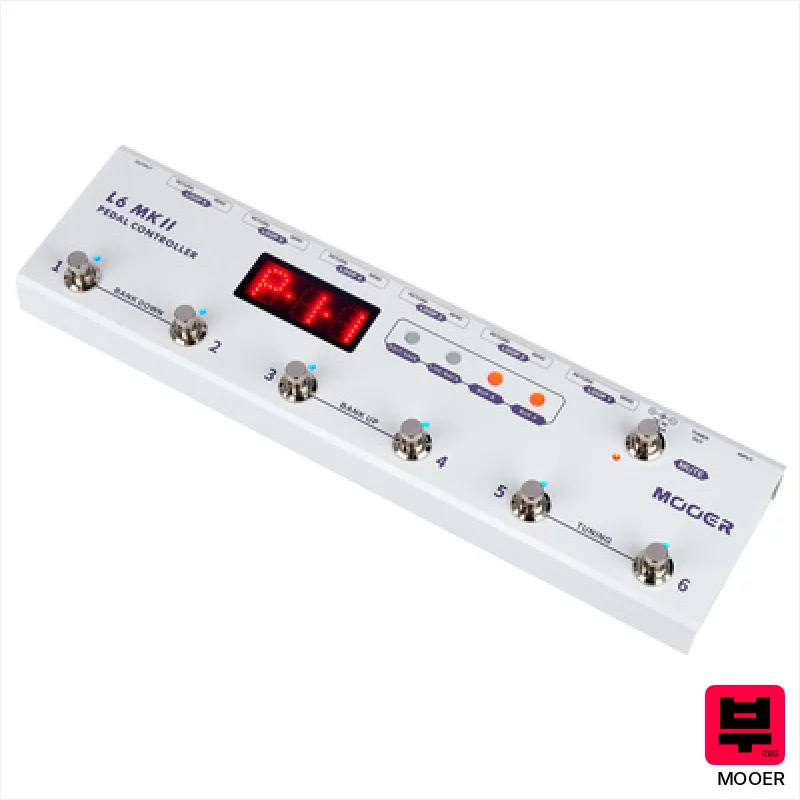
Mooer Pedal Controller L6 MKII
- • Solid metal housing feels robust, ready for gigging demands.
- • Intuitive programming minimizes setup time, gets you playing fast.
- • Six loops offer substantial flexibility for complex pedalboards.
- • Buffered bypass maintains signal integrity, preserving tone quality.
- • Limited MIDI functionality restricts advanced integration with other gear.
- • Size (370mm) can be cumbersome on smaller pedalboards.
- • Plastic push buttons feel slightly cheap compared to metal alternatives.
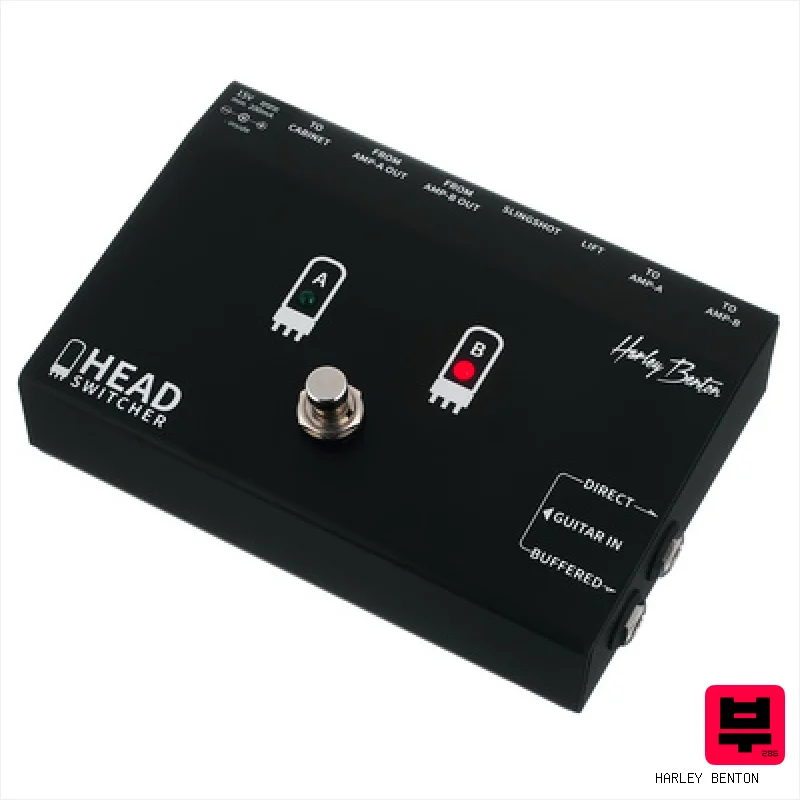
Harley Benton Tube Head Switch
- • Silent switching protects your ears during loud practice sessions.
- • Best Class A components keep the original tube amp sound pure.
- • Safety load operation prevents damaging your connected amplifiers.
- • Remote slingshot input lets you control it from other pedals.
- • No built-in effects means you must use external pedals for tone shaping.
- • Single speaker output limits setups without additional routing gear.
- • Weight is 1.0 kg which might feel heavy on a crowded pedalboard.

Positive Grid Spark Control
- • Wireless convenience streamlines Spark amp preset changes significantly.
- • Four footswitches offer flexible control over effects and loops.
- • Impressive 150-hour battery life ensures extended performance.
- • Compact size and lightweight design (0.31kg) adds portability.
- • Limited to Spark amp ecosystem; lacks universal pedalboard compatibility.
- • Plastic construction feels less robust than premium metal footswitches.
- • Bluetooth range, while stated as 45m, realistically shrinks with interference.
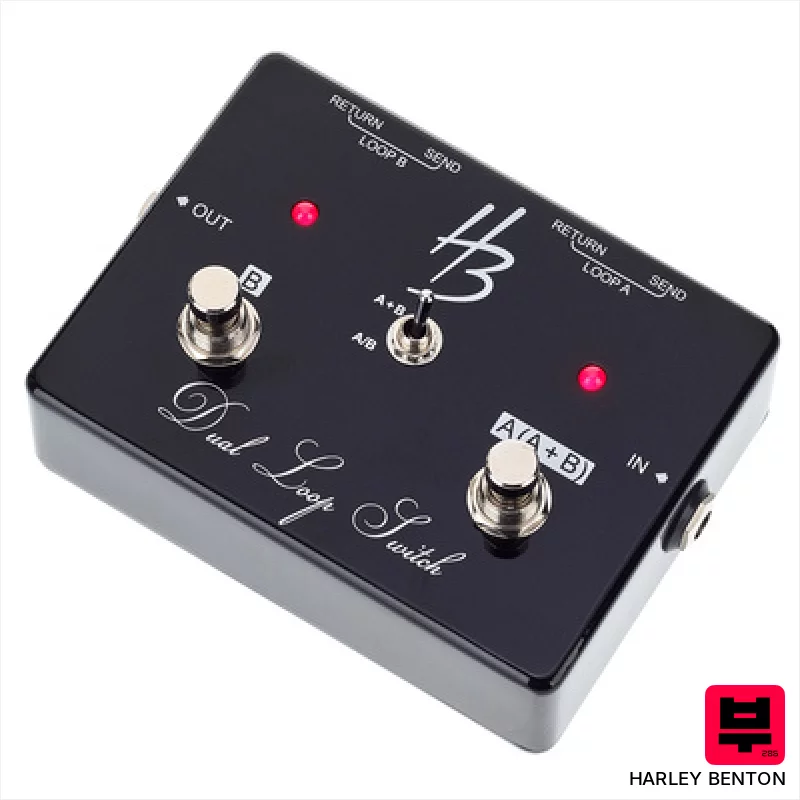
Harley Benton Custom Line Dual Loop Switch
- • True bypass preserves signal integrity across all loops
- • Flexible routing enables amp switching and mute functionality
- • Compact size saves valuable pedalboard real estate
- • Solid build quality for its price point, feels surprisingly robust
- • Plastic enclosure feels less premium compared to boutique alternatives
- • LED brightness might be insufficient in brightly lit environments
- • Limited expandability – no provision for future loop additions

Fairfield Circuitry Hors d'Oeuvre Act. Feedb. Loop
- • Unlocks truly unique and chaotic feedback textures.
- • Flexible routing options expand signal chain possibilities significantly.
- • Dry/Wet blend allows for subtle enhancement or extreme effects.
- • Robust construction feels durable for pedalboard use.
- • Steep learning curve; mastering feedback loops takes practice.
- • Limited to single feedback loop; lacks multi-loop functionality.
- • Power consumption could be lower for extended use.
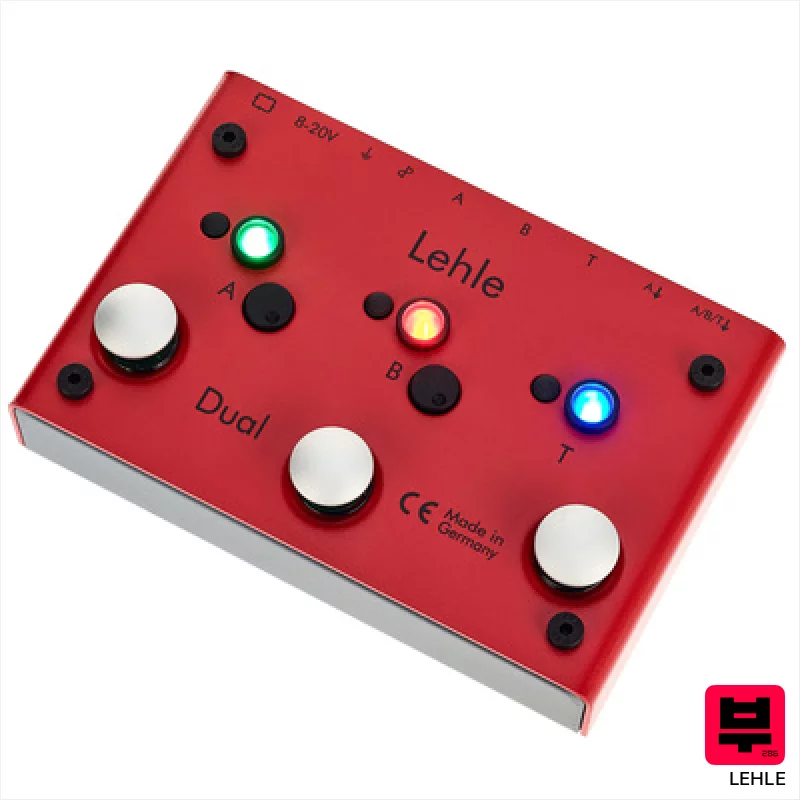
Lehle Dual SGoS
- • Gold-plated relays ensure pristine, reliable signal switching.
- • LTHZ transformer eliminates ground loops, a huge benefit for live rigs.
- • Independent attenuation on channels A and B allows precise volume balancing.
- • Stereo routing capability adds flexibility for creative signal paths.
- • Premium-priced, a significant investment for a switcher.
- • Relay-based switching can introduce a tiny bit of latency – negligible for most.
- • Size and weight make it less ideal for extremely compact pedalboards.

Lehle D.Loop SGoS
- • Gold-plated relays ensure pristine signal integrity and longevity.
- • High-end bufferamp combats signal loss with up to +12dB gain.
- • Independent loops allow for complex, flexible signal routing.
- • MIDI control enables seamless integration with existing Lehle systems.
- • Price point places it in the premium-priced category for switchers.
- • The learning curve for full MIDI programming can be steep.
- • Size and weight make it less ideal for ultra-compact pedalboards.
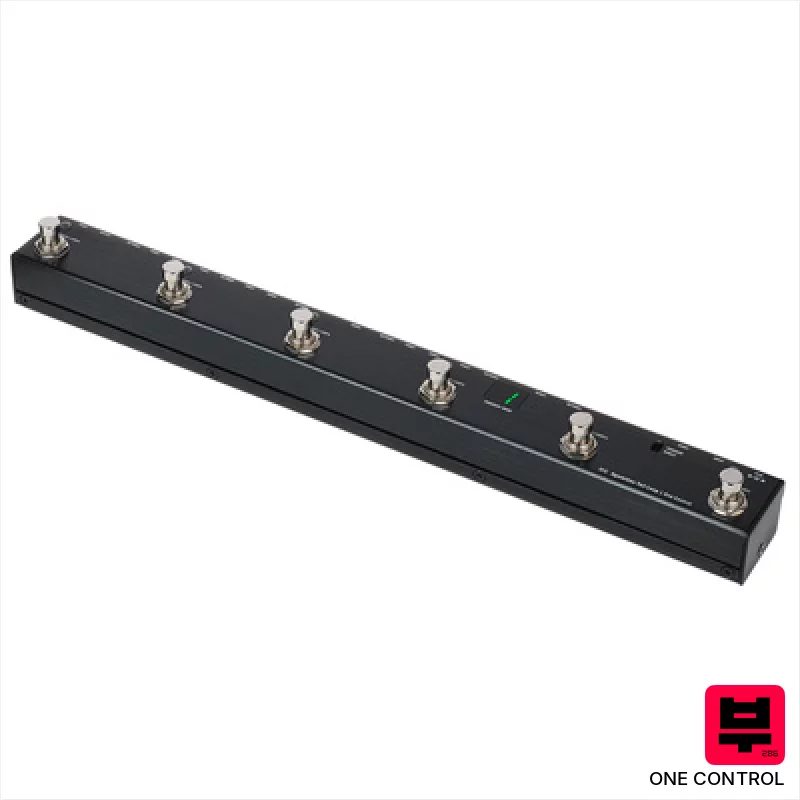
One Control Agamidae Tail Loop
- • Robust metal housing provides excellent protection during gigging.
- • 100 programmable presets offer immense flexibility for complex rigs.
- • True bypass preserves signal integrity when effects are disengaged.
- • DC outputs simplify powering multiple pedals efficiently.
- • The price point places it in the premium-priced category.
- • The physical size (almost 15 in) can be a challenge in smaller pedalboards.
- • Programming can be initially complex, requiring time to master.
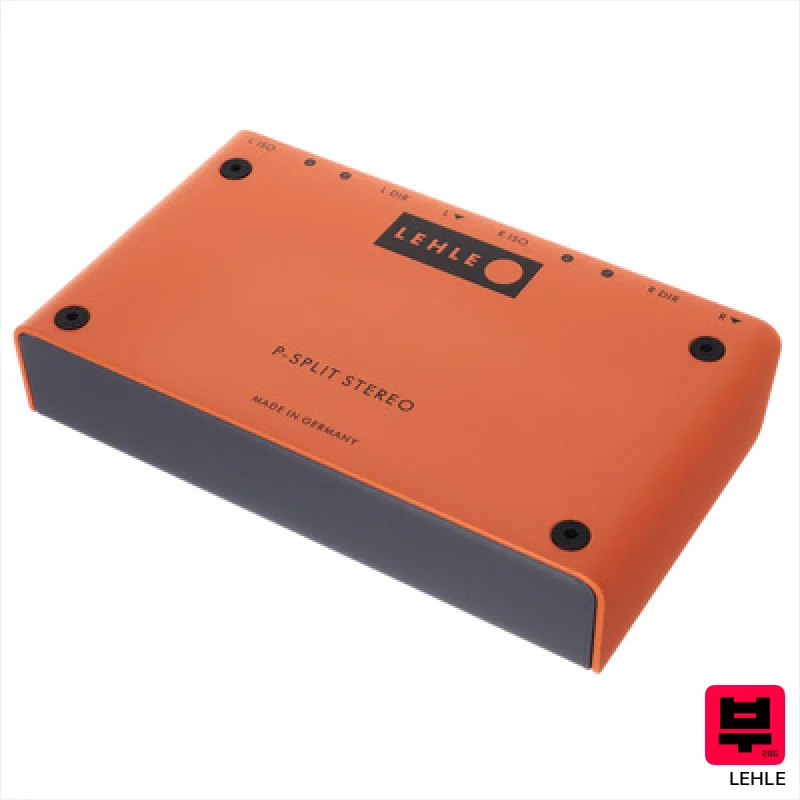
Lehle P-Split Stereo
- • Lehle’s transformers provide exceptional isolation, eliminating ground loops completely.
- • Phase and ground switches offer crucial flexibility for noise reduction and signal integrity.
- • Passive design means no power needed, simplifying pedalboard setups and reliability.
- • Robust, all-metal enclosure suggests excellent durability for gigging musicians.
- • The size is relatively large, potentially limiting pedalboard space.
- • Passive operation means signal loss can occur with long cable runs.
- • Limited to stereo signals; mono applications are not directly supported.
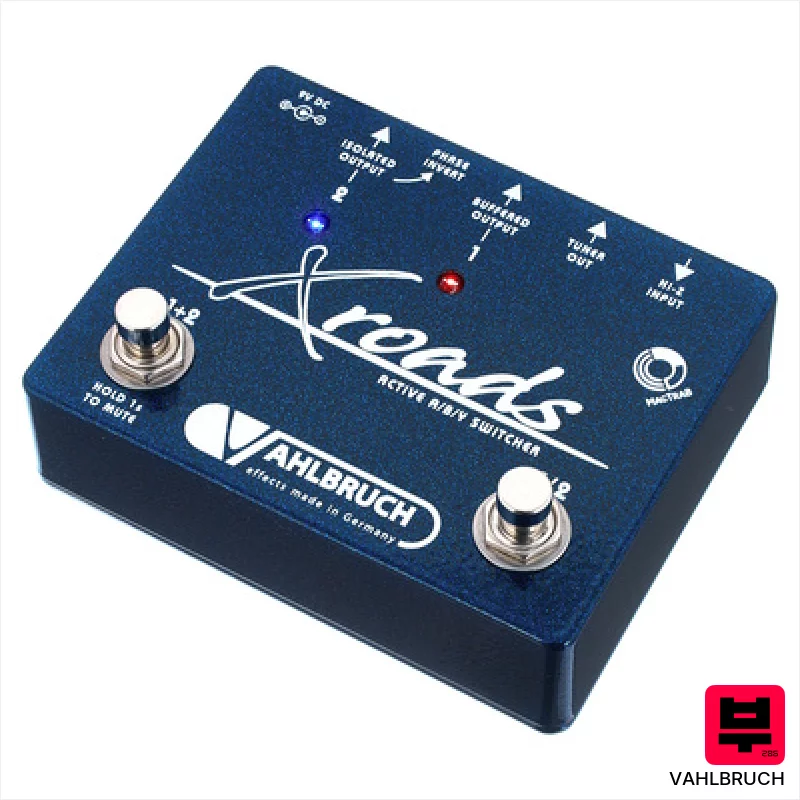
Vahlbruch Xroads active ABY Switch
- • MagTraB switching is genuinely silent, a huge upgrade over mechanical pedals.
- • Active buffering solves impedance mismatches, improving signal clarity noticeably.
- • Self-adapting circuitry effectively eliminates ground loop hum, a lifesaver.
- • Buffered tuner output preserves signal strength for accurate tuning, always.
- • The robust build contributes to a relatively heavy pedal, not ideal for travel.
- • Premium-priced, representing a significant investment for a simple switching function.
- • Limited routing options – strictly ABY, no more complex signal paths.

Xsonic Airstep Smart Controller
- • Wireless operation offers unparalleled stage freedom and flexibility.
- • Programmable footswitches allow for complex routing and MIDI control.
- • Integrated battery provides impressive longevity for extended gigs.
- • Intuitive app simplifies customization and parameter adjustments.
- • Bluetooth range, while stated at 30m, will realistically be much shorter with interference.
- • Relay switching might introduce a slight click for some users’ tastes.
- • Expression pedal input lacks dedicated calibration controls; trial and error needed.
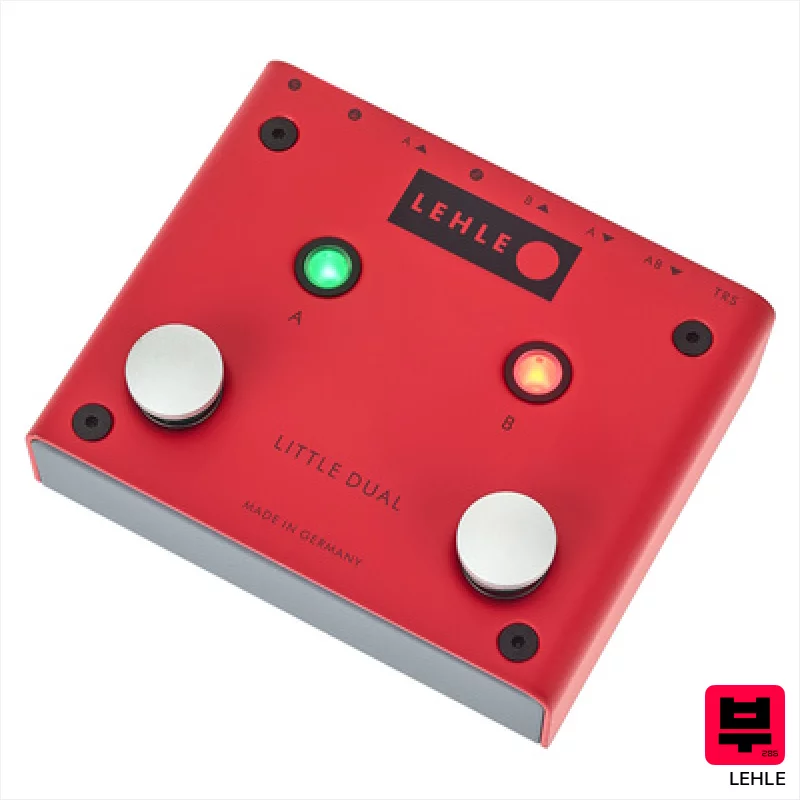
Lehle Little Dual II
- • Transformer-based switching eliminates signal loss and hum effectively
- • Lehle’s HZ transformer provides a clean, transparent signal path
- • Versatile ABY routing caters to complex pedalboard setups
- • Robust build quality with durable push-buttons and solid enclosure
- • No battery operation limits its use in certain situations
- • The size, while compact, can still be a factor on crowded boards
- • Price point might be steep for casual users needing simple A/B

Old Blood Noise Endeavors Expression Ramper X3
- • Three independent rampers offer incredible flexibility in expression control.
- • Tempo sync capabilities unlock complex, evolving modulation patterns.
- • Robust aluminum enclosure feels exceptionally solid and durable.
- • External tap input allows for real-time tempo adjustments on the fly.
- • The interface can be initially overwhelming for those unfamiliar with OBNE's design philosophy.
- • Power consumption, while manageable, requires a decent quality power supply.
- • Limited input/output options might restrict integration in complex pedalboards.
Every switch pedals that matches
101 models match this page. The 15 above are covered in detail; the rest are listed here with their published specifications.
Switch Pedals by the numbers
Measured across all 101 models in this category, so «wide», «short» or «expensive» mean something you can check.
How to Choose the Best Switch Pedals
Number of Presets/Footswitches
More isn't always better. Think about your actual needs. Do you really need 20 presets for bedroom noodling?
Build Quality
Plastic enclosures are common at this price, but look for sturdy footswitches and decent-feeling knobs. A pedal that feels flimsy will likely fail onstage.
Latency
Especially crucial for loopers. Excessive latency makes playing feel unnatural and throws off your timing. Listen for it - it's a dealbreaker.
Ease of Use
Complicated menu systems are a nightmare in low light. A pedal that's intuitive and easy to navigate during a gig is worth its weight in gold.
Power Requirements
Some budget pedals need unusual power supplies. Check the voltage and current draw to avoid headaches later.
Buying Guide
At this price point, expect some trade-offs. You're not getting the pristine, ultra-flexible routing of a $500 unit. Plastic enclosures are common, and some features (like MIDI) will be absent. Focus on reliability and ease of use - a pedal that fails mid-song is more expensive than one with slightly fewer features. Prioritize low latency and a simple interface; you can always add more pedals later.
How This List Is Built
We don't play these instruments — we're a catalog, not a review desk, and we'd rather say so than pretend otherwise. This page covers 101 switch pedals from the Thomann catalogue, which is the largest single source of specification data in this category: 15 in detail, the rest listed with their specifications.
Position is computed, not curated. We parse the manufacturer's own description into actual values — nut width, scale, fret count, fingerboard radius, size, alloy — and rank on them: how many specifications a model has published, how many of them are measurable numbers, and how precisely it meets this page's criterion. A product image adds a little. Price is not a ranking signal: it tells you nothing about whether a neck fits your hand. The same inputs always produce the same order, so nothing here is shuffled to look fresh.
What this list is good for: narrowing a category down to a shortlist by spec and budget. What it isn't: a substitute for hearing an instrument. Before you buy, read hands-on reviews and, where you can, play it. Full methodology.

