
Best Mooer Switch Pedals 2026
Alright, let's talk Mooer Switch pedals. You're probably looking for a compact, programmable solution to ditch the spaghetti mess of pedals on your board, and Mooer's stepped into that space with some seriously tempting options. They're not trying to be boutique, and they're not trying to hide that, but they do offer a lot of bang for your buck, especially if you're juggling multiple sounds for gigs or need a streamlined recording setup. But are they any good? Let's dig in.
Last updated: April 11, 2026
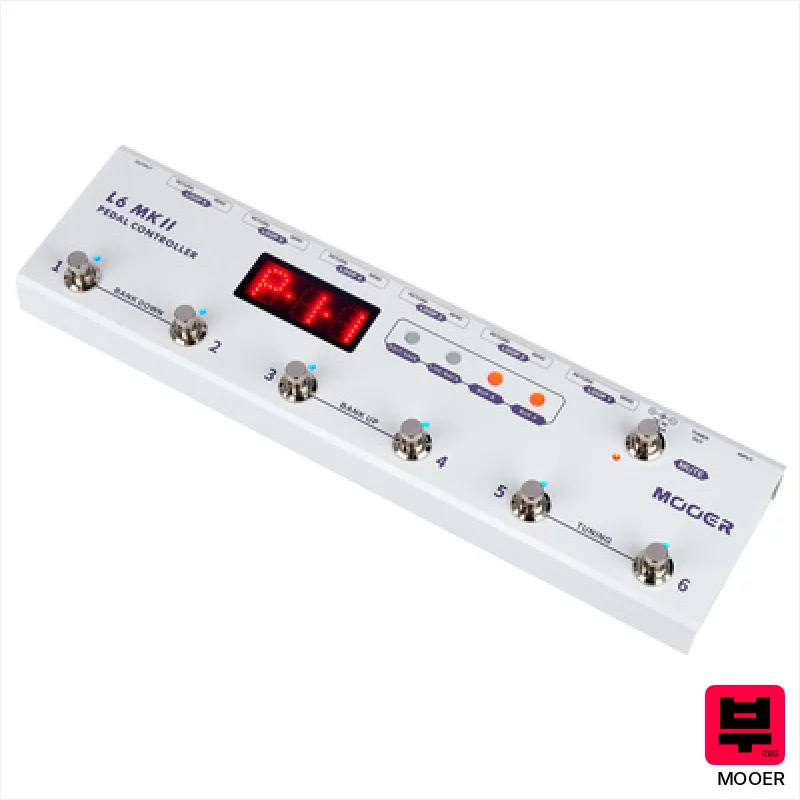
Mooer Pedal Controller L6 MKII
- • Solid metal housing feels robust, ready for gigging demands.
- • Intuitive programming minimizes setup time, gets you playing fast.
- • Six loops offer substantial flexibility for complex pedalboards.
- • Buffered bypass maintains signal integrity, preserving tone quality.
- • Limited MIDI functionality restricts advanced integration with other gear.
- • Size (370mm) can be cumbersome on smaller pedalboards.
- • Plastic push buttons feel slightly cheap compared to metal alternatives.
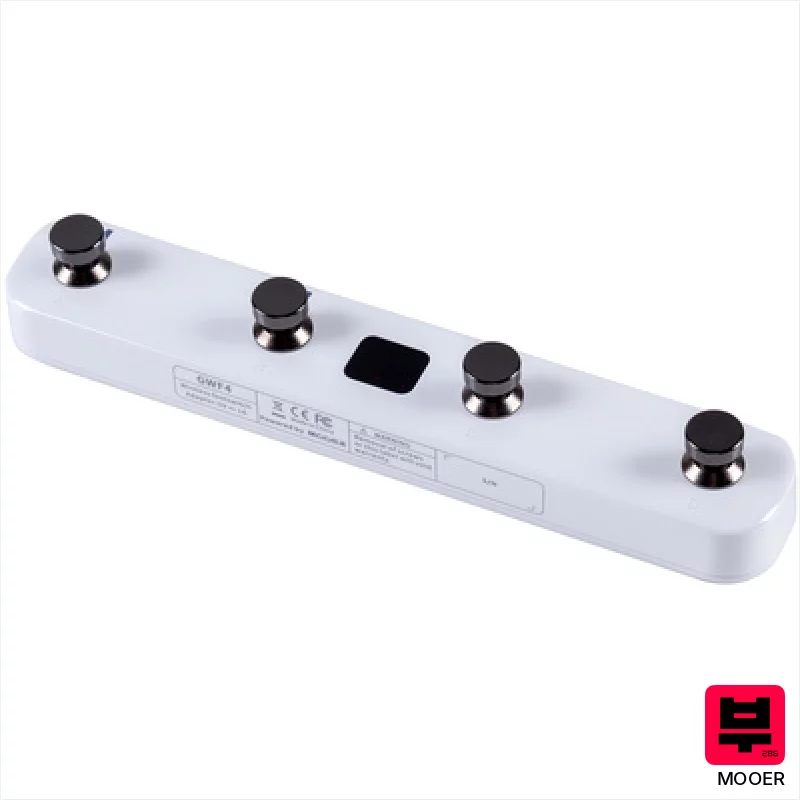
Mooer GTRS Wireless Footswitch White
- • Wireless operation eliminates cable clutter, enhancing stage mobility.
- • Four footswitches offer flexible preset/effect control options.
- • Integrated tuner simplifies guitar setup and tuning adjustments.
- • Compact size (224x40x38mm) makes it pedalboard-friendly.
- • Limited compatibility; primarily designed for GTRS guitars and Mooer pedals.
- • Battery life, while decent, will require periodic charging during gigs.
- • Plastic construction, while lightweight, may feel less robust than metal alternatives.
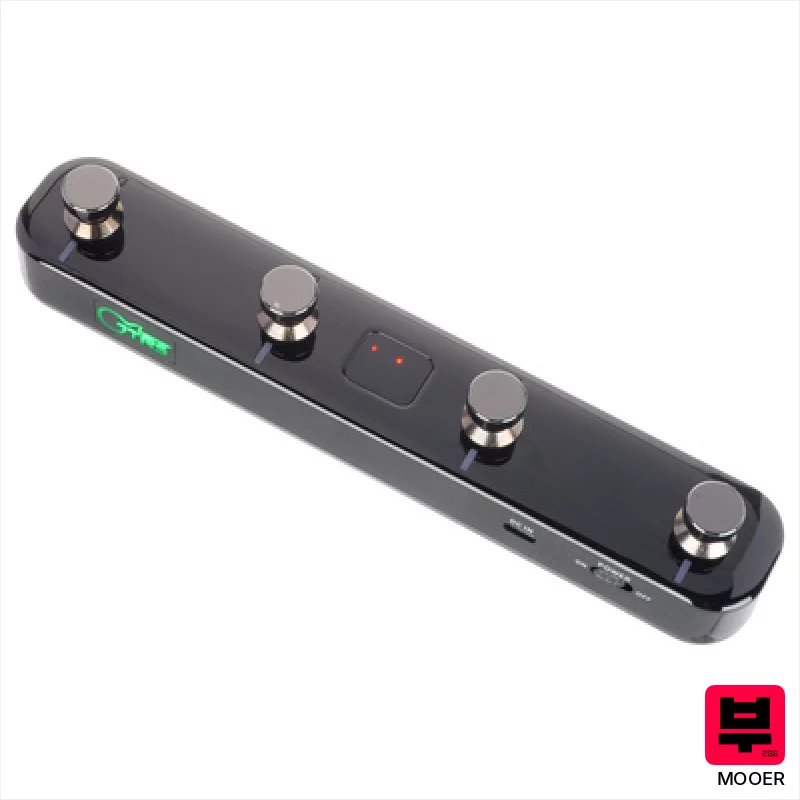
Mooer GTRS Wireless Footswitch GWF4
- • Reliable 2.4GHz wireless minimizes latency for seamless preset changes.
- • Compact size and lightweight design enhance pedalboard portability.
- • Integrated tuner provides convenient, on-demand tuning functionality.
- • USB-C charging offers modern convenience and faster charging times.
- • Limited compatibility; primarily designed for Mooer GTRS guitars.
- • Footswitch travel might feel shallow for players preferring longer action.
- • Plastic enclosure feels less premium than metal alternatives at this price.
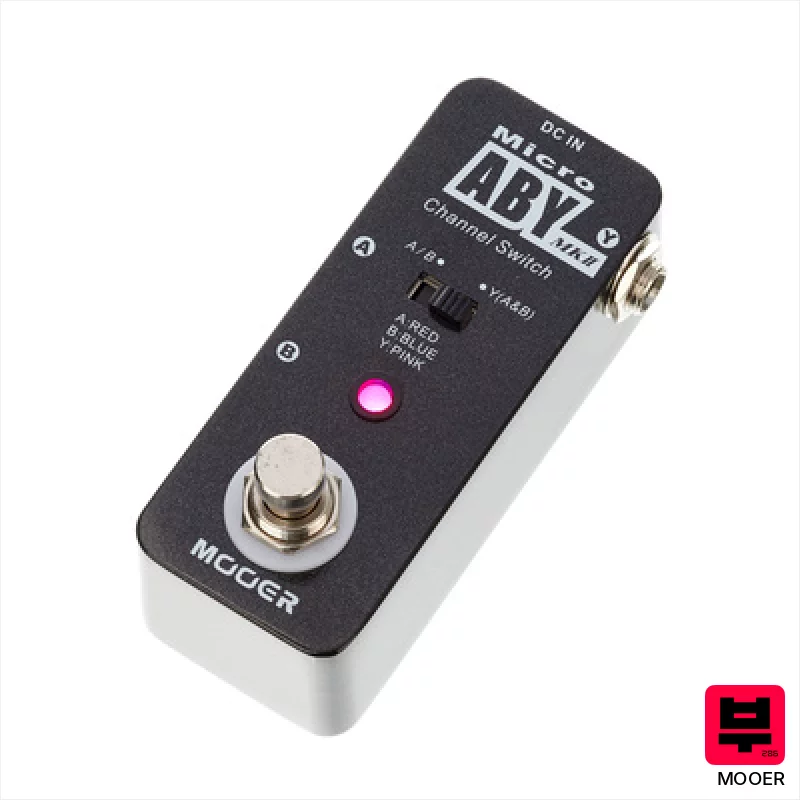
Mooer Micro ABY Box MKII
- • Compact metal housing offers surprising durability for the price.
- • Simple A/B/Y switching provides flexible routing options.
- • LED indicators clearly show active output(s) in low-light conditions.
- • Small footprint minimizes pedalboard real estate usage.
- • Lacks buffered bypass, potentially degrading signal with long cable runs.
- • Requires a separate 9V power supply, adding to overall cost.
- • Limited functionality compared to higher-end ABY switches.
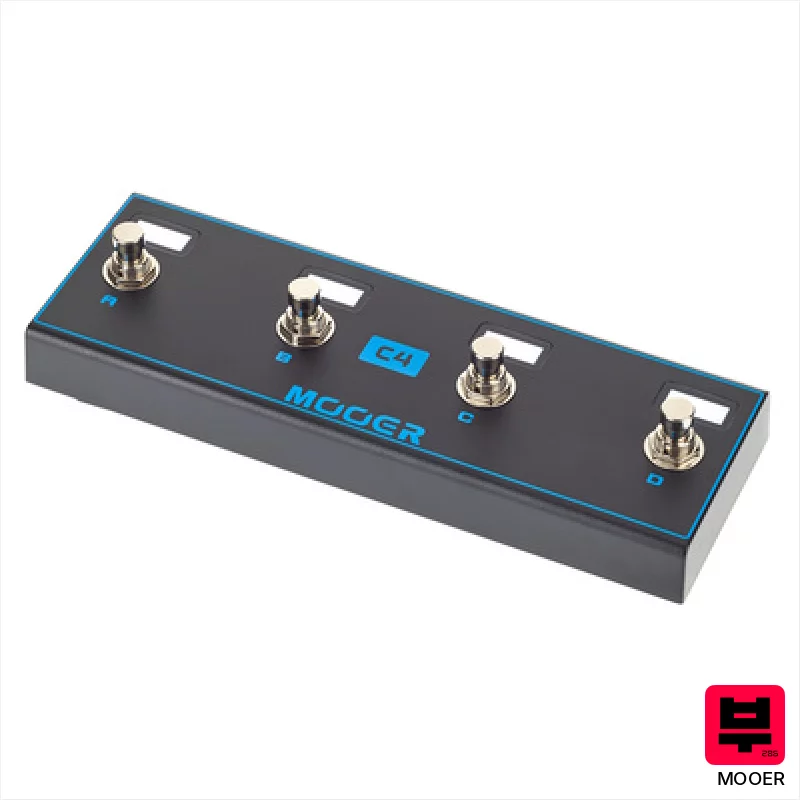
Mooer AirSwitch Wireless Footswitch
- • Solid metal casing offers surprising durability for the price.
- • Wireless operation eliminates cable clutter, improving stage ergonomics.
- • Four footswitches provide ample control for complex setups.
- • Compact size makes it easy to integrate into tight pedalboard configurations.
- • Battery power only limits session length and requires frequent replacements.
- • Limited compatibility restricts use primarily to Mooer TDL units.
- • 5m range might be restrictive for larger stages or complex setups.
How to Choose the Best Switch Pedals
Tone Modeling
Mooer's heritage is in modeling, and that shines through. They've got a good ear for emulating classic amps and effects, though don't expect absolute sonic perfection. The overdrive models, especially, can nail that late-drive breakup really well, giving you usable tones for blues, rock, and even some heavier stuff. It's not always the most nuanced, but it's generally convincing.
Programmability & User Interface
The interface can be a little clunky at first, but once you get the hang of it, the ability to create and save custom presets is a huge time saver. Being able to switch between a clean Fender Twin, a Marshall Plexi, and a fuzz face with a single stomp is invaluable on stage, especially if you're playing a variety of gigs.
Build Quality
Let's be honest, these aren't battleship-grade. The plastic enclosures feel a little...plasticky. They'll hold up to gigging, but don't expect them to survive a dropped set. The footswitches feel a bit mushy too, which isn't ideal for quick, precise changes in a live setting - a minor annoyance, but noticeable.
Compact Size
The small footprint is a major selling point. If board space is at a premium, Mooer's compact design makes them a great option. It's a real advantage when you're trying to cram everything into a small pedalboard for travel or limited stage space.
Value for Money
This is where Mooer really shines. You're getting a lot of functionality for the price. While the tone might not be as transparent or nuanced as a high-end boutique pedal, the sheer number of effects and amp models you get is hard to beat, especially for the budget-conscious player.
Buying Guide
Don't expect a flawless, studio-grade tone - these are budget-friendly multi-effects units, and the compromises are there. The UI takes a little getting used to, and the build feels a bit cheap, but for the price, you're getting a lot of versatility. If you need a compact, programmable solution for gigging or recording and aren't chasing the absolute pinnacle of tone, a Mooer Switch pedal is a solid choice.
How This List Is Built
We don't play these instruments — we're a catalog, not a review desk, and we'd rather say so than pretend otherwise. This page ranks 5 switch pedals from the Thomann catalogue, which is the largest single source of specification data in this category.
Position is computed, not curated. Four signals, in order of weight: how completely the manufacturer documents the instrument (number of published specifications), where it sits in the price range, how specific the model designation is — which filters out generic accessories — and whether a product image exists. The same inputs always produce the same order, so nothing here is shuffled to look fresh.
What this list is good for: narrowing a category down to a shortlist by spec and budget. What it isn't: a substitute for hearing an instrument. Before you buy, read hands-on reviews and, where you can, play it. Full methodology.

