AudioFu Chart · October 2026
Best Rhodes Stage Pianos 2026
The top pick is Rhodes Mk 8-73 FX Classic ($14,065). Rhodes Stage 61 gives you the most for the money at $8,022. Rhodes Mk 8/80AE leads the high end. Ranked by the AudioFu Index from 4 models, prices checked every night.
Last updated: October 19, 2026
Top 4
Full detail for the 4 highest AudioFu Index scores. Every other model is listed below.
-
- Weight34 kg
- Keys73 keys
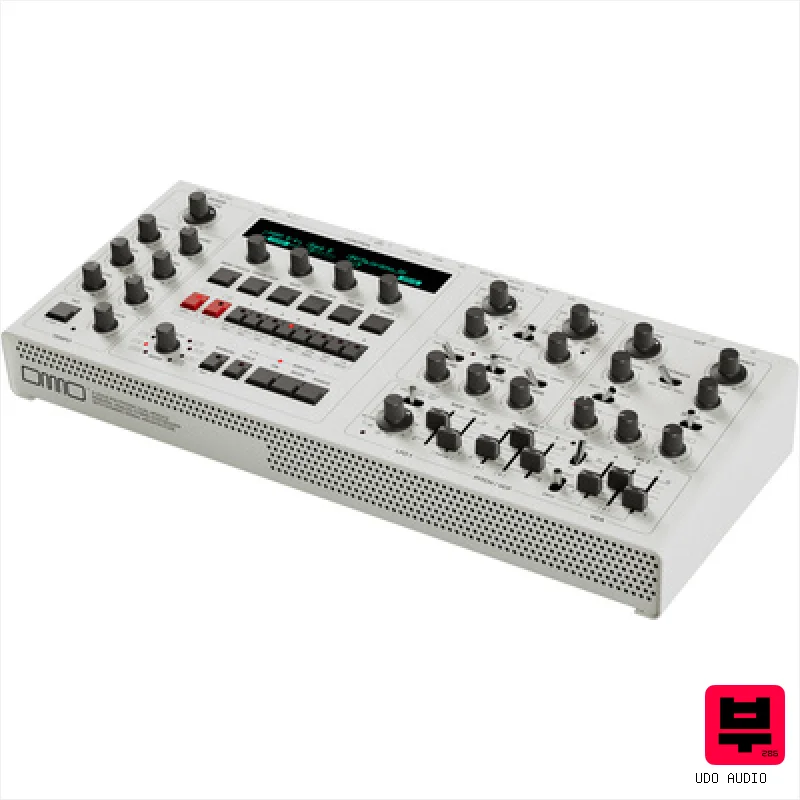
This Mk 8-73 FX Classic is a phenomenal recreation of the vintage Rhodes experience. The build quality is truly exceptional, and the integrated effects provide a ton of creative options. If you're a dedicated Rhodes player or studio musician chasing that iconic sound, this is a serious contender, though be prepared for the size and price tag.
Pros
- Authentic electromechanical Rhodes sound with tines and pickups
- Kluge Klaviaturen’s robust oak and beech wood key frame construction
- Integrated analogue preamp delivers authentic diode distortion and EQ
Cons
- Premium-priced, a significant investment for most musicians
- 73-key design can be cumbersome for smaller stages or travel
53AudioFu
Index↓ 3.8%since Aug 17$14,628 · Aug 17$14,065 now$14,065€12,499 at Thomann · in stockCheck price ↗ -
- Weight26 kg
- Keys61 keys
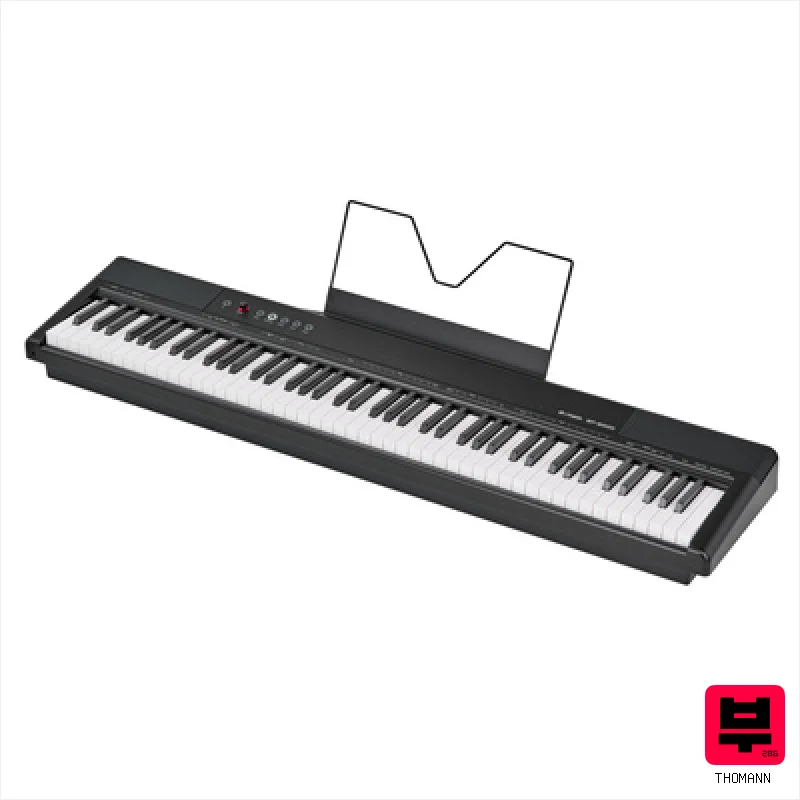
This Stage 61 is a beautifully realized recreation of the classic Rhodes sound, focusing on that raw, unfiltered vintage vibe. The Kluge action is a real highlight, providing a surprisingly responsive and expressive playing experience. It’s perfect for players seeking that authentic Rhodes experience in a more manageable package, especially those focused on recording and live performance where simplicity and tone are paramount.
Pros
- Kluge keyboard action provides exceptional responsiveness and feel
- Passive circuitry delivers authentic, nuanced Rhodes tone
- Compact design offers portability compared to older models
Cons
- Limited polyphony restricts complex chord voicings and layering
- Passive design lacks onboard effects for tonal shaping
43AudioFu
IndexStablesince Aug 17$8,022 · Aug 17$8,022 now$8,022€7,129 at Thomann · in stockCheck price ↗ -
- Weight26 kg
- Keys61 keys
This Stage 61 Launch Edition is a beautifully crafted, authentic Rhodes experience, perfect for serious players seeking that true vintage vibe. The Kluge action and passive design capture the original feel incredibly well, though its limited polyphony and premium price tag mean it’s best suited for purists and dedicated collectors.
Pros
- Kluge keyboard action provides exceptional responsiveness and feel
- Passive circuitry delivers authentic, nuanced Rhodes tone
- Unique aesthetic with Hartmann design and striking color scheme
Cons
- Limited polyphony restricts complex chord voicings and layering
- Passive design means no onboard effects or amplification
43AudioFu
IndexStableno change since Aug 17Aug 17$8,664 now$8,664€7,699 at Thomann · in stockCheck price ↗ -
- Weight34 kg
- Keys73 keys
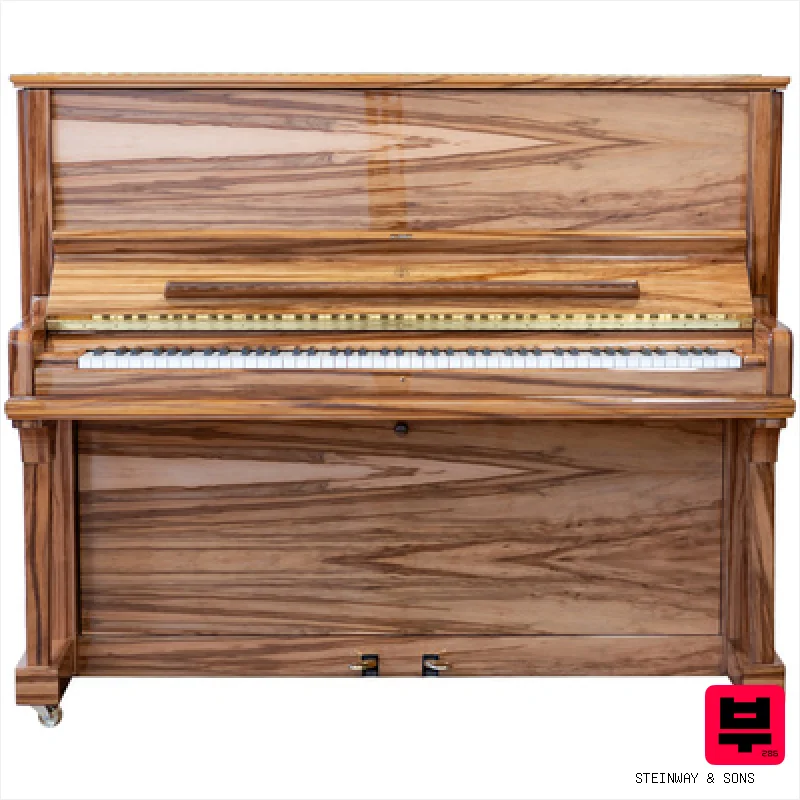
This piano feels like a real instrument with its visible metal strings and solid oak legs. It keeps the old-school Rhodes voice that many players love. It suits collectors who want a rare piece and players who prefer authentic mechanical action over digital keyboards.
Pros
- Exclusive all-black keyboard with glossy finish
- Visible chrome tines through transparent hood
- Classic electromechanical original Rhodes sound
Cons
- No polyphony count mentioned in description
- Lacks modern MIDI or USB connectivity details
43AudioFu
IndexStableno change since Aug 17Aug 17$21,942 now$21,942€19,499 at Thomann · in stockCheck price ↗
Stage Pianos by the numbers
Measured across all 132 models we track, not a sample.
median of 130 models · 8.4 kg–26 kg
median of 51 models · 73–88
most common · 64 models
How to choose the best stage pianos
Tone Character
That's the big one. Early models (70s) have that warm, buttery tone with a pronounced low-end thump and a mellow midrange. Later models (80s) can be brighter, sometimes bordering on harsh, but still retain that signature bell-like articulation. Pickup voicing is key - some have a more scooped sound, others more even.
Action & Key Feel
Rhodes action is notoriously sensitive. You want a responsive, even action that allows for nuanced dynamics. Worn hammers and keybushings can create inconsistent response and a sloppy feel, so condition is critical. It's the difference between a fluid solo and a frustrating struggle.
Condition & Restoration
These are vintage instruments. Expect wear and tear - rust, worn hammers, sticky keys. A well-restored Rhodes is a dream, but a neglected one can be a nightmare. Factor in potential repair costs.
Amplification & Headroom
The Rhodes' relatively low output means you'll almost certainly need an amp. Early models can be surprisingly quiet, requiring a preamp or a sensitive amp to really shine. Later models often have slightly hotter pickups, but headroom is still a consideration - pushing them too hard can introduce unwanted breakup.
Model Variation
Rhodes didn't stick to one design. The Suitcase models are iconic but compact, the Mark I/II are sought-after for their tone, and the F7/F8 are more common and often more affordable. Each has its own sonic fingerprint and quirks.
Buying guide
Alright, so you're chasing that Rhodes vibe? It's more than just a sound - it's a feel, a certain thing that's been inspiring players since the 60s. Forget the cheap digital emulations; if you want the real deal, you need a genuine Rhodes Stage Piano. But with so many variations over the years, figuring out which one is right for you can be tricky. Let's break it down.
Don't chase the 'best' Rhodes; chase the right Rhodes for your needs. Budget is a factor, but don't skimp on condition - a poorly maintained expensive Rhodes is worse than a well-cared-for cheaper one. Listen critically, play it yourself if possible, and be prepared to factor in maintenance.
A good tech is your best friend.
How the AudioFu Index works
Five measured signals and nothing else — no stars from strangers, no “tested by experts” we didn’t do. The weights are fixed and public. We don’t play these instruments; we measure the market around them.
This chart covers 7 stage pianos from the Thomann catalogue (of 132 in the category). Before you buy, read hands-on reviews and, where you can, play it. Full methodology.
AudioFu earns a commission when you buy through our Thomann links. It never changes the order — the index does.
- Demand40%
How many of this exact model are for sale on Reverb right now — what musicians actually buy and resell.
- Lineup20%
How many finishes Thomann stocks — makers expand the models that sell.
- Price15%
Where the price has moved since we started tracking in August.
- Specs15%
How completely the maker documents it.
- Maker10%
How deep the brand’s range is in this category.
Questions
What's the difference between a Suitcase Rhodes and a Stage Rhodes?
Suitcases are smaller, more portable, and generally considered to have a more 'intimate' tone. Stage Rhodes are larger, have a more robust build, and can project more volume. Both are fantastic, but suit different needs.
Are Rhodes pianos difficult to maintain?
They absolutely require maintenance. Hammers wear, tines rust, keybushings dry out. Regular voicing and occasional repairs are part of the ownership experience. Budget accordingly.
Can I use a Rhodes with any amplifier?
While you can, a Rhodes benefits from an amp with a clean, warm tone. Fender Twins, Vox AC30s, and similar amps are common choices. A dark-sounding amp can muddy the Rhodes' clarity.
What's a 'Rhodes voicing'?
Voicing refers to adjusting the hammers to ensure evenness of tone across the tine. A well-voiced Rhodes will have a consistent sound throughout its range, avoiding unwanted overtones or dull spots.
Are later model Rhodes (F7, F8) 'less desirable'?
Not necessarily. They're often more affordable and more readily available. While they might not have the same mystique as the early models, a well-maintained F7 or F8 can sound incredible.