
Best Stage Pianos for Touring 2026
Alright, so you're hauling a stage piano around? That's a different beast than the one you keep in your bedroom. Touring pianos need to be road-worthy, versatile enough to cover a bunch of gigs, and sound decent even when the sound guy's having an off night. We're not looking for pristine studio sounds here; we're after something that cuts through a loud band and holds up to constant abuse.
Last updated: July 1, 2026 • Next update: July 8, 2026

Studiologic Numa Compact X SE
- • Excellent portability due to its lightweight design and compact form factor.
- • The TP/9PIANO key action provides a surprisingly realistic feel for a semi-weighted action.
- • Integrated speakers offer decent volume and surprisingly full organ tones for practice.
- • The joystick controllers are a unique and genuinely useful feature for expressive control.
- • Semi-weighted action won't satisfy serious pianists seeking a fully graded feel.
- • Limited polyphony compared to higher-end stage pianos can cause note drop at dense layering.
- • The OLED display, while clear, is a bit small for comfortable editing on the fly.
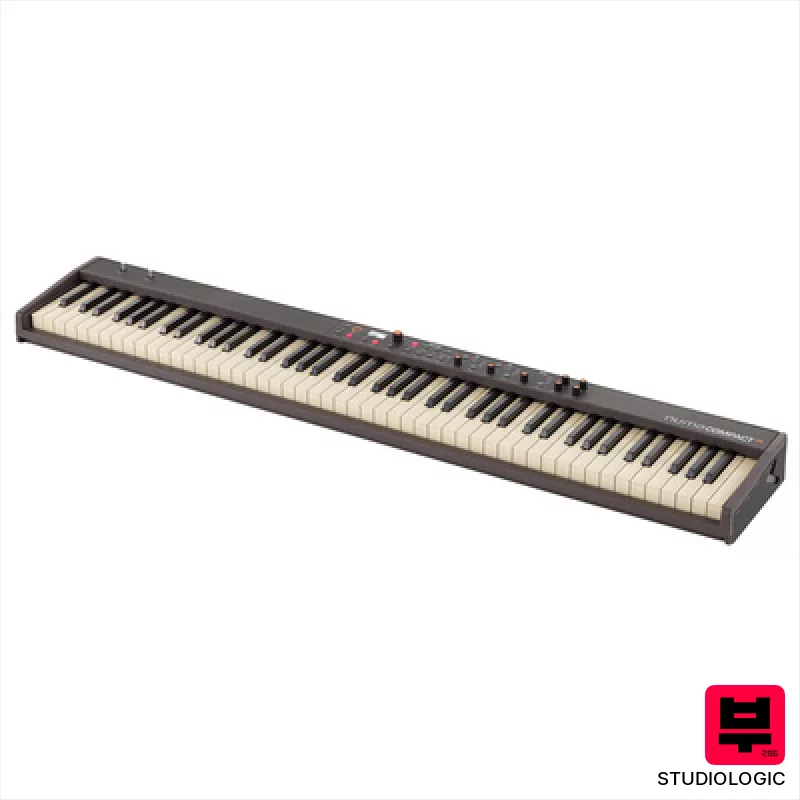
Studiologic Numa Compact SE
- • Surprisingly good sound for the size, thanks to the custom speakers.
- • TP/9 piano action offers decent responsiveness for a compact stage piano.
- • Built-in speakers eliminate the need for external amplification initially.
- • Joystick controllers offer quick, intuitive modulation possibilities.
- • Semi-weighted action lacks the depth and nuance of fully-weighted keys.
- • Limited polyphony may become apparent with complex layered sounds.
- • The OLED display, while clear, is relatively small and can be hard to read in bright light.

Roland RD-2000 EX
- • PHA-50 action provides exceptional dynamic range and realistic feel.
- • Dual sound engines offer incredible tonal flexibility and layering possibilities.
- • Comprehensive effects suite allows for nuanced sound shaping and performance control.
- • Extensive preset library covers a vast spectrum of sounds, from vintage to modern.
- • The weight makes it less than ideal for frequent gigging or travel.
- • The user interface, while improved, can still feel complex for beginners.
- • Limited physical controls compared to some larger stage pianos.
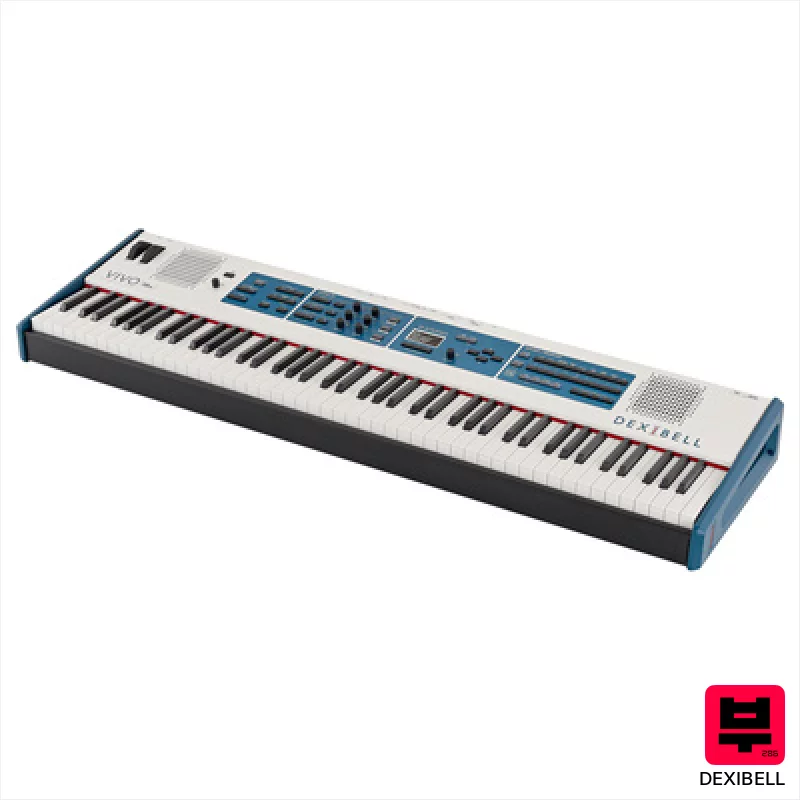
Dexibell Vivo S8M
- • Excellent TP-100 keybed provides realistic hammer action feel.
- • Impressive organ sounds rival dedicated B3 emulations.
- • Bluetooth MIDI offers convenient wireless connectivity options.
- • Built-in speakers deliver surprisingly full and clear soundstage.
- • Limited physical controls can necessitate app reliance for deeper editing.
- • 128x64 display feels dated compared to higher-resolution options.
- • The overall aesthetic might not appeal to those preferring a more traditional look.
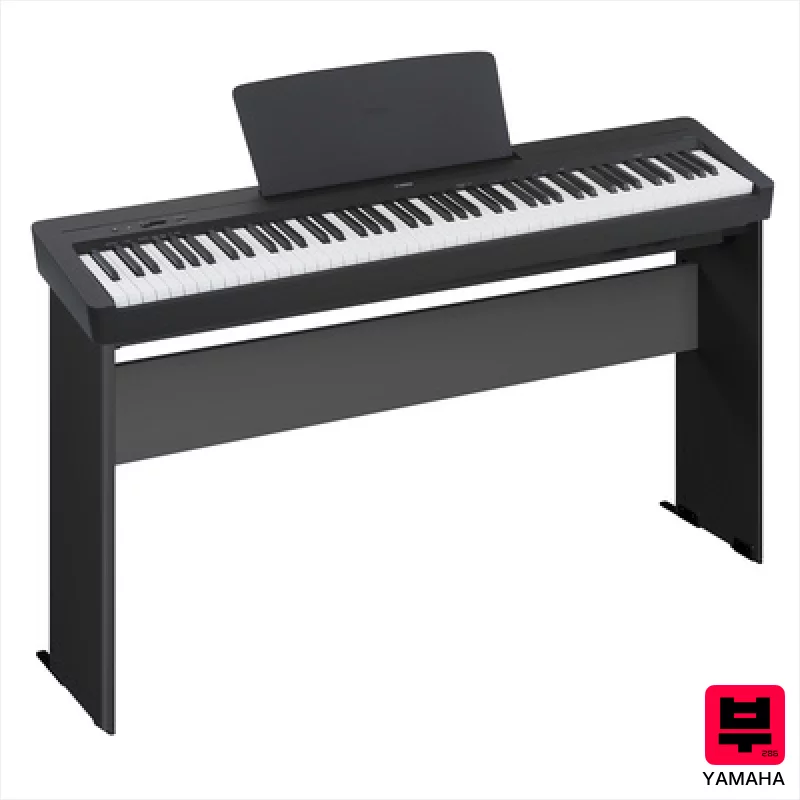
Yamaha P-145 B Home Bundle
- • GHK action provides surprisingly realistic weighted piano feel.
- • CFIIIS tone generator delivers Yamaha's signature grand piano sound.
- • Included sustain pedal and power supply offer immediate playability.
- • Smart Pianist app expands learning resources and functionality.
- • Speakers, while adequate, lack the richness for serious performance work.
- • Limited effects compared to higher-end stage pianos.
- • The bundled pedal is basic and may be an upgrade later.

Roland V-Stage 88
- • Exceptional ZEN-Core engine offers vast, modern sound design possibilities.
- • V-Piano sound engine delivers nuanced, realistic acoustic piano tones.
- • Organ section’s layered architecture emulates vintage organ complexity superbly.
- • Independent sections simplify complex layering and performance setups.
- • Relatively heavy for stage use, requiring robust transport solutions.
- • ZEN-Core sound packs add to the overall investment; not all are essential.
- • Electric piano sounds, while good, aren't quite as iconic as dedicated models.
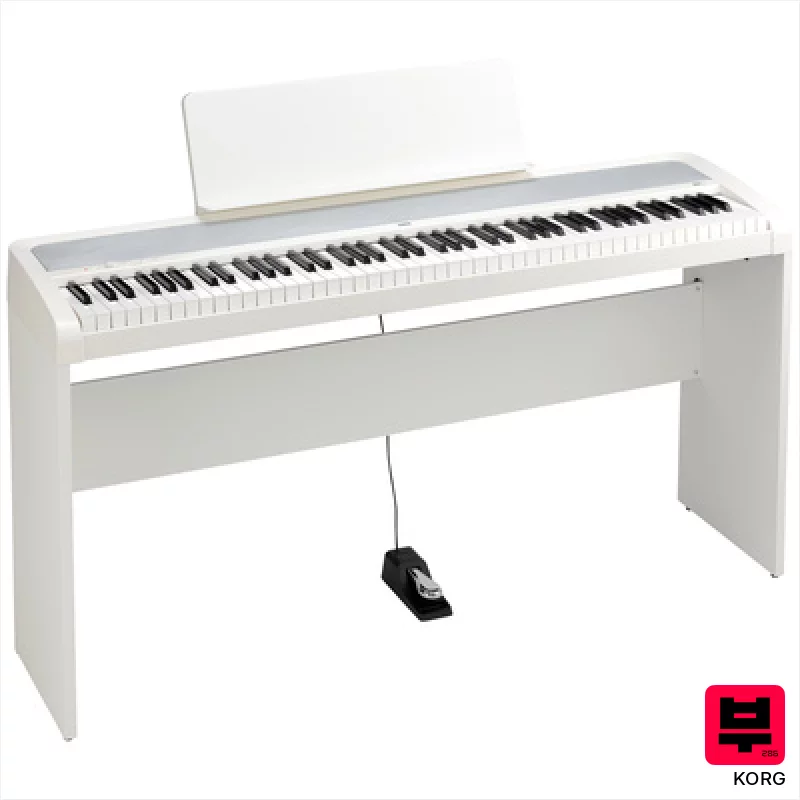
Korg B2+ SP White
- • Solid, dependable hammer action offers a surprisingly responsive feel.
- • Included wooden stand (STB1-WH) elevates the aesthetic and stability.
- • The Italian/German grand piano sounds are genuinely impressive for the price.
- • Integrated speakers provide decent volume and clarity for practice and small gigs.
- • The 3.5mm outputs feel a bit flimsy and budget-oriented.
- • Limited sound selection compared to more premium stage pianos.
- • The white finish, while attractive, shows fingerprints easily.
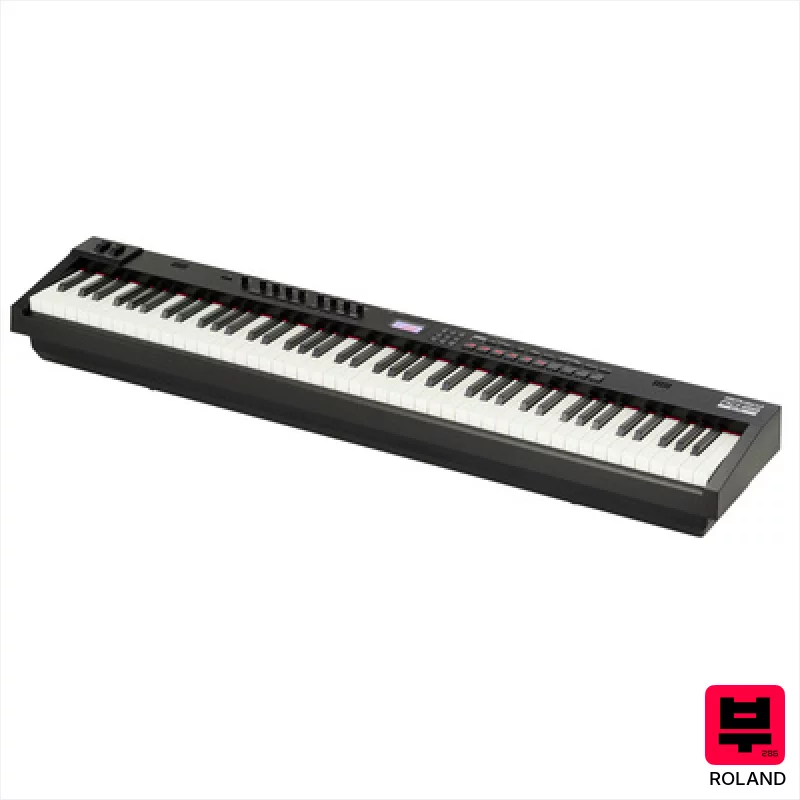
Roland RD-88 EX
- • PHA-4 action offers a surprisingly realistic ivory feel and responsive key weighting.
- • ZEN-Core engine delivers a vast, diverse sound palette beyond just pianos.
- • SuperNATURAL piano sounds are genuinely impressive, capturing nuanced dynamics.
- • Compact and lightweight design makes it highly portable for gigging musicians.
- • LCD screen is small and basic, limiting visual information at a glance.
- • Built-in speakers are adequate for practice, but lack power for larger venues.
- • Limited physical controls can require menu diving for complex adjustments.
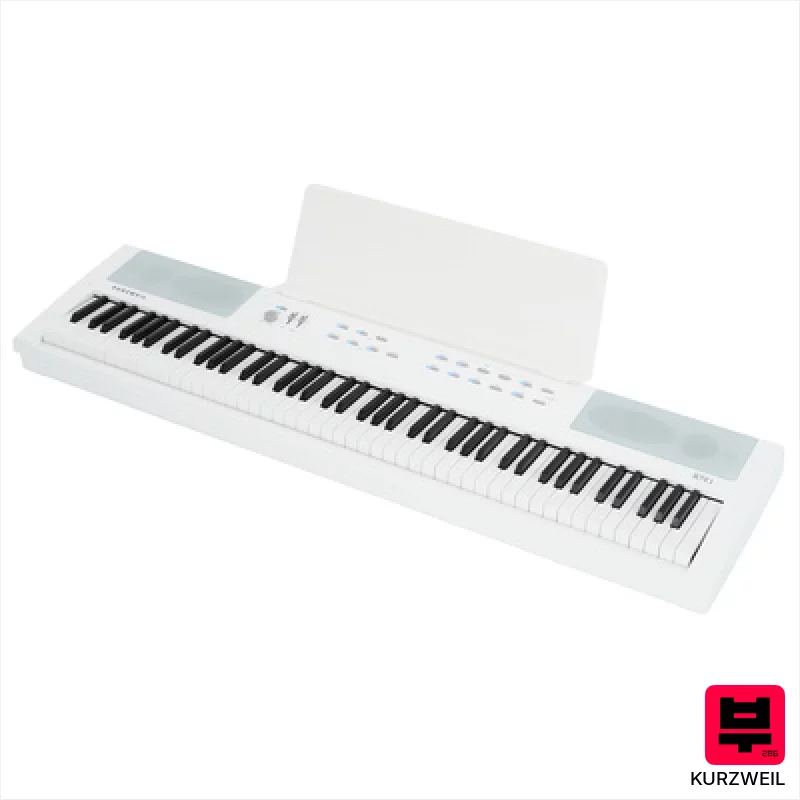
Kurzweil KaE1-WH
- • Excellent value for an 88-key weighted stage piano.
- • The H1 Ivory action provides a surprisingly realistic playing feel.
- • Bluetooth 5.2 offers convenient MIDI and audio streaming.
- • Built-in speakers are surprisingly powerful and usable for practice.
- • The H1 action, while decent, lacks the nuance of higher-end keybeds.
- • Sound engine, while versatile, isn't as detailed as flagship models.
- • Limited effects compared to more feature-rich stage pianos.
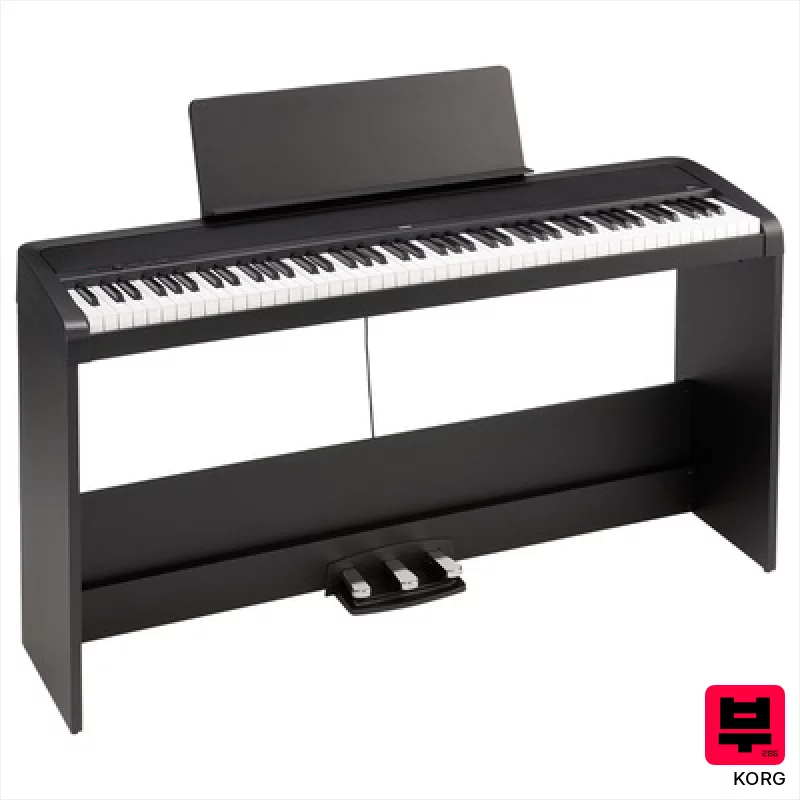
Korg B2+ SP Black
- • Excellent Italian/German grand piano samples offer surprising realism.
- • The included stand and pedal provide a complete, ready-to-play setup.
- • Hammer action provides a decent learning experience for aspiring pianists.
- • Compact size makes it suitable for smaller spaces and portability.
- • The plastic key feel lacks the premium heft of fully weighted keys.
- • Speakers, while adequate, won't satisfy serious performance needs.
- • Limited sound selection compared to higher-end stage pianos.
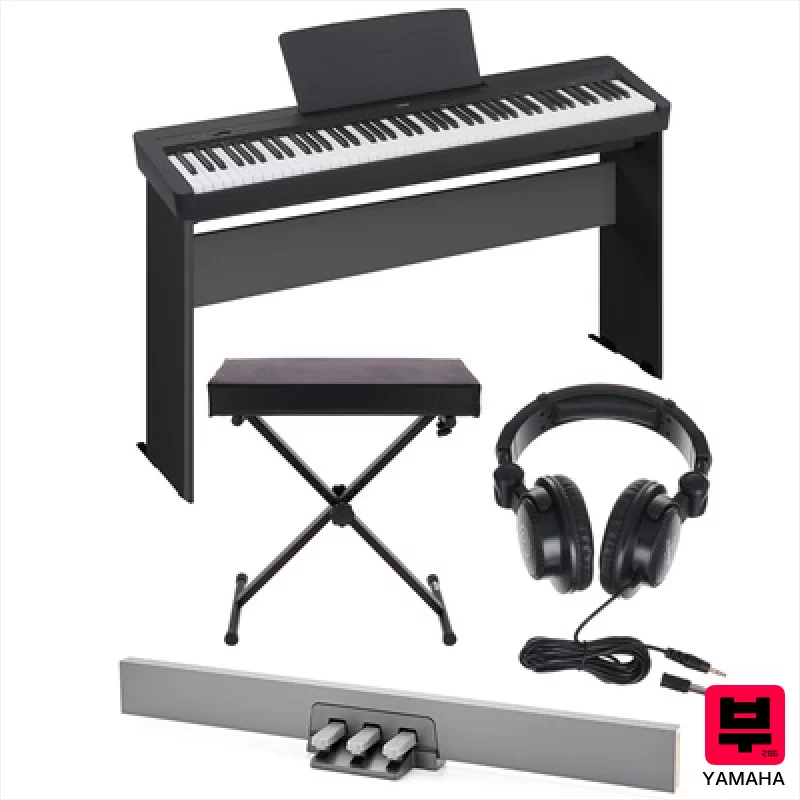
Yamaha P-145 B Mega Bundle
- • GHK action provides surprisingly realistic weighted piano feel.
- • CFIIIS tone generator delivers a warm, resonant piano sound.
- • Mega bundle adds value with included sustain pedal and power supply.
- • Smart Pianist app offers learning tools and expands song library.
- • Speakers are adequate but lack the power for larger rooms or performances.
- • Limited effects offer less sonic sculpting than higher-end stage pianos.
- • The P-145's build quality, while decent, isn't premium.
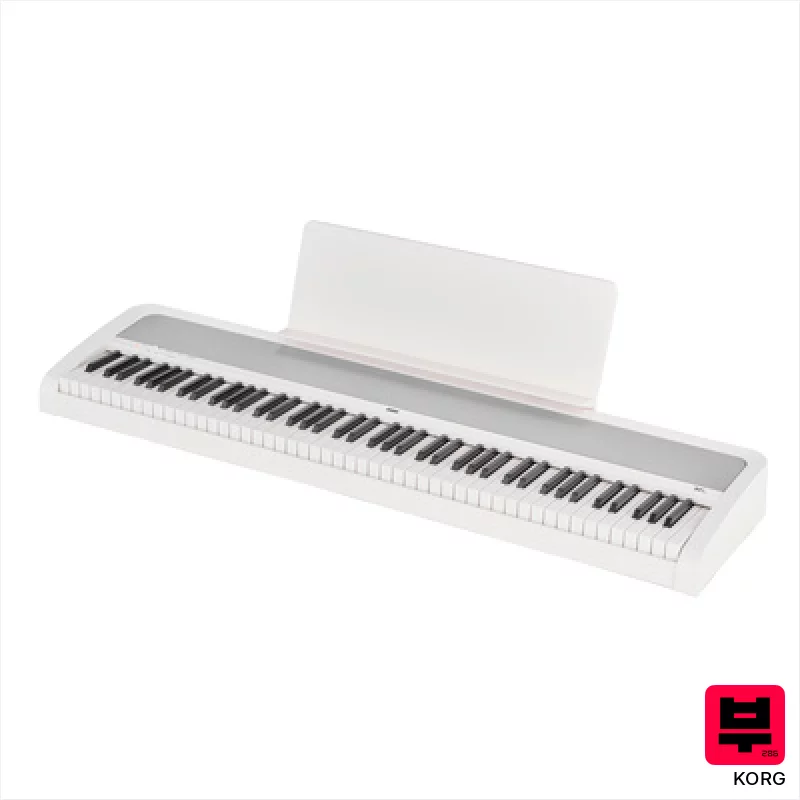
Korg B2+ White
- • Italian/German piano samples offer surprisingly rich, nuanced tones.
- • Hammer action provides decent responsiveness for beginner to intermediate players.
- • Compact size and integrated speakers make it easily portable for practice.
- • Included damper pedal and software bundle adds genuine value.
- • Hammer action lacks the depth and subtlety of higher-end graded actions.
- • Speaker output is adequate but lacks the power for performance situations.
- • Limited sound selection compared to more expensive stage pianos.
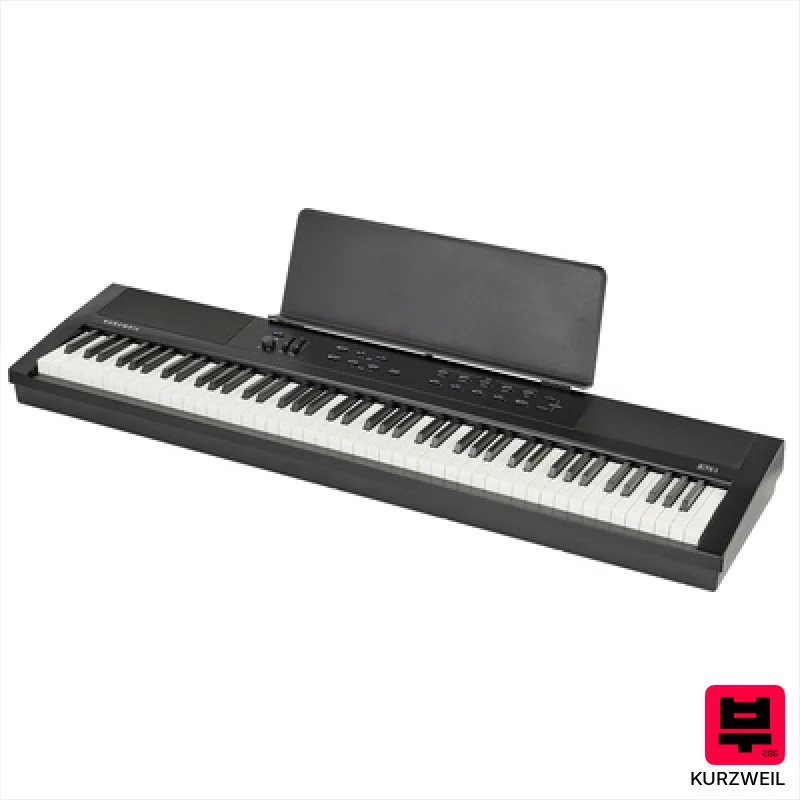
Kurzweil KaE1-LB
- • Solid H1 action provides surprisingly good dynamic response.
- • Compact design and battery power offer excellent portability.
- • Decent onboard sounds cover a wide range of performance needs.
- • Bluetooth MIDI/audio simplifies connectivity and expands versatility.
- • H1 action lacks the nuanced feel of higher-end hammer actions.
- • Built-in speakers are adequate, but not ideal for larger venues.
- • Limited sound editing capabilities restrict customization options.
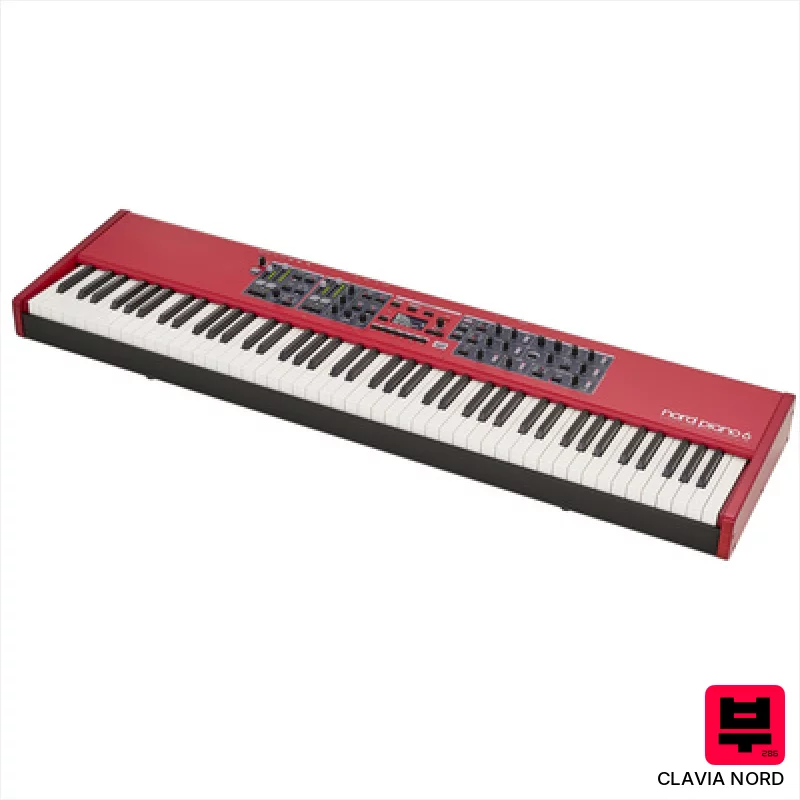
Clavia Nord Piano 6 88
- • Exceptional key action rivals acoustic grand pianos; truly responsive.
- • Nord's signature seamless transitions eliminate sound-switching glitches.
- • Comprehensive effects engine allows for nuanced sound shaping and creativity.
- • The OLED display is crisp, clear, and offers intuitive visual feedback.
- • Premium-priced, a significant investment for many keyboard players.
- • Sample library loading can occasionally feel a bit sluggish.
- • Limited physical controls compared to some workstation keyboards.
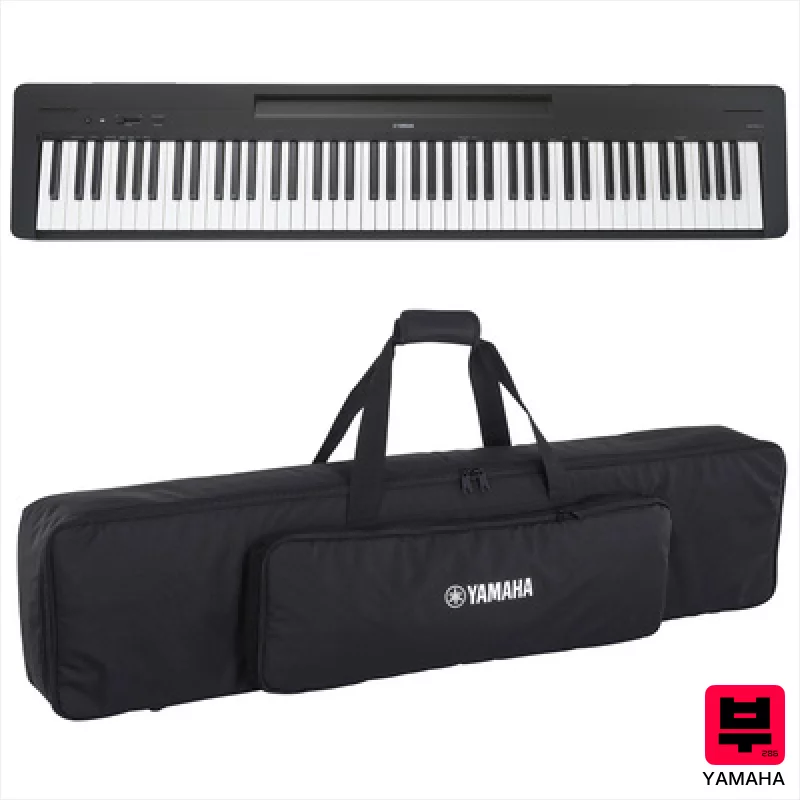
Yamaha P-145 B Bag Bundle
- • Excellent GHK action provides surprisingly realistic piano feel.
- • CFIIIS tone generator delivers Yamaha's signature rich piano sound.
- • Integrated speakers offer decent volume and clarity for practice.
- • Smart Pianist app adds learning tools and expands song library.
- • Limited onboard sounds beyond the core piano presets.
- • Speakers, while adequate, lack the depth for performance settings.
- • The bundled sustain pedal is basic; an upgrade is recommended.
How to Choose the Best Stage Pianos
Roadworthiness
This isn't just about weight; it's about build quality. Are the jacks solid? Is the chassis going to survive a dropped case? Cheap pianos often use flimsy plastics and questionable internal soldering that'll fail fast on the road.
Action
A heavy, clunky action gets tiring fast, and a mushy action loses articulation. Look for something responsive, with a good amount of escapement - something that feels like a real acoustic piano, even if it's digital. A good action is worth the premium.
Sound Engine Versatility
You're not just playing piano; you're covering Rhodes, Wurly, organ, strings, pads... the more sonic territory you can cover without extra gear, the better. A weak sound engine means hauling more stuff, period.
Connectivity & Routing
Multiple outputs, MIDI in/out, USB - these aren't luxuries, they're necessities. You need to be able to patch in effects, send signals to different monitors, and integrate with other gear on stage. Limited I/O is a serious limitation.
Headroom & Cleanliness
Gigging isn't about subtle nuances; it's about being heard. A piano that starts to breakup or get muddy at moderate volumes isn't going to cut it. You need headroom to handle loud bands and less-than-stellar PA systems without sounding like garbage.
Buying Guide
Don't chase the 'best' sounds; chase the best usable sounds. Those pristine, hyper-realistic grand piano samples? They often get lost in a live mix. A good Rhodes patch that cuts through? Priceless. Be wary of pianos that promise everything but deliver a thin, brittle tone. And seriously, invest in a decent gig bag - you'll thank yourself later.
Our Methodology
We've spent years playing these things - lugging them in and out of clubs, recording demos in less-than-ideal spaces, and just generally putting them through the wringer. Our evaluations aren't based on spec sheets; we A/B them against other pianos, listen for how they sit in a band mix, and assess their action under fatigue. It's about real-world performance, not marketing buzz.

