
Best Stage Pianos for Professional Gigging 2026
So, you're hauling a stage piano to gigs - that's a serious commitment. It's not just about having sounds; it's about reliability, a decent action under your fingers, and tones that cut through a loud band without sounding thin or brittle. We've seen too many players wrestling with gear that just doesn't hold up, so let's talk about stage pianos that actually deliver for the working musician.
Last updated: July 1, 2026 • Next update: July 8, 2026
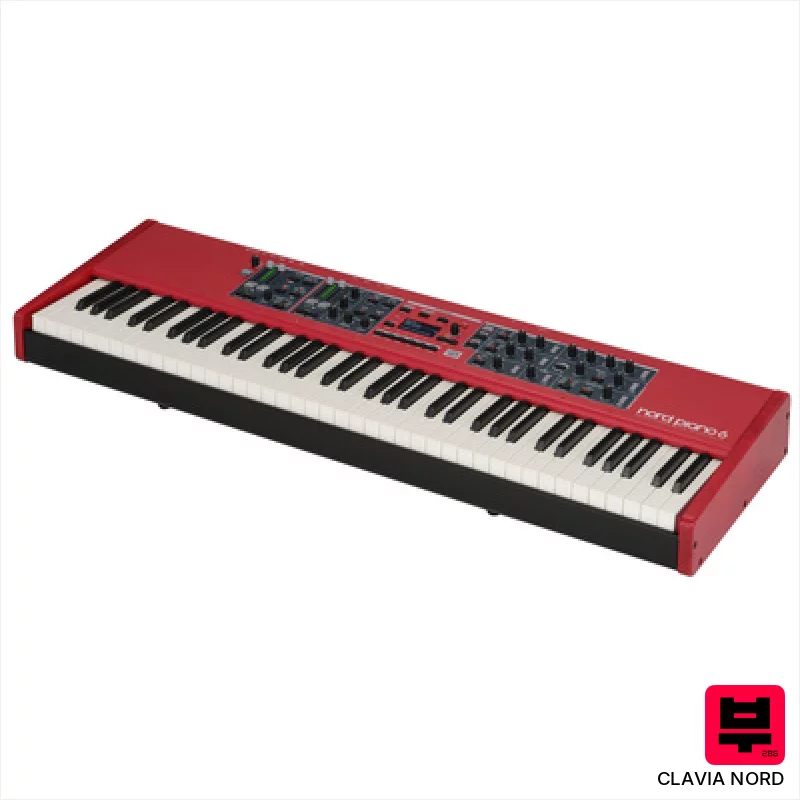
Clavia Nord Piano 6 73
- • Exceptional hammer action provides nuanced dynamic response.
- • Nord's renowned seamless transitions eliminate sound-switching glitches.
- • Versatile sample synth layer expands beyond traditional piano sounds.
- • OLED display offers clear visibility even on stage.
- • 73-key layout limits reach for complex classical pieces.
- • Premium-priced, represents a significant investment for many players.
- • Sample library management can be a little cumbersome initially.
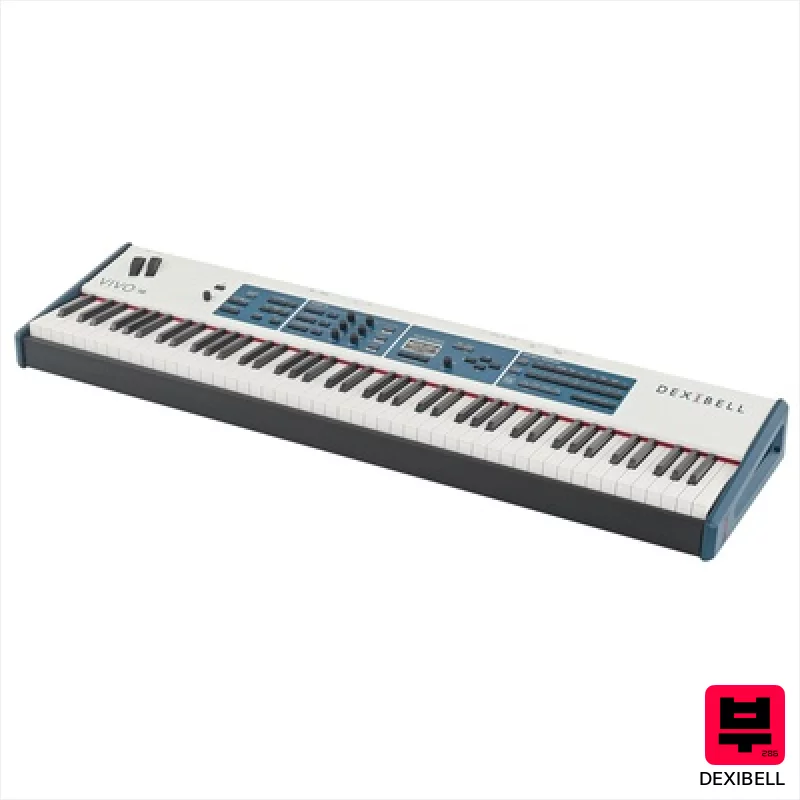
Dexibell Vivo S8
- • TP-40 keyboard offers surprisingly realistic ivory/ebony feel.
- • Impressive polyphony handles complex layered sounds effortlessly.
- • Organ sounds are genuinely excellent with Dexibell's DSP modeling.
- • Bluetooth MIDI expands connectivity and control possibilities.
- • The LC display, while functional, feels a bit dated in resolution.
- • Limited physical controls necessitate reliance on the X Mure app.
- • Weight makes it less ideal for frequent gigging or transport.

Roland RD-2000 EX
- • PHA-50 action provides exceptional dynamic range and realistic feel.
- • Dual sound engines offer incredible tonal flexibility and layering possibilities.
- • Comprehensive effects suite allows for nuanced sound shaping and performance control.
- • Extensive preset library covers a vast spectrum of sounds, from vintage to modern.
- • The weight makes it less than ideal for frequent gigging or travel.
- • The user interface, while improved, can still feel complex for beginners.
- • Limited physical controls compared to some larger stage pianos.

Roland V-Stage 76
- • Excellent organ modeling with nuanced tone wheel simulation.
- • ZEN-Core synth engine offers vast sound design possibilities.
- • Compact 76-key design balances portability and playability.
- • Versatile section mixer provides extensive sound shaping control.
- • Semi-weighted action lacks the depth of a fully weighted piano feel.
- • While capable, the synth engine isn't as deep as dedicated units.
- • The waterfall keys might not suit all piano playing styles.
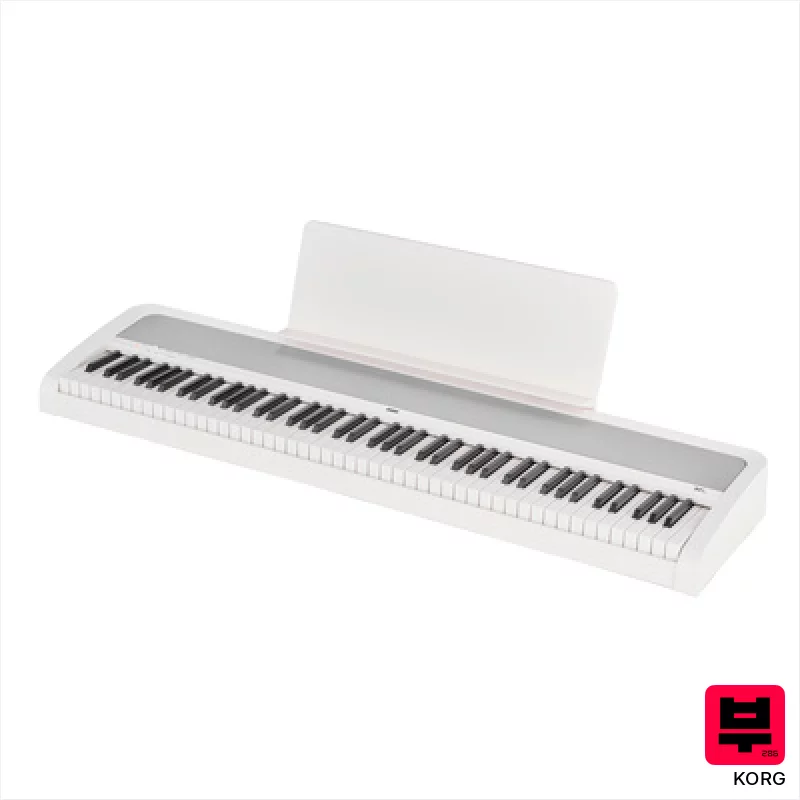
Korg B2+ White
- • Italian/German piano samples offer surprisingly rich, nuanced tones.
- • Hammer action provides decent responsiveness for beginner to intermediate players.
- • Compact size and integrated speakers make it easily portable for practice.
- • Included damper pedal and software bundle adds genuine value.
- • Hammer action lacks the depth and subtlety of higher-end graded actions.
- • Speaker output is adequate but lacks the power for performance situations.
- • Limited sound selection compared to more expensive stage pianos.
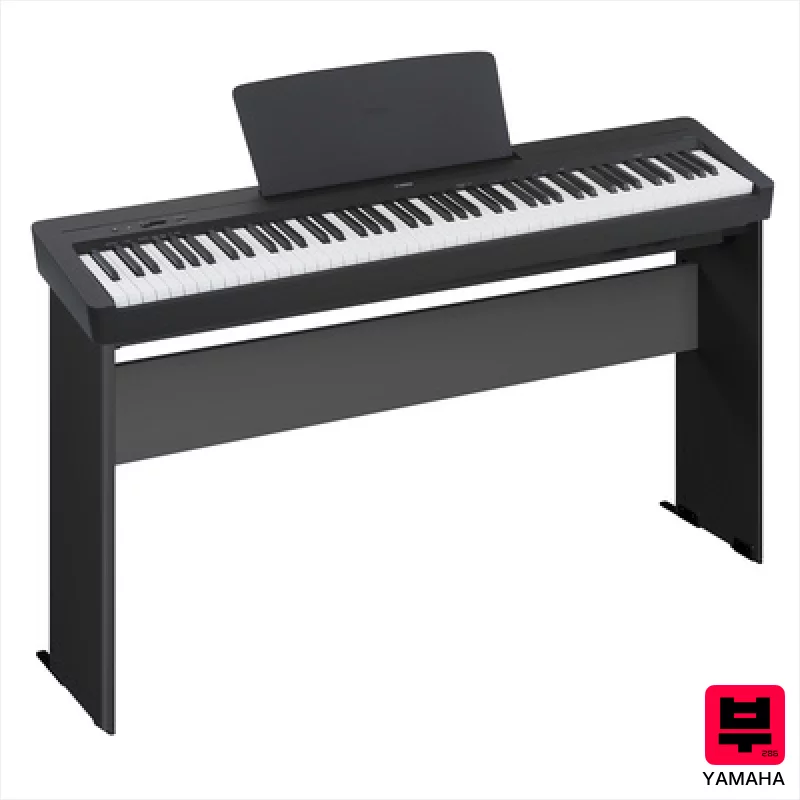
Yamaha P-145 B Home Bundle
- • GHK action provides surprisingly realistic weighted piano feel.
- • CFIIIS tone generator delivers Yamaha's signature grand piano sound.
- • Included sustain pedal and power supply offer immediate playability.
- • Smart Pianist app expands learning resources and functionality.
- • Speakers, while adequate, lack the richness for serious performance work.
- • Limited effects compared to higher-end stage pianos.
- • The bundled pedal is basic and may be an upgrade later.
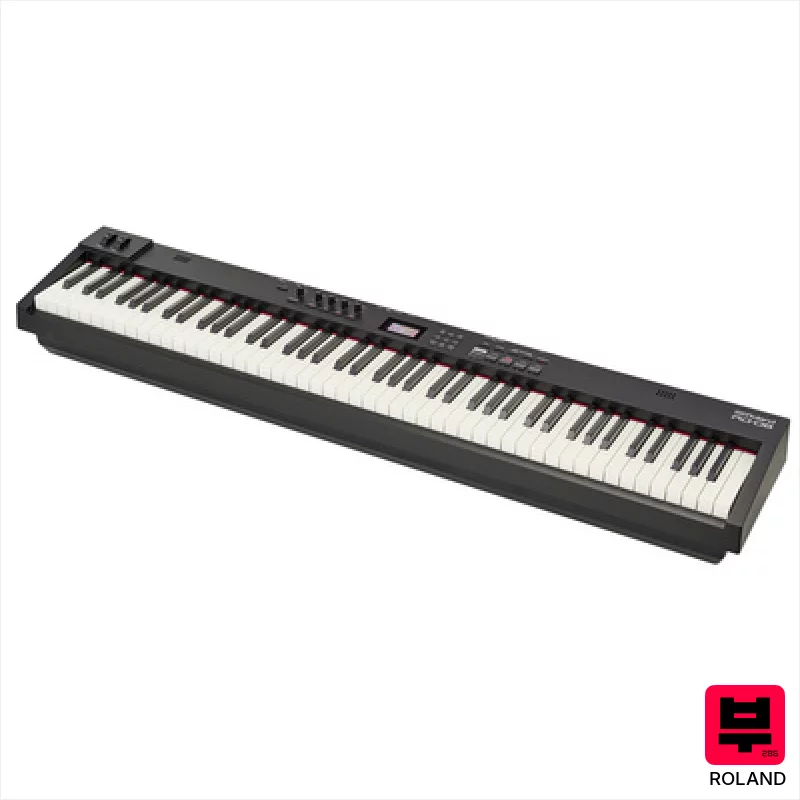
Roland RD-08
- • PHA-4 action offers a surprisingly realistic, nuanced piano feel.
- • ZEN-Core engine provides a wide palette of contemporary and classic sounds.
- • Integrated speakers are surprisingly decent for gigging without external amps.
- • Compact design and relatively light weight for an 88-key stage piano.
- • LCD display is small and somewhat dated, limiting visual information.
- • SuperNATURAL piano sounds, while good, aren't class-leading like higher-end models.
- • Limited physical controls can make complex editing on the fly challenging.
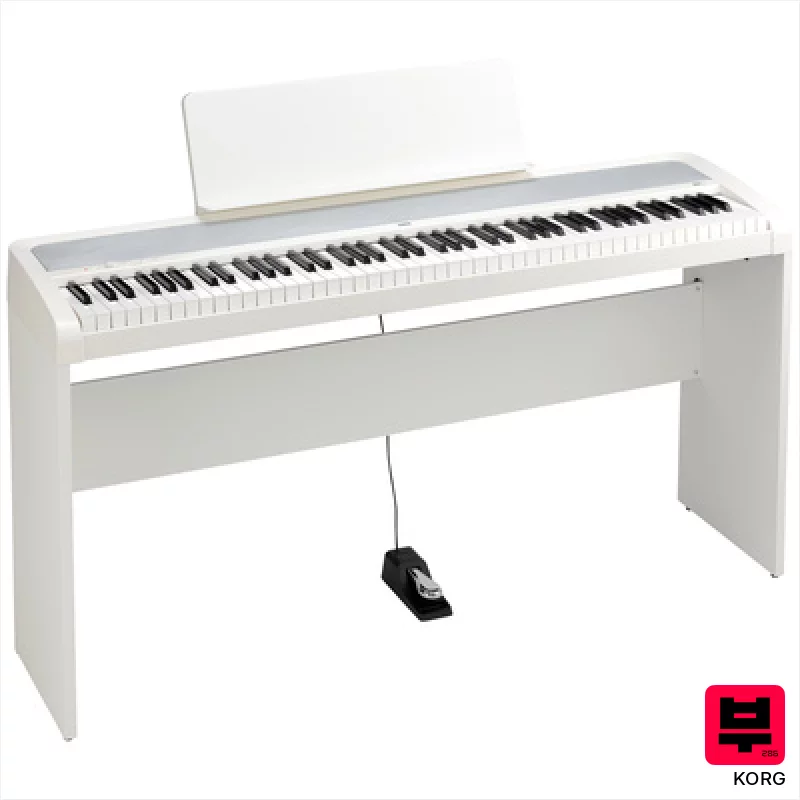
Korg B2+ SP White
- • Solid, dependable hammer action offers a surprisingly responsive feel.
- • Included wooden stand (STB1-WH) elevates the aesthetic and stability.
- • The Italian/German grand piano sounds are genuinely impressive for the price.
- • Integrated speakers provide decent volume and clarity for practice and small gigs.
- • The 3.5mm outputs feel a bit flimsy and budget-oriented.
- • Limited sound selection compared to more premium stage pianos.
- • The white finish, while attractive, shows fingerprints easily.
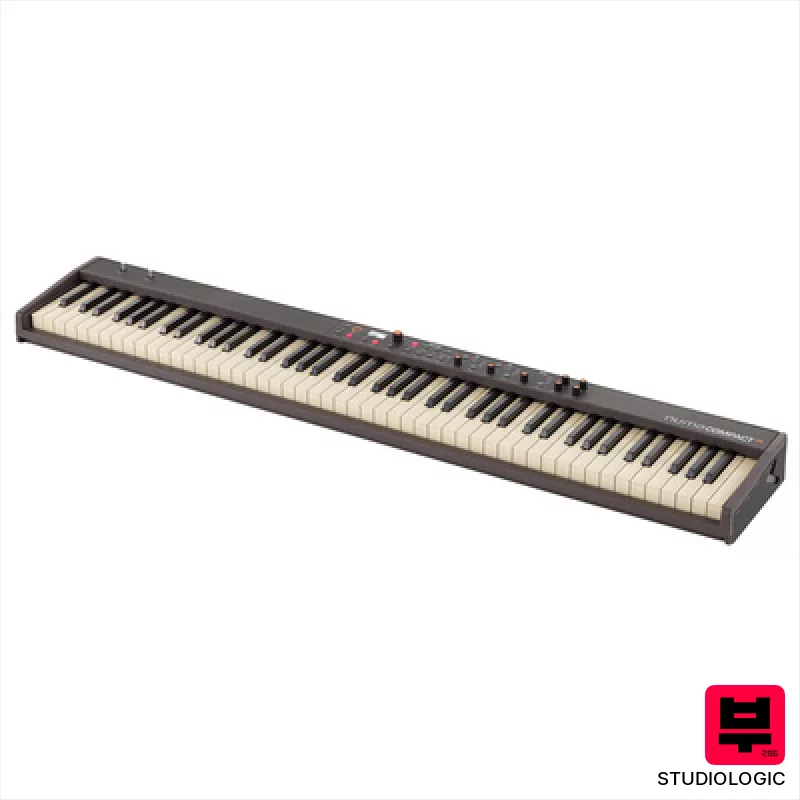
Studiologic Numa Compact SE
- • Surprisingly good sound for the size, thanks to the custom speakers.
- • TP/9 piano action offers decent responsiveness for a compact stage piano.
- • Built-in speakers eliminate the need for external amplification initially.
- • Joystick controllers offer quick, intuitive modulation possibilities.
- • Semi-weighted action lacks the depth and nuance of fully-weighted keys.
- • Limited polyphony may become apparent with complex layered sounds.
- • The OLED display, while clear, is relatively small and can be hard to read in bright light.
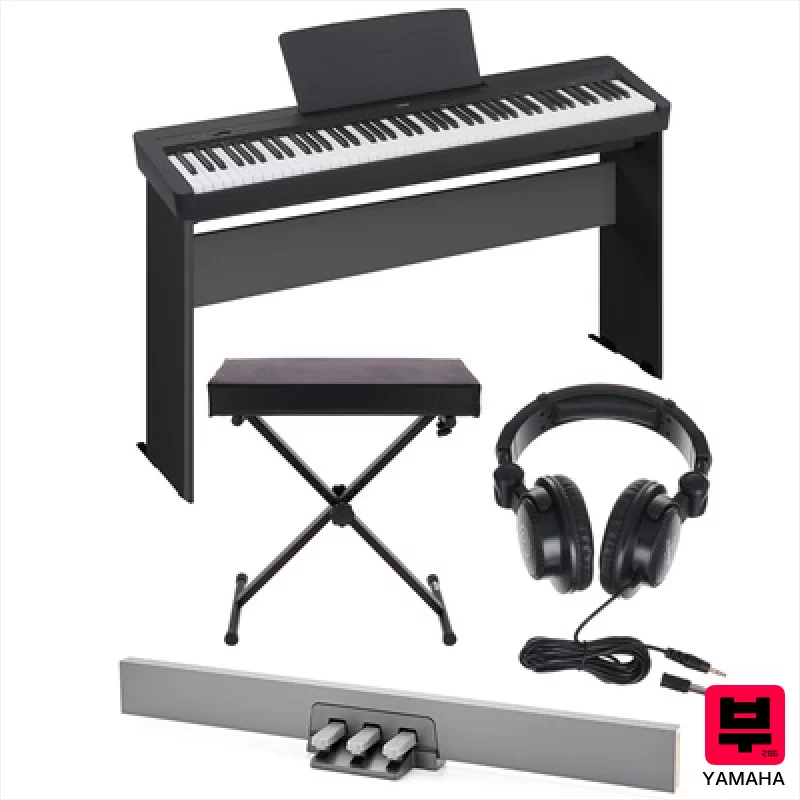
Yamaha P-145 B Mega Bundle
- • GHK action provides surprisingly realistic weighted piano feel.
- • CFIIIS tone generator delivers a warm, resonant piano sound.
- • Mega bundle adds value with included sustain pedal and power supply.
- • Smart Pianist app offers learning tools and expands song library.
- • Speakers are adequate but lack the power for larger rooms or performances.
- • Limited effects offer less sonic sculpting than higher-end stage pianos.
- • The P-145's build quality, while decent, isn't premium.

Studiologic Numa Compact X SE
- • Excellent portability due to its lightweight design and compact form factor.
- • The TP/9PIANO key action provides a surprisingly realistic feel for a semi-weighted action.
- • Integrated speakers offer decent volume and surprisingly full organ tones for practice.
- • The joystick controllers are a unique and genuinely useful feature for expressive control.
- • Semi-weighted action won't satisfy serious pianists seeking a fully graded feel.
- • Limited polyphony compared to higher-end stage pianos can cause note drop at dense layering.
- • The OLED display, while clear, is a bit small for comfortable editing on the fly.
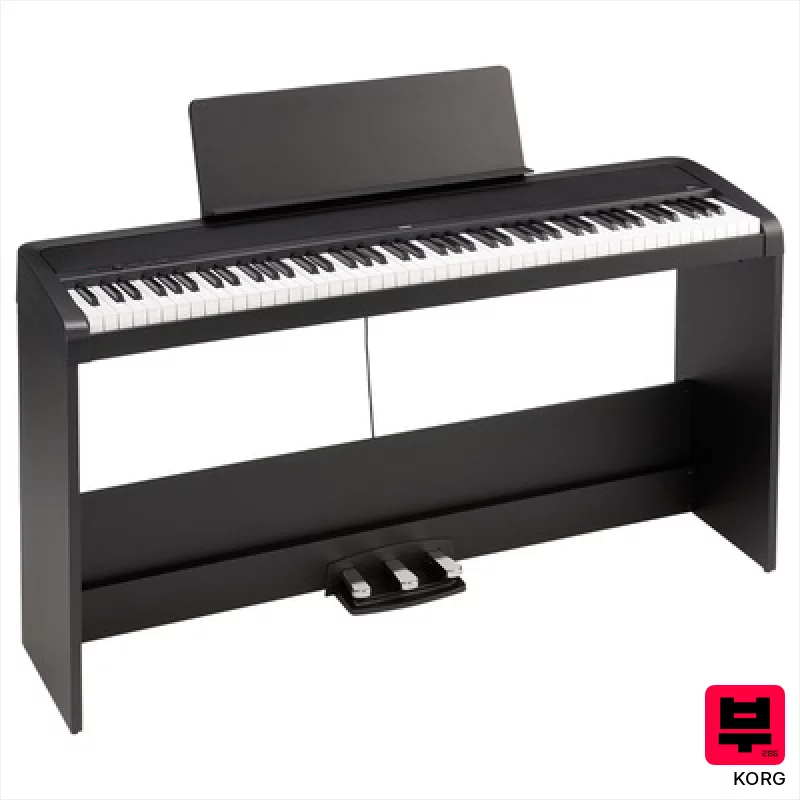
Korg B2+ SP Black
- • Excellent Italian/German grand piano samples offer surprising realism.
- • The included stand and pedal provide a complete, ready-to-play setup.
- • Hammer action provides a decent learning experience for aspiring pianists.
- • Compact size makes it suitable for smaller spaces and portability.
- • The plastic key feel lacks the premium heft of fully weighted keys.
- • Speakers, while adequate, won't satisfy serious performance needs.
- • Limited sound selection compared to higher-end stage pianos.
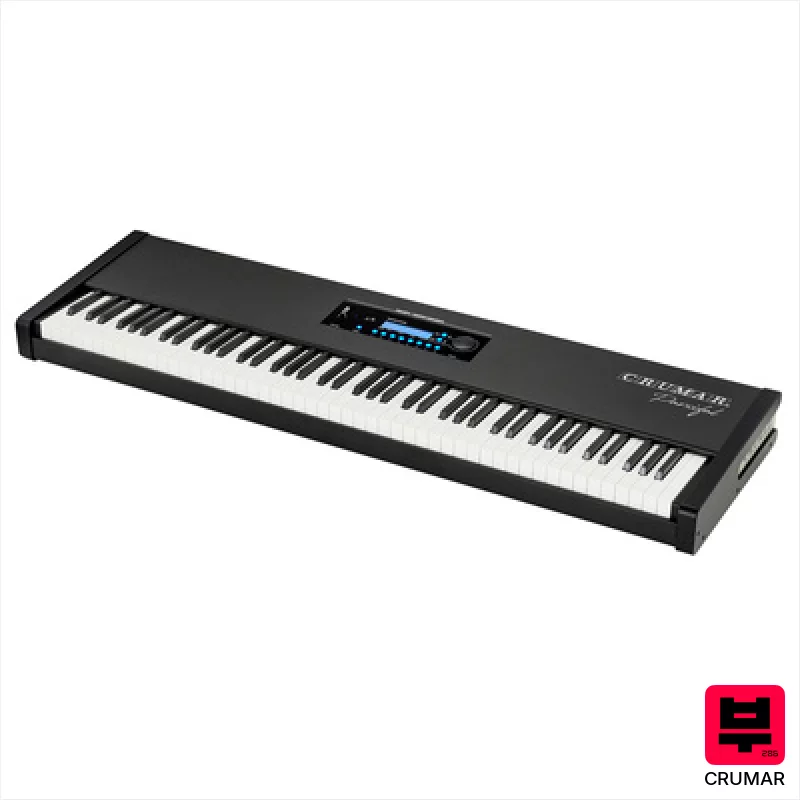
Crumar Parsifal
- • Excellent hammer action provides responsive, nuanced playing experience.
- • Crumar’s sound modeling delivers surprisingly authentic acoustic grand piano tones.
- • Pre-installed Venice Grand expansions offer a significant sonic upgrade.
- • Compact design and relatively lightweight for a full 88-key stage piano.
- • Limited connectivity options compared to more modern stage pianos.
- • Sound library, while decent, lacks the depth of some higher-end competitors.
- • Build quality, while functional, doesn’t exude premium materials or construction.
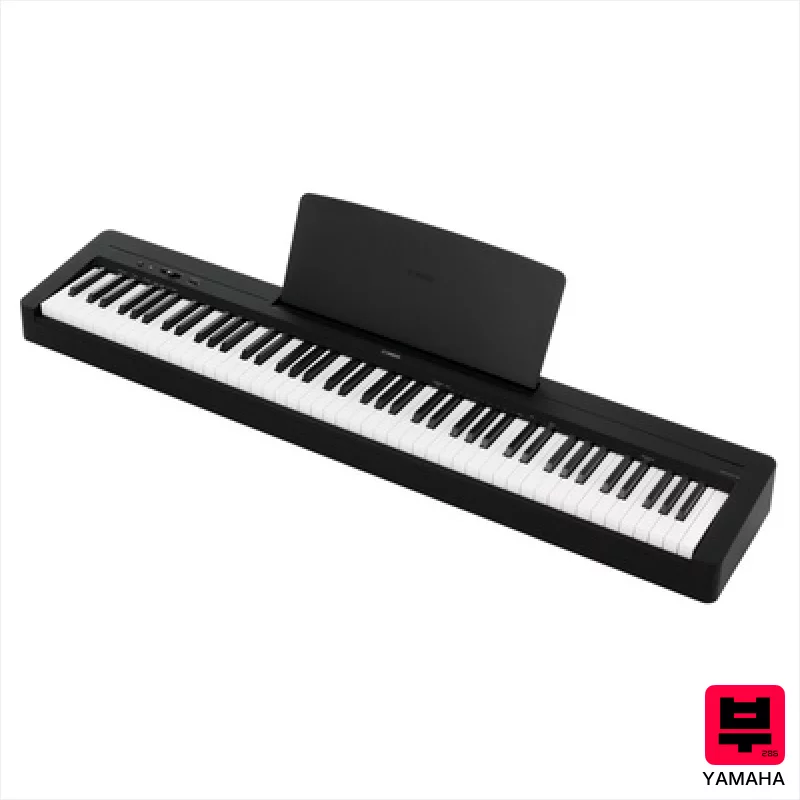
Yamaha P-145 B BT
- • Excellent GHC action provides a surprisingly realistic piano feel.
- • CFIIIS sound engine delivers a warm, authentic grand piano tone.
- • Compact size and lightweight design enhance portability significantly.
- • Bluetooth connectivity expands functionality for learning and playing along.
- • Built-in speakers are adequate but lack dynamic range for performance.
- • Limited effects offer less sonic shaping than higher-end stage pianos.
- • Plastic construction, while lightweight, feels less premium than wood alternatives.

Clavia Nord Stage 4 88 Wood Stand Bundle
- • Solid wood stand offers exceptional stability and a premium aesthetic.
- • Nord Wave 2 engine delivers incredibly versatile and modern synth sounds.
- • Independent sections simplify complex layering and performance setups.
- • Excellent rotary speaker simulation authentically captures vintage organ tones.
- • High-end price point puts it out of reach for many keyboard players.
- • Relatively heavy; portability is limited without a dedicated road case.
- • The interface, while powerful, has a steeper learning curve than simpler stage pianos.
How to Choose the Best Stage Pianos
Action
This is the foundation. A mushy, inconsistent action will kill your feel and articulation, especially when you're trying to nail a fast run. We're looking for something responsive, with good weight and a clear point of return - Grand Feel is great, but a well-implemented graded hammer action can be just as good.
Sound Engine & Voicing
Raw sounds matter, but how those sounds are voiced is critical. Does the piano have that low-end thump you need for a soul gig? Can it clean up nicely for a jazz trio? We're judging on versatility and the ability to create a usable palette of sounds.
Connectivity & Routing
Professional gigs often involve complex setups. Multiple outputs, MIDI routing options, and USB audio interface capabilities are essential for integrating with a PA system or recording rig. Forget the limitations of a basic 1/4" out.
Build Quality & Reliability
Let's be honest, gear gets beat up. We're looking for a piano that can withstand transport, occasional spills, and the general wear and tear of constant use. Solid construction, robust keys, and reliable components are key.
User Interface & Gig-Friendliness
A confusing menu system is a nightmare under pressure. We prioritize intuitive controls, clear displays, and easy access to essential functions - things you can adjust quickly without digging through layers of menus in a dimly lit club.
Buying Guide
Don't chase the 'best' sounds - focus on a solid foundation and a versatile engine. A good action is worth more than a slightly prettier piano sound. Cheaper options often cut corners on the action or use compressed, lifeless sounds. Be realistic about your needs - do you really need 1000 sounds if you mostly play piano and Rhodes?
Our Methodology
We're not basing this list on spec sheets - those are just numbers. We've spent the last few years playing these pianos in rehearsal rooms, on stage with full bands, and even tracking in studios. We've A/B'd them against each other, listened for that fat midrange honk, and paid attention to how they handle the inevitable abuse of gigging life.

