
Best Parametric Equalizers for Critical Listening 2026
Let's be honest, a decent pair of headphones or studio monitors is only half the battle when you're trying to really hear what's going on. A good parametric EQ isn't about boosting the low end just to feel it; it's about surgically addressing problem frequencies, shaping your tonal landscape, and making critical decisions about mixing and mastering. You need something precise, transparent, and that doesn't color the sound in a way that messes with your judgment. This isn't about adding effects; it's about revealing truth.
Last updated: July 15, 2026 • Next update: July 22, 2026
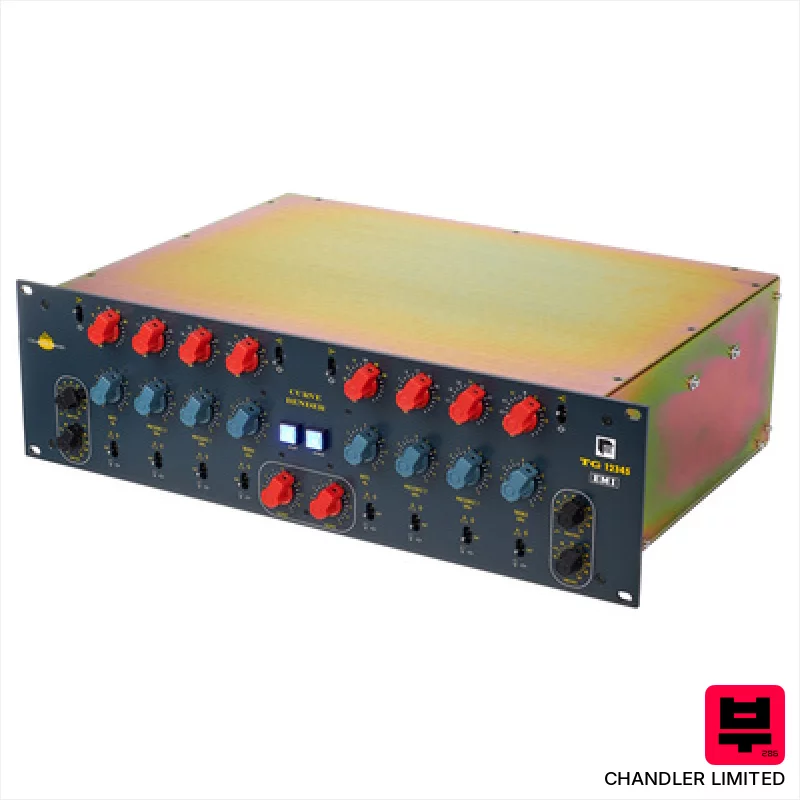
Chandler Limited EMI TG 12345 Curve Bender
- • Discrete transistor circuitry delivers a uniquely warm, harmonically rich tone.
- • The detented gain controls offer precise, repeatable EQ shaping.
- • Based on a legendary console, capturing Abbey Road’s signature sound.
- • Robust 19-inch rackmount build ensures durability for studio use.
- • The price point places it firmly in the high-end, professional category.
- • Requires a separate power supply, adding to the overall investment.
- • Limited versatility compared to more flexible parametric equalizers.
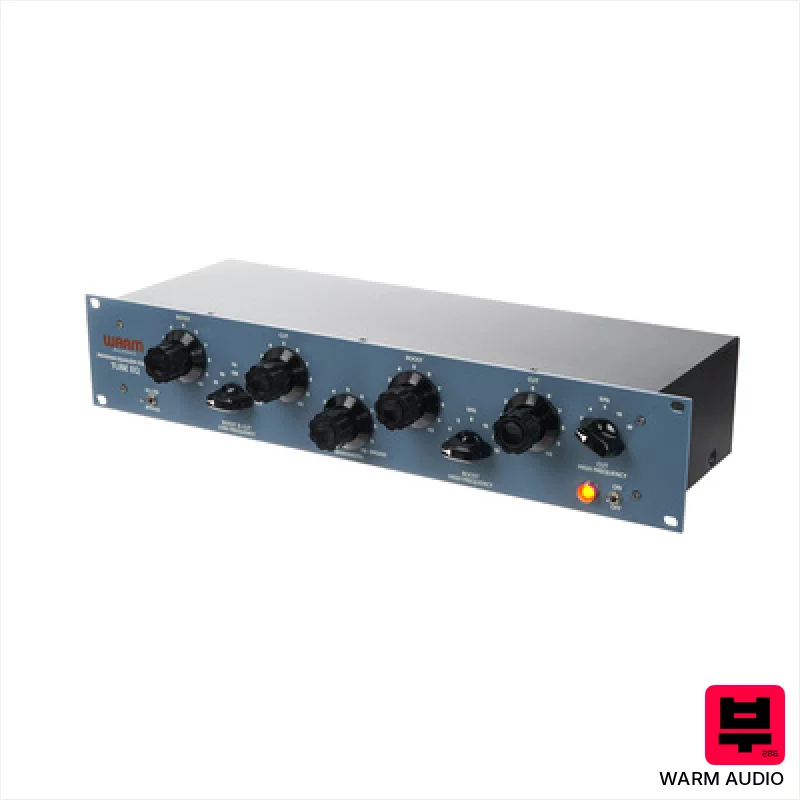
Warm Audio EQP-WA GainMod
- • CineMag transformers deliver a distinct, warm saturation and harmonic enhancement.
- • GainMod feature offers flexible gain staging between devices, crucial for mastering.
- • Discrete inductor EQ section provides precise control and musical shaping.
- • Premium tube complement (12AX7, 12AU7) contributes to a rich, vintage tone.
- • Single-channel design limits its utility for stereo processing workflows.
- • High-end price point puts it out of reach for budget-conscious studios.
- • EQ frequency options, while comprehensive, could feel overwhelming for beginners.
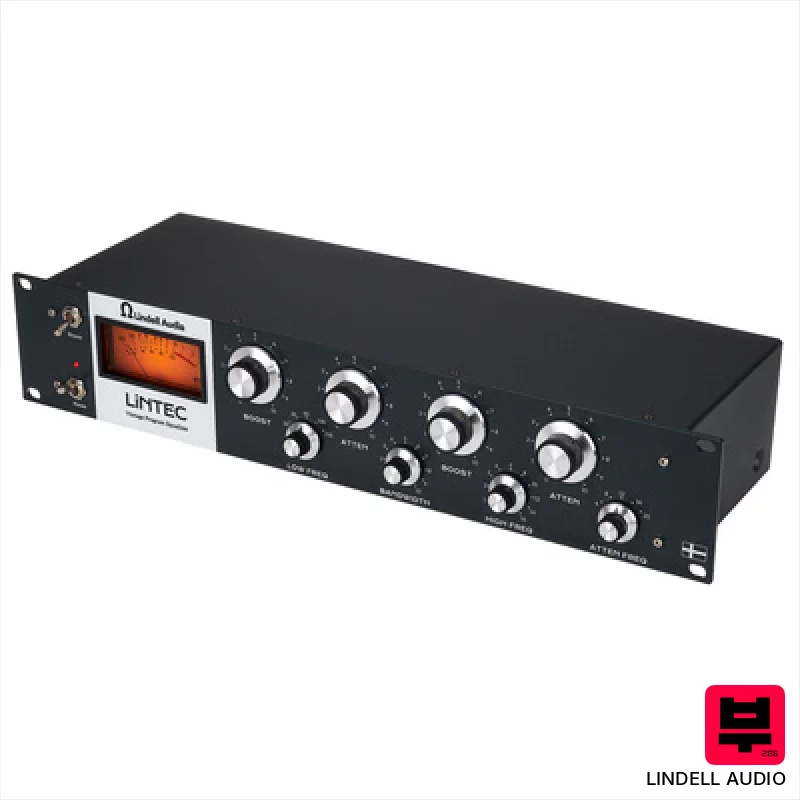
Lindell Audio LiNTEC
- • Gridded pots offer a unique, tactile feel and characterful response.
- • OPA1731 provides a clean, punchy sound with excellent transient response.
- • The flexible EQ ranges cover a surprisingly broad spectrum of tonal shaping.
- • Steel housing feels robust and contributes to a professional, weighty build quality.
- • Single-band design limits versatility compared to multi-band EQs.
- • 6.3mm jacks feel dated and less convenient than modern connectors.
- • Limited frequency selection may not suit all specific tonal needs.
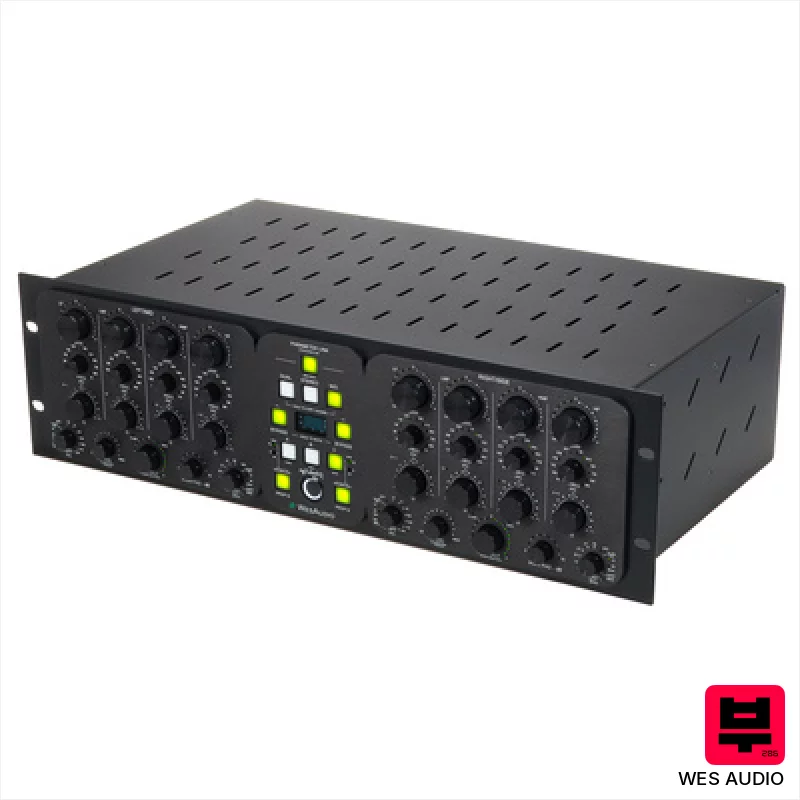
WES Audio ngTubeEQ
- • Carnhill output transformer delivers a signature warmth and harmonic richness.
- • Passive inductor bands provide exceptionally clean, musical equalization.
- • Flexible Mid-Side processing unlocks creative stereo and mono imaging.
- • Adjustable THD allows tailoring of the saturation character for desired vibe.
- • The substantial weight demands a sturdy rack and careful handling.
- • Limited frequency band control compared to fully parametric designs.
- • Premium-priced, making it inaccessible to many home studios.

Elysia museq
- • Discrete Class-A design delivers exceptional clarity and warmth
- • Matched potentiometers ensure precise, repeatable EQ adjustments
- • Active filter stages eliminate capacitor coloration for pristine sound
- • Wide frequency response handles sub-bass and high-frequency detail
- • Premium-priced, a significant investment for most studios
- • 2U rack height can be restrictive in smaller spaces
- • Limited recall options compared to fully digital EQ solutions
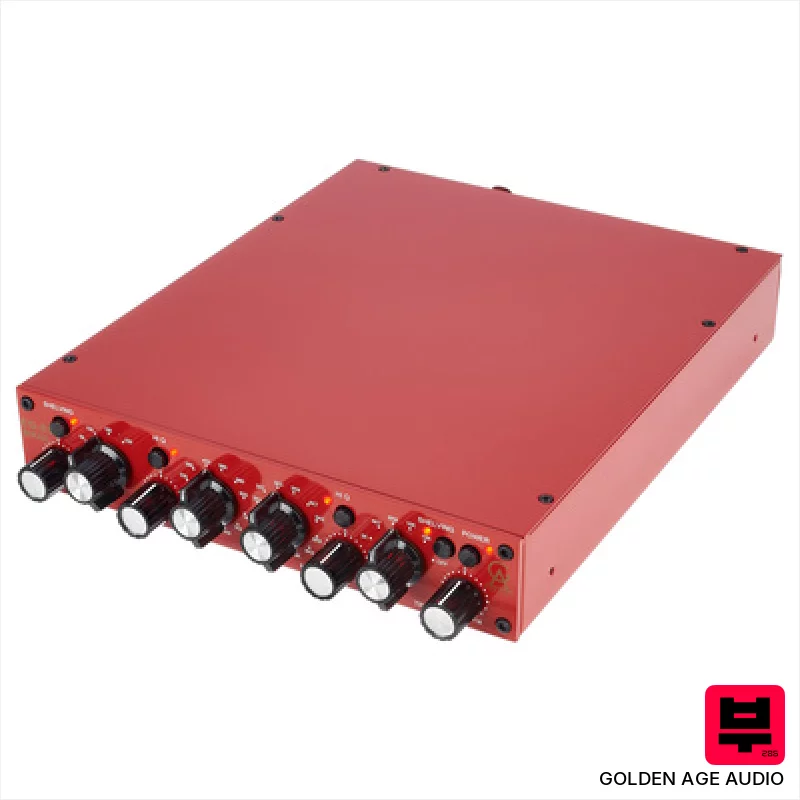
Golden Age Audio Project EQ-81 MKIII
- • Classic 1081 EQ character delivers warmth and musicality
- • Tantalum capacitors contribute to a clean, detailed sound
- • Stepped controls ensure repeatable and precise EQ settings
- • Compact 1U design saves valuable rack space
- • Limited to four bands, restricting complex equalization tasks
- • 6.3mm jacks feel somewhat dated compared to modern connectors
- • External power supply adds clutter and potential instability
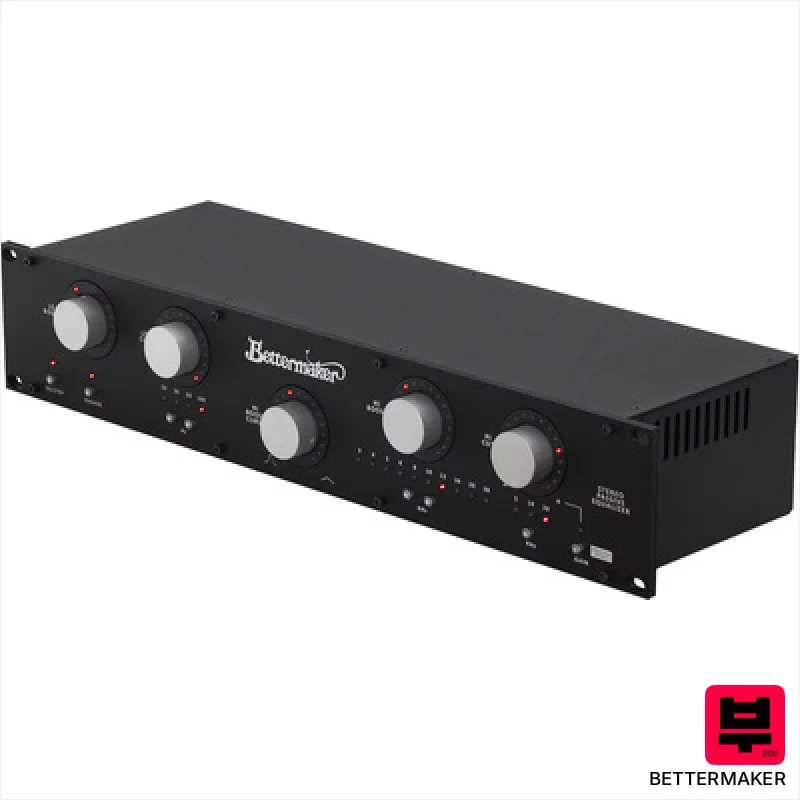
Bettermaker Stereo Passive EQ
- • Exceptional passive design yields a remarkably clean, musical EQ response.
- • Digital control offers precise recall and DAW integration, a clever hybrid approach.
- • Robust construction with high-quality components ensures longevity and reliability.
- • Fixed frequencies are surprisingly versatile, creating unique sonic textures.
- • The fixed frequency bands limit flexibility compared to fully parametric EQs.
- • Stereo operation doubles the cost and rack space requirements.
- • The digital control, while convenient, adds a layer of complexity for some users.
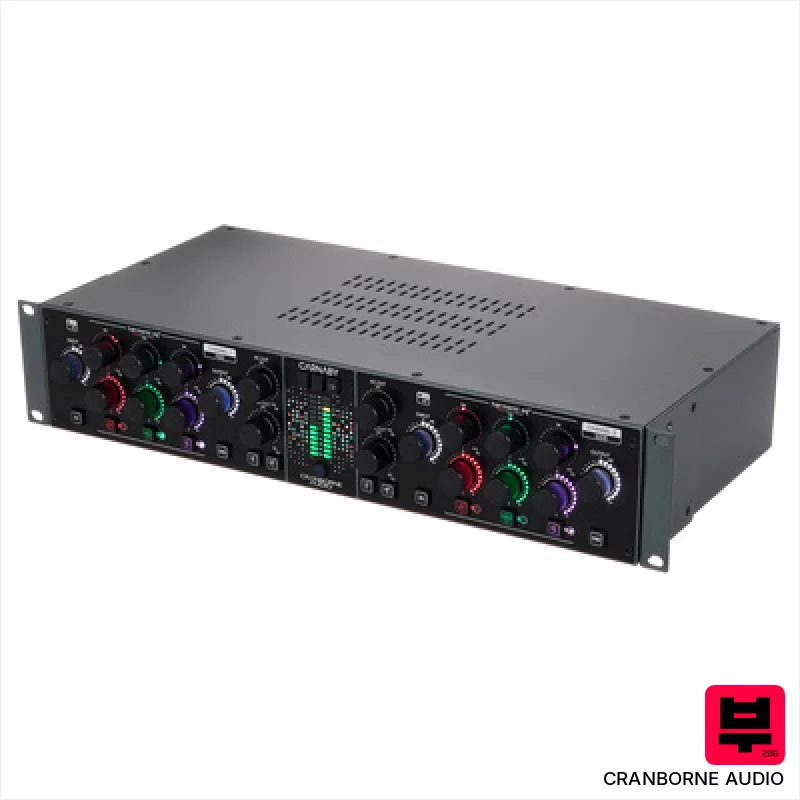
Cranborne Audio Carnaby HE2
- • Exceptional harmonic saturation adds warmth and character to any source.
- • Flexible Mid/Side processing provides precise stereo imaging control.
- • Remote control via USB-C streamlines workflow in complex studio setups.
- • Solid build quality with robust metal chassis ensures long-term reliability.
- • Premium-priced, making it a significant investment for smaller studios.
- • Physical size and weight can be restrictive in compact recording environments.
- • Limited frequency bands compared to more complex parametric EQs.
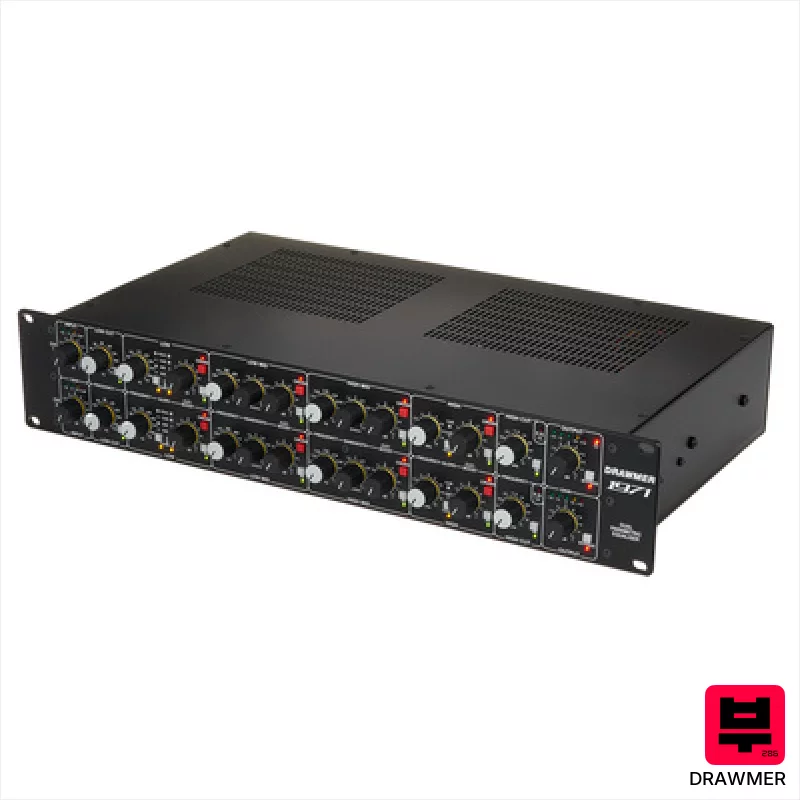
Drawmer 1971 Dual 4-Band Parametric
- • Drawmer's signature transparency delivers clean, precise tonal shaping.
- • Excellent filter slopes (up to 12dB/octave) offer surgical control.
- • Dual-mono design provides flexibility for stereo or mono processing.
- • Robust build quality; feels solid and dependable for studio use.
- • Limited bandwidth options compared to fully parametric equalizers.
- • The vintage design might feel slightly dated for modern workflows.
- • Premium-priced, making it a significant investment for smaller studios.
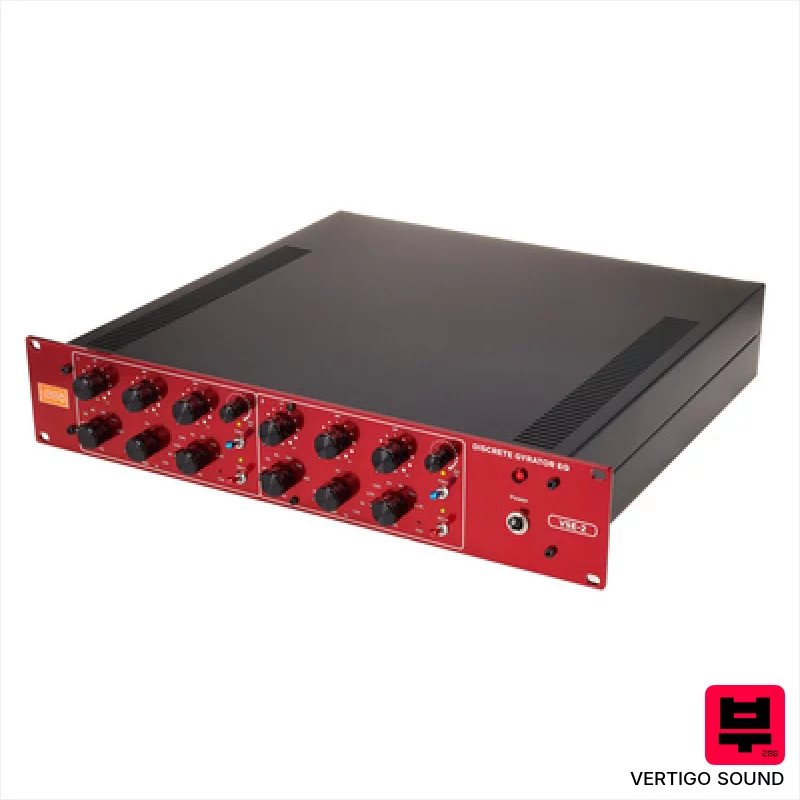
Vertigo Sound VSE-2
- • Discrete gyrator design delivers a uniquely musical and smooth tonal shaping.
- • Transformer input imparts a subtle warmth and harmonic richness to the signal.
- • A.I.R. mode provides a transparent boost without harshness or distortion.
- • Robust build quality; feels incredibly solid and durable for studio use.
- • High-end price point places it out of reach for many home studios.
- • Limited to three bands restricts complex, surgical EQ adjustments.
- • Size (2U) can be restrictive in smaller or crowded rack setups.
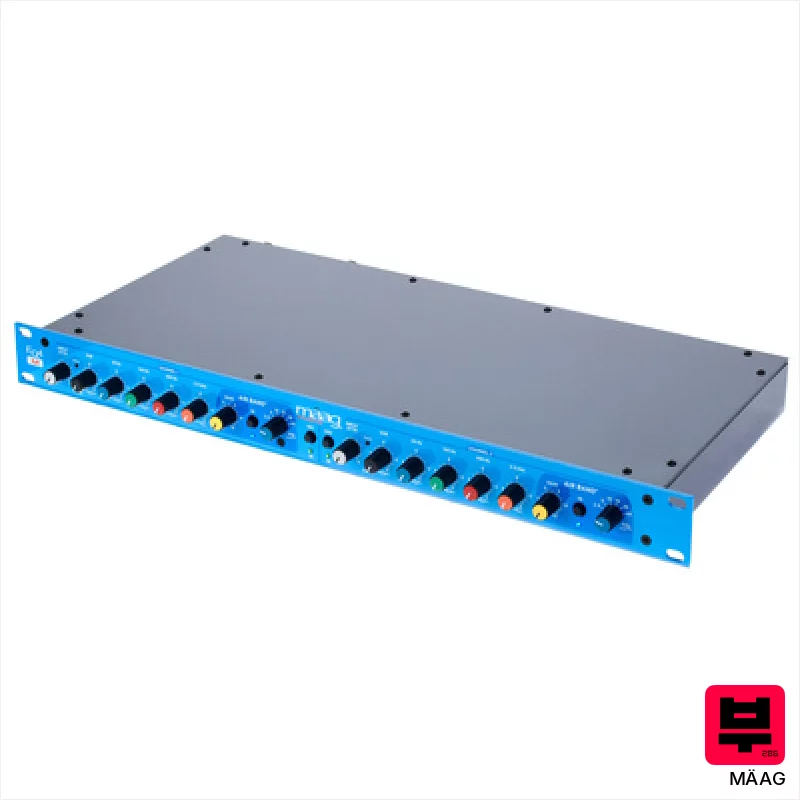
MÄAG EQ4M
- • The 'Air' band genuinely adds sparkle and clarity to high-frequency content.
- • Fixed frequencies offer surgical precision for problem frequency correction.
- • Solid, weighty build quality inspires confidence in long-term reliability.
- • The EQ4M's sound is remarkably clean and transparent, preserving source material.
- • Fixed frequencies limit versatility compared to fully parametric options.
- • The price point places it firmly in the high-end, professional studio market.
- • The limited number of bands might feel restrictive for complex mastering tasks.

Elysia xfilter Mastering Edition
- • Exceptional build quality with robust, milled aluminum housing.
- • Class-A topology delivers a warm, musical, and transparent sound.
- • Detented pots offer precise recall and repeatable settings.
- • Flexible resonant high/low-pass filters add tonal shaping possibilities.
- • Premium-priced, a significant investment for smaller studios.
- • Limited gain range compared to some more aggressive EQ options.
- • 1U height requires careful rack space planning.
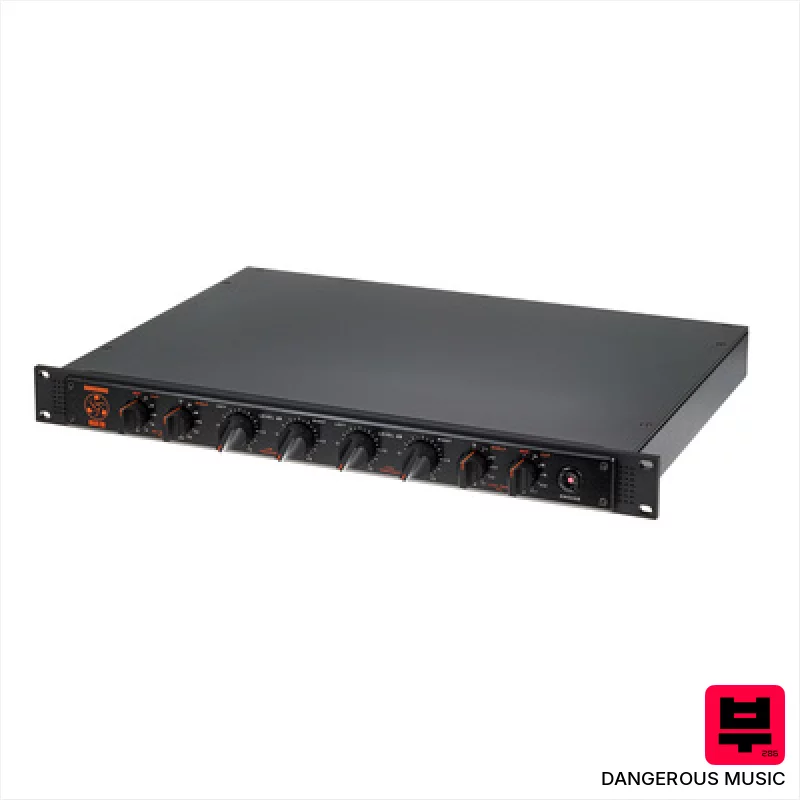
Dangerous Music BAX EQ
- • Screened potentiometers ensure exceptional repeatability and accuracy.
- • Relay-based filters maintain phase coherence across frequencies.
- • Wide Q shelving provides a natural, musical equalization response.
- • Ultra-low noise floor and distortion for pristine signal integrity.
- • The high price point places it out of reach for many studios.
- • Limited to two channels, restricting broader equalization tasks.
- • Relay-based filters, while phase-correct, introduce a tiny amount of latency.
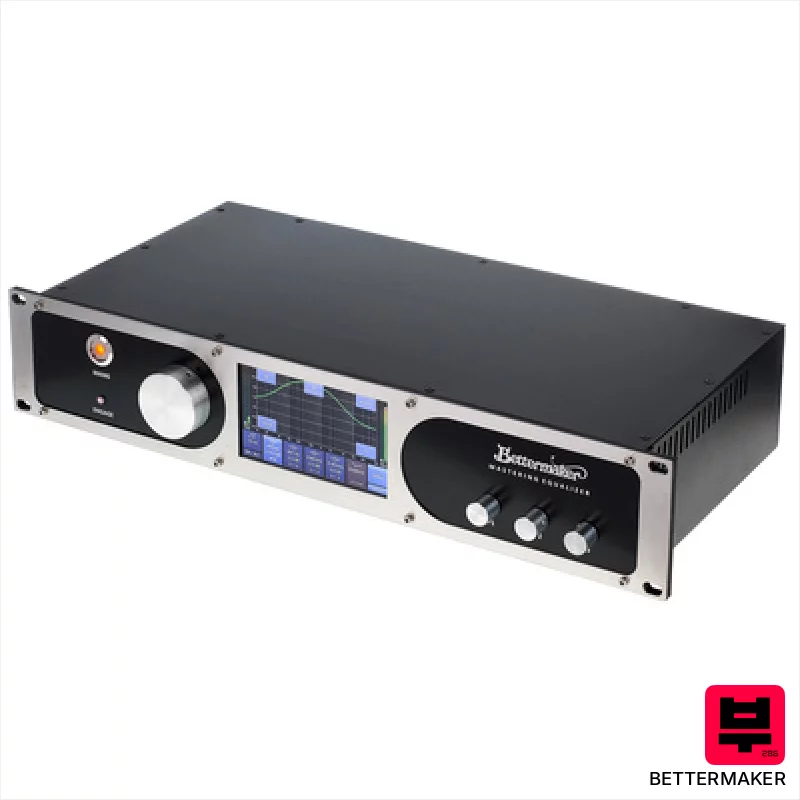
Bettermaker Mastering Equalizer
- • Exceptional sonic transparency with minimal phase shift
- • Mid/Side processing offers precise stereo image sculpting
- • Digital control paired with analog circuitry delivers flexibility
- • Auto-Q function simplifies complex equalization tasks
- • Premium-priced, a significant investment for most studios
- • Complex interface demands a learning curve for novice users
- • Size and weight make it less suitable for portable setups

IGS Audio Rubber Bands
- • Carnhill/Edcor transformers impart a distinct, musical warmth.
- • Dual-block design delivers exceptional flexibility and tonal shaping.
- • 4-section EQ offers precise control over low and high frequencies.
- • Tube amp adds organic character, avoiding sterile digital processing.
- • High-end price point makes it inaccessible for many home studios.
- • 600 Ohm output impedance may require impedance matching with some gear.
- • Relatively heavy, typical of tube-based, transformer-laden equipment.
How to Choose the Best Parametric Equalizers
Transparency
This is paramount. You shouldn't hear the EQ itself. It shouldn't add a harshness, muddiness, or change the fundamental character of the source material. It's about surgical correction, not coloration.
Bandwidth Control (Q)
A wide Q setting gently broadens the effect, while a narrow Q is precise for pinpointing resonances. The ability to dynamically adjust this is key for dealing with complex frequencies like a snare drum's ring or a vocal's boxiness.
Filter Types (Shelving, Bell, Notch, High/Low Pass)
Shelving EQs are great for broad adjustments, while bell curves are your workhorses. Notch filters are essential for removing specific problem frequencies - that 250Hz hum from a faulty transformer, for instance. High/low pass filters are a must for cleaning up the low or high end.
Automation Capabilities
Critical listening often involves subtle, evolving changes. Being able to automate EQ parameters lets you shape the sound over time, addressing issues that pop up only in certain sections of a track.
User Interface/Workflow
A cluttered or unintuitive interface will slow you down and distract you. The best EQs feel natural and responsive, letting you make adjustments quickly and confidently without fighting the controls.
Buying Guide
Don't fall for the trap of thinking more bands equal better results. A simple, clean EQ with precise controls is far more valuable than a feature-bloated mess. Budget options often compromise on transparency - you'll hear the artifacts. Paying more usually gets you better components and a more refined algorithm, which translates to a more accurate representation of your source material. Look for reputable brands with a history of making transparent audio tools.
Our Methodology
We're not looking at spec sheets here. We've put these EQs through the wringer: A/B comparisons against known-good reference tracks, dialing in EQ for a mix that needed serious rescuing, and even using them to troubleshoot a muddy-sounding bass cab at a rehearsal. It's about real-world application, not theoretical numbers.

