
Drawmer 1971 Dual 4-Band Parametric
Professional music gear - detailed information and where to buy
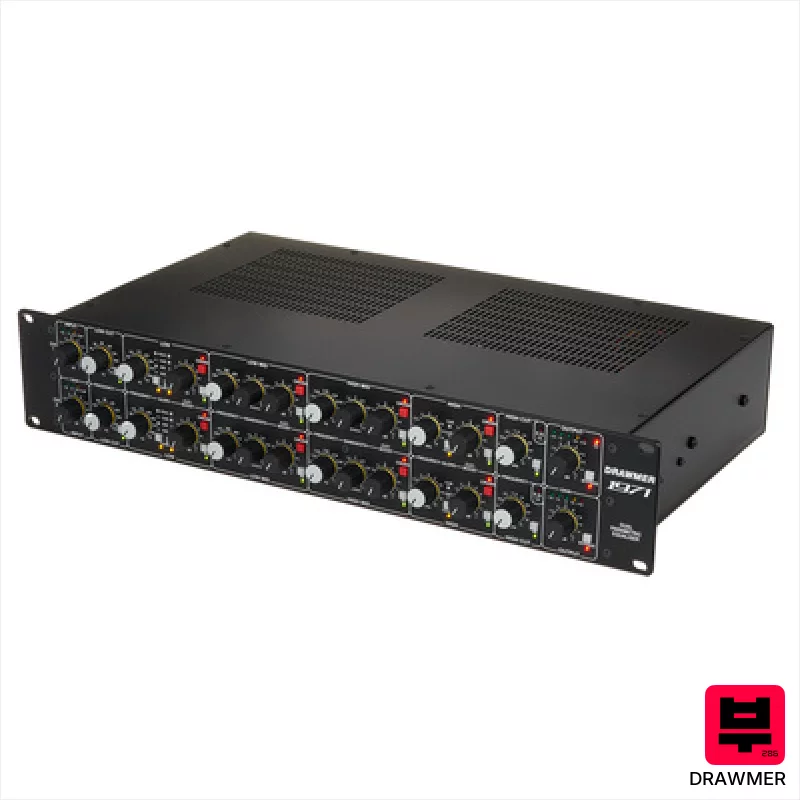
Drawmer
1971 Dual 4-Band Parametric
Product Info
* Prices may vary. Check retailer for current pricing and availability.
The 1971 is a classic for a reason – it's clean, precise, and just oozes that vintage Drawmer vibe. If you're a mixing engineer or producer looking for subtle, transparent EQ adjustments without introducing harshness, this is a fantastic tool. It's a bit of a specialist, though, not a do-everything solution.
Product Description
- Drawmer 1971 Dual 4-Band Parametric
- Parametric Four Band Equalizer in Vintage Design
- Classic sound control and transparency
- Variable high-pass and low-pass filters for perfect elimination of unwanted signal components
- Input impedance: > 20 kOhm
- Max. input level: +21 dBu
- Output impedance: <100 ohm
- Maximum output level: +21 dBu (10 kOhm load impedance)
- Frequency response: 35 - 20
- 000 Hz +/-0.2 dB
- Distortion (THD+N) @ 1
- 000 Hz/ 0 dB: 0.003%
- Crosstalk: -75 dB @ 1.000 Hz
- Low-cut frequencies: 10 to 225 Hz
- Low band: 35 - 700 Hz
- Low slope: 6
- 12 dB peak
- Low level: +/- 12 dB
- Low-mid frequencies: 55 to 2
- 100 Hz
- Low-mid bandwidth: 0.33 to 3.3 octave
- Low-mid level: +/- 12 dB
- High-mid frequencies: 400 to 14
- 000 Hz
- High-mid bandwidth: 0.33 to 3.3 octave
- High-mid level: +/- 12 dB
- High frequencies: 1
- 200 to 20
- 000 kHz
- High slope: 6
- 12 dB
- High level: +/- 12 dB
- High-cut frequencies: 4
- 000 to 32
- 000 Hz
- Power supply: 230 V or 115 V
- 15 V A
- Dimensions (W x H x D): 482 x 88 x 270 mm
- Weight: 4.2 kg
- • Drawmer's signature transparency delivers clean, precise tonal shaping.
- • Excellent filter slopes (up to 12dB/octave) offer surgical control.
- • Dual-mono design provides flexibility for stereo or mono processing.
- • Robust build quality; feels solid and dependable for studio use.
- • Limited bandwidth options compared to fully parametric equalizers.
- • The vintage design might feel slightly dated for modern workflows.
- • Premium-priced, making it a significant investment for smaller studios.
Product Video
Key Features
Similar Products
thingyfab Blank Panel 500 Rosewood
500 Series Components
Ibanez GRGR221PA-AQB Bundle
ST Style Guitars
Dateq SPL-5 MKII
Limiters
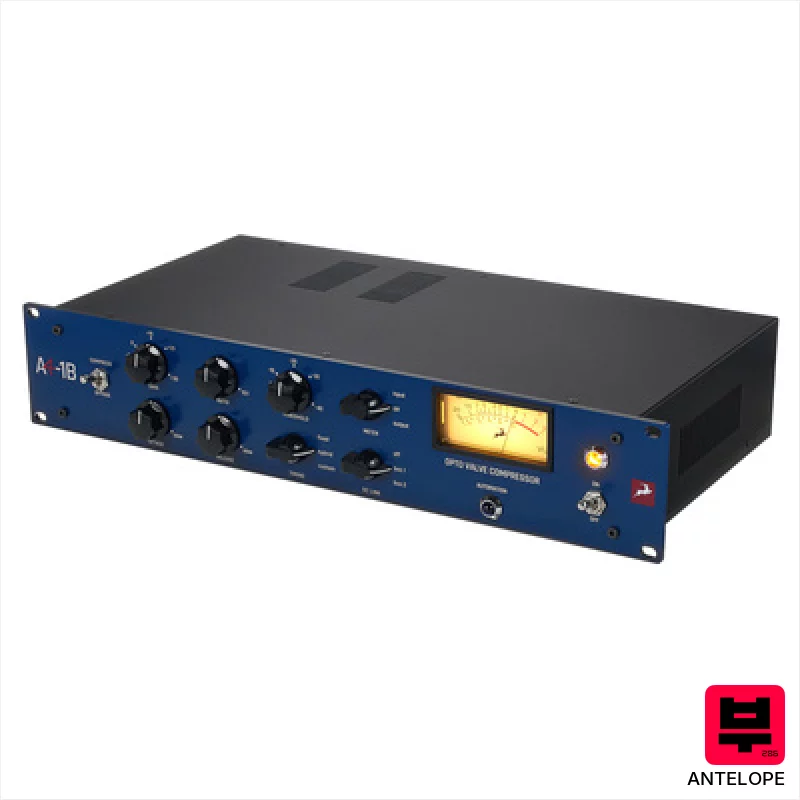
Antelope A4-1B Complete Edition
Compressors, Gates and De-essers
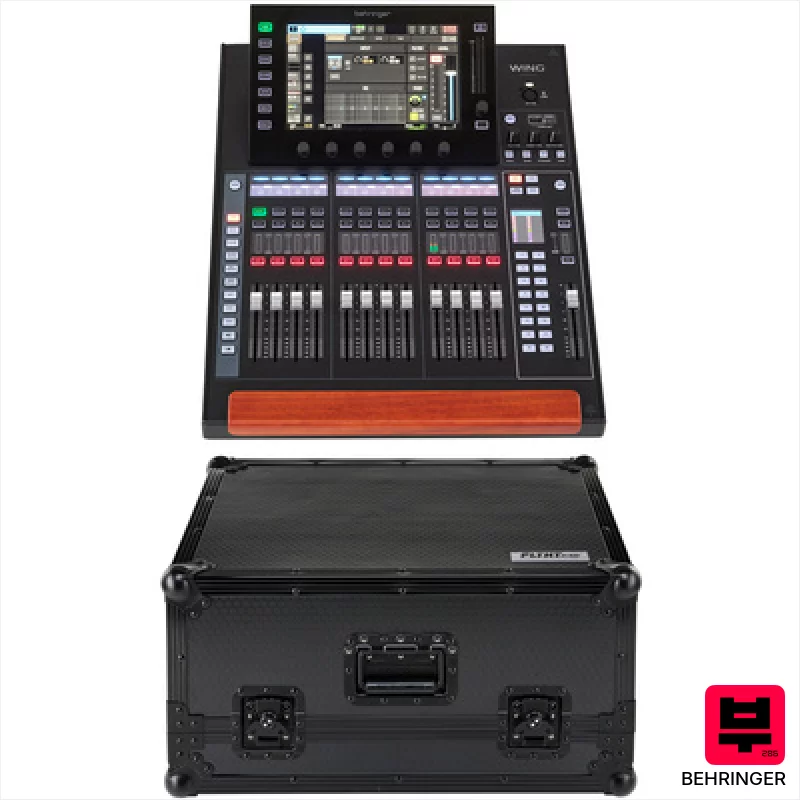
Behringer WING Compact Flyht Pro Bundle
Digital Mixers
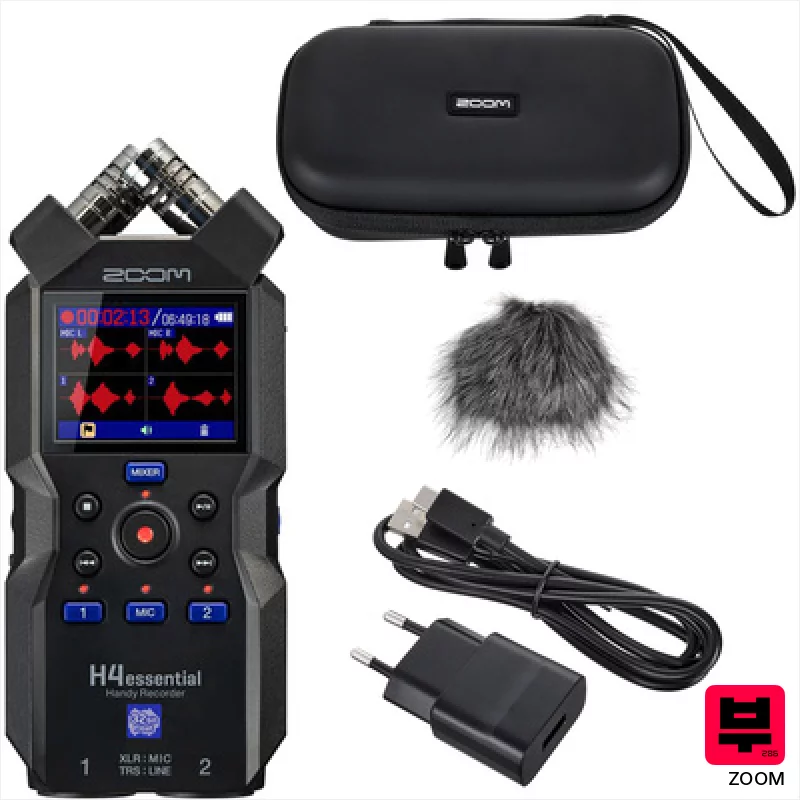
Zoom H4essential APH-4e Bundle
Portable Recorders
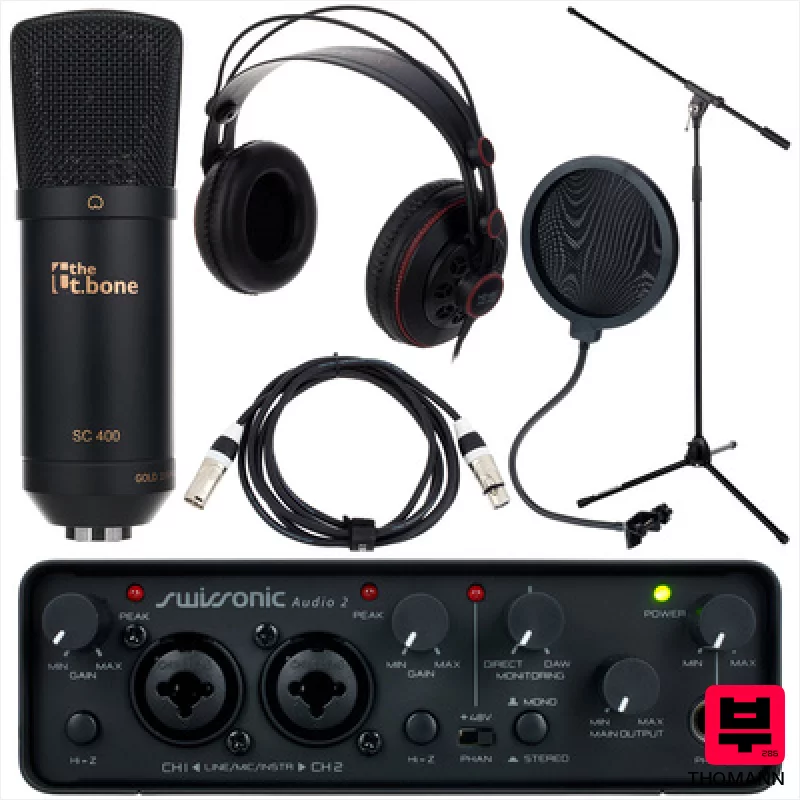
Thomann Home Studio Bundle
Studio Packages
Kawai K-200 ATX 4 WDB Piano
Pianos

