
Best Parametric Equalizers for Precision Eq 2026
Let's be honest, a graphic EQ's just not gonna cut it when you need surgical precision. We're talking about cleaning up muddiness in a bass DI, carving out space for a rhythm guitar to cut through a dense mix, or subtly shaping a vocal to sit just right. A good parametric EQ isn't just an effect; it's a problem-solver, and these are the ones that consistently deliver when you need to make those critical adjustments.
Last updated: July 15, 2026 • Next update: July 22, 2026
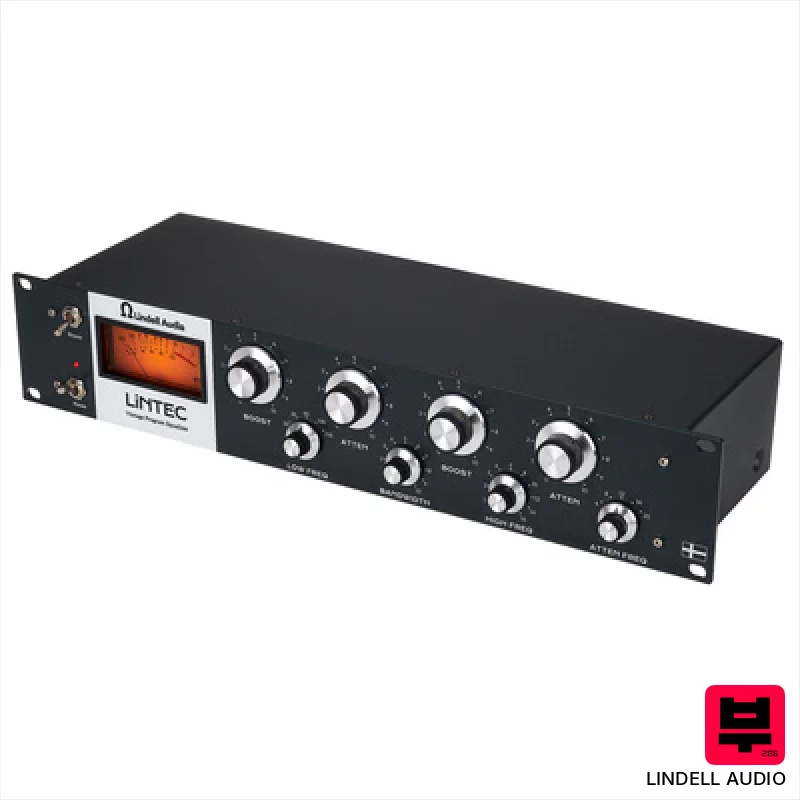
Lindell Audio LiNTEC
- • Gridded pots offer a unique, tactile feel and characterful response.
- • OPA1731 provides a clean, punchy sound with excellent transient response.
- • The flexible EQ ranges cover a surprisingly broad spectrum of tonal shaping.
- • Steel housing feels robust and contributes to a professional, weighty build quality.
- • Single-band design limits versatility compared to multi-band EQs.
- • 6.3mm jacks feel dated and less convenient than modern connectors.
- • Limited frequency selection may not suit all specific tonal needs.
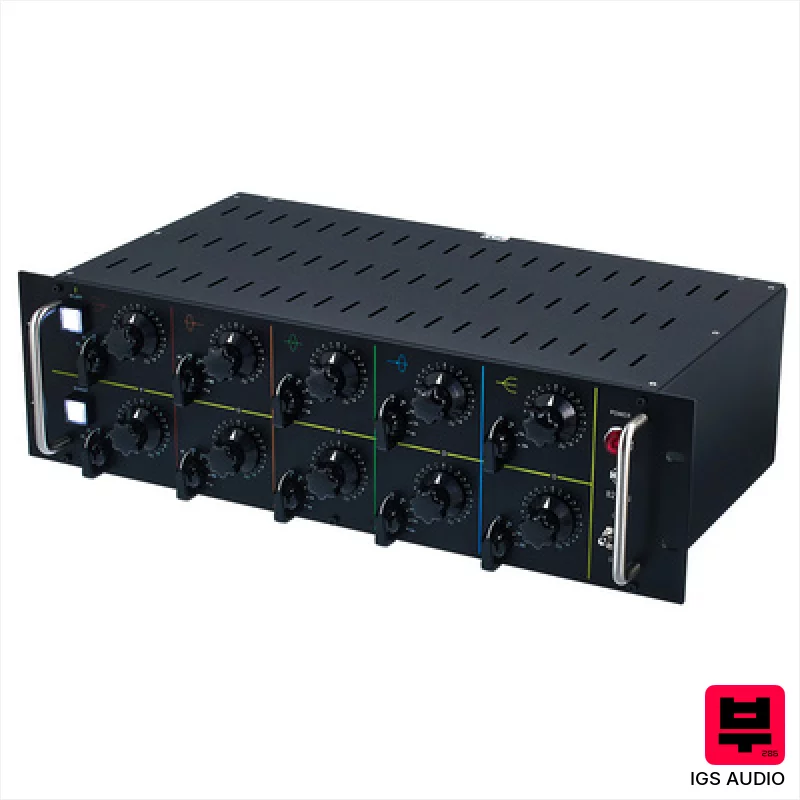
IGS Audio 825EQ
- • Tube warmth significantly enhances stereo mixes, adding harmonic richness.
- • ELMA switches offer reliable, tactile control and long-term durability.
- • Balanced UTM transformers provide exceptional isolation and pristine signal transfer.
- • Robust 19” rackmount design and solid build quality inspire confidence.
- • The fixed 5-band configuration limits versatility for complex equalization tasks.
- • High-end pricing puts it out of reach for many project studios or hobbyists.
- • Integrated power supply, while convenient, lacks the charm of a discrete external unit.
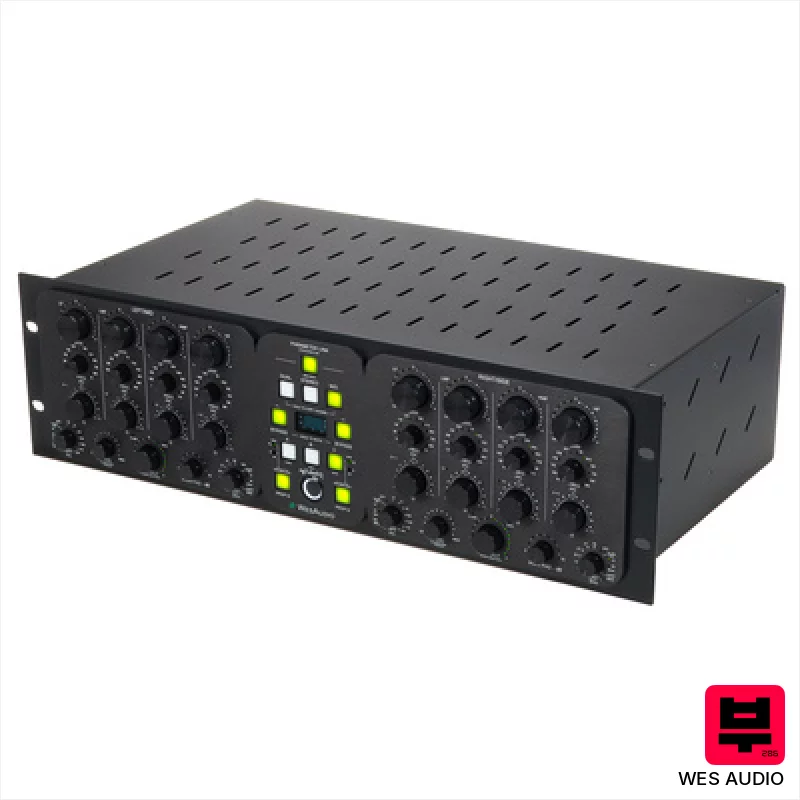
WES Audio ngTubeEQ
- • Carnhill output transformer delivers a signature warmth and harmonic richness.
- • Passive inductor bands provide exceptionally clean, musical equalization.
- • Flexible Mid-Side processing unlocks creative stereo and mono imaging.
- • Adjustable THD allows tailoring of the saturation character for desired vibe.
- • The substantial weight demands a sturdy rack and careful handling.
- • Limited frequency band control compared to fully parametric designs.
- • Premium-priced, making it inaccessible to many home studios.

Heritage Audio Motorcity EQualizer Stereo Set
- • Carnhill output transformer adds a desirable 'color' to the signal.
- • Limited frequency band selection compared to modern parametric EQs.

Heritage Audio LANG PEQ-2 Equalizer
- • Discrete Class A circuitry delivers a remarkably smooth, musical EQ response.
- • The extensive shelving filters offer surgical control over low and high frequencies.
- • Solid, weighty build with robust metal chassis inspires confidence and longevity.
- • The variable bandwidth control allows for subtle shaping or aggressive boosts.
- • The 2U height might be restrictive for smaller racks or mobile setups.
- • Single-channel design limits its application for complex stereo processing.
- • The grid controls, while classic, can feel less precise than rotary knobs.
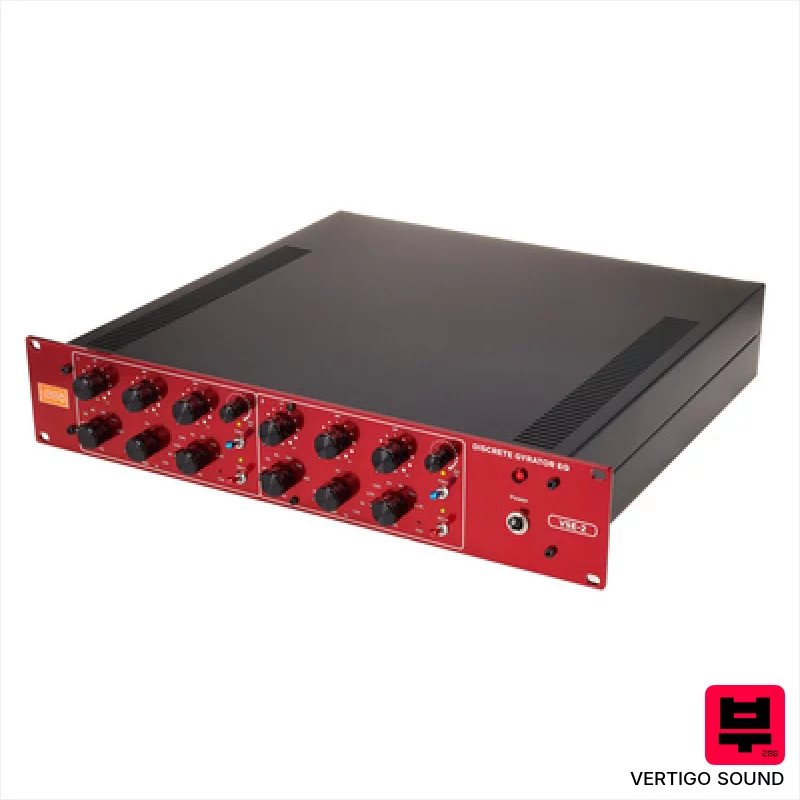
Vertigo Sound VSE-2
- • Discrete gyrator design delivers a uniquely musical and smooth tonal shaping.
- • Transformer input imparts a subtle warmth and harmonic richness to the signal.
- • A.I.R. mode provides a transparent boost without harshness or distortion.
- • Robust build quality; feels incredibly solid and durable for studio use.
- • High-end price point places it out of reach for many home studios.
- • Limited to three bands restricts complex, surgical EQ adjustments.
- • Size (2U) can be restrictive in smaller or crowded rack setups.

IGS Audio Rubber Bands
- • Carnhill/Edcor transformers impart a distinct, musical warmth.
- • Dual-block design delivers exceptional flexibility and tonal shaping.
- • 4-section EQ offers precise control over low and high frequencies.
- • Tube amp adds organic character, avoiding sterile digital processing.
- • High-end price point makes it inaccessible for many home studios.
- • 600 Ohm output impedance may require impedance matching with some gear.
- • Relatively heavy, typical of tube-based, transformer-laden equipment.
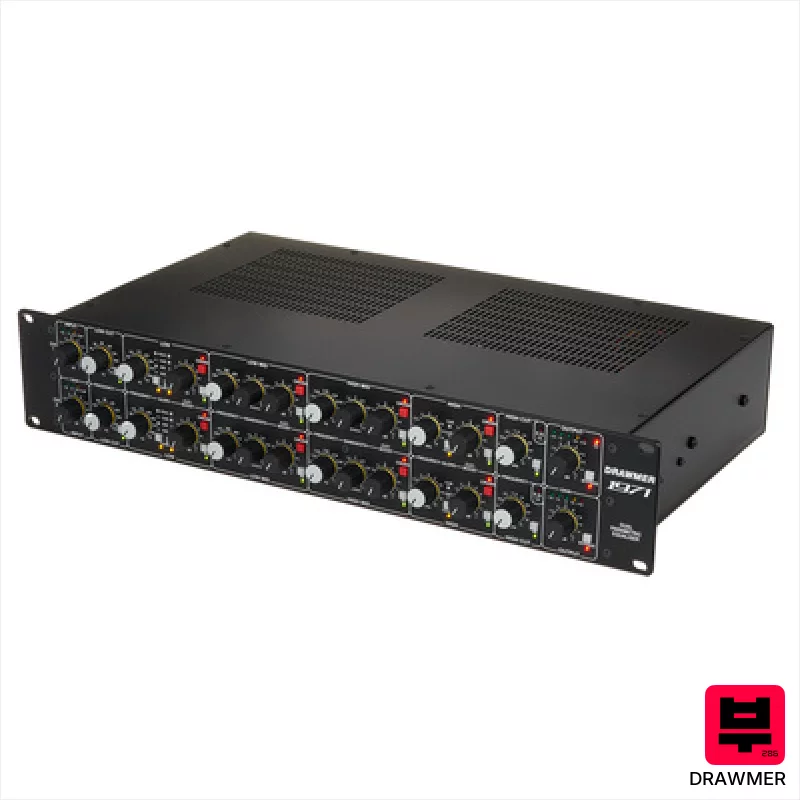
Drawmer 1971 Dual 4-Band Parametric
- • Drawmer's signature transparency delivers clean, precise tonal shaping.
- • Excellent filter slopes (up to 12dB/octave) offer surgical control.
- • Dual-mono design provides flexibility for stereo or mono processing.
- • Robust build quality; feels solid and dependable for studio use.
- • Limited bandwidth options compared to fully parametric equalizers.
- • The vintage design might feel slightly dated for modern workflows.
- • Premium-priced, making it a significant investment for smaller studios.
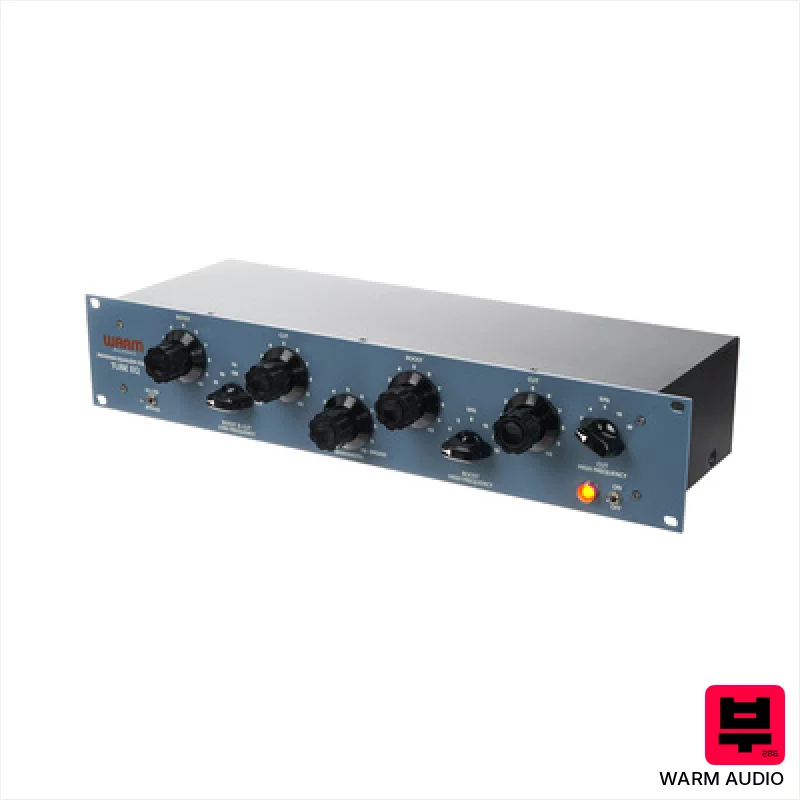
Warm Audio EQP-WA GainMod
- • CineMag transformers deliver a distinct, warm saturation and harmonic enhancement.
- • GainMod feature offers flexible gain staging between devices, crucial for mastering.
- • Discrete inductor EQ section provides precise control and musical shaping.
- • Premium tube complement (12AX7, 12AU7) contributes to a rich, vintage tone.
- • Single-channel design limits its utility for stereo processing workflows.
- • High-end price point puts it out of reach for budget-conscious studios.
- • EQ frequency options, while comprehensive, could feel overwhelming for beginners.
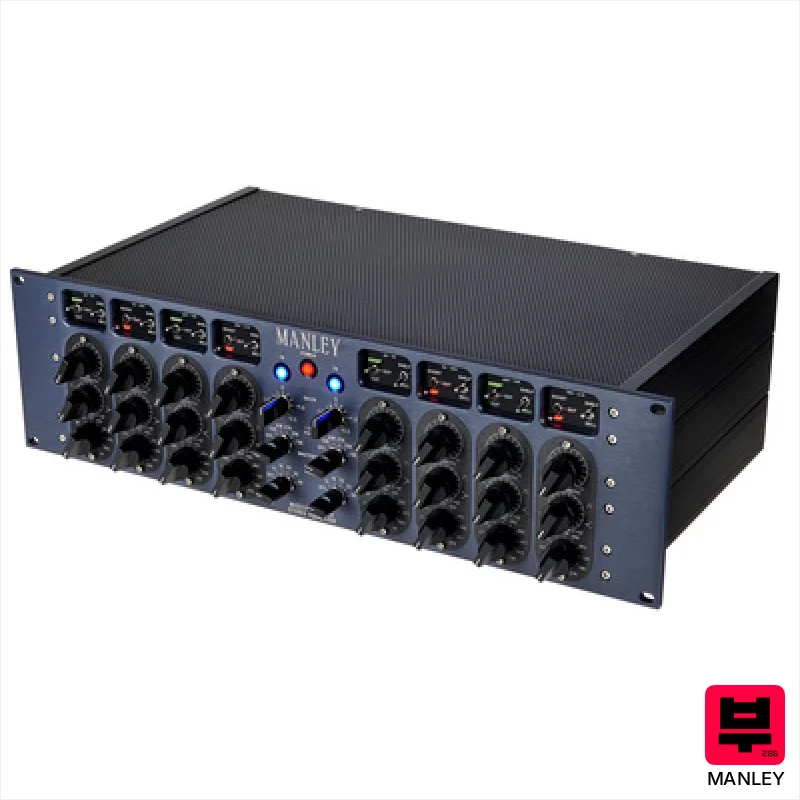
Manley Massive Passive Mastering
- • Immaculate build quality with robust, stepped potentiometers for precise recall.
- • Completely passive circuit delivers transparent, musical EQ without coloration.
- • Exceptional dynamic range and low noise floor for pristine mastering results.
- • Flexible band design with shelving and bell modes offers tonal versatility.
- • Significant weight demands a sturdy rack and careful handling.
- • Premium-priced, representing a substantial investment for most studios.
- • Limited frequency range compared to some more modern digital EQ options.
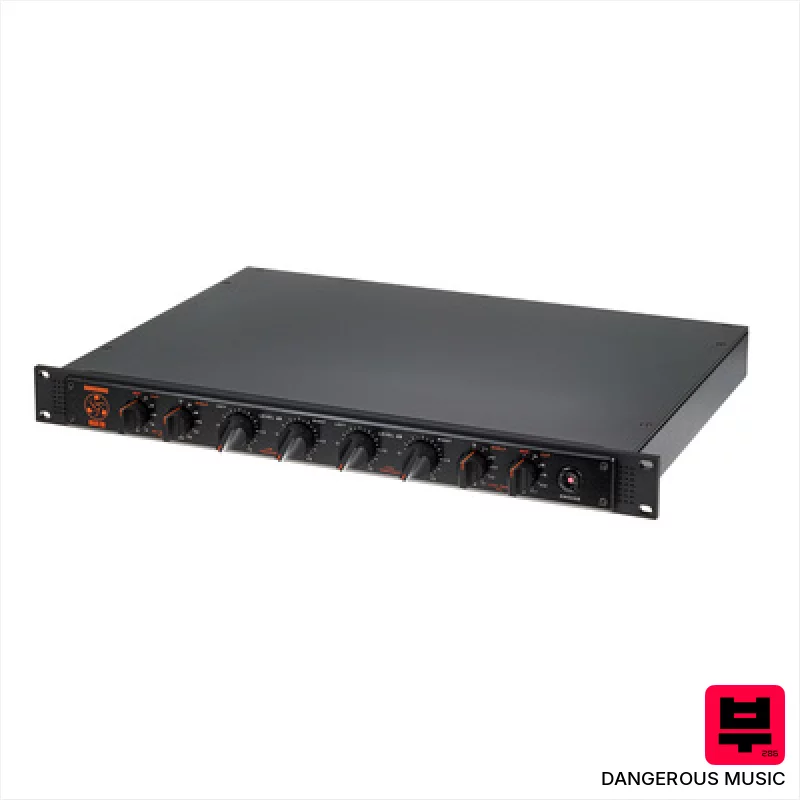
Dangerous Music BAX EQ
- • Screened potentiometers ensure exceptional repeatability and accuracy.
- • Relay-based filters maintain phase coherence across frequencies.
- • Wide Q shelving provides a natural, musical equalization response.
- • Ultra-low noise floor and distortion for pristine signal integrity.
- • The high price point places it out of reach for many studios.
- • Limited to two channels, restricting broader equalization tasks.
- • Relay-based filters, while phase-correct, introduce a tiny amount of latency.

Rolls RPQ 160b
- • Solid build quality; feels robust for its class.
- • Flexible Q control allows for precise tonal shaping.
- • Versatile XLR, TRS, and RCA connectivity caters to varied setups.
- • 4-band parametric EQ offers substantial corrective and creative options.
- • Limited channel count restricts complex signal routing.
- • Metering is basic; lacks detailed visual feedback.
- • EQ range (+/- 15dB) may be insufficient for extreme correction.
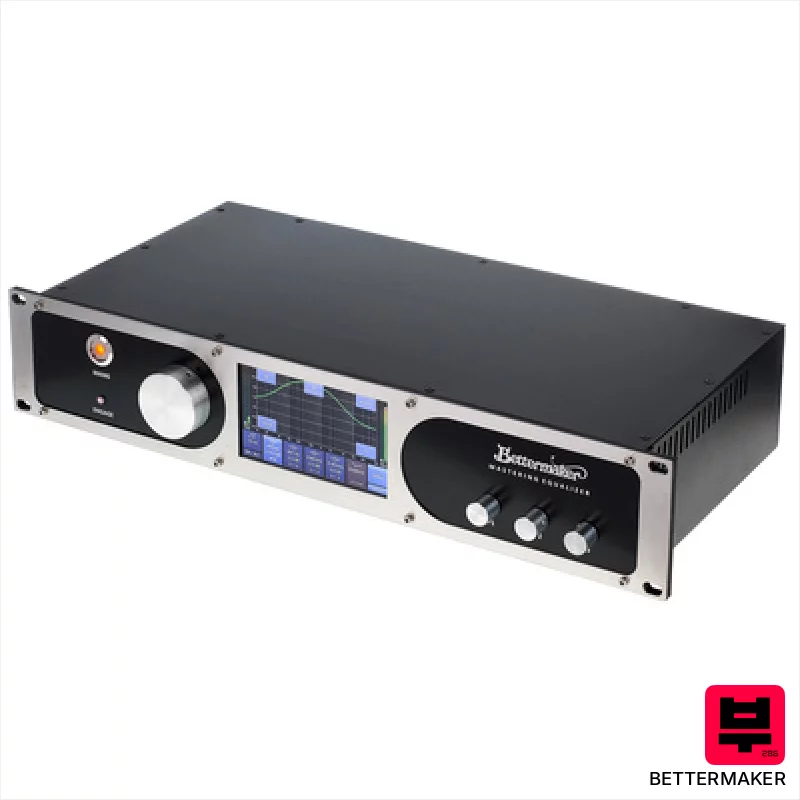
Bettermaker Mastering Equalizer
- • Exceptional sonic transparency with minimal phase shift
- • Mid/Side processing offers precise stereo image sculpting
- • Digital control paired with analog circuitry delivers flexibility
- • Auto-Q function simplifies complex equalization tasks
- • Premium-priced, a significant investment for most studios
- • Complex interface demands a learning curve for novice users
- • Size and weight make it less suitable for portable setups
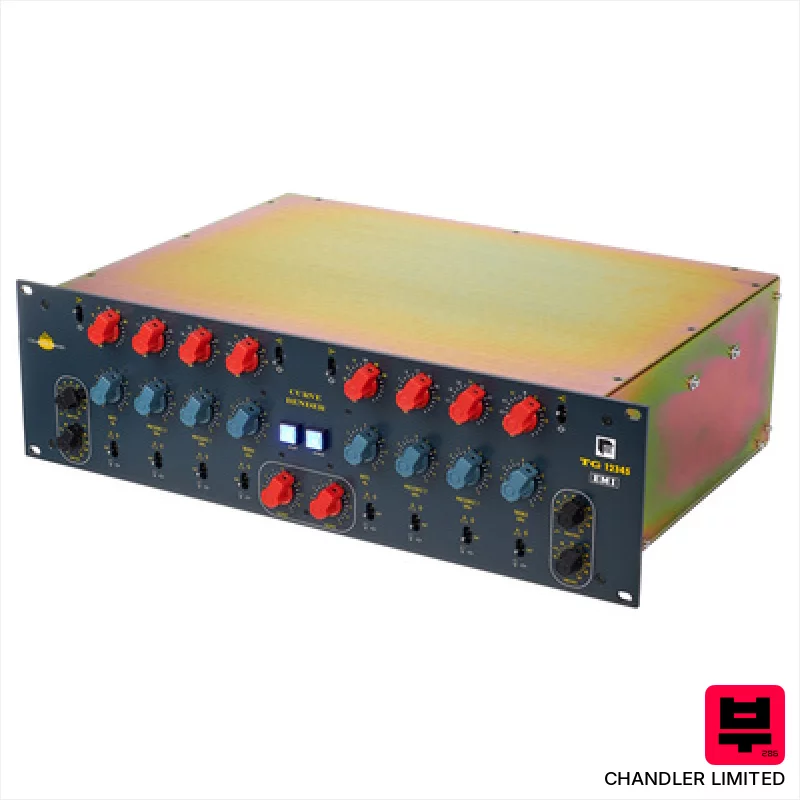
Chandler Limited EMI TG 12345 Curve Bender
- • Discrete transistor circuitry delivers a uniquely warm, harmonically rich tone.
- • The detented gain controls offer precise, repeatable EQ shaping.
- • Based on a legendary console, capturing Abbey Road’s signature sound.
- • Robust 19-inch rackmount build ensures durability for studio use.
- • The price point places it firmly in the high-end, professional category.
- • Requires a separate power supply, adding to the overall investment.
- • Limited versatility compared to more flexible parametric equalizers.
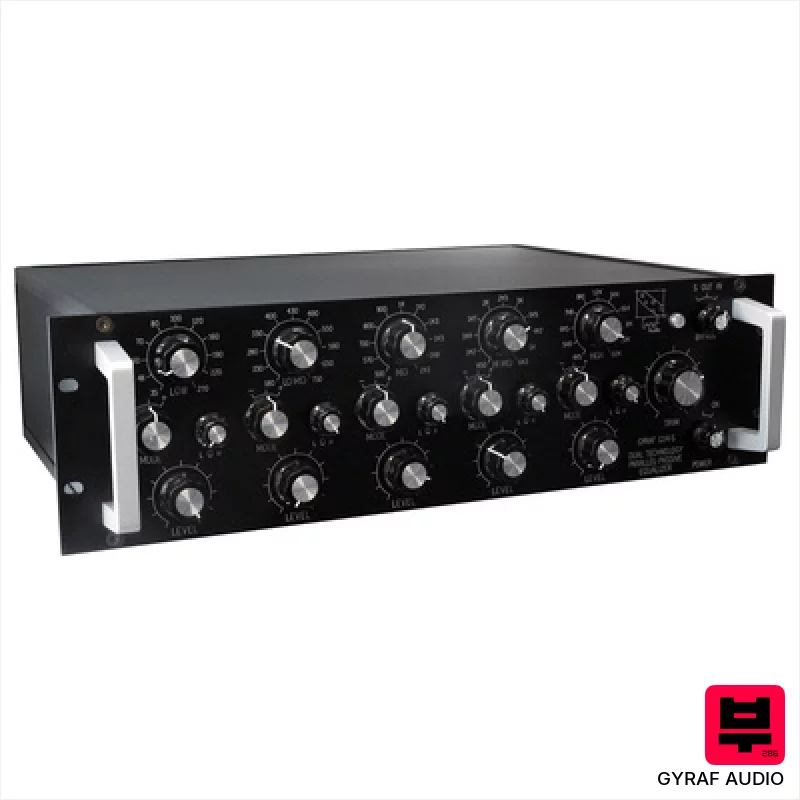
Gyraf Audio G14-S
- • Passive design delivers exceptionally clean, musical equalization without phase shift.
- • 6H23n tubes impart a subtle warmth and harmonic richness, switchable to solid-state.
- • Relay bypass ensures a completely transparent bypass, preserving the signal integrity.
- • Robust, 3U rack construction feels incredibly solid and durable for studio use.
- • High-end price point places it firmly in the professional studio market.
- • 230V mains requirement limits usability for many users without a voltage converter.
- • Passive design requires more gain staging consideration; may need preamp support.
How to Choose the Best Parametric Equalizers
Bandwidth Control
This is the big one. A narrow Q allows for pinpoint corrections - think surgically removing a resonant frequency that's muddying up a bass tone. A wider Q can be used for broader tonal shaping, but the control needs to be precise. Some cheaper units have stepped bandwidths which feel clunky and limit accuracy.
Filter Types (Peak/Shelf/Notch)
Peak is your bread and butter for boosting or cutting, but shelf EQs are essential for broad tonal adjustments, and a notch filter is invaluable for removing problem frequencies like hum or feedback. A versatile EQ will offer all three.
Frequency Range
Covering a wide frequency spectrum is crucial. You need to be able to address low-end rumble all the way up to harsh high-frequency artifacts. Limited ranges can feel restrictive and force compromises.
Automation Capabilities
If you're recording, the ability to automate EQ changes is essential for dynamic mixes. Some units have limited or no automation, making them less useful for complex tracking or mixing scenarios.
Noise Floor
Subtle EQ changes can be easily masked by unwanted noise. A clean, low-noise floor is vital, especially when making delicate adjustments. Cheap EQs often introduce hiss or hum that compromises the overall signal.
Buying Guide
Don't be fooled by a ton of bells and whistles. A parametric EQ's value lies in its precision, so look for clean operation and precise control. Stepped controls can be a compromise - they're cheaper to implement, but they lack the finesse of continuously variable knobs. Paying more often buys you a quieter noise floor and more granular control, but a well-used, older analog EQ can still deliver amazing results if you know what you're doing.
Our Methodology
We don't just look at specs here. We've spent countless hours A/B'ing these EQs through various rigs - from bedroom recording setups to loud club gigs - running them on guitars, basses, vocals, and drums. It's about how they feel under your fingers, how transparent they are, and how they truly impact the sound in a real-world context, not just in a sterile lab.

