
Best Other Classical Guitars Under $300 2026
So, you're looking for a classical guitar that won't drain your gigging budget or your student's savings? It's a tough ask - good classical guitars usually command a premium. But there are decent options under $300 that'll get you playing without sounding like a tin can. Let's be realistic; you're not getting a Ramirez, but we can find something that actually inspires you.
Last updated: April 11, 2026
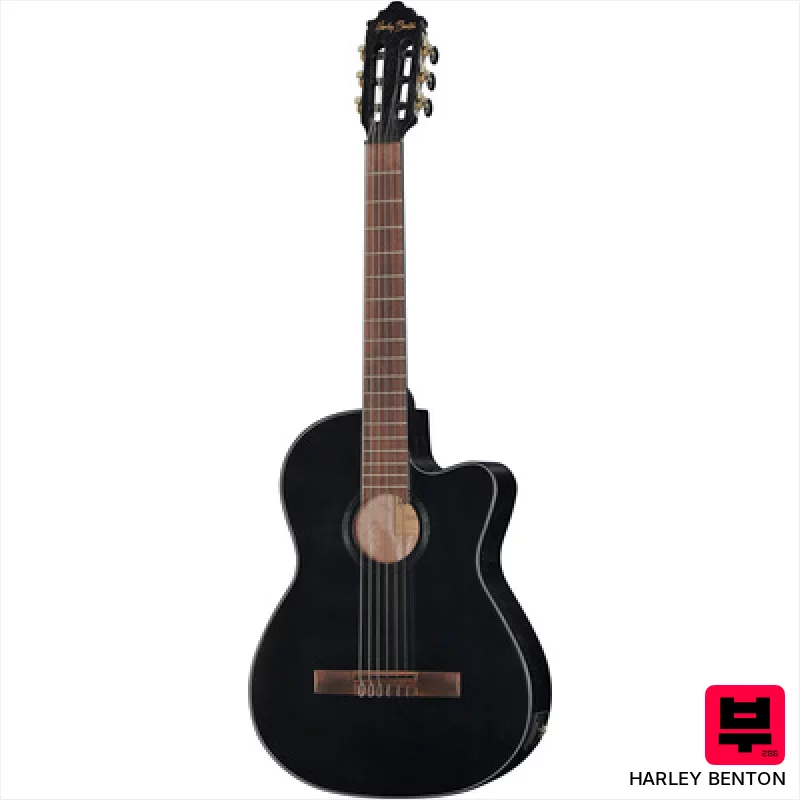
Harley Benton CG-400CE Thinline BK
- • Spruce top delivers a surprisingly balanced and articulate tone for the price.
- • Okume body provides lightweight comfort, ideal for extended playing sessions.
- • Carbon-reinforced neck enhances stability and reduces unwanted string bending.
- • Integrated chromatic tuner is genuinely useful for quick on-the-fly adjustments.
- • Okume body, while lightweight, lacks the tonal richness of mahogany or rosewood.
- • ABS binding feels a bit cheap compared to traditional wood binding.
- • Blackwood Tec fretboard, while playable, might not offer the same feel as ebony.
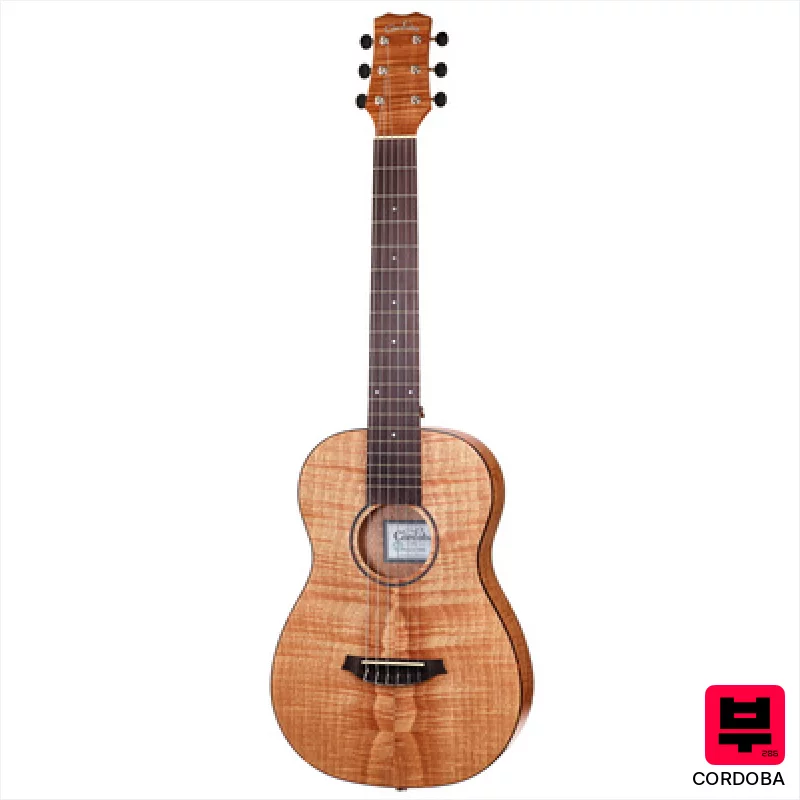
Cordoba Mini II FMH
- • Flamed mahogany top delivers a warm, focused, and surprisingly articulate tone.
- • Compact size makes it incredibly comfortable for travel and smaller players.
- • Bone nut and saddle contribute to improved sustain and clarity compared to plastic alternatives.
- • Savarez Cristal Corum strings offer a balanced, bright sound ideal for various styles.
- • Composite fretboard, while durable, lacks the feel and tonal complexity of ebony.
- • Flamed mahogany can be visually inconsistent – grain patterns vary between instruments.
- • Limited upper fret access due to the smaller body size can hinder advanced techniques.
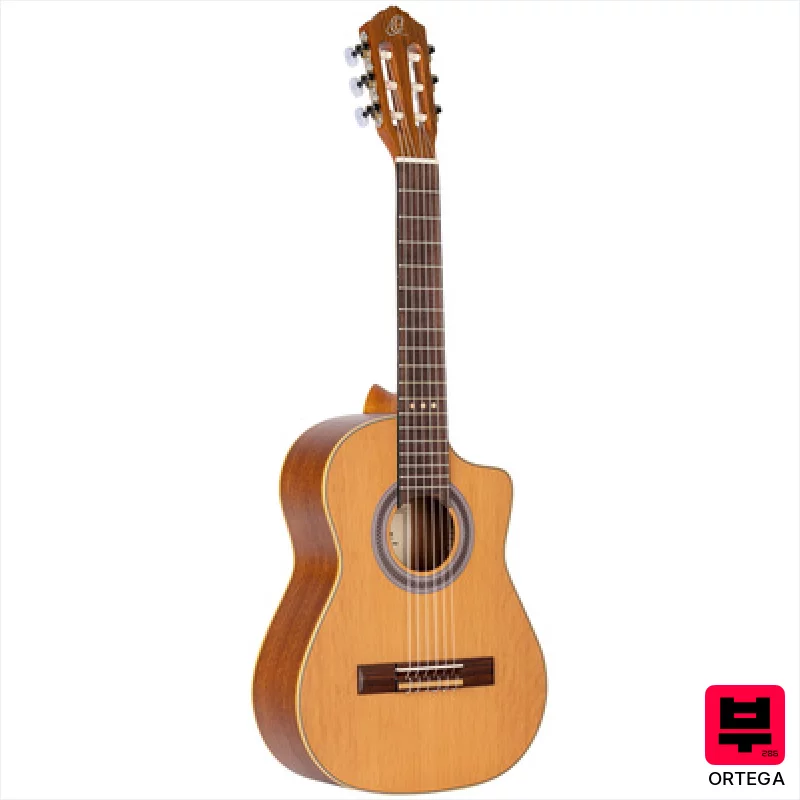
Ortega RQ39 Requinto
- • Solid cedar top provides a warm, responsive fundamental tone.
- • Okoume neck offers a comfortable, stable playing experience.
- • 535mm scale length suits smaller hands and faster playing.
- • Cutaway allows easy access to higher frets for expanded range.
- • Sapele back and sides, while attractive, limit overall projection.
- • Walnut fingerboard can feel slightly harder than rosewood for some players.
- • Nature matte finish might not appeal to those preferring a glossier aesthetic.
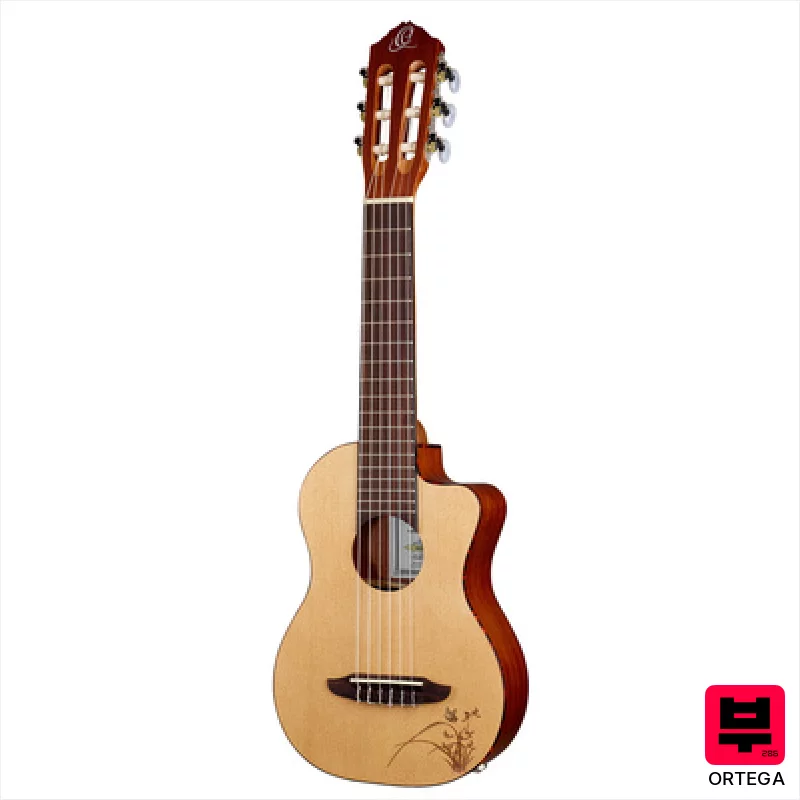
Ortega RGL5CE Guitarlele
- • Spruce top delivers a surprisingly bright and articulate tone for a guitalele.
- • Mahogany back and sides add warmth and a pleasant resonance.
- • Ortega Magus Uke pickup system provides a usable amplified sound for stage.
- • Walnut fretboard and bridge offer a refined feel and contribute to sustain.
- • 435mm scale length limits low-end response and string tension.
- • Natural satin finish can feel a bit thin and prone to fingerprints.
- • Limited tuning versatility; primarily suited for standard guitalele tuning.
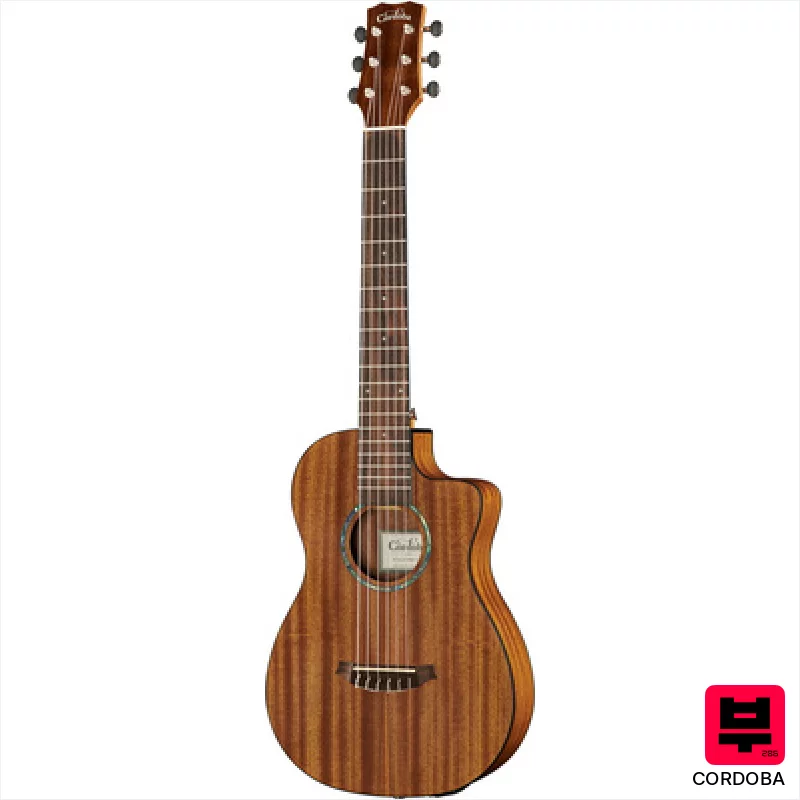
Cordoba Mini II MH-CE
- • Mahogany top delivers a warm, focused tone suitable for various playing styles.
- • Cordoba MG102 preamp offers excellent onboard tuning and EQ control.
- • Abalone rosette adds a touch of elegance and improves the guitar’s aesthetic appeal.
- • Compact size and lighter weight make it ideal for travel and smaller players.
- • All-mahogany construction can lack the projection of guitars with spruce tops.
- • Satin finish, while attractive, may feel less refined than gloss finishes.
- • Short scale length limits low-end response and can feel cramped for larger hands.
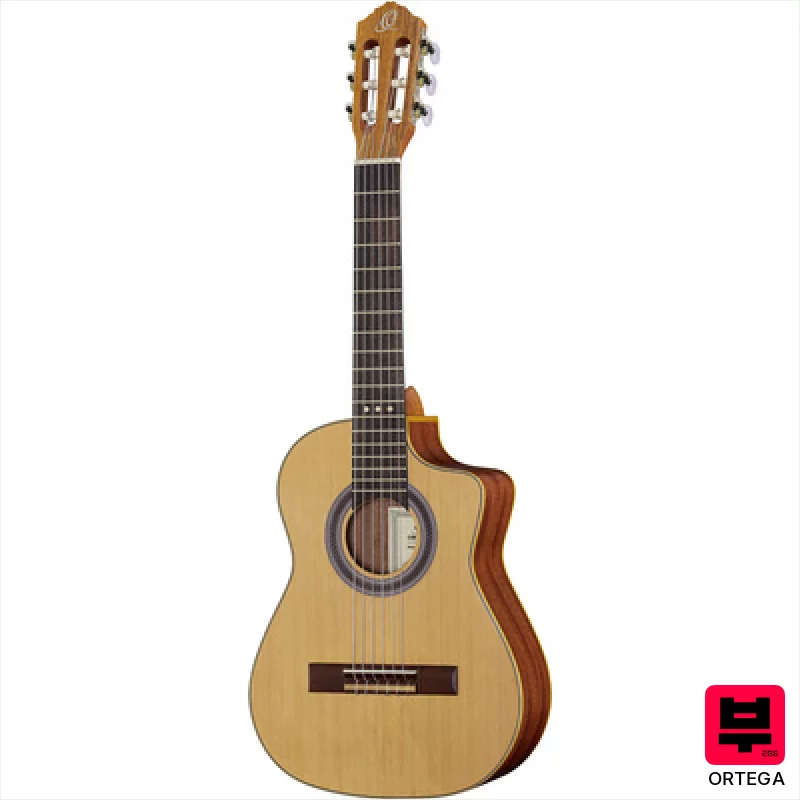
Ortega RQC25 Requinto
- • Cedar top provides a warm, responsive fundamental tone.
- • Okoum neck offers stability and a comfortable playing feel.
- • Walnut fingerboard contributes to a smooth, articulate response.
- • 535mm scale suits smaller hands or those preferring a tighter feel.
- • Sapele back and sides may lack the projection of rosewood.
- • Matte finish can feel less refined than gloss finishes.
- • Requinto tuning requires adapting to a higher register.
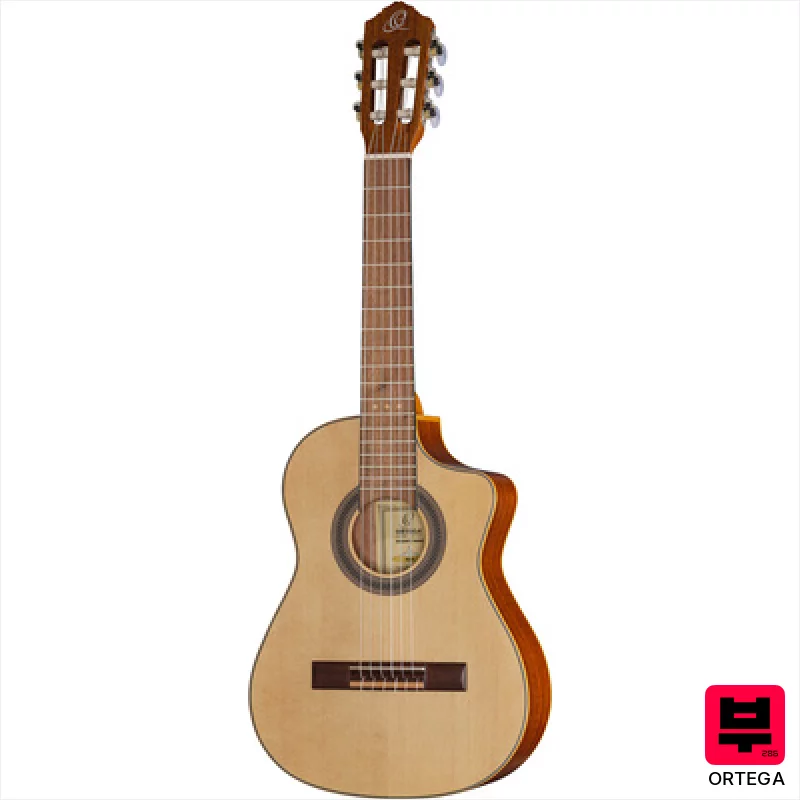
Ortega RQ25 Requinto
- • Spruce top provides a bright, responsive tone suitable for agile playing.
- • Sapele back and sides offer warmth and projection at this price point.
- • Okoume neck delivers a comfortable feel and good stability.
- • 535mm scale length is ideal for smaller hands and quicker runs.
- • Sapele's tonal complexity won't match more premium rosewood options.
- • Walnut fretboard may feel slightly harder than ebony to some players.
- • Matte finish, while attractive, can show fingerprints more readily.
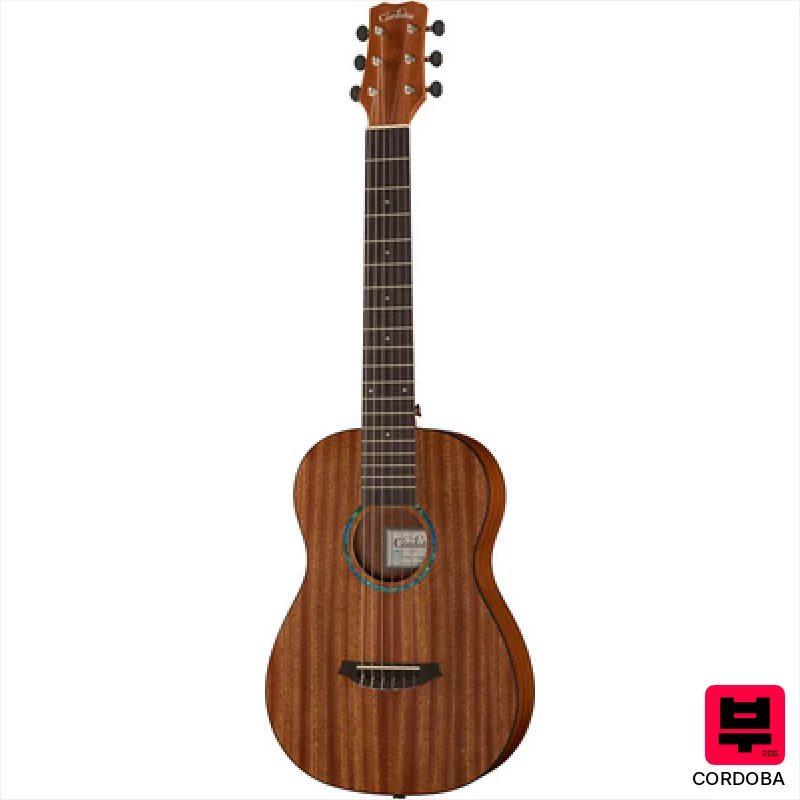
Cordoba Mini II MH
- • Solid mahogany top delivers a warm, focused tone with surprising projection
- • Pau Ferro fretboard offers a smooth playing experience and good durability
- • Compact size and lighter weight make it ideal for travel and smaller players
- • Well-fitted silver/black machine heads provide stable and accurate tuning
- • Mahogany construction limits sustain compared to guitars with spruce tops
- • Nut width of 48 mm might feel narrow for players accustomed to wider classical necks
- • The all-mahogany build can sound a bit 'boxy' compared to guitars with a more complex tonewood combination
How to Choose the Best Other Classical Guitars
Tone
At this price, expect a balanced tone, but don't expect miracles. You'll likely get a decent fundamental, but the overtones might be a little muted. Look for something that isn't overly bright or boxy - that 'ice-picky' top end is a real pain in a live setting.
Playability (Action & Neck Profile)
The action (string height) is crucial. Too high, and it's a struggle; too low, and you'll get fret buzz. A comfortable neck profile is also key - a thick, unwieldy neck can kill your technique.
Build Quality (Bracing & Finish)
Solid tops (usually spruce) are preferable, but laminated tops are common here. Bracing is vital for sustain and tone - check for clean bracing work. The finish will be basic, likely a thin gloss, but look for evenness and absence of major blemishes.
Materials (Top Wood & Back/Sides)
Solid spruce tops are the sweet spot. Back and sides are often mahogany or sapele - they're serviceable, but don't expect the complex harmonic richness of rosewood. The wood choices dictate a lot of the guitar's character.
Projection & Articulation
Can the guitar cut through a band rehearsal? Does it articulate cleanly, or do the notes blur together? Good projection doesn't mean volume; it means clarity and definition - essential for solo performance or accompanying vocals.
Buying Guide
Realistically, at this price point, you're trading something. Often, it's wood quality - expect laminated backs and sides. The action will likely need adjustment - factor in a setup cost (around $50-80). Don't chase 'big' sound; look for something responsive and comfortable to play, and you can always improve the tone later with strings and a proper setup.
How This List Is Built
We don't play these instruments — we're a catalog, not a review desk, and we'd rather say so than pretend otherwise. This page ranks 8 other classical guitars from the Thomann catalogue, which is the largest single source of specification data in this category.
Position is computed, not curated. Four signals, in order of weight: how completely the manufacturer documents the instrument (number of published specifications), where it sits in the price range, how specific the model designation is — which filters out generic accessories — and whether a product image exists. The same inputs always produce the same order, so nothing here is shuffled to look fresh.
What this list is good for: narrowing a category down to a shortlist by spec and budget. What it isn't: a substitute for hearing an instrument. Before you buy, read hands-on reviews and, where you can, play it. Full methodology.

