
Best Ortega Other Classical Guitars 2026
Okay, so you're looking beyond the standard Ramirez and Alhambra in the classical guitar world? Smart move. Ortega has been quietly building a serious reputation for themselves, especially with their "Other" models - the ones that aren't your typical concert-hall instruments. They've carved out a niche for guitars that are surprisingly versatile, often incorporating elements you just don't see in traditional classical builds, and offering a unique blend of affordability and character.
Last updated: April 11, 2026
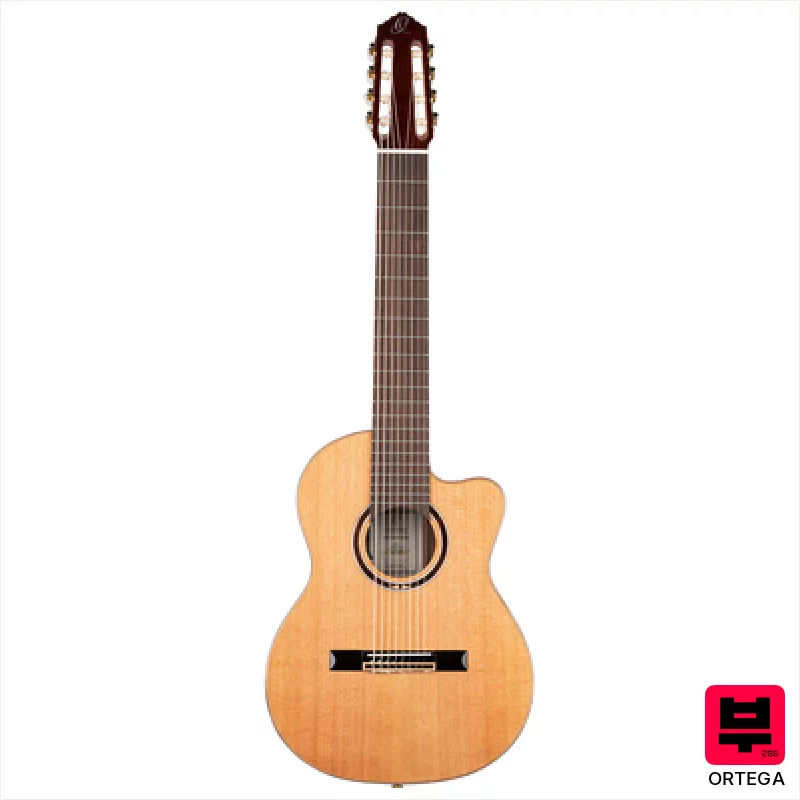
Ortega RCE159RW-8
- • Solid cedar top delivers a warm, responsive, and articulate tone, excellent for classical and fingerstyle.
- • Rosewood back and sides add depth and sustain, creating a richer, more complex sonic palette.
- • MagusFly/G-8 pickup system offers surprisingly clean amplified tone, useful for recording and small gigs.
- • Ortega Otmstd-gowh tuners provide reliable tuning stability, crucial for precise classical playing.
- • Okoume neck, while stable, may not offer the same premium feel as a mahogany or Spanish cedar neck.
- • Rosewood binding, while aesthetically pleasing, adds a bit of weight compared to simpler binding options.
- • 8-string configuration limits versatility outside of classical and fingerstyle applications.

Ortega RCE158RW-8
- • Solid spruce top delivers a bright, resonant tone with excellent projection.
- • Rosewood back and sides add warmth and sustain, complementing the spruce.
- • MagusFly/G-8 pickup system provides a surprisingly natural amplified sound.
- • Okoume neck offers a comfortable playing feel and good stability.
- • Rosewood binding, while attractive, can be prone to slight finish checking over time.
- • The 8-string configuration limits versatility for players accustomed to standard 6-string guitars.
- • The high-gloss finish may feel a bit slippery for some players, especially in humid conditions.
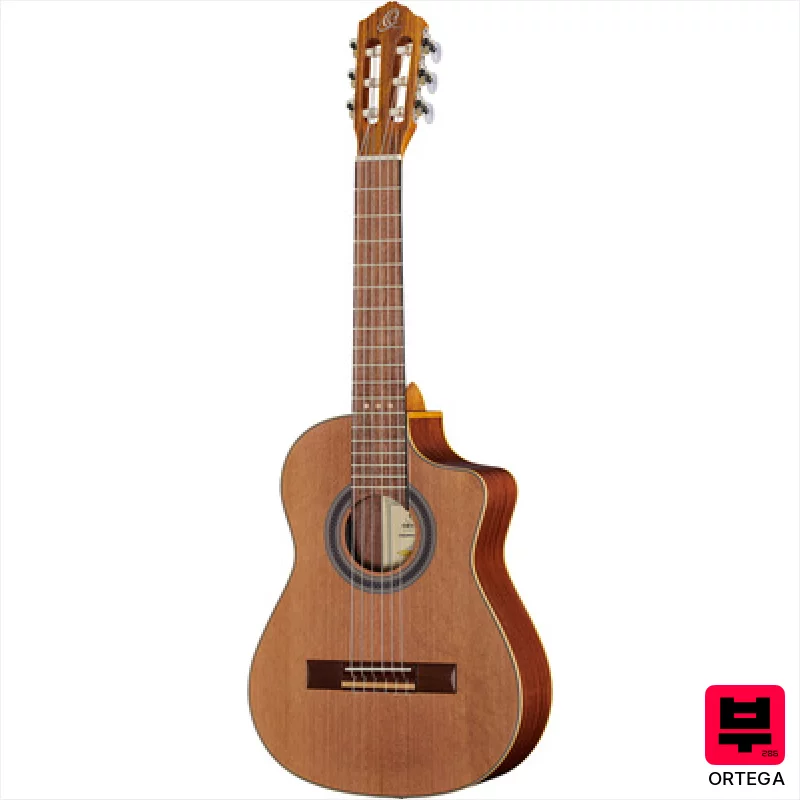
Ortega RQ39E Requinto
- • Solid cedar top delivers warm, responsive tone ideal for classical and flamenco
- • Okoume neck offers comfortable playability and good stability
- • Ortega Magusho pickup system provides usable amplified sound without harshness
- • Sapele back and sides add projection and sustain to the overall tone
- • Sapele can occasionally exhibit a slightly 'boxed-in' resonance compared to rosewood
- • Cutaway access is somewhat restricted, impacting higher fret reach
- • Nut width of 50mm might feel narrow for players accustomed to wider classical necks
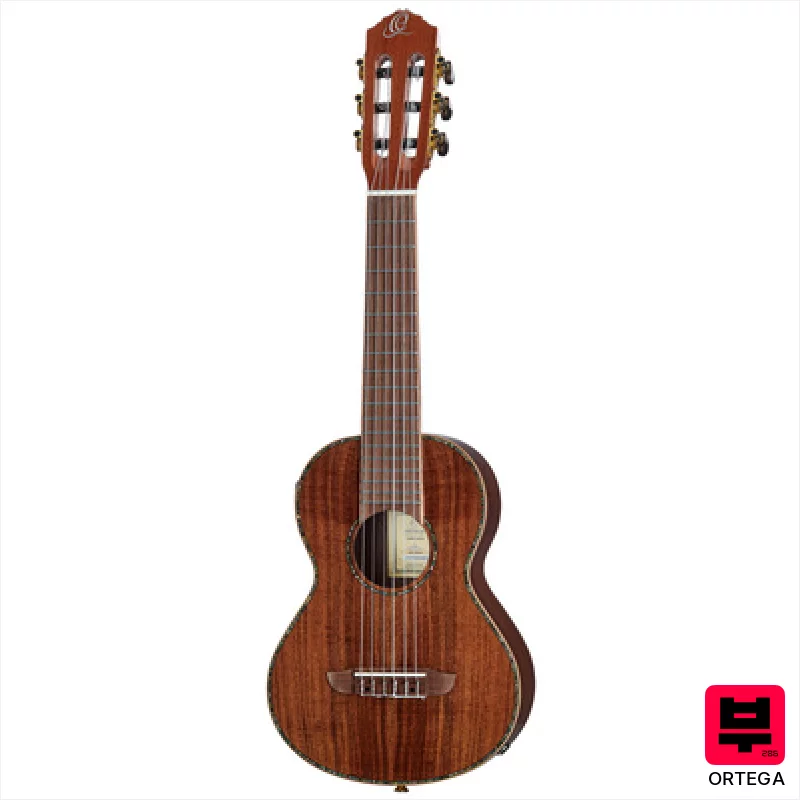
Ortega RGLE18ACA
- • Solid acacia top delivers a surprisingly warm and resonant tone, especially for a guitarlele.
- • Ortega MagusUke pickup provides usable amplified sound; decent for small gigs or practice.
- • Walnut fingerboard offers a smooth playing experience with a pleasant feel under the fingers.
- • Gold-plated machine heads ensure stable tuning, a nice touch at this price point.
- • Acacia back and sides, while visually appealing, limit the overall projection compared to rosewood.
- • Guitarlele scale length restricts versatility; not ideal for players accustomed to full-size guitars.
- • The natural high gloss finish, while attractive, can be prone to fingerprints and requires care.
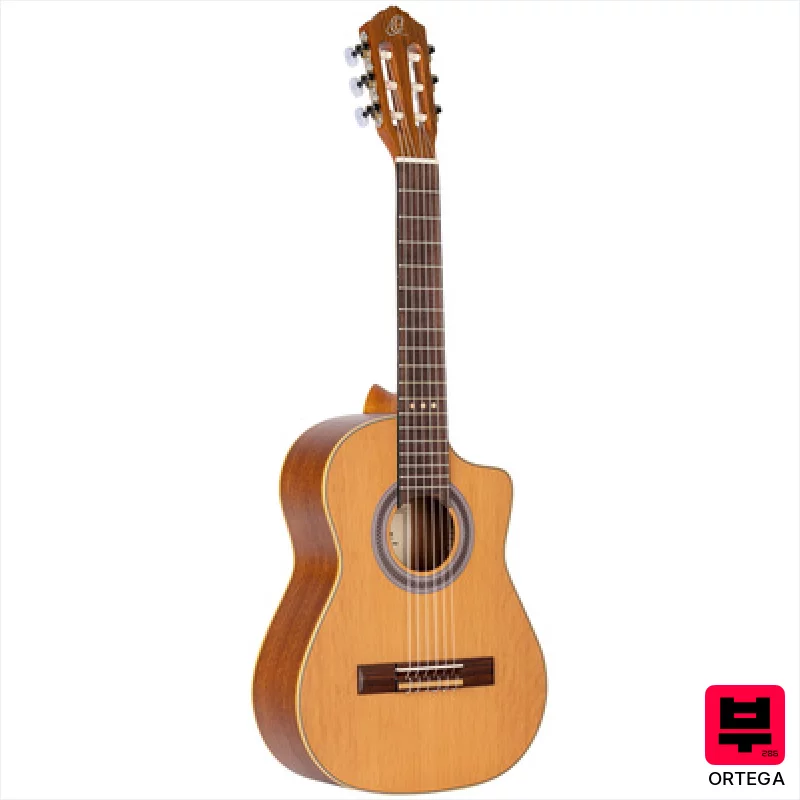
Ortega RQ39 Requinto
- • Solid cedar top provides a warm, responsive fundamental tone.
- • Okoume neck offers a comfortable, stable playing experience.
- • 535mm scale length suits smaller hands and faster playing.
- • Cutaway allows easy access to higher frets for expanded range.
- • Sapele back and sides, while attractive, limit overall projection.
- • Walnut fingerboard can feel slightly harder than rosewood for some players.
- • Nature matte finish might not appeal to those preferring a glossier aesthetic.
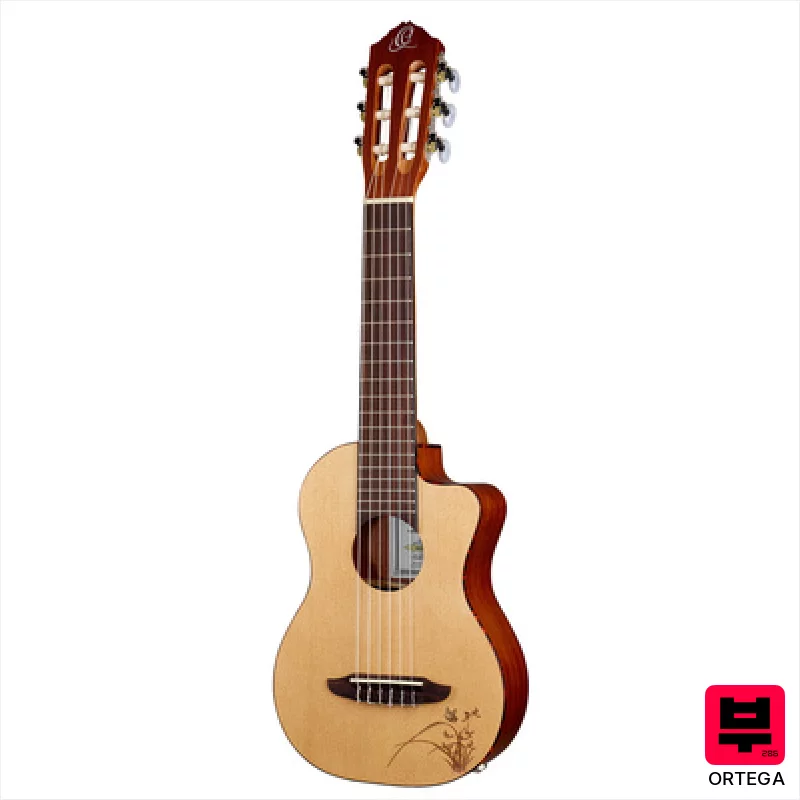
Ortega RGL5CE Guitarlele
- • Spruce top delivers a surprisingly bright and articulate tone for a guitalele.
- • Mahogany back and sides add warmth and a pleasant resonance.
- • Ortega Magus Uke pickup system provides a usable amplified sound for stage.
- • Walnut fretboard and bridge offer a refined feel and contribute to sustain.
- • 435mm scale length limits low-end response and string tension.
- • Natural satin finish can feel a bit thin and prone to fingerprints.
- • Limited tuning versatility; primarily suited for standard guitalele tuning.
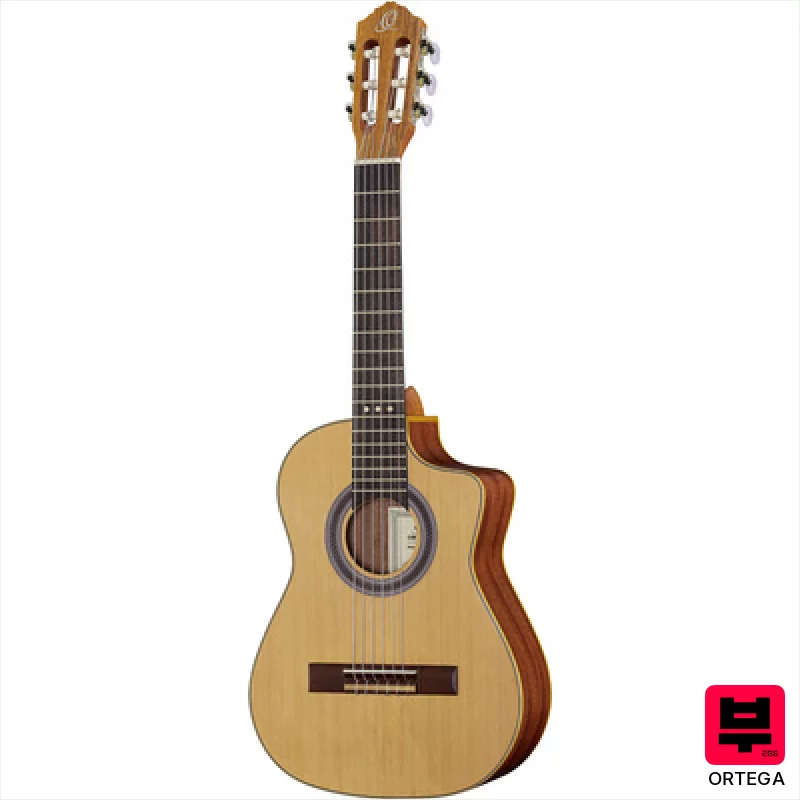
Ortega RQC25 Requinto
- • Cedar top provides a warm, responsive fundamental tone.
- • Okoum neck offers stability and a comfortable playing feel.
- • Walnut fingerboard contributes to a smooth, articulate response.
- • 535mm scale suits smaller hands or those preferring a tighter feel.
- • Sapele back and sides may lack the projection of rosewood.
- • Matte finish can feel less refined than gloss finishes.
- • Requinto tuning requires adapting to a higher register.
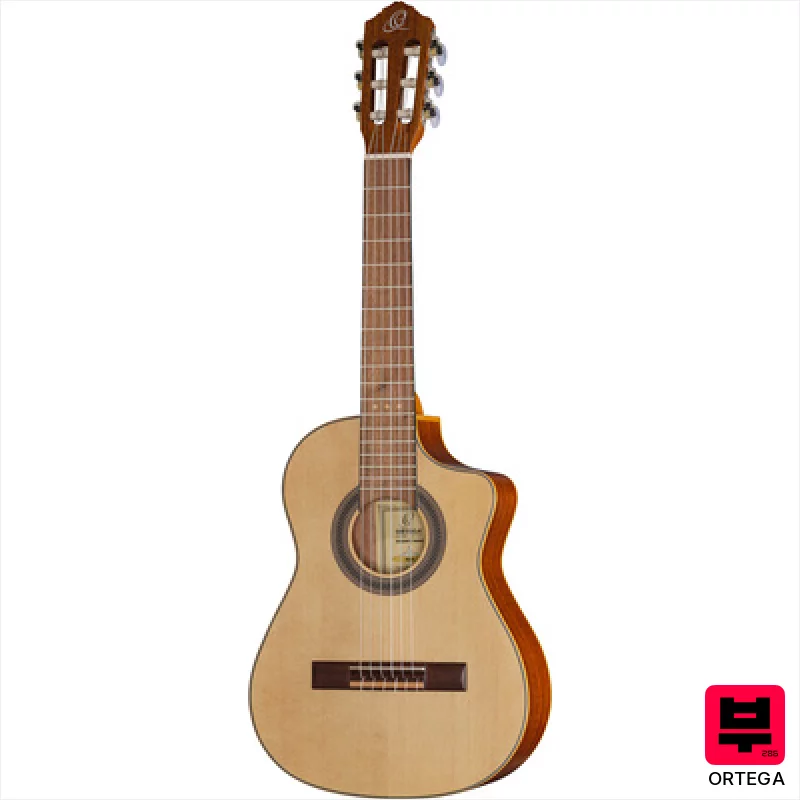
Ortega RQ25 Requinto
- • Spruce top provides a bright, responsive tone suitable for agile playing.
- • Sapele back and sides offer warmth and projection at this price point.
- • Okoume neck delivers a comfortable feel and good stability.
- • 535mm scale length is ideal for smaller hands and quicker runs.
- • Sapele's tonal complexity won't match more premium rosewood options.
- • Walnut fretboard may feel slightly harder than ebony to some players.
- • Matte finish, while attractive, can show fingerprints more readily.
How to Choose the Best Other Classical Guitars
Solid Top Wood (Often Spruce or Cedar)
Ortega's willingness to use solid tops, even on their more affordable models, makes a noticeable difference in projection and sustain. Spruce tends to offer a brighter, more articulate tone - great for cutting through a band mix - while cedar delivers a warmer, more immediate response, ideal for intimate recordings or softer playing.
Fan Bracing Patterns
Many Ortega "Other" models utilize less traditional fan bracing patterns, which contribute to a more complex harmonic spectrum. You get a little more 'air' around the notes, a subtle shimmer that's often missing in more standard braced guitars. It's not a huge difference, but it's what gives them their distinct character.
Scale Length Variations
Ortega isn't afraid to play with scale length, sometimes opting for slightly shorter lengths. This can make them feel more comfortable to play, especially for players with smaller hands or those who prefer a lower action, but it can subtly impact the fundamental tone - a bit less low-end thump, but often improved articulation.
Integrated Electronics (RMC System)
A lot of these guitars come equipped with Ortega's RMC pickup system. While not going to compete with a K&K, it's surprisingly usable - especially after a little tweaking of the EQ. The voicing isn't overly bright or ice-picky, which is a huge plus for live performance or recording when you want a natural amplified tone.
Finish and Build Quality
Ortega generally offers solid build quality for the price. The finishes aren't museum-grade, but they're functional and protect the wood. Watch out for overly thick finishes, which can dampen the guitar's resonance - a common compromise at this price point.
Buying Guide
Don't expect a Stradivari in a box. Ortega's strength lies in providing a unique voice and a comfortable playing experience without breaking the bank. The solid top is the key upgrade to look for. Be mindful of the scale length - shorter scales are easier to play, but you might sacrifice a little low-end presence. And if you're planning on amplified gigs, the RMC system is a real convenience.
How This List Is Built
We don't play these instruments — we're a catalog, not a review desk, and we'd rather say so than pretend otherwise. This page ranks 8 other classical guitars from the Thomann catalogue, which is the largest single source of specification data in this category.
Position is computed, not curated. Four signals, in order of weight: how completely the manufacturer documents the instrument (number of published specifications), where it sits in the price range, how specific the model designation is — which filters out generic accessories — and whether a product image exists. The same inputs always produce the same order, so nothing here is shuffled to look fresh.
What this list is good for: narrowing a category down to a shortlist by spec and budget. What it isn't: a substitute for hearing an instrument. Before you buy, read hands-on reviews and, where you can, play it. Full methodology.

