
Best Other Classical Guitars 2026
So, you're past the Ramirez and Alhambra phase, huh? Good. This section dives into 'other' classical guitars - those builders and models that aren't the usual suspects, but often offer a serious step up in tone, projection, or just plain character. We're talking about guitars that might not be household names, but are seriously respected by players who demand more than just a basic nylon-string experience. Let's find you something that sings.
Last updated: April 11, 2026
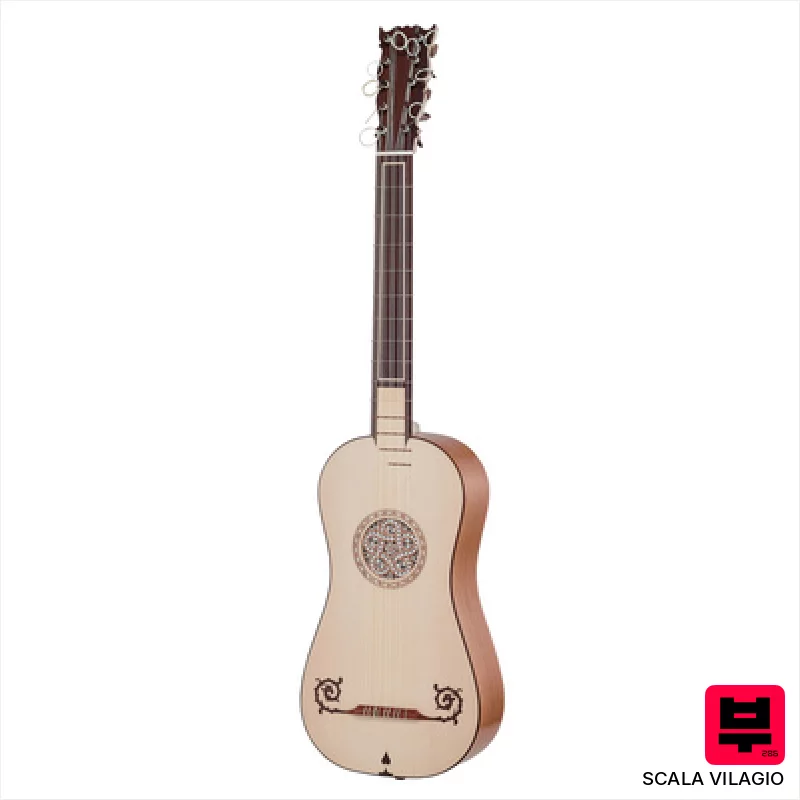
Scala Vilagio T.H. Baroque Guitar Stradivari
- • Alpine spruce top delivers a clear, resonant, and surprisingly powerful tone
- • Cherry wood back and sides provide warmth and a focused midrange
- • Handmade construction by Tibor Haluscak guarantees exceptional craftsmanship and detail
- • Cherry wood pegs offer a unique aesthetic and surprisingly smooth tuning experience
- • Cherry wood can be somewhat less responsive than traditional rosewood or maple
- • The Nylgut strings, while historically accurate, lack the complexity of gut strings
- • The shorter scale length might feel cramped for players accustomed to longer instruments
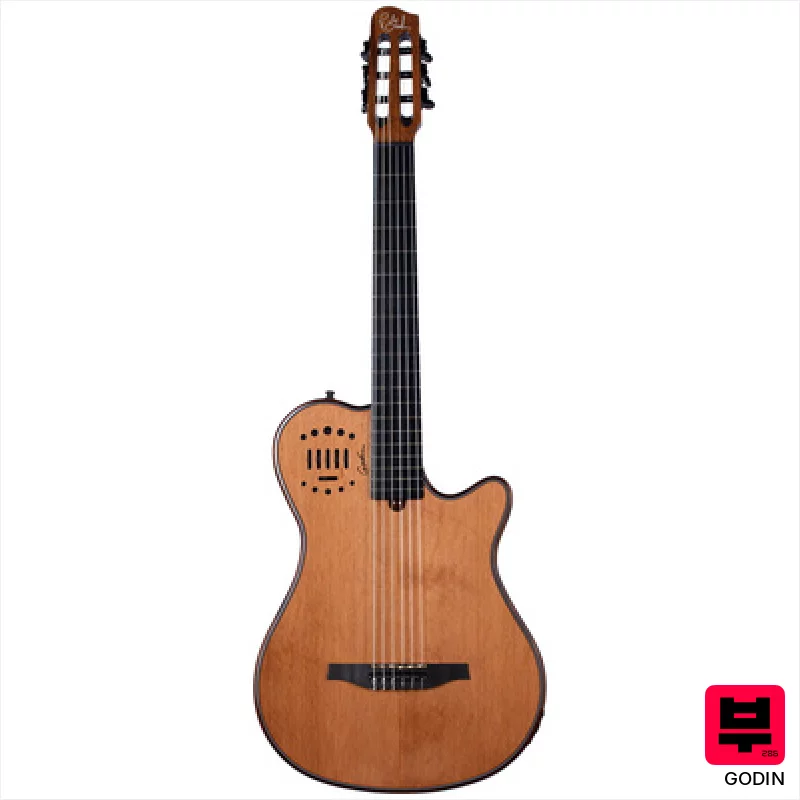
Godin Multiac Grand Concert Mah Del
- • Solid cedar top delivers a warm, responsive, and nuanced classical tone.
- • L.R. Baggs pickup system provides exceptionally clear and articulate amplified sound.
- • Mahogany back and sides contribute to a rich, focused resonance and projection.
- • Richlite fingerboard offers a consistent playing surface and durability.
- • The chambered body, while adding warmth, can make it slightly less robust than solid-body guitars.
- • Richlite, while durable, lacks the traditional feel and aesthetic of ebony.
- • The high-gloss finish, while beautiful, might be a touch too reflective for some stage preferences.

Godin Multiac Nylon Oceanburst Ltd
- • Solid cedar top delivers warm, complex overtones and projection
- • Richlite fingerboard offers a smooth, consistent playing experience
- • Custom L.R. Baggs pickup system provides excellent amplified tone clarity
- • Bolt-on neck construction provides stability and reliable action adjustment
- • Oceanburst finish, while beautiful, might be polarizing for some players
- • Richlite, while durable, lacks the traditional feel of ebony
- • The 25.5in scale might feel slightly less comfortable for seasoned classical players
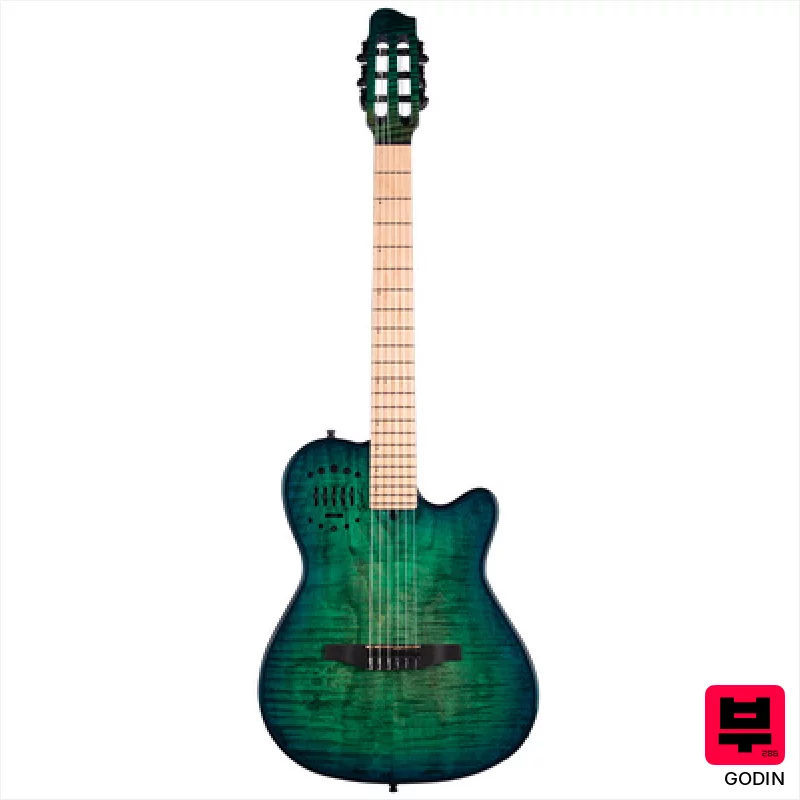
Godin Multiac Nylon Opalburst Ltd
- • Solid cedar top delivers a warm, responsive acoustic tone with surprising projection.
- • L.R. Baggs pickup and Lyric mic blend seamlessly for versatile amplified sounds.
- • Maple burl veneer adds stunning aesthetics and a touch of luxury.
- • Bolt-on neck provides stability and a comfortable, modern feel for faster playing.
- • Silver maple construction, while resonant, might lack the depth of mahogany or rosewood.
- • The 25.5-inch scale might feel less familiar to traditional classical players.
- • Premium-priced, placing it out of reach for many budget-conscious musicians.
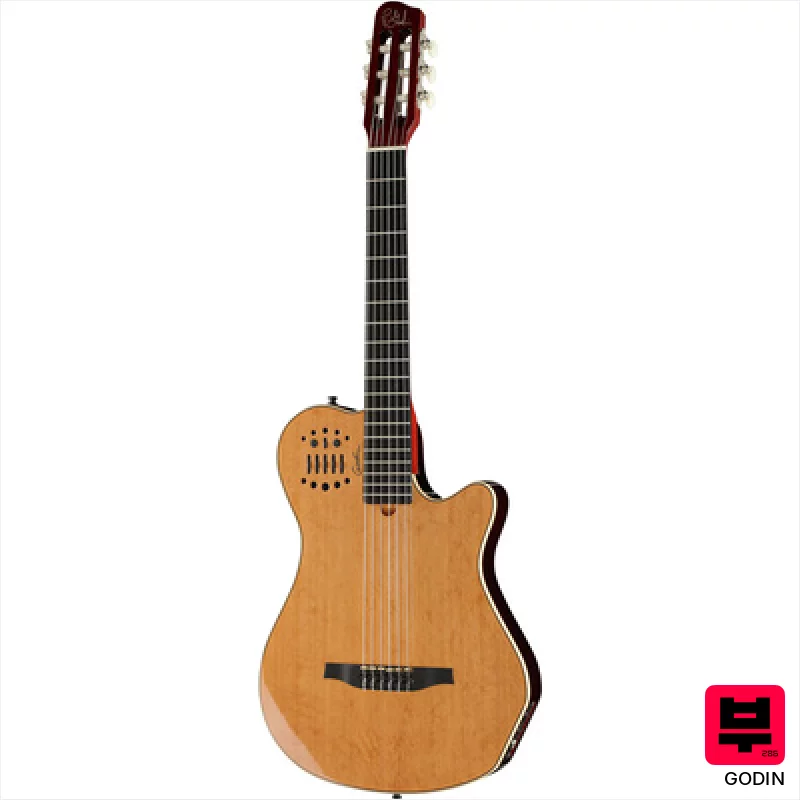
Godin Multiac Grand Concert Natur
- • Solid cedar top delivers warm, responsive classical tone.
- • LR Baggs pickup system provides excellent amplified clarity and MIDI control.
- • Richlite fingerboard offers a smooth, consistent playing experience.
- • Mahogany construction contributes to a balanced, resonant voice.
- • Richlite, while stable, lacks the traditional feel of ebony for some players.
- • The gig bag is adequate but a hardshell case would offer better protection.
- • The MIDI functionality, while a strength, requires additional investment in a MIDI controller.
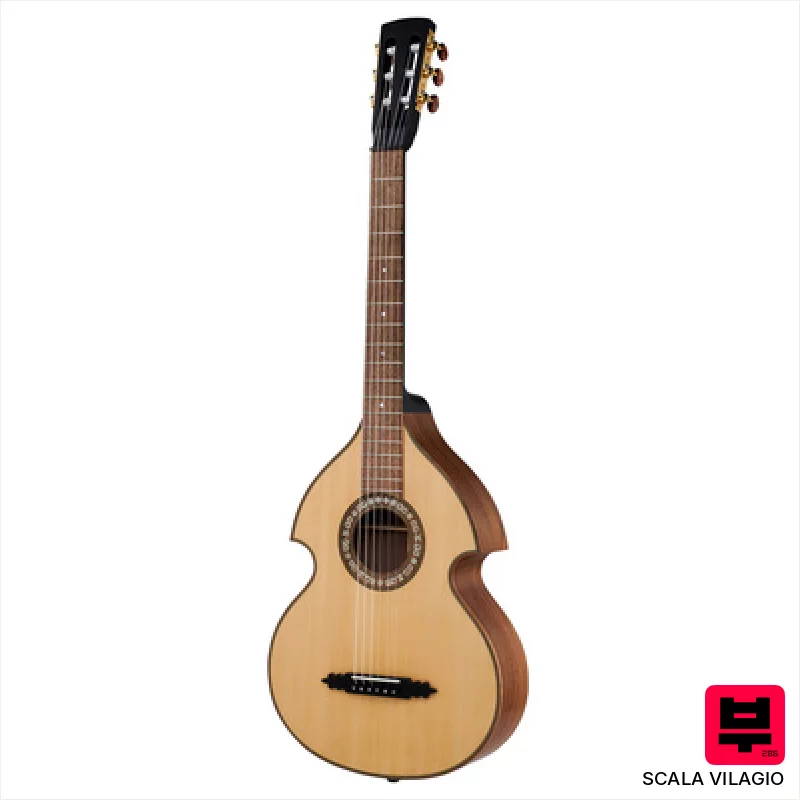
Scala Vilagio T.H. Art Nouveau Guitar
- • Handcrafted in Czech Republic by a respected luthier, Tibor Haluscak
- • Walnut back & sides deliver a warm, complex, and resonant tone
- • Art Nouveau aesthetic is stunning and a true conversation starter
- • Gotoh machine heads provide reliable tuning stability and smooth action
- • The blackened beech neck may not appeal to all players’ aesthetic preferences
- • Shellac finish requires more careful maintenance than modern polymer finishes
- • The Crest shape might slightly limit ergonomic comfort for some players
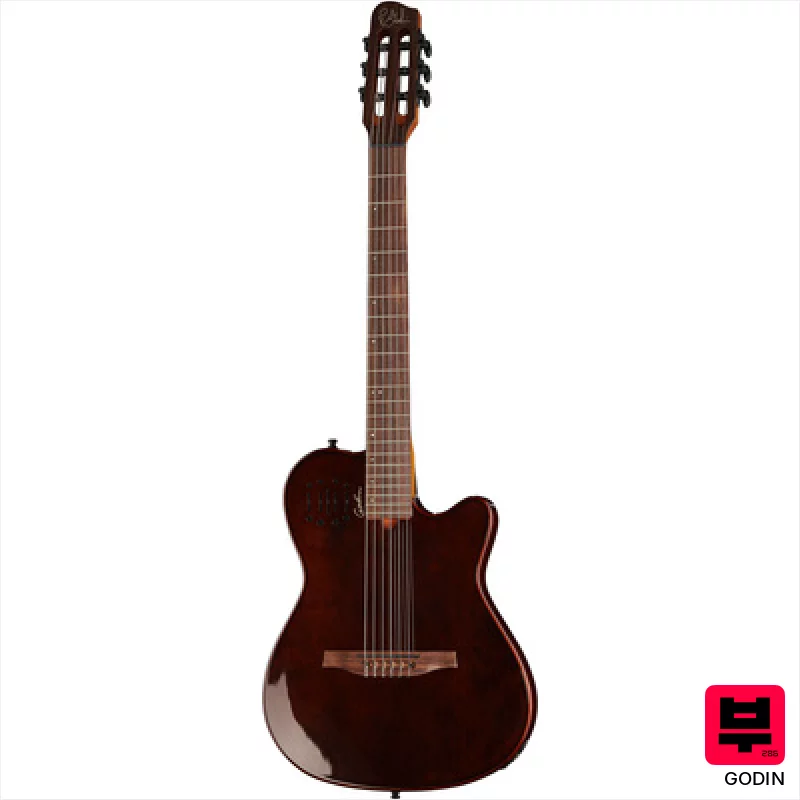
Godin Multiac Mundial Kanyon Burst
- • Solid cedar top delivers a warm, responsive acoustic voice with excellent projection.
- • Godin Double Source preamp offers exceptional versatility for stage and recording.
- • Hollow-body construction minimizes feedback and keeps the instrument surprisingly lightweight.
- • Spanish cedar neck provides a comfortable, fast playing experience characteristic of high-end instruments.
- • Kanyon Burst finish, while attractive, might not appeal to players preferring more traditional aesthetics.
- • Reliance on a 9V battery for the pickup system adds a potential maintenance consideration.
- • While versatile, the pickup system’s sound may not fully replicate a purely acoustic classical guitar experience.
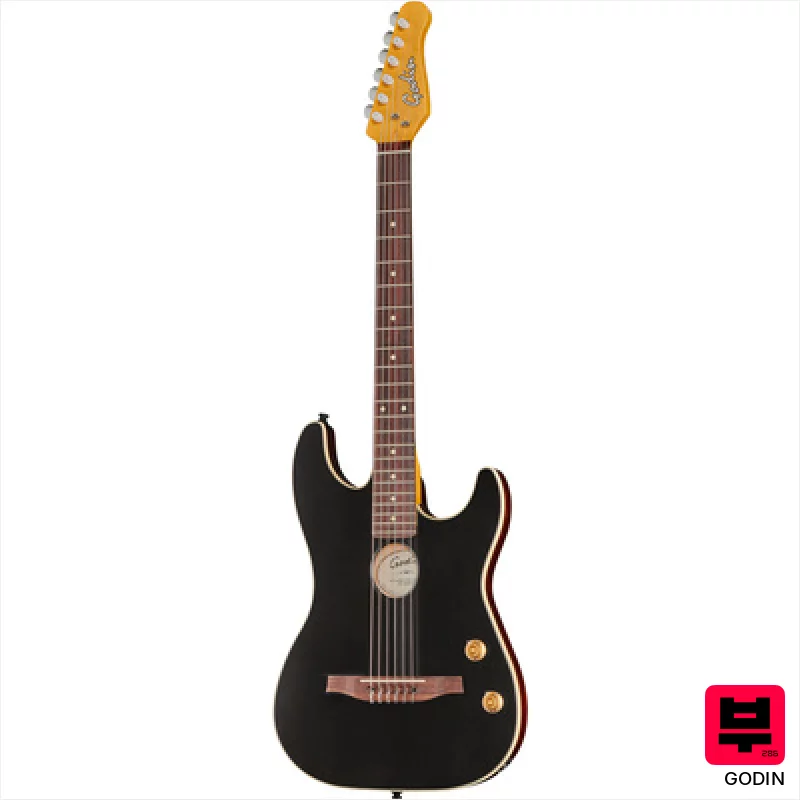
Godin G-Tour Nylon Matte Black EQ
- • Silver leaf maple back/sides offer exceptional clarity and projection for nylon strings.
- • Solid cedar top delivers a warm, responsive tone with surprising dynamic range.
- • Godin EPM Q-Discrete pickup system provides a clean, amplified signal with minimal feedback.
- • Canadian craftsmanship ensures high build quality and consistent playability – feels solid.
- • Silver leaf maple can be a bit brighter than some prefer for traditional nylon tones.
- • The matte black finish, while aesthetically pleasing, is a fingerprint magnet.
- • 25.5” scale length might feel slightly less comfortable for players accustomed to full-scale classical guitars.
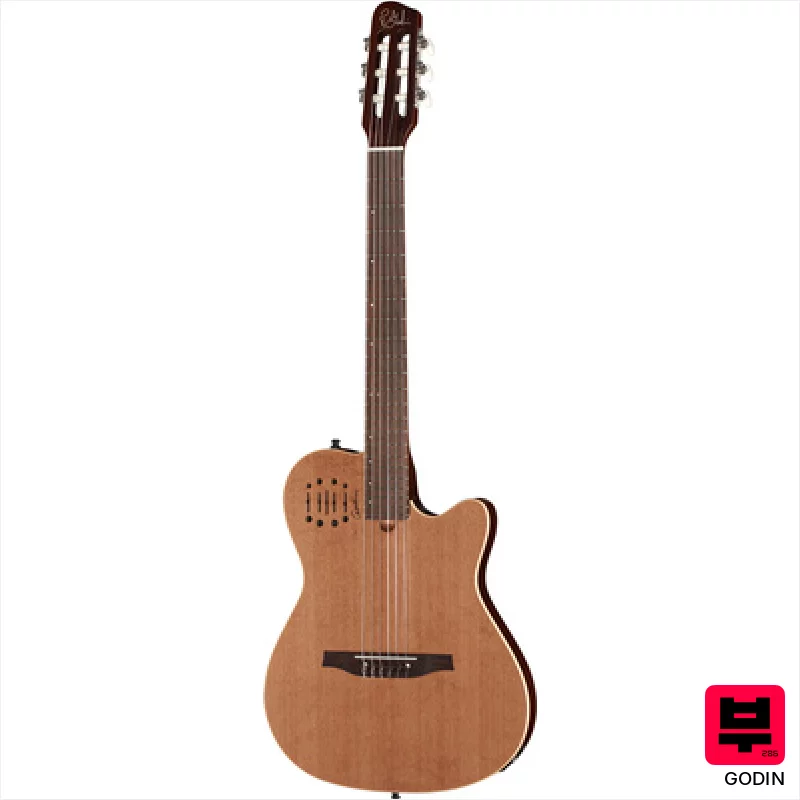
Godin Multiac Nylon Encore Natur
- • Solid cedar top delivers a warm, responsive acoustic tone with surprising projection.
- • Godin’s Dual Source system offers versatile amplified options – acoustic and electric.
- • Mahogany neck provides excellent sustain and a comfortable, familiar feel.
- • Graphtech nut minimizes friction and improves tuning stability, a welcome detail.
- • Maple body can occasionally sound a bit 'boxy' without careful EQ adjustments.
- • 25.5 in scale is less common for nylon string, potentially limiting fingerstyle comfort for some.
- • The included gigbag is functional, but a hardshell case would be a worthwhile upgrade.
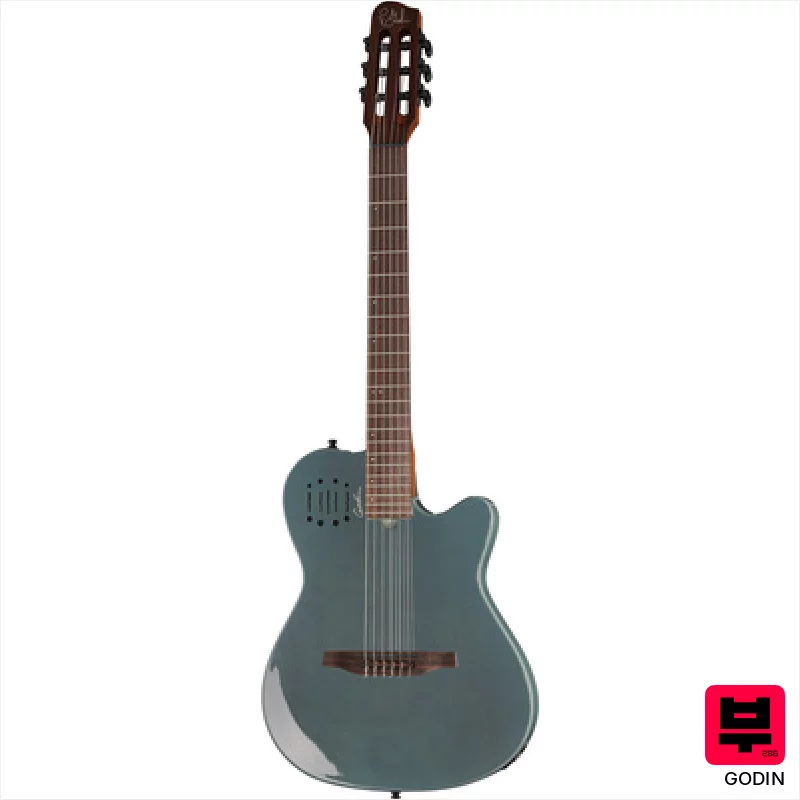
Godin Multiac Mundial Arctik Blue
- • Solid cedar top delivers a warm, responsive acoustic tone with excellent projection.
- • Godin Double Source Custom preamp provides exceptional versatility for stage and recording.
- • Hollow silver maple body minimizes feedback and offers surprisingly lightweight comfort for travel.
- • Spanish cedar neck contributes to a smooth, fast feel ideal for demanding players.
- • Arctic Blue finish, while striking, might not appeal to players preferring more traditional aesthetics.
- • Bolt-on neck construction, while stable, may not offer the same resonance as a traditional dovetail.
- • Nylon string setup requires a different playing technique compared to steel-string guitars.
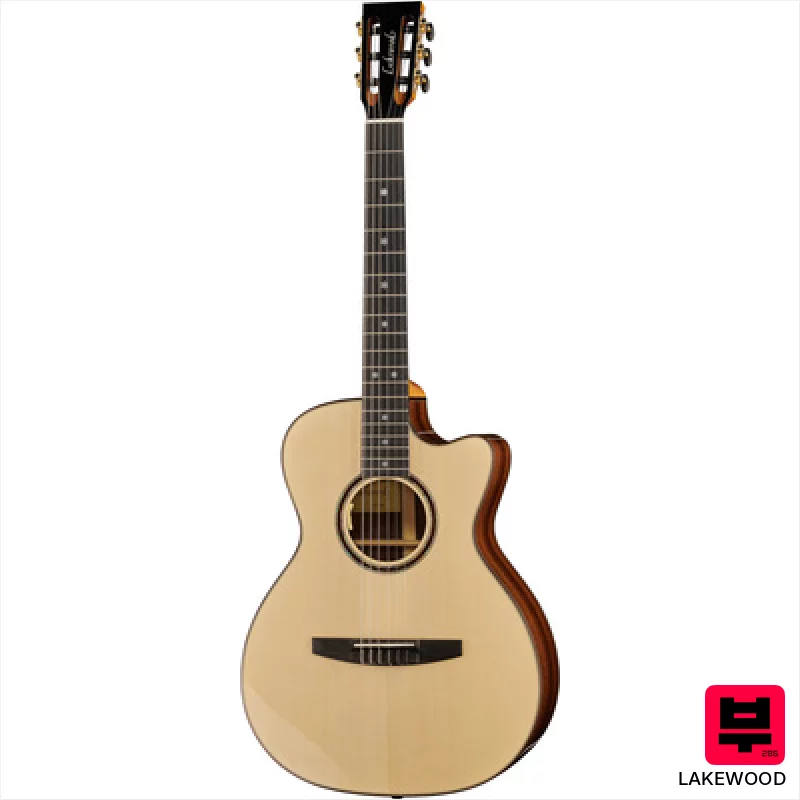
Lakewood M-32 CP Crossover 2024
- • AAA spruce top delivers exceptional projection and clarity
- • East Indian rosewood provides a warm, resonant bass response
- • Cedro neck offers a comfortable, fast playing experience
- • Integrated pickup system allows for amplified performance with excellent tone
- • Premium-priced, limiting accessibility for some players
- • Crossover design might not appeal to traditionalists
- • Rosewood binding, while elegant, adds slight weight
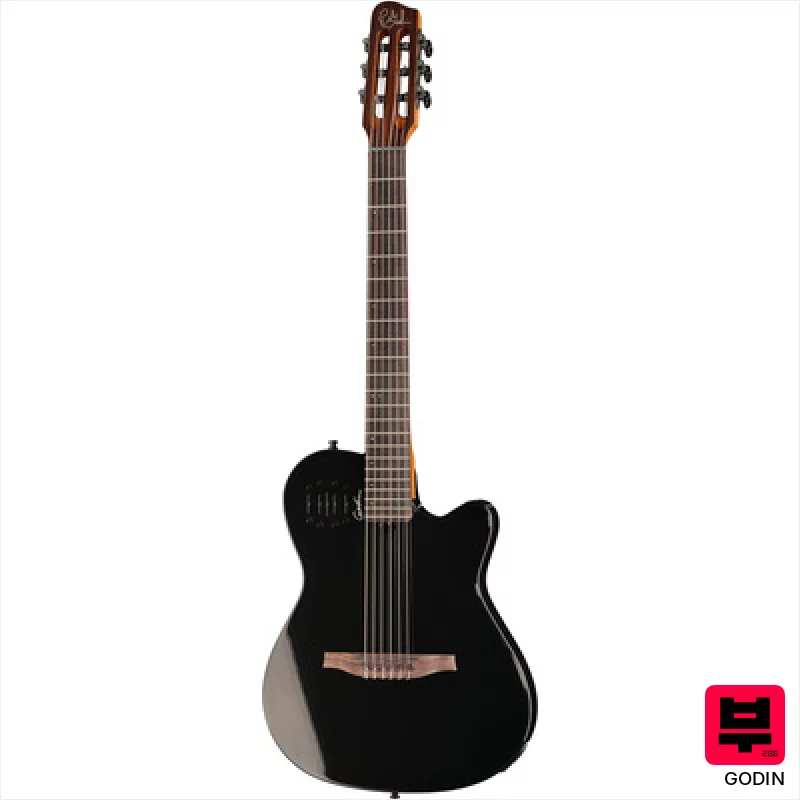
Godin Multiac Mundial Onyx Black
- • Solid cedar top delivers a warm, responsive acoustic voice with excellent projection.
- • Double Source Custom preamp provides exceptional versatility for stage and recording.
- • Silver maple hollowbody construction keeps the guitar surprisingly lightweight and resonant.
- • Graph Tech nut and Godin 16:1 machine heads ensure precise tuning and reliable performance.
- • Rosewood fingerboard, while classic, might feel a bit drier than some players prefer.
- • The Onyx Black high-gloss finish can be a fingerprint magnet and requires careful maintenance.
- • While versatile, the pickup system leans toward amplified classical/acoustic, not ideal for all genres.
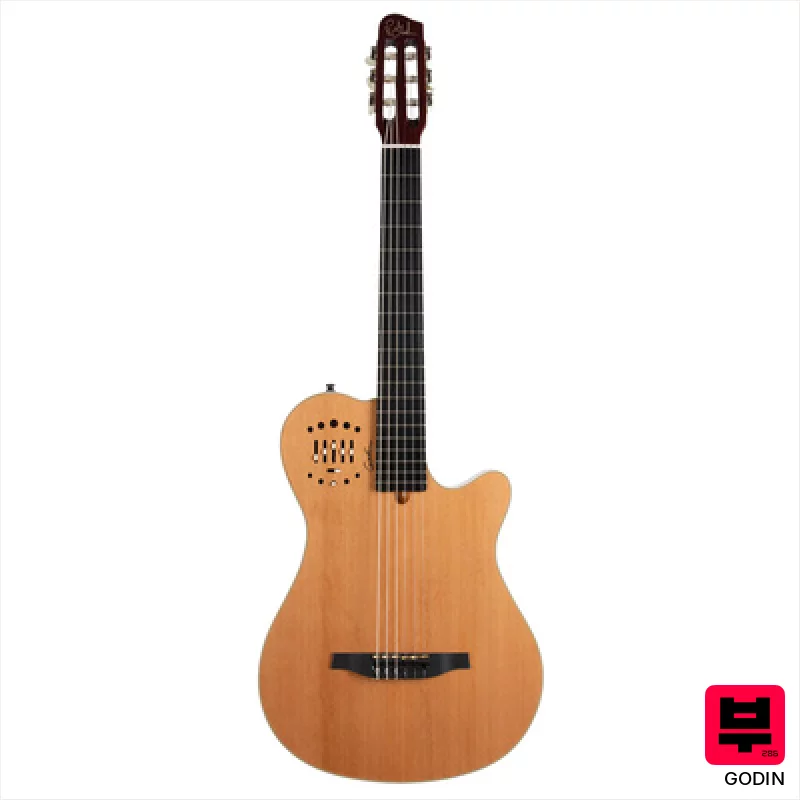
Godin Multiac Grand Concert Deluxe
- • Solid cedar top delivers warm, responsive classical tone.
- • LR Baggs electronics offer exceptional amplified clarity and versatility.
- • Richlite fretboard provides a stable, consistent playing surface.
- • Mahogany construction contributes to a balanced, resonant voice.
- • The Richlite fretboard, while stable, lacks the traditional feel of ebony.
- • The weight, typical of mahogany instruments, can be a factor for some players.
- • The hybrid nature might not fully satisfy dedicated classical or electric purists.
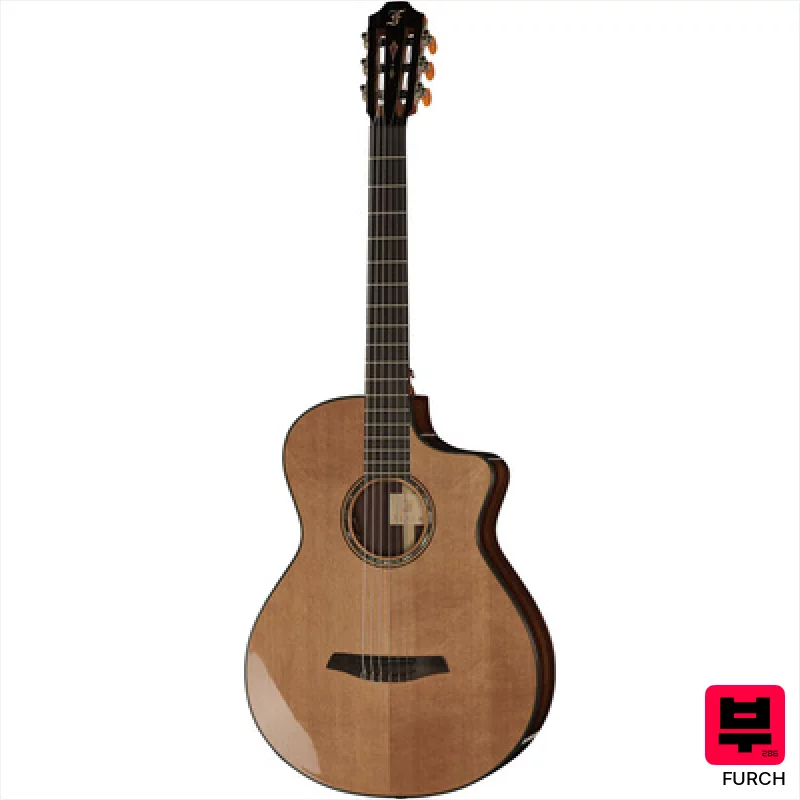
Furch GNc4-CR w/-VTC a Nylon
- • Solid Cedar top delivers a warm, responsive, and expressive tone.
- • Rosewood back/sides add depth and sustain, beautifully balanced.
- • LR Baggs EAS-VTC pickup system provides exceptional amplified clarity and naturalness.
- • Mahogany neck offers stability and a comfortable, familiar feel for many players.
- • The high-gloss finish, while beautiful, may feel a bit thick for some players’ preference.
- • Rosewood's tonal character might be too mellow for those seeking a brighter, more aggressive nylon sound.
- • Premium-priced, representing a significant investment for many aspiring classical guitarists.
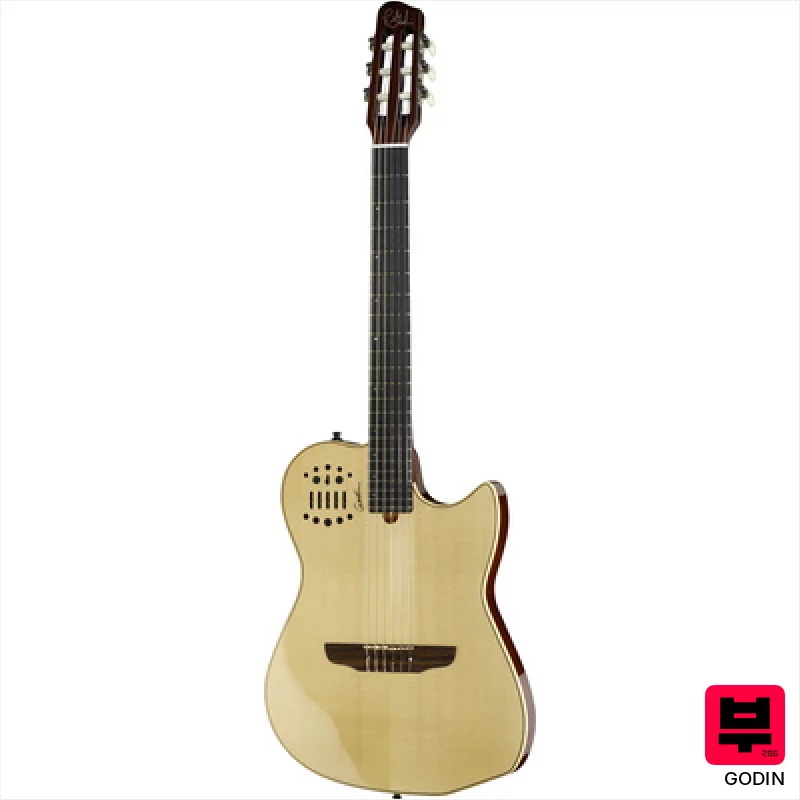
Godin Multiac Nylon Natur
- • Solid Spruce top delivers a clear, resonant, and balanced tone.
- • LR Baggs pickups provide exceptional amplified nylon tone with minimal feedback.
- • Richlite fingerboard offers a smooth playing experience and consistent stability.
- • The Roland GR connector unlocks vast MIDI synth and modeling possibilities.
- • Mahogany body can be a bit dense, resulting in a heavier instrument.
- • Richlite, while stable, lacks the traditional feel of ebony for some players.
- • The preamp’s EQ controls might feel limited for complex tonal shaping.
How to Choose the Best Other Classical Guitars
Tonewood Selection
This is the big one. Spruce, cedar, rosewood, mahogany - each combination yields a drastically different voice. Spruce tends to be brighter and more responsive, cedar warmer and more immediate, while rosewood offers a complex midrange and strong bass. Knowing what you're after tonally is half the battle.
Bracing Patterns
Classical guitar bracing isn't just about structural integrity; it fundamentally shapes the guitar's tone. Fan bracing, common in Spanish-style guitars, generally produces a more even response and a richer, more complex tone. Parallel bracing is often found on more affordable instruments, and while it can be effective, it sometimes lacks the nuance of fan bracing.
Neck Profile & Setup
A comfortable neck is essential, especially for longer practice sessions. Neck profiles vary wildly, from slim and fast to thick and traditional. Equally crucial is the setup - action (string height), intonation, and fretwork all impact playability and overall feel.
Projection & Volume
Classical guitars aren't typically about rock-and-roll volume, but they still need to project. A well-built guitar will cut through an ensemble or fill a small concert hall without sounding thin or brittle. Listen for a balanced response across the frequency spectrum.
Construction Quality
Look beyond the finish. Check for clean joinery, consistent wood grain, and proper kerfing around the soundhole. Sloppy construction often leads to buzzing, uneven tone, and a guitar that doesn't age well. Even on higher-end instruments, small details matter.
Buying Guide
Don't chase 'warmth' or 'brightness' blindly - listen for balance. Many 'other' classical guitars are built by smaller luthiers, so be prepared to do some research and maybe even order online. The biggest corner cut on cheaper instruments is usually in the bracing and wood quality - you'll often hear a boxy, undefined tone. Paying a bit more for a guitar with a solid top and back, even if it's not exotic wood, will make a world of difference.
How This List Is Built
We don't play these instruments — we're a catalog, not a review desk, and we'd rather say so than pretend otherwise. This page ranks 15 other classical guitars from the Thomann catalogue, which is the largest single source of specification data in this category.
Position is computed, not curated. Four signals, in order of weight: how completely the manufacturer documents the instrument (number of published specifications), where it sits in the price range, how specific the model designation is — which filters out generic accessories — and whether a product image exists. The same inputs always produce the same order, so nothing here is shuffled to look fresh.
What this list is good for: narrowing a category down to a shortlist by spec and budget. What it isn't: a substitute for hearing an instrument. Before you buy, read hands-on reviews and, where you can, play it. Full methodology.

