
Best Other Classical Guitars for Beginner 2026
So, you're diving into the world of classical guitar, awesome! Forget about those super-expensive concert instruments for now - those are a whole different beast. This list isn't about bragging rights, it's about finding a guitar that'll actually let you learn without fighting the instrument itself. We're focusing on guitars that offer decent playability and tone without breaking the bank, perfect for those first few months (or years!) of learning.
Last updated: April 11, 2026
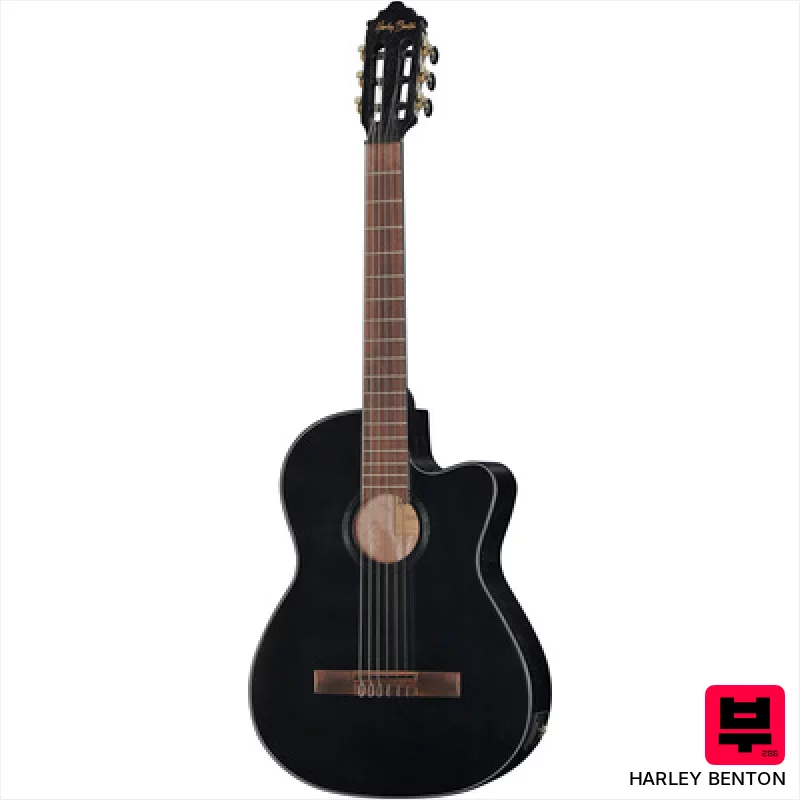
Harley Benton CG-400CE Thinline BK
- • Spruce top delivers a surprisingly balanced and articulate tone for the price.
- • Okume body provides lightweight comfort, ideal for extended playing sessions.
- • Carbon-reinforced neck enhances stability and reduces unwanted string bending.
- • Integrated chromatic tuner is genuinely useful for quick on-the-fly adjustments.
- • Okume body, while lightweight, lacks the tonal richness of mahogany or rosewood.
- • ABS binding feels a bit cheap compared to traditional wood binding.
- • Blackwood Tec fretboard, while playable, might not offer the same feel as ebony.
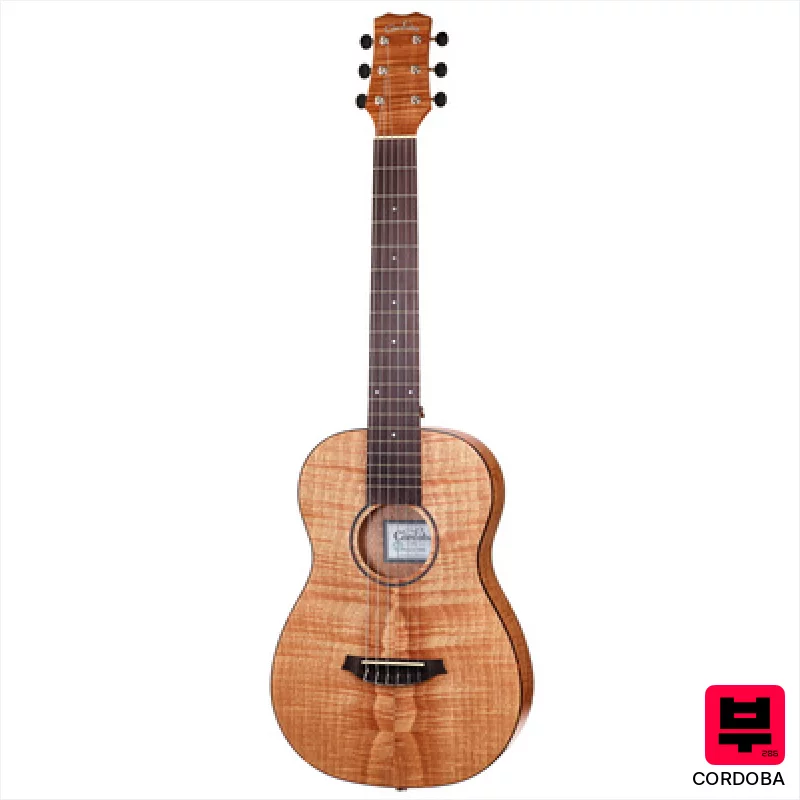
Cordoba Mini II FMH
- • Flamed mahogany top delivers a warm, focused, and surprisingly articulate tone.
- • Compact size makes it incredibly comfortable for travel and smaller players.
- • Bone nut and saddle contribute to improved sustain and clarity compared to plastic alternatives.
- • Savarez Cristal Corum strings offer a balanced, bright sound ideal for various styles.
- • Composite fretboard, while durable, lacks the feel and tonal complexity of ebony.
- • Flamed mahogany can be visually inconsistent – grain patterns vary between instruments.
- • Limited upper fret access due to the smaller body size can hinder advanced techniques.
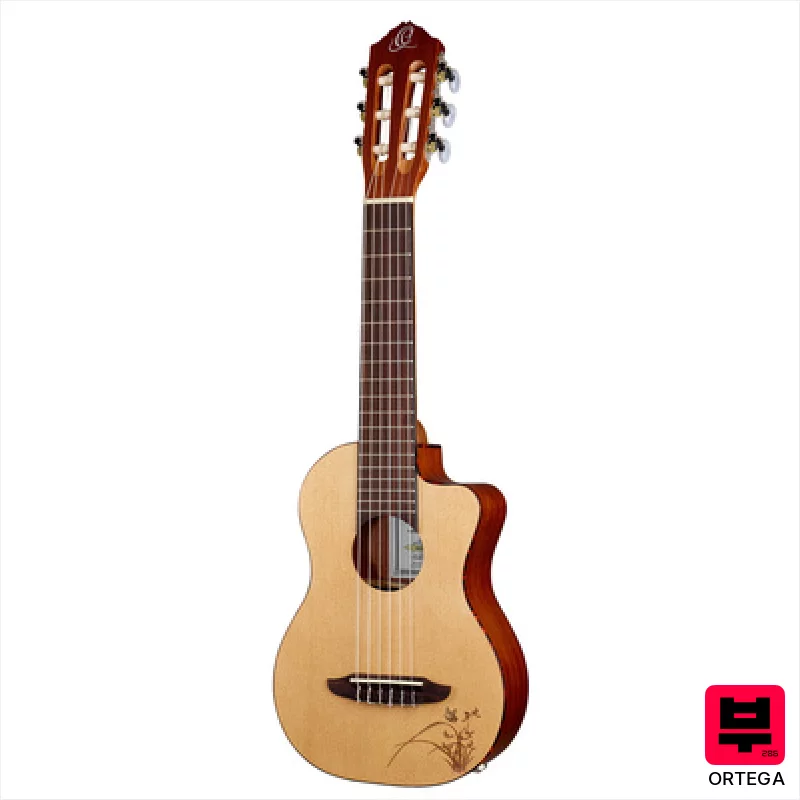
Ortega RGL5CE Guitarlele
- • Spruce top delivers a surprisingly bright and articulate tone for a guitalele.
- • Mahogany back and sides add warmth and a pleasant resonance.
- • Ortega Magus Uke pickup system provides a usable amplified sound for stage.
- • Walnut fretboard and bridge offer a refined feel and contribute to sustain.
- • 435mm scale length limits low-end response and string tension.
- • Natural satin finish can feel a bit thin and prone to fingerprints.
- • Limited tuning versatility; primarily suited for standard guitalele tuning.
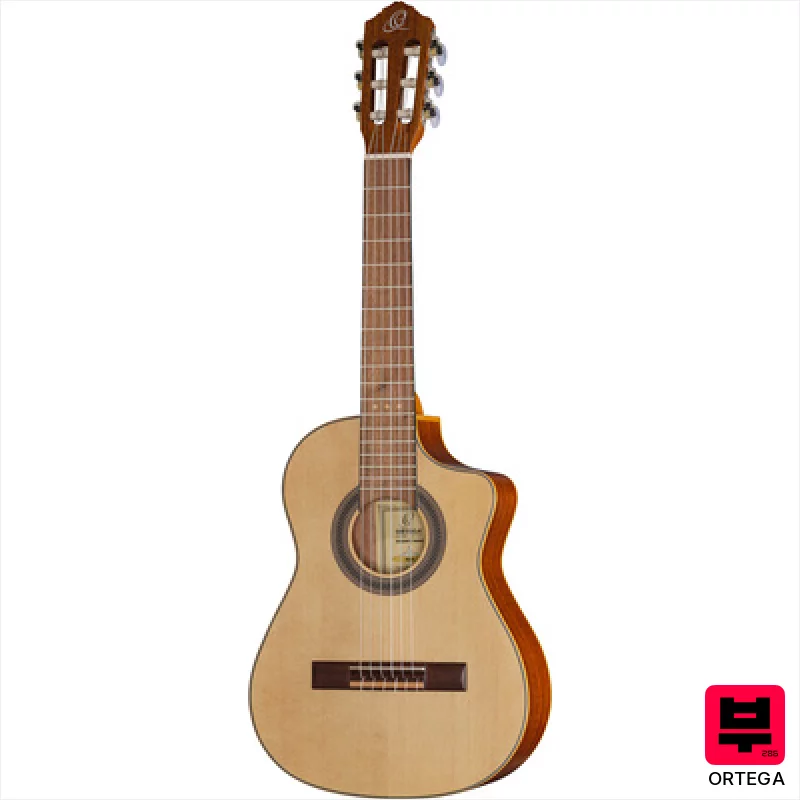
Ortega RQ25 Requinto
- • Spruce top provides a bright, responsive tone suitable for agile playing.
- • Sapele back and sides offer warmth and projection at this price point.
- • Okoume neck delivers a comfortable feel and good stability.
- • 535mm scale length is ideal for smaller hands and quicker runs.
- • Sapele's tonal complexity won't match more premium rosewood options.
- • Walnut fretboard may feel slightly harder than ebony to some players.
- • Matte finish, while attractive, can show fingerprints more readily.
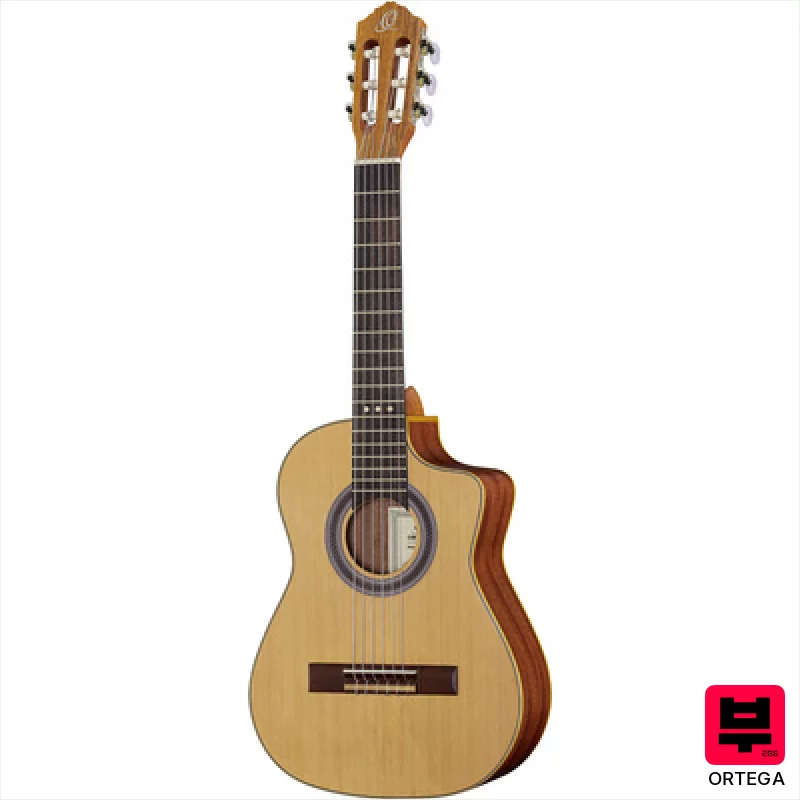
Ortega RQC25 Requinto
- • Cedar top provides a warm, responsive fundamental tone.
- • Okoum neck offers stability and a comfortable playing feel.
- • Walnut fingerboard contributes to a smooth, articulate response.
- • 535mm scale suits smaller hands or those preferring a tighter feel.
- • Sapele back and sides may lack the projection of rosewood.
- • Matte finish can feel less refined than gloss finishes.
- • Requinto tuning requires adapting to a higher register.
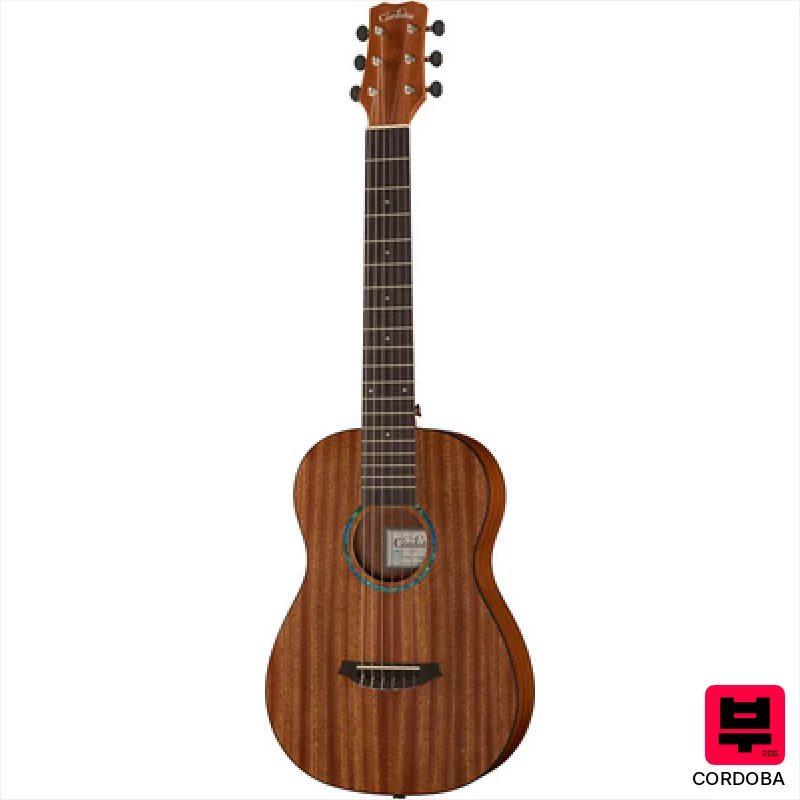
Cordoba Mini II MH
- • Solid mahogany top delivers a warm, focused tone with surprising projection
- • Pau Ferro fretboard offers a smooth playing experience and good durability
- • Compact size and lighter weight make it ideal for travel and smaller players
- • Well-fitted silver/black machine heads provide stable and accurate tuning
- • Mahogany construction limits sustain compared to guitars with spruce tops
- • Nut width of 48 mm might feel narrow for players accustomed to wider classical necks
- • The all-mahogany build can sound a bit 'boxy' compared to guitars with a more complex tonewood combination
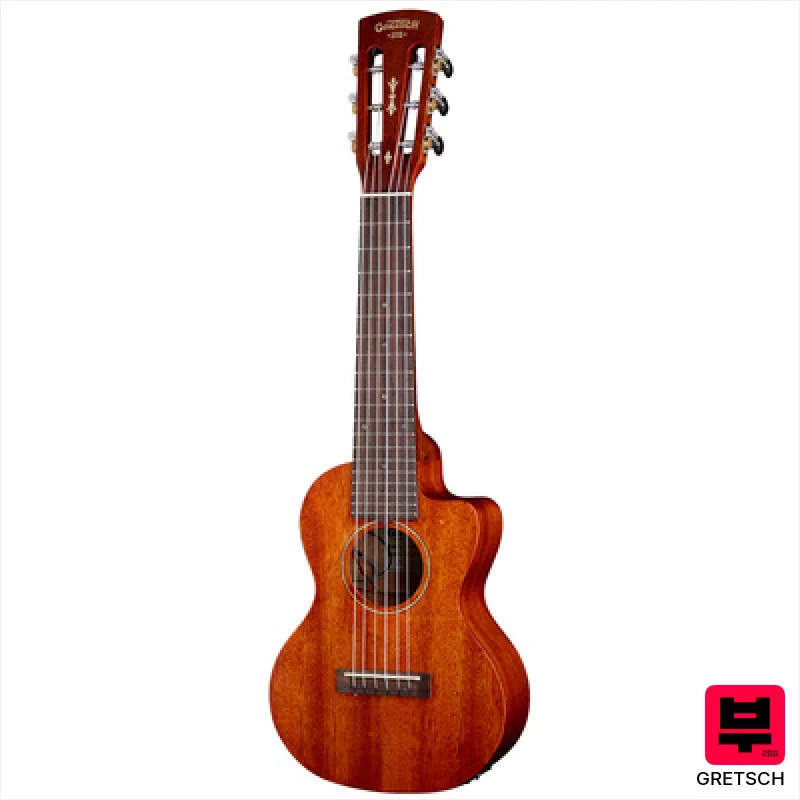
Gretsch G9126-ACE Guitar Ukulele
- • Solid mahogany top delivers warm, focused acoustic tone.
- • Fishman Kula pickup system provides usable amplified sound.
- • Ovangkol fingerboard offers a smooth, comfortable playing experience.
- • Sta-Tite tuners ensure reliable and accurate tuning stability.
- • Mahogany body can sound a bit boxy compared to more resonant woods.
- • Limited fret access restricts advanced playing techniques.
- • Smaller size may feel cramped for players with larger hands.
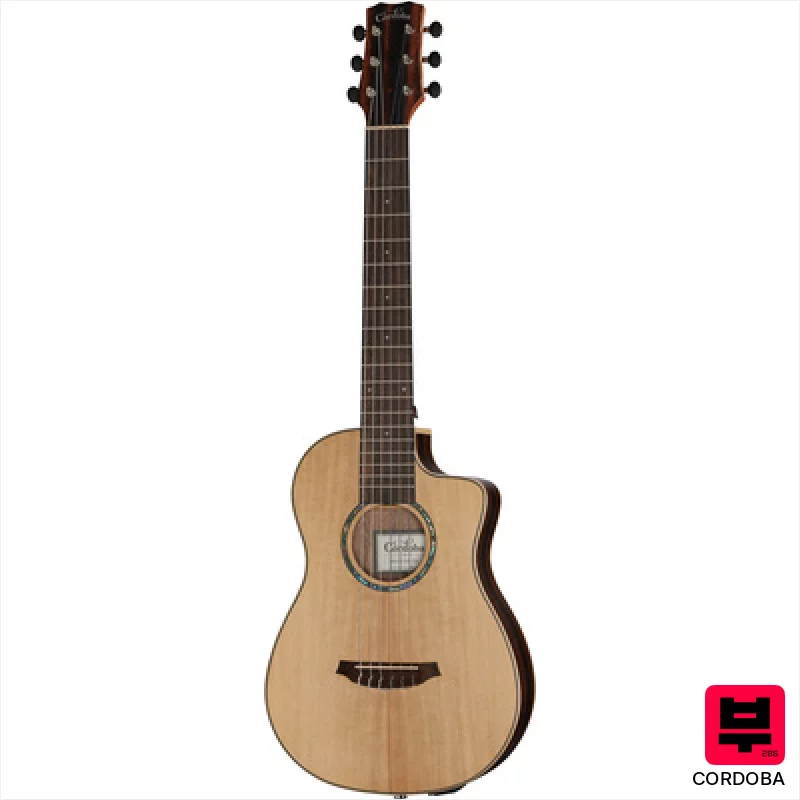
Cordoba Mini II EB-CE Natural
- • Solid spruce top delivers a surprisingly resonant and bright tone.
- • Striped ebony back and sides add warmth and sustain.
- • Cordoba MG102 pickup system offers decent amplified sound and tuner.
- • Compact size and 580mm scale are ideal for travel and smaller players.
- • Ebony back/sides are figured, not highly figured, impacting aesthetics for some.
- • Pau Ferro fingerboard can feel a bit dry without proper conditioning.
- • Short scale limits low-end response and string tension for experienced players.
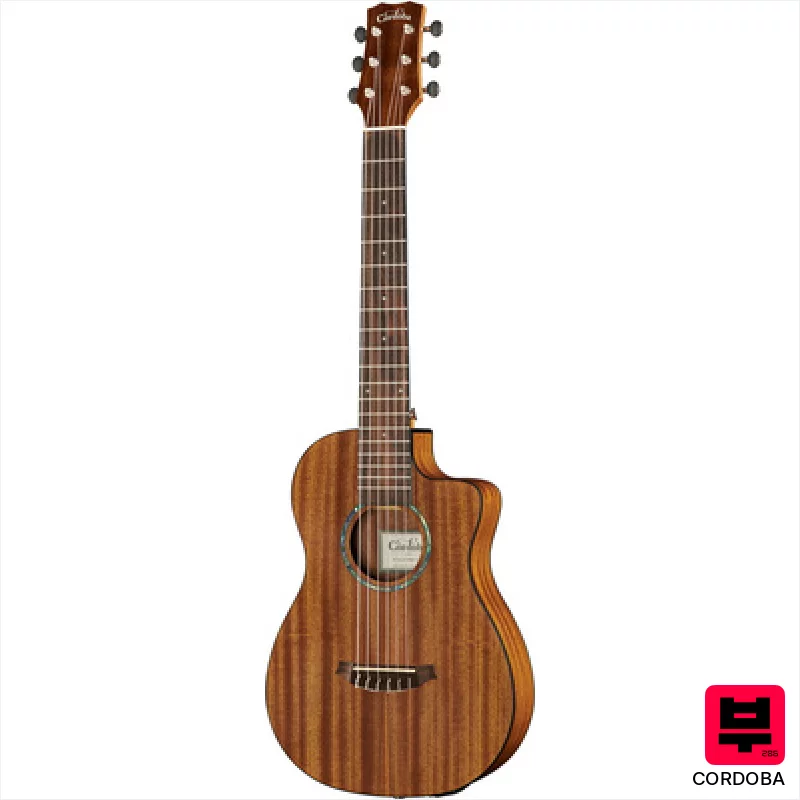
Cordoba Mini II MH-CE
- • Mahogany top delivers a warm, focused tone suitable for various playing styles.
- • Cordoba MG102 preamp offers excellent onboard tuning and EQ control.
- • Abalone rosette adds a touch of elegance and improves the guitar’s aesthetic appeal.
- • Compact size and lighter weight make it ideal for travel and smaller players.
- • All-mahogany construction can lack the projection of guitars with spruce tops.
- • Satin finish, while attractive, may feel less refined than gloss finishes.
- • Short scale length limits low-end response and can feel cramped for larger hands.

Harley Benton Nashville Nylon Natural
- • Solid spruce top delivers a surprisingly resonant and bright acoustic tone.
- • Mahogany body provides warmth and sustain, balancing the spruce's brightness.
- • Jatoba fingerboard offers a smooth playing experience with good durability.
- • Gold-plated machine heads ensure stable tuning and a premium feel for the price.
- • Piezo pickup system, while functional, won't match the nuance of a magnetic or undersaddle system.
- • Walnut bridge, while attractive, might not offer the same long-term stability as ebony.
- • High-gloss finish can be prone to fingerprints and may feel a bit 'sticky' to some players.
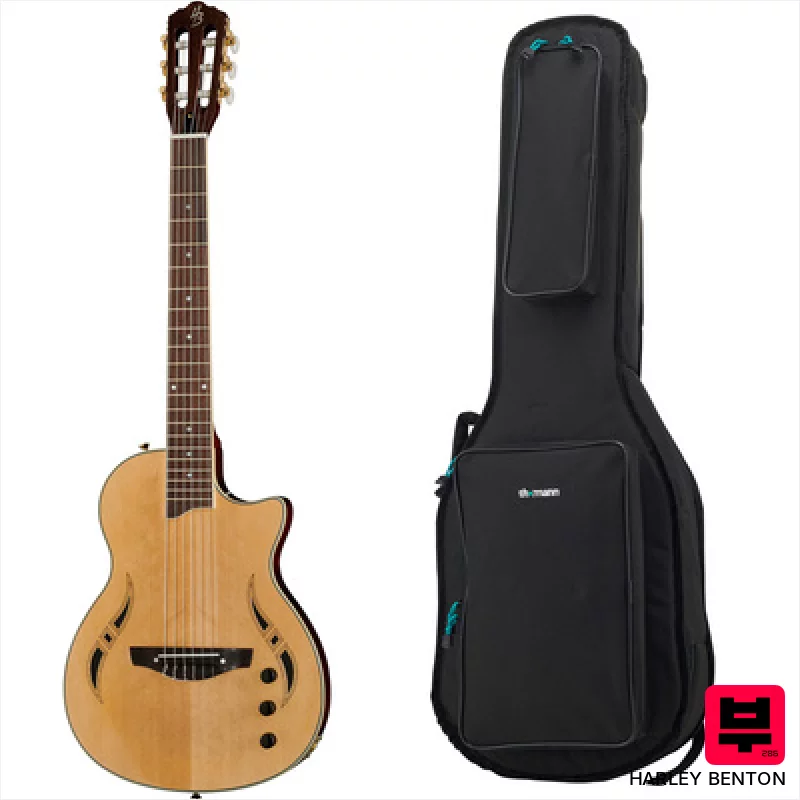
Harley Benton Custom Line Nashville Bundle
- • Solid spruce top delivers a surprisingly bright and resonant tone.
- • Mahogany body provides warmth and a pleasing sustain.
- • Jatoba fretboard offers a smooth playing experience and durability.
- • Gold-plated machine heads ensure accurate and stable tuning.
- • Piezo pickup system can sound a bit sterile compared to magnetic options.
- • The natural high gloss finish might be prone to fingerprints and smudges.
- • Gig bag is functional, but a hardshell case would offer better protection.
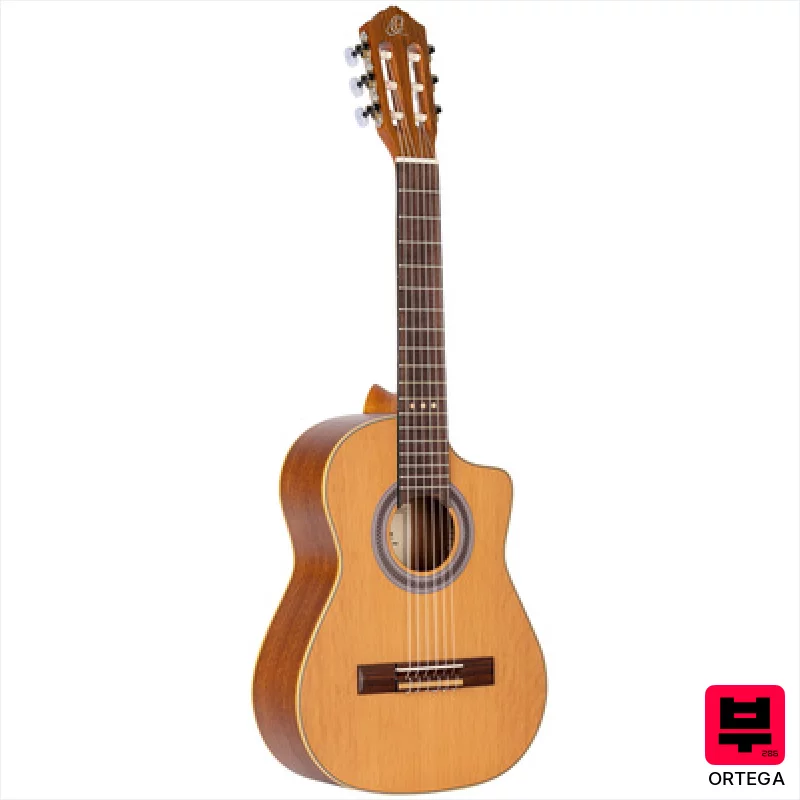
Ortega RQ39 Requinto
- • Solid cedar top provides a warm, responsive fundamental tone.
- • Okoume neck offers a comfortable, stable playing experience.
- • 535mm scale length suits smaller hands and faster playing.
- • Cutaway allows easy access to higher frets for expanded range.
- • Sapele back and sides, while attractive, limit overall projection.
- • Walnut fingerboard can feel slightly harder than rosewood for some players.
- • Nature matte finish might not appeal to those preferring a glossier aesthetic.

Harley Benton Nashville Nylon
- • Solid spruce top provides a surprisingly resonant and bright acoustic tone
- • Mahogany body delivers warmth and sustain, excellent for mellow playing
- • Jatoba fretboard offers a smooth playing experience with good durability
- • Gold-plated machine heads ensure stable tuning and a premium feel
- • Piezo pickup system, while functional, won’t match the nuance of a dedicated acoustic mic
- • Mahogany body can sometimes feel a little dense, especially for extended playing
- • Cream bindings, while aesthetically pleasing, are prone to chipping with rough handling
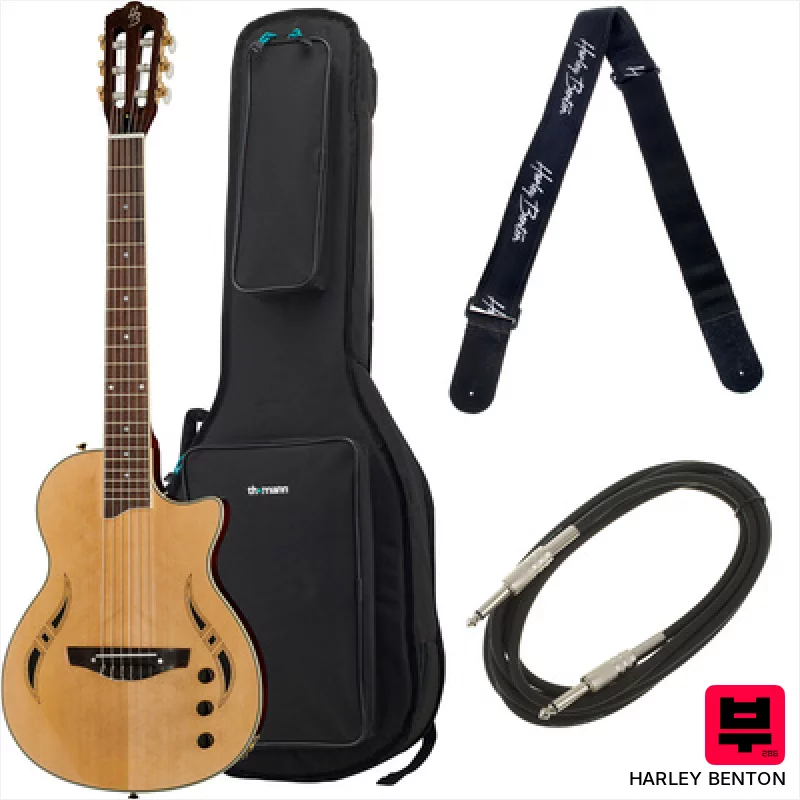
Harley Benton Custom Line Nashville Bundle
- • Solid spruce top delivers a surprisingly bright and articulate tone for a nylon-string.
- • Mahogany body provides warmth and sustain, nicely balancing the spruce's brightness.
- • Piezo pickup system offers usable amplified tones for basic performance needs.
- • Jatoba fretboard is durable and feels smoother than rosewood, a nice upgrade.
- • The 'deluxe' gold-plated machine heads are often a point of failure – be prepared to potentially replace them.
- • Solid body construction makes it heavier than a traditional hollow-body nylon guitar.
- • The piezo pickup's sound is serviceable, but lacks the nuance of a dedicated acoustic pickup system.

Traveler Guitar Ultra-Light Nylon - Mahogany
- • Mahogany body provides a warm, focused acoustic tone.
- • Neck-through design enhances sustain and improves access to higher frets.
- • Traveler Piezo pickup offers surprisingly decent amplified sound for travel.
- • Compact design and included legrest make it genuinely comfortable for travel practice.
- • Passive piezo pickup lacks the nuance of a magnetic or condenser mic.
- • Open-gear tuners are visually appealing but less precise than sealed gears.
- • Mahogany body, while warm, lacks the projection of a rosewood or maple back/sides.
How to Choose the Best Other Classical Guitars
Playability (Action & Neck Profile)
A high action (string height) will kill your motivation faster than anything. A comfortable neck profile - neither too thick nor too thin - makes a huge difference in hand fatigue, especially when you're first developing finger strength. It's gotta feel right in your hand.
String Spacing
Narrower string spacing can be easier for smaller hands, but too narrow and your notes will blur together. A good balance allows for clean articulation without feeling like you're wrestling the strings.
Top Wood (Spruce vs. Cedar)
Spruce generally offers a brighter, more articulate tone that projects well - good for cutting through a small ensemble. Cedar is warmer, with a quicker response, which can be easier on the ears for bedroom practice, but it might lack headroom in a louder setting.
Bracing Pattern
The bracing pattern under the soundboard significantly affects the guitar's tone and responsiveness. Traditional fan bracing is common, but the specific design and wood density influence the guitar's overall character and sustain.
Overall Build Quality
Look for clean fretwork, proper nut and saddle slots (no sharp edges!), and decent finish. Shortcuts here will manifest as buzzing, intonation problems, and a frustrating playing experience - trust me, it's not worth it.
Buying Guide
Don't chase the prettiest headstock - focus on feel. A cheap guitar will almost certainly have a higher action that you'll need to address, but a little neck relief can be adjusted. Be wary of guitars with overly thick finishes, as they tend to dampen the sound. Spending a bit more on a guitar with a solid spruce top is often worth it for the improved projection and tonal clarity, but be prepared to spend a little on a setup from a good luthier.
How This List Is Built
We don't play these instruments — we're a catalog, not a review desk, and we'd rather say so than pretend otherwise. This page ranks 15 other classical guitars from the Thomann catalogue, which is the largest single source of specification data in this category.
Position is computed, not curated. Four signals, in order of weight: how completely the manufacturer documents the instrument (number of published specifications), where it sits in the price range, how specific the model designation is — which filters out generic accessories — and whether a product image exists. The same inputs always produce the same order, so nothing here is shuffled to look fresh.
What this list is good for: narrowing a category down to a shortlist by spec and budget. What it isn't: a substitute for hearing an instrument. Before you buy, read hands-on reviews and, where you can, play it. Full methodology.

