
Best Other Classical Guitars Under $200 2026
Okay, so you're looking for a classical guitar that won't break the bank? It's a common situation. Let's be real, under $200 you're not getting a Ramirez or a Alhambra - those are serious investments. But you can find something playable, even enjoyable, that'll get you started or handle some casual gigs without the constant worry of something snapping. This isn't about chasing perfection; it's about maximizing value.
Last updated: April 11, 2026
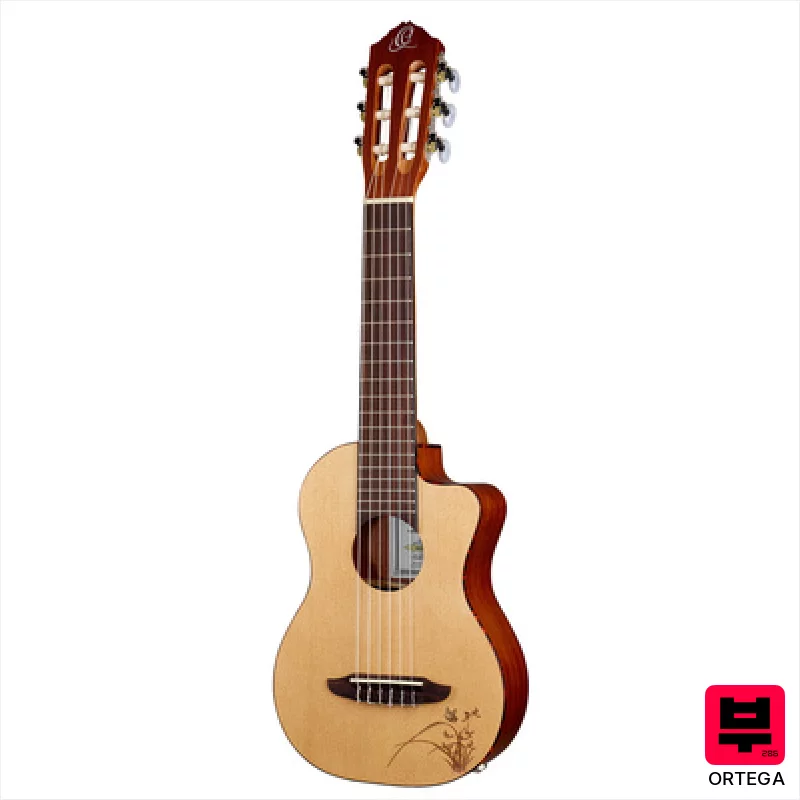
Ortega RGL5CE Guitarlele
- • Spruce top delivers a surprisingly bright and articulate tone for a guitalele.
- • Mahogany back and sides add warmth and a pleasant resonance.
- • Ortega Magus Uke pickup system provides a usable amplified sound for stage.
- • Walnut fretboard and bridge offer a refined feel and contribute to sustain.
- • 435mm scale length limits low-end response and string tension.
- • Natural satin finish can feel a bit thin and prone to fingerprints.
- • Limited tuning versatility; primarily suited for standard guitalele tuning.
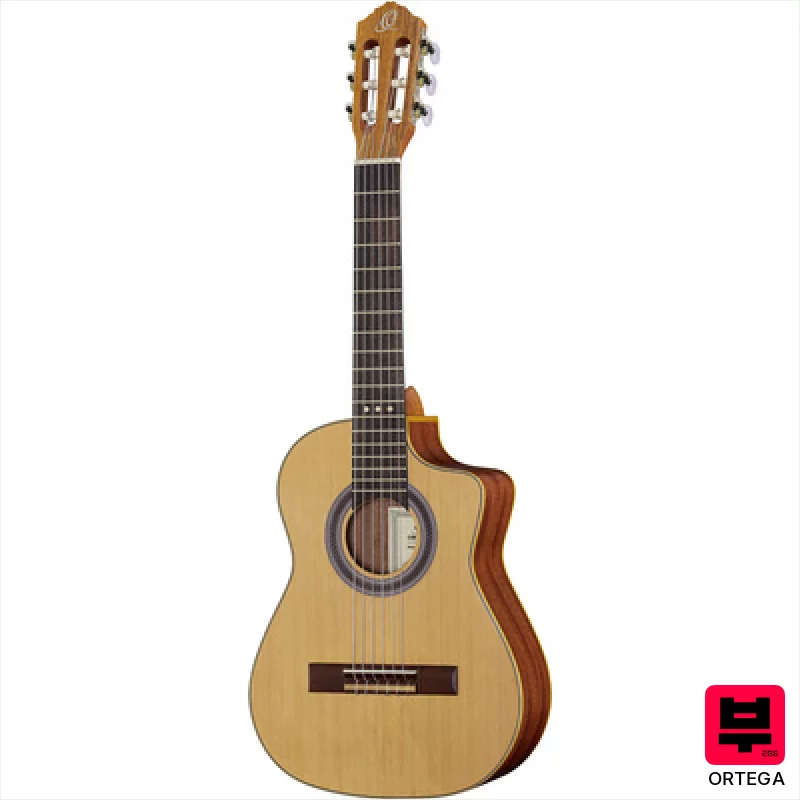
Ortega RQC25 Requinto
- • Cedar top provides a warm, responsive fundamental tone.
- • Okoum neck offers stability and a comfortable playing feel.
- • Walnut fingerboard contributes to a smooth, articulate response.
- • 535mm scale suits smaller hands or those preferring a tighter feel.
- • Sapele back and sides may lack the projection of rosewood.
- • Matte finish can feel less refined than gloss finishes.
- • Requinto tuning requires adapting to a higher register.
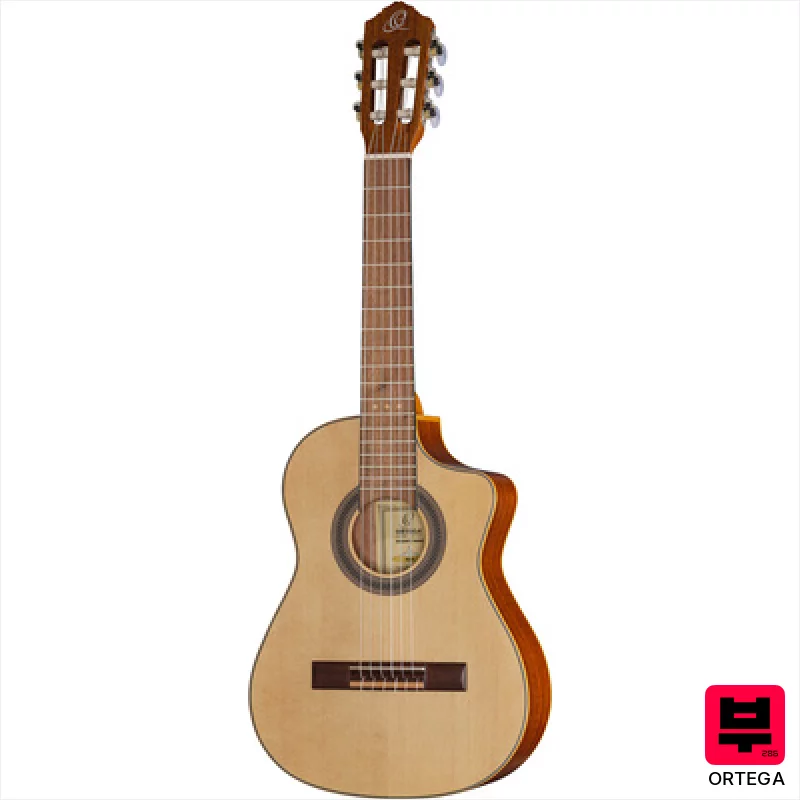
Ortega RQ25 Requinto
- • Spruce top provides a bright, responsive tone suitable for agile playing.
- • Sapele back and sides offer warmth and projection at this price point.
- • Okoume neck delivers a comfortable feel and good stability.
- • 535mm scale length is ideal for smaller hands and quicker runs.
- • Sapele's tonal complexity won't match more premium rosewood options.
- • Walnut fretboard may feel slightly harder than ebony to some players.
- • Matte finish, while attractive, can show fingerprints more readily.
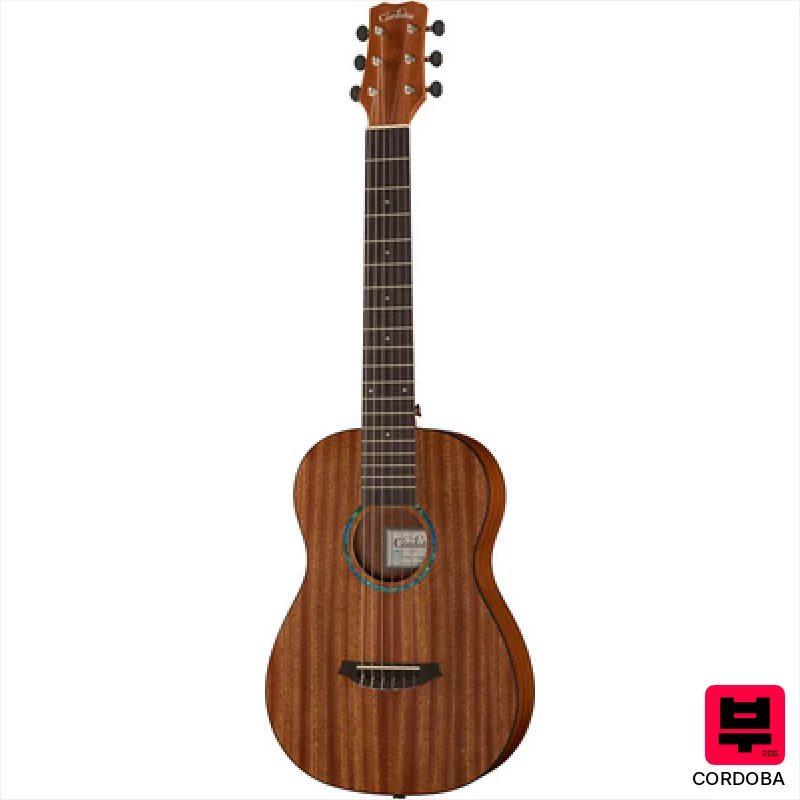
Cordoba Mini II MH
- • Solid mahogany top delivers a warm, focused tone with surprising projection
- • Pau Ferro fretboard offers a smooth playing experience and good durability
- • Compact size and lighter weight make it ideal for travel and smaller players
- • Well-fitted silver/black machine heads provide stable and accurate tuning
- • Mahogany construction limits sustain compared to guitars with spruce tops
- • Nut width of 48 mm might feel narrow for players accustomed to wider classical necks
- • The all-mahogany build can sound a bit 'boxy' compared to guitars with a more complex tonewood combination
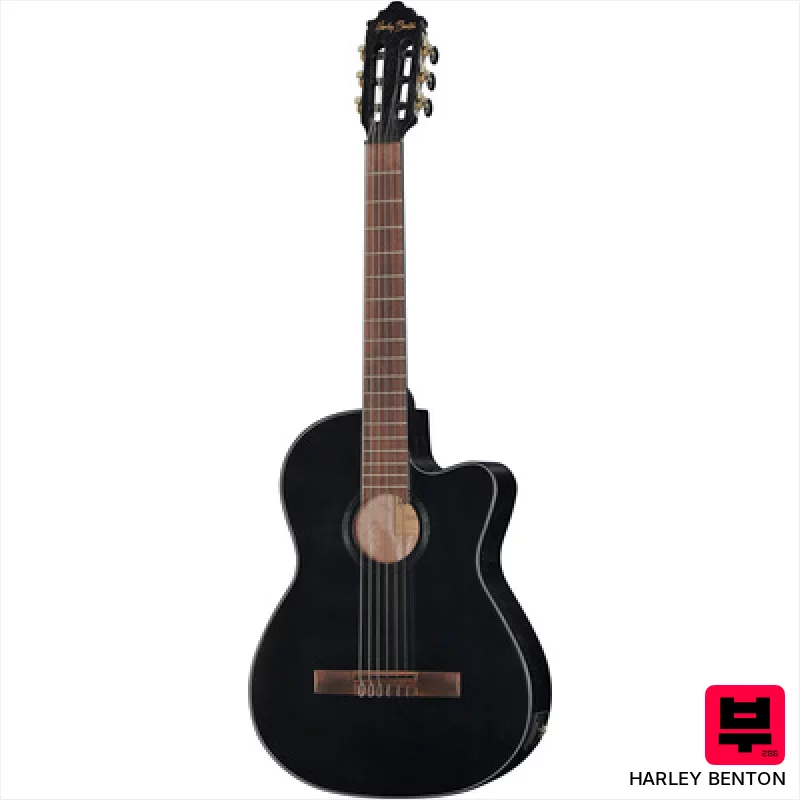
Harley Benton CG-400CE Thinline BK
- • Spruce top delivers a surprisingly balanced and articulate tone for the price.
- • Okume body provides lightweight comfort, ideal for extended playing sessions.
- • Carbon-reinforced neck enhances stability and reduces unwanted string bending.
- • Integrated chromatic tuner is genuinely useful for quick on-the-fly adjustments.
- • Okume body, while lightweight, lacks the tonal richness of mahogany or rosewood.
- • ABS binding feels a bit cheap compared to traditional wood binding.
- • Blackwood Tec fretboard, while playable, might not offer the same feel as ebony.
Other Classical Guitars by the numbers
Measured across all 5 models in this category, so «wide», «short» or «expensive» mean something you can check.
How to Choose the Best Other Classical Guitars
Tonewoods
At this price point, expect laminate woods - usually spruce top and mahogany or sapele back and sides. Laminates are more stable and resistant to humidity changes, which is good for gigging, but they lack the resonance and complexity of solid wood. The spruce top will still contribute to some brightness, but don't expect that shimmering sustain you get from a solid cedar top.
Action & Neck Profile
This is critical. A high action (string height) will make playing a chore, and a poorly shaped neck can lead to fatigue. Many guitars in this range ship with a bit too much action, so be prepared to potentially take it to a luthier for a setup - factor that into your budget. A comfortable C-shape neck is generally preferred for classical playing.
Bracing Pattern
The bracing pattern underneath the top significantly affects the guitar's tone. Cheaper guitars often have simpler bracing patterns that can result in a somewhat boxy or less nuanced sound. It's not always a deal-breaker, but it's a factor in how the guitar projects and articulates notes.
Hardware & Finish
Expect basic, functional hardware. The tuners probably won't be super-precise, so tuning stability might be a slight challenge. The finish will likely be a thinner, less refined gloss - it'll look okay, but it won't have the depth and richness of a higher-end instrument.
Overall Build Quality
Look for clean fretwork (no sharp edges or buzz) and decent alignment of the bridge and neck. Small imperfections are common, but major flaws can indicate a rushed or lower-quality build. A solid build, even with less impressive woods, will generally play better and last longer.
Buying Guide
Realistically, you're trading off tonal complexity for affordability and durability. Don't expect a concert-hall sound; focus on finding a guitar with a comfortable neck and a playable action. Factor in the cost of a setup - it's almost always necessary. If you're serious about learning, spending a bit more for a slightly better instrument will pay off in enjoyment and progress, but for casual playing or a student, these budget options can be surprisingly decent.
How This List Is Built
We don't play these instruments — we're a catalog, not a review desk, and we'd rather say so than pretend otherwise. This page covers 5 other classical guitars from the Thomann catalogue, which is the largest single source of specification data in this category: 5 in detail, the rest listed with their specifications.
Position is computed, not curated. We parse the manufacturer's own description into actual values — nut width, scale, fret count, fingerboard radius, size, alloy — and rank on them: how many specifications a model has published, how many of them are measurable numbers, and how precisely it meets this page's criterion. A product image adds a little. Price is not a ranking signal: it tells you nothing about whether a neck fits your hand. The same inputs always produce the same order, so nothing here is shuffled to look fresh.
What this list is good for: narrowing a category down to a shortlist by spec and budget. What it isn't: a substitute for hearing an instrument. Before you buy, read hands-on reviews and, where you can, play it. Full methodology.

