
Best In-Ear Headphones for Musicians 2026
Alright, so you're looking to ditch the wedge monitors and go in-ear? Smart move - it's a game-changer for hearing yourself and the band, especially in loud venues. But finding the right IEMs isn't just about slapping on some earbuds; it's about finding something that translates your instrument accurately and cuts through the mix without sounding sterile or harsh. Let's break down what you need to look for, because the wrong IEMs will just make things worse.
Last updated: July 15, 2026 • Next update: July 22, 2026

Fischer Amps FA 666 XB
- • Exceptional bass clarity thanks to the boosted low-end drivers.
- • German engineering ensures robust construction and reliable performance.
- • Dynamic 3-way design delivers impressive separation and detail.
- • Kink-resistant cable and gold mini-jack enhance durability and signal integrity.
- • The defined low end might be overwhelming for some genres or listeners.
- • Premium-priced, representing a significant investment for IEMs.
- • Ergonomic housing, while comfortable, may not suit every ear shape.
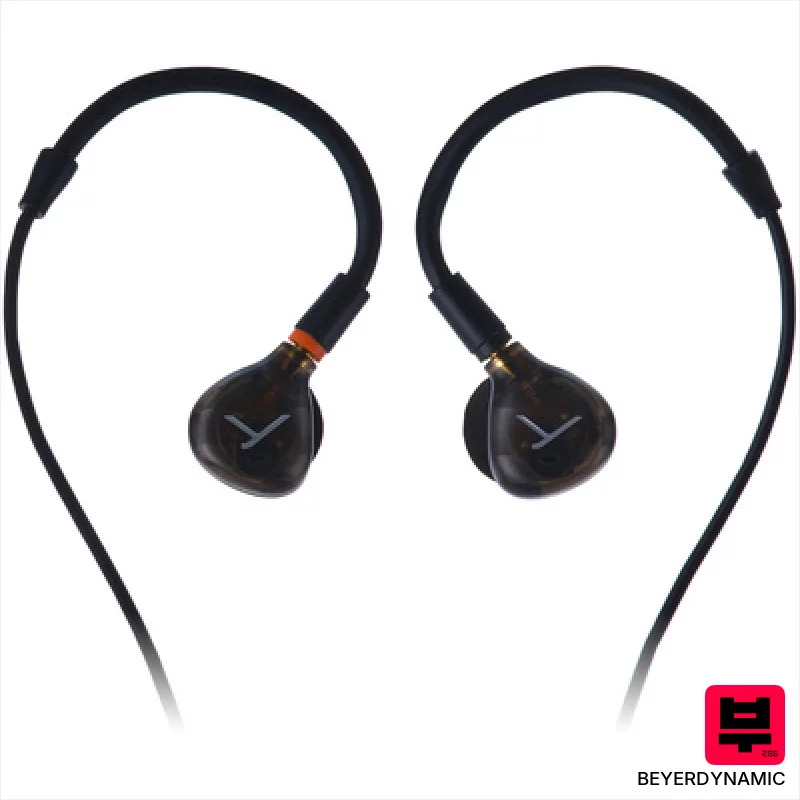
beyerdynamic DT 73 IE
- • Exceptional clarity for wind instruments and piano nuances.
- • Robust IP68 rating offers excellent protection from water and dust.
- • German engineering delivers a reassuring level of build quality and durability.
- • Low 16 Ohm impedance ensures compatibility with various devices.
- • The tailored sound profile might lack versatility for all music genres.
- • Premium-priced positioning puts it out of reach for budget-conscious users.
- • Foam ear tips can degrade quicker than silicone, requiring replacement.
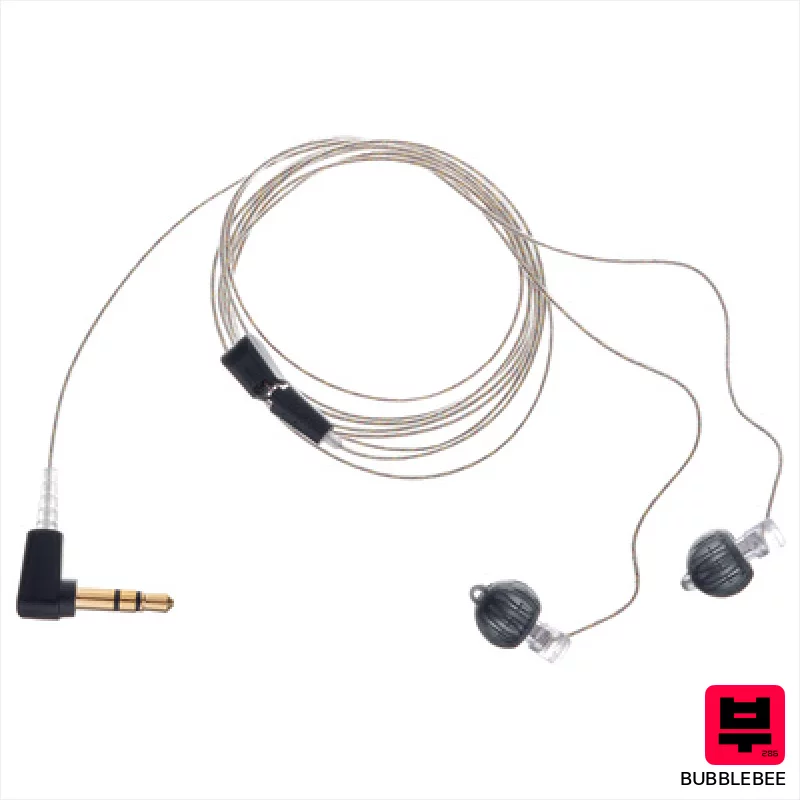
Bubblebee The Sidekick 3 Stereo
- • Kevlar-reinforced cable offers exceptional durability for stage use.
- • Extremely thin profile facilitates discreet, invisible monitoring onstage.
- • Multiple eartip options ensure a comfortable and effective seal for varied ear canals.
- • Long 120m cable provides extensive movement freedom for performers.
- • Limited frequency response may lack sparkle for some critical listening applications.
- • 100dB sensitivity might be insufficient for very loud stage environments without amplification.
- • Transparent color, while unique, can appear fragile and prone to marking.

beyerdynamic DT 71 IE
- • Exceptional bass clarity for drums and low-end instruments.
- • Robust IP65 rating offers excellent protection from moisture.
- • German engineering ensures high-quality construction and durability.
- • Detachable MMCX cable simplifies replacement and reduces potential damage.
- • The tuned bass response might be overwhelming for some genres.
- • Premium-priced, positioning it outside the budget range for many.
- • The 16-ohm impedance requires a decent source for optimal volume.

Hörluchs Universal Allround HL4300beige
- • 3-way balanced armature design delivers exceptional clarity and detail across frequencies.
- • The 3D-Smart-Surface design provides a secure, comfortable fit, minimizing fatigue during long gigs.
- • Low 11-ohm impedance makes these IEMs easily driven by most portable devices and stage rigs.
- • The bending wire ensures a stable fit, preventing slippage during energetic performances.
- • Beige color might not appeal to everyone seeking a more discreet aesthetic.
- • Balanced armature drivers, while accurate, may lack the 'warmth' some prefer for certain genres.
- • The price point places these in a premium category, potentially limiting accessibility.

Fischer Amps FA ACE
- • Exceptional bass response delivers impactful low-end presence.
- • German engineering ensures robust build quality and durability.
- • Balanced armature design provides remarkable clarity across frequencies.
- • Detachable cable offers convenience and potential for easy upgrades.
- • Bass emphasis might be overwhelming for those preferring a neutral sound signature.
- • Premium-priced, positioning it outside the reach of budget-conscious users.
- • Ergonomic design may not suit all ear canal shapes comfortably.
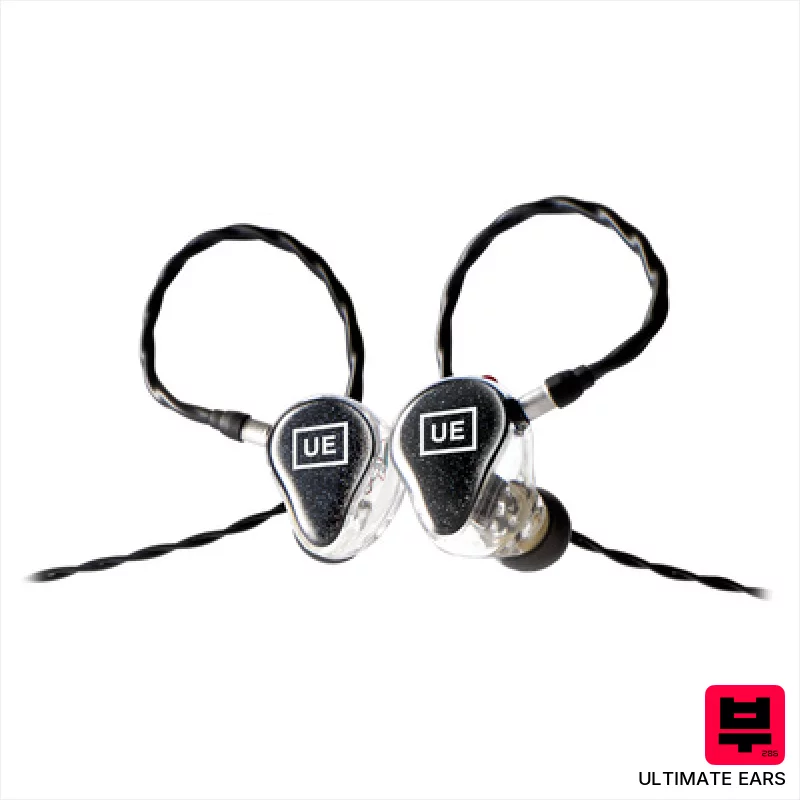
Ultimate Ears UE 250
- • Robust IPX-rated housing offers excellent stage durability.
- • Bass-emphasized sound provides clear low-end for monitoring live.
- • Variety of ear tips ensures a comfortable and secure fit.
- • Interchangeable cable simplifies repairs and customization.
- • 22 Ohm impedance requires a decent headphone amp for optimal volume.
- • Bass emphasis might not suit all genres or personal preferences.
- • Somewhat bulky compared to more modern, compact IEMs.
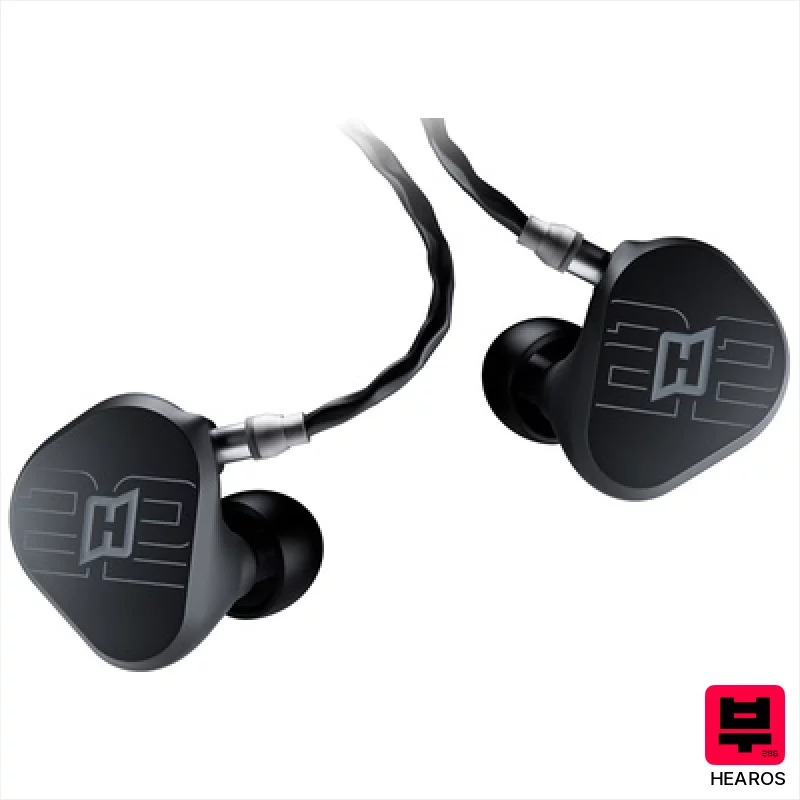
hearos 22 UNIFIT
- • Linum SuperBaX cable offers exceptional durability and signal clarity.
- • Balanced armature design delivers remarkably clean and detailed audio separation.
- • UNIFIT design provides a customizable, comfortable, and secure fit for various ears.
- • Sealed connector protects against moisture, crucial for stage use and reliability.
- • The 25-ohm impedance might require a dedicated headphone amplifier for optimal volume.
- • Premium-priced, making them a significant investment for casual users.
- • While versatile, the balanced armature sound may lack the 'warmth' some prefer for certain genres.
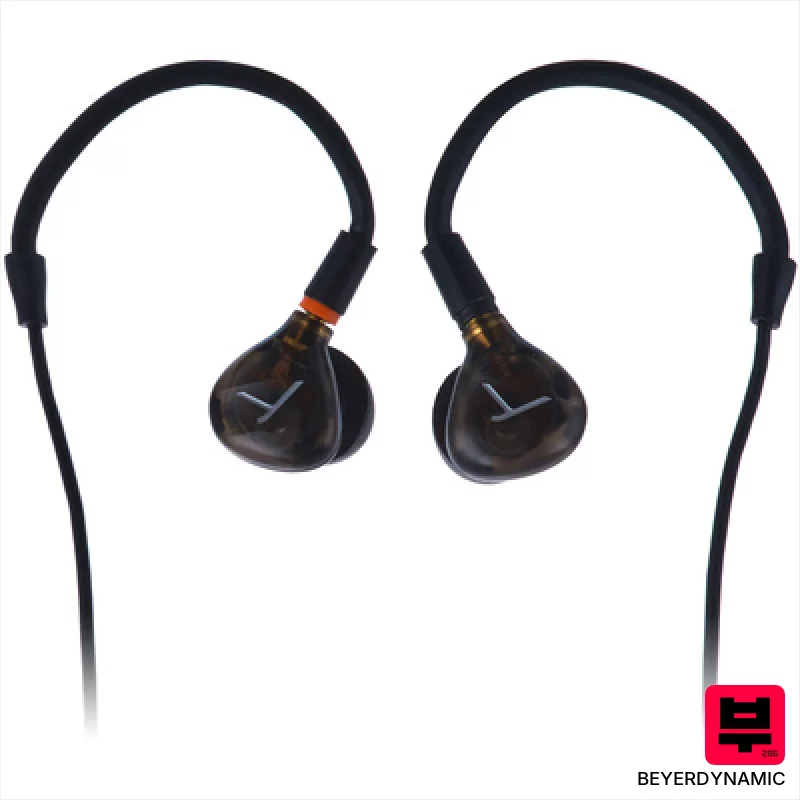
beyerdynamic DT 70 IE
- • Exceptional clarity and detail across a wide frequency spectrum, revealing subtle nuances.
- • Robust, German-engineered build quality; feels incredibly durable and premium.
- • IP68 rating provides excellent protection against dust and water immersion – a huge plus for stage use.
- • Detachable MMCX cable offers convenience and allows for easy cable replacement if damaged.
- • The sound signature, while accurate, might lack warmth for listeners preferring a bass-heavy profile.
- • Premium-priced, positioning it beyond the reach of budget-conscious musicians.
- • The included cable, while robust, could benefit from improved strain relief at the earpiece.

Hörluchs HL 1250
- • Comfortable, small form factor minimizes stage fatigue during long sets.
- • Balanced-armature driver delivers clear highs and surprisingly robust low-end.
- • Detachable cable with above-ear exit prevents tangling and cable pull.
- • Flexible ear hooks offer a secure, adaptable fit for various ear shapes.
- • Bass emphasis may be overwhelming for those preferring a neutral IEM signature.
- • The 'professional use only' restriction limits consumer appeal and warranty support.
- • Limited tip selection beyond the included sizes restricts optimal isolation/comfort.
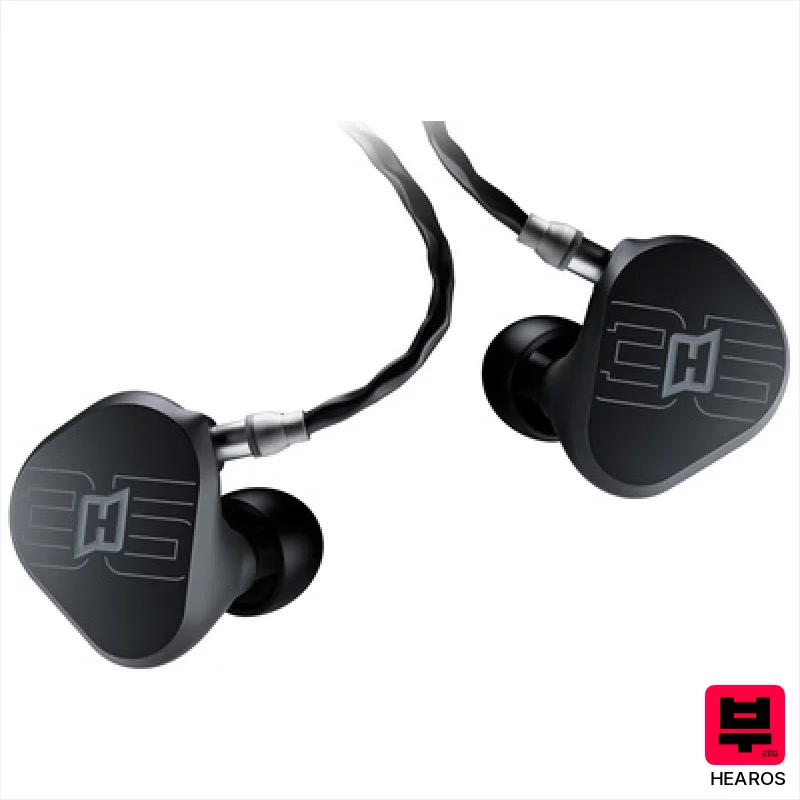
hearos 35 UNIFIT
- • Linum SuperBaX cable provides exceptional signal transmission and durability.
- • Five balanced armatures deliver detailed, balanced sound across the spectrum.
- • UNIFIT design offers a customizable, comfortable, and secure fit for diverse ears.
- • Sealed connector system offers excellent protection against moisture and debris.
- • The premium-priced tag puts these out of reach for many musicians.
- • Balanced armature design might lack the 'warmth' preferred by some bass-heavy genres.
- • UNIFIT customization can be time-consuming and require experimentation.
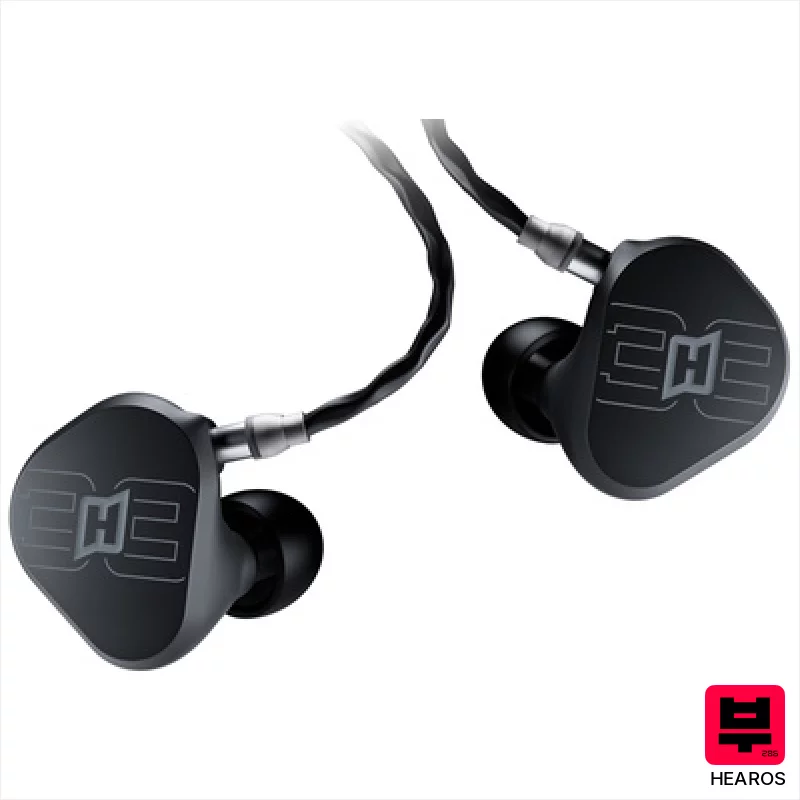
hearos 33 UNIFIT
- • Linum SuperBaX cable offers exceptional durability and signal clarity.
- • Balanced armature drivers deliver detailed, accurate sound across the spectrum.
- • UNIFIT design ensures a comfortable, secure fit for varied ear canals.
- • Sealed connector protects against moisture, extending lifespan in live environments.
- • Premium-priced, representing a significant investment for IEMs.
- • Universal fit may require experimentation to find optimal seal and isolation.
- • Relatively high impedance might necessitate a dedicated headphone amplifier.
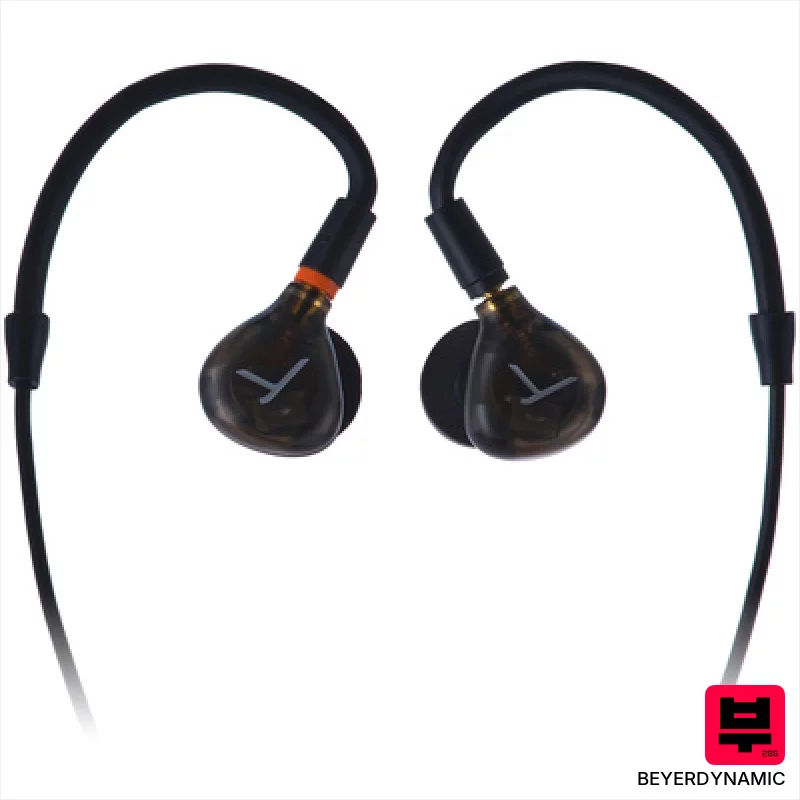
beyerdynamic DT 72 IE
- • Exceptional clarity and detail across the entire frequency spectrum.
- • Robust IP68 rating provides excellent protection from dust and water.
- • German engineering ensures premium build quality and long-term reliability.
- • Detachable MMCX cable simplifies replacements and reduces potential damage.
- • The sound signature, while excellent for vocals/guitars, may lack versatility for other genres.
- • The relatively high price point places them in a premium-priced category.
- • Foam ear tips, while comfortable, require more frequent cleaning and maintenance.
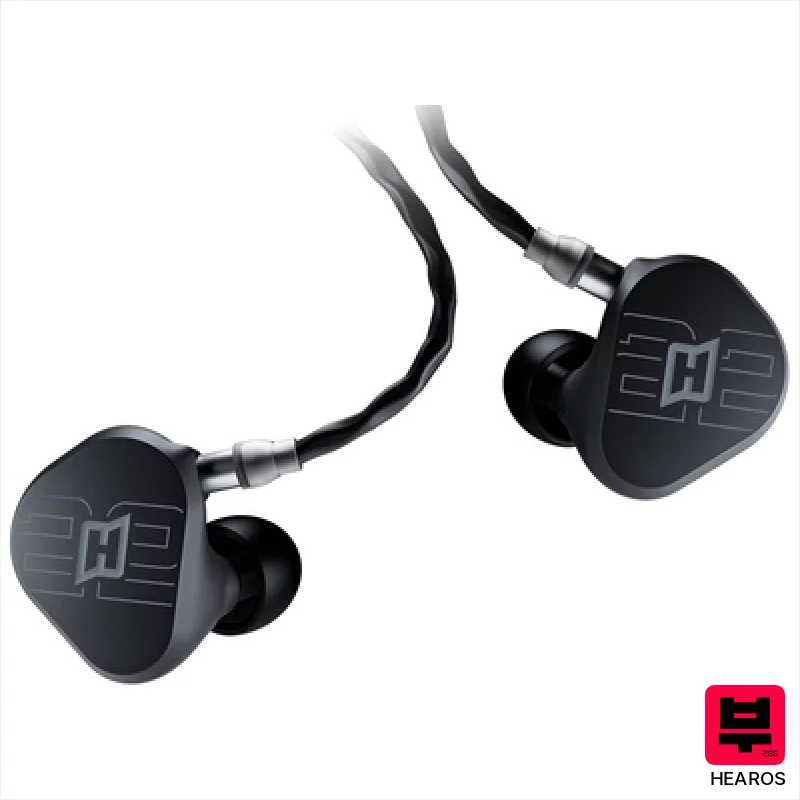
hearos 22mini UNIFIT
- • Linum SuperBaX cable offers exceptional signal transmission and durability.
- • Compact design is genuinely comfortable, even for smaller ear canals.
- • Balanced armature drivers deliver surprisingly detailed and articulate sound.
- • Sealed connector protects from moisture, crucial for stage use.
- • Premium-priced, a significant investment for IEMs.
- • 28-ohm impedance may require a dedicated headphone amp for optimal volume.
- • Universal fit tips might still require experimentation for perfect isolation.
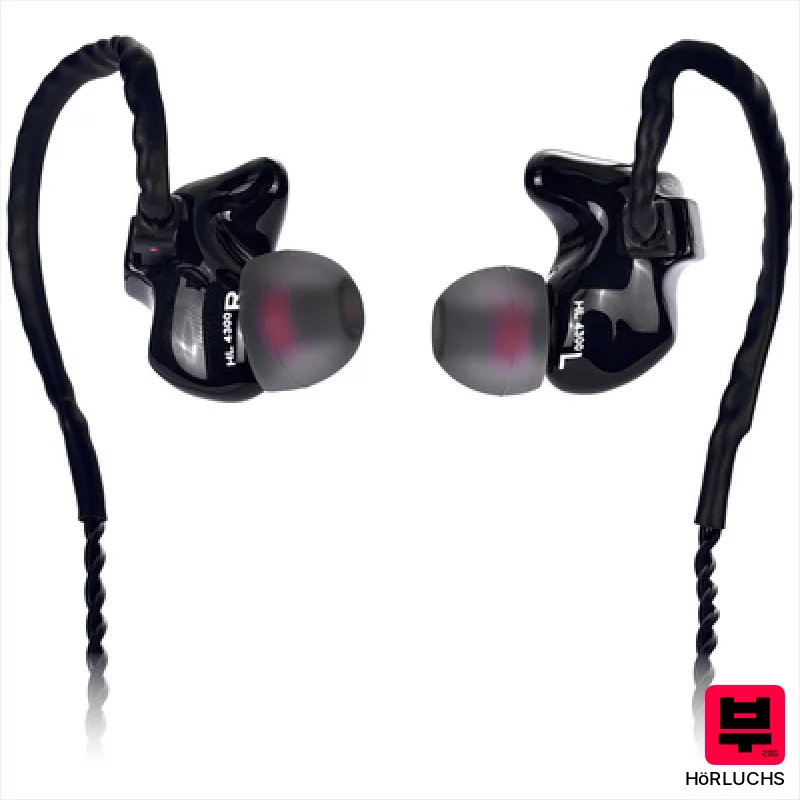
Hörluchs Universal Allround HL4300black
- • Exceptional clarity across the frequency spectrum, remarkably balanced for IEMs.
- • The 3D-Smart-Surface design truly enhances comfort and cable management.
- • Passive crossover provides precise driver tuning; avoids harshness.
- • Replaceable cable and cerumen filter extend lifespan and value.
- • 11 Ohm impedance may require a dedicated headphone amp for optimal volume.
- • Glossy black finish is prone to fingerprints and scratches.
- • Limited bass impact; not ideal for bass-heavy genres like EDM.
How to Choose the Best In-Ear Headphones
Tonal Accuracy
This isn't about 'bass-boosted fun.' We're talking about how faithfully the IEMs reproduce your instrument's fundamental frequencies and harmonics. A bassist needs to feel that low-end thump without it muddying everything else; a guitarist needs to hear the subtle nuances of their pickup voicing. Anything colored will throw off your sense of intonation and feel.
Isolation
Gigging in a loud room means you need serious isolation. Cheap IEMs let in too much bleed, forcing you to crank the volume to hear yourself, which leads to fatigue and potential hearing damage. Good isolation lets you hear your mix clearly at a reasonable volume.
Stage Volume/Headroom
IEMs need to handle the dynamic range of a live band. If they clip or distort when the drummer kicks the kit, they're useless. Headroom is crucial for handling unexpected peaks without sounding brittle or compressed.
Articulation & Transient Response
Can you hear the attack of your snare drum or the subtle pick scrapes on a guitar? Muffled or sluggish IEMs will make everything sound like a blurry mess. Clear articulation is key for locking in with the drummer and playing tight.
Comfort & Fit
Sounds obvious, but seriously - if they're uncomfortable, you won't wear them. Different ear canals are different shapes, so multiple tip sizes and shapes are a must. A bad fit will kill your focus and make the whole experience miserable.
Buying Guide
Don't fall for the hype. A lot of IEMs market themselves as 'studio quality' but are just bass-heavy consumer products. Spending more doesn't always guarantee better results - it buys you better drivers, improved isolation, and more versatile tuning options. Watch out for IEMs that promise 'super extended bass' - that's often a sign they're sacrificing clarity elsewhere. A good IEM is an investment in your hearing and your performance.
Our Methodology
We're not looking at spec sheets here. We've spent countless hours playing these IEMs through various rigs - from bedroom practice amps to full-blown PA systems - and A/B'd them against known good reference monitors. The real test is how they sound in a band setting and whether they give you the information you need to play your best, not just how they measure on a lab bench.

